
When it comes to choosing the perfect baby stroller in 2026, the options can seem endless and overwhelming. From traditional strollers and travel systems to stroller wagons and electric-assist models, how do you make the right decision for your family?
Imagine strolling through the park with ease, knowing your baby is safe, comfortable, and happy. This comprehensive guide is here to help you navigate every feature, trend, and factor you need to consider when buying a baby stroller. Whether you’re a first-time parent or looking for an upgrade, you’ll find the insights you need to make a confident purchase.
Dive in, and discover how to find a stroller that fits your lifestyle and budget, ensuring peace of mind and joyful outings with your baby.
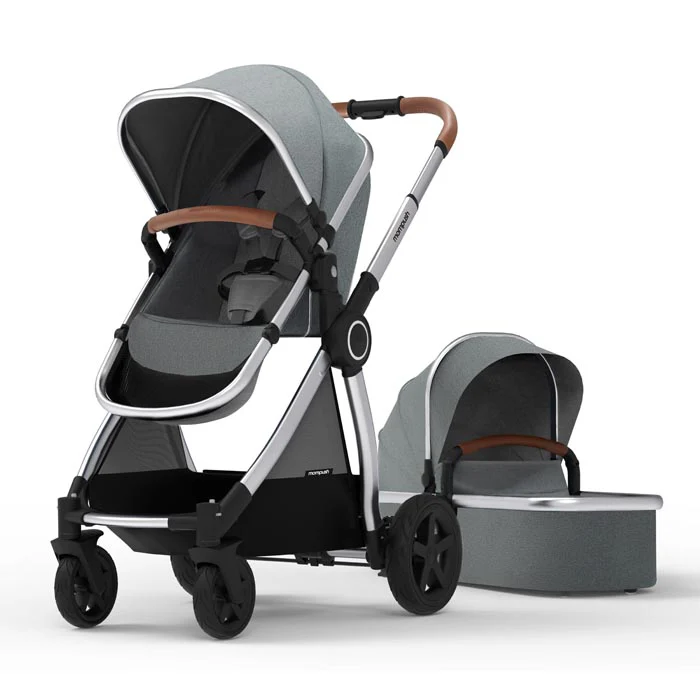
Credit: mompush.com
Safety Features
Safety features are crucial when selecting a baby stroller. Parents need peace of mind knowing their child is secure. Below are key safety aspects to consider before making a purchase.
Brakes And Locking Systems
Brakes should be easy to use and reliable. Check if the stroller has a one-touch brake system. This ensures quick stops when needed. Locking systems keep the stroller stable, especially on uneven surfaces. Always apply brakes whenever you stop, and never park the stroller on a slope or incline.
Five-Point Harness
A five-point harness offers maximum safety. It secures your baby at the shoulders, waist, and between the legs. This prevents your baby from slipping or climbing out. Ensure the harness is easy to adjust as your baby grows. Look for padded straps that won’t dig into your baby’s sensitive skin, and a buckle that’s simple for adults to operate but difficult for curious little fingers to release.
Stability And Weight Distribution
Check the stroller’s weight distribution. A well-balanced stroller prevents tipping. Wide bases offer better stability. Make sure the stroller can handle your baby’s weight. Never hang heavy bags or purses from the handlebars, as this can cause rapid shifts in balance and potentially tip the stroller over. Always store bags in the under-seat storage basket instead.
Safety Verifications And Standards
Look for strollers with current U.S. safety verification and standards compliance. The Baby Safety Alliance Verification Program (formerly JPMA Certification, rebranded in June 2025) signals independent testing to ASTM standards and federal regulations. In the U.S., carriages and strollers must meet CPSC’s mandatory rule at 16 CFR Part 1227, which incorporates ASTM F833-21. Products carrying the Baby Safety Alliance Verified Seal have been tested across safety criteria including stability, brake effectiveness, structural integrity, and harness security. When you see this seal, you can be confident the stroller meets or exceeds federal, state, and voluntary safety standards.
Adjustable Seat And Reclining Options
Adjustable seats offer comfort and safety. Reclining seats support your baby’s head and neck, which is important for newborns who cannot sit upright. Ensure the seat adjusts smoothly to prevent any sudden movements. For newborns, a fully flat recline or bassinet attachment is ideal, as it promotes healthy spine development and allows your baby to lie in a safe sleeping position.
Age And Weight Limits
Every stroller has manufacturer-specified age and weight limits. Most standard strollers accommodate children from birth (with a compatible car seat or bassinet) through 40–50 lbs, which generally covers ages up to 3–4 years. Always check the maximum weight capacity before purchasing. Choosing a stroller with a higher weight limit means your child can use it longer, offering better long-term value. Jogging strollers typically require babies to be at least 6–8 months old before use without a car seat attachment.
Comfort And Convenience
Comfort and convenience are key aspects to consider when buying a baby stroller. Parents want their little ones to enjoy a smooth and pleasant ride. Additionally, a stroller should be easy to use for caregivers. Choosing the right stroller means balancing these two factors to ensure both the baby and parent have a great experience.
Easy Maneuverability
Wheel design affects how smoothly a stroller moves. Swivel wheels help navigate tight spaces, while larger wheels handle rough terrains better. Look for adjustable handles that accommodate different users’ heights. Lightweight frames make strollers easier to push and lift. Many 2026 models now feature all-wheel suspension systems that absorb bumps and provide a smoother ride even on uneven surfaces.
Comfortable Seating
Padding offers extra comfort for your baby. Check for breathable materials that keep your baby cool during warm weather. Adjustable seat positions let your child sit or recline. A five-point harness keeps your baby safe and snug. Ensure the seat is easy to clean, as spills and messes are inevitable with little ones.
User-Friendly Features
One-hand fold mechanisms are now available in the majority of new stroller models, saving time and effort when you’re holding your baby. Storage compartments hold essentials like diapers and bottles. Cup holders are handy for drinks. Consider strollers with UPF 50+ sun canopies that protect babies from harmful UV rays. Look for models with peek-a-boo windows so you can check on your baby while walking, and footrests for extra comfort.
Weight And Portability
Lightweight strollers are easy to carry and ideal for travel. Some ultra-lightweight models now weigh under 14 lbs while still offering full features. Compact designs fit easily in car trunks and overhead airplane compartments. Check if the stroller has a freestanding fold, which is useful for storage. Portable strollers are perfect for active families who are always on the go.
Car Seat Compatibility And Travel Systems
One of the most important factors many parents overlook is car seat compatibility. A stroller that works seamlessly with your infant car seat can save you significant time and hassle, especially during the first year.
Click-And-Go Systems
Many strollers now offer click-and-go adapters that let you snap your infant car seat directly onto the stroller frame. This means you can transfer a sleeping baby from the car to the stroller without waking them. Check which car seat brands are compatible with your stroller before purchasing, as not all adapters are universal.
The Two-Hour Rule
While car seat compatibility is incredibly convenient, keep in mind that babies shouldn’t stay in a curved car seat position for more than about two hours at a time. For longer outings, choose a stroller with a flat recline, carry cot, or bassinet option so your baby can lie flat safely. This is especially important for newborns whose spines are still developing.
Choosing Between Bundled And Separate Systems
Travel systems bundle a stroller and matching car seat together, which is often more cost-effective than buying each piece separately. However, buying a stroller and car seat separately gives you the freedom to choose the best option in each category. Consider your priorities: if convenience matters most, go with a travel system. If you want the highest-rated car seat paired with the best stroller, purchase them individually and use a compatible adapter.
Trending Stroller Features In 2026
The baby stroller market evolves rapidly, and 2026 has brought several exciting innovations. Staying aware of current trends helps you make a future-proof purchase.
One-Hand Fold Technology
Gone are the days of wrestling with complicated folding mechanisms. The vast majority of new stroller models in 2026 feature one-hand fold technology. This lets you collapse the stroller quickly while holding your baby in the other arm. Some models even self-stand when folded, making storage even easier.
Sustainable And Eco-Friendly Materials
Eco-conscious parents now have more options than ever. Many leading brands are using recycled fabrics, vegan leathers, and recyclable aluminum frames. Some companies also offer lifetime warranties and take-back programs, reducing waste and extending the useful life of strollers.
Electric-Assist Strollers
Electric-assist strollers are an emerging category that makes uphill strolls and heavy loads effortless. These models use integrated sensors to adapt motor assistance based on terrain. Some even feature regenerative braking that recharges the battery during downhill use. While pricier, they are a game-changer for parents dealing with hilly neighborhoods or long daily walks.
Modular Accessory Ecosystems
Many stroller brands now offer modular ecosystems where a single seat or frame connects to multiple products. For example, one seat unit might work on a stroller frame, a wagon base, a bike mount, or even as a dining booster. This cross-compatibility provides exceptional value for families who want versatility without buying entirely separate products for each use case.
Budget Considerations
Choosing a baby stroller involves many factors, with budget being crucial. Parents often need to balance cost with functionality. It’s important to find a stroller that fits your lifestyle without breaking the bank. Understanding what features you need can help in making smart financial decisions. Let’s explore some key budget considerations when purchasing a baby stroller.
Consider Your Financial Limits
Determine how much you can spend comfortably. Strollers range from around $60 for basic models to over $900 for luxury options, with some premium electric-assist models exceeding $1,500. Decide a budget that doesn’t strain your finances. Look at your overall baby expenses, like diapers, clothes, and car seats. This helps in setting a realistic budget for a stroller.
Evaluate Feature Costs
Strollers come with various features. Some are essential, others are nice-to-have. Consider which features are must-haves for your lifestyle. Extra features like reversible seats, all-terrain wheels, and modular accessories often increase the price. Be mindful of what you need versus what you want. A mid-range stroller with the right features for your routine is often a better investment than a premium model loaded with extras you won’t use.
Compare Prices And Brands
Prices vary across brands for similar models. Compare different brands to find affordable options. Read reviews and check ratings from trusted sources like Consumer Reports and BabyGearLab. This helps in understanding the value of the stroller. Sometimes, lesser-known brands offer great quality at lower prices.
Best Time To Buy And Where To Find Deals
Timing your purchase can lead to significant savings. The best months to buy strollers are typically May, June, and July, when many retailers offer seasonal promotions. Holiday sales events like Black Friday and Prime Day also bring steep discounts. Sign up for newsletters from baby stores to stay informed about upcoming deals. Consider buying a gently used stroller in good condition from trusted resale platforms, which can significantly reduce costs. Just make sure to check for any product recalls before purchasing second-hand.
Types Of Strollers
When you’re shopping for a baby stroller, the variety of options can seem overwhelming. From lightweight models to heavy-duty designs, choosing the right type depends on your lifestyle and needs. Understanding the different types of strollers can simplify your decision, ensuring that you select the perfect one for you and your little one.
Standard Strollers
Standard strollers are the most common type, designed for everyday use. They often come with features like reclining seats, storage baskets, and sun canopies. If you picture yourself taking leisurely strolls through the park or running errands, a standard stroller might be your best bet. Popular models in 2026 include options from UPPAbaby, Bugaboo, Nuna, and Cybex.
Travel Systems
Travel systems combine a stroller with an infant car seat, offering convenience and versatility. You can easily move a sleeping baby from the car to the stroller without waking them. This option is ideal if you frequently drive and want a seamless transition between car and stroller. For more options, you can also explore this guide to the best strollers with car seats.
Umbrella Strollers
Umbrella strollers are lightweight and easy to fold, perfect for quick trips or travel. They are not as feature-rich as standard strollers but can be a lifesaver in crowded places. Consider an umbrella stroller if portability and simplicity are your top priorities.
Travel Strollers (Cabin-Approved)
Travel strollers are a dedicated subcategory that has exploded in popularity. These ultra-compact models fold small enough to fit in airplane overhead compartments, meeting IATA carry-on size requirements. They typically weigh between 13–17 lbs and can serve as an everyday stroller from birth when paired with a compatible car seat or bassinet. If you fly frequently or need a stroller that packs down small, a cabin-approved travel stroller is a worthwhile investment.
Jogging Strollers
Designed with active parents in mind, jogging strollers have three sturdy wheels and enhanced suspension. They allow you to maintain your fitness routine while enjoying time with your child. If you love running or hiking, a jogging stroller might be the perfect fit. Note that most manufacturers recommend waiting until your baby is at least 6–8 months old before using a jogging stroller for running.
Double Strollers
For parents with twins or two young children, double strollers offer the convenience of transporting both kids in one go. They come in side-by-side or tandem designs, catering to different preferences and space requirements. Think about the width of your doorways and car trunk when choosing a double stroller.
Single-To-Double Convertible Strollers
If you’re planning to expand your family, a single-to-double convertible stroller is an excellent investment. These models start as a single stroller and can expand to accommodate a second (or even third) child with add-on seats, ride-along boards, or rumble seats. This means you buy one stroller that grows with your family, saving money and storage space compared to purchasing separate strollers.
Stroller Wagons
Stroller wagons are one of the fastest-growing categories in baby gear. These hybrid vehicles combine the push-and-steer convenience of a stroller with the spacious, open design of a wagon. They can typically hold multiple children along with gear like diaper bags, snacks, and toys. Stroller wagons are perfect for families with two or more kids, zoo trips, beach outings, and sporting events. Many models now include five-point harnesses, sun canopies, and car seat adapters for infant use. If you want a versatile ride that lasts well into the preschool years, a stroller wagon is worth considering.
All-Terrain Strollers
All-terrain strollers are built for rough and uneven surfaces, with sturdy wheels and durable construction. They are excellent for outdoor enthusiasts who enjoy hiking trails or off-road adventures. If your weekend plans often involve nature, this type could be your best companion.
By considering how each stroller type aligns with your daily activities, you can make a more informed choice. Which type resonates with your lifestyle?
Lifestyle And Usage
Choosing the right baby stroller involves understanding your lifestyle and usage needs. Parents have different routines and environments. These factors influence the stroller choice significantly. Whether you live in the city or suburbs, your daily activities play a huge role in the decision-making process.
Urban Vs. Suburban Living
City dwellers often need strollers that maneuver well in tight spaces. Compact designs are ideal for crowded streets, public transport, and walk-up apartments. Strollers with easy folding mechanisms and lightweight frames are essential for navigating elevators and stairs.
Suburban families might prefer strollers with larger wheels. These are perfect for uneven sidewalks and trips to the park. Bigger models often offer more storage space for essentials and the durability to handle daily use over longer distances.
Active Lifestyle
If exercise is part of your routine, consider a jogging stroller. These strollers have sturdy frames and suspension systems. They provide stability during runs and brisk walks.
For those who enjoy outdoor adventures, all-terrain strollers are a great option. They handle various surfaces, ensuring a smooth ride for your baby.
Travel Frequency
Traveling families need strollers that are lightweight and portable. Look for strollers that fit easily in car trunks and airplane overhead compartments. IATA-compliant travel strollers let you bring the stroller on board as carry-on luggage, avoiding potential damage from gate-checking.
Consider models with travel systems. These allow seamless transitions from car seats to strollers.
Daily Usage
Think about how often you will use the stroller. Frequent users might prioritize durability, comfort, and all-wheel suspension. Adjustable handles can accommodate different heights, which is helpful when multiple caregivers share pushing duties.
Occasional users might focus more on affordability. A simple design that meets basic needs is often sufficient.
Growing Family Considerations
If you’re planning more children in the next few years, think ahead. A single-to-double convertible stroller or a stroller wagon could save you from buying an entirely new stroller later. Many parents find that investing slightly more upfront in a versatile, expandable model pays off significantly in the long run.
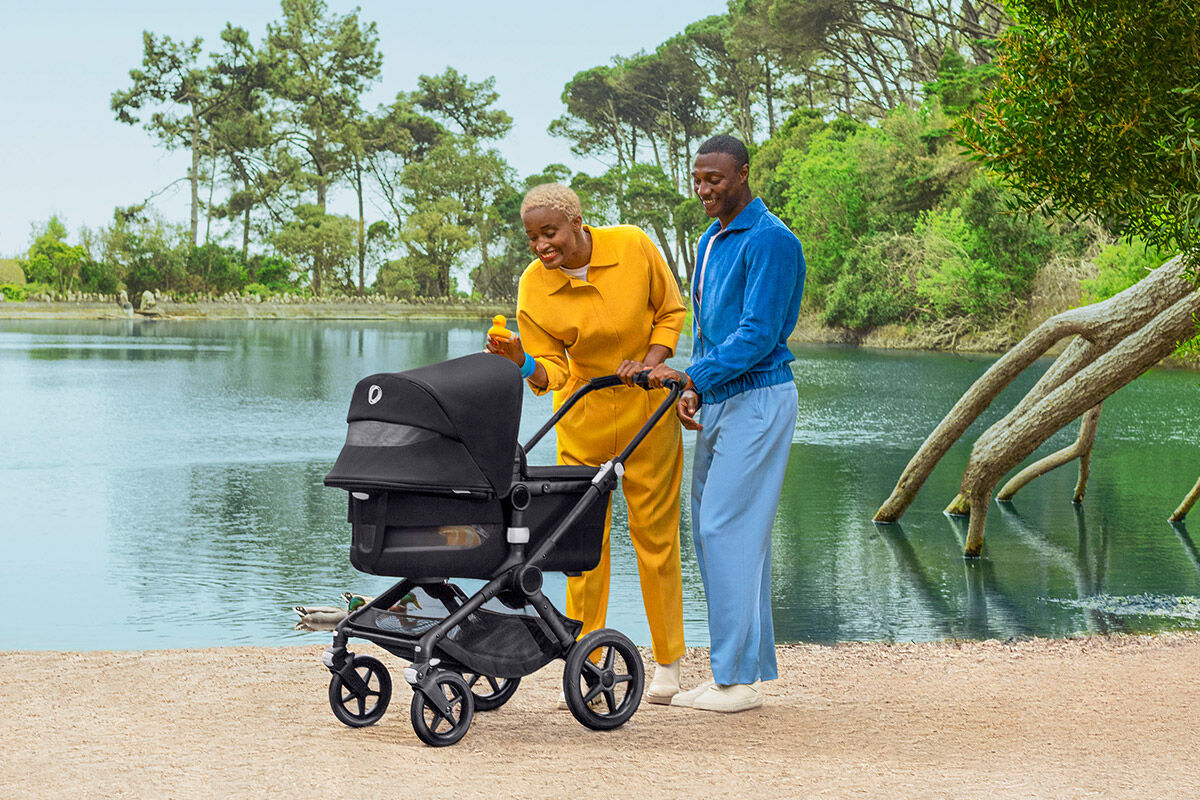
Credit: www.bugaboo.com
How To Test A Stroller Before Buying
Experts strongly recommend test-driving a stroller before committing to a purchase. Whether you visit a brick-and-mortar store or borrow a friend’s stroller for a spin, hands-on testing reveals things that online reviews cannot. Here’s what to evaluate:
In-Store Or In-Person Checks
Push the stroller on different surfaces if possible — smooth floors, carpet, and any uneven ground near the store. Test the fold mechanism multiple times: can you do it with one hand? Does it feel intuitive? Check if the folded stroller stands on its own. Adjust the harness, recline, and handlebar height. Open and close the canopy. Try accessing the storage basket while a bag is loaded in it.
Key Questions To Ask Yourself
Can I lift this stroller comfortably into my car trunk? Does the handlebar height suit my (and my partner’s) frame? Is the brake easy to engage with one foot? Does the canopy provide enough shade? How loud are the wheels on hard surfaces? Will this fit through my front door and hallways? These practical checks can prevent buyer’s remorse and ensure you pick a stroller you’ll actually enjoy using every day.
Durability And Maintenance
Choosing a baby stroller involves considering durability and maintenance. Parents want a stroller that lasts and is easy to care for. A durable stroller means less stress and more focus on family activities. Proper maintenance ensures the stroller remains safe and functional over years of use.
Durability: Built To Last
Durability is crucial for a baby stroller. Strollers face rough terrain and frequent use. Check materials like aluminum or steel for the frame. Solid construction offers stability and safety. Look for sturdy wheels that handle bumps and uneven surfaces. Strong fabric resists wear and tear, lasting through years of use. Many premium brands now use eco-friendly recycled materials that are both durable and sustainable.
Maintenance: Easy Care
Maintenance keeps a stroller in top shape. Regular cleaning prevents dirt buildup. Removable parts make cleaning simple. Check if the fabric is machine washable or easy to wipe down. Inspect the wheels and brakes often. Ensure they function correctly. Lubricate moving parts for smooth operation. Store the stroller in a dry place to prevent rust.
Parts Replacement: Simple Solutions
Replacement parts can extend a stroller’s life. Check availability of spare parts before buying. Look for brands with easy-to-find replacements and good customer support. Tires, brakes, and handles often need replacing over time. Easy access to parts saves time and money. It ensures the stroller remains safe for your child. Some brands offer lifetime warranties, which is a strong indicator of build quality and long-term support.
Frequently Asked Questions
What Type Of Stroller Is Best For Newborns?
For newborns, a stroller with a bassinet attachment is ideal. It allows babies to lie flat, promoting healthy spine development. Look for models with proper cushioning and support. Ensure the stroller has a five-point harness for safety and is easy to maneuver. For sleep, follow AAP safe-sleep guidance: babies should sleep on a firm, flat surface designed for infant sleep; do not let infants sleep unsupervised in a car seat or semi-reclined stroller seat (AAP, 2022).
How Important Are Stroller Safety Features?
Safety features are crucial when choosing a stroller. Ensure it has a reliable braking system and a sturdy frame. A five-point harness keeps your baby secure. Check for the Baby Safety Alliance Verified Seal (formerly JPMA Certification) and read reviews for added peace of mind. Safety should always be your top priority.
Can I Use A Stroller For Jogging?
Not all strollers are suitable for jogging. Jogging strollers have three wheels and suspension systems for smooth rides. They offer stability and are designed for running. Always check the manufacturer’s guidelines to ensure the stroller is safe for jogging, and wait until your baby is at least 6–8 months old before jogging with them.
How Do I Choose Stroller Size?
Consider your lifestyle and storage needs when selecting stroller size. Compact strollers are ideal for city dwellers with limited space. Larger strollers offer more storage and comfort for longer outings. Ensure the stroller fits in your car trunk and through your home’s doorways.
What Is A Stroller Wagon And Do I Need One?
A stroller wagon is a hybrid between a stroller and a classic wagon. It can be pushed like a stroller but offers a more spacious, open seating area like a wagon. Stroller wagons are excellent for families with multiple children, outdoor outings, and hauling extra gear. Many models now include safety harnesses, sun canopies, and infant car seat adapters, making them usable from day one.
Are Expensive Strollers Worth It?
It depends on your needs and usage. Higher-priced strollers often offer better build quality, smoother maneuverability, longer lifespans, and premium features like all-wheel suspension and convertible designs. However, many mid-range strollers provide excellent value. Consider how frequently you’ll use the stroller, whether you plan to have more children, and which features are essential for your daily routine.
How Long Do Strollers Last?
A well-made stroller can last 3–5 years or more with proper maintenance, easily covering one child’s stroller years and potentially a second child’s as well. Durability depends on the frame material, wheel quality, and fabric construction. Strollers with replaceable parts and strong warranties tend to last the longest.
Do I Need A Separate Travel Stroller?
If you travel frequently by air, a dedicated travel stroller can be a worthwhile investment. These models fold compact enough to fit in airplane overhead compartments, protecting them from potential damage during gate-checking. However, if you only fly occasionally, a lightweight everyday stroller with a compact fold may serve double duty.
When Can A Baby Sit In A Stroller Without A Car Seat?
Most babies can sit in a stroller seat (without a car seat attachment) once they have good head and neck control, typically around 6 months of age. Before that, use a stroller with a fully flat bassinet or attach an infant car seat to the stroller frame. Always follow the specific manufacturer’s age and weight recommendations for your stroller model.
Should I Buy A New Or Second-Hand Stroller?
Buying a gently used stroller can save significant money. However, always check for product recalls on the CPSC website before purchasing. Inspect the frame, harness, brakes, and wheels for wear. Make sure all safety features are fully functional. Avoid strollers that are missing parts, have been in an accident, or are past the manufacturer’s recommended lifespan.
Conclusion
Choosing the right baby stroller in 2026 is about matching the stroller to your family’s unique needs. Focus on safety features like five-point harnesses and the Baby Safety Alliance Verified Seal. Think about your lifestyle — whether you need a compact city stroller, an all-terrain model, a jogging stroller, or a versatile stroller wagon.
Consider trending features like one-hand fold technology, sustainable materials, and modular accessory systems that can grow with your family. Don’t overlook car seat compatibility, weight limits, and portability. Set a realistic budget and time your purchase during seasonal sales for the best deals.
Most importantly, test-drive before you buy whenever possible. A smooth ride, intuitive fold, and comfortable push make all the difference in daily use. Compare prices, read reviews, and take your time. Your baby deserves the best, and with the right information, you’ll find a stroller that brings joy to every outing.
7 thoughts on “What to Consider When Buying a Baby Stroller: Expert Tips 2026”