
Yes, you can donate a baby stroller if it is clean, complete, fully working, free of unresolved recalls, and accepted by the recipient. Do not donate a stroller with a failed brake, damaged harness, cracked frame, loose wheel, unstable folding lock, mold, missing safety parts, or an unknown model that cannot be checked for recalls.
Donation policies vary by charity, thrift store, shelter, baby bank, and local program. Inspect the stroller first, find the model label, check the recall status, clean it according to the manufacturer’s instructions, and call before drop-off.
Last updated: July 19, 2026 · Reviewed against current CPSC guidance, published donation policies, and 2026 IRS tax rules
Quick Answer
You can donate a baby stroller when the model can be identified, the stroller is not under an unresolved recall, every safety feature works, all required parts are present, and the recipient confirms it accepts used strollers. Check the CPSC stroller recall page, test the brakes, harness, wheels, frame, and folding lock, then call before you deliver it.
Key Takeaways
- Donate only a clean, dry, complete stroller with working brakes, harness, wheels, frame locks, and folding mechanisms.
- Do not donate or give away a stroller with an unresolved recall or a safety defect.
- Call first because acceptance rules differ by location and can change without notice.
- Specialized baby banks, family nonprofits, shelters, and direct community gifting groups may be better options than large thrift chains.
- For 2026 federal taxes, a stroller is a noncash gift. The non-itemizer charitable deduction applies only to cash or check, while itemized charitable deductions are subject to a 0.5% adjusted-gross-income floor.
Donation Decision Guide
| Stroller condition | Best next step |
|---|---|
| Identifiable model, no unresolved recall, complete, clean, and fully working | Call the recipient, confirm acceptance, and donate it with the manual or model details. |
| Minor cosmetic wear or a missing non-safety accessory | Call first and disclose the issue. The recipient may accept it or require the accessory. |
| Recalled and the official remedy has not been completed | Do not donate it. Follow the manufacturer’s or CPSC’s repair, replacement, refund, or disposal instructions. |
| Broken safety part, cracked frame, unstable fold, loose wheel, mold, or missing model label | Do not pass it on. Use an approved repair route or follow local recycling and disposal rules. |
Warning: Do not donate or give away a stroller with an unresolved recall, broken brake, missing or damaged harness, cracked frame, loose wheel, unstable folding lock, mold, pest damage, or missing safety parts. CPSC guidance applies to charities and other people who distribute consumer products, not only retail stores. Follow the official recall remedy instead of transferring an unsafe stroller.
Can You Donate Your Baby Stroller?
You can donate your baby stroller when another caregiver can use it safely without guessing, repairing a safety system, or searching for missing parts. The model should be identifiable so you and the recipient can check recalls and find the correct manual.
Donate It If It Passes These Checks
- The brand, model name, model number, or manufacture label is readable.
- The stroller has no unresolved recall on the CPSC stroller recall page.
- The parking brakes lock firmly on a flat surface.
- The harness, buckle, straps, and adjustment points are present and work.
- The frame opens, folds, and locks without collapsing, sticking, or wobbling.
- The wheels roll correctly, remain attached, and do not show dangerous looseness.
- The seat, canopy, basket, and required accessories are secure and belong to the model.
- The fabric is clean, dry, and free of mold, pests, strong odors, and heavy contamination.
Call First If You Are Unsure
Call before donating an older stroller, a travel-system frame, a stroller with cosmetic wear, or a stroller missing a non-safety accessory. Ask whether the organization accepts used strollers, whether it has an age or condition limit, and whether it needs the manual or model number.
Do Not Donate It If It Fails Safety Checks
Do not donate a stroller with a failed brake, missing strap, damaged buckle, cracked or bent frame, loose wheel, unstable folding lock, mold, pest damage, missing safety hardware, or an unidentified model. If the official recall remedy or a manufacturer-approved repair cannot make it safe, follow local recycling or disposal rules.
Treat a donated stroller like safety equipment. If you would not place your own child in it today, do not pass it to another family.
Why Donate a Safe Baby Stroller?
A safe stroller can give another family practical transportation while keeping a bulky, usable product out of the waste stream. The value comes from the stroller being ready to use, not simply from moving it out of your home.
Help With Everyday Transportation
A working stroller can make it easier for a caregiver to reach appointments, shops, child care, parks, and public transportation while carrying supplies or caring for another child.
Extend the Stroller’s Useful Life
Passing on a safe stroller delays disposal and reduces the need for another family to purchase a new product immediately.
Support Local Family Programs
Baby banks, shelters, family nonprofits, and mutual-aid groups can match useful gear with families who need it. Their storage and safety policies differ, so confirm acceptance first.
Declutter Responsibly
Donation creates space without shifting a broken or unsafe product onto someone else. Clean the stroller, disclose its history, and include all relevant parts.
Encourage Safer Secondhand Giving
Providing the model number, recall-check date, manual, and honest condition notes helps the next caregiver make an informed decision.
Credit: pathways.org
How Does a Donated Stroller Help a Family?
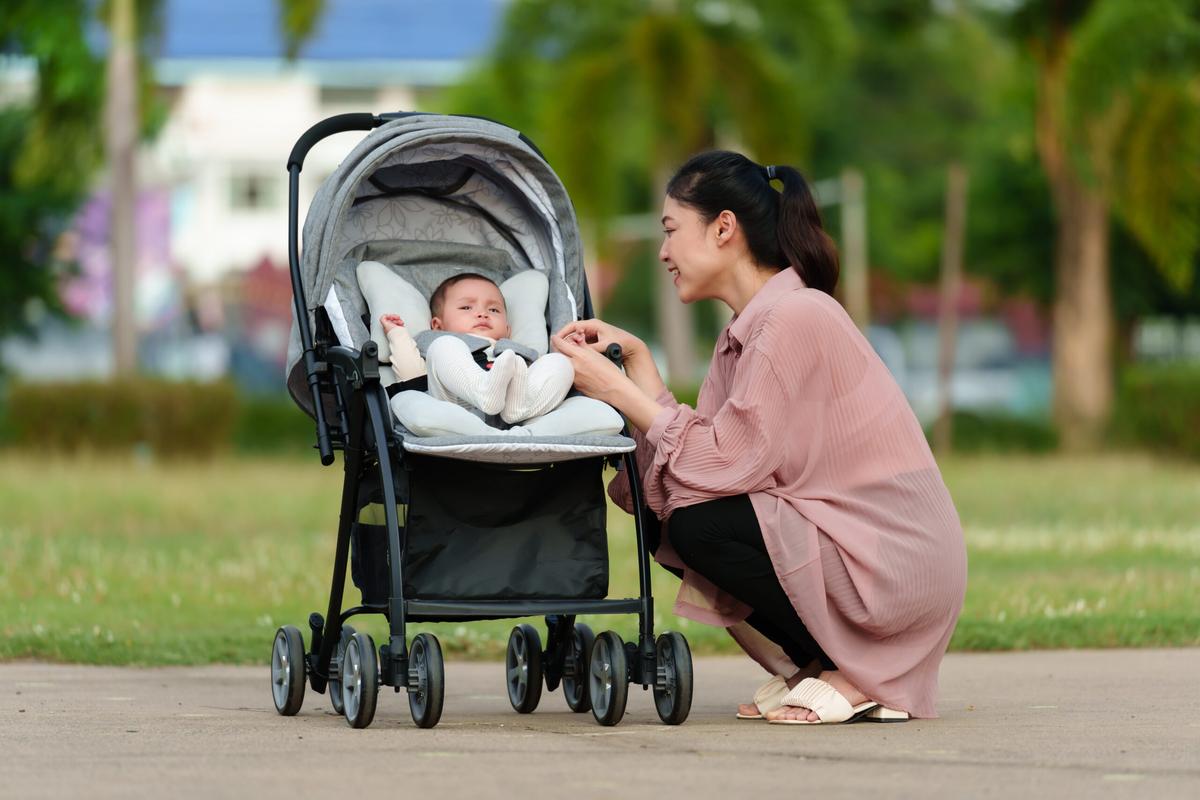
A stroller can reduce the physical load of carrying a child during errands, bus or train trips, school runs, and appointments. It can also help a parent leave home more easily and participate in community activities.
- Mobility: The caregiver has a stable way to move a child and essential supplies.
- Routine: Daily trips can become more manageable and predictable.
- Access: A stroller may make clinics, shops, parks, libraries, and public transportation easier to reach.
- Budget relief: A safe secondhand stroller can reduce an immediate baby-gear expense.
These benefits depend on the stroller being appropriate for the child, used according to the manufacturer’s instructions, and free of safety defects.
Recommended Products

DURABLE AND SAFE FOR YOUR GROWING CHILD: The Baby Trend Ride-On Stroller Board is designed with safety in mind and made with durable materials to keep your little one rolling through life

Versatile Design: 3-wheel stroller design provides superior maneuverability and easy turning for seamless navigation through crowded spaces.

FROM CAR SEAT TO STROLLER IN SECONDS - Whether you're running errands or traveling by car, train, or plane, Doona is the complete travel system. Move from car seat to stroller at the click of a button, without disturbing your sleeping child.
Where Can You Donate a Baby Stroller?
Start with organizations that already distribute baby gear, then try shelters, family-support programs, and direct community gifting. Do not assume a national brand accepts strollers everywhere. Current need, storage space, local law, and internal safety rules can change acceptance.
Recommended Products
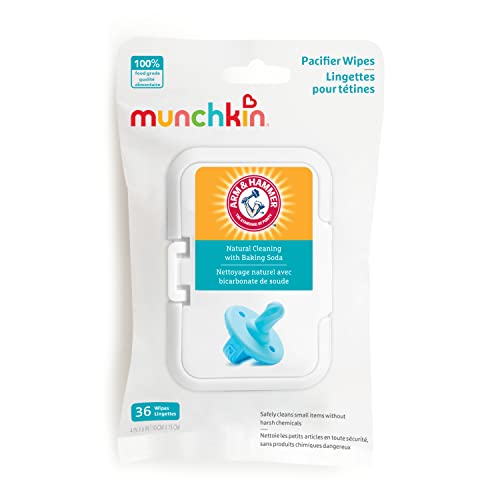
Versatile Cleaning Solution: Baby Travel essential, Ideal for cleaning pacifiers, breast pumps and accessories, teethers, baby bottles, sippy cups, utensils, and more.

ALL PURPOSE CLEANER: Simply spray and wipe away gunk, grime and sticky fingerprints from the surfaces your baby touches most without the worry of leftover harsh chemical residue. Perfect for cleaning toys, highchairs, car seats, countertops and wherever messy moments happen.

AN EXTRA PAIR OF HANDS: Whether you need to carry everything but the kitchen sink or just want to keep a few baby items at your fingertips, our stroller carabiner clip 2-pack keeps all your essentials right where you need them.
Baby Banks and Family Nonprofits
Specialized baby-gear programs are often the best first call because they already sort, inspect, and distribute items for children. For example, Helping Mamas lists strollers as large items that must be brought to its warehouse. Policies are location-specific, so use this as an example rather than a universal rule.
Other organizations may temporarily limit what they accept. Room to Grow’s current donation page says its baby boutiques are stocked with new items and books in great condition and that it is currently accepting books in Boston and New York City. Check the current page before planning a drop-off.
Women’s Shelters and Family Shelters
Shelters may know parents who need strollers, but secure locations, limited storage, and safety policies can restrict direct donations. Call the shelter or its public donation coordinator instead of arriving unannounced.
Thrift Stores
Thrift-store policies vary by organization and region. Goodwill of Greater Washington lists strollers among children’s items it cannot accept. The Salvation Army says local ordinances and need vary and tells donors to contact the local center before donating.
Community Gifting Platforms
Local Buy Nothing groups, Freecycle, neighborhood groups, and parent groups can connect you directly with a family. Include clear photos of the stroller open and folded, the model label, wheels, brake area, harness, folding lock, and visible wear.
State the approximate age, recall-check status, included accessories, repair history, and whether the stroller comes from a smoke-free or pet-free home only when those statements are true. Never hide a defect.
Hospitals, Clinics, and Social Workers
Many health facilities cannot accept used gear directly, but a pediatric social worker, family-resource center, or community health program may refer you to a partner organization that can.
Churches and Community Organizations
Religious groups, mutual-aid programs, and community centers may distribute baby gear alongside diapers, clothing, food, or transportation help. Ask who screens the equipment and what condition standards apply.
Pro Tip: When you call, say: “I have a clean stroller with an identifiable model, working brakes, harness, wheels, and folding lock. I checked it for recalls. Do you accept used strollers, and do you need the manual or model number?”

Credit: www.imperfecthomemaking.com
How Do You Prepare a Stroller for Donation?
Prepare the stroller as if you were giving it to someone you know. The next caregiver should receive a clean, complete product with enough information to check the model and use it correctly.
Recommended Products

Children can sit in the front and jump/rear seats of this stroller or stand on the rear platform

Versatile Stroller and Car Seat Combo with 6 Modes of Use: The Baby Trend Passport Switch Modular Travel System is a versatile stroller and car seat combination featuring our EZ-Lift PLUS Infant Car Seat and Base
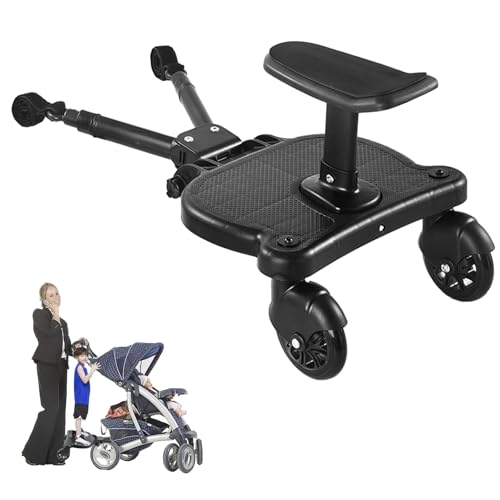
2-IN-1 Universal Stroller Board: our stroller glider boarduniversal stroller board adopts the connection method of advanced Velcro,to be flexibly used with different models of strollers in a few seconds, safe and stable, easy to connect.Can be applied to joggers, strollers, buggies, umbrella strollers etc.【TIP】Before buying, please confirm whether your universal stroller has a place where the Velcro is wrapped to avoid unnecessary returns!
1. Identify the Model and Check Recalls
Find the brand, model number, manufacture date, and serial number if shown. Search the exact information on the CPSC stroller recall page. CPSC also explains that its resale and distribution rules apply to thrift stores, charities, and individuals who distribute consumer products.
2. Inspect Every Safety Function
Check the frame, brakes, harness, buckle, folding lock, recline mechanism, wheels, canopy, handlebar, and accessory attachment points. The federal stroller standard at 16 CFR Part 1227 addresses hazards involving stability, brakes, restraint systems, latches, folding mechanisms, structural integrity, wheels, and entrapment. A hands-on inspection of the exact used stroller is still necessary.
3. Clean It According to the Manual
Vacuum or brush away crumbs, dirt, sand, and pet hair. Use only cleaning methods allowed by the manufacturer. Let every fabric and crevice dry fully before donation so moisture is not trapped during storage or transport.
4. Remove Personal Items
Empty the basket, pockets, cup holders, canopy folds, and seat creases. Remove toys, snacks, receipts, medicine, keys, photos, and documents containing personal information.
5. Include the Manual and Correct Accessories
Include the original manual when available. Otherwise, share the manufacturer’s manual link for the exact model. Include adapters, rain covers, trays, or other accessories only when they belong to that stroller and are safe to use.
6. Use Only Manufacturer-Approved Repairs
Do not improvise repairs to brakes, harnesses, buckles, wheels, folding latches, or structural parts. Use the manufacturer’s instructions and approved replacement parts. For a Graco model, review the Graco stroller repair guide before attempting model-specific cleaning or maintenance.
7. Give the Recipient a Condition Note
Share the brand, model, approximate purchase year, recall-check date, included accessories, repair history, and any non-safety quirks. Keep the description factual and avoid claims you cannot confirm.
Note: Treat a travel-system car seat separately from the stroller frame. NHTSA’s used-car-seat checklist requires a readable model and manufacture label, no unresolved recall, all parts, and no moderate or severe crash history. Many organizations have stricter rules for used car seats than for stroller frames.
How Do You Match the Stroller to the Right Recipient?
The best destination depends on the stroller’s condition, the organization’s ability to screen baby gear, and how quickly a family needs it.
| Recipient type | Best fit | Confirm before handoff |
|---|---|---|
| Baby bank or family nonprofit | Clean, complete strollers that meet a written donation policy | Current need, drop-off method, age limits, model label, and manual requirements |
| Shelter or social-service partner | Strollers requested for a specific family or program | Whether direct drop-off is permitted and whether the location is confidential |
| Thrift or resale organization | Only locations with a current written policy accepting strollers | Local restrictions, recall screening, and receipt availability |
| Direct community gift | Safe strollers with clear photos, model details, and honest condition notes | Pickup terms, included parts, repair history, and recall-check date |

Credit: www.facebook.com
Donation Safety Checklist
Use this checklist before offering the stroller to an organization, neighbor, friend, or online recipient.
- Recall check: Search the exact brand and model on the CPSC stroller recall page.
- Model check: Confirm the model and manufacture label are readable.
- Brake check: Lock the brakes on a flat surface and gently test whether the stroller stays still.
- Harness check: Confirm the straps, buckle, and adjustment points work and are not frayed or damaged.
- Frame check: Look for cracks, bent metal, sharp edges, corrosion, loose joints, or missing hardware.
- Fold check: Open and close the stroller several times while empty and confirm it locks securely.
- Wheel check: Make sure every wheel rolls correctly, remains attached, and does not wobble dangerously.
- Seat check: Confirm the seat fabric, backrest, footrest, and recline mechanism are secure.
- Cleanliness check: Remove food, dirt, sticky residue, pet hair, odors, and moisture.
- Completeness check: Include only the correct canopy, basket, adapters, rain cover, or accessories.
- Manual check: Include the manual or the manufacturer’s exact model page.
- Disclosure check: Tell the recipient about age, wear, missing non-safety accessories, and past repairs.
What Should You Do If No One Accepts the Stroller?
A rejection does not always mean the stroller is unsafe. Some organizations lack storage, staff, or insurance coverage for used baby gear. Choose the next step based on the reason it was refused.
If the Stroller Is Safe but Not Accepted
Try a baby bank, family-support nonprofit, church outreach program, local parent group, Buy Nothing group, Freecycle listing, or mutual-aid page. Provide the same model details, recall check, photos, and condition disclosure you would give to a charity.
If the Stroller Is Recalled
Do not donate it while the recall remains unresolved. Follow the manufacturer’s or CPSC’s remedy. The official instructions may require a repair kit, replacement part, refund, return, stop-use action, or specific disposal method.
If the Stroller Is Unsafe
Do not give it to another family. Ask the manufacturer and your local waste or recycling service how to handle the frame, fabric, wheels, and mixed materials. Follow any recall-specific disposal instructions instead of improvising a repair or leaving the stroller for curbside reuse.
Is a Baby Stroller Donation Tax-Deductible?
A stroller donation may qualify as a U.S. federal charitable deduction when you give it to an eligible organization, keep the required records, and meet the tax rules for noncash property. A direct gift to a specific person or family is generally not a deductible charitable contribution.
For tax year 2026, the new deduction available to people who do not itemize applies only to qualifying contributions made by cash or check. A stroller is a noncash gift, so it generally affects your federal return only when you itemize. The IRS also states that 2026 itemized charitable contributions are deductible only to the extent they exceed 0.5% of adjusted gross income. Review the current IRS Publication 505 and Publication 526 for your filing year.
Use the stroller’s reasonable fair market value at the time of donation, not its original purchase price. The IRS describes fair market value as the amount a willing buyer would pay for comparable used property. Keep photographs, a description, the donation date, the organization’s name, and a receipt or written acknowledgment.
If your total deduction for all noncash charitable gifts for the year is more than $500, the IRS generally requires Form 8283. A noncash contribution of $250 or more generally requires a contemporaneous written acknowledgment from the qualified organization. Tax rules depend on your full return, so use current IRS instructions or ask a qualified tax professional.
Frequently Asked Questions
Where can I donate a baby stroller?
Try baby banks, family nonprofits, women’s or family shelters, church outreach programs, community mutual-aid groups, and local gifting platforms. Some thrift stores accept strollers, while others prohibit them. Call first and confirm the current policy.
What condition should a donated stroller be in?
It should be clean, dry, complete, identifiable, and fully functional. The brakes, harness, buckle, wheels, frame, recline mechanism, and folding lock should work. It should have no unresolved recall, structural damage, mold, or missing safety parts.
Do thrift stores accept baby strollers?
Some do, but many locations refuse strollers because of recall screening, safety, storage, or liability concerns. Check the exact store’s current donation guidelines before taking the stroller there.
Can I donate a recalled stroller?
Do not donate or give away a stroller while a recall remains unresolved. Follow the manufacturer’s or CPSC’s official remedy. Transfer it only after the required remedy is completed and the manufacturer’s instructions confirm the product may be used.
Can I donate a stroller with a missing strap, broken wheel, or bad brake?
No. Do not donate a stroller with a missing or damaged harness, faulty brake, loose or broken wheel, cracked frame, or unstable folding lock. Use a manufacturer-approved repair route or dispose of it under local rules.
Can I donate an old stroller?
Age alone does not prove a stroller is safe or unsafe. Donate it only when you can identify the model, check recalls, find the correct instructions, confirm all safety functions work, and meet the recipient’s age and condition rules.
Can I donate a travel-system stroller with the car seat?
The stroller frame may be acceptable, but the car seat must be screened separately. Confirm its manufacture label, recall status, parts, usable life, and crash history. Many organizations will not accept a used car seat even when they accept the stroller frame.
What should I include when giving a stroller away online?
Include the brand, model, approximate age, recall-check date, clear photos, included accessories, repair history, pickup details, and honest notes about wear or missing non-safety parts. Do not hide defects.
Are baby stroller donations tax-deductible in 2026?
A noncash stroller donation may be deductible when it goes to a qualified organization and you itemize, keep records, and meet the 2026 charitable-deduction rules. The non-itemizer deduction applies only to cash or check. Itemized charitable contributions are also subject to a 0.5% adjusted-gross-income floor in 2026.
What should I do if no charity accepts the stroller?
If the stroller is safe, try a baby bank, parent group, Buy Nothing group, Freecycle listing, church outreach program, or mutual-aid network. If it is recalled or unsafe, follow the official remedy or local recycling and disposal instructions instead of giving it away.
Conclusion
You can donate a baby stroller when it is identifiable, clean, complete, fully working, free of unresolved recalls, and accepted by the recipient. Check the model, brakes, harness, wheels, frame, recline mechanism, and folding lock before you offer it.
Call the organization first, provide honest condition details, and include the manual or model information. If the stroller fails a safety check, do not pass it to another family. Follow the manufacturer’s recall or repair instructions, or use local recycling and disposal services.
Sources
- U.S. Consumer Product Safety Commission stroller recalls — model-specific recalls and remedies.
- CPSC resale and thrift-store guidance — duties of charities, resellers, and people who distribute consumer products.
- CPSC carriages and strollers business guidance — federal stroller safety standard and hazard categories.
- Helping Mamas donation guidelines — current example of a baby-gear program accepting large items such as strollers at its warehouse.
- Room to Grow donation page — current example of changing item-acceptance limits.
- Goodwill of Greater Washington donation restrictions — current example of a thrift organization that does not accept strollers.
- The Salvation Army Thrift Store FAQ — local-policy and call-first guidance.
- NHTSA used car seat safety checklist — separate screening requirements for a travel-system car seat.
- IRS Publication 505 for 2026 — non-itemizer cash-only deduction and the 0.5% AGI floor for itemized charitable contributions.
- IRS Publication 526 — qualified organizations, fair market value, receipts, and noncash records.
- IRS Form 8283 — reporting requirements for noncash charitable contributions over $500.

2 thoughts on “Can You Donate Baby Strollers: A Heartfelt Guide”