

A stroller canopy is not just a decorative cover. It helps shade your baby, softens light wind, gives privacy during naps, and can make outdoor walks more comfortable when it has good coverage and airflow.
Still, the canopy is only one part of a safe stroller. It does not replace the harness, brakes, sturdy frame, adult supervision, sunscreen when age-appropriate, a fitted rain cover, or a fitted mosquito net. The best canopy supports comfort while still letting you see, hear, and check on your child easily.
Quick Answer
Yes, the canopy is a vital stroller part because it helps protect your baby from direct sun, light wind, drizzle, and visual distractions. Choose one with adjustable coverage, UPF-rated fabric, ventilation, quiet movement, and easy cleaning. Use it with the harness, brakes, and fitted accessories for safer outings.
Key Takeaways
- A stroller canopy matters most for shade, comfort, nap privacy, and light weather protection.
- Look for an adjustable canopy with UPF-rated fabric, mesh ventilation, and a quiet hinge or slide mechanism.
- Do not drape loose blankets over the stroller to block sun, because that can trap heat and reduce airflow.
- A canopy helps in light drizzle, but a fitted rain cover is better for steady rain.
- Always check the stroller manual, harness, brakes, frame, and recall status along with the canopy.
Credit: babytrend.com
Canopy Features To Look For
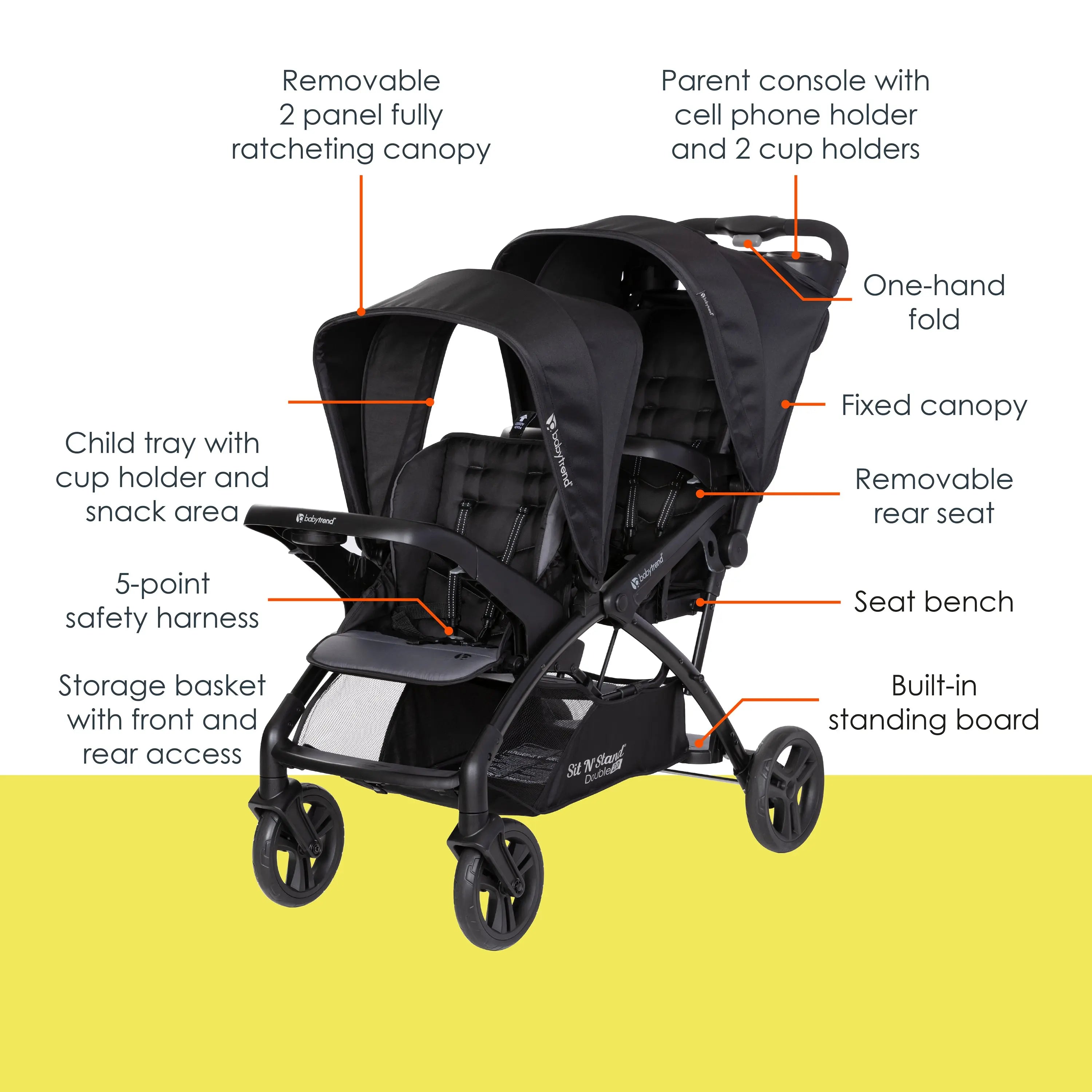
A stroller canopy can make outings more comfortable for your baby and less stressful for you. The right design gives shade without blocking airflow, folds without fighting you, and holds up to daily use.
Recommended Products

【UV Protection】Note:The sun shade do not have bracket,and is used to expand the sunshade area.It is only suitable for strollers with sheds.The stroller sun cover can block strong ultraviolet rays and has a good physical sun protection effect. The adjustable sun shade can be adjusted to different sun protection mode, with half or full coverage. The sunshade can protect your baby's eyes and provide a comfortable and cool space for your baby.(Our product does not include strollers)

Soft & Breathable Car Seat Cover: Crafted from 70% rayon and 30% muslin cotton, this baby seat cover creates a gentle, comfortable environment for your infant, even on the hottest days.

【 UV PROTECTION 】Perfect for summer, or any outdoor walk, the liuliuby Stroller Sun Shade protects baby from the sun by blocking over 70% of harmful UV rays from head to toe. The ideal sun shade for a long day out, like a trip to Disney!
Adjustable Coverage
Choose a canopy that moves forward and back smoothly. A large, extendable canopy gives better shade when the sun changes direction. It also helps during naps because it creates a calmer space without fully closing your baby off from air and visibility.
A good canopy should cover your child’s face and upper body from different angles. Test it while the seat is upright and reclined, because some canopies look large but leave gaps when the seat position changes.
UV Protection
Look for fabric with a clear UPF rating when possible. UPF stands for Ultraviolet Protection Factor, and it tells you how much UV radiation the fabric blocks. A canopy labeled UPF 50 or UPF 50+ gives stronger sun protection than thin, untested fabric.
The American Academy of Pediatrics advises keeping babies younger than 6 months out of direct sunlight and finding shade under a tree, umbrella, or stroller canopy. That makes the canopy especially useful for young babies, but it should still work with hats, protective clothing, and age-appropriate sunscreen guidance.
Ventilation
Shade should not come at the cost of airflow. Mesh panels, zippered vents, and breathable fabric help hot air escape while your baby rests. This matters most in warm weather, during long walks, or when the stroller seat is reclined for a nap.
Warning: Do not drape a loose blanket, towel, or thick cover over the stroller to block sun. It can trap heat, reduce airflow, and make it harder to see your baby. Use the built-in canopy, a stroller-safe sunshade, or a fitted mesh accessory instead.
Quiet Adjustment Mechanism
A noisy canopy can wake a sleeping baby. Move the canopy before buying or using a stroller regularly. It should slide or click into place without a loud snap, grinding hinge, or flimsy feel.
This feature sounds small, but it helps during naps, doctor visits, errands, and quiet walks. A smooth canopy also makes it easier to adjust coverage quickly when the sun shifts.
Water Resistance
A water-resistant canopy can help during a short drizzle, but it is not a full rain shield. For steady rain, use a fitted rain cover made for your stroller model. Make sure the rain cover has ventilation and does not press against your baby’s face.
Note: If the stroller manual warns against certain covers or accessories, follow the manual. Poorly fitted add-ons can interfere with folding, airflow, visibility, or stroller balance.
Easy Maintenance
Babies spill snacks, milk, sunscreen, and dirt onto stroller fabric. Choose a canopy that wipes clean easily or removes according to the stroller manual. Check the seams, underside, and hinges because crumbs and dust often collect there.
Have you considered how much a canopy can affect daily strolls? A well-designed canopy helps your stroller adapt to your needs and keep your baby comfortable in changing weather.
Protection From Sun And Weather
Weather can change quickly when you are out with your child. A stroller canopy helps you respond without stopping every few minutes. It gives shade, softens light wind, and offers a small layer of protection during short drizzles.
Why Sun Protection Matters
Babies and young children need careful sun protection. A canopy helps reduce direct sun exposure, especially on the face and upper body. It works best when paired with shade, lightweight protective clothing, a brimmed hat, and sunscreen guidance from your pediatrician.
For everyday use, look for a canopy with enough depth to shade your baby even when the sun is low. Midday sun can hit from above, while morning and late-afternoon sun can come in from the side. A canopy with multiple positions handles these changes better than a short fixed shade.
A canopy is helpful because it creates shade, but it should not be your only sun-safety tool. Think of it as part of a complete stroller setup, not a replacement for supervision and safe outdoor habits.
Shielding Against Wind And Rain
A canopy can reduce wind on your baby’s face and help during light drizzle. This can make short errands or walks feel easier. It also means you may not need to stop the walk immediately when the weather shifts slightly.
For heavy wind, cold weather, or steady rain, use the right accessory for the condition. A fitted weather shield is safer than a loose cover because it is designed to stay in place and maintain needed space around your child.
Keeping Bugs At Bay
A canopy alone is not a bug screen, but it can pair with a fitted mosquito net. This is useful during summer walks, park visits, camping, or evening outings when mosquitoes are active. Choose a net made for strollers so it fits securely without sagging onto your baby.
For young babies, bug protection should focus on physical barriers first. The CDC mosquito-bite prevention guidance supports using protective barriers and safe bite-prevention steps. Follow your pediatrician’s advice and product labels before using any repellent on a baby.
Choosing The Right Canopy For Your Climate
Not all stroller canopies work the same way. If you live in a sunny area, prioritize UPF-rated fabric and deep extension. If you often deal with heat, prioritize mesh ventilation. If you walk in light rain, look for water-resistant fabric and a compatible rain cover.
If you are unsure, test the canopy before buying. Does it move far enough? Can you see your baby through a peek-a-boo window? Does it stay put when the stroller rolls over bumps? These small checks can help you choose a safer, more useful canopy.
Enhancing Baby’s Comfort
A stroller is more than a seat on wheels. For your baby, it becomes a resting space, a viewing spot, and sometimes a nap area. The canopy helps control light, wind, and distractions so your child can settle more easily.
What Makes A Stroller Canopy Essential?
On sunny walks, a full-coverage canopy can reduce squinting and direct sun exposure. During a nap, it can dim bright light and create a calmer space. During errands, it can give your baby a little privacy from crowds, store lights, and movement.
Canopies also act as a soft barrier against light wind and minor weather changes. This simple feature can help your baby stay more comfortable without adding extra loose covers to the stroller.
Adjustability Equals Comfort
Every baby reacts differently outdoors. Some like to look around, while others settle better with shade. A stroller with an adjustable canopy lets you adapt to your baby’s needs without changing the whole stroller setup.
If the sun shifts, you can move the canopy forward. If your baby wants to see more, you can pull it back. That flexibility matters during long walks, vacations, park days, and quick errands.
Breathable Fabrics Matter
The material affects comfort. Breathable, lightweight fabric helps reduce trapped heat. Mesh panels and built-in vents help air move through the seat area while still giving shade.
Some strollers feature peek-a-boo windows, which let you check on your baby without pulling the canopy back. A window with a quiet flap or magnetic closure is usually easier to use during naps than one with noisy hook-and-loop fasteners.
Size Is Not Just About Coverage
A larger canopy usually gives more shade, but it should not make the stroller hard to fold, push, or store. A bulky canopy can also block your view if it has no window or side opening.
Think about your daily routine. If you walk often in bright sun, a larger canopy may be worth it. For short indoor errands, a moderate canopy may be enough as long as it moves smoothly and shades your child well.
Is Better Canopy Design Worth It?
If you use your stroller often, a better canopy can be worth the investment. It can improve shade, comfort, nap privacy, and light weather protection. This is especially helpful if you spend time outdoors or walk during changing weather.
A high-quality canopy does not make a stroller safe by itself, but it can make a safe stroller more practical. Look at it alongside the harness, brakes, recline, fold, frame strength, and overall fit for your family.
Credit: www.walmart.com
Material And Durability Factors
The canopy is a working part of the stroller, so material and durability matter. A weak canopy may sag, fade, tear, or stop locking into position after regular use. A sturdy one gives more consistent shade and lasts longer.
Recommended Products

【Two Styles, Bring a comfortable rest area for the baby sitting or lying in the stroller】 One sunshade designed for sit-down stroller, with a large retractable awning and a small curtain in front for all-around shade from the sun. And behind a hanging pocket for easy storage. Another upgraded sunshade, has larger shrinkable awning in front, longer hanging storage bag in back, not only have more storage space, but also blocks the sun from behind the stroller, especially for lie-down stroller.
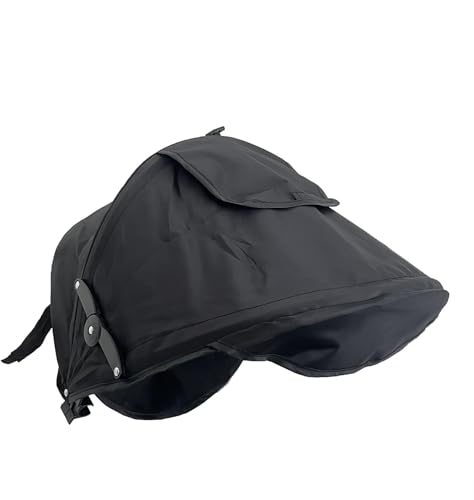
【Easy To Install, Snap-On Installation and Strap Fixation】 One end of our sun shield is clamped onto the stroller tube by a buckle and is fixed with a strap to prevent the buckle from sliding, while the other end is tied to the stroller tube by a strap. The installation clip is suitable for stroller with with round or square pipe(circumference 5-7cm). If the clip not fit your stroller, you can choose another similar stroller sun shield from our store. It is installed and fixed by straps at both ends, universal.

Superior UV & Weather Protection: Our stroller canopy features UPF 40+ UV blocking, fully shielding babies from harmful sun rays. Waterproof and windproof fabric defends against light rain and strong wind, and it works as a practical stroller canopy replacement compatible with graco for all outdoor activities
What Materials Make A Stroller Canopy Sturdy?
Many stroller canopies use polyester or nylon because these fabrics can be lightweight, durable, and easier to wipe clean. The best choice depends on the stroller design, fabric thickness, weave, coating, and whether the material has a UPF rating.
Look for tight fabric, reinforced seams, and firm stitching around the edges. If the fabric looks thin enough for bright light to pass through easily, it may offer less shade than you expect.
Pro Tip: Hold the canopy fabric toward a light source. If a lot of light shines through, check whether the stroller lists a UPF rating. Tighter, labeled fabric usually gives better sun protection than thin decorative fabric.
How Durability Affects Everyday Use
Durability affects how well the canopy stays in place. A flimsy canopy can flap in wind, sag toward the seat, or slip back when you roll over bumps. That means more adjustments for you and less consistent shade for your child.
A stronger canopy should open smoothly, hold its angle, and close without twisting. The frame, hinge, and fabric should all feel stable during normal movement.
Why You Should Test Before Buying
Before choosing a stroller, open and close the canopy several times. Move it with one hand if you can. Check whether the hinge feels secure and whether the fabric catches on the stroller frame.
Also test the canopy while the seat is reclined and upright. A canopy that works well in only one position may not fit your daily routine. If you plan to use a car seat adapter, check whether the canopy conflicts with the infant seat handle or shade.
Adjustable Vs Fixed Canopy Designs
Parents often choose between adjustable and fixed canopy designs. Both can work, but they serve different needs. The better option depends on where you walk, how often you use the stroller, and how much shade control you want.
Recommended Products

Lightweight & Travel-Friendly Design - Weighing just 7.4 pounds, the Dream On Me Aero Travel Light Stroller makes traveling with your little one effortless. Ideal for families on the go — perfect for vacations, city strolls, and quick errands.

True 4-Seat Flexibility for Big Families: Designed for families needing more space, this 4-seater stroller wagon adapts instantly—use all four seats for kids, or remove them to switch into a spacious cargo wagon for beach gear, sports items, or outings. One wagon, endless uses

【Notice】🌹🌹🌹SUN COVER ONLY! Stroller not included! 🌹🌹🌹BLACK is waterproof, other colors (blue / purple) are NOT waterproof. See video for installation instructions. Thank you~🌹🌹🌹
What Is An Adjustable Canopy?
An adjustable canopy moves forward, backward, or both. Some extend with a zipper panel or pull-out sun visor. This design lets you react when the sun changes direction or when your baby needs more privacy.
Benefits Of Adjustable Canopy Designs
Adjustable canopies offer more control. They can block sun from different angles, reduce glare, and help with naps. They are especially useful for long walks, travel, outdoor events, and changing weather.
The trade-off is that adjustable parts can wear out if they are poorly made. Check the hinges, zipper panels, and locking points before buying.
What Is A Fixed Canopy?
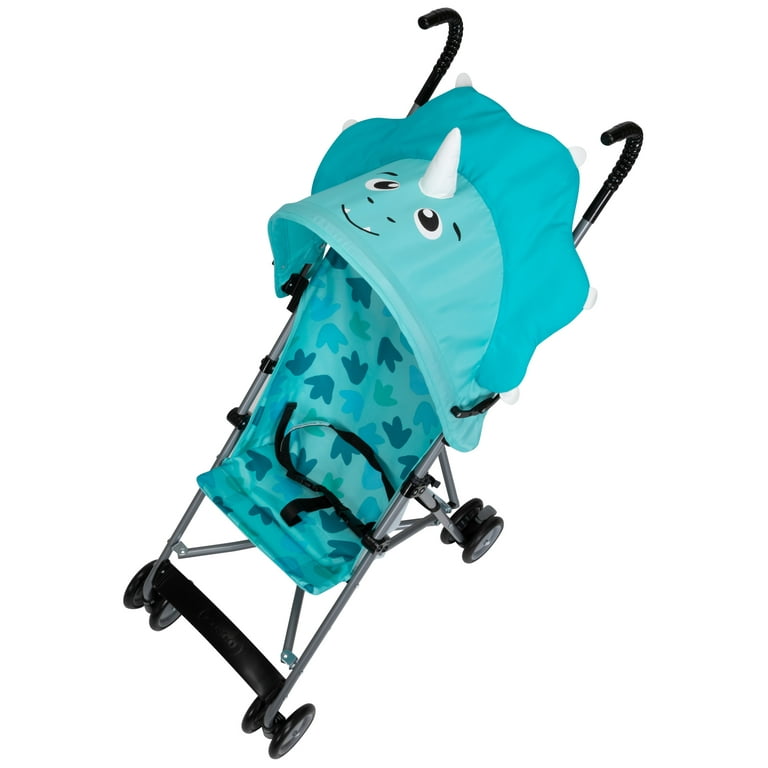
A fixed canopy stays in one main position. It is common on simple umbrella strollers and budget stroller models. It may provide basic shade, but it usually offers less control when the sun moves.
Advantages Of Fixed Canopy Designs
Fixed canopies are simple and often lighter. They have fewer moving parts, which can mean less maintenance. This design may work well for short errands, indoor use, or occasional stroller rides.
Comparing Adjustable And Fixed Designs
Choose an adjustable canopy if you walk outdoors often, need nap privacy, or live in a sunny area. Choose a fixed canopy if you want a lightweight, simple stroller for quick trips. In both cases, check fabric quality, visibility, and airflow before deciding.
Impact On Parent Convenience
The stroller canopy also helps parents. It can reduce the number of accessories you carry, make naps easier, and help you respond quickly to sun or light rain during an outing.
Shielding From Sun And Light Rain
A useful canopy reduces the need to hold a separate umbrella or constantly reposition the stroller for shade. During a short drizzle, it can give you time to reach cover or attach a fitted rain shield.
Enhancing Privacy For Naps
Many babies nap better when bright light and visual distractions are reduced. An extendable canopy can create a shaded space while still allowing airflow. This helps during long outings, busy sidewalks, airports, and family events.
Improving Visibility For Parents
A clear or mesh peek-a-boo window lets you check your baby without stopping the stroller. This is helpful when your baby is sleeping, facing away from you, or riding in a forward-facing seat.
Reducing Extra Accessories
A quality canopy can reduce the need for extra shade accessories on normal walks. That means less gear in the storage basket and fewer loose items around the stroller seat.
For special conditions, use the right accessory. Choose a fitted rain cover for rain, a fitted mosquito net for bugs, and a stroller bunting or footmuff only when the product manual allows it.
Credit: www.maxi-cosi.com
Safety Limits And Common Canopy Mistakes
A canopy is helpful, but it has limits. It does not make an unsafe stroller safe. Before relying on any stroller, check the harness, brakes, wheels, frame lock, recline position, and manufacturer instructions.
Do Not Replace The Harness Or Brakes
The canopy protects from light and weather, not falls. Buckle the harness every time your child rides, even for short walks. Lock the brakes when you stop, especially on slopes, near curbs, or while placing your child in the seat.
Check Recalls And Product Updates
Before buying a used stroller or continuing to use an older one, search the U.S. Consumer Product Safety Commission recall database. Recalls can involve brakes, frames, wheels, folding parts, or other safety components.
A canopy may look fine even when another stroller part has a safety issue. Always check the model name, model number, and manufacture date when available.
Avoid Poorly Fitted Aftermarket Covers
Aftermarket sunshades, rain shields, and bug nets should fit the stroller securely. A loose cover can block airflow, sag into the seat, interfere with the canopy hinge, or make it harder to see your baby.
If the stroller brand sells a matching accessory, start there. If you choose a universal accessory, compare it with the stroller manual and inspect the fit before using it on a long outing.
How To Inspect And Maintain A Stroller Canopy
Regular checks help the canopy stay useful and safe. You do not need special tools for a basic inspection. A few minutes can catch problems before your next walk.
- Open and close the canopy to check for sticking, grinding, or loose hinges.
- Look for torn fabric, loose stitching, bent supports, or sagging panels.
- Check mesh windows for holes that could let bugs in.
- Wipe dirt, sunscreen, and spills from the fabric according to the care label.
- Let the canopy dry fully before folding the stroller to reduce mildew risk.
- Confirm that the canopy does not pinch fingers when it moves.
- Make sure the canopy does not block your view of your baby for long periods.
Inspect the canopy more often if you store the stroller in a car trunk, garage, or humid area. Heat, moisture, and repeated folding can wear fabric and hinges over time.
Frequently Asked Questions
What are the main parts of a stroller called?
A stroller usually includes the frame, wheels, seat, harness, canopy, handlebar, brakes, footrest, storage basket, fold mechanism, and recline system. Some models also include suspension, a bumper bar, a parent tray, a child tray, or car seat adapters.
Are stroller covers worth it?
Yes, fitted stroller covers can be worth it when they solve a specific problem, such as rain, bugs, wind, or extra shade. Choose covers made for your stroller or designed to fit securely. Avoid loose blankets or covers that block airflow or make it hard to see your baby.
What should I look for when buying a stroller?
Look for a sturdy frame, secure harness, reliable brakes, smooth wheels, age-appropriate recline, easy folding, manageable weight, and a canopy with good coverage and airflow. Also check storage space, car seat compatibility, product recalls, and whether replacement parts are available.
What is the cover of a stroller called?
The built-in cover over the stroller seat is usually called a canopy or sun canopy. A separate clear cover is often called a rain cover, while a mesh accessory is usually called a mosquito net or bug net.
Is a stroller canopy enough sun protection for a baby?
A canopy helps, but it is not always enough by itself. Use shade, protective clothing, a brimmed hat, and pediatrician-approved sunscreen guidance based on your baby’s age. For babies younger than 6 months, direct-sun avoidance and shade are especially important.
Can I replace a broken stroller canopy?
Often, yes. Start with the stroller manufacturer because model-specific replacement canopies usually fit best. Check the model number, manufacture date, attachment points, and manual before buying. Avoid forcing a universal canopy if it affects folding, airflow, or seat movement.
Conclusion
A stroller canopy is a vital comfort and protection feature, especially when you walk outdoors often. It helps shade your baby, reduces glare, creates nap privacy, and offers light protection from wind or drizzle.
Choose a canopy with adjustable coverage, UPF-rated fabric, good ventilation, quiet movement, and easy cleaning. Then use it as part of the whole stroller safety system, along with the harness, brakes, stable frame, recall checks, and fitted weather or bug accessories when needed.
Sources
- HealthyChildren.org / American Academy of Pediatrics: Sun Safety — backs up shade, direct-sun avoidance for young babies, UPF clothing context, and sunscreen guidance.
- The Skin Cancer Foundation: Sun-Protective Clothing — backs up UPF-rated fabric and sun-protective clothing context.
- U.S. Consumer Product Safety Commission Recalls — supports checking stroller model recalls and product safety notices.
- CDC: Prevent Mosquito Bites — supports safer mosquito-bite prevention steps and physical barriers such as netting.




2 thoughts on “Does Canopy the Vital Parts of Stroller: Essential Insights”