

Last updated: July 19, 2026
To hang a stroller in the garage safely, fold it, confirm its stored weight, and choose a wall hook, rail, or ceiling system rated above that load. Fasten wall hardware into studs, overhead hardware into joists, or use anchors rated for the exact masonry or hollow-wall application. Support a solid frame point, keep the stroller clear of cars and walkways, and test the setup at low height before regular use.
Garage stroller storage sounds simple until the stroller is always in the way. I’ve tripped over folded strollers and squeezed past them with grocery bags, so I learned that leaning one against a wall is not a reliable system. A planned hanging spot keeps the stroller off the floor without making it harder to grab.
Quick Answer
To hang a stroller in the garage, fold it, check its weight, choose hooks or a rack rated above that load, and fasten the hardware into wall studs, ceiling joists, or properly rated masonry anchors. Use a solid frame point when possible, then tug-test the setup before regular use.
Key Takeaways
- Use hardware rated higher than the stroller’s actual stored weight, especially if accessories stay attached.
- Fasten wall hooks into studs whenever possible. Drywall alone is not a good primary support for a stroller you handle often.
- For concrete, block, or brick walls, use masonry anchors that match the wall material, load direction, and listed working load.
- Ceiling systems can work well, but they must be secured into ceiling joists and kept away from walkways, cars, and garage door tracks.
- Clean and inspect the stroller before hanging so dirt, moisture, crumbs, or loose parts do not cause problems later.
At a Glance
| Time Required | Varies by wall type and storage system; masonry and overhead installations usually require more setup |
| Difficulty | Easy to moderate |
| Tools Needed | Stud finder, drill, drill bits, level, measuring tape, pencil, screws or anchors |
| Cost | Varies by hardware, fasteners, wall material, and whether you choose hooks, a rail, or an overhead system |
Best default for frequent use: Choose two padded wall hooks or an adjustable rail fastened into studs. Use low wall storage or floor storage for a heavy double or jogging stroller. Choose an over-the-door hanger only when the folded stroller is within its listed capacity and the door still closes and latches freely. Reserve ceiling storage for a backup stroller you do not need every day.
Affiliate disclosure: This article contains affiliate links. If you buy through an Amazon link, I may earn a small commission at no extra cost to you.
How Do You Prepare a Garage Wall for Stroller Storage?
Prepare the mounting surface before you lift the stroller. Confirm the wall type, find solid framing, compare the stroller’s stored weight with the hardware rating, and check the full folded footprint. This prevents weak fastener choices and avoids drilling holes in a location that blocks the car or garage door.
What Tools and Materials Do You Need?

Here’s what I recommend gathering before you drill:
- Drill and drill bits: Use bits that match your screws or anchors. Use a masonry bit for concrete, block, or brick.
- Stud finder: This helps locate studs behind drywall. A solid wall stud is usually the best support for wall-mounted hooks.
- Heavy-duty hooks, rail system, or stroller hanger: Choose hardware with a clear load rating. For example, Rubbermaid lists the FastTrack Dual-Handle Hook, model 1784454, as supporting up to 50 lb when used as directed with the compatible FastTrack system. Rubbermaid product specifications.
- Measuring tape and level: These keep your hooks evenly spaced and prevent the stroller from hanging crooked.
- Screws or anchors: Match the fastener to the wall material, load direction, and stroller weight.
- Pencil: Mark the hole locations before drilling.
Pro Tip: Do the weight check before buying hooks. Add the stroller’s weight, any attached accessories, and a safety margin. Hardware should be rated comfortably above that total, not exactly equal to it.
Which Fasteners Match Your Garage Wall?
Different garage walls need different fasteners. Do not treat drywall, concrete block, brick, and ceiling joists the same. Also remember that a stroller pulls outward from the wall, so an anchor that is fine for a flat picture frame may not be fine for a bulky stroller.
| Surface | Best Fastening Method | Important Note |
|---|---|---|
| Drywall over studs | Screw hooks or rail into studs | Best everyday option for most garages. |
| Drywall with no stud at the spot | Move to a stud, add a wood backer spanning studs, or use an anchor rated for the exact wall and load | A backer board usually gives you better hook placement. If you use anchors, follow the listed wall thickness, working load, fastener size, and installation method. Lowe’s drywall anchor guide. |
| Concrete, block, or brick | Use masonry anchors rated for that material and load direction | Anchor capacity changes with the fastener, base material, embedment, and whether the load is on a wall or ceiling. Lowe’s masonry anchor guide. |
| Ceiling | Fasten into ceiling joists or approved joist-spanning supports | Follow the storage system instructions and fasten into joists or properly installed cross-cleats that span joists. STANLEY overhead storage guide. |
| Door | Use an over-the-door stroller hanger | Use only within the hanger’s listed capacity, and confirm the door closes and latches fully without rubbing the frame or weather seal. |
What Should You Check Before Drilling?
Hold the folded stroller near the wall before drilling. This quick mockup shows whether the handlebar, wheels, canopy, or frame will hit the car, door, shelves, or walkway.
- Check the true weight: Use the stroller label, manual, or manufacturer product page. Remove diaper bags, toys, cup holders, organizers, and rain covers first.
- Check the lift height: You should not need a ladder, box, or awkward stretch for a stroller you use often.
- Check the swing path: Make sure the garage door, opener arm, tracks, car doors, storage cabinets, and walking path stay clear.
- Check safety zones: Keep the stroller away from electrical panels, water heaters, sharp tools, paint, fuel, pesticides, and damp corners.
- Check child access: Do not place it where kids can climb, pull, or swing on it.
How Do You Prepare the Stroller and Work Area?
- Check the stroller weight: Look at the stroller label or manual. If you cannot find it, search the exact model on the manufacturer’s site. UPPAbaby and Graco both provide product manuals online. UPPAbaby manuals | Graco instruction manuals.
- Remove loose accessories: Take off cup holders, toys, diaper bags, rain covers, or organizers before weighing or hanging.
- Pick a safe location: Choose a spot that does not block a walkway, garage door track, electrical panel, water heater, car door, or storage cabinet.
- Locate studs or joists: Use a stud finder and confirm the spot before drilling.
- Mark hook placement: Fold the stroller and identify two solid support points on the frame. Measure the distance between those points, hold the stroller near the wall, and transfer that spacing to the mounting surface.
- Clear the work area: Move bikes, boxes, and tools so you can drill safely.
Warning: Do not hang a stroller from drywall alone, adhesive hooks, garage door tracks, pipes, conduit, sprinkler lines, or shelving that was not designed for hanging loads.
Step-by-Step Guide: How to Hang a Stroller in the Garage
Once your location is marked and your hardware is ready, the actual installation is straightforward. Go slowly here. A clean install is much safer than a rushed one.
Recommended Products

EXTREMELY STURDILY MATERIAL: The garage hooks is made of premium heavy-duty solid steel and the plate are reinforced with three layers, providing superior load capacity, the utility hooks are great for ladders, sports equipment, lawn trimmers, gardening equipment and other bulky items!
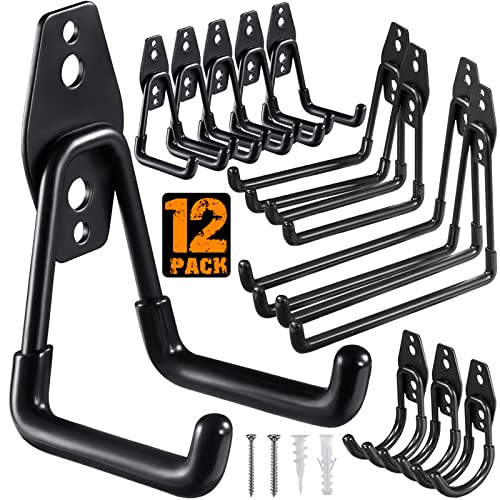
The garage hooks are made of heavy duty steel metal material, have strong load bearing capacity. Solid steel body adopts anti-rust coating and non-slip PVC sheath which gives better grab on hanging items and prevent them from falling or being scratched. The tubular double hooks design makes the garage utility hooks more stable than regular single hooks

POWERFUL WEIGHT CAPACITY - Our Heavy Duty garage storage hooks are an essential item for anyone looking to maximize their storage space. With a weight capacity that's second to none, you'll be able to hang everything from bikes and ladders to shovels and strollers without worrying about them falling or bending the hooks. These garage hooks heavy duty are perfect for creating a garage storage system and are great garage hangers for wall mount hooks
Installing the Hooks
Measure and mark placement
Fold the stroller first. Measure the folded width and height, then decide whether the stroller will hang vertically or horizontally. I usually prefer hooks around eye level or slightly higher because the stroller stays off the floor but is still easy to lift down.
Use a level so the hooks line up. If the hooks are uneven, the stroller may lean, twist, or slide toward one side.
Drill holes and secure hooks

Drill pilot holes where you marked the studs, joists, or anchor locations. Use screws that match the hook or rail manufacturer’s instructions. If you are using anchors, install them exactly as directed on the package.
After drilling, align the hooks and tighten the screws until the hardware is snug. Do not overtighten to the point that you strip the hole or damage the wall surface.
Test for stability
Before hanging the stroller, pull down and outward on each hook with your hand. The hook should not wiggle, spin, or pull away from the wall. If anything moves, stop and fix it before adding weight.
Pro Tip: If the stroller is heavy or awkward, use two hooks instead of one. Two support points help distribute weight and keep the stroller from twisting.
Hanging the Stroller
Position stroller securely
Fold the stroller completely and lock the fold if your model has a latch. Place the stroller on the hooks so the hooks support a solid part of the frame. Avoid hanging by fabric, wheels, brake cables, snack trays, canopy rods, or small plastic parts.
Use a solid frame tube or axle-area support point when possible. Hang from the handlebar only when the stroller manual or manufacturer confirms that the handle and adjustment joints can support the stroller during storage.
Adjust for balance
Step back and check the angle. If the stroller tilts, move it slightly until the weight is balanced. The heavier side should sit close to the wall so the stroller does not swing outward when you remove it.
If the folded stroller still swings, add a soft, non-load-bearing retention strap around a solid frame section and the rail or wall bracket. The strap should control movement only; it must not replace the rated hooks or carry the stroller’s weight.
Test for easy access
Practice taking the stroller down and putting it back up. You should be able to do it without stretching, standing on a box, or moving half the garage out of the way. The whole point is to make the stroller easier to use, not harder.
Do a low-height test first
If the stroller is heavy, test the hook setup with the stroller only a few inches above the floor before placing it at final height. This gives you a safer chance to spot slipping, twisting, or wall movement before the stroller is stored higher.
How Do You Keep a Hanging Stroller Setup Safe?
Installing the hooks is only half the job. A stroller hanging system also needs occasional checks, especially if you use the stroller often.
What Safety Checks Matter Most?

Regularly inspect hooks
For a stroller used often, check the hooks monthly and after any impact, slip, or unusual movement. Look for loose screws, bent hooks, rust, cracked anchors, or wall damage. If you see movement around the fasteners, remove the stroller and repair the setup before using it again.
Avoid overloading
Do not hang multiple strollers on one hook unless the system is specifically rated for that combined load. Stroller weight can add up quickly, especially with double strollers, jogging strollers, organizers, and rain covers.
The U.S. Consumer Product Safety Commission lists stroller performance requirements that include parking brakes, static load, stability, restraining systems, and wheel or swivel assembly detachment. That does not mean every stroller frame is meant to be hung from any point, so the safest habit is to follow your exact stroller manual. CPSC stroller guidance.
Keep the area clear
Leave open space under and around the stroller. Keep sharp tools, paint cans, bikes, and heavy bins away from the hanging area. Also teach kids not to swing, climb, or pull on the stroller while it is stored.
Note: A stroller should be stored clean and dry. Garages can be dusty or damp, so avoid placing the stroller near leaks, standing water, direct heat, or chemical storage.
How Should You Prepare the Stroller for Storage?
Clean before hanging

Before I hang the stroller, I like to wipe off the wheels and frame. Dirt, sand, and moisture can build up fast, especially after walks, parks, or rainy errands. A quick wipe keeps the garage cleaner and helps the stroller last longer.
Inspect for damage
Look for cracked plastic, loose screws, bent wheels, torn fabric, worn tires, or a fold latch that does not close properly. Hanging a damaged stroller can make the problem worse, so fix those issues first.
Dry fabric before storage
If the stroller is wet from rain, sprinklers, snow, or a car wash, let the fabric and frame dry before hanging it for long-term storage. Damp fabric can smell musty, and moisture can make metal parts age faster.
Protect moving parts during long-term storage
Keep hooks away from folding joints, brake cables, wheel-release buttons, and fabric seams. If the stroller will stay stored for several months, follow the model-specific manual for cleaning and lubrication instead of applying a general-purpose spray to every moving part.
The safest setup supports the frame, controls swinging, and lets you remove the stroller without climbing or twisting.
Which Stroller Storage System Fits Your Garage?
The best way to hang a stroller depends on your garage layout, wall material, stroller weight, and how often you use it. A stroller you use every day should be easy to reach. A backup stroller can go higher or farther out of the way.
What Stroller-Hanging Systems Can You Use?

- Wall-mounted utility hooks: Simple, affordable, and great for one folded stroller. Choose hooks with a visible load rating.
- Garage rail systems: Helpful if you want to move hooks around later or store several baby items together.
- Ceiling-mounted racks or pulley systems: Best when wall space is limited, but they require careful joist attachment and may be less convenient for daily use.
- Over-the-door stroller hangers: A no-drill option for a folded stroller that fits the listed capacity and door clearance. Dreambaby lists the StrollAway as a tool-free hanger that supports up to 50 lb. Dreambaby product details. Confirm the door still closes and latches fully before regular use.
- Floor-standing storage: A better choice if the stroller is too heavy to lift or if you rent and cannot drill into the wall.
Which System Works Best for Each Stroller Type?
| Stroller Type | Best Storage Option | Why |
|---|---|---|
| Umbrella or compact stroller | Wall hook or over-door hanger | Usually light, narrow, and easy to lift. |
| Full-size stroller | Two wall hooks or a rail system | Two support points help prevent twisting. |
| Jogging stroller | Low wall hooks or floor storage | Large wheels and longer frames can be awkward overhead. |
| Double stroller | Rail system, heavy-duty hooks, or floor storage | Weight and folded size often make single hooks a poor fit. |
| Backup or travel stroller | Higher wall hook or ceiling storage | Works when you do not need daily access. |
What Should You Compare Before Choosing?
| Factor | What to Check |
|---|---|
| Weight Capacity | Hardware rating should exceed the stroller’s actual stored weight. |
| Stroller Shape | Some strollers fold flat, while others fold tall or bulky. Mock up the position before drilling. |
| Access | Daily-use strollers should be reachable without a ladder. |
| Wall Material | Studs, concrete, block, hollow walls, and ceiling joists require different fasteners. |
| Safety | Keep the stroller away from cars, walkways, kids’ play areas, heat, moisture, and chemicals. |
Also check the hook shape, padding, opening width, and rail compatibility. A high load rating does not help if the stroller frame slips through the hook or rests on a cable, hinge, plastic joint, or fabric panel. Mock up the folded position before drilling and choose support points that keep the stroller stable without pinching parts.
Garage Stroller Storage Checklist
Use this checklist before you call the project done. It helps catch the small things that make a hanging setup safer and easier to use.
Recommended Products
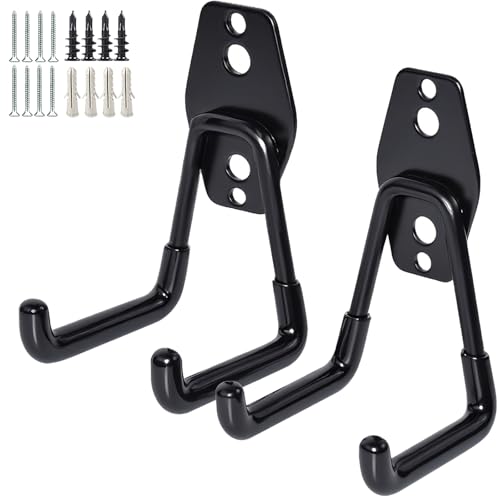
【MATERIAL】Our Small U Hooks are made of heavy duty iron and its anti-slip coating is made of sturdy PVC. Strong enough to hold 40lbs or more when properly installed.

HEAVY DUTY STRENGTH: Made from heavy-duty steel with triple-point welding and a non-slip PVC coating. Rustproof, waterproof, and wear-resistant. Supports up to 50 lbs without bending or deforming, the utility hooks are great for ladders, sports equipment, lawn trimmers, gardening equipment and other bulky items
Check Your Tools One More Time
- The hook or rail has a clear load rating.
- The screws match the hook manufacturer’s instructions.
- The drill bit matches the screw or anchor size.
- The level confirms the hooks are straight.
- The stroller weight, accessories, and lift height have been checked.
Confirm the Fasteners Are Secure
- No screw heads are sticking out awkwardly.
- No hook wiggles when pulled.
- No drywall is cracking around the fasteners.
- No anchor spins, shifts, or pulls outward.
- The stroller does not rub against sharp edges.
Inspect the Storage Area
- The stroller is not hanging over a car hood, windshield, or walkway.
- The garage door opens without touching it.
- Kids cannot easily pull on it.
- There is enough room to lift the stroller down safely.
- The stroller is away from heat, water, chemicals, sharp tools, and electrical panels.
Clean Before Long-Term Storage
- Wipe the wheels before hanging.
- Let damp fabric dry first.
- Remove food crumbs from the seat.
- Detach heavy bags and organizers before storage.
- Use a breathable cover if the stroller will sit unused for months.
How Do You Fix Common Stroller-Hanging Problems?
Recommended Products

GARAGE HOOKS HEAVY DUTY: Garage wall hooks are made of heavy duty steel, can hold up to about 300 lbs. Double hooks design is more durable and efficient for garage and home organization. Great choice for home decor and space saving
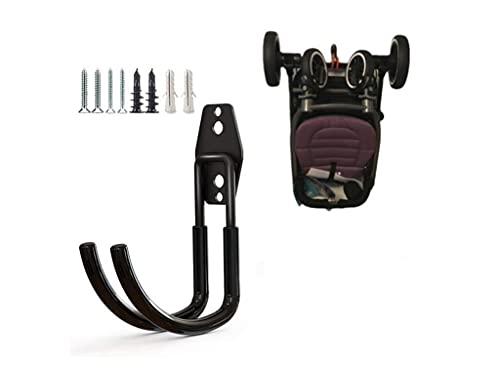
Anti-slip PVC Coationg:With the sturdy PVC coating, This utility Double hook easily to grab on to items and keep them securely in place for years, and protect the goods surface from being scratched.

These practical hooks are made of high-strength carbon steel, with a galvanized surface and excellent rust and corrosion resistance.
The hooks wiggle after installation
Remove the stroller right away. Tighten the screws only if the fastener is still biting into solid material. If the hole is stripped or the anchor is loose, move the hook to a stud or use the correct anchor for your wall type.
The stroller tilts to one side
Reposition the hooks so they support the stroller at two balanced points. You may need wider spacing or a garage rail system.
The door will not close with an over-door hanger
Check the door clearance, hinge side, and hanger thickness. If the door scrapes or does not latch, use a wall-mounted option instead.
The stroller is too heavy to lift comfortably
Do not force it overhead. Use lower wall hooks, a rail system, or floor-standing storage. A storage setup is only useful if you can use it safely every day.
The wheels mark the wall
Clean the wheels before hanging and place the stroller so the tires do not press into painted drywall. If needed, add a washable wall guard or choose hook spacing that keeps the wheels slightly away from the wall.
The stroller sticks out too far
Try a vertical hanging position, wider hook spacing, or a different wall. If the stroller blocks a walking path or car door, it is better to use floor storage than to force a bad hanging location.
You rent and cannot drill
Use an over-the-door hanger only if the stroller is within the listed weight capacity and the door closes freely. Otherwise, choose a floor-standing rack or a corner storage spot instead of adhesive hooks.
Frequently Asked Questions
Can I hang multiple strollers on the same hooks?
I would not recommend it unless the system is specifically rated for the combined weight. Most utility hooks are meant for one load at a time. For multiple strollers, install separate hooks or use a rail system with properly rated attachments.
What if my garage walls are concrete?
Use a masonry drill bit and anchors designed for concrete, block, or brick. Follow the anchor manufacturer’s load rating and installation instructions. Do not use drywall anchors in concrete.
How high should I hang the hooks?
For a stroller you use often, place the hooks around eye level or slightly higher. The stroller should clear the floor but still be easy to lift down without a ladder or awkward reach.
Are ceiling-mounted systems safe?
Yes, ceiling systems can be safe when installed correctly into ceiling joists and used within the manufacturer’s weight rating. They are better for occasional storage than daily stroller access because you may need to lift higher.
Can I use adhesive hooks instead of drilling?
Adhesive hooks are not a good choice for hanging a stroller. Strollers are bulky, handled often, and can pull outward on the hook. Use mechanical fasteners into studs, joists, masonry, or a properly rated no-drill over-door hanger instead.
Should I hang the stroller by the frame or the handlebar?
Use a solid frame point when possible. If you plan to hang it by the handlebar, check your stroller’s manual first because handlebar joints and adjustment mechanisms vary by model.
Can you hang a stroller from drywall?
Drywall alone is not the best support for a stroller, especially one you lift on and off often. Whenever possible, fasten hooks into wall studs. Use hollow-wall anchors only when the anchor is rated for the load and the stroller is light enough for that application.
Is it okay to hang a jogging stroller?
Yes, but only if the hardware, wall support, and lift height fit the stroller’s weight and shape. Jogging strollers often have large wheels and long frames, so low wall hooks or floor storage may be easier than overhead storage.
What should renters use if they cannot drill?
A properly rated over-the-door stroller hanger can work for lighter strollers if the door still closes and latches. For heavier strollers, a floor-standing rack or a dedicated garage corner is usually safer than adhesive hooks.
Can garage moisture damage a stored stroller?
Yes. Store the stroller clean and completely dry, away from leaks, floor drains, condensation, and direct heat. For long-term storage, use a breathable cover and inspect the frame, fabric, wheels, and fasteners periodically for moisture, odor, rust, or mold.
Conclusion
Hanging a stroller in the garage can free floor space and reduce trip hazards, but the hook is only one part of the system. Match the hardware to the stroller’s stored weight, fasten it into the correct structural support, use solid frame contact points, and keep the hanging path clear.
Start with the safest wall, door, or ceiling location. Check the stroller’s weight, mock up the folded position, and test the setup close to the floor. Use wall storage for frequent access, floor storage for a stroller that is too heavy to lift comfortably, and ceiling storage only when joist attachment and clearance are clear. For related storage and maintenance steps, see how to fold a stroller by removing the wheels and how to fix stroller wheels.
Sources
- Rubbermaid — FastTrack Dual-Handle Hook — official model number and listed load capacity.
- Dreambaby — Strollerbuddy StrollAway Over the Door Stroller Hanger — over-door stroller hanger details and listed capacity.
- STANLEY Tools — How to Install Overhead Garage Storage — ceiling joist and overhead storage installation guidance.
- Lowe’s — Choosing Drywall Anchors: Types and Uses — anchor capacity and wall-type considerations.
- Lowe’s — Concrete Anchors and Masonry Anchors — masonry anchor selection for concrete, block, and brick.
- U.S. Consumer Product Safety Commission — Carriages and Strollers — stroller safety regulation context.






3 thoughts on “How to Hang Strollers in Garage Effectively? Expert Tips”