What Child Behaviour Means in Psychology
Your child’s behaviour can feel confusing when moods shift fast, rules spark pushback, or big feelings seem to appear from nowhere.
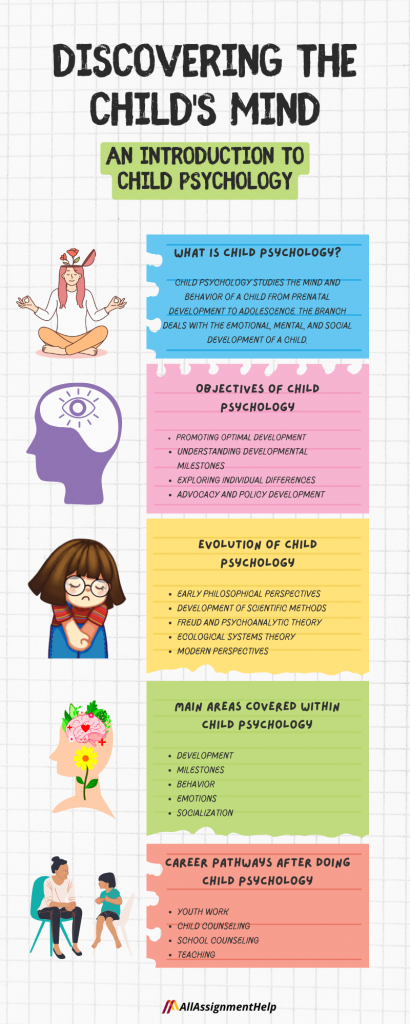
Child behaviour in psychology looks past the action and asks what a child may feel, need, copy, avoid, or still be learning. It studies how children act, react, communicate, form habits, handle stress, follow rules, and build relationships as they grow.
Psychologists do not view behaviour as simply “good” or “bad.” They consider age, development, sleep, health, temperament, learning, family life, culture, school, friendships, stress, and social experiences. This fuller view helps parents respond with more patience and better tools.
Quick Answer
Child behaviour in psychology means the way children act, react, communicate, and manage feelings as they grow. It looks at development, emotions, family, learning, health, culture, and social experiences to understand why children behave in certain ways and how adults can guide them with warmth, limits, and support.
Key Takeaways
- Child behaviour reflects development, emotions, environment, learning, relationships, health, stress, and temperament.
- Each age stage brings new skills, needs, fears, and limits.
- Warm, consistent parenting helps children build trust, self-control, and confidence.
- Behaviour challenges often signal stress, unmet needs, or skills still in progress.
- Professional support can help when behaviour affects safety, school, sleep, friendships, or daily family life.
What’s in This Article
- What Child Behaviour Means in Psychology
- Child Development Stages
- What Shapes Child Behavior?
- Normal Behavior or a Concern?
- How Parenting Styles Affect Child Behavior
- Emotional and Social Growth in Children
- Common Behavioral Challenges
- Strategies for Positive Change
- Simple Behavior Tracking Checklist
- When to Seek Professional Support
- Frequently Asked Questions
- Sources
Child Development Stages
Child development stages help you understand child behaviour in psychology. These stages explain how children grow and change over time. Each stage brings new physical, emotional, thinking, language, and social skills.
When you know what to expect, you can match your support to your child’s age and needs. Development does not look the same for every child. Some children reach milestones sooner, while others need more time. If you have concerns, the CDC developmental milestones can help you track skills and decide when to ask for screening.
Infancy: Building Trust and Attachment
Infancy usually means birth through about 12 to 18 months, depending on the developmental framework. During this stage, babies build trust through steady care, comfort, feeding, and attention. They form attachments with caregivers, and those bonds shape their sense of safety.
Physical milestones may include rolling, sitting, crawling, pulling up, and standing. Babies also start to recognize familiar faces, voices, and routines. Your calm response teaches them that their needs matter.
Toddlerhood: Exploring Independence
Toddlerhood usually covers ages 1 to 3 years. Toddlers begin to test independence. They want to explore, make choices, and try simple tasks on their own. This can lead to strong “no” responses, quick mood shifts, and frustration when they cannot do what they want.
Language grows fast during this stage, but feelings may still move faster than words. Toddlers also gain better control of walking, running, climbing, and using their hands. Clear routines and simple choices help them feel safe while they learn.
Preschool Years: Developing Social Skills
The preschool stage covers about ages 3 to 5 years. Children improve social skills through play, stories, pretend games, and daily routines. They start to learn cooperation, empathy, turn-taking, and simple problem-solving.
Cognitive skills grow as they ask questions and test ideas. Physical skills also improve, so hopping, drawing, dressing, and using small tools may become easier. Gentle coaching helps them practice social rules without shame.
Middle Childhood: Gaining Independence and Self-Awareness
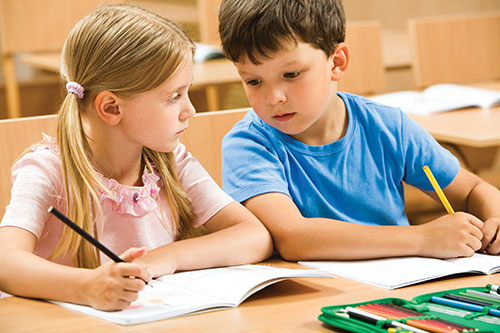
Middle childhood ranges from about 6 to 12 years. Children build responsibility, friendships, teamwork, and stronger school skills. They also start to compare themselves with others.
Self-awareness grows during this stage. Children understand feelings better and may care more about fairness, rules, and peer approval. Your support helps them handle mistakes without losing confidence.
Adolescence: Forming Identity
Adolescence often begins around puberty and includes the teen years. Teens work on identity, values, independence, and belonging. Peer relationships become more important as they seek acceptance.
Teenagers also experience emotional and physical changes. Their thinking skills expand, which helps them reason, plan, and make choices. They still need guidance, even when they push for more freedom. The American Academy of Pediatrics’ parent site, HealthyChildren.org, groups parent guidance by age and stage from infancy through young adulthood.

Credit: www.facebook.com
What Shapes Child Behavior?
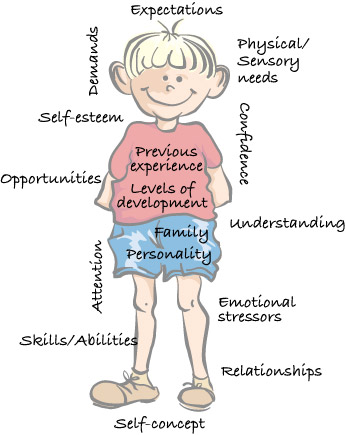
Child behaviour in psychology comes from many connected influences. Children respond to their bodies, homes, relationships, culture, school, technology, and daily experiences. The NICHD Child Development and Behavior Branch describes child development as involving neurocognitive, psychological, behavioral, physical, and social-emotional growth shaped by both genetic and environmental influences.
Recommended Products


Bantam, A nice option for a Book Lover
Genetics and Biological Factors
Genetics can affect a child’s temperament, activity level, sensitivity, and emotional style. Biology also shapes how children sleep, focus, move, and respond to stress. Brain development plays a large role in self-control and decision-making.
Health, hunger, pain, and tiredness can also change behaviour. A child who seems defiant may feel overwhelmed, unwell, or unable to explain a need. Watching patterns can help you respond more wisely.
Temperament
Temperament means a child’s natural style of reacting to the world. Some children are flexible and calm. Others are more intense, cautious, active, persistent, or sensitive.
Temperament is not a flaw. It simply means children need different kinds of support. A sensitive child may need more preparation before change. A highly active child may need more movement breaks and clear structure.
Family Environment
The family environment strongly affects behaviour. Warm, stable relationships help children build trust, emotional safety, and confidence. Parenting style also shapes how children respond to limits, stress, and conflict.
Children learn social skills and coping habits from the adults around them. Ongoing conflict, harsh discipline, or high stress at home can increase behaviour problems. Calm, consistent care gives children a stronger base.
Social Interactions
Peers and friendships influence behaviour, self-esteem, and social learning. Children learn cooperation, empathy, sharing, and communication through daily contact with others. Positive friendships can encourage kindness and respect.
Bullying, rejection, or isolation can harm mood and behaviour. Supportive adults can help children practice social skills and recover from hard moments. Your guidance matters most when peer pressure feels strong.
School and Learning Needs
School can shape behaviour because children spend many hours learning, following routines, and managing peer relationships. A child may act out when work feels too hard, instructions are unclear, or they feel embarrassed.
Learning differences, attention problems, speech delays, hearing issues, vision problems, anxiety, or sleep problems can also appear as behaviour problems. If school behaviour changes suddenly, look for stress, academic pressure, friendship issues, or unmet support needs.
Cultural and Societal Norms
Cultural values shape what children see as polite, respectful, or acceptable. Family traditions, community rules, and social expectations all guide behaviour. Children also learn roles and responsibilities from the world around them.
Exposure to diverse people and ideas can broaden a child’s view. It can also help them respect differences and ask thoughtful questions. You can explain values in clear language that fits your child’s age.
Media and Technology
Media can influence how children talk, play, solve problems, and view others. Television, games, videos, and online content may model behaviours that children copy. Age-appropriate content can support learning, creativity, and language.
The goal is not only to count minutes. Current AAP screen-time guidance encourages families to look at the quality of media, sleep, physical activity, family routines, content, co-viewing, and communication. Screens that crowd out sleep, movement, homework, play, or face-to-face connection can affect mood and behaviour.
Note: Behaviour often has more than one cause. Look for patterns in sleep, hunger, routines, school, screen use, stress, and relationships before you decide what your child needs.
Normal Behavior or a Concern?
Children sometimes argue, cry, test limits, avoid tasks, or act impulsively. These moments do not automatically mean something is wrong. A bigger concern is more likely when behaviour is intense, persistent, unsafe, unusual for the child’s age, or disrupting home, school, sleep, play, or friendships.
Normal vs. Concerning Behavior
| Tantrums | Often normal in toddlers and preschoolers when tired, hungry, frustrated, or overwhelmed. |
| When to watch closely | Tantrums are very frequent, last a long time, include serious aggression, happen across many settings, or continue to worsen with age. |
| Defiance | Some limit-testing is normal as children seek independence. |
| When to watch closely | Refusal is persistent, severe, damaging relationships, or causing major problems at school or home. |
| Focus problems | Many children struggle with long, boring, unclear, or difficult tasks. |
| When to watch closely | Inattention, impulsivity, or hyperactivity happens often across settings and interferes with learning, safety, or friendships. |
| Shyness | Some children warm up slowly and need extra time in new settings. |
| When to watch closely | Fear prevents school, play, speaking, sleep, or normal daily activities. |
This article can help you understand patterns, but it cannot diagnose a child. If behaviour is severe, persistent, unsafe, or interfering with daily life, speak with a pediatrician, school counselor, child psychologist, or licensed mental health professional.
How Parenting Styles Affect Child Behavior
Parenting styles play a major role in shaping child behaviour. The way you set limits, show warmth, and respond to emotions affects emotional, social, and cognitive growth. Psychologists often describe four broad parenting styles.
Each style can create different behaviour patterns. Some styles support confidence and self-control, while others may increase anxiety, defiance, or poor coping skills. These categories describe patterns, not perfect labels for every parent.
Recommended Products
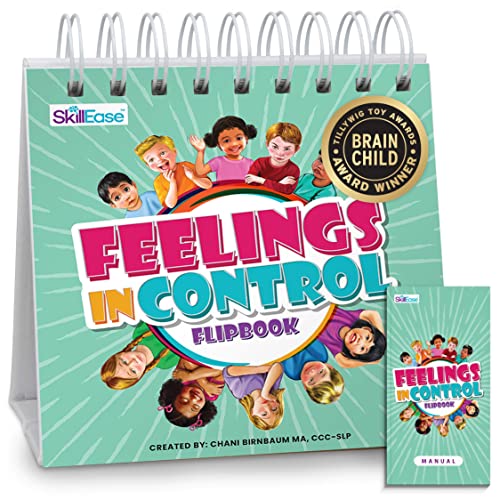
WHO can use it? Great idea for counseling for kids, BCBAs, ABA therapists, kids with autism, moms of children with special needs, any one that wants their kids to improve emotional regulation and social skills.

My Behaviour Flash Cards:Our autism behaviour communication visual aid cards set includes 50 pieces of cards,a ring to keep cards together and a retractable rope.With such a wide range of accessories,your child is able to express his or her own desires and needs.And the card will not be lost.

Educational Tool: This is a useful tool to help children identify and express their emotions. By observing each card and selecting different moods, children can learn to recognize and understand different emotions, articulate their feelings in an engaging way. Thus, children can develop empathy, communication skills, and a greater sense of self-awareness.
1. Authoritative Parenting
Authoritative parents balance warmth with clear limits. They explain rules, listen to the child, and follow through with fair consequences. Children often feel secure because caregivers combine support with structure.
This style can encourage confidence, self-discipline, and open communication. Your child learns that rules matter and feelings matter too. This balance helps them practice responsibility over time.
2. Authoritarian Parenting
Authoritarian parents focus on strict rules, control, and obedience. They may offer little room for questions or shared problem-solving. This approach can lead to short-term compliance, but it may also increase fear or low self-esteem.
Children raised with harsh control may struggle to speak up or make choices. Some may become very obedient, while others may rebel. A child needs limits, but they also need warmth and respect.
3. Permissive Parenting
Permissive parents show warmth but avoid firm limits. They may give in often or struggle to follow through with rules. Children may feel loved but lack enough structure to build self-control.
This style can lead to impulsive behaviour or trouble respecting limits. It may also make routines harder at home and school. Clear rules can still feel loving when you explain them with care.
4. Uninvolved Parenting
Uninvolved parents provide little guidance, attention, or emotional support. They may meet basic needs but remain distant from the child’s daily life. Children in this setting may feel ignored or unsure of their worth.
This pattern can make it harder for children to trust others and form healthy bonds. They may also struggle with school, emotions, or behaviour. If stress, burnout, depression, work pressure, or family problems affect your parenting, support can help you reconnect.
Emotional and Social Growth in Children
Emotional and social growth shows how children learn to connect, express feelings, and manage relationships. These skills shape well-being, learning, and future friendships. They also affect how children handle stress and conflict.
Recommended Products

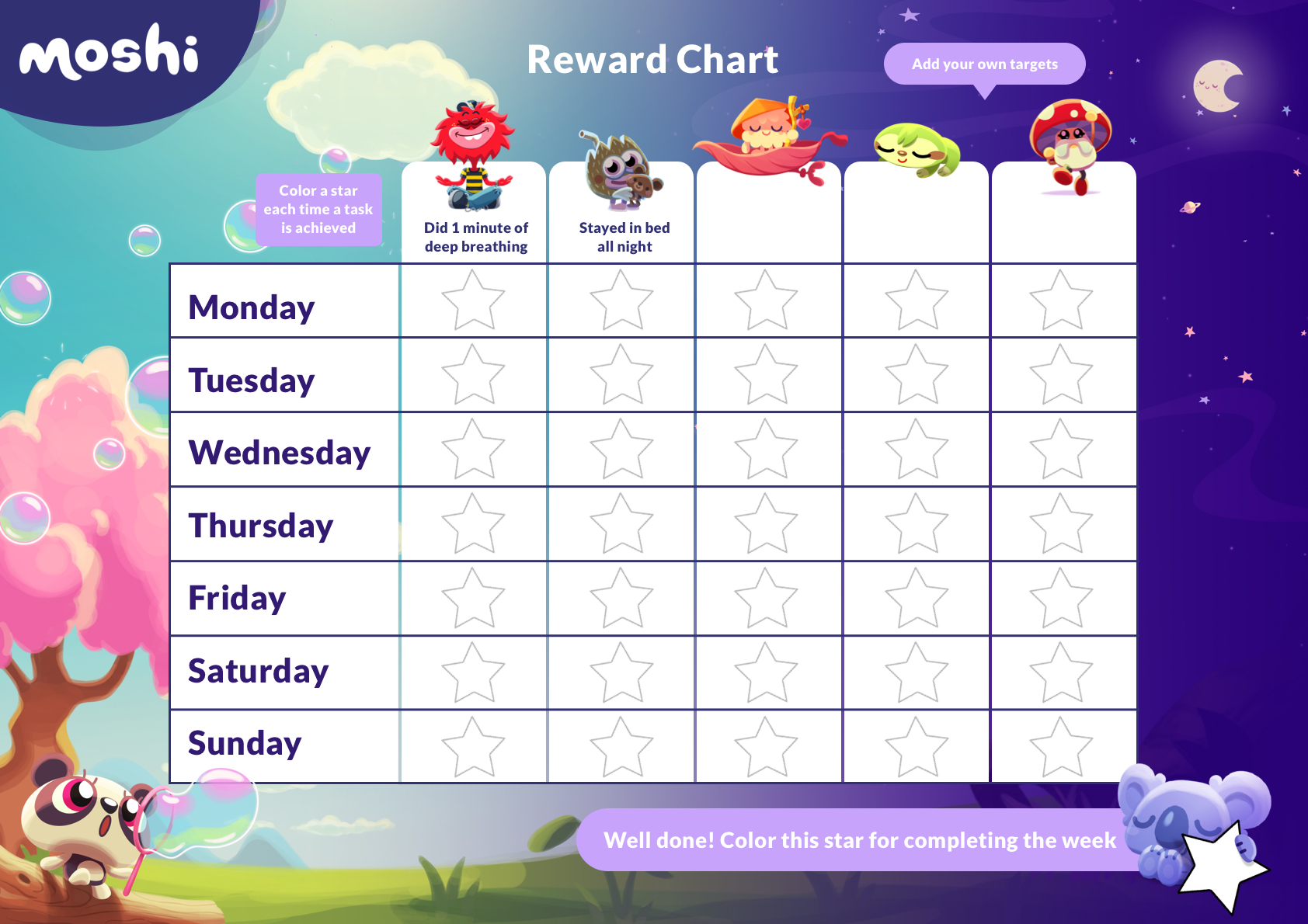
Make Routines Fun & Rewarding: ZICOTO’s beautiful chore chart for kids turns daily tasks into a game! Encourage responsibility, boost your kids’ self-esteem and celebrate achievements with positive reinforcement that makes them shine with every sticker earned!

Package Includes: The reward chart comes in two styles of cardstock, 40 each in black and white, with a total of 80 sheets of incentive chart. There are also 18 sheets of star stickers with 120 stickers each, totaling 2160 stickers.

Easy Motivation Tool: Encourage positive behavior at home or in the classroom with this Behavior Reward Chart System. Measuring a handy 11.8*8.3in, it's easy to hang on a fridge or wall for daily tracking with its bright green color.
What Drives Emotional Growth in Children?
Children can move from joy to anger or sadness within minutes. Emotional growth happens when they learn to name, understand, and manage those feelings. You can help by saying, “You seem upset,” or “That felt frustrating.”
Empathy plays a key role. When you acknowledge feelings, your child learns that emotions are normal and manageable. Over time, this builds emotional resilience and healthier coping skills.
How Social Interactions Shape Growth
Children learn social skills by watching and practicing with others. A toddler may copy your smile, while a preschooler may practice taking turns during a game. These small moments teach the basics of relationships.
Group play, family routines, and simple games help children practice cooperation and communication. Words like “please,” “thank you,” and “can I have a turn?” build respectful habits. Friendships take effort, patience, and kindness.
Recognizing Milestones in Emotional and Social Development
Each age group has common social and emotional milestones. A two-year-old may show independence by saying “no,” while a five-year-old may start to understand sharing. These behaviours can signal growth, not bad character.
Watch how your child responds to others. Do they make eye contact, seek comfort, try to join play, notice other people’s feelings, or recover after disappointment? These clues can help you understand their progress and needs.
How You Can Support Healthy Development
Your role as a caregiver matters every day. Model calm emotional regulation by naming your own feelings and showing safe ways to handle them. Avoid phrases like “Don’t cry,” because they may make your child feel dismissed.
Set aside time for open talks. Ask, “What made you happy today?” or “Did anything feel hard?” These questions help your child process the day and feel heard.
Common Behavioral Challenges
Children learn how to interact with the world through trial, error, and feedback. Behaviour challenges can feel stressful, but many reflect normal development. Your response can turn those moments into chances for learning.
Difficulty With Sharing
Young children often struggle to share toys or belongings. This does not always mean they are selfish. Many children are still learning ownership, patience, fairness, and trust.
You can help by teaching turn-taking and praising small efforts. Reassure your child that they will get their item back. That trust makes sharing feel safer.
Tantrums and Emotional Outbursts
Tantrums can feel overwhelming, especially in public places. They often come from frustration, hunger, tiredness, overstimulation, sudden transitions, or limited language. Identifying triggers can prevent some outbursts.
During a tantrum, ask what your child may be trying to communicate. Teach simple phrases such as “I’m mad,” “I need help,” or “I need a break.” These words give feelings a safer path.
Defiance or Refusal to Follow Rules
Defiance often shows a child’s growing need for independence. A child may resist when they feel controlled, rushed, tired, or disconnected. Instead of starting with punishment, try giving two acceptable choices.
For example, ask, “Do you want to brush your teeth now or in five minutes?” Choice gives your child some control while you keep the rule. This can reduce power struggles.
Difficulty Staying Focused
Children can struggle to focus when tasks feel too long, hard, boring, or unclear. Homework and chores often need extra structure. Break tasks into smaller steps so your child knows what to do next.
Use positive feedback to build motivation. You might say, “You worked hard for ten minutes. Great job. Let’s take a short break.” Clear praise helps children notice effort.
Not every focus problem is ADHD. The CDC describes ADHD as one of the most common neurodevelopmental disorders of childhood, with symptoms that can affect attention, impulse control, and activity level. A qualified professional looks at symptoms across settings and rules out other causes before diagnosis.
Social Anxiety or Shyness
Some children feel nervous with new people or social settings. Shyness is not a flaw. It can reflect temperament, stress, past experiences, or a need for more time.
Start with small steps, such as greeting a neighbor or waving to a familiar adult. Celebrate progress without pressure. Gradual practice helps confidence grow.
Aggression, Hitting, or Biting
Aggression can happen when children feel angry, scared, overstimulated, or unable to use words. Young children may hit or bite before they know safer ways to express feelings.
Stay calm, block unsafe behaviour, and use a short limit such as “I will not let you hit.” Then teach the next step: “Use words,” “Stomp your feet,” or “Ask for help.”
Sleep-Related Behavior Problems
Poor sleep can affect attention, mood, patience, and cooperation. A tired child may look defiant when they are actually exhausted.
A steady bedtime routine can help. Keep screens away before bed, use calm activities, and aim for a predictable sleep schedule. If sleep problems continue, speak with a qualified health professional.
:max_bytes(150000):strip_icc()/child-development-theories-2795068-final-b0d7a20d00274f2cbc51b5d51d2169cd.png)
Credit: www.verywellmind.com
Strategies for Positive Change
Understanding child behaviour helps you guide growth with more patience. Positive change comes from trust, clear limits, and steady practice. The American Academy of Pediatrics recommends positive discipline strategies that teach children to manage behaviour while promoting healthy development.
Use a Simple Response Framework
When behaviour feels intense, a short plan can keep you calm and consistent.
- Pause first. Take one breath before you speak, especially if you feel angry.
- Check basic needs. Ask whether your child may be hungry, tired, sick, scared, overstimulated, or confused.
- Name the feeling. Say, “You are mad because playtime ended.”
- Set the limit. Keep it short: “I will not let you hit.”
- Teach the next step. Offer words, a break, a choice, or a safe action.
- Review later. After everyone is calm, talk briefly about what happened and what to try next time.
Set Clear Expectations
Children do better when they know what you expect. Explain rules in simple, age-appropriate words. Keep rules short so your child can remember them.
Repeat expectations during calm moments. Consistency helps your child feel secure. It also reduces confusion when limits matter most.
Model Positive Behavior
Children often copy the adults around them. Show the behaviour you want your child to learn. Use kind words, patience, and respect in daily moments.
Your example teaches more than a long lecture. If you apologize after a mistake, your child learns repair. If you stay calm, they see how self-control works.
Use Positive Reinforcement
Praise and rewards can encourage children to repeat helpful behaviour. Name the exact action you liked, such as “You put your shoes away without a reminder.” Specific praise works better than vague praise.
Small rewards can help, but connection matters too. A smile, hug, sticker, or extra story can support progress. Keep the focus on effort and growth.
Encourage Emotional Expression
Help children identify and express emotions in safe ways. Teach words such as happy, sad, worried, mad, jealous, and proud. Listen without judgment when they share hard feelings.
This builds emotional intelligence and reduces frustration. Children who can name feelings often have an easier time managing them. Your calm attention helps them feel safe.
Set Realistic Goals
Focus on small, reachable steps. A big behaviour goal may feel too hard for a child. Break it into simple actions they can practice.
Celebrate progress, even when it seems small. A child who tries again after a hard moment has made progress. That success can build confidence.
Offer Consistent Consequences
Set fair consequences for unsafe or hurtful behaviour. Follow through in a calm, steady way. Make the consequence fit the action whenever possible.
Immediate and clear consequences help children connect choices with outcomes. Avoid threats you cannot keep. Calm follow-through builds trust and structure.
Encourage Open Communication
Create a safe space where your child feels heard and valued. Ask about feelings, friendships, school, and hard moments. Listen first before you correct.
Open communication strengthens trust. It also helps you notice problems before they grow. Your child learns they can come to you with questions and worries.
Pro Tip: Praise the behaviour you want to see again, and describe it clearly so your child knows what worked.
Credit: trainingexpress.org.uk
Simple Behavior Tracking Checklist
If a behaviour keeps happening, tracking patterns can help you understand what may trigger it. You do not need a complicated chart. A few notes each day can reveal helpful clues.
Behavior Pattern Checklist
| Time of day | Does the behaviour happen before meals, bedtime, school, or transitions? |
| Basic needs | Was your child hungry, tired, sick, overstimulated, or in pain? |
| Trigger | What happened right before the behaviour started? |
| Child’s feeling | Did your child seem angry, scared, embarrassed, sad, bored, or overwhelmed? |
| Adult response | What did you do, and did it calm or escalate the moment? |
| What helped | Which strategy worked best: space, comfort, choices, routine, movement, or clear limits? |
Use the checklist for one to two weeks. Then look for repeated patterns. This can help you adjust routines, reduce triggers, and explain concerns more clearly to a pediatrician, teacher, counselor, or child psychologist.
What to Share With a Professional
If you speak with a professional, bring specific examples. Share when the behaviour happens, how long it lasts, what triggers it, what helps, and whether it happens at home, school, childcare, or with friends. Also mention sleep, eating, screen routines, medical changes, family stress, learning concerns, and any loss of skills.
When to Seek Professional Support
Some behaviour challenges need more support than home strategies can provide. Consider speaking with a pediatrician, child psychologist, school counselor, or licensed therapist if behaviour affects safety, school, sleep, friendships, learning, or family life.
You should also seek help if your child harms themselves, harms others, talks about self-harm, shows extreme fear or sadness, loses skills they once had, or seems highly distressed. Professional support does not mean you failed as a parent. It gives you and your child more tools.
If you are concerned about development, ask your child’s doctor about developmental screening. The CDC notes that the American Academy of Pediatrics recommends general developmental screening at 9, 18, and 30 months, autism screening at 18 and 24 months, and screening whenever a parent or provider has a concern.
For disruptive behaviour that is persistent, severe, or uncommon for a child’s age, early support matters. The CDC explains behavior and conduct problems as patterns that may need evaluation when they persist over time, are severe, or interfere with daily functioning.
Warning: Seek urgent help if your child talks about self-harm, threatens serious harm, or acts in a way that puts anyone in danger. If there is immediate danger, call local emergency services. In the United States, you can call or text 988 for crisis support.
Frequently Asked Questions
What is the definition of child behavior?
Child behavior refers to the actions, reactions, habits, and communication patterns children show as they interact with people and their environment. It includes how they express feelings, follow rules, solve problems, and respond to stress.
What is the psychology of child behavior?
The psychology of child behavior studies how children think, feel, learn, and act as they grow. It looks at development, family life, social experiences, culture, health, learning, emotions, and the environment.
What are the four types of behavior in children?
One simple communication-style framework describes aggressive, assertive, passive, and passive-aggressive behavior. These labels can help adults notice how a child expresses needs and handles conflict, but they are not a complete diagnostic system.
Is ADHD a behavioral disorder?
ADHD is best described as a neurodevelopmental disorder, not simply a behavior problem. It can affect attention, impulse control, and activity level. Disruptive behavior disorders, such as oppositional defiant disorder and conduct disorder, are different conditions that require professional evaluation.
How can you tell if behavior is a phase or a concern?
A short phase often improves with time, routine, sleep, connection, and steady guidance. A bigger concern may last for weeks, grow worse, become unsafe, or disrupt school, sleep, friendships, learning, or family life.
How should you respond when your child acts out?
Start by staying calm and checking for basic needs such as hunger, tiredness, fear, pain, or overstimulation. Name the feeling, set a clear limit, and offer a safe next step. After the moment passes, talk briefly about what happened and what your child can try next time.
Can parents change a child’s behavior?
Parents can help shape behavior through routines, clear limits, positive reinforcement, calm consequences, emotional coaching, and strong connection. Change takes time, especially when a child is learning a new skill or dealing with stress.
When should I talk to a doctor or child psychologist?
Talk to a professional if behavior is unsafe, severe, persistent, unusual for your child’s age, or interfering with school, sleep, friendships, learning, or family life. Seek urgent help for self-harm talk, serious threats, or immediate danger.
Medical Disclaimer: This article is for informational purposes only and does not constitute professional medical or mental health advice. It cannot diagnose a child or replace care from a qualified doctor, licensed therapist, school psychologist, or child development professional.
Conclusion
Understanding child behaviour in psychology helps you see the need behind the action. When you respond with warmth, clear limits, and steady routines, you help your child build trust and self-control.
Start by watching patterns in your child’s behaviour, such as time of day, triggers, sleep, hunger, school pressure, screen use, health, and social stress. Use that insight to guide small changes at home. With patience and the right support, you can help your child grow stronger emotional and social skills.
Sources
- CDC: Developmental Milestones — supports milestone tracking and developmental screening guidance.
- HealthyChildren.org: Ages & Stages — supports age-stage development guidance from the American Academy of Pediatrics.
- NICHD Child Development and Behavior Branch — supports the biological, psychological, behavioral, social-emotional, genetic, and environmental view of child development.
- CDC: ADHD in Children — supports ADHD wording and distinction from general behavior problems.
- CDC: Behavior or Conduct Problems in Children — supports when disruptive behavior may need evaluation.
- American Academy of Pediatrics: Screen Time Guidelines — supports updated media-use guidance focused on quality, balance, sleep, activity, and communication.