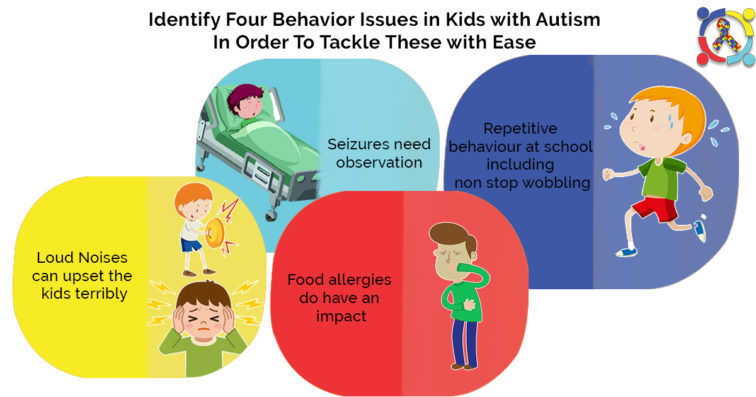
Parenting an autistic child with behavioral challenges can feel overwhelming, especially when meltdowns, aggression, refusal, or communication struggles happen often. You are not failing. Most challenging behavior has a reason behind it, such as sensory overload, anxiety, pain, communication difficulty, or a change the child could not process.
The goal is not to force your child to “act normal.” The goal is to understand what the behavior is communicating, keep everyone safe, reduce triggers, and teach skills your child can use instead. The strategies below combine practical home steps with guidance supported by pediatric and public health sources such as the CDC, American Academy of Pediatrics, and NIDCD.
Use this guide as parent education, not as a diagnosis or medical plan. If your child hurts themselves, hurts others, suddenly develops new severe behaviors, loses skills, has sleep or feeding changes, or seems in pain, contact your pediatrician or a qualified clinician.
Quick Answer
To deal with an autistic child with behavioral issues, stay calm, protect safety, look for the trigger, reduce demands, and use simple communication. After your child is calm, teach a replacement skill, reward positive attempts, keep routines predictable, and work with professionals if behavior is intense, frequent, or unsafe.
Key Takeaways
- Challenging behavior is often communication, not defiance. Look for needs such as escape, attention, sensory relief, hunger, pain, or help.
- During a meltdown, focus on safety and calm support first. Teaching works better after your child has regulated.
- Visual schedules, simple rules, sensory supports, and predictable routines can reduce anxiety and prevent many problems.
- Positive reinforcement works best when it is immediate, specific, and paired with teaching a better replacement skill.
- Get professional help for aggression, self-injury, sudden behavior changes, major sleep problems, regression, or school behaviors that disrupt learning.
At a Glance
| Time Required | 10 to 20 minutes to make a first behavior plan; ongoing daily practice |
| Difficulty | Moderate, because consistency and patience matter more than perfect technique |
| Tools Needed | Notebook, visual schedule, timer, calm space, sensory tools, and input from your child’s care team |
| Cost | Many home strategies are free; professional therapy, evaluations, and school supports vary by location and insurance |
Warning: If your child is in immediate danger, cannot be safely supervised, is seriously hurting themselves or someone else, or you feel unable to keep the situation safe, seek emergency help right away. After the crisis, ask your pediatrician or behavioral health provider about a written safety plan.
Start By Understanding What The Behavior Is Communicating
Behavior usually has a function. Your child may be trying to escape a demand, get help, avoid pain, seek sensory input, block overwhelming noise, or express a feeling they cannot explain with words yet.
Instead of asking, “How do I stop this behavior?” start with, “What is my child trying to tell me?” That question changes your response. You can still set limits, but you will respond with more patience and better information.
Use The ABC Method
The ABC method helps you track patterns without guessing. Write down three things after a challenging moment:
- A: Antecedent. What happened right before the behavior? Examples include a transition, noise, denied screen time, hunger, or a hard task.
- B: Behavior. What did your child do? Be specific. Write “dropped to the floor and screamed for five minutes,” not “acted bad.”
- C: Consequence. What happened afterward? Did the demand stop, did your child get attention, did they get a break, or did the room become quieter?
After a few days, patterns often become easier to see. You may notice that behavior increases before meals, during transitions, after poor sleep, or when language demands are too high.
Pro Tip: Track only one or two behaviors at first. A simple notes app or paper chart is enough. The goal is clarity, not a perfect clinical record.
What To Do In The Moment
When behavior escalates, your child’s brain may not be ready for long explanations. This is especially true during a meltdown. Use fewer words, reduce pressure, and focus on safety.
1. Stay Calm And Lower Your Voice
Your calm tone helps reduce the emotional temperature. Move slowly, speak softly, and avoid arguing. If you feel angry, pause for a breath before you respond.
2. Make The Area Safe
Move sharp, breakable, or heavy items out of reach. If siblings are nearby, guide them to another room. If your child is likely to run, block unsafe exits without grabbing unless safety requires it.
3. Reduce Sensory Input
Dim lights, lower noise, reduce talking, and offer a quieter space. Some children calm with headphones, a weighted lap pad, deep pressure, a favorite blanket, or a familiar object. Others need space and should not be touched.
4. Use Simple Choices
Offer two safe choices: “Quiet room or couch?” “Water or break?” “Headphones or blanket?” Choices give your child a sense of control without removing your boundary.
5. Wait To Teach Until They Are Calm
During a meltdown, your child may not process teaching. After they calm, use short language: “You were upset. Next time, show ‘break’ card.” Then practice the replacement skill when everyone is calm.
Building Trust And Connection
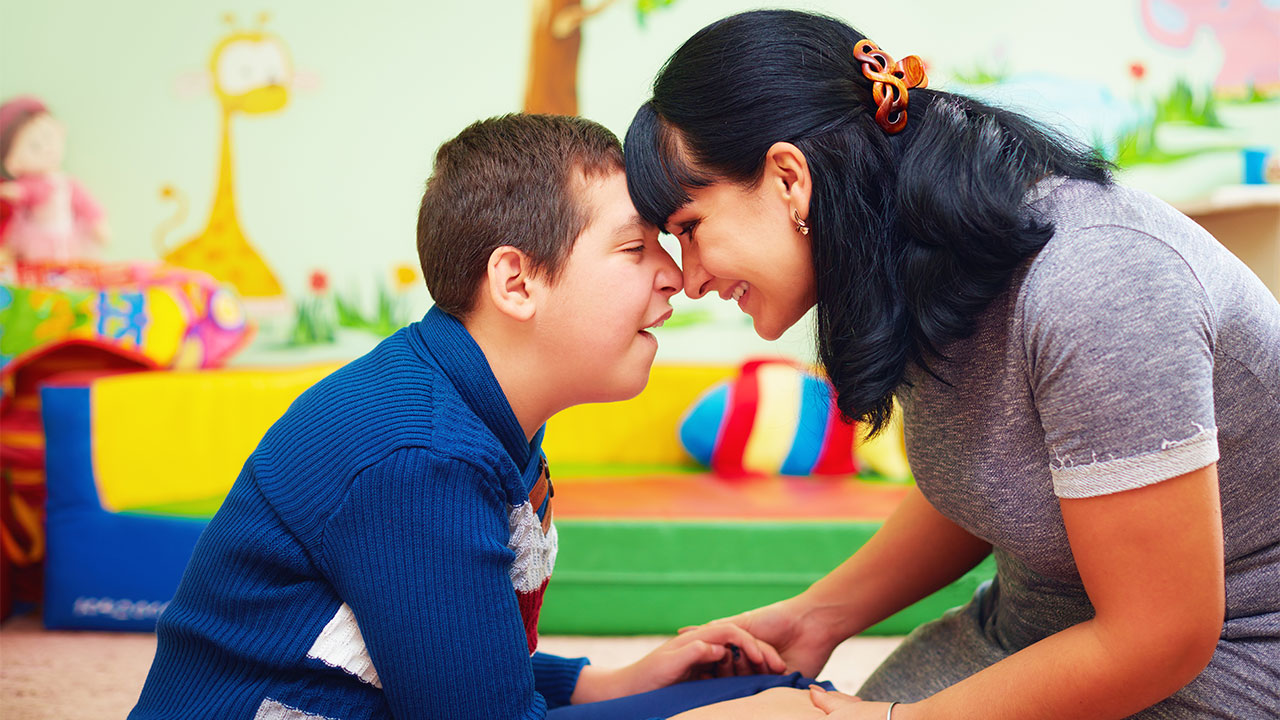
Building trust with an autistic child takes patience, respect, and consistency. Trust grows when your child sees that you notice their needs, protect their boundaries, and help them succeed instead of only reacting when behavior becomes hard.
A strong connection does not mean you allow unsafe behavior. It means your child knows you are on their side while you guide them toward safer choices.
Recommended Products

【Visual Schedule for Kids】ALSLEA's visual schedule board measures 27" L x 9.5“ W, which is made of delicate flannel with nylon backing for durability and will not tear or wrinkle easily. The visual schedule can be used to arrange the morning and evening routine of young children and cultivate their sense of time. It can also be used as a chore chart for kids.

How Are We Different - Our routine chores chart is designed with a double-sided felt board to provide more room for custom use of the child's daily activities,and we've increased the size of the board and cards to provide convenience for the child's use! No more worrying about receiving smaller items than expected! We've also added weekly cards and pointing arrow cards, and for the hand washing/toileting category cards we've increased its number!
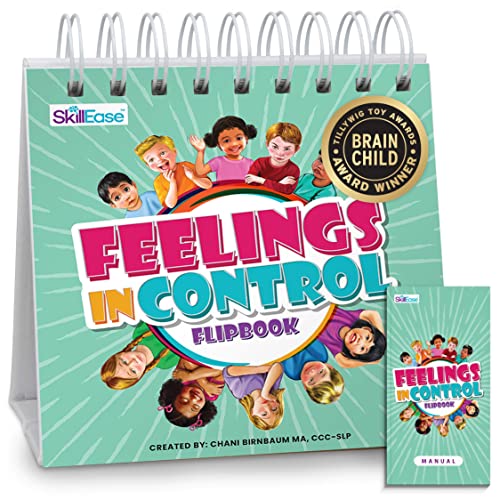
WHO can use it? Great idea for counseling for kids, BCBAs, ABA therapists, kids with autism, moms of children with special needs, any one that wants their kids to improve emotional regulation and social skills.
1. Understand Their Triggers
Behavioral challenges often come from unmet needs or overwhelming situations. Watch for triggers such as loud sounds, crowded places, bright lights, hunger, fatigue, hard transitions, pain, or sudden changes in routine.
Once you know a trigger, plan ahead. If loud noise is hard, keep noise-reducing headphones nearby. If waiting is hard, bring a small activity. If transitions are hard, use a timer and a visual warning.
2. Communicate With Patience
Your child may struggle to explain feelings, needs, or pain. Use simple language and give time to respond. Try phrases like, “Are you upset?” “Do you need a break?” or “Show me what hurts.”
Some children communicate better with gestures, pictures, signs, a speech device, or an augmentative and alternative communication tool. NIDCD notes that communication challenges can lead to frustration, so speech-language support can be an important part of a behavior plan.
3. Respect Their Boundaries
Your child may need space when overwhelmed. Respect that need unless safety is at risk. Pushing for eye contact, forced touch, or repeated questions can make distress worse.
Instead, say what you will do: “I am here. You are safe. I will wait.” This keeps connection without adding pressure.
4. Celebrate Small Wins
Small progress matters. Did your child use a break card instead of screaming? Praise it. Did they leave a noisy room before melting down? Notice it. Did they accept help after refusing? Mark that as growth.
Be specific: “You asked for help with your words. That was great.” Specific praise helps your child understand which behavior worked.
5. Be Consistent
Predictability helps many autistic children feel safer. Keep routines steady when you can, and use visual schedules when plans change. The CDC describes educational approaches such as TEACCH that use structure, consistency, visual learning, and clear routines to support autistic people.
6. Show Empathy, Not Frustration
Behavioral challenges can be exhausting, but your child is usually not trying to make life harder. They may be overwhelmed, scared, confused, tired, or unable to communicate.
Try this reframe: “My child is having a hard time. What support would help right now?” That mindset can help you respond with firmness and compassion.
7. Spend Time Doing What They Love
Join your child in activities they enjoy. Build with blocks, draw, line up cars, read the same book, watch their favorite train, or talk about their special interest.
Do this without correcting or testing. Shared joy builds trust. When trust is stronger, your child may accept guidance more easily during hard moments.
Recognizing Triggers
Triggers vary from child to child. One child may struggle with loud stores, while another struggles with clothing tags, homework, bathroom routines, or unexpected visitors. Your job is to become a careful observer.
Use patterns, not blame. If behavior happens again and again in similar situations, the situation is giving you useful information.
Recommended Products
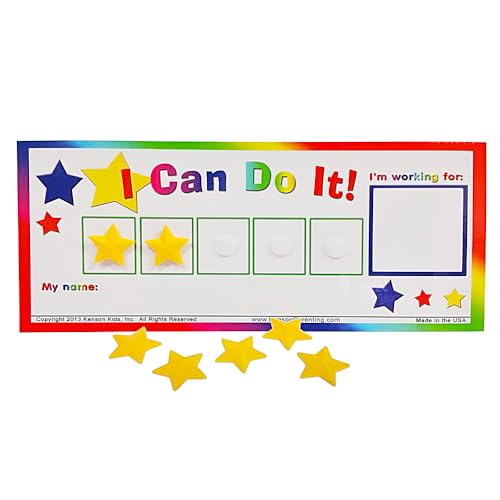
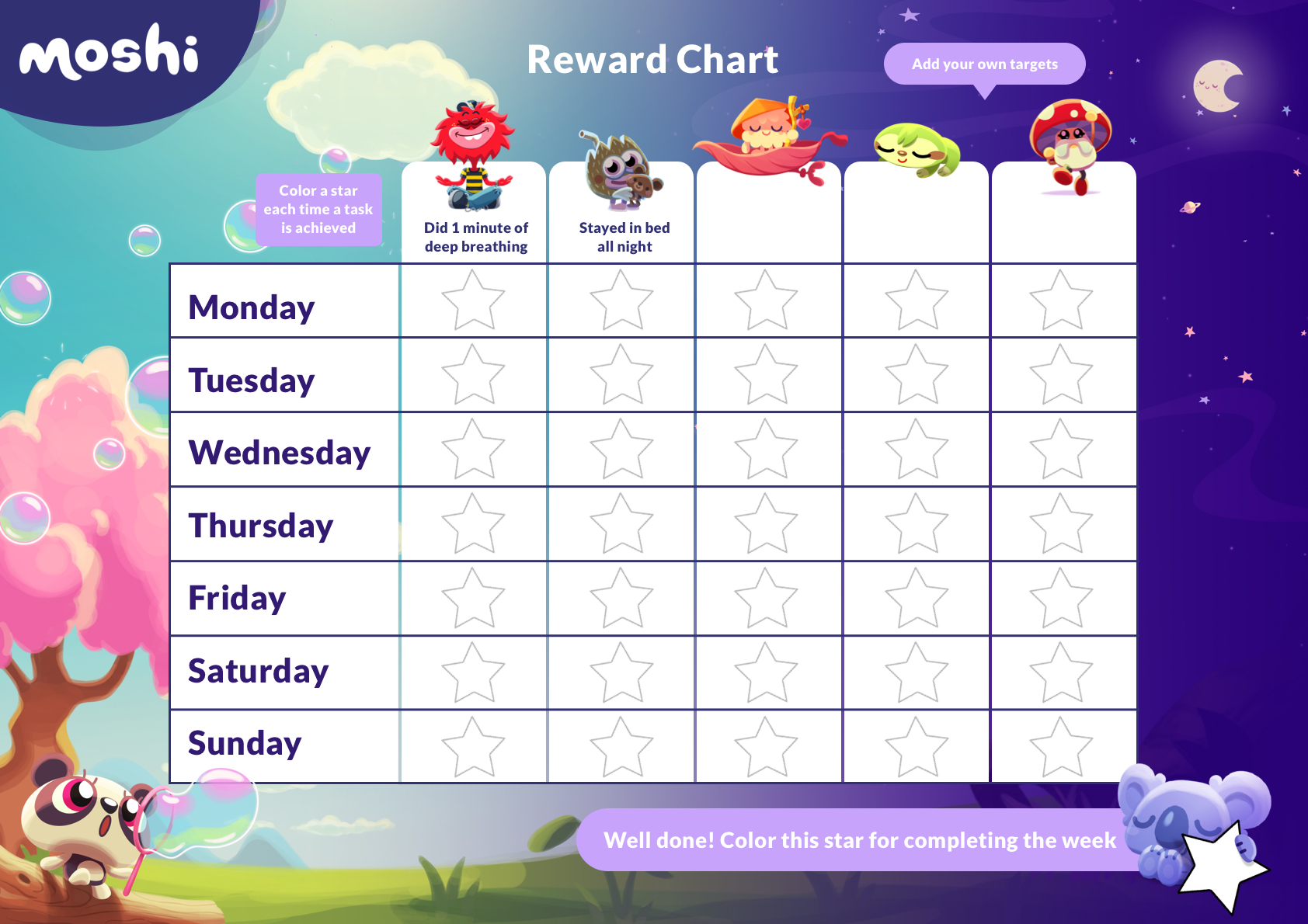
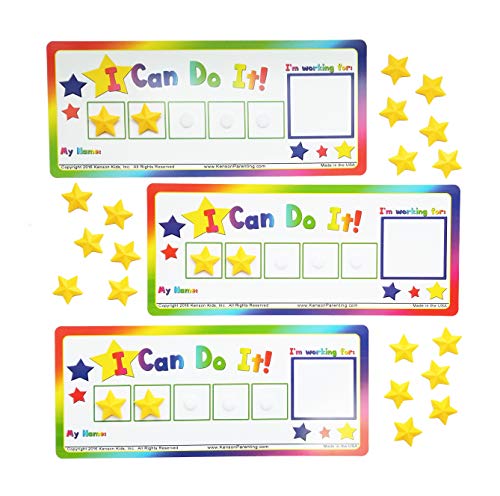
PROMOTES GOOD HABITS THROUGH POSITIVE REINFORCEMENT – For years parenting books have been stressing the benefits of motivating children to engage in positive actions rather than trying to control their behavior. The "I Can Do It!" Token Board brings this lesson to life, providing an easy and productive approach to any particular task.
Changes In Routine
Routine changes can overwhelm an autistic child. Sudden changes may lead to anxiety, refusal, crying, yelling, or shutdown. Prepare your child before changes whenever possible.
Use a visual schedule, first-then language, countdowns, or a social story. For example: “First grocery store, then playground.” Keep the message short and repeat it calmly.
Sensory Overload
Bright lights, loud sounds, strong smells, crowded spaces, scratchy clothing, or too much touch can trigger distress. Watch your child’s body language. Covering ears, hiding, pacing, bolting, crying, or getting very still can all signal overload.
Create a sensory plan. This may include headphones, sunglasses, tag-free clothing, a quiet corner, fidget tools, chewable jewelry, heavy work activities, or breaks from busy spaces.
Difficulty In Communication
Communication challenges can lead to frustration. Your child may know what they want but not know how to express it. They may also struggle to understand long directions, sarcasm, tone of voice, or body language.
Try short phrases, pictures, gestures, and choices. Ask your child’s pediatrician, speech-language pathologist, or school team whether picture cards, PECS, AAC, or a speech device could help. The AAP lists PECS and AAC as supports that can improve functional communication for children with aggression or self-injury.
Unfamiliar Social Situations
New people, parties, school events, appointments, and busy playgrounds can feel unpredictable. Prepare your child before the event. Explain who will be there, what will happen, how long it may last, and where they can take a break.
Start small. A 10-minute visit that ends calmly may help more than a long event that ends in distress.
Physical Discomfort Or Medical Issues
Pain and body discomfort can look like behavior. Constipation, reflux, ear infections, dental pain, headaches, poor sleep, hunger, seizures, medication side effects, anxiety, or allergies may increase challenging behavior.
Call your pediatrician if behavior changes suddenly, happens with sleep or eating changes, includes self-injury, or seems connected to pain. A medical check can rule out problems your child cannot explain.
Creating A Structured Environment
Autistic children with behavioral challenges often do better when home feels predictable and organized. Structure reduces guesswork. It also helps your child know what is expected and what will happen next.
Structure does not have to be strict or complicated. It should make daily life easier for both you and your child.
Recommended Products

Effective Behaviour Support – Visual aid helps children understand expectations on them and take charge of their actions. Nonverbal communication gives clear guidance on what behaviours are appropriate or not. Uses clear non-verbal instructions to reduce demand avoidance.

【Recognize and Express Feelings】Each Feelings Pocket Chart comes with 2 Topic Cards ("I Feel “and “I Can”), 24 Feeling Cards, 24 Activity Cards, 6 Blank Cards, 1 Felt Board, 2 PVC Storage Bags, 66 Dot Stickers and 1 Hanging Rope. This Feelings Pocket Chart can teach children to learn to recognize and learn to express 24 feelings and 24 ways to deal with feelings, and the 6 blank cards that come with the set can add other feelings and ways to it.

VISUAL BEHAVIOR TRACKING: Kids learn cause and effect as they place shapes into "good" and "challenging" behavior buckets during daily routines and transitions
1. Establish Consistent Routines
Set regular times for meals, play, schoolwork, bath, and bedtime when possible. Use a visual schedule with pictures, words, or symbols to show the day’s main events.
When plans change, update the schedule and give a simple explanation. “Grandma is not coming today. We will call her after dinner.”
2. Create Designated Spaces
Use specific areas for different activities. A quiet space can be for calming. A table can be for homework. A bin can hold sensory tools.
Keep calm spaces simple. Too many toys, screens, bright colors, or sounds can make the space less useful.
3. Use Clear Rules And Expectations
Keep rules short and positive. Instead of “Don’t run,” try “Walking feet inside.” Instead of “Stop screaming,” try “Use break card” or “Quiet voice.”
Use pictures or written rules if your child responds well to visuals. Practice rules when your child is calm, not only during conflict.
4. Minimize Sudden Changes
Unexpected changes are sometimes unavoidable. When they happen, acknowledge the difficulty: “This is different. Different can feel hard.” Then show the new plan in one or two steps.
Timers can help with transitions. So can a “change card” that signals something will be different today.
5. Incorporate Visual Supports
Visual supports can include picture schedules, first-then boards, emotion charts, choice cards, timers, labels, or written checklists. Visuals stay in place after spoken words disappear, so many children find them easier to use.
Start with one visual support. Use it every day for a week before deciding whether it works.
6. Provide Sensory-friendly Options
Offer tools that match your child’s sensory needs. Some children need quiet. Some need movement. Some need deep pressure. Some need oral input. Notice what helps your child return to calm.
Common options include noise-reducing headphones, fidgets, a rocking chair, a small trampoline, a weighted lap pad, chewable jewelry, dim lighting, or a calm-down basket. Ask an occupational therapist for individualized guidance if sensory needs strongly affect daily life.

Credit: raisingchildren.net.au
Using Positive Reinforcement
Positive reinforcement means noticing and rewarding the behavior you want to see more often. It works best when rewards are clear, immediate, and connected to a skill your child is learning.
This is not bribery. Bribery usually happens after behavior escalates. Reinforcement is planned ahead of time and teaches your child what to do instead.
What Is Positive Reinforcement?
Positive reinforcement rewards a helpful behavior so your child is more likely to repeat it. The reward can be praise, a high-five, a favorite activity, a token, a snack, extra reading time, or a short break.
For example, if your child uses a picture card to ask for help, you might say, “You asked for help. Nice job,” and help right away. The quick response teaches that communication works.
Why Does Positive Reinforcement Work?
Many autistic children respond well to clear and consistent feedback. A reward system can make expectations easier to understand. It also helps you focus on progress instead of only reacting to hard moments.
Reinforcement works even better when it teaches a replacement skill. If your child screams to escape homework, the replacement skill might be handing you a “break” card. If your child grabs toys, the replacement skill might be saying or showing “my turn.”
How To Choose Rewards That Work
Choose rewards that matter to your child. Watch what they naturally seek: movement, music, a toy, a favorite snack, special time with you, or a few minutes with a preferred activity.
Keep rewards immediate at first. Waiting too long can make the connection unclear. As your child learns the skill, you can slowly use more praise and fewer tangible rewards.
Make Praise Specific And Clear
Instead of “Good job,” say exactly what worked: “You waited with calm hands,” “You used your words,” or “You gave me the break card.” This helps your child know what to repeat.
Use a warm tone, but do not overdo it if your child dislikes big reactions. Some children prefer quiet praise, a thumbs-up, or a token instead of excited attention.
Common Mistakes To Avoid
Avoid changing the plan every day. If one adult rewards a skill and another ignores it, your child may feel confused. Choose one target behavior, one reward, and one clear phrase.
Also avoid using rewards to push through true sensory overload. If the environment is too loud or painful, your child may need support, not more motivation.
Can You Use Positive Reinforcement For Meltdowns?
Do not treat a meltdown like misbehavior. A meltdown is a loss of regulation, not a planned choice. During a meltdown, focus on safety, calm, and reducing demands.
After your child is calm, reinforce the skills that may prevent the next meltdown. Praise asking for a break, using headphones, leaving a noisy room, or accepting help early.
Start Small And Build Over Time
Pick one behavior to teach first. You might start with “ask for break,” “use calm hands,” or “walk to quiet space.” Practice when your child is calm, then support the skill during harder moments.
Small steps build confidence. A child who can ask for help once can learn to ask more often with practice and support.
Teaching Replacement Skills
A behavior plan should not only stop a behavior. It should teach your child a safer way to meet the same need.
Ask, “What can my child do instead?” The answer should be simple, realistic, and useful.
If Your Child Hits To Escape A Task
Teach a break request. Use a card, sign, button, or phrase such as “break please.” At first, honor the request quickly so your child learns that asking works better than hitting.
If Your Child Screams For Attention
Teach a safe attention request. This might be tapping your arm, handing you a card, saying your name, or using a device. Give attention quickly when they use the replacement skill.
If Your Child Throws Items When Frustrated
Teach a help request and offer safe alternatives. You might say, “Blocks stay on table. Throw this soft ball in the basket.” Then help with the hard task.
If Your Child Runs Away
Teach a stop signal, hand-holding routine, or “wait” card. Also change the environment. Use door alarms, stroller or harness supports when appropriate for safety, and close supervision in public spaces.
Note: Replacement skills must be easier than the challenging behavior at first. If asking for a break is too hard, start with pointing, handing over a card, or pressing a simple button.
Collaborating With Professionals
Professional support can help when behavior is frequent, intense, confusing, or unsafe. A strong plan often includes parents, pediatricians, therapists, and school staff working together.
The AAP recommends supports that are individualized, developmentally appropriate, family-centered, non-aversive, and strength-based. That means your child’s plan should respect who they are while helping them build practical skills.
Understanding The Role Of Therapists
Different professionals can help with different needs. A behavior therapist may complete a Functional Behavioral Assessment and teach replacement behaviors. A speech-language pathologist can support communication. An occupational therapist can help with sensory needs, daily living skills, and regulation strategies.
Applied Behavior Analysis, or ABA, can help some children build communication, safety, social, play, and daily living skills. Choose providers who use respectful, non-aversive methods and include family goals. Ask how they handle distress, consent, breaks, and your child’s preferences.
Engaging Special Education Teachers
If behavior affects school, ask the school team for help in writing. Your child may need a Functional Behavioral Assessment, a behavior intervention plan, IEP goals, sensory breaks, communication supports, or transition supports.
Home and school plans should match as much as possible. Use the same break card, calm-down routine, or reinforcement system when it makes sense.
Seeking Medical Expertise
Pediatricians and child psychologists can help identify medical or emotional factors behind behavior. Pain, constipation, reflux, seizures, sleep problems, anxiety, ADHD, medication side effects, or feeding issues can all affect behavior.
There are no medications that treat the core symptoms of autism. Some medicines may help co-occurring symptoms such as irritability, anxiety, attention problems, sleep problems, or self-injury, but only under a clinician’s guidance.
Building A Collaborative Team
A team approach works best when everyone shares information. Bring your ABC notes, school reports, sleep patterns, and examples of what helps. Ask each professional for one or two practical steps you can use at home.
Keep goals clear. “Fewer meltdowns” is a broad goal. “Use a break card before leaving the table” is easier to teach and measure.
Using Professional Resources
Professionals can recommend parent training, speech therapy, occupational therapy, counseling, school supports, or behavior therapy. If your child is minimally verbal or often frustrated, ask about AAC options and functional communication supports.
Parent training can also help you learn how to prevent triggers, respond consistently, and teach skills without harsh punishment.

Credit: www.autismconnect.com
Practicing Patience And Self-care
Caring for an autistic child with behavioral challenges can drain your energy. You may feel guilty, tired, embarrassed, worried, or alone. Those feelings do not make you a bad parent.
Self-care is not selfish. A regulated parent can respond more calmly, notice patterns more clearly, and recover faster after hard moments.
1. Take Deep Breaths In Stressful Moments
When your child escalates, take one slow breath before speaking. Inhale through your nose for four seconds and exhale for six seconds. This small pause can keep you from reacting with anger.
2. Set Realistic Expectations For Yourself
You will not handle every moment perfectly. No parent does. Focus on repair. If you raised your voice, apologize later in simple words: “I yelled. I am sorry. I will try again.”
3. Prioritize Sleep And Nutrition
Poor sleep makes patience harder. Protect your own sleep when you can, and ask for help if your child’s sleep problems are affecting the whole family. Your pediatrician can help screen for sleep or medical issues.
Eat regular meals, drink water, and keep easy food available for yourself. Caregivers often skip their own needs during stressful seasons.
4. Take Time For Activities You Enjoy
Even 10 minutes can help. Read, stretch, pray, walk, listen to music, garden, or sit quietly. The activity does not need to be impressive. It needs to help your nervous system reset.
5. Seek Support From Trusted People
Talk with someone who can listen without judging. This might be a partner, relative, friend, therapist, parent support group, or school counselor.
If you feel constantly overwhelmed, anxious, or hopeless, consider professional counseling for yourself. Supporting your own mental health helps your child too.
6. Practice Positive Self-talk
Replace “I can’t handle this” with “This is hard, and I am learning.” Replace “Nothing works” with “I need more information and support.” Your thoughts affect how you respond.
Credit: raisingchildren.net.au
When To Get More Help
Some behavior needs more than home strategies. Getting help early can prevent patterns from becoming harder to change.
Contact your pediatrician, school team, or a qualified behavioral health provider if your child:
- hurts themselves, hits their head, bites themselves, or causes injuries
- hurts siblings, classmates, pets, or caregivers
- runs away or bolts in unsafe places
- has sudden new aggression, self-injury, or severe meltdowns
- loses speech, toileting, feeding, sleep, or social skills
- has major sleep problems, feeding restriction, constipation, pain, or possible seizures
- cannot participate in school or daily routines because behavior is too intense
- requires restraint or physical blocking often to stay safe
Ask for a written plan. A good plan should explain triggers, prevention steps, replacement skills, reinforcement, safety steps, and who to call during a crisis.
Frequently Asked Questions
How do you discipline an autistic child for bad behavior?
Use calm, clear, and respectful discipline. Set simple rules, teach the replacement behavior, use positive reinforcement, and avoid spanking, shaming, yelling, or threats. The AAP warns that corporal punishment and harsh verbal punishment are ineffective and can cause harm. If behavior is unsafe, focus on safety first and ask a professional for a plan.
How do you deal with challenging behaviors in autism?
Identify the trigger, reduce sensory or communication stress, keep routines predictable, and teach a safer replacement skill. Use the ABC method to track what happens before and after the behavior. Reinforce positive attempts quickly and work with therapists, your pediatrician, or the school team if the behavior is frequent or intense.
How do you deal with an angry autistic child?
Stay calm, lower your voice, reduce demands, and make the area safe. Use short phrases and offer simple choices such as “break or quiet room?” Avoid arguing while your child is escalated. After they calm, talk briefly about what happened and practice a safer way to ask for help next time.
What are severe behavior problems with autism?
Severe behavior problems may include self-injury, aggression, dangerous running away, property destruction, long or frequent meltdowns, or behavior that prevents eating, sleeping, learning, or safe daily care. These behaviors need professional assessment, especially if they are new, worsening, or linked to pain or medical symptoms.
What should I do during an autism meltdown?
Focus on safety and regulation. Reduce noise, lights, talking, and demands. Give space if your child needs it, or offer a calming tool if they accept it. Do not lecture during the meltdown. Once your child is calm, help them name what happened and practice a simple coping or communication skill.
Can communication tools reduce behavior problems?
Yes, they can help many children. Picture cards, signs, communication boards, PECS, or AAC devices may give your child a safer way to ask for help, a break, attention, food, or comfort. Ask a speech-language pathologist or your child’s school team which option fits your child’s needs.
When should I call a doctor about autism behavior issues?
Call a doctor if behavior changes suddenly, includes self-injury or aggression, affects sleep or eating, seems linked to pain, or becomes unsafe. Also ask for help if your child loses skills, runs away, has possible seizures, or your family cannot safely manage daily routines.
Conclusion
Supporting an autistic child with behavioral issues takes patience, structure, and the right support. Start by looking for the reason behind the behavior. Then reduce triggers, use simple communication, teach replacement skills, and reinforce small steps in the right direction.
You do not have to solve every challenge alone. Work with your child’s pediatrician, school team, speech-language pathologist, occupational therapist, or behavior specialist when behavior is intense, unsafe, or hard to understand. Your calm, consistent support can help your child feel safer and build skills over time.
Sources
- CDC: Treatment and Intervention for Autism Spectrum Disorder — supports behavioral, developmental, educational, social-relational, medication, and visual-support guidance.
- CDC: Data and Statistics on Autism Spectrum Disorder — backs current U.S. autism prevalence context.
- NIDCD: Autism Spectrum Disorder Communication Problems in Children — backs communication challenges and speech-language support.
- American Academy of Pediatrics: Common Supports and Services for Children on the Autism Spectrum — backs individualized, non-aversive supports, ABA, parent training, AAC, FBA, and safety planning.
- HealthyChildren.org: AAP Policy on Corporal Punishment — backs avoiding spanking, shaming, and harsh punishment.
- National Institute of Mental Health: Autism Spectrum Disorder — backs autism as a developmental condition with varied communication, behavior, and service needs.