

Your child’s teacher just called again. Words like “disruptive”, “defiant”, or “unfocused” came up, and now you’re thinking: Why is my child acting out at school? A child can behave differently at school because the setting demands more attention, waiting, transitions, social problem-solving, and independent work than home.
School behaviour often signals that a task, setting, relationship, or skill is creating difficulty. Common triggers include work that feels too hard, bullying or friendship stress, anxiety, poor sleep, sensory overload, unclear expectations, and difficulty asking for help. Start by defining the behaviour, tracking what happens before and after it, and agreeing with the teacher on one small support to test.
Last updated: July 19, 2026 · Reviewed against current guidance from the CDC, American Academy of Pediatrics, American Academy of Child and Adolescent Psychiatry, StopBullying.gov, and Vanderbilt University’s IRIS Center.
Affiliate disclosure: BabyQur may earn a commission from qualifying purchases made through product links on this page, at no extra cost to you.
Quick Answer
Your child may be acting out at school because a demand or setting is exceeding a skill they can use consistently. Look for patterns by subject, time, place, people, and transitions. Check sleep, food, health, bullying, learning demands, and sensory stress. Then work with the teacher on one clear goal, one replacement skill, and one support to review after about two weeks.
Key Takeaways
- Look for patterns: when, where, and with whom the behaviour happens.
- Ask what your child is finding hard, such as schoolwork, friendships, transitions, noise, or feeling embarrassed.
- Support the basics first: sleep, breakfast, movement, calm mornings, and decompression after school.
- Partner with the teacher on one simple plan and review it after two to three weeks.
- Get extra help early if behaviour is persistent, escalating, unsafe, or linked to school refusal.
At a Glance
| Time Required | Track one week of patterns, then review the support plan after about two weeks |
| Difficulty | Moderate; the main challenge is using the same simple plan consistently |
| Tools Needed | Specific teacher examples, a simple behaviour log, a replacement-skill script, and a review date |
| Cost | Usually free to start; professional assessment costs vary if needed |
Note: This article is educational and does not diagnose anxiety, ADHD, autism, learning difficulties, trauma, or behaviour disorders. Seek professional guidance if the behaviour is persistent, severe, unsafe, linked to school avoidance, or interfering with learning, attendance, sleep, friendships, or family life.
Why is my child acting out at school but not at home?
School asks children to do a lot at once: follow group rules, switch tasks quickly, sit still, cope with noise, share adult attention, and manage friendships. They usually get much less one-to-one support than they do at home.
Some children hold it together in one setting and fall apart in another. Others struggle most where the demands are highest. That does not mean your child is “bad” or that the teacher is wrong. It means the school day is showing you where your child needs support.
Home may also be more predictable. Your child may know where things are, what adults expect, when they can take a break, and how to ask for help. School has more people, more waiting, more noise, and more chances to feel embarrassed.
Common triggers for misbehaviour at school
Behaviour often follows a pattern. Looking at what happened before the incident, the behaviour itself, and what happened afterwards can reveal whether your child was trying to escape a task, gain help or attention, access something, or cope with overload. That pattern helps you choose a safer replacement skill and a realistic support.

| Possible trigger | What it may look like | First response |
|---|---|---|
| Hard schoolwork | Refusing, clowning around, bathroom trips, shutting down | Check whether behaviour spikes during reading, writing, maths, tests, or timed tasks. |
| Transitions and routines | Arguing when lining up, changing activities, or stopping play | Ask for warnings, visual schedules, or a simple transition cue. |
| Peer stress | Acting tough, teasing, withdrawing, refusing lunch or break time | Ask specific questions about lunch, playground, seating, and group work. |
| Sleep, hunger, or illness | Irritability, low patience, poor concentration, tearfulness | Protect bedtime, breakfast, hydration, and after-school decompression. |
| Big feelings | Shouting, bolting, refusing, crying, hiding, or melting down | Teach one calm-down or help-seeking skill at a time. |
1. Pressure to perform academically
If your child struggles with a subject or fears failure, they may act out to escape the work or avoid feeling embarrassed. Pay attention to whether behaviour spikes during reading, writing, maths, tests, presentations, or timed tasks.
2. Difficulty adjusting to rules and routines
School is structured. Children who struggle with transitions, waiting, or sitting still may resist strict schedules. Ask when it happens most, such as lining up, changing activities, tidy-up time, or independent work.
3. Social challenges with peers
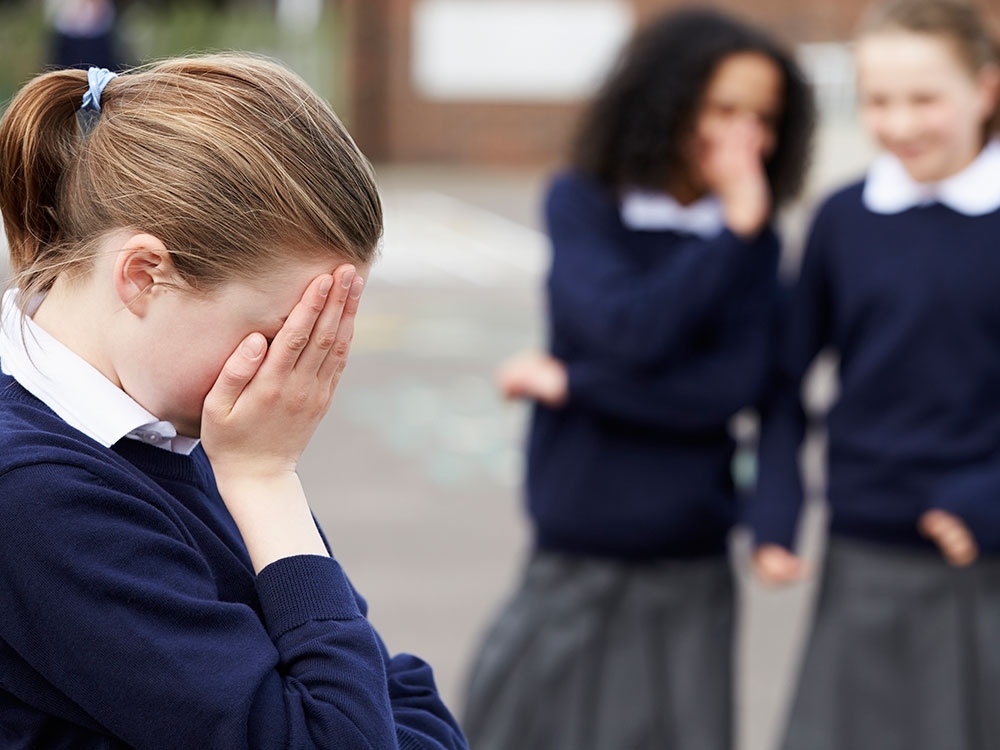
Teasing, bullying, exclusion, or friendship drama can make school feel unsafe. Some children act tough; others withdraw. Try gentle, specific questions like “Who did you sit with at lunch?” or “What was the hardest part of break time today?”
4. Unmet physical needs
Hunger, poor sleep, sensory discomfort, pain, or illness can reduce concentration and patience. The American Academy of Pediatrics notes that adequate sleep supports school performance, behaviour, memory, and mental health. Review bedtime, morning food, hydration, recurring physical complaints, and whether the behaviour is worse after a poor night’s sleep. See the AAP’s healthy sleep guidance.
5. Lagging emotional regulation skills
Many children have not learned how to handle big feelings yet. When they cannot calm down, ask for help, or cope with disappointment, you may see shouting, refusing, leaving the group, or shutting down.
6. Mixed messages between home and school
Rules can differ across settings. If your child is not clear on expectations at school, they may push limits. Consistent language across home and school helps a lot, for example “hands to self”, “use a calm voice”, and “ask for a break”.
First, define the behaviour clearly
Before you decide what to do, make the concern specific. “Bad behaviour” is too broad to solve. A clear behaviour description tells you what skill your child needs next.
| Instead of saying | Describe it like this | Skill to teach |
|---|---|---|
| “Defiant” | “Refuses to start writing for 10 minutes after instructions.” | Ask for help, start with one sentence, use a timer. |
| “Disruptive” | “Calls out jokes during independent maths work.” | Use a help card, take a movement break, practise quiet questions. |
| “Aggressive” | “Pushes peers during football disagreements at break.” | Move away, call an adult, use words before hands. |
| “Unfocused” | “Leaves seat three to four times during whole-class teaching.” | Use a fidget, sit near instruction, take planned movement breaks. |
What to do after the teacher calls
Before you punish, panic, or defend, slow the situation down. Your first goal is to understand the pattern, not prove who is right.
- Ask for specifics. What exactly happened? What happened right before? How long did it last? What helped your child recover?
- Look for repeat patterns. Is it the same subject, time of day, adult, peer group, or transition?
- Talk to your child when they are calm. Avoid interrogating them at bedtime, in the car park, or while they are already upset.
- Choose one target behaviour. For example, “stay in the classroom”, “use words instead of hands”, or “ask for help before refusing”.
- Agree on one support. Examples include a help card, movement break, seating change, visual schedule, check-in adult, or shorter work chunk.
- Set a review date. Review the plan after about two weeks, or sooner if safety, attendance, or distress worsens.
Pro Tip: Ask the teacher for one positive observation too. Knowing where your child is doing well helps you copy the conditions that already work.
Recommended Products


Learning Made Fun: Make learning fun—anywhere, anytime—with Carson Dellosa's Be Clever Wherever Calm Down Corner Kit! This portable tool kit is packed with ways to manage emotions, methods of meditation for kids, calm down toys, and more
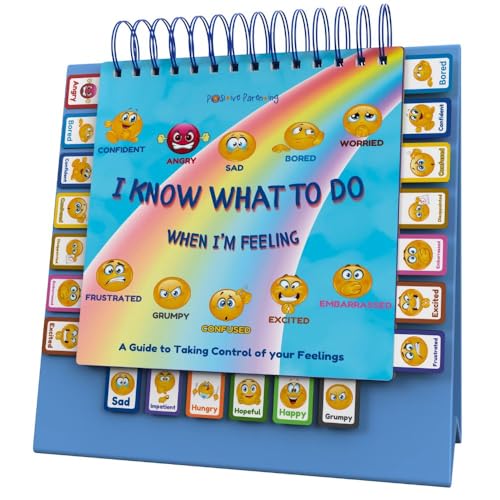
Understand & Express Everyday Feelings: Visually guides children ages 3–5 to recognize and name their emotions. This flipbook focuses on common feelings kids experience every day and helps build self-awareness and emotional vocabulary—essential skills for communication and healthy social growth.
Use a simple behaviour pattern log
You do not need a complicated chart. Track one week of incidents using four columns. Record what you observed without guessing motives:
| Before | Behaviour | After | Possible clue |
|---|---|---|---|
| Writing task started | Refused and joked loudly | Sent out of class | Writing may feel too hard or embarrassing |
| Lunch break | Pushed another child | Adult attention and conflict | Peer stress or playground rules may need support |
| Transition from art to maths | Cried and hid under table | Given extra time | Transitions or maths anxiety may be the trigger |
Patterns help you move from “My child is naughty” to “My child needs help with writing, transitions, lunch, or emotional regulation.”
A simple two-week school support plan
Once you have a likely pattern, keep the plan small. Treat the explanation as a working hypothesis, not a diagnosis. One clear goal is easier for your child and the teacher to use consistently.
| Plan part | Example |
|---|---|
| Target behaviour | “Ask for help before refusing writing work.” |
| Support at school | Teacher gives a two-minute start prompt and offers a help card. |
| Skill practised at home | Child practises saying, “I need help starting,” once a day during homework or play. |
| Positive reinforcement | Specific praise: “You asked for help before getting upset. That was brave.” |
| Review date | Check progress after two weeks. Keep what helps, change what does not. |
The goal is not to excuse unsafe behaviour. The goal is to understand what happens before it, teach a safer replacement, and make success easier to repeat.
How to talk to your child without making it worse
Children often shut down when they feel blamed. Start with curiosity and keep the conversation short.
Try questions like:
- “School sounds hard lately. What part of the day feels trickiest?”
- “What happened right before you got in trouble?”
- “Was the work too hard, too boring, too noisy, or too embarrassing?”
- “Who helps you feel calm at school?”
- “If you could change one thing about that lesson, what would it be?”
- “What could you do next time instead of shouting, leaving, or hitting?”
For younger children, use choices: “Was your body angry, worried, tired, or too full of energy?” For older children, give them some control: “Would you rather check in with the teacher before class or have a help card on your desk?”
If your child says “I don’t know”, do not push for a perfect explanation. Many children cannot explain behaviour right away. You can say, “That’s okay. We will keep looking for clues together.”
How can emotional well-being affect school behaviour?
Anxiety, sadness, grief, shame, and stress can change how a child concentrates, responds to correction, joins activities, or handles frustration. Behaviour alone cannot tell you which feeling or condition is present, so look for patterns and ask about the child’s experience.
Unprocessed feelings can lead to frustration
Sadness, anger, and fear can build up during the day. Without support, that pressure can come out as arguing, refusing, disrupting lessons, or withdrawing.
Anxiety can affect behaviour
Anxiety does not always look like quiet worry. It may appear as avoidance, repeated reassurance-seeking, irritability, physical complaints, or refusal to join activities. Depression can also appear as irritability, anger, low motivation, or behaviour that others label as troublemaking. Speak with a healthcare professional when fears, sadness, anger, or avoidance are persistent, severe, or interfering with daily life. See the CDC’s guidance on anxiety and depression in children.
Stress from home can spill into school
Family conflict, moving, grief, financial stress, illness, or changes in routine can reduce concentration and patience. Even positive changes, like a new baby, can affect behaviour for a while.
Difficulty expressing emotions
Some children do not yet have words for their feelings. Teaching simple emotion labels, such as “angry”, “worried”, and “embarrassed”, can help. Body cues also matter: “tight chest”, “hot face”, “fast heart”, or “wobbly legs” can tell a child that they need help before they explode.
Could learning difficulties, ADHD, or sensory needs be involved?
Sometimes behaviour is the first visible sign that school is harder for your child than adults realised. A child who cannot read the worksheet, organise writing, process instructions, sit still, or tolerate noise may look defiant when they are actually overwhelmed.
Learning difficulties can make reading, writing, maths, language processing, memory, or organisation feel much harder than adults realise. Avoidance, joking, refusal, or shutdown may be a child’s attempt to escape embarrassment or an overwhelming task. The CDC explains that learning disorders can occur alongside ADHD and that schools often contribute educational testing and support. See the CDC’s overview of conditions and concerns that can overlap with ADHD.
ADHD can affect attention, impulse control, activity level, organisation, school achievement, and social interactions. However, one difficult classroom or one type of task does not establish ADHD. A proper evaluation considers development, impairment, alternative explanations, and symptoms across two or more settings. See the CDC’s clinical-care criteria for ADHD.
Sensory needs can also matter. Bright lights, crowded corridors, loud bells, scratchy clothes, strong smells, or busy lunchrooms can overload some children. Overload may look like refusal, silliness, anger, hiding, or running away.
Ask the school:
- Is the behaviour linked to a specific subject or task?
- Has my child had recent reading, writing, maths, speech, hearing, or vision checks?
- Can work be broken into smaller chunks while we investigate?
- Would movement breaks, extra processing time, seating changes, or a quiet workspace help?
- Does my child need a formal learning, attention, sensory, or behaviour assessment?
Recommended Products

Easy Motivation Tool: Encourage positive behavior at home or in the classroom with this Behavior Reward Chart System. Measuring a handy 11.8*8.3in, it's easy to hang on a fridge or wall for daily tracking with its bright green color.

Package Includes: The reward chart comes in two styles of cardstock, 40 each in black and white, with a total of 80 sheets of incentive chart. There are also 18 sheets of star stickers with 120 stickers each, totaling 2160 stickers.
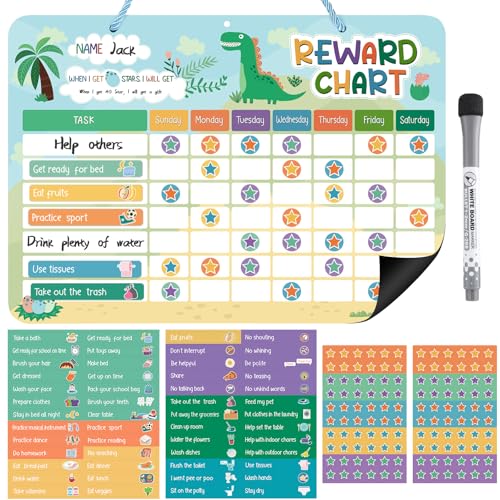
【Encourage Good Behavior】Use this chores chart for kids to arrange things for your child to complete every day, whether it is personal housework or other things such as potty, track and record every day, help children set goals and rewards, and let children form good habits and a sense of responsibility.
Role of classroom dynamics
Sometimes the issue is less about your child alone and more about how they fit into the classroom environment.
Teacher-student relationships
A warm, predictable relationship can support cooperation and recovery after mistakes. If your child feels misunderstood or hears mostly corrections, ask whether the teacher can add a brief positive check-in and specific praise for the target skill.
Peer influence and social pressure
Children copy the group. If classmates tease, provoke, or reward “funny” disruptions, behaviour can spread quickly. Ask whether incidents happen near the same children or during unstructured times.
Classroom structure and rules
Clear routines reduce misbehaviour. If expectations change from day to day, children may test limits to find the boundaries. Visual rules and consistent phrases help children who struggle with working memory or anxiety.
Teaching style and pace
Fast-paced or highly verbal teaching can overwhelm children who need more processing time or hands-on learning. Overwhelm often looks like “not listening”.
Large or busy classrooms
When a classroom is very busy, teachers may have less time for individual support. Children who need help may then seek attention in unhelpful ways or give up quickly. This is why the plan must be realistic for the actual classroom, not perfect only on paper.
What should I ask the teacher about school behaviour?
Strong communication helps you move from “What’s wrong?” to “What’s the plan?” Keep the tone calm, specific, and practical.
Recommended Products


Why regular check-ins matter
Short, consistent check-ins can spot problems early and track progress. Ask for updates focused on patterns, not just individual incidents.
Ask the right questions
- What happened right before the behaviour?
- What does the behaviour look like, and how long does it last?
- What helps my child recover and re-join the class?
- Where are things going well, and what’s different there?
- Is the behaviour affecting learning, safety, friendships, or attendance?
- What is one support we can try for the next two weeks?
Use a simple meeting script
You can say: “I want us to understand the pattern, not blame anyone. Can we pick one behaviour to work on, one support to try, and a date to review it?”
If emotions are high, try: “I hear that this is disrupting the class. I also want to understand what my child is finding hard so we can teach a better response.”
Share context from home
Share changes that might affect school, like sleep problems, separation worries, illness, family stress, or new routines. Also share what works: visual schedules, short breaks, choice-making, movement, or a calm-down script.
Collaborate on solutions
A simple plan works best: one or two clear goals, one or two supports, and a quick way to track progress. Review it after about two weeks and adjust. For home routines, use a child behavior chart only when the goal is specific, teachable, and within your child’s current ability.
How behaviour challenges differ by age
Behaviour can look different as language, independence, peer awareness, and school demands change. The age bands below are broad examples, not diagnostic rules.
Younger children ages 4 to 7 tend to show distress physically. They may cry, hit, throw things, run away, or refuse to sit down. They often lack the words for their feelings, so the body does the talking.
Primary-age children ages 7 to 10 may start to hide their struggles better. Behaviour problems can appear as “class clown” antics, avoiding tasks, frequent bathroom trips, or small arguments with peers. They are more aware of how they compare to classmates, which can increase frustration or shame.
Pre-teens and older children ages 10 to 13 may show distress through arguing, refusing to participate, withdrawing socially, skipping tasks, or breaking device rules. Peer approval and embarrassment about needing help can shape behaviour. Give them an age-appropriate choice in the plan, such as the check-in method or calming strategy.
Influence of external stressors
Stressors outside school can affect mood, focus, and self-control during the day.
Family challenges
Divorce, arguments, moving, bereavement, housing instability, or illness can overwhelm children. Acting out can be their way of asking for security, even if they cannot explain it.
Bullying and peer pressure
Children who feel unsafe may become withdrawn, defensive, or aggressive. Warning signs can include unexplained injuries, lost belongings, frequent headaches or stomachaches, sleep problems, declining grades, sudden loss of friends, and not wanting to go to school. StopBullying.gov has a useful list of bullying warning signs.
If you suspect bullying, ask the school directly how they investigate and respond. Use specific questions: “Who is my child near when this happens?”, “Is it happening online too?”, “What supervision is in place at lunch and break time?”, and “How will we know if it has stopped?”
Academic stress
When work feels impossible, children may clown around, refuse, avoid tasks, or melt down. Extra support and reasonable adjustments can reduce the pressure while adults investigate the root cause.
Overstimulation
Busy schedules, little downtime, loud classrooms, and uncomfortable clothing can increase stress. Screen use close to bedtime can also delay or disrupt sleep, which may affect daytime focus and mood. Reduce the most obvious pressure first and track whether behaviour changes. See the AAP’s guidance on media use and sleep.
What if your child refuses to go to school?
School refusal or school avoidance describes repeated difficulty attending school or staying there. It is a pattern or symptom, not a diagnosis. It can look like physical complaints on school days, intense distress at drop-off, repeated nurse visits, leaving class, or refusing to enter the building.
School avoidance can be linked to anxiety, bullying, learning difficulties, social stress, family changes, or a difficult transition. Do not shame your child or assume the cause. Contact the school early, rule out health concerns, identify the main barrier, and build a structured return plan with school and clinical support when needed. The American Academy of Child and Adolescent Psychiatry advises early, coordinated support for a timely return to school.
Warning: Get help quickly if your child is running away, hurting themselves or others, making serious threats, persistently refusing school, missing substantial attendance, or showing a sudden major change in mood, sleep, appetite, or behaviour. If there is immediate danger, contact local emergency services or crisis support.
Start with these steps:
- Rule out health issues. If your child has frequent headaches, stomachaches, panic symptoms, or sleep problems, speak with a doctor.
- Tell the school early. Ask for a named adult your child can check in with at arrival.
- Look for the main barrier. Ask about bullying, a specific lesson, a staff relationship, separation worries, noise, toilets, lunch, transport, or fear of getting in trouble.
- Make the return structured and specific. Agree with the school and any treating professional on the next attendance step, the support available on arrival, and how progress will be reviewed.
- Keep absence days calm and structured. Maintain sleep, meals, learning, and connection without shame or turning absence into a reward.
Effective strategies for support
Many children improve when adults match support to the likely trigger and teach a replacement skill. Start small, use the same language across settings, and measure whether the plan changes safety, participation, recovery time, or learning.
1. Understand the root cause
Track patterns for one week: the time, place, subject, people involved, and what happened right before the behaviour. Look for repeat triggers such as transitions, group work, difficult subjects, playground time, or noisy spaces.
2. Teach replacement skills
Pick one skill to practise at a time, such as asking for a break, using a “help” signal, taking three slow breaths, moving to a calm space, or using words instead of hands. Practise at home when your child is calm, not during the crisis.
| If the behaviour is… | Teach this replacement |
|---|---|
| Refusing work | “I need help starting” or “Can I do the first two questions with you?” |
| Leaving the seat | Use a planned movement break or a quiet fidget. |
| Calling out | Write the thought down, use a hand signal, or ask during a set question time. |
| Hitting or pushing | Step back, say “stop”, and get an adult before using hands. |
| Crying or hiding | Use a calm card, go to a safe spot, and return with one small task. |
3. Make routines predictable
Children do better with structure. Prep bags and clothes the night before, keep bedtime steady, and build in decompression time after school, such as a snack plus quiet play before homework or activities.
4. Use positive reinforcement
Praise the behaviour you want to see. Be specific: “You stayed with the group during tidy-up” or “You asked for help instead of shouting”. Small wins add up.
5. Ask about extra support at school
If behaviour is linked to learning, attention, anxiety, sensory needs, or safety, your child may benefit from targeted support. Examples include movement breaks, seating changes, extra time, shorter tasks, a quiet space, a trusted adult check-in, or a visual schedule.
Names for school supports vary by country, district, and school system. Ask what local options exist, such as a learning review, pastoral support plan, behaviour support plan, special education referral, school counsellor referral, or classroom adjustment plan.
If behaviour is significantly affecting learning or safety, ask whether the school can carry out a functional behaviour assessment (FBA) or the local equivalent. An FBA uses information about antecedents, observable behaviour, and consequences to form and test a hypothesis about the behaviour’s function. The findings should guide a positive support plan that teaches an appropriate replacement behaviour.
6. Review what is working
After two to three weeks, ask:
- Is the target behaviour happening less often?
- Is your child recovering faster after incidents?
- Is learning time improving?
- Is your child using the replacement skill sometimes?
- Does the teacher feel the support is realistic?
- Does your child feel safer, calmer, or more understood?
7. Consider professional help if needed
If the behaviour is not improving, ask your GP, paediatrician, school counsellor, educational psychologist, or child psychologist for guidance. An assessment can check for anxiety, ADHD, autism, learning difficulties, trauma, sleep problems, or other factors that need a different plan. For general information on behaviour and conduct problems, the CDC children’s mental health guide is a helpful starting point.
When consequences help, and when they backfire
Consequences can help when they are calm, fair, related to the behaviour, and paired with teaching. They are less helpful when they are harsh, delayed, confusing, or used without understanding the trigger.
For unsafe behaviour, your child still needs a clear limit. For example: “I will not let you hit. We are going to repair this and practise what to do next time.” Then teach the replacement: asking for space, calling an adult, or using words before hands.
For avoidance behaviour, punishment can sometimes make the problem worse. If your child refuses writing because writing feels impossible, losing screen time may not teach them how to start. A better plan is to reduce the first step, teach a help phrase, and build confidence.
What not to do
How you respond to school behaviour problems matters as much as what you do. A few common reactions can make things harder.
Do not punish without understanding the cause. If a child is acting out because the work is too hard, they feel unsafe, or they do not know how to calm down, extra consequences at home will not fix the underlying problem.
Do not dismiss the teacher’s concerns. It can feel personal, but the goal is a shared picture of what is happening and a plan you both believe in.
Do not compare your child to siblings or classmates. Comparisons increase shame without teaching a better skill. Children who already feel embarrassed need encouragement, not benchmarks.
Do not avoid the conversation with your child. A calm, curious question, such as “School sounds hard lately. What’s the trickiest part?”, gives your child a chance to tell you what is really going on.
Do not make the plan too big. A long reward chart, five new rules, and daily lectures can overwhelm everyone. Choose one behaviour, one support, and one review date. The broader guide to child behaviour management explains how teaching, limits, and reinforcement fit together.
When to worry and get extra help
Occasional misbehaviour is common. Get extra support sooner rather than later if any of these apply:
- Behaviour is unsafe, such as hurting self or others, serious threats, or running away.
- School refusal is increasing, or your child is often sent home.
- There is a sudden, major change in mood, sleep, appetite, or personality.
- Problems are lasting weeks, not days, and support attempts are not helping.
- Your child seems persistently anxious, sad, ashamed, or hopeless about school.
- Behaviour is damaging friendships or stopping your child from learning.
- The teacher reports that your child cannot recover and re-join the class after incidents.
If several of these signs are present, ask the school about a referral and speak with your child’s doctor. The American Academy of Child and Adolescent Psychiatry also has family resources to help you understand possible next steps.
Frequently Asked Questions
Why is my child acting out at school?
School behaviour issues often come from stress, an unmet need, or a lagging skill such as attention, transitions, impulse control, or emotional regulation. Look for patterns, share information with the teacher, and teach one replacement skill at a time.
Why does my child behave well at home but badly at school?
Home and school have different demands. School is louder, faster, more social, and usually has less individual support. Some children also mask their difficulties until they feel overwhelmed. Ask when the behaviour happens and what helps your child reset.
Should I punish my child for acting out at school?
Consequences may be appropriate for unsafe behaviour, but punishment alone rarely solves the problem. First find the trigger, then teach a replacement skill. For example, teach your child to ask for help or take a break instead of refusing, shouting, or hitting.
Could learning difficulties or ADHD cause behaviour problems at school?
Yes, they can contribute. When work feels too hard, children may avoid, clown around, refuse, or melt down. Attention and impulse-control challenges can also make rules harder to follow. Ask the school how they check learning needs and speak with a health professional if concerns persist.
Can a child have ADHD if behaviour only happens at school?
School-only behaviour does not confirm or rule out ADHD, but ADHD diagnosis requires evidence of symptoms in two or more settings and meaningful impairment. Ask the school for specific observations and discuss other explanations, such as learning difficulty, anxiety, sleep problems, sensory stress, or a classroom-specific trigger, with a qualified clinician.
What should I ask the teacher in the first meeting?
Ask for specific examples, what happened right before each incident, how long it lasted, and what helped afterwards. Then agree on one or two goals, one or two supports, and a date to review progress in two to three weeks.
What should a school behaviour support plan include?
A simple plan should include one target behaviour, the likely trigger, one replacement skill, one classroom support, one way to praise progress, and a review date. It should be realistic enough for the teacher to use during a normal school day.
What if my child refuses to go to school?
Treat school refusal as a sign that something feels unmanageable. Rule out health issues, ask about bullying, learning stress, and anxiety, and tell the school early. Build a structured return plan with the school and seek professional help when refusal is persistent, worsening, or affecting health, safety, or attendance.
How can I help my child regulate emotions before and after school?
Prioritise sleep and breakfast, and build calm routines. Practise quick tools like breathing, a help signal, or a short break. After school, offer a snack and quiet downtime before homework or activities.
When should I seek professional help for school behaviour problems?
Seek help if behaviour is unsafe, escalating, lasting for weeks, affecting learning or friendships, linked to school refusal, or paired with major changes in mood, sleep, appetite, or personality. Start with the school and your child’s doctor.
Conclusion
Start with one concrete next step: ask the teacher for a specific example and record what happened before, during, and after it. Then choose one replacement skill and one classroom support to test. Review the plan after about two weeks, or sooner if safety, distress, or attendance worsens. If the pattern persists, involve the school support team and your child’s healthcare professional.
Sources
- CDC: Behavior or Conduct Problems in Children — explains when disruptive behaviour may be persistent, severe, or outside age expectations.
- CDC: Anxiety and Depression in Children — supports guidance on irritability, avoidance, sadness, and when to seek evaluation.
- CDC: Clinical Care of ADHD in Children — supports the need to assess symptoms and impairment across two or more settings.
- CDC: Other Concerns and Conditions with ADHD — covers overlapping sleep, anxiety, learning, and behaviour concerns.
- HealthyChildren.org: Healthy Sleep Habits — supports the link between adequate sleep, school performance, behaviour, memory, and mental health.
- StopBullying.gov: Warning Signs for Bullying — supports the listed warning signs and the need to investigate changes.
- AACAP: School Refusal — supports early, coordinated help and a structured return-to-school plan.
- Vanderbilt IRIS Center: Functional Behavioral Assessment — explains antecedent-behaviour-consequence data, behaviour function, and positive support planning.







1 thought on “Why Is My Child Misbehaving at School? Causes, Triggers, and What to Do”