Can birth trauma affect your child’s behavior? It can, but not in the simple “one difficult birth equals one behavior problem” way parents often fear. A difficult delivery, a newborn injury, a stressful NICU stay, or a traumatic birth experience can become part of a child’s wider health and development story. Still, many children who have hard births develop well, and many behavior concerns come from causes that have nothing to do with birth.
This article explains what birth trauma can mean, which behavior signs are worth watching, and when to ask a pediatrician or child mental health professional for help. Use it as education, not as a diagnosis. If your child has severe symptoms, developmental delays, pain, feeding problems, seizures, breathing trouble, or sudden behavior changes, contact a qualified healthcare professional.
Quick Answer
Birth trauma may affect a child’s behavior in some cases, especially when it involved physical injury, oxygen concerns, severe stress, pain, separation, or ongoing caregiver distress. Watch for persistent sleep problems, feeding issues, developmental regression, extreme fearfulness, aggression, withdrawal, or attention problems. A pediatrician can help sort out the cause.
Key Takeaways
- Birth trauma can mean physical birth injury, a serious medical complication, or an emotionally traumatic birth experience.
- A difficult birth does not automatically cause behavior problems, ADHD, anxiety, or attachment issues.
- Persistent changes in sleep, feeding, movement, mood, play, learning, or social behavior deserve a pediatric checkup.
- Supportive routines, calm caregiving, play, and early intervention can help children recover and build resilience.
- Parents also need support after a traumatic birth because caregiver stress can affect the whole family system.
Birth Trauma And Early Development
Birth trauma is a broad term, so it helps to define it first. In medical settings, it may refer to a physical birth injury, such as a nerve injury, fracture, bruising, or complications from a difficult delivery. In everyday parenting conversations, it may also describe a frightening labor, emergency delivery, NICU stay, separation after birth, or the emotional trauma a parent experienced during childbirth.
Those meanings matter because each one affects a child differently. A physical injury may affect movement, comfort, feeding, sleep, and irritability. A serious medical complication may require developmental follow-up. A parent’s traumatic birth experience may affect bonding, confidence, sleep, anxiety, and the emotional climate around the baby.
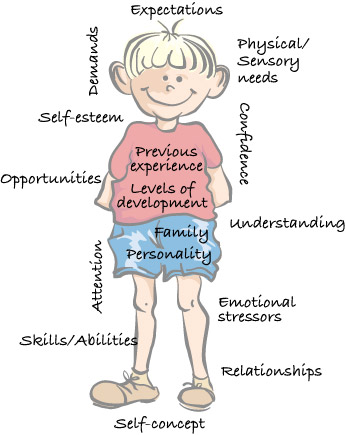
The safest answer is this: birth trauma can be one possible factor in behavior and development, but it is rarely the only explanation. Genetics, temperament, sleep, parenting stress, sensory needs, medical issues, family changes, childcare, school, and later trauma can also shape behavior.
What Is Birth Trauma?
Birth trauma can include physical stress or injury during delivery. For example, newborn brachial plexus injury can happen when nerves around the shoulder are compressed or stretched during a difficult delivery. MedlinePlus explains that this may cause weakness or loss of movement in the baby’s arm or hand, and parents should contact a provider if a newborn is not moving an arm.
Birth trauma can also refer to emotional stress around birth. A baby may have needed urgent care, resuscitation, NICU support, or separation from the parent. A parent may have felt frightened, powerless, unheard, or unsafe during labor or delivery. These experiences do not doom a child, but they can create stress that deserves support.
How Birth Trauma May Affect Brain And Body Development
A newborn’s brain and nervous system develop quickly. Severe medical complications, ongoing pain, repeated stress, or lack of calming support can affect how a baby sleeps, feeds, settles, and responds to stimulation. That does not mean every difficult delivery changes the brain in a lasting way.
The more accurate concern is prolonged stress. The Center on the Developing Child at Harvard University explains that toxic stress involves excessive or prolonged activation of stress response systems, especially when a child lacks supportive relationships to help calm those responses. Supportive caregiving can buffer stress and support healthier development.
Note: A difficult birth story is important, but it should not be used alone to explain your child’s behavior. Bring birth records, NICU notes, and your concerns to your pediatrician so they can look at the full picture.
Physical Impact Of Birth Trauma
Physical birth injuries can affect behavior indirectly. A baby who has pain, muscle tightness, feeding problems, reflux, limited arm movement, or trouble sleeping may seem unusually fussy or hard to soothe. A toddler with an unresolved motor issue may become frustrated during play, dressing, climbing, or feeding.
Possible physical signs to discuss with a pediatrician include:
- Weakness, stiffness, or limited movement on one side of the body
- Not using one arm or hand normally
- Feeding difficulty, poor weight gain, or ongoing digestive distress
- Extreme irritability that does not improve with normal soothing
- Delayed rolling, crawling, walking, talking, or social milestones
- Sleep problems that are severe, persistent, or paired with pain signs
Emotional Consequences Of Birth Trauma
Young children need adults to help them feel safe and to regulate strong emotions. If birth was followed by medical stress, separation, repeated procedures, or a parent who was also traumatized, the family may need extra support while everyone settles.
Emotional signs may include clinginess, fear of new situations, trouble calming, sudden distress with medical settings, sleep disruption, or intense reactions to separation. These signs can also happen for many other reasons, so they need careful observation rather than quick labeling.
Signs Of Behavioral Changes Linked To Birth Trauma
Behavior signs linked to early stress are usually patterns, not one-off moments. A tantrum after a missed nap is normal. A child who repeatedly cannot settle, loses skills, avoids touch, panics during routine care, or shows ongoing aggression may need help.
| What You May Notice | Why It Matters | What To Do |
| Regression, such as losing words, sleep skills, toileting skills, or play skills | Regression can signal stress, developmental delay, illness, or another concern. | Call your pediatrician and ask about developmental screening. |
| Extreme fearfulness, panic with separation, or distress around medical care | Some children show stress through fear, avoidance, or clinginess. | Use calm routines and ask about child therapy if symptoms persist. |
| Aggression, impulsivity, or intense tantrums beyond what is typical for age | Behavior can be a signal of overwhelm, sensory stress, pain, sleep loss, or emotional difficulty. | Track patterns and discuss them with a pediatrician or child therapist. |
| Delayed movement, speech, feeding, learning, or social milestones | Early support works best when delays are identified early. | Use CDC milestone tools and ask for early intervention if needed. |

Credit: hellolunajoy.com
Stress Responses In Newborns
Newborns cannot explain fear, pain, hunger, or overstimulation. They show stress through their bodies. A stressed newborn may cry more, arch away, startle easily, sleep poorly, feed poorly, or seem difficult to soothe.
These signs do not prove trauma. Newborn behavior can also reflect reflux, feeding challenges, allergies, illness, temperament, sleep needs, or normal adjustment. The goal is to notice patterns and get help early when something feels off.
How Stress Affects Newborn Regulation
Regulation means the ability to move between alertness, feeding, sleep, crying, and calm. Babies borrow this ability from caregivers. Your voice, touch, scent, rhythm, and predictable care help your baby settle.
If birth involved pain, medical procedures, or separation, your baby may need extra time and support. Skin-to-skin contact when medically safe, responsive feeding support, gentle routines, and follow-up care can help rebuild a sense of safety.
Signs Of Stress In Newborns
Talk with your baby’s healthcare provider if you notice ongoing:
- Excessive crying that does not improve with feeding, changing, holding, or rest
- Poor feeding, coughing during feeds, or trouble gaining weight
- Very stiff or very floppy body tone
- Little movement in one arm, one hand, or one side of the body
- Sleep that is unusually disrupted for your baby’s age
- Repeated choking, blue color, breathing trouble, or unusual pauses in breathing
Warning: Seek urgent medical care for seizures, trouble breathing, blue lips or face, extreme sleepiness, dehydration signs, repeated vomiting, fever in a young infant, or sudden loss of movement. Do not wait to see whether these symptoms are related to birth trauma.
Long-term Behavioral Impact
Some children who had early stress show later sensitivity to noise, touch, transitions, separation, or new people. Some struggle with sleep, attention, frustration, or emotional regulation. Others show no lasting concerns.
The difference often depends on the whole picture: the child’s health, family support, ongoing stress, sleep, developmental needs, and access to early help. A pediatrician can review your child’s birth history and current behavior to decide what support makes sense.
Emotional And Behavioral Patterns
Birth trauma may show up differently at different ages. Babies may show feeding, sleep, and soothing problems. Toddlers may show clinginess, aggression, sensory sensitivity, or intense tantrums. Preschool and school-age children may show anxiety, avoidance, attention struggles, or trouble with transitions.
Changes In Emotional Regulation
Children affected by early stress may have a harder time calming after frustration. They may go from calm to overwhelmed quickly. They may need more help with transitions, bedtime, separation, and new settings.
You can support regulation by naming feelings, lowering your voice, keeping routines predictable, and reducing sensory overload. Instead of asking, “Why are you acting this way?” try, “Something feels hard right now. I’m here to help you calm down.”
Heightened Sensitivity
Some children are sensitive to bright lights, loud sounds, certain textures, physical touch, or busy environments. This does not always mean trauma. It may reflect temperament, sensory processing differences, anxiety, pain, or developmental differences.
If sensitivity interferes with daily life, ask your pediatrician whether occupational therapy, developmental screening, hearing checks, vision checks, or a child mental health referral could help.
Behavioral Challenges
A child may act out when they cannot explain what they feel. Aggression, defiance, running away, screaming, or shutting down can be signs of overwhelm. These behaviors still need boundaries, but they also need curiosity.
Look for patterns. Does behavior worsen after poor sleep, loud places, doctor visits, separation, pain, or big transitions? Patterns help you choose the right support instead of guessing.
Difficulty With Attachment
Attachment is built through repeated moments of comfort, safety, and repair. A traumatic birth or early separation does not ruin attachment. Many families build secure bonds after NICU stays, emergency births, adoption, surgery, or postpartum mental health struggles.
What helps most is consistent, responsive care. Comfort your child when they are upset. Repair after hard moments. Keep showing up. If bonding feels difficult or you feel numb, anxious, or haunted by the birth, reach out for your own support too.
Long-term Psychological Effects
Long-term effects are possible, but they are not guaranteed. Some children recover quickly. Others need pediatric care, therapy, developmental services, or family support. The key is to respond to the child in front of you, not only the birth story behind them.
Recommended Products

EMOTION TOYS: Give kids a quiet, hands-on way to identify and manage feelings with four Express Your Feelings Sensory Bottles. Children match emotions to Happy, Angry, Scared, and Sad, then practice calming strategies in cozy corners or counseling.
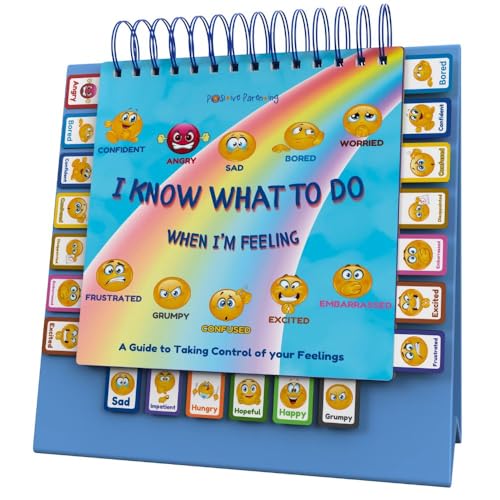
Understand & Express Everyday Feelings: Visually guides children ages 3–5 to recognize and name their emotions. This flipbook focuses on common feelings kids experience every day and helps build self-awareness and emotional vocabulary—essential skills for communication and healthy social growth.

EMOTIONAL INTELLIGENCE DEVELOPMENT - Help children identify and express their feelings with 36 colorful figurines representing 6 key emotions (happy, sad, angry, surprised, proud, and embarrassed)
How Birth Trauma May Influence Emotional Regulation
If a child’s early experience involved pain, fear, medical care, or separation, their nervous system may react strongly to later stress. They may seem “too upset” for the situation, but their body may be acting as if it needs protection.
Calm, repeated support teaches the child that stress can rise and fall safely. Over time, children learn to use your calm voice, routines, and reassurance as a model for their own coping skills.
Challenges In Building Trust And Attachment
Some parents worry that missed skin-to-skin contact, emergency surgery, or NICU separation damaged their bond forever. That fear is understandable, but attachment is not built in one moment. It grows through thousands of later moments.
Hold your child when they welcome touch. Talk during care routines. Play face-to-face. Keep goodbyes predictable. Offer comfort without shame. If your child pulls away, stay warm and patient rather than forcing closeness.
Behavioral Patterns That Might Emerge
Possible patterns include:
- Strong startle response or fear of sudden sounds
- Sleep resistance, nightmares, or bedtime panic
- Clinginess after separation
- Avoidance of doctors, hospitals, or physical exams
- Regression during stress
- Impulsivity, aggression, or shutdowns during transitions
- Trouble focusing when anxious or overstimulated
These patterns can also come from anxiety, ADHD, autism, sensory processing differences, learning needs, family stress, grief, or sleep problems. That is why professional evaluation matters.
Practical Steps To Support Your Child
- Keep sleep, meals, school, and bedtime as predictable as possible.
- Prepare your child before transitions with simple words and visual reminders.
- Use short calming scripts, such as “You are safe. I am here. We can slow down.”
- Offer choices when possible, such as “Do you want the blue cup or the green cup?”
- Use play, drawing, stories, and gentle movement to help your child express stress.
- Track symptoms, triggers, sleep, appetite, and milestones before appointments.
What Can You Do Today?
Start with observation. Write down what you see, when it happens, how long it lasts, and what helps. Include sleep, feeding, pain signs, sensory triggers, school changes, and family stress. Bring this record to your child’s pediatrician.
If your child is under age 3 in the United States and you suspect a delay, ask about early intervention. If your child is 3 or older, ask about school-based evaluation, developmental pediatrics, occupational therapy, physical therapy, speech therapy, or child counseling.
Role Of Parental Support
Parental support is one of the strongest protective factors after early stress. You do not need to be perfect. You need to be steady enough, warm enough, and willing to ask for help when the family is struggling.
Children heal best in relationships that feel safe, predictable, and responsive. That includes parents, grandparents, foster parents, teachers, therapists, and other trusted caregivers.
Recommended Products


[€[Building a sense of safety in your environment
Building Emotional Connection
Connection grows in small moments. Make eye contact during play. Read together. Sing during diaper changes. Sit near your child during big feelings. Use gentle touch if your child likes it.
When behavior is hard, try to see it as communication. A child who screams, clings, or runs away may be saying, “I am overwhelmed,” “I need help,” or “I do not feel safe yet.”
Creating A Safe Environment
A safe environment is calm, predictable, and realistic. Reduce loud conflict when possible. Keep routines simple. Tell your child what will happen next. Give warnings before transitions.
For medically sensitive children, ask providers to explain procedures in child-friendly ways. Bring a comfort object to appointments. Use play to practice doctor visits at home.
Encouraging Open Communication
Young children may not have words for trauma or fear. They may communicate through play, drawings, body language, sleep, appetite, or behavior. Reflect what you see: “Your body got tight when we walked into the clinic. That felt scary.”
Older children may need permission to talk without being corrected. You can say, “You can tell me what you remember or what you worry about. I will listen.”
Seeking Professional Guidance
Start with your child’s pediatrician. Ask whether your child needs developmental screening, hearing or vision testing, physical therapy, occupational therapy, speech therapy, a neurology referral, or child counseling.
A therapist trained in young child trauma can help through play therapy, parent-child therapy, trauma-focused therapy, or family support. If you are struggling after the birth, your own therapy can also help your child because calmer parents can offer steadier support.
.jpg)
Credit: www.nipperbout.com
Healing And Coping Strategies
Healing from birth trauma can involve the child, the parent, or both. The right strategy depends on what happened and what symptoms remain. Some families need reassurance and routines. Others need therapy, developmental services, medical follow-up, or parent mental health care.
Recommended Products


Therapeutic tool to assist understanding & identifying reactions to trauma & stressful events

Prioritize Emotional Connection
Spend a few minutes each day giving your child full attention. Follow their lead in play. Avoid teaching, correcting, or questioning during that short window. Let your child experience you as safe and available.
If your child has challenging behavior, respond with both empathy and boundaries. You might say, “I will not let you hit. I see you are very mad. I am going to help your body calm.”
Seek Professional Support
Professional support is not a sign that you failed. It is a way to understand your child’s needs sooner. Pediatricians can check physical health and development. Therapists can help with fear, sleep, behavior, and parent-child connection. Occupational therapists can help with sensory and regulation challenges.
Ask for help sooner if behavior affects sleep, feeding, school, safety, family life, or your own ability to cope.
Practice Mindful Parenting
Mindful parenting means pausing before reacting. Take one slow breath before you respond. Lower your voice. Get close enough to support your child, but not so close that they feel trapped.
You can also teach simple grounding. Ask your child to find three things they see, two things they hear, and one thing they can touch. Keep it playful, not forced.
Establish Routines And Predictability
Routines help children know what comes next. Keep wake time, meals, nap, play, bath, and bedtime as consistent as you can. Use the same short phrases each day.
If your child resists a routine, look for the reason. Bedtime may trigger separation fear. Bath time may feel too loud or slippery. Doctor visits may remind them of earlier stress. Adjust the routine without removing all boundaries.
Encourage Open Communication
Use simple emotional language: “That was scary,” “You wanted me to stay,” or “Your body had a big reaction.” This teaches your child that feelings can be named and handled.
Some children communicate better through play than words. Watch their stories, drawings, pretend doctor games, or repeated themes. These can show what they are trying to process.
Foster Joy And Play
Play is not extra. It is one way children build safety, connection, and control. Blocks, dolls, stuffed animals, drawing, music, water play, and pretend play can help children express what they cannot explain.
Make room for joy without forcing happiness. Laughing, dancing, cuddling, and silly games can help your child’s body learn that stress is not the only feeling available.
Pro Tip: Before an appointment, write a one-page timeline: pregnancy concerns, delivery details, NICU care, early feeding or sleep issues, milestones, current behaviors, and what helps. This makes the visit more useful.

Credit: www.ambersperling.ca
When To Call A Pediatrician
Call your child’s pediatrician if you see persistent behavior, movement, feeding, sleep, or developmental concerns. You do not need to prove that birth trauma caused the issue before asking for help.
Helpful reasons to book a visit include:
- Your child loses skills they once had.
- Your child misses developmental milestones or seems behind in movement, speech, learning, or social connection.
- Your baby has ongoing feeding trouble, poor weight gain, or severe sleep disruption.
- Your child has intense fear, aggression, withdrawal, or panic that disrupts daily life.
- Your child avoids touch, medical care, school, daycare, or separation in a persistent way.
- You feel worried, overwhelmed, detached, or haunted by the birth experience.
Ask clear questions during the visit: “Could pain, sleep, feeding, sensory needs, or development be affecting behavior?” “Should we do a developmental screen?” “Would early intervention, therapy, or another referral help?”
What May Not Be Birth Trauma
Parents often search for one clear reason behind difficult behavior. That is understandable, but behavior usually has many layers. A child’s tantrums, anxiety, impulsivity, sleep issues, or attention problems may not come from birth trauma at all.
Other common contributors include hunger, poor sleep, constipation, reflux, allergies, hearing issues, vision problems, speech delay, autism, ADHD, anxiety, learning differences, family stress, grief, changes in childcare, or normal developmental stages.
This does not mean your birth experience is irrelevant. It means your child deserves a full evaluation instead of a single explanation.
Frequently Asked Questions
Does birth trauma affect personality?
Birth trauma does not automatically change a child’s personality. In some children, early injury, stress, pain, separation, or caregiver distress may influence emotional regulation, sleep, fearfulness, or trust. Temperament, genetics, caregiving, later experiences, and health also shape personality over time.
What are the side effects of birth trauma?
Possible effects depend on what happened. Physical birth injuries may cause pain, weakness, limited movement, feeding problems, or sleep disruption. Emotional or medical stress may be linked with clinginess, fearfulness, irritability, regression, or trouble settling. Some children have no lasting effects.
How does trauma affect child development?
Trauma can affect development by keeping a child’s stress response activated, especially when stress is severe, repeated, or not buffered by supportive adults. Some children show sleep problems, regression, attention difficulty, fearfulness, aggression, withdrawal, or learning challenges. Early support can reduce long-term impact.
Can a traumatic birth lead to ADHD?
A traumatic birth alone does not diagnose or prove ADHD. Attention problems can have many causes, including sleep, anxiety, sensory needs, learning differences, family stress, genetics, and medical history. If your child has persistent attention, impulsivity, or learning concerns, ask a pediatrician for a full evaluation.
Can parents heal bonding after a traumatic birth?
Yes. Bonding can grow after a hard birth, NICU stay, emergency delivery, or separation. Responsive care, skin-to-skin contact when safe, play, routines, feeding support, and parent mental health care can help. If bonding feels difficult, ask for support without blaming yourself.
When should I get professional help?
Get help if your child loses skills, misses milestones, has ongoing feeding or sleep problems, shows extreme fear or aggression, avoids normal activities, or seems hard to comfort most days. Seek urgent medical care for seizures, breathing trouble, blue color, severe lethargy, or sudden weakness.
Conclusion
Birth trauma can affect a child’s behavior, but it is only one possible piece of the puzzle. A difficult birth, newborn injury, NICU stay, or frightening delivery can matter, especially when it leads to pain, developmental concerns, stress, separation, or caregiver trauma. Still, many children recover well with steady support.
Focus on patterns, not panic. Watch sleep, feeding, movement, milestones, emotional regulation, play, and social behavior. Build calm routines, offer connection, and ask for help early when concerns persist. Your pediatrician can help you understand whether your child needs reassurance, developmental screening, therapy, early intervention, or medical follow-up.
Sources
- Center on the Developing Child at Harvard University: Toxic Stress — supports the discussion of stress response systems, protective relationships, and resilience.
- National Child Traumatic Stress Network: Early Childhood Trauma Effects — supports behavior signs such as clinginess, fearfulness, aggression, sleep difficulty, regression, and emotional regulation challenges.
- CDC: Learn the Signs. Act Early. — supports developmental monitoring, milestone tracking, and early action when concerns appear.
- MedlinePlus: Brachial Plexus Injury in Newborns — supports physical birth injury signs, risk factors, treatment, and when to contact a medical professional.
- HealthyChildren.org / American Academy of Pediatrics: Childhood Adversity, Stress, and Resilience — supports pediatric guidance, caregiver buffering, and family support.
- American Academy of Child and Adolescent Psychiatry: PTSD in Children — supports the discussion of trauma symptoms, early intervention, and professional treatment.