
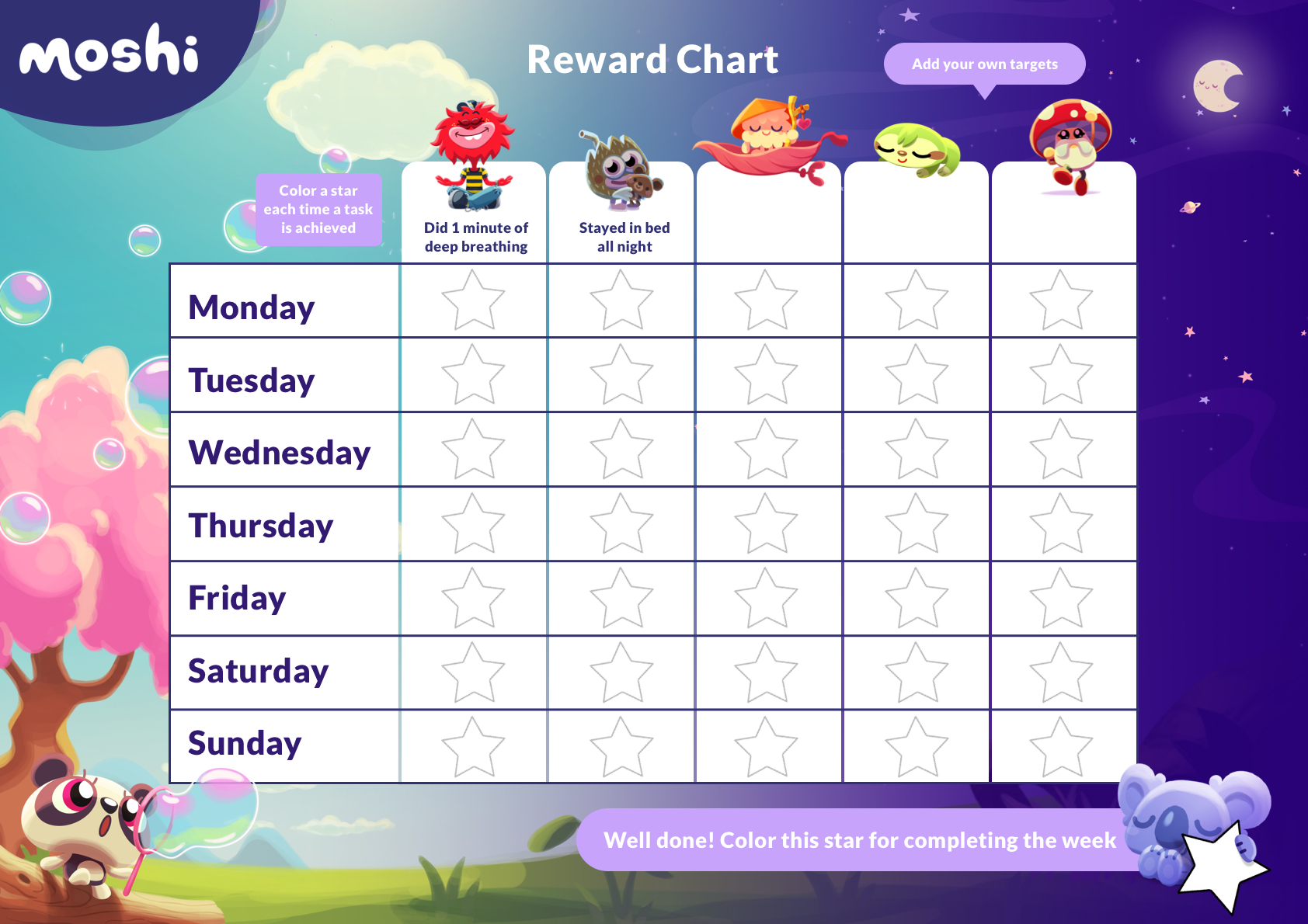
To make a child behavior chart, choose one observable behavior, describe it in positive words, mark progress soon after it happens, and pair success with specific praise or a small, pre-agreed reward.
Use a chart for repeated, teachable actions such as brushing teeth, starting homework, or putting toys away. Do not use it to score emotions, meltdowns, fear, sensory overload, hunger, tiredness, or a skill your child has not learned yet.
This guide shows you how to choose a goal, build the chart, select rewards, adapt it by age, support a child with ADHD or other neurodivergent needs, and troubleshoot problems without shame.
Disclosure: BabyQur may earn a commission from qualifying purchases made through affiliate links. This does not affect the guidance in this article.
Quick Answer
Choose one or two observable behaviors, define exactly what earns a mark, use a tracking method your child understands, and give feedback soon after the behavior. Pair each mark with specific praise, set a reachable short-term reward, review the chart daily, and adjust the goal if it is too hard or too easy.
Key Takeaways
- Track one or two observable, teachable behaviors that are within your child’s control.
- Use positive wording, such as “use calm words,” instead of only saying what not to do.
- Give the mark promptly and pair it with praise that names the exact behavior.
- Use reachable rewards such as time, choices, activities, and small privileges.
- Keep tracking private, review it consistently, and change the plan when it stops helping.
At a Glance
| Best For | Repeated, observable routines or skills your child has been taught |
| Not For | Emotions, meltdowns, sensory overload, fear, hunger, tiredness, or unsafe behavior |
| Start With | One behavior, one clear success rule, one tracking symbol, and one reachable reward |
| Review | Give feedback promptly, check in briefly each day, and adjust the plan weekly |
Before You Begin
Before you draw the chart, decide what problem you want to solve. A behavior chart works best when it teaches one small habit, not when it tries to fix every hard moment at once.
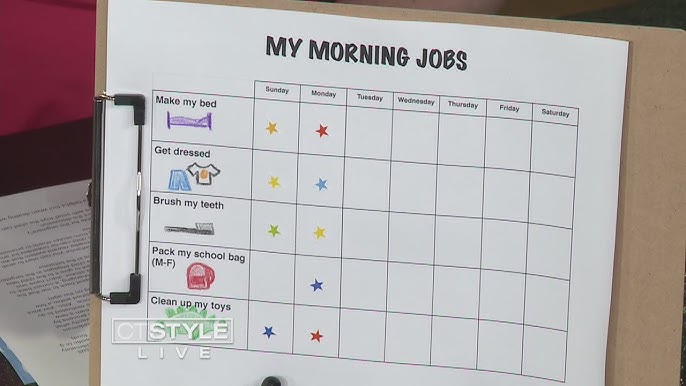
Pick a visible place for the chart, such as the fridge, bedroom door, homework area, or family command center. Your child should see it often without needing help to find it.
You can use paper, a whiteboard, stickers, markers, magnets, a printable chart, or a notes app. Choose the format your child will notice and understand.
Note: A behavior chart works best when you use it to teach skills, not to shame your child. The goal is practice, encouragement, and clear expectations.
Credit: www.youtube.com
Recommended Products

Make Routines Fun & Rewarding: ZICOTO’s beautiful chore chart for kids turns daily tasks into a game! Encourage responsibility, boost your kids’ self-esteem and celebrate achievements with positive reinforcement that makes them shine with every sticker earned!

Motivate and Reward: Yasest reward chart for kids is designed to keep kids motivated and rewarded for their behavior and actions. Watch as they proudly track their weekly accomplishments and earned stars with this interactive chart

Make Routines Fun & Rewarding: ZICOTO’s beautiful chore chart for kids turns daily tasks into a game! Encourage responsibility, boost your kids’ self-esteem and celebrate achievements with positive reinforcement that makes them shine with every sticker earned!
When A Behavior Chart Is The Right Tool
A behavior chart is useful when your child needs help practicing a repeated daily action. It can work well for routines, chores, homework habits, bedtime steps, getting ready for school, brushing teeth, using calm words, or remembering family rules.
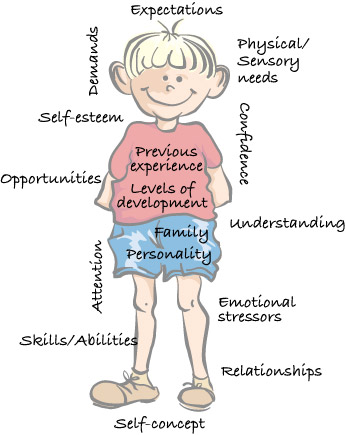
It is less useful for behavior your child cannot control yet, such as big emotions during a meltdown, fear, sensory overload, hunger, tiredness, or a skill they have not been taught. In those moments, your child may need comfort, coaching, rest, or a smaller step.
The CDC recommends clear, age-appropriate directions that tell children exactly what behavior is expected. That same idea should guide your chart.
A strong behavior chart does not say “be good.” It shows your child the exact action to practice, when to do it, and how progress will be noticed.
Benefits Of Behavior Charts
Behavior charts can give children structure and clear expectations. They help you focus on teaching positive behavior instead of reacting only when something goes wrong.
A chart also helps your child see progress in a simple way. That visual feedback can make daily routines feel more fair and less stressful.
Recommended Products

Package Includes: The reward chart comes in two styles of cardstock, 40 each in black and white, with a total of 80 sheets of incentive chart. There are also 18 sheets of star stickers with 120 stickers each, totaling 2160 stickers.

Sticker chore Chart pad for kids with 26 perforated pages and 2800 stickers
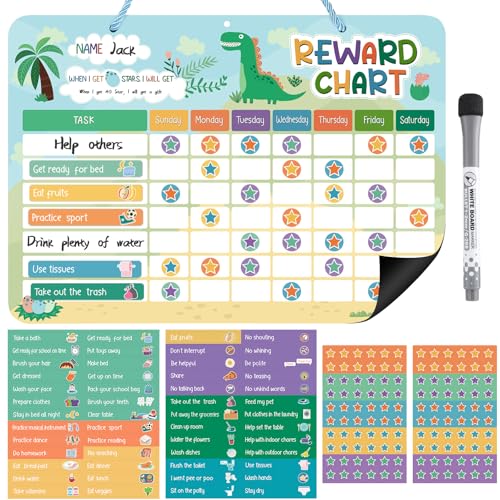
【Encourage Good Behavior】Use this chores chart for kids to arrange things for your child to complete every day, whether it is personal housework or other things such as potty, track and record every day, help children set goals and rewards, and let children form good habits and a sense of responsibility.
1. Encourages Positive Behavior
Behavior charts reward children for helpful actions. This can motivate them to repeat the same behavior.
Visual rewards, like stickers or stars, can make progress feel real. Your child can see what they did well and what they can try next.
2. Teaches Responsibility
A behavior chart helps kids connect choices with outcomes. They learn that daily actions matter.
This builds responsibility in a simple, concrete way. It also helps your child practice following rules without constant reminders.
3. Promotes Consistency
Behavior charts create a routine for tracking actions. Consistency helps both you and your child know what to expect each day.
Predictable routines can reduce stress at home. The CDC notes that routines and rules can help families create structure and support behavior.
4. Builds Communication
Charts give you a calm reason to talk about behavior. You can discuss goals, progress, and hard moments without turning the talk into a lecture.
This also gives your child practice naming what felt easy, what felt hard, and what kind of help they need next time.
5. Provides Visual Progress
Children can see their progress over time. That sense of achievement can encourage them to keep trying.
Visual progress works especially well for children who need clear feedback. It turns abstract goals into something they can see.
6. Reduces Conflict
Clear chart rules reduce confusion. Everyone can see the behavior goal, the tracking method, and the reward.
This can lower arguments about what counts as success. It also helps you respond more calmly and consistently.
Choosing The Right Goals
Setting the right goals can decide whether the chart works. Clear and realistic goals help children know exactly what success looks like.
Choose goals that fit your child’s age, needs, and daily routine. Make each goal specific enough to track without debate.
Recommended Products
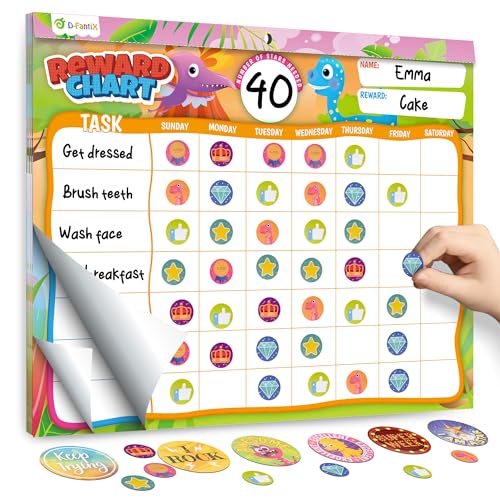
Motivate and Reward: Engage with your child as they eagerly place stickers on completed tasks and routines! Our reward chart system makes tracking progress enjoyable and rewarding.
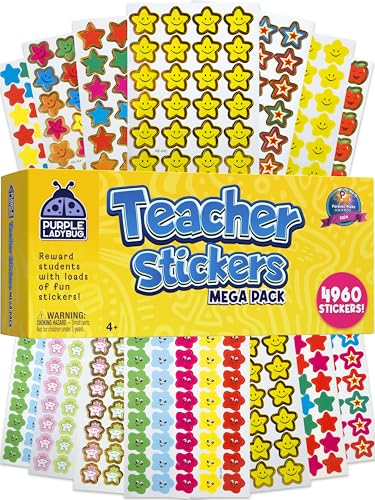
Massive Value Pack with 4,960 Stickers - Stock up on classroom rewards with this giant set of 4,960 small teacher stickers! With a huge variety of designs and colors, you'll have plenty to encourage students, track progress, and recognize achievements throughout the school year, making learning exciting and rewarding for kids of all ages. Contains 18 individually wrapped sleeves containing 10 sheets of stickers (4.75 inches x 3.5 inches each).

Magnetic Design for Easy Use & Strong Hold: This kids reward chart is designed with a full magnetic backing, ensuring it firmly sticks to any magnetic surface like your fridge, metal door, or whiteboard. Unlike flimsy charts that slide or fall off, our durable design stays securely in place – making daily routines smoother and more engaging for both parents and children.
Start With One Or Two Behaviors
Begin with a small number of behaviors so your child does not feel overwhelmed. Choose behaviors that affect daily routines the most.
Good first goals include finishing homework, cleaning up toys, getting dressed, brushing teeth, or using calm words. Add more goals only after your child builds confidence.
Use Positive Language
Write goals in a way that tells your child what to do. Avoid wording like “stop yelling” or “do not fight.”
Use phrases like “use calm words,” “keep hands to yourself,” or “put toys in the bin.” Positive language helps your child focus on the next right action.
Make Goals Age-Appropriate
Match each goal to your child’s age and ability. A preschooler might work on brushing teeth with help, while an older child might complete chores without reminders.
Age-appropriate goals make success more likely. They also reduce frustration for you and your child.
Focus On Daily Habits
Choose goals your child can practice each day. Daily habits build structure and give your child repeated chances to improve.
Examples include putting shoes away, greeting others politely, packing a school bag, or starting homework after snack time. Keep each habit simple enough to track every day.
Include Your Child In Goal Setting
Invite your child to help choose chart goals. Ask what feels hard, what they want to improve, and what rewards feel exciting.
This gives your child a sense of ownership. Kids often engage more when they help build the plan.
Four-question goal test: Is the behavior observable? Has the skill been taught? Is it within your child’s control in that moment? Is the step realistic for their current ability? If any answer is no, change the goal or add support before tracking it.
Pro Tip: Test each goal by asking, “Could I see or hear this behavior?” If the answer is no, make it more specific.
Steps To Make A Child Behavior Chart
Follow these steps to create a chart that feels clear, fair, and simple to use. Keep the first version basic so your child can learn the routine.
- Choose the behavior goal. Pick one or two observable actions your child can practice. Write each goal in positive, specific language.
- Define what success looks like. Decide exactly what earns a mark. “Put dirty clothes in the hamper before dinner” is easier to judge than “clean your room.”
- Choose the tracking method. Use stickers, check marks, stars, magnets, smiley faces, or points. Pick a method your child can understand at a glance.
- Set a reachable reward. Choose praise, extra playtime, a special activity, a choice, or a small privilege your child can earn within a short time.
- Explain the plan and give prompt feedback. Tell your child when the behavior applies, what earns a mark, and what the reward is. Add the mark soon after the behavior when possible and pair it with specific praise.
- Review and adjust. Check the chart briefly each day. Change the goal, reward, or timeframe if the plan is too hard, too easy, confusing, or no longer motivating.
Sample Child Behavior Chart
Here is a simple weekly chart you can copy onto paper, a whiteboard, or a printable template. Start with one goal if your child is younger or easily overwhelmed.
| Goal | Monday | Tuesday | Wednesday | Thursday | Friday |
| Brush teeth after breakfast | ★ | ★ | |||
| Put toys in the bin before dinner | ★ | ||||
| Reward | Earn 8 stars by Friday to choose a family game, bedtime story, or 20 minutes of special playtime. | ||||
The eight-star target above is only an example. Set the starting target low enough that your child can succeed with real effort. If the reward is rarely earned, make the behavior smaller, clarify the rule, shorten the timeframe, or check whether the skill needs more teaching.
Behavior Chart Ideas By Age
The right chart depends on your child’s age, attention span, and understanding. Younger children usually need fewer goals and faster feedback. Older children can handle longer timeframes and more independence.
| Age | Best Chart Style | Good Goals | Reward Ideas |
| Ages 2 to 4 | Sticker chart with one goal | Put blocks in the basket, sit for a short meal, use gentle hands | Praise, high-five, extra story, choosing a song |
| Ages 5 to 7 | Daily routine chart | Brush teeth, pack backpack, use calm words, clean up toys | Family game, park visit, small privilege, art time |
| Ages 8 to 12 | Weekly points or checklist | Start homework, complete chores, manage screen-time routine | Choosing dinner, extra hobby time, a family activity |
| Teens | Shared goal tracker or habit planner | Homework planning, room reset, morning routine, curfew responsibility | Agreed privileges, choices, independence, one-on-one time |
Designing An Engaging Chart
A child behavior chart should feel simple, bright, and personal. The design should help your child understand the chart without asking many questions.
Use a layout that shows goals, days, progress marks, and rewards clearly. Avoid crowded designs that make the chart hard to read.
1. Choose A Theme Your Child Loves
Select a theme based on your child’s interests or hobbies. Animals, space, sports, princesses, dinosaurs, or superheroes can make the chart more fun.
A familiar theme helps your child feel connected to the chart. That connection can make daily use more exciting.
2. Use Clear, High-Contrast Colors
Use a small number of colors to separate goals, days, and rewards. Too many colors can make the chart harder to scan.
Keep text and symbols easy to see against the background. Strong contrast helps your child understand the chart quickly.
3. Add Fun Visual Elements
Add stickers, drawings, symbols, or simple icons. Stars, smiley faces, and check marks work well for tracking progress.
Visual elements provide instant feedback. They also make small wins feel more meaningful.
4. Divide The Chart Into Clear Sections
Organize the chart into sections for goals, days, progress, and rewards. Clear sections help your child track progress without confusion.
Use short labels for each part of the chart. Simple labels make daily use easier.
5. Include Space For Rewards
Add a section that shows what your child can earn. Seeing the reward can build excitement and help your child stay focused.
Rewards do not need to cost much. Extra playtime, choosing a book, or picking a family game can work well.
6. Keep The Size Manageable
A chart that is too large or too small can become hard to use. Choose a size that fits on a wall, fridge, desk, or clipboard.
Place it where your child will see it each day. Visibility helps the chart become part of the routine.
Incorporating Rewards And Incentives
Rewards can make a behavior chart more motivating when you use them with care. Kids respond well to positive reinforcement, especially when the reward feels clear and reachable.
The American Academy of Pediatrics parent site HealthyChildren.org explains that rewards can help once you have clearly defined the specific positive behavior goals you expect.
1. Start With Small, Achievable Rewards
Big behavior changes take time. Start with small rewards for simple actions your child can practice often.
If your child struggles to clean up toys, give a sticker each time they tidy up. Those small wins can build momentum.
2. Let Your Child Choose Rewards
Kids engage more when they help choose rewards. Sit together and list things they would enjoy earning.
Rewards might include extra playtime, a trip to the park, choosing a bedtime story, picking music, or selecting a family game. Keep the list near the chart so your child knows what they are working toward.
3. Use Non-Material Incentives
Rewards do not need to be toys or treats. Experiences and privileges often feel more meaningful.
You can let your child choose the family movie, pick dinner, help cook, or take a special walk with you. These rewards also build connection.
4. Set Clear Goals And Timeframes
Vague goals can discourage children. Say, “Brush your teeth every morning for a week,” instead of “be good about brushing your teeth.”
Use short timeframes at first. Daily or weekly rewards often work better than rewards that feel too far away.
5. Avoid Over-Rewarding
Too many rewards can weaken their effect. Choose rewards for the behaviors that need the most practice.
Balance rewards with praise and encouragement. Your child should learn that effort matters, even without a prize every time.
6. Celebrate Effort, Not Just Results
Rewarding only perfect results can make children give up. Praise effort when your child tries, even if the day does not go smoothly.
If your child works on sharing, praise the moments they try. This builds confidence and helps them keep practicing.
Pro Tip: Pair every reward with specific praise. Instead of “good job,” say, “You put your shoes away right after school. That was responsible.”
Tracking Progress Consistently
Tracking progress consistently makes a child behavior chart effective. The chart works best when you use it as a daily teaching tool, not a decoration.
Regular check-ins help your child see growth and feel noticed. They also give you a calm way to talk about behavior.
Set A Daily Check-In
Pick a time when you and your child can review the chart together. After dinner or before bedtime often works well.
Use this moment to discuss the day and highlight wins. Celebrate small steps, such as finishing homework or sharing toys.
Use Visual Cues
Children often respond well to visuals. Use stickers, colorful markers, smiley faces, or magnets to mark progress.
You can let your child choose the stickers for each goal. A row of stars can help them feel proud of their effort.
Be Specific With Feedback
Give clear feedback when you review the chart. Instead of “Good job,” say, “You brushed your teeth without a reminder today.”
The CDC describes labeled praise as praise that tells your child exactly what they did that you liked. This helps children know which behavior to repeat.
Adjust Goals Weekly
Review the chart each week. Ask whether any goals feel too easy, too hard, or no longer useful.
If your child masters a task, replace it with a new one. For example, swap “put toys away” for “help set the table.”
Celebrate Milestones
Consistent tracking helps you spot bigger wins. A full week of effort deserves recognition.
Match the reward to the effort. Extra playtime, a small outing, or a special activity can keep your child motivated.

Credit: www.healthline.com
Adjusting Strategies Over Time
A behavior chart should grow with your child. Your child’s needs, interests, and challenges will change over time.
Stay flexible so the chart keeps helping instead of becoming another source of stress. Small updates can make the chart feel fresh again.
1. Recognize When The Chart Stops Working
Watch for signs that your child has lost interest. If stickers no longer motivate them, the chart may need a refresh.
Pay attention to their reactions during check-ins. If the chart feels like a chore, change the goals, rewards, or design.
2. Update Rewards To Match New Interests
What worked months ago may not work now. If your child once liked toy cars but now loves art supplies, update the reward list.
Consider non-material rewards too. Extra reading time, choosing a family activity, or earning a special privilege can feel exciting.
3. Adapt Goals To Their Development
When your child masters a behavior, move to a new skill. If they clean up toys without reminders, focus on homework, kindness, or responsibility.
Break larger goals into small steps. Instead of “be responsible,” use “pack your school bag each morning.”
4. Seek Your Child’s Input
Ask your child how they feel about the chart. Their feedback can show you what is working and what is frustrating.
If they suggest unrealistic rewards, guide the conversation. Help them connect effort, progress, and fair rewards.
5. Track What Works And What Does Not
Notice which strategies lead to better behavior. You can keep a quick note about rewards, goals, and daily check-ins.
Use those patterns to improve the chart. Real results should guide your next change.
6. Fade Rewards Slowly
Once a habit becomes easier, do not remove the chart overnight. Stretch the goal from daily to weekly, then shift toward praise, natural routines, and trust.
For example, once your child brushes their teeth consistently, change the reward from a daily sticker to a weekly celebration. Then keep the routine with praise and reminders only when needed.
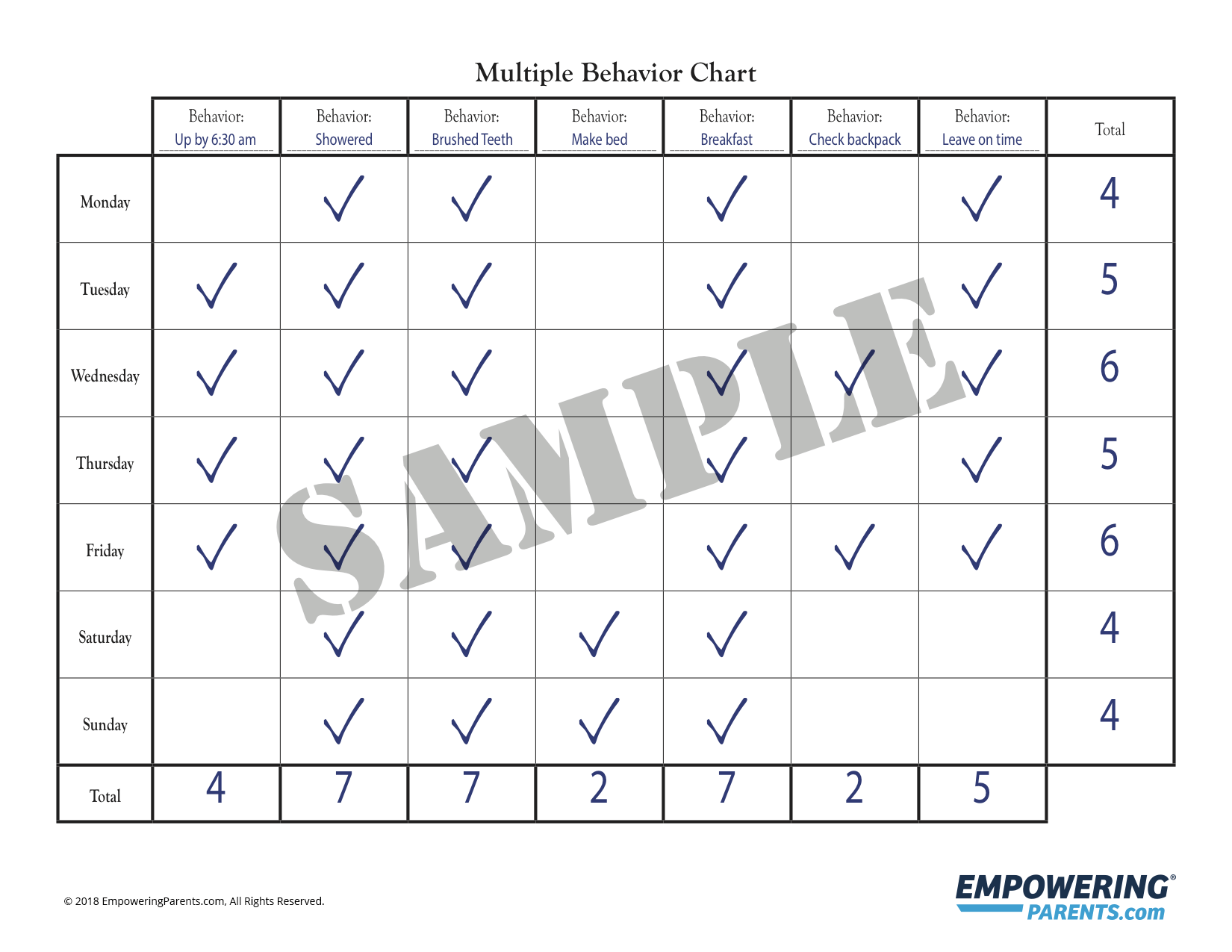
Credit: www.empoweringparents.com
Using A Behavior Chart For ADHD Or Neurodivergent Children
Some children with ADHD or other neurodivergent needs may benefit from a private visual chart when it is individualized, focused on a small skill, and paired with the support they need. Do not use the chart to score involuntary movement, sensory regulation, anxiety, distress, or behavior beyond the child’s current control.
The CDC explains that parent training in behavior management can support children with ADHD and that school-based support may also be part of the plan. A chart can be one tool, but it is not a diagnosis or a replacement for professional care.
Make Feedback Fast
Some children need feedback right after the behavior, not at bedtime. If your child forgets what the sticker is for, mark the chart as soon as the goal happens.
Use Fewer Words
Replace long instructions with icons, pictures, or one-step labels. “Shoes in basket” is easier than “Please remember to put your shoes away when you get home.”
Break Goals Into Smaller Steps
Instead of “finish homework,” use “open folder,” “complete math page,” and “put folder in backpack.” Smaller steps make success easier to see.
Avoid Public Shame Systems
Public color charts and sibling comparisons can cause embarrassment or anxiety, especially when they repeatedly display mistakes. Keep individual goals private, give quiet prompts, and use specific positive feedback instead of public rankings. Understood explains why public classroom behavior charts can backfire for some children.
Work With The School When Needed
If behavior problems happen mostly at school, ask the teacher what they see before creating a home chart. A shared plan may work better than separate rules. This guide to why behavior problems happen at school can help you prepare questions for that conversation.
Note: If your child has ADHD, autism, anxiety, developmental delays, or frequent emotional distress, ask a pediatrician, therapist, or school support team for guidance. A chart can support a plan, but it should not replace professional care.
Troubleshooting Common Problems
If the chart does not work right away, do not assume your child is being difficult. Most chart problems come from goals that are too big, rewards that are too far away, or rules that are unclear.
Problem: My Child Does Not Care About The Chart
Try a shorter timeframe, a new theme, or a reward your child helped choose. For younger children, give the sticker or mark right after the behavior.
Problem: My Child Argues About Every Mark
Make the goal more specific. “Clean your room” can cause arguments. “Put dirty clothes in the hamper before dinner” is easier to judge.
Problem: My Child Gives Up After Missing One Day
Use a reset-friendly system. Say, “Today was hard. Tomorrow is a new chance.” Avoid making one missed mark ruin the whole week.
Problem: Siblings Compare Rewards
Give each child goals that match their age and needs. Explain that fair does not always mean identical.
Problem: The Chart Tracks The Wrong Problem
For several days, note what happened just before the behavior, what you could see or hear, how adults responded, and what happened next. A pattern may show that your child needs a transition warning, movement break, simpler direction, more practice, rest, or another kind of support instead of a different reward.
Problem: Rewards Feel Like Bribes
Keep rewards planned and predictable. State the behavior, mark, and reward before the difficult moment. Avoid bargaining with a new prize during a conflict just to make the behavior stop.
The Center on PBIS family plan uses a similar idea: choose expectations, teach them, remind children, reward progress, and respond consistently.
Common Mistakes To Avoid
A behavior chart can lose power when it feels unfair, unclear, or too hard. Avoid common mistakes so your child sees the chart as support.
- Tracking too many behaviors: Start small so your child can focus.
- Using vague goals: Write clear actions, such as “put pajamas on by 8 p.m.”
- Changing rules midweek: Keep the rules steady until your planned review time.
- Taking away earned rewards: Protect earned progress so your child trusts the system.
- Using the chart for shame: Focus on teaching and practice, not blame.
- Comparing children publicly: Keep individual goals private and avoid rankings between siblings or classmates.
- Making the reward too far away: Young children often need daily or very short-term rewards.
- Ignoring effort: Praise small steps, not only perfect days.
Warning: Do not use a behavior chart to punish your child for emotions they cannot fully control yet. The American Academy of Pediatrics recommends discipline that teaches behavior through clear expectations, attention to positive behavior, and consistent consequences rather than harsh punishment or shame.
When To Ask For Extra Help
A behavior chart is a home tool, not a diagnosis or treatment plan. Ask for extra support if behavior is intense, unsafe, or interfering with school, sleep, friendships, or family life.
Call your child’s pediatrician, therapist, school counselor, or support team if your child often hurts themselves or others, talks about self-harm, has frequent aggressive outbursts, is suspended from school, seems very anxious or depressed, or cannot manage daily routines even with patient support.
You can also ask for help if the chart increases conflict. Sometimes a child needs a different approach, a smaller goal, sensory support, parent coaching, or a school-based plan.
If your child may hurt themselves or someone else now, contact local emergency services or an appropriate crisis service in your area.
Frequently Asked Questions
How do you create a behavior chart for a child?
Choose one or two observable behaviors, define exactly what earns a mark, select a visual tracking method, and agree on a reachable reward. Give the mark soon after the behavior when possible, pair it with specific praise, review the chart briefly each day, and adjust the plan if it is too hard or too easy.
Do behavior charts work for ADHD kids?
A private behavior chart can help some children with ADHD when it uses one small goal, visual cues, prompt feedback, and frequent adult support. It should be paired with appropriate home and school strategies and should not replace guidance from a pediatrician, therapist, or behavior specialist when problems are persistent.
How do you document a child’s behavior?
Document behavior by noting the action, time, place, possible trigger, adult response, and what happened afterward. Use objective language and avoid labels. A dated log can help you spot patterns and communicate clearly with teachers, caregivers, or professionals.
How do you make a discipline chart?
Make a discipline chart by listing clear rules, expected behaviors, rewards, and responses. Use simple words and visuals that match your child’s age. Keep the chart focused on teaching better choices, not embarrassing or shaming your child.
How long should you use a behavior chart?
Use a behavior chart until the target habit becomes more automatic. Many families review goals weekly and change the chart when the child masters a skill. You do not need to use the same chart forever. A short, focused chart often works better than one that drags on too long.
What should I put on a behavior chart?
Put the target behavior, days of the week, progress marks, and reward on the chart. Good goals include actions like “brush teeth after breakfast,” “put toys in the bin,” “start homework after snack,” or “use calm words with siblings.”
Should I take away stars for bad behavior?
For a positive-reinforcement chart, avoid taking away marks your child already earned. Removing progress can turn the chart into a punishment system. Keep earned marks, address the current behavior calmly, and offer a fresh chance at the next check-in.
What age should a child start a behavior chart?
There is no single starting age. A simple chart may work once your child can understand the target action and connect it with a sticker, check mark, or other feedback. For many children ages 2 to 4, use one observable goal, pictures, immediate praise, and a very short timeframe.
Can behavior charts make behavior worse?
They can increase conflict when goals are vague or impossible, progress is displayed publicly, earned marks are removed, or the chart punishes emotions and unmet needs. Keep goals private, specific, achievable, and reset-friendly. Stop and reassess the plan if the chart increases anxiety, shame, or arguments.
Conclusion
A child behavior chart works best when it teaches one observable habit at a time. Keep the goal positive, the success rule clear, the feedback prompt, and the reward reachable.
Start today with one behavior, one tracking symbol, one short-term reward, and one review time. If your child cannot meet the goal, make the step smaller or address the unmet need instead of adding pressure.
Once the habit becomes easier, fade the reward gradually and keep the routine going with specific praise, natural consequences, and trust.
Sources
- CDC: Tips for Giving Directions — supports clear, positive, age-appropriate directions and one-step instructions.
- CDC: Tips for Creating Rules — supports specific rules, reminders, and praise while a child learns a new behavior.
- CDC: Tips for Relying on Routines and Rules — supports predictable routines, consistency, and rewards after the expected behavior.
- HealthyChildren.org: Positive Reinforcement Through Rewards — supports clearly defined positive goals, visible charts, child input, and daily tracking.
- HealthyChildren.org: What’s the Best Way to Discipline My Child? — supports clear expectations, specific praise, consistent consequences, and non-shaming discipline.
- CDC: Treatment of ADHD — supports parent training in behavior management and coordinated school support.
- Center on PBIS: Family Plan for Positive Behavior at Home — supports choosing expectations, teaching them, reminding children, rewarding progress, and responding consistently.
- Understood: 7 Reasons to Rethink Classroom Behavior Charts — explains why public behavior charts can cause shame and why private feedback may work better.



1 thought on “Child Behavior Chart: 6 Steps That Actually Work”