How to Guide Children’s Behaviour in a Positive Way
When your child melts down, refuses to listen, or pushes a limit, you need more than a quick fix. You need calm tools that teach skills without shame, fear, or harsh discipline. This guide shows you how to use clear rules, warm connection, praise, and problem-solving to guide your child’s behaviour in a positive way.
What’s in This Article
- Building Trust And Connection
- Setting Clear Expectations
- Before You Begin Positive Guidance
- Step-by-Step Guide To Positive Behaviour Support
- Encouraging Positive Choices
- Using Praise And Reinforcement
- Handling Challenging Situations
- Fostering Emotional Growth
- When To Seek Extra Support
- Frequently Asked Questions
- References
Quick Answer
You guide children’s behaviour in a positive way by staying calm, setting clear rules, praising helpful choices, and teaching better ways to handle feelings. Focus on what your child can do next, not only on what they did wrong. Use connection and consistency so your child feels safe enough to learn.
Key Takeaways
- Build trust first so your child feels safe, heard, and ready to cooperate.
- State rules in clear, positive words that tell your child what to do.
- Praise effort and helpful choices so your child knows which actions to repeat.
- Stay calm during hard moments and teach your child how to name feelings.
- Ask for professional help when behaviour raises safety, school, sleep, or family concerns.
Building Trust And Connection
Guiding your child’s behavior starts with a strong base of trust and connection. When your child feels safe and understood, they can cooperate and communicate more openly. You don’t need to act like a “perfect” parent. You need to show up with care, attention, and steady follow-through.
Be Present, Not Just Physically
Your child can tell when your body sits nearby but your mind sits somewhere else. Put your phone down during talks. Make eye contact and listen, even when they talk about their favourite cartoon.
When you give them your full attention, they feel valued. This small act builds trust and makes them more open to guidance. The American Academy of Pediatrics encourages families to create screen-free times and focus on the quality of digital use, not only the number of minutes (AAP screen time guidance).
Respect Their Feelings
You may feel tempted to dismiss their emotions as “not a big deal,” but the feeling feels real to them. When they get upset, say, “I see you feel really frustrated,” instead of “Calm down.”
Validating their feelings shows that you care about their view. It also helps them share with you instead of shutting down or acting out.
Follow Through On Promises
If you say, “We’ll go to the park after lunch,” do your best to make it happen. Broken promises can weaken the trust you build.
When plans change, explain why and apologize. Your honesty teaches accountability and protects your connection.
Share A Bit Of Yourself
Kids enjoy hearing stories about your childhood or your favourite moment from the day. These stories make you feel more real and easier to understand.
You can also share your own challenges in a way your child can handle. Your example can teach them how to face similar moments.
Ask For Their Input
Instead of telling your child what to do every time, ask for their ideas. If bedtime feels hard, ask, “What do you think would make bedtime easier?”
When your child feels that their opinion matters, they often cooperate more. This small shift can change how they respond to your guidance.
End Each Day With Connection
Before sleep, take a few minutes to ask about your child’s day. Ask what made them happy and what felt hard.
These bedtime chats can turn into a ritual they enjoy. They also help you end the day with warmth, even after hard moments.
Trust grows through small, steady actions. Choose one connection habit today and repeat it until your child can count on it.
Credit: brookespublishing.com
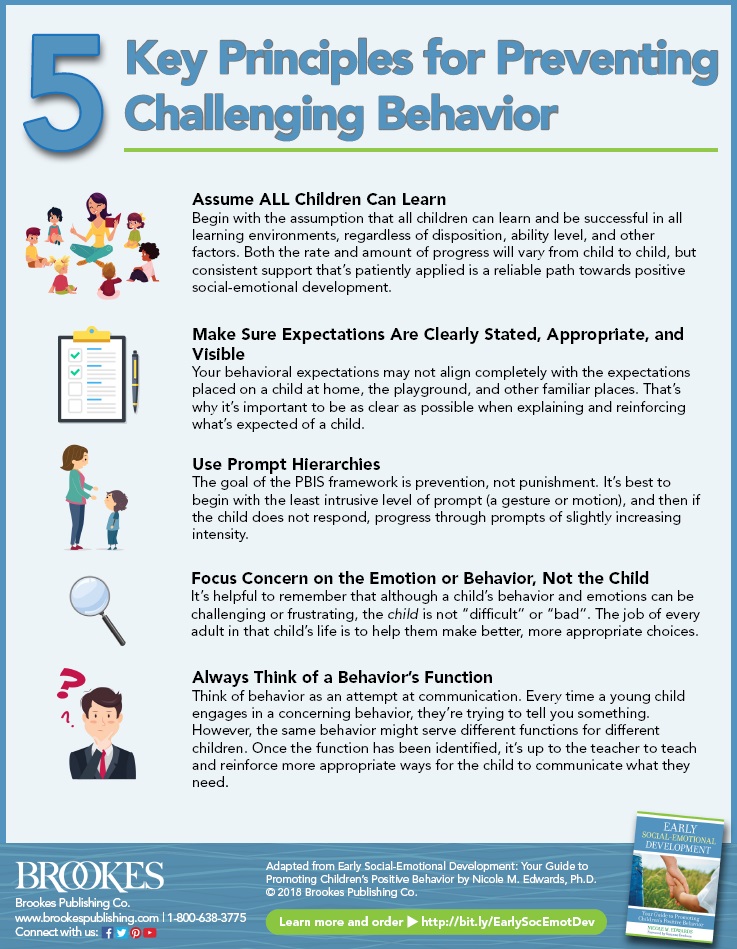
Setting Clear Expectations
Children do better when they know what you expect. Clear expectations give them structure, security, and guidance. Positive limits also help them build self-control and respect for others.
Parents and caregivers shape behaviour through daily words and actions. When you explain rules well, you help children understand rules and make safer choices.
Define Rules That Are Easy To Follow
Keep rules simple and age-appropriate. Young children need clear and direct guidance. Instead of saying, “Always be nice,” say, “Use kind words with your friends.”
Use positive phrasing when you can. Instead of saying, “Don’t run indoors,” say, “Walk inside the house.” Positive words tell your child what to do next.
Explain The Reasons Behind Expectations
Children follow rules more often when they understand the reason. Explain why a behaviour matters. For example, tell your child that cleaning up toys keeps everyone safe and helps prevent falls.
Use simple examples from daily life. This helps your child connect actions with results.
Be Consistent With Your Expectations
Consistency helps children learn boundaries. Use the same rule in the same way as often as you can. Mixed messages can confuse children and increase frustration.
If your child breaks a rule, respond calmly. Remind them of the expectation and explain why it matters.
Use Visual Cues To Reinforce Rules
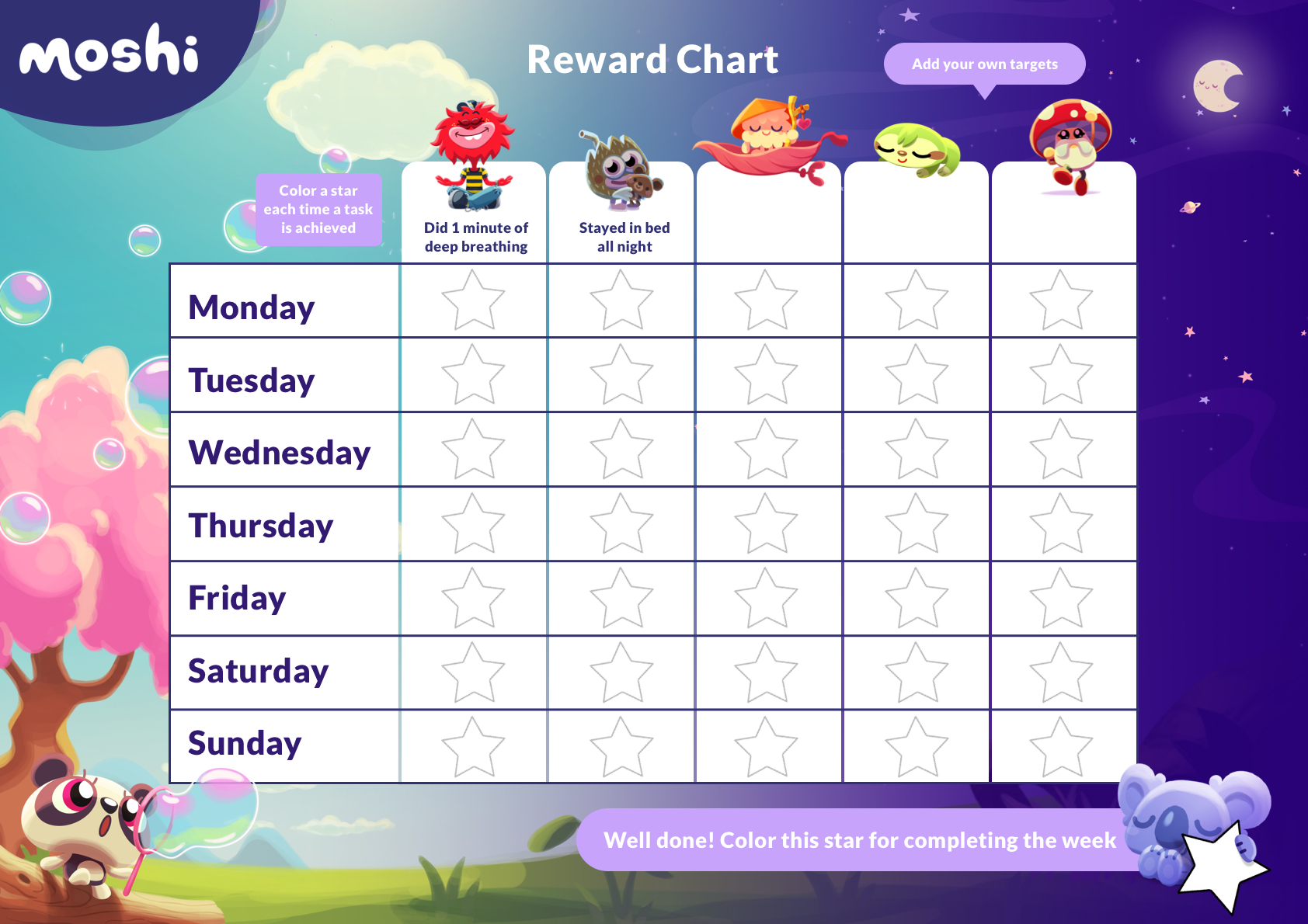
Visual aids can help children remember expectations. Create a simple rule chart and place it where your child can see it. Use pictures for younger children who can’t read yet.
Point to the chart during daily routines. This helps your child connect the visual cue with the action you want.
Encourage Open Communication
Invite your child to share thoughts about rules. Listen to their ideas and feelings. This helps them feel heard and respected.
Use two-way conversations when you can. These talks build trust and help your child understand that rules protect their well-being.
Recommended Products

Unlock Their Potential - Boost your child's motivation with an interactive responsibility chart, featuring tactile 3D stars and 80+ diverse chores from potty training to household tasks. Engage, reward, and celebrate their accomplishments!

Package Includes: The reward chart comes in two styles of cardstock, 40 each in black and white, with a total of 80 sheets of incentive chart. There are also 18 sheets of star stickers with 120 stickers each, totaling 2160 stickers.

Motivate and Reward: Yasest reward chart for kids is designed to keep kids motivated and rewarded for their behavior and actions. Watch as they proudly track their weekly accomplishments and earned stars with this interactive chart
Before You Begin Positive Guidance
Estimated time: Most positive guidance moments take 2 to 10 minutes. Building a lasting habit takes daily practice over weeks or months.
You don’t need special tools to guide behaviour well. You need a calm tone, clear words, and a plan you can repeat. If your child has strong needs, ask your pediatrician, teacher, or child development specialist for tailored support.
What You’ll Need
- A short list of family rules that your child can understand.
- A calm space where your child can cool down safely.
- Simple praise that names the exact behaviour you liked.
- A routine for sleep, meals, play, schoolwork, and screen use.
- A plan for what you will do when behaviour becomes unsafe.
Pro tip: Write your top three rules in positive words so your child hears clear next steps.
Recommended Products

Vivid Patterns and Positive Messages: These incentive reward stickers feature adorable food and animal designs in bright, eye-catching colors, paired with fun and inspiring affirmation phrases. Perfect for grabbing children’s attention, sparking classroom excitement, and encouraging a love for learning.

INSPIRATIONAL DECORATIVES: Carson Dellosa's Inspirational Stickers add the perfect finishing touch to assignments to reinforce a job well done; Use as reward stickers for good behavior, homework and tests, or as prizes during games and activities

SUPER VALUE PACK: 1200 attractive stickers on 25 easily distributed sheets. Each measures about 1”. 24 different cute animals designs with inspiring words, which keeps children interested and concentrated in study or achieving goals, also let kids full of self-confidence.
Step-by-Step Guide To Positive Behaviour Support
Positive guidance works best when you follow a simple order. Use these steps during daily routines, conflicts, and tough moments.
- Pause before you respond. Take one slow breath and lower your voice so your child sees calm behaviour.
- Name the feeling. Say, “You feel angry because playtime ended,” so your child learns emotional words.
- State the limit. Use a short rule, such as, “I won’t let you hit,” or “Toys stay on the floor.”
- Offer a safe choice. Give two options you can accept, such as, “You can walk to bed or I can carry you.”
- Praise the next helpful action. Notice the first small step your child takes toward cooperation.
- Repair after the moment. Talk about what happened, practice a better choice, and reconnect with warmth.
Recommended Products

Multi Purpose Learning Tool: you will receive 1 set of classroom behavior chart with 2 pieces of white name tag cutouts and 40 pieces of boy and girl shape white cutouts, designed to help kids to practice behavior management, follow instructions, maintain responsibilities, and more

Quick & Visible Support – Displaying this chart in a prominent spot gives children instant access to calming strategies when they feel upset or overwhelmed, helping them self-regulate in the moment.

【Visible Progress Tracking – Say Goodbye to Guesswork】-- Features 40 Upgraded Clips & 7 Clear Pockets. Kids move clips hands-on to see behavior changes instantly. No more guesswork for teachers or parents
Encouraging Positive Choices
Encouraging positive choices helps children think through emotions and actions. You don’t only say “yes” or “no” to behaviour. You guide your child to understand why one choice helps more than another.
With practice, your child can learn to make choices that protect themselves and respect others.
Provide Clear Expectations
Children thrive when they know what you expect. Tell them what to do, not only what to stop doing. For example, instead of saying, “Don’t yell,” say, “Use your calm voice when you’re upset.”
Explain why the behaviour matters. When your child sees how actions affect others, they can start to value better choices.
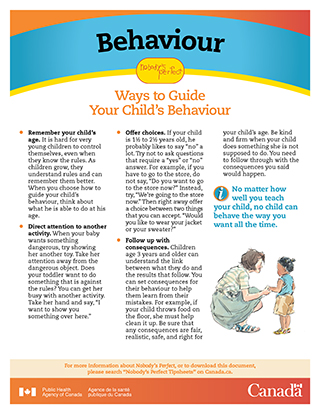
Offer Choices, Not Commands
Kids often resist when they feel controlled. Choices help them feel respected and involved. Instead of saying, “Clean your room now,” try, “Would you like to clean your room before dinner or after?”
This approach teaches responsibility while giving your child some control. It can also reduce power struggles.
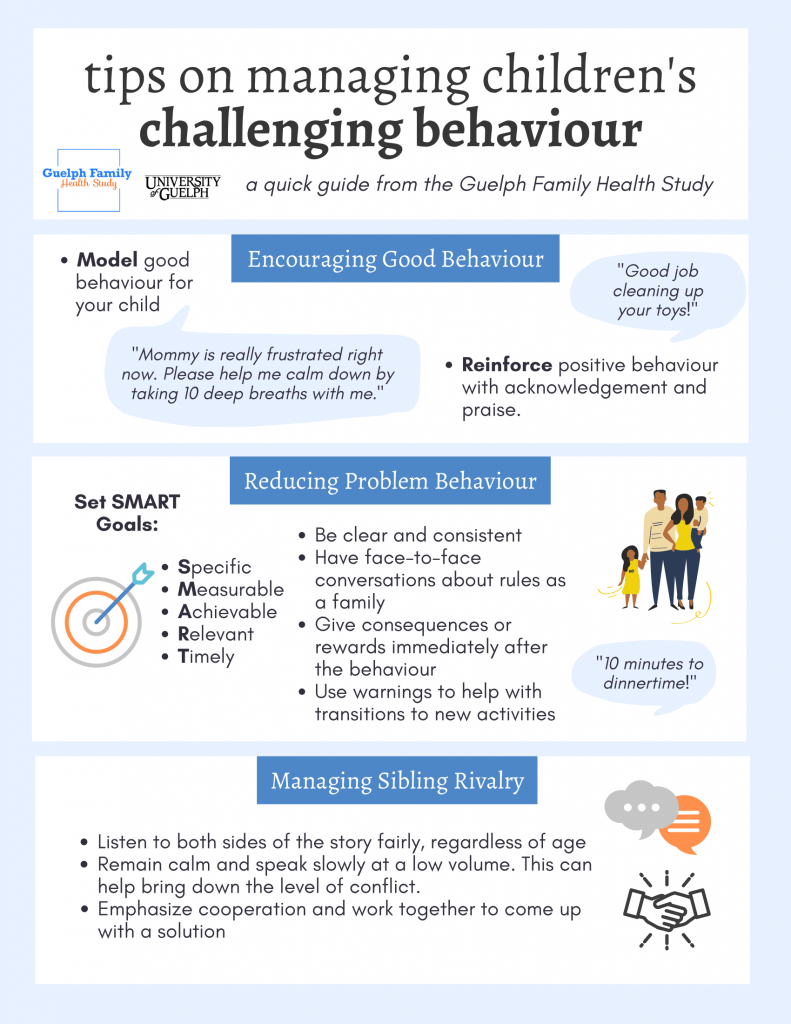
Notice And Praise Positive Behavior
Children repeat what adults notice. When your child makes a helpful choice, name it clearly. Say, “I noticed you shared your toy with your sibling. That was kind.”
Specific praise helps your child understand what they did well. It also builds confidence and encourages the same choice next time.
Model The Behavior You Want To See
Kids learn more from your actions than your words. If you want patience, show patience. If you make a mistake, admit it and show how to fix it.
Your example teaches that good choices don’t require perfection. They require effort, repair, and practice.
Teach Problem-solving Skills
When children face challenges, help them think through options. Ask, “What might happen if you choose this?” or “How might your friend feel?”
These questions help your child weigh results before they act. Over time, they can make more thoughtful choices on their own.
Be Patient With Their Progress
Positive behaviour takes time. Children make mistakes while they learn, and those mistakes give you teaching moments. Focus on progress, not perfection.
Ask yourself how you can help your child make one better choice today. One small choice can build the next one.
Credit: www.canada.ca
Using Praise And Reinforcement
Positive praise can build confidence and self-esteem. Reinforcement also helps your child understand which actions help the family, classroom, or group. When you use it with care, your child feels noticed and valued.
What Is Effective Praise?
Effective praise feels specific and genuine. It focuses on effort, progress, or a clear action. For example, say, “You worked hard to finish your homework today.”
Avoid vague praise when you can. “Good job” may sound kind, but it does not tell your child what to repeat.
Why Reinforcement Matters
Reinforcement helps children learn which behaviours meet expectations. Positive reinforcement can include words, touch, or simple rewards. Kind words, a hug, a high-five, or a sticker can all support learning.
Use rewards as teaching tools, not bribes. Give the reinforcement after the positive behaviour so your child connects the two.
How To Balance Praise And Reinforcement
Use praise often, but keep it honest. Too much praise for every small action can make it feel less meaningful. Praise effort, not only results.
For example, praise your child for trying a new skill, even if they make mistakes. This encourages persistence and learning.
Examples Of Positive Reinforcement
Set clear goals and celebrate small wins. Praise your child for cleaning up toys without a reminder. Offer a simple reward, such as extra playtime, when your child meets a clear goal.
You can also use small gestures. A thumbs-up, smile, or kind word can help your child feel proud.
Encouraging Self-motivation
Use praise to help your child notice their own effort. Over time, reduce material rewards and keep naming the value of their choices. Ask, “How did it feel to solve that problem?”
This helps your child build independence. It also teaches them to feel capable from the inside.
Handling Challenging Situations
Hard moments can feel overwhelming, but they also give you chances to teach life skills. When your child throws a tantrum, refuses to listen, or tests a limit, your response matters. A calm response helps your child learn how to handle emotions and choices.
Stay Calm And Collected
Your reaction sets the tone. If you raise your voice or show strong frustration, you may increase the tension. Take a deep breath and keep your voice steady.
Imagine your child refuses to put away their toys after playtime. Instead of yelling, kneel near them and say, “Let’s clean up together.” Cooperation often works better than commands.
Set Clear Expectations
Children need routine and clarity. Tell them what you expect before a hard situation starts. Before you go to a restaurant, remind them to use an indoor voice and stay seated.
Keep expectations simple and age-appropriate. “Use gentle hands with friends” works better for a toddler than “Be nice.”
Redirect Negative Behavior
Kids may act out when they feel bored, frustrated, tired, or hungry. Instead of focusing only on the wrong action, guide them toward a better one. If your child throws toys, suggest building something with blocks instead.
Redirecting energy toward a useful activity can stop the behaviour without shame. This keeps the mood lighter and teaches them better ways to express themselves.
Use Positive Reinforcement
Catch your child doing something helpful and say what you noticed. If they share a toy, say, “I love how you shared with your friend. That was kind.”
A sticker chart or verbal praise can motivate good behaviour. Keep the goal clear, and reward the behaviour you want to grow.
Empathize With Their Feelings
Children often act out because they lack words for big emotions. Show that you understand by saying, “You feel upset because you wanted more playtime.”
This validates feelings while teaching emotional words. When kids feel heard, they often calm down faster.
Ask Yourself: What’s Behind The Behavior?
Every behaviour has a reason. Ask whether your child feels tired, hungry, overstimulated, or worried. If they feel cranky after school, they may need a snack or quiet time before homework.
When you understand the “why,” you can respond with empathy instead of anger. This builds trust and lowers repeated conflict.
Warning: Avoid physical punishment and harsh verbal discipline because pediatric experts recommend positive discipline strategies instead.
Guiding behaviour in tough situations does not mean controlling your child. It means teaching them the skills they need to manage feelings and actions. Safety matters too. For step-by-step help using time-out with toddlers and preschoolers, see the CDC’s Essentials for Parenting.
Safety note: The American Academy of Pediatrics recommends positive discipline and advises caregivers to avoid physical punishment and harsh verbal discipline (AAP guidance).
Fostering Emotional Growth
Guiding behaviour means more than teaching rules. You also need to support your child’s emotional growth. Children who understand and express emotions often build stronger empathy, confidence, and social skills.
Emotional growth helps children face challenges and build resilience. Your support strengthens their ability to manage feelings and communicate clearly.
Understanding Emotional Needs
Children need to feel heard and understood. Pay attention to their feelings, even the small ones. Acknowledge emotions without judgment.
Use phrases like, “I see you’re upset,” to validate their experience. This helps your child feel safe enough to share.
Teaching Emotional Vocabulary
Help your child name emotions. Teach words such as happy, sad, angry, worried, proud, and frustrated. Naming emotions helps children understand what happens inside them.
Use daily moments to add new words. You might say, “You seem excited about your project.”
Modeling Emotional Regulation
Children learn by watching adults. Show them how to handle emotions with calm actions. If you feel frustrated, take deep breaths or pause before you respond.
Explain what you do in simple words. Say, “I feel overwhelmed, so I’m taking a moment to breathe.”
Encouraging Empathy
Help your child think about another person’s feelings. Use stories or real-life moments to talk about other views. Ask, “How do you think your friend felt when you shared your toy?”
Empathy practice can improve social skills. It can also help your child build stronger friendships.
Celebrating Emotional Milestones
Notice your child’s efforts to manage emotions or show empathy. Praise them when they express feelings with words. Say, “I’m proud of you for telling me how you felt.”
Small emotional wins deserve attention. Your praise can build confidence and encourage more growth.
Credit: guelphfamilyhealthstudy.com
When To Seek Extra Support
Positive guidance helps many daily behaviour struggles, but some situations need more support. Contact your child’s pediatrician if behaviour creates safety risks, causes major school problems, disrupts sleep or eating, or leaves your family feeling unable to cope.
You should also seek help if your child often hurts themselves, hurts others, destroys property, or shows sudden behaviour changes. A professional can check for stress, sleep issues, developmental needs, anxiety, attention concerns, or other causes.
Note: A child’s behaviour can reflect unmet needs, stress, development, or health concerns, not only defiance.
Frequently Asked Questions
What Is One Way You Can Guide A Child’s Behavior In A Positive Way?
Use positive reinforcement by praising the exact behaviour you want your child to repeat. For example, say, “You used gentle hands with your sister,” instead of only saying, “Good job.”
What Strategies Do You Use To Guide Children’s Behaviour?
Use clear expectations, positive reinforcement, calm redirection, and consistent routines. You can also model the behaviour you want and teach your child simple problem-solving skills.
How Would You Encourage A Child To Behave Positively?
Encourage positive behaviour by praising helpful actions, setting simple rules, and giving choices your child can manage. Listen to their concerns and teach them what to do next when emotions feel big.
What Is An Example Of Positive Child Guidance?
An example of positive child guidance looks like this: “Great job sharing your toys with others.” This tells your child which action helped and why it matters.
How Do You Stay Calm When Your Child Has A Tantrum?
Pause, take a slow breath, and speak in a low voice. Move your child away from danger, name the feeling, and offer one or two safe choices.
Does Positive Guidance Mean You Let Children Do Whatever They Want?
No. Positive guidance uses firm limits with warmth and respect. You still set rules, but you teach and redirect instead of using fear or shame.
Medical Disclaimer: This article is for informational purposes only and does not constitute professional medical advice. Always consult a qualified doctor before making decisions based on this information.
Conclusion
Positive guidance works best when you combine warmth, clear limits, and steady practice. Start with one change today, such as naming feelings, praising effort, or stating rules in positive words. Stay patient during hard moments and repair the connection after conflict.
Your calm, consistent actions teach more than long lectures. With time, your child can build confidence, empathy, and better self-control. If you feel worried about your child’s behaviour or safety, contact your pediatrician for personal guidance.
References
- Screen Time Guidelines — American Academy of Pediatrics, 2026
- Disciplining Your Child — HealthyChildren.org, American Academy of Pediatrics
- Steps for Time-Out — Centers for Disease Control and Prevention