How do you feel when your child suddenly complains of a stomachache or starts throwing up out of nowhere? It’s scary, isn’t it?
Your mind races, trying to figure out what’s wrong. Could it be something they ate? Is it food poisoning? As a parent, you want answers—and fast. Food poisoning can sneak up on your child when you least expect it, turning an ordinary day into a stressful one.
But how can you tell if that’s what’s actually happening? The signs can sometimes be tricky to spot, especially when they overlap with other common illnesses. That’s why it’s so important to know what to look for and how to act quickly. You’ll learn the key symptoms of food poisoning in children, how to pinpoint the potential cause, and what steps you can take to help your little one recover safely. Keep reading—you’ll feel more confident and prepared by the time you reach the end. After all, when it comes to your child’s health, peace of mind is priceless.

Credit: www.kidsvillepeds.com
Common Symptoms
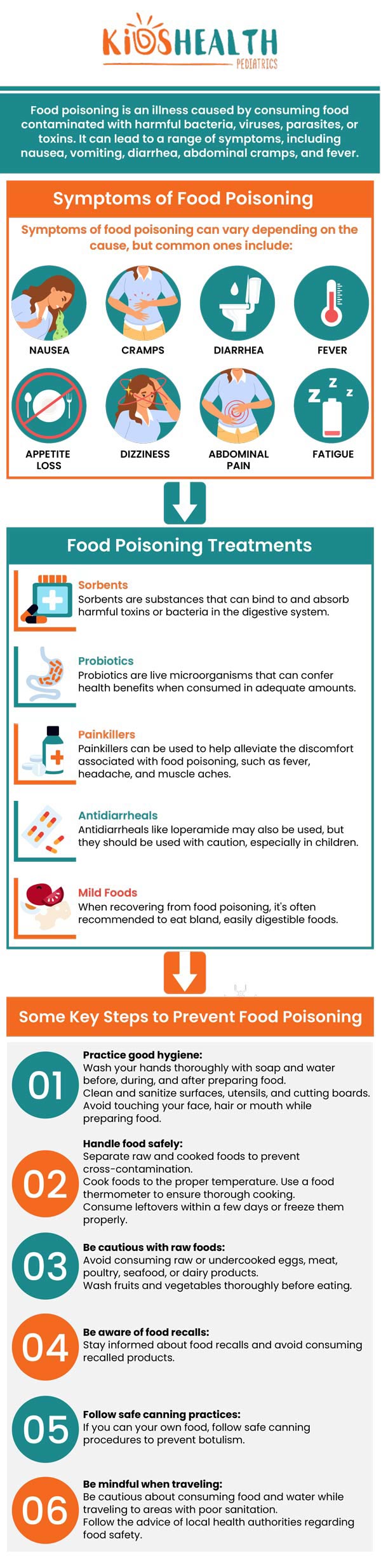
Food poisoning can be alarming, especially when it happens to your child. Recognizing the signs early can help you take action and provide comfort. Let’s look at the most common symptoms you should watch out for.
1. Nausea And Vomiting
One of the first signs of food poisoning is usually nausea, followed by vomiting. Your child may complain about feeling queasy or suddenly throw up without much warning. If this happens soon after a meal, it’s a strong indicator that something your child ate might be the culprit.
2. Diarrhea
Loose and frequent stools are another telltale sign. If your child is running to the bathroom more than usual, pay attention. Diarrhea can quickly lead to dehydration, so ensure they’re drinking plenty of fluids.
3. Stomach Pain And Cramps
Does your child mention their tummy hurts? Stomach pain or cramping is a common complaint with food poisoning. These pains often come in waves and might feel like sharp or twisting sensations.
4. Fever
If your child develops a low-grade fever, it could be their body fighting off an infection. A mild fever isn’t always a bad thing—it’s the immune system kicking into gear. But if the fever spikes, it’s time to call a doctor.
5. Fatigue Or Weakness
Your normally energetic child might suddenly seem sluggish or want to nap more. This is their body’s way of conserving energy to fight the illness. Pay attention to how they’re acting—it’s often a bigger clue than they realize.
6. Dehydration
Is your child’s mouth dry or are they drinking less water? Symptoms of dehydration include dry lips, fewer trips to the bathroom, and even irritability. This can escalate quickly, especially if they’re losing fluids through vomiting or diarrhea.
What Should You Do Next?
When you notice any of these symptoms, don’t panic. Start by keeping your child hydrated with small sips of water or an electrolyte drink. If symptoms persist or worsen, seek medical advice promptly.
Have you ever dealt with food poisoning in your family? What signs did you notice first? Share your experience in the comments to help other parents stay alert and prepared.
Digestive Red Flags
Your child’s stomachache might not be “just a bug.” Digestive issues can sometimes be the first sign of food poisoning. Spotting these red flags early can help you act quickly and reduce discomfort.
Abdominal Pain Or Cramping
Does your child complain about sharp or persistent stomach pains? Food poisoning often causes cramping that comes and goes in waves. Watch for signs like them holding their stomach or curling up in pain.
Diarrhea
Frequent trips to the bathroom could be a major clue. Diarrhea is one of the most common symptoms of food poisoning. It happens because the body is trying to flush out harmful bacteria or toxins.
Check if your child’s stools are watery or unusually loose. If diarrhea lasts more than a day, it might be time to consult a doctor. Staying hydrated is also key to avoid dehydration.
Nausea And Vomiting
Has your child been throwing up or feeling nauseous? Vomiting is the body’s way of rejecting harmful substances. While unpleasant, it’s often the body’s defense mechanism working overtime.
Keep an eye on how often your child vomits. Occasional vomiting might pass, but repeated episodes could mean something more serious. Offer small sips of water to avoid dehydration between episodes.
Bloating Or Gas
Does your child complain about feeling “full” even when they haven’t eaten much? Food poisoning can lead to bloating or excessive gas due to digestion issues.
Pay attention to whether they seem uncomfortable after eating certain foods. This could indicate food poisoning or even a food intolerance you weren’t aware of.
Fatigue Or Weakness
Food poisoning can zap your child’s energy. If they seem unusually tired or weak, it could be a sign that their body is fighting off an infection.
Ask your child if they feel dizzy or too tired to do activities they normally enjoy. This might sound small, but it can be a big clue about what’s going on inside.
Are you noticing any of these digestive red flags? Taking quick action can make a big difference in your child’s recovery.
Behavioral Changes
Food poisoning doesn’t always start with a stomachache or fever. Sometimes, it can show up in how your child behaves. Paying attention to their mood and energy can reveal clues that something might be wrong.
1. Unusual Fatigue Or Lethargy
Has your child suddenly become more tired than usual? If they’re lying on the couch all day or skipping their favorite activities, it might not just be a lazy day. Food poisoning often drains energy because the body is working hard to fight off harmful bacteria.
Encourage rest, but also keep an eye on their hydration. Low energy paired with dehydration can make symptoms worse.
2. Irritability Without A Clear Cause
Is your usually cheerful child suddenly cranky or upset? This mood shift could be their way of signaling discomfort or pain they can’t fully explain. Stomach cramps, nausea, or even a headache might be the hidden culprits.
Ask them simple questions about how they’re feeling. Sometimes kids don’t realize what’s wrong until you guide them to pinpoint it.
3. Trouble Concentrating
Food poisoning doesn’t just affect the stomach—it can mess with focus too. If your child seems unusually distracted or struggles with schoolwork or games, it might be due to fatigue or dehydration. Their brain might not be getting the full support it needs.
Offer water and light, easy-to-digest snacks. A bit of glucose from something like applesauce can help gently restore energy.
4. Clinginess Or Seeking Comfort
Does your child suddenly want to stay close to you or need more cuddles than usual? Feeling unwell often makes kids seek comfort and security. They might not say “I don’t feel good,” but this behavior can be their way of telling you something’s off.
Reassure them that it’s okay to rest and that you’re there to help. Sometimes, emotional support is just as important as physical care.
5. Changes In Sleeping Patterns
If your child is sleeping much more or much less than normal, it could be a sign of food poisoning. Excessive sleep might mean their body is trying to recover, while restless sleep could indicate discomfort. Keep an eye on how often they wake up or complain during the night.
Adjust their sleeping environment to make it more comfortable. A cool, quiet room can help them get better rest while they recover.
Behavioral changes can be subtle but meaningful indicators of food poisoning. By staying observant and asking the right questions, you can catch these signs early and make your child more comfortable as they recover.
Signs Of Dehydration
Recognizing the signs of dehydration in your child is crucial if you suspect food poisoning. Dehydration happens when the body loses more fluids than it takes in, which can occur rapidly during vomiting or diarrhea. Knowing what to look for can help you act quickly and seek the care your child needs.
1. Dry Mouth And Cracked Lips
Pay close attention to your child’s mouth. If their lips look cracked or their mouth feels dry and sticky, it’s often one of the first signs of dehydration. You can ask your child to stick out their tongue—if it looks dry instead of moist, it’s time to start giving fluids.
2. Reduced Urination
Have you noticed fewer wet diapers or fewer bathroom trips than usual? A decrease in urination is a red flag for dehydration. If your child’s urine is dark yellow or has a strong smell, this might signal that they’re not getting enough fluids.
3. Sunken Eyes
Sunken or hollow-looking eyes can indicate moderate to severe dehydration. This is especially noticeable in young children and toddlers. If you spot this, don’t wait—it’s important to rehydrate and possibly consult a doctor.
4. Fatigue Or Irritability
Dehydrated kids often feel tired or unusually cranky. They might lack their usual energy or seem more fussy than normal. This could be their body’s way of signaling that something is off.
5. Cool Or Pale Skin
Check if your child’s skin feels cooler than usual or appears pale. Dehydration reduces blood flow, which can make their skin lose its normal warmth or color. Lightly pinch their skin—if it doesn’t bounce back quickly, this is another sign of dehydration.
6. Rapid Breathing Or Heartbeat
Notice if your child is breathing faster than usual or if their heart is racing. These could be signs that their body is struggling to compensate for the loss of fluids. This can escalate quickly, so take action immediately if you observe this.
What Can You Do?
If you spot any of these symptoms, start by offering your child clear fluids like water, broth, or an oral rehydration solution. Avoid sugary drinks, as they can make diarrhea worse. If symptoms persist or worsen, seek medical attention without delay.
Dehydration can become serious fast, so staying alert to these signs is critical. Have you ever noticed these symptoms in your child? Taking early action could make all the difference.
When To Seek Medical Help
Food poisoning in children can be scary for any parent. While mild cases often resolve on their own, there are moments when a doctor’s help becomes essential. Knowing when to step in and seek medical care can make all the difference in your child’s recovery and comfort.
Signs Of Severe Dehydration
Dehydration is one of the biggest risks of food poisoning, especially for younger kids. Watch out for dry lips, sunken eyes, or crying without tears. If your child hasn’t urinated in over six hours, it’s time to call your doctor.
Is your child drinking fluids but still looking fatigued or dizzy? These could be red flags pointing to severe dehydration. Don’t wait it out—seek medical help immediately.
Persistent Vomiting Or Diarrhea
Occasional vomiting or diarrhea is common with food poisoning, but frequent episodes can be dangerous. If your child can’t keep anything down for more than 24 hours, dehydration risk skyrockets.
Look at their energy levels. Are they too tired to move or play? This is a sign their body needs help to recover, and a doctor’s visit is a must.
Fever Or Bloody Stool
Does your child have a high fever (over 101°F)? This could mean their body is fighting something more serious than mild food poisoning.
Blood in stool is another concern. It could indicate a bacterial infection or intestinal damage. If you notice this, don’t wait—get medical attention right away.
Unusual Behavior Or Symptoms
Sometimes food poisoning triggers unexpected symptoms like confusion, difficulty waking up, or even a stiff neck. These are not normal and could signal complications.
If your child’s behavior feels “off” or they seem overly irritable, trust your instincts. Call your pediatrician and explain what’s happening.
Trust Your Gut As A Parent
You know your child better than anyone. If something feels wrong, it’s better to be overly cautious than to delay care.
Even if you’re unsure whether it’s food poisoning or something else, a quick doctor’s visit can bring clarity and peace of mind. Remember, acting early can prevent bigger problems later.
Have you ever had to make a snap decision for your child’s health? Looking back, how did trusting your gut help? Share your thoughts in the comments below!

Credit: www.jcpedsdoc.com
Tracking Potential Causes
Food poisoning can feel like a mystery to solve. One minute, your child seems fine, and the next, they’re complaining of stomach pain or running to the bathroom. To help them recover faster, it’s crucial to figure out what might have caused it. This is where tracking potential causes becomes your superpower as a parent.
1.What Did They Eat Recently?Start by thinking about what your child ate in the past 24 to 48 hours. Many foodborne illnesses take time to show symptoms, so don’t just focus on their last meal. Did they have any leftovers, raw or undercooked meat, or dairy that wasn’t refrigerated properly?
Keep a mental checklist of common culprits like eggs, seafood, and anything that sat out too long. Even seemingly harmless foods like fresh produce can carry bacteria. Ask yourself: did they wash that apple or eat pre-cut fruit from a questionable source?
2.Shared Meals with OthersIf your child ate with friends or at school, reach out to other parents or caregivers. Are other kids feeling sick, too? This can give you a clue if the issue was something shared, like a pizza party or a cafeteria meal.
Sometimes, group meals increase the risk of contamination, especially if food wasn’t stored or prepared safely. Knowing this can help you pinpoint the problem and alert others if necessary.
3.Unusual Eating HabitsWas your child snacking on something they usually don’t eat? Kids love to experiment with new foods, but their stomachs might not always agree. Maybe they tried sushi for the first time or grabbed an unwashed berry from the backyard.
Even overeating a safe food can cause trouble. A large amount of greasy fries or a new spicy dish could mimic symptoms of food poisoning. Reflect on any “out of the ordinary” eating moments.
4.Leftovers and Expired FoodsTake a quick inventory of what’s been in your fridge. Did they heat up leftovers that were past their prime? Or maybe they grabbed a yogurt without noticing it expired last week?
Old food is a sneaky source of foodborne illnesses. Teach your child to check expiration dates and always reheat leftovers thoroughly to kill any lurking bacteria.
5.Water SourcesDon’t overlook what they drank. Contaminated water can cause food poisoning-like symptoms, especially if your child filled their bottle from an unclean source or drank untreated water on a camping trip.
Even ice cubes can be risky if made with dirty water. Ask yourself: was their water source reliable and clean?
6.Handling the MysteryIt’s normal to feel a little overwhelmed while piecing things together. Keep calm and jot down any details you notice. This can help your doctor if symptoms persist, and it can prevent future episodes.
The more you know about what your child consumes, the better equipped you’ll be to protect them. Have you considered keeping a quick food diary for a few days to spot patterns?
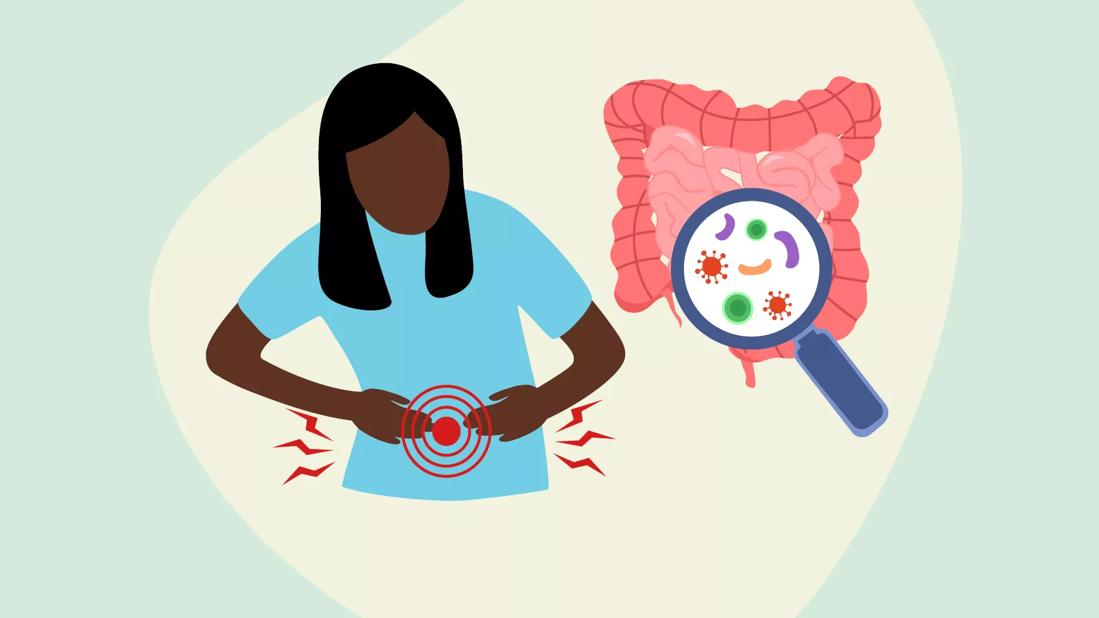
Credit: health.clevelandclinic.org
Frequently Asked Questions
How Long Does Food Poisoning Last In Kids?
Food poisoning in kids usually lasts 1 to 3 days. Mild cases resolve quickly, but severe symptoms may need medical attention. Keep your child hydrated and consult a doctor if symptoms persist or worsen. Proper care helps recovery and prevents complications.
Always prioritize food safety to reduce the risk of foodborne illnesses.
What Can I Give My Child For Food Poisoning?
Offer your child small sips of water or oral rehydration solution to prevent dehydration. Provide bland foods like rice, bananas, or toast. Avoid greasy, spicy, or sugary foods. Consult a doctor if symptoms persist or worsen. Keep your child rested and monitor their condition closely for recovery.
What Is The Fastest Way To Flush Out Food Poisoning?
Drink plenty of water to stay hydrated and flush toxins. Eat bland foods like bananas and rice. Rest to allow recovery. Consume electrolyte-rich drinks or oral rehydration solutions to restore balance. Seek medical help if symptoms persist or worsen.
What Are The Six Signs Of Food Poisoning?
The six signs of food poisoning include nausea, vomiting, diarrhea, stomach cramps, fever, and fatigue. These symptoms may appear within hours after consuming contaminated food. Seek medical attention if symptoms persist or worsen.
Conclusion
Spotting food poisoning in children early is important for quick recovery. Watch for symptoms like nausea, vomiting, diarrhea, or stomach pain. Stay alert to dehydration signs, like dry mouth or less urination. Seek medical help if symptoms worsen or last too long.
Trust your instincts as a parent and act promptly. Keeping your child hydrated and rested can aid healing. Prevention is also key—practice good food hygiene and teach your child healthy habits. Your attention and care can make a big difference in their health.
Stay informed, and your child will be in safer hands.