How Do You Know If Your Child Has Food Poisoning?
What’s in This Article
Your child suddenly says their stomach hurts, then starts throwing up. That moment can scare any parent.
Food poisoning can look like a stomach virus, a food allergy, or even simple indigestion. The signs often start fast, and vomiting or diarrhea can lead to dehydration in children. This guide helps you spot the warning signs, track possible causes, and know when your child needs medical care.
Quick Answer
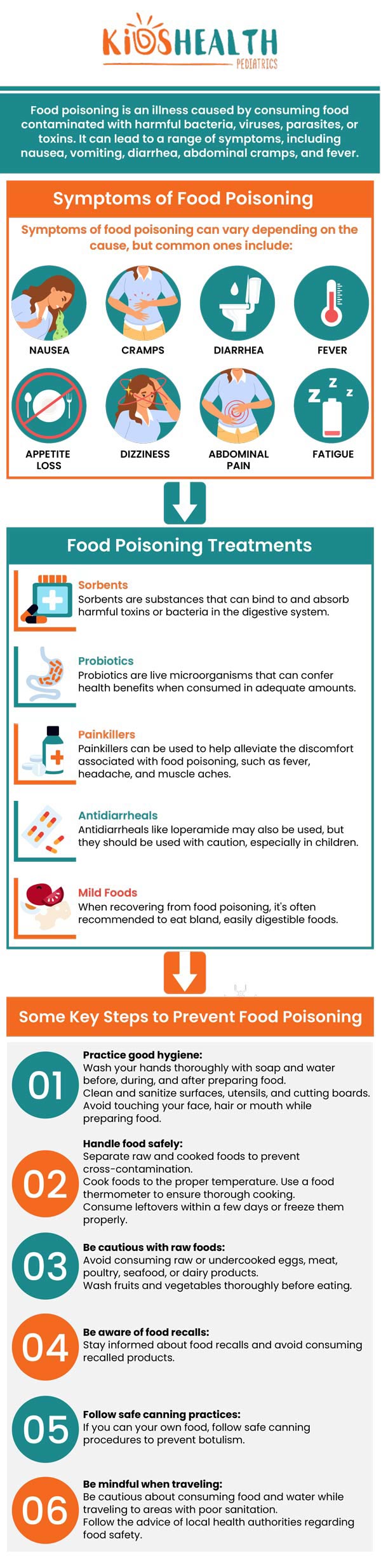
Your child may have food poisoning if nausea, vomiting, diarrhea, stomach cramps, fever, or unusual tiredness starts after eating. Mild cases often improve with rest and fluids, but dehydration can become serious fast. Call a doctor if your child has bloody stool, a high fever, severe pain, repeated vomiting, or signs of dehydration.
Key Takeaways
- Watch for vomiting, diarrhea, stomach cramps, fever, and sudden weakness after a meal.
- Offer small, frequent sips of water or oral rehydration solution to help prevent dehydration.
- Seek medical care right away for bloody stool, severe dehydration, high fever, or confusion.
- Track what your child ate during the past one to two days to help find the likely cause.
- Use safe food storage, handwashing, and proper cooking to lower the risk of food poisoning.

Credit: www.kidsvillepeds.com
Recommended Products

CHILDREN'S IMMUNE SUPPORT: This organic grape berry electrolyte solution helps to restore zinc and encourage immune system support

ELECTROLYTES: Amazon Basic Care Electrolyte Powder Packets mix with 16 fl oz water for fast rehydration; great for kids and adults to help prevent mild to moderate dehydration; recommended by pediatricians and pharmacists; compare to Pedialyte
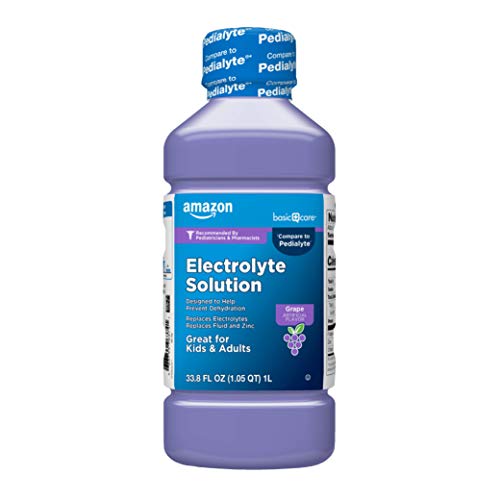
ELECTROLYTES: Feel your best. Amazon Basic Care Grape Electrolyte Solution is an electrolyte drink designed to help restore electrolytes and fluids. A full-flavored hydration option for adults and children. Compare to Pedialyte
Common Symptoms of Food Poisoning in Children
Food poisoning can feel sudden and intense. Symptoms may start within hours, but some germs take a day or longer to cause illness. Recognizing the pattern can help you act early and keep your child comfortable.
1. Nausea And Vomiting
Nausea and vomiting often show up first. Your child may say their stomach feels upset, refuse food, or throw up without much warning.
If vomiting starts after a meal, think about what your child ate. The timing can help you spot a possible food source.
2. Diarrhea
Loose, watery, or frequent stools can point to food poisoning. Your child’s body may try to clear germs or toxins from the digestive tract.
Diarrhea can drain fluids quickly. Offer small sips often, even if your child does not feel thirsty.
3. Stomach Pain And Cramps
Stomach pain or cramping can come in waves. Your child may hold their belly, curl up, or say the pain feels sharp.
Ask where the pain sits and whether it gets worse after eating or drinking. This detail can help a doctor if symptoms continue.
4. Fever
A fever can happen when your child’s body fights an infection. A mild fever may occur with many stomach illnesses.
Call your child’s doctor if the fever climbs, lasts, or comes with severe pain, bloody stool, or dehydration signs.
5. Fatigue Or Weakness
Your active child may suddenly look drained. Food poisoning can sap energy, especially when vomiting or diarrhea interrupts eating and sleep.
Watch how your child acts. Low energy, dizziness, or trouble staying awake can signal that they need medical care.
6. Dehydration
Dehydration can happen when your child loses more fluid than they take in. Vomiting and diarrhea raise this risk fast.
Watch for dry lips, fewer bathroom trips, dark urine, dizziness, or unusual fussiness. These signs matter more in babies and young children.
What Should You Do Next?
Start with fluids, rest, and close watching. Give small sips of water or oral rehydration solution instead of large drinks.
Call a doctor if symptoms last, worsen, or feel more severe than a mild stomach upset. Trust your instincts when your child seems unusually sick.
Digestive Red Flags to Watch For
Your child’s stomachache may not be “just a bug.” Digestive symptoms can provide the first clues that contaminated food caused the illness.
Abdominal Pain Or Cramping
Food poisoning often causes cramps that come and go. Your child may stop playing, bend forward, or guard their stomach.
Ask whether the pain feels sharp, twisting, or constant. Also ask whether eating, drinking, or using the bathroom changes it.
Diarrhea
Frequent bathroom trips can give you a major clue. Watery or unusually loose stool often comes with food poisoning.
If diarrhea lasts more than a day, contact your child’s doctor for advice. Keep fluids going to lower the risk of dehydration.
Nausea And Vomiting
Vomiting can help the body reject harmful substances, but repeated vomiting can become risky. Your child may lose fluids faster than they can replace them.
Offer small sips between episodes. Avoid forcing large amounts of liquid, since that may trigger more vomiting.
Bloating Or Gas
Food poisoning can cause bloating, gas, or a full feeling. Your child may complain that their belly feels tight or uncomfortable.
Note whether symptoms follow certain foods. Similar symptoms can also happen with food intolerance, so the pattern matters.
Fatigue Or Weakness
Food poisoning can drain your child’s energy. They may feel dizzy, weak, or too tired for normal activities.
Fatigue becomes more concerning when it comes with dry mouth, dark urine, or repeated vomiting. These signs can point to dehydration.
Warning: Get medical help right away if your child has bloody stool, trouble waking, severe belly pain, or signs of dehydration.
Behavioral Changes That Can Signal Illness
Food poisoning does not always begin with obvious stomach symptoms. Your child’s mood, sleep, and energy can show that something feels wrong.
1. Unusual Fatigue Or Lethargy
Has your child suddenly become more tired than usual? If they lie on the couch all day or skip favorite activities, illness may be draining them.
Encourage rest and keep fluids nearby. Low energy plus dehydration can make symptoms worse.
2. Irritability Without A Clear Cause
A cheerful child may turn cranky when they feel nausea, cramps, or a headache. Younger kids may not know how to explain the pain.
Ask simple questions about their stomach, head, and throat. Gentle prompts can help your child describe what hurts.
3. Trouble Concentrating
Food poisoning can affect focus when your child feels weak or dehydrated. Schoolwork, games, or conversation may suddenly feel hard.
Offer fluids and bland foods when your child can keep them down. Applesauce, toast, rice, or bananas may help ease them back into eating.
4. Clinginess Or Seeking Comfort
Some children want more cuddles when they feel sick. Clinginess can serve as their way of saying something feels off.
Reassure your child and help them rest. Calm support can make the illness feel less frightening.
5. Changes In Sleeping Patterns
Your child may sleep much more than usual while their body recovers. Restless sleep can also happen when nausea, cramps, or fever disrupt comfort.
Keep the room cool, quiet, and easy to reach. Check on your child often if vomiting or diarrhea continues overnight.
Recommended Products

ELECTROLYTES AND ZINC: Electrolytes are minerals that are important to keep your body hydrated; Amazon Basic Care Unflavored Electrolyte Solution with zinc is for children and adults; compare to Pedialyte

[ ORAL ELECTROLYTE SOLUTION FOR ALL AGES ]: Perfect for kids and adults alike, this electrolyte solution provides essential hydration and electrolyte replenishment.

[ ORAL ELECTROLYTE SOLUTION FOR ALL AGES ]: Perfect for kids and adults alike, this electrolyte solution provides essential hydration and electrolyte replenishment
Signs of Dehydration
Dehydration poses one of the biggest risks during food poisoning. Children can lose fluid quickly through vomiting, diarrhea, sweating, and fever.
1. Dry Mouth And Cracked Lips
Check your child’s mouth and lips. Dry, sticky lips or a dry tongue can show that they need more fluids.
Ask your child to take small sips often. Small amounts usually work better than a full cup at once.
2. Reduced Urination
Fewer wet diapers or bathroom trips can signal dehydration. Dark yellow urine or a strong smell can also suggest low fluid intake.
Call your child’s doctor if your child does not urinate for several hours. Babies and toddlers need extra caution.
3. Sunken Eyes
Sunken or hollow-looking eyes can point to moderate or severe dehydration. This sign may stand out more in toddlers and young children.
Do not wait if your child also seems weak, dizzy, or hard to wake. Seek medical care right away.
4. Fatigue Or Irritability
Dehydrated children may act tired, fussy, or unusually quiet. They may not want to play, talk, or eat.
Watch for behavior that feels different from your child’s normal sick-day mood. A sudden change can matter.
5. Cool Or Pale Skin
Dehydration can make skin look pale or feel cooler than usual. Your child may also look less alert.
If you gently pinch the skin and it does not spring back quickly, call a doctor. This can signal fluid loss.
6. Rapid Breathing Or Heartbeat
Fast breathing or a racing heartbeat can mean your child’s body struggles with fluid loss. These signs need prompt attention.
Seek medical care if fast breathing, weakness, confusion, or poor urination appears. Do not try to manage severe symptoms at home.
What Can You Do?
Offer oral rehydration solution, water, or clear broth in small, frequent sips. Oral rehydration solution helps replace fluid and salts lost through diarrhea or vomiting.
Avoid sugary drinks, sports drinks, and juice during active diarrhea. Sugar can make diarrhea worse for some children.
Pro tip: Use a spoon, syringe, or small cup to give fluids slowly when your child feels too nauseous to drink.
When to Seek Medical Help
Many mild cases improve with fluids and rest. But some symptoms need a doctor because children can worsen quickly.
Signs Of Severe Dehydration
Call your doctor if your child has dry lips, sunken eyes, dizziness, or very little urine. Crying without tears can also signal dehydration in young children.
Seek urgent care if your child looks weak, confused, or hard to wake. These signs go beyond a mild stomach upset.
Persistent Vomiting Or Diarrhea
Repeated vomiting can stop your child from keeping fluids down. Diarrhea that continues can also cause dangerous fluid loss.
Contact a doctor if your child cannot keep fluids down, vomits often, or seems too tired to sit up. Babies need faster medical advice.
Fever Or Bloody Stool
A high fever can suggest a more serious infection. Bloody stool can point to certain bacterial infections or irritation in the intestines.
Get medical care right away if you notice blood in stool. Also call for fever that worries you or does not improve.
Unusual Behavior Or Symptoms
Confusion, a stiff neck, trouble waking, severe headache, or severe belly pain needs urgent medical care. These symptoms do not fit simple food poisoning.
Trust your instincts if your child’s behavior feels wrong. You know your child’s normal patterns best.
Trust Your Gut As A Parent
You do not need to prove food poisoning before you ask for help. A doctor can help rule out dehydration, appendicitis, infection, or other causes.
Early advice can prevent bigger problems. Call your pediatrician when symptoms feel severe, unusual, or hard to manage.

Credit: www.jcpedsdoc.com
Recommended Products


How to Track Possible Causes
Food poisoning can feel like a mystery. Your child may seem fine, then suddenly complain of stomach pain or rush to the bathroom.
Tracking meals, drinks, and shared foods can help you find the likely source. These notes can also help your child’s doctor.
1. What Did They Eat Recently?
Think about what your child ate during the past 24 to 48 hours. Some foodborne illnesses start quickly, while others take longer to cause symptoms.
Check for leftovers, raw or undercooked meat, eggs, seafood, unwashed produce, or dairy that sat out too long. Fresh produce can also carry germs if no one washed it well.
2. Shared Meals With Others
If your child ate at school, a party, or a friend’s home, ask whether others feel sick. Several sick children can point to a shared food or drink.
Group meals can carry risk when food sits out, cooks unevenly, or loses safe temperature control. Alerting other parents may help them watch for symptoms.
3. Unusual Eating Habits
New foods can confuse the picture. Your child may have tried sushi, spicy food, greasy food, or berries from outside.
Some foods may cause stomach upset without true food poisoning. Write down anything unusual so you can spot a pattern.
4. Leftovers And Expired Foods
Check your fridge for leftovers, expired foods, or containers without dates. Old food can grow germs even when it looks normal.
Teach your child to ask before eating leftovers. Reheat leftovers until steaming hot, and throw out food when you doubt its safety.
5. Water Sources
Do not overlook drinks. Contaminated water, untreated water, or dirty ice can cause vomiting and diarrhea.
Think about water from travel, camping, school bottles, pools, or outdoor taps. A simple drink log can help if symptoms continue.
6. Handling the Mystery
Write down foods, drinks, symptom times, fever readings, and bathroom trips. Bring these notes if your child needs medical care.
The goal is not to blame one food right away. Clear notes help you and your doctor make safer choices.
Credit: health.clevelandclinic.org
How to Help Your Child Recover Safely
Care at home focuses on fluids, rest, and gentle foods. Do not rush your child back to normal meals before vomiting settles.
Start With Small Sips
Give one to two teaspoons of oral rehydration solution every few minutes if your child keeps vomiting. Increase the amount slowly when they tolerate it.
Call a doctor if your child cannot keep fluids down. Young children can dehydrate faster than older kids.
Use Bland Foods When Appetite Returns
Offer bland foods once vomiting slows and your child feels hungry. Good choices include toast, rice, bananas, crackers, applesauce, soup, and plain pasta.
Avoid greasy, spicy, and very sweet foods until stools improve. These foods can irritate the stomach and worsen diarrhea.
Avoid Medicines Unless a Doctor Approves
Do not give anti-diarrhea medicine to a child unless your doctor tells you to use it. Some medicines can make certain infections worse.
Ask your doctor about fever reducers and doses for your child’s age and weight. Follow the label and avoid guessing.
Note: Food poisoning symptoms can overlap with stomach viruses, allergies, appendicitis, and other conditions, so call a doctor when symptoms feel unusual.
How to Lower the Risk Next Time
You cannot prevent every stomach illness, but food safety habits can reduce risk. Focus on clean hands, safe temperatures, and careful storage.
- Wash hands before eating and after using the bathroom.
- Wash fruits and vegetables before serving them.
- Cook meat, poultry, eggs, and seafood to safe temperatures.
- Keep raw meat away from ready-to-eat foods.
- Refrigerate leftovers quickly and store them in sealed containers.
- Throw away food that smells odd, looks spoiled, or sat out too long.
Teach your child to ask before eating old leftovers or food from an unknown source. Simple habits can protect the whole family.
Frequently Asked Questions
How Long Does Food Poisoning Last In Kids?
Food poisoning in kids often improves within 1 to 3 days. Some infections last longer, especially when diarrhea continues or dehydration develops.
Call a doctor if symptoms persist, worsen, or include blood in the stool. Keep your child hydrated while you monitor symptoms.
What Can I Give My Child For Food Poisoning?
Offer small sips of water or oral rehydration solution to help prevent dehydration. Once vomiting eases, try bland foods like rice, bananas, toast, crackers, or applesauce.
Avoid greasy, spicy, and sugary foods until your child feels better. Ask a doctor before giving anti-diarrhea medicine.
What Is The Fastest Way To Flush Out Food Poisoning?
You cannot safely “flush out” food poisoning. Your child’s body needs fluids, rest, and time to recover.
Use oral rehydration solution to replace lost fluids and salts. Seek medical care if symptoms are severe or your child cannot keep fluids down.
What Are The Six Signs Of Food Poisoning?
Common signs include nausea, vomiting, diarrhea, stomach cramps, fever, and fatigue. These symptoms can start within hours or appear later, depending on the germ.
Watch for dehydration, bloody stool, or severe pain. These warning signs need medical advice.
Can Food Poisoning Look Like a Stomach Virus?
Yes, food poisoning and a stomach virus can look very similar. Both can cause vomiting, diarrhea, cramps, and fever.
A shared meal, a sudden start after eating, or several sick people who ate the same food may point toward food poisoning. A doctor can help if you are unsure.
Should My Child Stay Home From School?
Keep your child home while they have vomiting, diarrhea, fever, or low energy. They need rest and easy access to fluids and the bathroom.
Ask your school or daycare about return rules. Many programs require children to stay home until symptoms stop for a set period.
Medical Disclaimer: This article is for informational purposes only and does not constitute professional medical advice. Always consult a qualified doctor before making decisions based on this information.
Conclusion
Food poisoning in children needs quick attention because fluid loss can happen fast. Watch for vomiting, diarrhea, stomach pain, fever, weakness, and signs of dehydration.
Give small sips of fluid, let your child rest, and track what they ate before symptoms began. Call a doctor when symptoms worsen, feel severe, or include warning signs like bloody stool or confusion.
Your calm attention can help your child recover safely and reduce the chance of future illness.
References
- Food Poisoning Symptoms — Centers for Disease Control and Prevention
- Prevent Food Poisoning — Centers for Disease Control and Prevention
- Treatment for Food Poisoning — National Institute of Diabetes and Digestive and Kidney Diseases
- Signs of Dehydration in Children — American Academy of Pediatrics