Handling tantrums, defiance, hitting, whining, or nonstop energy can feel exhausting when you are trying to stay calm and loving at the same time. Child behaviour management gives you a practical way to guide your child’s actions without relying on fear, shame, or harsh punishment.
At its best, behaviour management helps you understand what your child is trying to communicate, teach the skill they are missing, and respond in a steady way. You still set limits, but you do it with warmth, structure, and follow-through.
Quick Answer
Child behaviour management means using clear rules, calm guidance, positive attention, routines, and consistent consequences to help children learn better behavior. It is not about controlling a child through fear. It is about teaching self-control, emotional regulation, communication, and safe choices over time.
Key Takeaways
- Children often misbehave because they are tired, hungry, overwhelmed, seeking attention, testing limits, or missing a skill.
- Positive behaviour management works best when adults teach the right behavior before correcting the wrong one.
- Clear rules, routines, praise, calm consequences, and adult modeling help children feel safe and learn self-control.
- Harsh punishment, yelling, shame, and physical punishment can damage trust and do not teach better long-term behavior.
- Seek professional support if behavior is unsafe, extreme, worsening, or linked with developmental, emotional, or school concerns.
At a Glance
| Time Required | A few minutes in the moment, plus daily consistency over several weeks |
| Difficulty | Moderate, because the hardest part is staying calm and consistent |
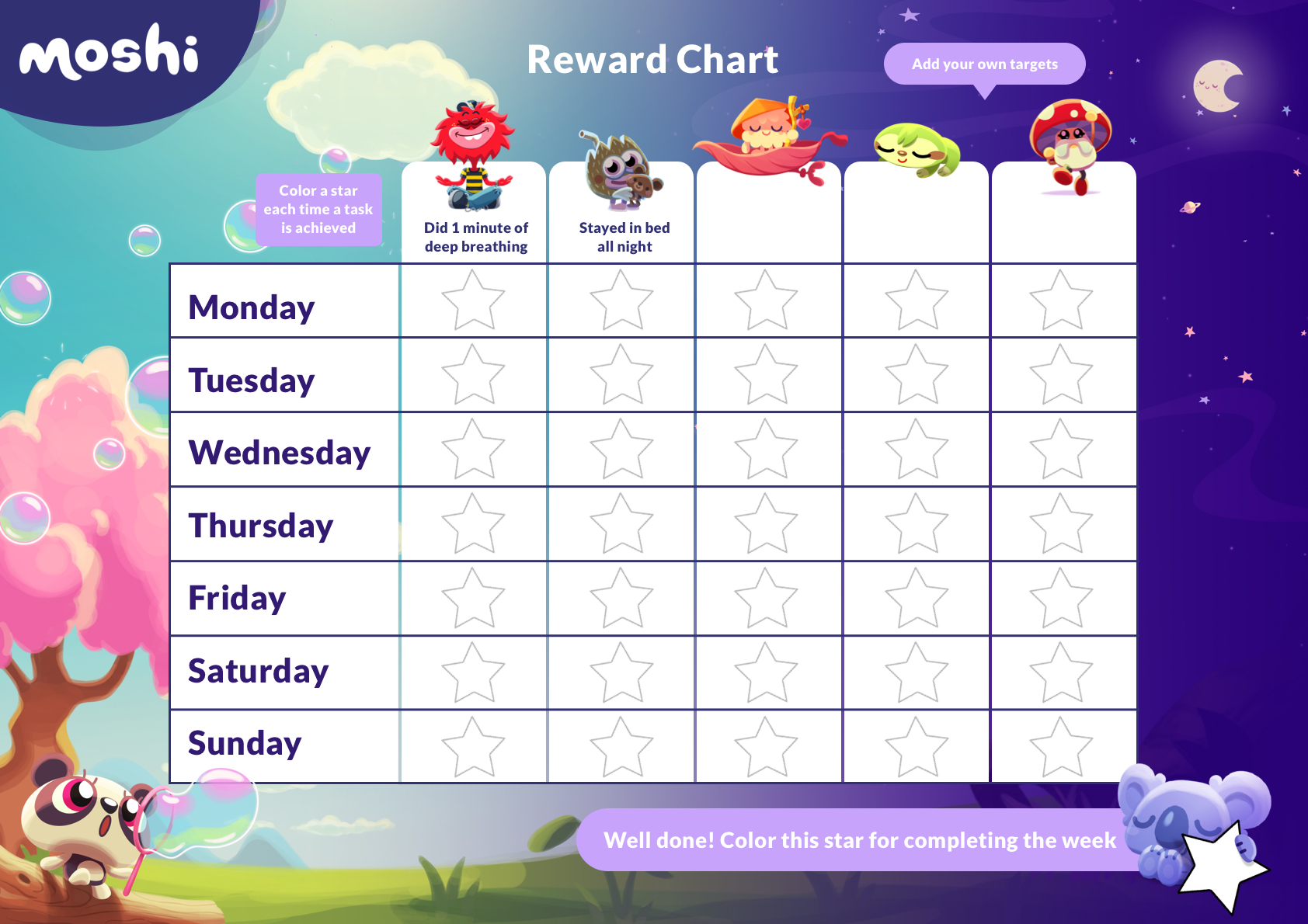
| Tools Needed | Simple rules, routines, praise, calm voice, optional visual chart, and shared caregiver agreement |
| Cost | Free at home, unless you choose professional coaching, therapy, or parenting classes |

Credit: josiah.com.sg
What Child Behaviour Management Means
Child behaviour management is the process of guiding children toward safe, respectful, and age-appropriate behavior. It includes teaching expectations, noticing good choices, correcting unsafe behavior, and helping children learn what to do next time.
This approach is different from simply punishing a child after something goes wrong. Punishment focuses on making a child “pay” for the behavior. Behaviour management focuses on teaching, prevention, connection, and consistent limits.
The CDC’s Essentials for Parenting Toddlers and Preschoolers explains that parents can build positive relationships, encourage good behavior, and respond to common parenting challenges with research-informed strategies.
Note: Behaviour management is not about making your child quiet all the time. Healthy children still feel angry, sad, excited, jealous, and frustrated. The goal is to help them express those feelings safely.
Why Children Misbehave
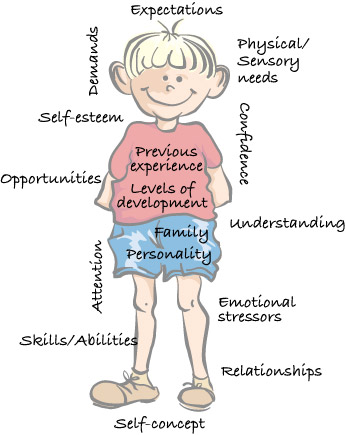
Before you correct behavior, look for the reason behind it. A child’s behavior often tells you something they cannot explain clearly yet.
- Tiredness: A child who needs sleep may melt down faster.
- Hunger: Low energy can lead to whining, crying, or aggression.
- Overstimulation: Noise, screens, crowds, or rushed schedules can overwhelm children.
- Transitions: Moving from playtime to bedtime, school, or meals can trigger resistance.
- Attention needs: Some children repeat unwanted behavior because it gets a strong adult reaction.
- Skill gaps: A child may not yet know how to wait, share, ask for help, calm down, or solve conflict.
- Developmental stage: Young children test limits because they are learning cause and effect.
When you understand the reason, your response becomes more helpful. For example, a tired child may need a calmer routine, while a child who hits may need words, practice, and a safe replacement action.
The Core Principles of Positive Behaviour Management
1. Build Connection Before Correction
Children cooperate more easily when they feel safe, seen, and connected. A few minutes of warm attention can prevent many battles later in the day.
Try short daily moments of focused connection. Let your child choose a game, describe what they are doing, and avoid turning that moment into a lesson. This helps fill their need for attention before they seek it through misbehavior.
2. Set Clear Rules Children Can Understand
Rules work best when they are short, specific, and repeated often. Instead of saying, “Behave yourself,” say, “Use gentle hands,” “Walk inside,” or “Toys stay on the floor.”
The American Academy of Pediatrics recommends clear and consistent rules, age-appropriate explanations, positive attention, redirection, and calm consequences.
3. Teach the Replacement Behavior
Do not only tell your child what to stop. Teach what to do instead.
- Instead of “Stop screaming,” teach “Say, ‘Help me please.’”
- Instead of “Don’t hit,” teach “Use gentle hands” or “Say, ‘I’m mad.’”
- Instead of “Stop grabbing,” teach “Ask, ‘Can I have a turn?’”
- Instead of “Don’t run,” teach “Hold my hand in the car park.”
4. Praise the Behavior You Want Repeated
Positive reinforcement works best when it is specific. Children need to know exactly what they did well.
Instead of saying only “Good job,” say, “You put your shoes by the door the first time I asked. That was helpful.” This tells your child which behavior to repeat.
The behavior that gets your calm, specific attention is often the behavior your child learns to repeat.
5. Use Calm, Consistent Consequences
Consequences should be related, respectful, and reasonable. They should also happen as soon as possible after the behavior.
If your child throws a toy after a warning, the toy can rest for a short time. If your child refuses to turn off a screen, screen time can end and restart later with a clearer timer. If your child spills water while playing roughly, they can help wipe it up.
Consequences should teach responsibility, not humiliation. Avoid taking away food, sleep, affection, medical care, school needs, or comfort items your child truly needs.
Warning: Avoid spanking, slapping, yelling, shaming, threats, or name-calling. The American Academy of Pediatrics advises against harsh physical and verbal punishment because it does not teach better behavior and can harm children over time.
A Simple Step-by-Step Behaviour Plan
Use this plan when one behavior keeps happening again and again. Choose one behavior at a time so your child knows what to focus on.
Step 1: Describe the Problem Clearly
Write down the behavior in plain terms. “Bad attitude” is too vague. “Throws toys when asked to clean up” is clear.
Step 2: Look for Patterns
Ask yourself what happens before the behavior. Does it happen near bedtime, after screens, before meals, during transitions, or when your child wants attention?
Step 3: Set One Positive Goal
Turn the problem into a teachable goal. For example, “When playtime ends, put three toys in the basket with help.”
Step 4: Teach and Practice When Everyone Is Calm
Do not wait for the meltdown. Practice the skill during a calm moment. You can role-play asking for help, taking turns, using gentle hands, or cleaning up together.
Step 5: Praise Small Wins
Notice effort quickly. Say, “You were upset, but you used words. That was a strong choice.” Small wins build confidence.
Step 6: Follow Through Calmly
If the behavior continues, use the consequence you already explained. Keep your words short and your voice steady. Long lectures often make the moment harder.
Step 7: Review and Adjust
If nothing improves after consistent practice, the plan may be too hard, the rule may be unclear, or the behavior may have a deeper cause. Adjust the routine, reduce triggers, or ask for help.
Pro Tip: Use “when-then” language instead of threats. For example, “When the blocks are in the basket, then we can read a story.” This connects responsibility with a positive next step.
Practical Examples for Common Behavior Problems
Tantrums
Stay close, keep your voice low, and reduce the audience if possible. Say, “You are very upset. I will keep you safe.” Do not argue during the peak of the tantrum. After your child calms, name the feeling and teach the next step.
Example: “You wanted the toy. It is hard to wait. Next time, say, ‘Can I have a turn?’”
Hitting, Biting, or Kicking
Stop unsafe behavior immediately. Use a short phrase such as, “I won’t let you hit.” Move your child or the other child to safety. Then teach the replacement behavior.
Example: “Hands are for helping. If you are mad, stomp your feet here or say, ‘I’m angry.’”
Defiance or Refusing Instructions
Keep directions simple. Give one instruction at a time, offer limited choices, and praise the first step.
Example: “It is time for pajamas. Do you want the blue pajamas or the green pajamas?”
Whining
Whining often works because adults respond quickly to stop the sound. Teach the voice you want instead.
Example: “I can listen when you use your calm voice. Try again: ‘Can I have water, please?’”
Screen-Time Battles
Prepare your child before screen time begins. Set a timer, explain what happens next, and follow through.
Example: “When the timer rings, the tablet rests. Then we will have snack.”
Bedtime Struggles
Use the same steps each night: bath, pajamas, teeth, book, cuddle, lights out. A predictable routine reduces negotiation.
If your child keeps leaving the bed, return them calmly with few words. Too much talking can become extra attention that keeps the routine going.
Modeling Behavior
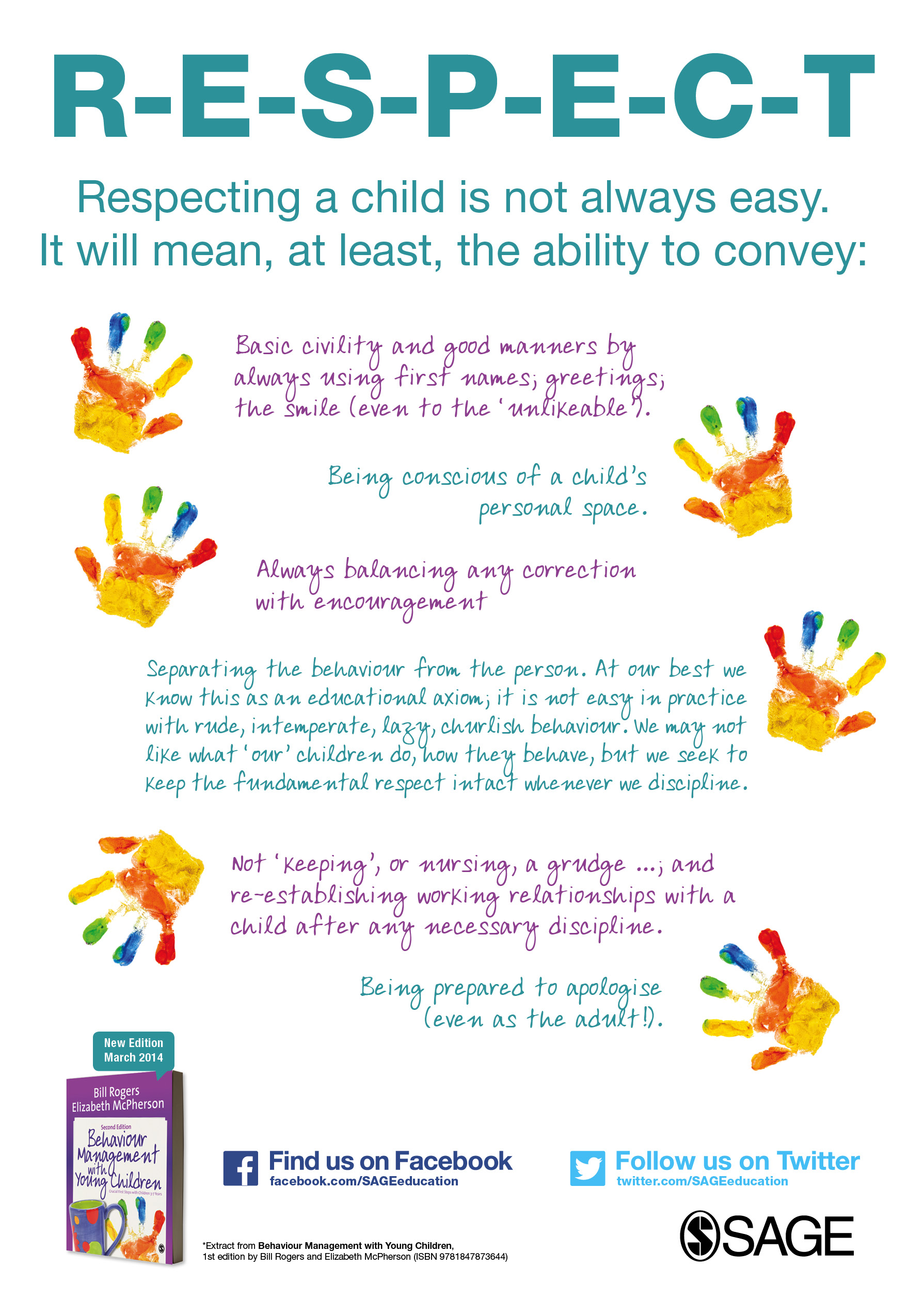
Children learn by watching the adults around them. They notice how you speak, solve problems, handle frustration, apologize, and treat other people.
If they see calm and respectful behavior, they are more likely to practice it too. You do not need to be perfect. In fact, repairing mistakes can teach a powerful lesson.
For example, you might say, “I shouted earlier. That was not okay. I felt frustrated, and next time I will take a breath before I speak.” This shows accountability without shame.
Everyday Ways to Model Better Behavior
- Say “please,” “thank you,” and “excuse me” when you want your child to use manners.
- Take deep breaths out loud when you feel frustrated.
- Use respectful words during disagreements.
- Apologize when you make a mistake.
- Show patience when your child needs extra time.
- Let your child see you solve small problems calmly.
Leading By Example
Leading by example helps children understand the values you want them to follow. Your actions show them how to handle challenges with maturity, respect, and self-control.
Maintaining a calm demeanor during stressful moments teaches emotional regulation. Showing respect during disagreements demonstrates healthy communication. These actions guide children to build similar habits in their own lives.
This does not mean you must hide every hard feeling. It means you show your child that feelings are normal and behavior can still be safe.

Credit: www.thenesavu.com
Routines and Rules Make Behaviour Easier
Children behave better when they know what to expect. Routines reduce surprises, and rules reduce confusion.
Good routines do not need to be complicated. A morning routine might include wake up, toilet, wash, dress, breakfast, shoes, and bag. A bedtime routine might include tidy toys, bath, pajamas, teeth, story, cuddle, and lights out.
Use pictures or a simple checklist for young children. This helps them follow the routine without feeling like you are giving constant commands.
How to Make Rules Work
- Keep rules short: “Gentle hands,” “Walking feet,” “Kind words.”
- Use positive language: “Sit on the chair” instead of “Don’t climb.”
- Repeat rules before hard moments, not only after misbehavior.
- Make sure all caregivers use the same core rules.
- Follow through calmly every time you can.
Should You Use Time-Out?
Time-out can be useful for some children when a clear rule is broken, especially if the child needs a brief pause from attention or conflict. It should not be used to scare, isolate, or shame a child.
The AAP’s time-out guidance recommends warning first, naming the behavior briefly, using a quiet place, and keeping the time short, often about one minute for each year of age.
After time-out, reconnect and return to the expected behavior. For example, “You are calm now. Let’s try gentle hands with the blocks.”
Note: Time-out works best when your child also gets plenty of positive attention during the day. If a child rarely gets warm attention, time-out alone will not fix the pattern.
Age-Appropriate Behaviour Management
Toddlers
Toddlers need short words, close supervision, redirection, and simple routines. They cannot handle long explanations during emotional moments.
Use phrases such as “Gentle hands,” “Feet on floor,” and “You are safe.” Offer choices only when both choices are acceptable.
Preschoolers
Preschoolers can begin learning simple rules, feelings words, waiting, sharing, and small responsibilities. They still need practice and reminders.
Use visual routines, praise effort, and teach words for anger, sadness, and frustration.
School-Age Children
School-age children can understand cause and effect more clearly. Involve them in problem-solving and family expectations.
Ask, “What can you do differently next time?” Then agree on a clear consequence or repair step.
Teens
Teens need respect, privacy, connection, and firm boundaries. Behaviour management at this stage works best through conversation, responsibility, and agreed limits.
Use fewer lectures and more collaborative problem-solving. Keep the relationship strong while still holding expectations.
Credit: us.sagepub.com
What Not to Do When Managing Child Behaviour
Some responses may stop behavior for a moment but make the long-term pattern worse. Try to avoid these common traps:
- Yelling: It often raises the child’s stress and teaches shouting as a conflict tool.
- Threats you will not keep: Empty threats weaken trust and follow-through.
- Shaming: Words such as “bad boy” or “naughty girl” attack identity instead of teaching behavior.
- Inconsistent rules: Changing the rule every day makes children test limits more.
- Too many instructions at once: Children can become overwhelmed and stop listening.
- Only noticing bad behavior: Children may repeat the behavior that gets the most attention.
When to Seek Extra Help
Many behavior challenges are normal, especially during toddler and preschool years. Still, some signs deserve extra support from a pediatrician, child psychologist, counselor, school support team, or developmental specialist.
Talk with a professional if your child’s behavior is unsafe, severe, frequent, or getting worse despite consistent support. You should also seek help if your child hurts themselves or others, loses skills, has major sleep or eating changes, struggles across home and school, or misses developmental milestones.
The CDC recommends talking with your child’s doctor if your child is not meeting milestones or if you are concerned about development. Early support can make daily life easier for both children and caregivers.
Frequently Asked Questions
What is child behavior management?
Child behavior management is the process of guiding children toward safe, respectful, and age-appropriate behavior. It uses clear rules, routines, positive attention, teaching, redirection, and calm consequences to help children build self-control and social skills.
What are the 5 R’s of behaviour management?
The 5 R’s are often used as a simple memory tool: rights, responsibility, relationships, rules, and routines. They remind adults to respect the child, teach accountability, build trust, set clear limits, and keep daily expectations consistent.
What are three techniques you can use when a child misbehaves?
Use clear limits, positive reinforcement, and calm consequences. First, state the rule in simple words. Next, praise the behavior you want to see. Then, if needed, use a related and respectful consequence that teaches responsibility.
What is an example of behavior management?
An example is praising a child for putting toys away, then using a simple routine chart to help them repeat it. If they throw toys, the toys can rest for a short time, and the child can try again with help.
Is child behaviour management the same as punishment?
No. Punishment focuses mainly on what happens after misbehavior. Behaviour management includes prevention, teaching, routines, praise, emotional coaching, and consistent follow-through. The goal is to help the child learn better choices, not make them feel ashamed.
When should I get professional help for my child’s behavior?
Seek help if behavior is unsafe, aggressive, extreme, persistent, or affecting school, sleep, eating, friendships, or family life. Also speak with your child’s doctor if you notice developmental delays, major emotional changes, or behavior that feels beyond normal limit-testing.
Conclusion
Understanding child behaviour management helps you respond with more confidence and less panic. You do not need to be perfect, and your child does not need to behave perfectly. Progress comes from small, repeated moments of teaching, connection, and calm follow-through.
Start with one behavior, one clear rule, and one positive replacement skill. Notice effort, keep routines steady, and repair mistakes when they happen. Over time, these small steps can reduce power struggles and build a stronger bond with your child.
A calmer home begins with consistent adults. When you guide with warmth, structure, and patience, you help your child learn the skills they need for daily life.
Sources
- CDC: Essentials for Parenting Toddlers and Preschoolers — supports routines, rules, communication, positive relationships, and responding to behavior.
- CDC: Healthy Habits: Child Development — supports developmental monitoring, healthy development, routines, and seeking help when concerned.
- CDC: Positive Parenting Tips — supports age-aware parenting and guidance across child development stages.
- HealthyChildren.org from the American Academy of Pediatrics: What’s the Best Way to Discipline My Child? — supports positive discipline, clear limits, consequences, redirection, and avoiding harsh punishment.
- HealthyChildren.org from the American Academy of Pediatrics: How to Give a Time-Out — supports safe, limited, and consistent use of time-out.