Best Way to Blend Baby Food: A Stress-Free Guide for Parents You want the best for your baby, and that includes preparing meals that are not only nutritious but also safe and easy to eat. But let’s be real—blending baby food can feel like a messy, time-consuming challenge.
What’s the right texture? Which tools work best? How do you avoid wasting time and money? The good news? You don’t have to figure it all out on your own. In this guide, we’ll break down the easiest, most effective way to blend baby food so you can feel confident about every spoonful you serve.
Whether you’re a first-time parent or simply looking for better tips, you’ll find smart solutions to save time, reduce stress, and keep your little one happy and healthy. Ready to simplify mealtime and make blending baby food a breeze? Let’s dive in!
Choosing The Right Blender
Making baby food at home is a healthy choice for your baby. A good blender helps create smooth, nutritious meals quickly. Picking the right blender ensures your baby gets the right texture and consistency. Not all blenders are the same, so it’s important to choose wisely.
1. Consider The Size Of The Blender
Choose a blender that fits your kitchen space. Smaller blenders work well for single servings. Larger models are better for batch cooking. Think about how much baby food you’ll prepare at once. Compact designs are easier to store and clean.
2. Check The Blender’s Power
Blenders with higher wattage blend smoother purees. Low-power blenders may leave chunks, which can be a choking hazard. A motor with at least 300 watts is ideal for baby food. This ensures soft fruits and vegetables blend evenly.
3. Look For Durable Materials
Blenders with stainless steel blades last longer and blend efficiently. Plastic containers should be BPA-free to ensure safety. Glass containers are durable but can be heavy. Select materials that suit your needs and are easy to clean.
4. Ease Of Cleaning
Choose a blender with removable parts for easy washing. Dishwasher-safe models save time and effort. Avoid designs with hard-to-reach areas where food may stick. A clean blender ensures your baby’s food stays safe.
5. Noise Level Matters
Some blenders are noisy and may disturb your baby. Look for quieter models if you prepare food during nap times. Read product reviews to check for noise concerns. A quiet blender makes meal prep less stressful.
6. Budget-friendly Options
High-quality blenders don’t always need to be expensive. Many affordable options offer great features for baby food. Compare prices and read reviews before making a decision. A good blender is an investment in your baby’s health.

Credit: www.tiktok.com
Fresh Ingredients For Better Nutrition
Blending baby food at home offers unmatched control over nutrition. Fresh ingredients ensure your baby gets essential vitamins and minerals. Store-bought options often lack the same nutritional benefits. Using fresh produce can lead to healthier meals for your little one.
Carefully choosing fresh fruits and vegetables supports your baby’s development. Babies require wholesome nutrients to grow strong and healthy. Homemade baby food made with fresh ingredients is often more flavorful. This encourages better eating habits early in life.
Choose Seasonal Fruits And Vegetables
Seasonal produce is fresher and often more nutrient-rich. Local markets usually offer better quality than out-of-season options. Select fruits and vegetables that are in peak season for maximum flavor. Seasonal food also tends to be more affordable.
Spinach, carrots, and apples are excellent options during their prime seasons. Fresh produce contains fewer preservatives and chemicals. Always wash fruits and vegetables thoroughly before using them in baby food recipes.
Opt For Organic Options
Organic produce avoids harmful pesticides and synthetic chemicals. Babies are sensitive to toxins found in non-organic foods. Organic fruits and vegetables support healthier digestion and development. They often taste better, making them ideal for baby food.
Look for certified organic products at your local grocery store. Organic options may cost more but provide peace of mind. Always inspect produce for freshness before buying.
Incorporate Whole Grains And Proteins
Whole grains like oats and quinoa add essential nutrients to baby food. Proteins such as lentils and beans support muscle and brain growth. Mix grains and proteins with fresh vegetables for balanced meals.
Homemade combinations allow you to adjust textures for your baby’s needs. Avoid processed grains and foods that contain added sugars. Fresh, wholesome ingredients create meals packed with natural goodness.
Optimal Consistency For Babies
Getting the right consistency for your baby’s food is crucial. It’s not just about making the food easier to eat; it’s about supporting your baby’s developmental stage and ensuring they enjoy mealtime. But how do you know what the “optimal” consistency is?
What Does “optimal Consistency” Mean?
Optimal consistency means the texture and thickness of the food match your baby’s age and eating abilities. Younger babies, just starting solids, need smooth, almost liquid-like purees. Older babies can handle thicker textures with small, soft lumps as they learn to chew.
Think about this: if your baby is struggling to swallow or seems disinterested, the consistency might need adjusting. Too thick, and it can overwhelm them. Too thin, and they might not feel satisfied.
How To Achieve Smooth Purees For Younger Babies
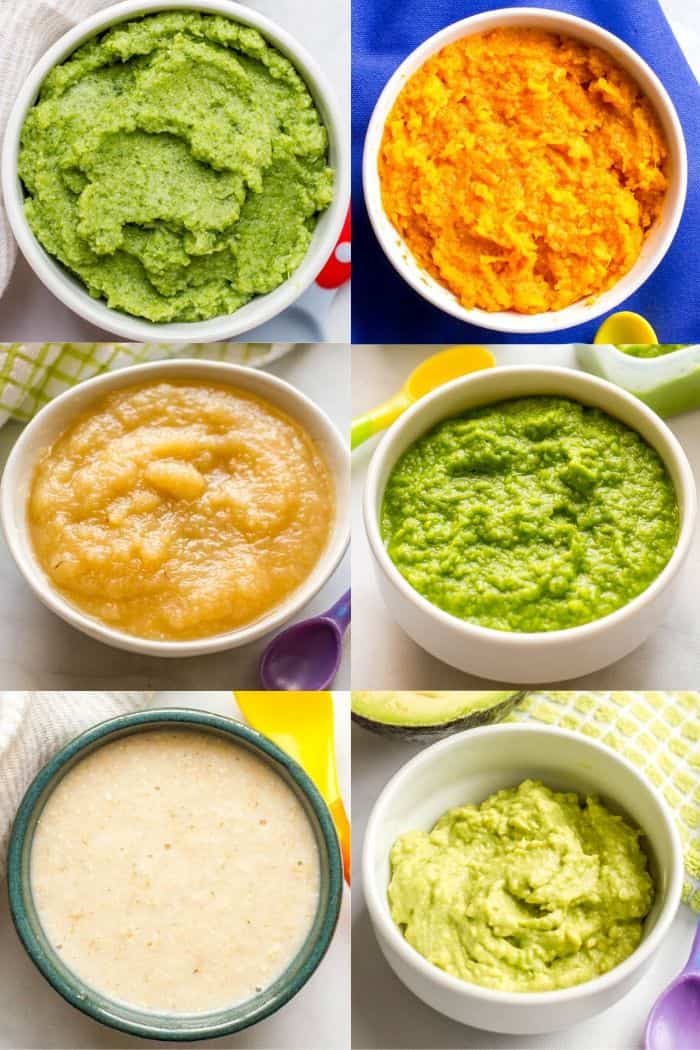
Start by steaming or boiling fruits and veggies until they’re very soft. Then, blend them in a food processor or blender, adding a little water, breast milk, or formula to thin it out. Keep blending until there are no lumps, and the texture is silky smooth.
- Soft foods like bananas or avocados can be mashed with a fork—no blender needed.
- For extra smoothness, strain the puree through a fine mesh sieve.
Tip: Use the back of a spoon to test the puree. It should slide off easily without sticking.
Transitioning To Chunkier Textures
Once your baby is comfortable with smooth purees, introduce slightly thicker textures. Blend foods less or mash them with a fork to leave tiny, soft chunks. This helps your baby practice chewing and prepares them for table foods.
Try foods like mashed sweet potatoes or finely chopped, cooked carrots. Always make sure the pieces are soft enough to squash between your fingers. If you’re unsure, it’s better to err on the side of softer.
What If Your Baby Refuses New Textures?
Refusals are normal as babies adjust to new sensations. Offer the food multiple times, but don’t force it. Babies often need to see or taste something several times before they accept it.
Experiment with blending consistency slightly thicker each time. If they resist, mix the chunkier texture with some smooth puree to ease the transition. Patience is key—it’s all part of the learning process.
Consistency Adjustments For Different Foods
Not all foods blend the same way. Some, like pears or zucchini, naturally turn out thinner, while others, like potatoes, can be thicker. Adjust by adding liquid to thin or blending less to keep it thick.
If you’re working with protein like chicken or beans, blend with a bit of broth or water to reach the right texture. Always taste-test yourself to ensure it’s easy to swallow and not sticky.
Final Thoughts On Baby Food Consistency
Getting the right consistency might take a little trial and error, but you’ll quickly find what works for your baby. Pay attention to their cues—are they swallowing easily? Are they eager for more?
Remember, feeding your baby is a journey. Every spoonful is a step toward them learning to enjoy food and develop healthy eating habits. So, grab your blender, experiment with textures, and have fun watching your baby explore new flavors!
Credit: www.earthsbest.com
Batch Cooking And Storage Tips
Making baby food at home is a great way to ensure your little one gets fresh, nutritious meals. But let’s face it—preparing baby food every day can feel overwhelming. Batch cooking and smart storage can save you time, energy, and even a little sanity while ensuring your baby always has healthy meals ready to go.
How To Plan For Batch Cooking
Before you start, think about your baby’s current preferences and portion sizes. Babies can be picky, and their tastes change quickly. Preparing smaller portions of a few different purees can help you avoid waste if your baby suddenly decides they’re “over” carrots this week.
Set aside a dedicated time, like Sunday afternoon, to cook in bulk. Steam or roast multiple ingredients at once—sweet potatoes, peas, and apples, for example—and then blend them individually or mix them for variety. This way, you’ll maximize your time in the kitchen.
Choosing The Right Containers
The storage container you choose makes all the difference. Silicone freezer trays or BPA-free baby food storage jars are great options. They let you portion out meals easily and defrost only what you need.
Avoid oversized containers that hold too much food. Once defrosted, baby food shouldn’t be refrozen or kept for more than 24 hours. Smaller portions help reduce waste and keep your baby’s meals fresh.
Label Everything
It’s easy to forget what’s in each container when you’re juggling a million things. Use masking tape or freezer-safe labels to jot down the food type and date it was made. “Peas – Oct 5” is much easier to work with than trying to decode a green blob in the freezer.
Labeling also helps you rotate through older batches first. This way, nothing gets buried in the back of the freezer until it’s too late to use.
Defrosting And Reheating Safely
Always defrost baby food in the refrigerator overnight or use a bowl of warm water for quicker thawing. Avoid microwaving directly in plastic containers, as this can release harmful chemicals. Instead, transfer the food to a glass bowl or use a baby food warmer.
Reheat only the amount your baby will eat in one sitting. Any leftovers should be discarded to prevent bacteria from growing. Safety first—your baby’s tummy will thank you.
Make It Fun And Easy
Batch cooking doesn’t have to be a chore. Try experimenting with new fruits, veggies, and combinations each week. Mango and avocado, or zucchini and pear, might surprise you with how much your baby loves them.
Involve your older kids or partner if possible. Not only does it make the process quicker, but it’s also a fun way to spend time together. Plus, who doesn’t love a mini sous-chef?
What’s your favorite tip for making baby food prep smoother? Share it in the comments—your idea might be exactly what another parent needs to hear!
Avoiding Common Mistakes
Blending baby food is simple but mistakes can happen. These mistakes may affect the food’s texture, safety, or nutritional value. Knowing what to avoid ensures your baby gets the best meals.
Using The Wrong Equipment
Not all blenders work well for baby food. Large, high-speed blenders may over-process the food, turning it into a watery paste. Small, handheld blenders often struggle with tougher ingredients. Use a blender designed for smooth baby food with adjustable speed settings.
Skipping Proper Cleaning
Unclean equipment can introduce bacteria into baby food. Always clean the blender thoroughly before and after use. Pay attention to blades, lids, and hard-to-reach areas. Dry the equipment completely to prevent mold growth.
Adding Too Much Liquid
Excess liquid can make the food too thin. Babies need food with a soft but thick texture for easy swallowing. Add liquid gradually while blending and check consistency often. Use water, breastmilk, or formula for healthy blending.
Not Steaming Hard Ingredients
Raw ingredients like carrots and sweet potatoes can be too tough to blend. Always steam or boil hard foods to soften them. Softening ensures smooth blending and retains nutrients. Let the food cool before blending for safety.
Ignoring Food Allergies
Some babies may react to certain foods. Introduce one ingredient at a time to identify allergies. Avoid mixing new foods until you know they’re safe. Consult your pediatrician for advice on common allergens.
Making Large Batches
Large batches may lead to waste or spoilage. Make small portions to keep food fresh. Store leftovers in airtight containers and refrigerate immediately. Use within 1-2 days for the best quality.
Credit: www.familyfoodonthetable.com
Creative Recipe Ideas
Creating baby food at home is not only healthier but also allows you to get creative with flavors and textures. Blending baby food doesn’t have to be boring—you can mix and match ingredients to introduce your baby to a variety of tastes while ensuring they get all the nutrients they need. Below, you’ll find some fun and creative recipe ideas that are easy to make and packed with goodness.
1. Sweet Potato And Apple Mash
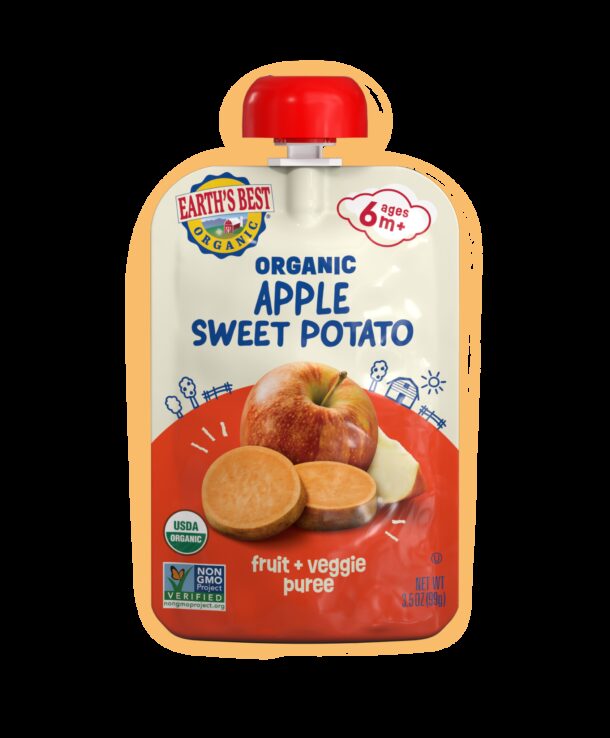
Sweet potatoes and apples are a match made in baby food heaven. Peel, steam, and blend one sweet potato and one apple together for a naturally sweet and creamy puree. Add a pinch of cinnamon for an extra burst of flavor—babies love it!
2. Avocado And Banana Cream
Avocado and banana make a perfect duo for a silky, nutrient-rich blend. Simply scoop out half an avocado and mash it with a ripe banana. You don’t even need to cook this one—just blend it smooth, and you’re done in minutes.
3. Carrot, Peas, And Mint Puree
Steam a handful of carrots and peas, then blend them together with a small leaf of fresh mint. The mint adds a refreshing twist to the classic veggie combo. This is a great way to introduce herbs to your little one’s palate.
4. Blueberry And Spinach Smoothie
Blend a handful of fresh or frozen blueberries with a small portion of steamed spinach. Add a splash of breast milk, formula, or water to thin it out if needed. The vibrant color and sweet taste will win your baby over!
5. Lentil And Butternut Squash Mix
Cook red lentils until soft, then blend them with roasted butternut squash. This hearty recipe is packed with protein and fiber. It’s perfect for babies who are ready to try something a bit more filling.
6. Mango And Coconut Delight
Blend ripe mango chunks with a tablespoon of unsweetened coconut milk for a tropical treat. This blend is smooth, creamy, and perfect for introducing new flavors. Make sure the coconut milk is free of added sugars or preservatives.
7. Pear And Oatmeal Breakfast
Cook plain oats with water or milk, then blend them with a peeled, steamed pear. This is a fantastic breakfast option that’s both filling and easy to digest. Sprinkle a tiny pinch of nutmeg for extra flavor, but skip it if your baby hasn’t tried spices yet.
8. Zucchini, Potato, And Basil Puree
Steam zucchini and potatoes, then blend them with a small basil leaf for a unique twist. Basil adds a mild herbal note that keeps things interesting. Start with a small amount to see how your baby reacts to the flavor.
Trying these recipes can make mealtime exciting for both you and your baby. Which one do you think your baby will enjoy the most? Experiment with different combinations and watch their taste buds light up!
Frequently Asked Questions
Is It Better To Steam Or Boil Baby Puree?
Steaming is better for baby puree as it preserves nutrients and flavor. Boiling can lead to nutrient loss in water.
At What Age Do You Stop Blending Baby Food?
You can stop blending baby food around 10 to 12 months. Babies usually handle soft, small pieces by this age. Always monitor for choking risks and introduce textures gradually based on your baby’s developmental readiness.
What Is The 3 Day Rule For Baby Food?
The 3-day rule for baby food means introducing one new food every three days. This helps identify potential allergies.
How To Properly Puree Baby Food?
Steam or boil fruits, vegetables, or meats until soft. Blend with water, breast milk, or formula until smooth. Ensure the consistency suits your baby’s age. Let the puree cool before serving. Store leftovers in airtight containers in the fridge for up to 3 days or freeze for later use.
Conclusion
Blending baby food at home is simple and rewarding. It gives you control over ingredients, ensuring your baby eats fresh and healthy meals. Use the right tools and follow proper steps for smooth textures. Experiment with different fruits, vegetables, and grains for variety.
Always check for freshness and wash produce thoroughly. Take it slow when introducing new foods to your baby. Homemade baby food saves money and reduces waste. Plus, it lets you bond while preparing meals with love. Start small, stay consistent, and enjoy the journey of nourishing your little one.