How to Blend Baby Food Safely at Home
You want the best for your baby, and that includes meals that are fresh, nutritious, safe, and easy to swallow. Blending baby food at home can be simple once you know the right texture, the safest prep steps, and how to store each batch without waste.
This guide walks you through the best way to blend baby food, from choosing a blender to getting smooth purées, moving toward thicker textures, freezing portions, and avoiding common safety mistakes.
Quick Answer
The best way to blend baby food is to wash and cook ingredients until soft, let them cool slightly, blend in small batches, and add breast milk, formula, water, or cooking liquid a little at a time until the texture matches your baby’s stage. Start smooth, then gradually move to thicker and lumpier textures.
Key Takeaways
- Start solids only when your baby shows readiness signs, usually around 6 months, and can sit with support and control their head and neck.
- For first purées, blend cooked foods until smooth and thin with breast milk, formula, water, or unsalted cooking liquid.
- Move slowly from smooth purées to thicker mash, soft lumps, and small soft pieces as your baby’s eating skills develop.
- Store homemade baby food in small, labeled portions and follow safe refrigerator and freezer times.
- Always supervise eating, avoid choking hazards, and ask your pediatrician about allergy concerns or feeding problems.
At a Glance
| Time Required | 15–45 minutes, depending on the ingredients and batch size |
| Difficulty | Easy |
| Tools Needed | Blender, food processor, immersion blender, fork, steamer basket or pot, storage containers |
| Cost | Low to moderate; usually less than buying single-serve baby food pouches or jars |
Recommended Products

Quality Design: This baby food processor is made from premium food-grade glass bowls, 8 stainless steel blades, and BPA-free food-grade plastic (PP). Baby Food Puree Maker Make Fresh and Nutritious Meals for Your Little One, It guarantees that every meal is clean and healthy for your baby. Pay attention: please remove the blade covers before use.
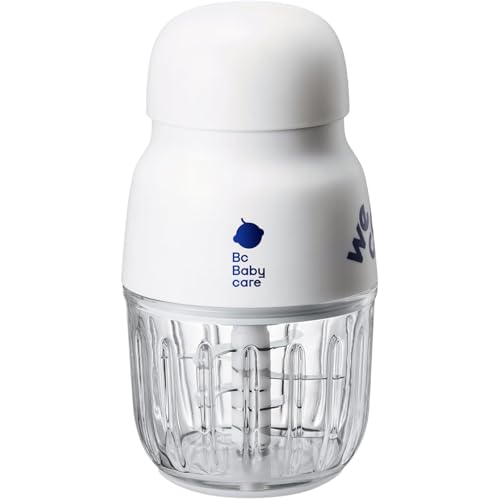
【High-Efficiency Food Processing】Equipped with a high-speed smashing motor, this baby food maker can chop fresh fruits, vegetables, meat, and more into nutrient-rich purees in just 8 seconds. Its 6-layer 8-blade design ensures ultra-fine textures for easy digestion and absorption by your baby's delicate stomach. For harder ingredients like potatoes or carrots, we recommend steaming them first and adding a small amount of water to achieve smoother results.

𝐒𝐚𝐯𝐞 𝐁𝐢𝐠, 𝐁𝐥𝐞𝐧𝐝 𝐖𝐞𝐥𝐥:This HEYVALUE Baby Gift Set comes with six baby food containers, a freezer tray, two silicone spoons, one silicone spatula, and baby food recipes, eliminating the need to buy them separately. It's a must-have for newborns!
Before You Start: Make Sure Your Baby Is Ready
Most babies are ready to begin solid foods around 6 months, but age alone is not the only sign. Your baby should be able to sit alone or with support, control their head and neck, open their mouth when food is offered, swallow food instead of pushing it back out, and move food from the front of the tongue toward the back to swallow. The CDC explains these readiness signs in its guide to when and how to introduce solid foods.
If your baby was born prematurely, has trouble swallowing, has poor weight gain, has severe eczema, has a known food allergy, or has a medical condition, ask your pediatrician before starting or changing textures.
Warning: Always supervise your baby while eating. Purées should match your baby’s stage, and any thicker food should be soft enough to mash easily between your fingers.
Choosing The Right Blender
Making baby food at home is easier with the right tool. You do not need an expensive baby food maker, but your blender should be able to turn soft cooked foods into an even texture without leaving hard pieces behind.
Recommended Products

𝗦𝘁𝗲𝗮𝗺𝗶𝗻𝗴 𝗮𝗻𝗱 𝗕𝗹𝗲𝗻𝗱𝗶𝗻𝗴 𝗶𝗻 𝗢𝗻𝗲: The height of the blender container is 4.13 inches, and the outer diameter is 4.17 inches.This GROWNSY baby food maker thoughtfully designed for babies 6 months+ during the weaning stage.It seamlessly combines steaming and blending in a single device, simplifying meal prep and eliminating the need for extra kitchen tools. The built-in sterilizer mode saves time and effort, giving you more precious moments with your baby.

Make fresh, delicious food with wholesome ingredients. You control exactly what goes in - no hidden stabilizers, preservatives, or flavor enhancers necessary.

【Baby Food Maker Set - The Perfect Gift】:This baby food maker kit includes: 1 baby food maker, 4 food storage containers, 1 freezing tray, 2 mini spatulas, 1 cleaning brush, and 1 user manual. Covering the entire process of making, storing, and feeding, it’s an excellent baby shower gift.
1. Consider The Size Of The Blender
Choose a blender that fits your kitchen space and your cooking style. A small personal blender or mini food processor works well for one or two servings. A full-size blender is better for batch cooking. An immersion blender is useful when you want to blend directly in a pot or measuring cup.
2. Check The Blender’s Power And Control
A stronger motor can help with fibrous foods like peas, spinach, or cooked meats, but power is not the only feature that matters. Look for pulse control, low-speed settings, and a jar shape that pulls food down toward the blades. These features help you avoid over-thinning the food just to get it moving.
3. Look For Durable, Food-Safe Materials
Stainless steel blades are durable and easy to clean. If you use plastic containers, choose food-safe, BPA-free options and avoid heating baby food in plastic when possible. Glass containers are sturdy and useful for reheating, but they are heavier and can break if dropped.
4. Prioritize Easy Cleaning
Choose removable parts when possible. Wash blender jars, lids, blades, spatulas, and storage containers with hot soapy water after every use. The FDA advises washing blenders, food processors, and utensils that touch baby food with detergent and hot water, then rinsing well.
5. Think About Noise And Timing
Some blenders are loud. If your baby naps nearby, prep ingredients earlier and blend when noise is less likely to disturb them. A quieter immersion blender can also help with small batches.
6. Keep Your Budget Practical
A good blender is helpful, but it does not have to be expensive. For very soft foods like banana, avocado, cooked sweet potato, or ripe pear, a fork may be enough. Spend more only if you plan to batch cook often or blend fibrous vegetables, grains, beans, and meats.

Credit: www.tiktok.com
Best Way To Blend Baby Food Step By Step
Use this simple method for most fruits, vegetables, grains, beans, and proteins.
Recommended Products

Effortless Meal Preparation: Streamline your baby's nutrition with our 3 Pack Silicone Freezer Tray. Batch prepare baby food, purees, breastmilk, and more for efficient and convenient meal planning.

12-Pack, Durable 4oz Glass Jars with Lids – KeaBabies Baby Food Jars Glass check all the right boxes for a reliable baby snack containers. Ideal for busy parents as baby food containers for prepping and storing homemade meals smoothly.

Premium Baby Food Storage Containers: The set has 8 food storage containers, 4 oz each. 8 colors, 1 of each color. There are many colors for easy differentiation of use and a large number to meet the daily needs of baby use. A pen can be used to write the name, date or other information on the lid to remind you what is inside the jar. Perfect for storing homemade baby food, solid baby food, fruit and vegetable purees, jams, etc
Step 1: Wash Your Hands, Tools, And Produce
Wash your hands before cooking. Clean the counter, cutting board, knife, blender, and storage containers. Rinse fruits and vegetables under running water before peeling or cutting. Good cleaning habits matter because young children are at higher risk for foodborne illness.
Step 2: Peel, Trim, And Remove Hazards
Remove tough peels, seeds, pits, bones, skin, gristle, and large strings. For foods like apples, carrots, zucchini, and sweet potatoes, cut pieces into similar sizes so they cook evenly.
Step 3: Cook Until Very Soft
Steam, roast, bake, or boil firm ingredients until they can be mashed easily with a fork. Steaming is a great default because it softens food without soaking it in water. Boiling is still fine when it is easier for you, especially if you use a little of the unsalted cooking liquid to thin the purée.
Step 4: Cool Slightly Before Blending
Let hot food cool for a few minutes before adding it to a blender. If you use a countertop blender, do not seal very hot food in the jar. Steam pressure can push the lid up. Work in small batches, start on low, and vent the lid if your blender manual allows it.
Step 5: Blend With A Small Amount Of Liquid
Add the cooked food to the blender with 1 to 2 tablespoons of liquid. Use breast milk, prepared formula, water, or unsalted cooking liquid. Blend until smooth. Add more liquid 1 tablespoon at a time until the purée is easy to swallow but not watery.
Step 6: Check The Texture
Spoon a little purée onto a clean spoon. For beginners, it should look smooth and slide off the spoon slowly. If you see skins, strings, or hard bits, blend longer or press the purée through a fine mesh sieve.
Step 7: Serve A Small Portion
Start with a small amount, such as half a spoonful to a teaspoon or two. Feed from a separate bowl, not from the full storage container. If saliva from the spoon touches the food, discard leftovers from that feeding bowl.
Step 8: Portion, Label, And Store
Spoon extra food into small airtight containers or silicone freezer trays. Label each portion with the food name and date. Chill or freeze promptly.
Pro Tip: Blend thicker than you think you need, then thin one serving at a time. This makes storage easier and helps you adjust texture as your baby grows.
Fresh Ingredients For Better Nutrition
Blending baby food at home gives you control over ingredients, texture, and variety. The goal is not perfection. The goal is safe, soft, nutrient-dense food that helps your baby learn new tastes and textures.
Choose Seasonal Fruits And Vegetables
Seasonal produce is often fresher, more flavorful, and more affordable. Good starter options include sweet potatoes, carrots, peas, apples, pears, zucchini, squash, bananas, and avocado. Wash all produce before using it, even if you plan to peel it.
Organic Is Optional, Not Required
Organic produce can be a good choice if it fits your budget, but it is not required for healthy baby food. The American Academy of Pediatrics notes that organic foods are not shown to be more nutritious than conventionally grown foods, though they may have lower pesticide residue levels. The most important step is offering a variety of fruits, vegetables, whole grains, and proteins, and washing produce well. You can read the AAP’s food safety guidance here: Food Safety and Children.
Include Iron-Rich Foods
As babies grow, iron-rich foods become important. Try puréed meats, poultry, fish with bones removed, lentils, beans, tofu, and iron-fortified infant cereals. Blend proteins with a little liquid to keep them moist and smooth.
Use Whole Grains And Soft Proteins
Oats, quinoa, barley, rice, lentils, beans, and soft-cooked meats can make purées more filling. Cook grains and proteins until very soft, then blend with vegetables or fruit. Avoid adding salt, sugar, honey, syrup, or adult sauces.
Optimal Consistency For Babies
Getting the right consistency is one of the most important parts of blending baby food. Texture should match your baby’s eating skills, not just their age. Some babies move quickly to thicker textures, while others need more time.
Texture Guide By Stage
| Stage | Texture | Examples |
|---|---|---|
| Starting solids | Smooth, thin purée with no lumps | Carrot purée, apple purée, avocado thinned with breast milk or formula |
| After smooth purées are accepted | Thicker purée or mashed food | Mashed sweet potato, thicker oatmeal, blended lentils |
| Developing chewing skills | Soft tiny lumps that mash easily | Fork-mashed banana, soft peas mashed flat, finely chopped cooked carrots |
| Ready for finger foods | Small, soft pieces | Soft pasta pieces, cooked potato cubes, finely chopped chicken, ripe fruit pieces |
How To Achieve Smooth Purees For Younger Babies
Start by steaming or boiling fruits and vegetables until very soft. Blend them with a little water, breast milk, or formula. Keep blending until the purée is silky and lump-free. Soft foods like bananas or avocados can be mashed with a fork, then thinned if needed.
- For extra smoothness, strain the purée through a fine mesh sieve.
- For fibrous foods like peas or green beans, blend longer and add liquid slowly.
- For proteins like chicken or beans, blend with broth, water, or vegetable purée to prevent dryness.
Transitioning To Chunkier Textures
Once your baby handles smooth purées well, blend for less time or mash with a fork to leave tiny, soft lumps. This helps your baby practice moving food around the mouth. The CDC notes that babies can move from smooth foods to thicker and lumpier foods as their eating ability develops.
What If Your Baby Refuses New Textures?
Refusals are normal. Offer the texture again another day without pressure. Try mixing a small amount of thicker mash into a familiar smooth purée. You can also make the texture thicker slowly over several meals instead of changing it all at once.
Consistency Adjustments For Different Foods
Some foods, like pears and zucchini, blend thin. Others, like potatoes, beans, and chicken, can become thick or sticky. Add liquid gradually, blend in short bursts, and stop to scrape down the sides. If a food becomes gluey, mix it with a wetter vegetable or fruit instead of adding too much liquid.
Credit: www.earthsbest.com
Foods And Drinks To Avoid Or Limit
Some ingredients are not safe or helpful for babies. The CDC’s guide to foods and drinks to avoid or limit lists several important reminders for infants and young children.
- No honey before 12 months. Honey can cause infant botulism in babies under 1 year old.
- Avoid added sugar. Skip syrup, honey, sweetened yogurt, sweetened applesauce, cookies, and dessert-style foods.
- Limit high-sodium foods. Do not add salt, and avoid processed meats, salty canned foods, and adult sauces.
- Do not use cow’s milk as a drink before 12 months. Yogurt and cheese without added sugar may be introduced earlier if appropriate for your baby.
- Avoid choking hazards. Do not serve whole grapes, nuts, popcorn, chunks of meat or cheese, hard raw vegetables, hot dog rounds, or thick globs of nut butter.
- Avoid unpasteurized foods and drinks. Skip raw milk, unpasteurized juice, and unpasteurized cheeses.
Warning: Never add honey to baby food, water, formula, or a pacifier for a child younger than 12 months.
Introducing New Foods And Allergens
At first, introduce one single-ingredient food at a time. Waiting 3 to 5 days between new foods can help you notice possible reactions such as rash, vomiting, diarrhea, swelling, or breathing trouble.
Potentially allergenic foods, such as egg, peanut, dairy, wheat, soy, fish, shellfish, tree nuts, and sesame, do not need to be delayed for most babies once they are ready for solids. Serve them in baby-safe forms: smooth thinned peanut butter, well-cooked egg, plain yogurt, or finely blended fish with bones removed. Never give whole nuts or thick spoonfuls of nut butter because they are choking hazards.
If your baby has severe eczema, an egg allergy, a previous reaction to food, or another allergy risk, talk with your pediatrician before introducing peanut or other allergenic foods. HealthyChildren.org has a helpful AAP-backed guide on introducing common food allergens.
Batch Cooking And Storage Tips
Batch cooking can save time, but baby food needs careful storage. Make small portions so you only thaw what your baby will eat.
How To Plan For Batch Cooking
Prepare two or three simple foods at once instead of making a huge batch of one flavor. For example, steam carrots, apples, and sweet potatoes, then blend them separately. This gives you more combinations and reduces waste if your baby suddenly refuses one food.
Choosing The Right Containers
Use silicone freezer trays, small glass jars, or BPA-free baby food containers. Choose small portions, such as 1 to 2 tablespoons for beginners or larger portions for older babies. Once frozen, transfer cubes to a labeled freezer bag or airtight container.
Label Everything
Write the food name and date on every container. “Peas – Oct 5” is easier to use than a mystery green cube. Rotate older batches first.
Safe Storage Times
FoodSafety.gov lists these storage times for puréed and solid baby foods:
| Food Type |
|---|