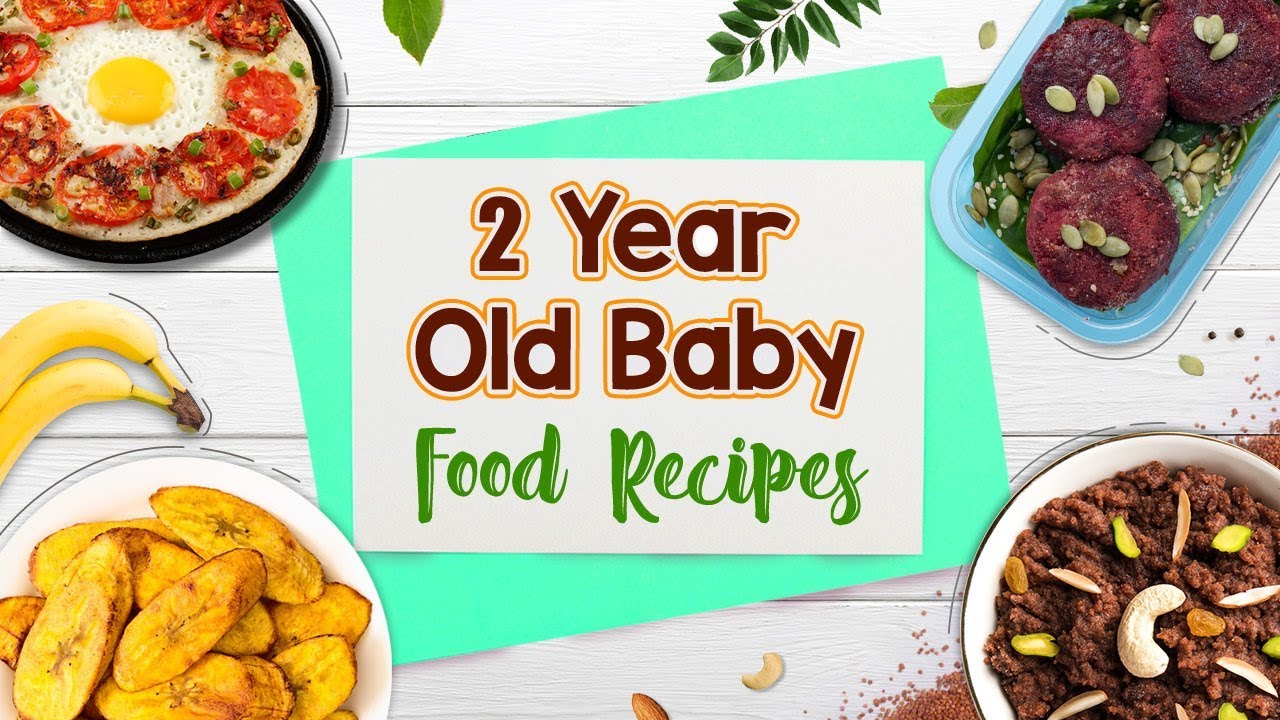
Best Baby Foods for 2-Year-Olds: What Your Toddler Will Love and Need Feeding a 2-year-old can feel like a daily puzzle. One day they love bananas; the next, they’re on the floor.
Sound familiar? You’re not alone. Finding the best baby foods for your little one doesn’t have to be a guessing game. You want meals that are nutritious, delicious, and—let’s be honest—something they’ll actually eat without a fight. But how do you strike the perfect balance between healthy and toddler-approved?
That’s exactly what this article is here to help you with. By the end, you’ll discover food options that not only meet your child’s nutritional needs but also make mealtimes smoother and more enjoyable. Keep reading—you’re just a few scrolls away from turning “What should I feed my toddler? ” Into “Wow, they’re eating it and loving it!”
Homemade Purees And Blends
Homemade purees and blends are excellent options for two-year-olds. They are fresh, nutritious, and free from artificial additives. Preparing these at home ensures you control the ingredients and flavors. This helps in introducing healthy eating habits at an early age.
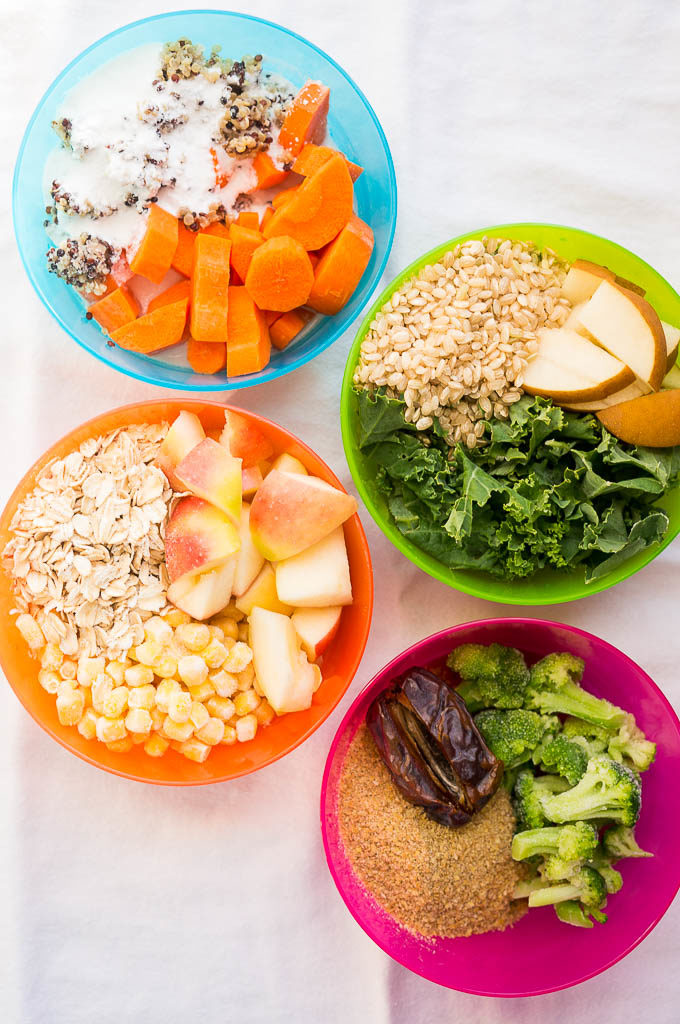
You can create endless combinations using fruits, vegetables, grains, and proteins. These blends are easy to make and can be stored for later. Below are some simple and healthy ideas for homemade purees and blends.
1. Sweet Potato And Carrot Puree
Sweet potatoes are rich in vitamins and gentle on little tummies. Combine them with carrots for added sweetness and nutrients. Steam both until soft, then blend with a little water or milk.
This puree is loaded with beta-carotene and is naturally sweet. Serve it warm as a side or a snack.
2. Banana And Avocado Blend
Bananas provide natural sweetness, while avocados add healthy fats. Mash both together until smooth or use a blender for a creamier texture.
This blend is perfect for breakfast or as a quick energy boost. It’s also great for improving their taste for healthy fats.
3. Apple And Spinach Puree
Apples bring sweetness, while spinach adds a nutrient punch. Steam the apples and blend them with fresh spinach leaves. Add a little water if needed for a smoother consistency.
This combination introduces greens in a kid-friendly way. Serve it as a standalone meal or mix it with oats.
4. Lentil And Vegetable Blend
Cooked lentils mixed with vegetables like zucchini or carrots make a hearty puree. Blend everything together with a touch of olive oil.
This blend is rich in protein and fiber, supporting healthy growth. It’s great for lunch or dinner and pairs well with rice.
5. Mango And Yogurt Mix
Mangoes bring a burst of natural sweetness, while yogurt adds probiotics. Blend the two until smooth for a creamy and delicious treat.
This mix is perfect as a dessert or a midday snack. It also promotes gut health in your little one.
6. Pear And Oatmeal Puree
Cook diced pears with a little water until soft. Blend them with cooked oatmeal for a wholesome meal.
This puree provides energy and is packed with fiber. Serve it warm for breakfast or as a filling snack.
Credit: www.kitschencat.com
Finger Foods For Independence
Finger foods help two-year-olds explore eating independently. At this age, they are developing motor skills and a sense of autonomy. Offering nutritious finger foods is a great way to support their growth and confidence during mealtime. These foods are easy to grab, chew, and digest, making them ideal for little hands and growing bodies.
Below are some healthy and tasty finger food ideas for your toddler. Each option is packed with nutrients and designed to encourage self-feeding.
Soft Fruits For Tiny Hands
Fruits like bananas, mangoes, and ripe pears are excellent choices. Slice them into small, bite-sized pieces for easy handling. They provide natural sweetness and are rich in vitamins. Avoid hard fruits or pieces that are too big to chew.
Cooked Vegetables For Healthy Snacking
Steamed carrots, sweet potatoes, and zucchini are soft and flavorful. Cut them into small sticks or cubes to make them easy to grab. These veggies are loaded with fiber and important nutrients for growth.
Cheese Cubes For Protein
Small cubes of soft cheese like mozzarella or cheddar are a great option. They offer protein and calcium, which are essential for strong bones. Make sure the pieces are bite-sized and not too hard.
Whole Grain Crackers
Whole grain crackers are perfect for little fingers. Choose options without added sugar or salt. Pair them with hummus or nut butter for an extra boost of flavor and nutrients.
Mini Pancakes Or Waffles
Make small, soft pancakes or waffles using whole grains. Cut them into small pieces for easy gripping. These are versatile and can be served plain or with fruit puree.
Hard-boiled Egg Slices
Hard-boiled eggs are a protein-rich finger food. Slice them into halves or quarters for toddlers to pick up. Eggs also contain healthy fats and vitamins essential for development.
Packaged Baby Food Options
When your 2-year-old is growing rapidly, packaged baby food can be a lifesaver during busy days. These options are convenient, often nutritious, and easy to carry when you’re on the go. But not all packaged foods are created equal—so how do you pick the best ones?
Organic Baby Food Pouches
Organic baby food pouches are a popular choice because they’re portable and mess-free. Look for brands like Plum Organics or Happy Tot, which offer blends of fruits, veggies, and grains without added sugar or preservatives. Check the label to ensure the pouch includes a mix of nutrients like fiber and protein—your toddler needs more than just fruit puree.
Does your little one have a favorite flavor? Apple-carrot or banana-spinach blends are often toddler-approved. Keep a few pouches in your bag for quick snacks or travel days.
Mini Toddler Meals
Packaged mini meals designed specifically for toddlers are another excellent option. Brands like Gerber and Earth’s Best offer meals with soft textures that are easy for tiny teeth to chew. Look for options that include veggies, whole grains, and proteins like chicken or beans.
Avoid meals with too much sodium—toddlers don’t need that extra salt. These can be a lifesaver on nights when cooking feels impossible or when your 2-year-old demands a second dinner!
Freeze-dried Snacks
Freeze-dried fruit and veggie snacks are a fun, crunchy option your toddler might love. They’re lightweight, shelf-stable, and preserve nutrients well. Brands like Sprout or Crunchies make freeze-dried strawberries, peas, and even sweet potato crisps.
Try offering these as a side snack with meals or during playtime. Just be sure the pieces are small enough to avoid choking hazards.
Dairy-based Packaged Foods
Dairy-based options like yogurt pouches or string cheese are nutritious and easy to pack for outings. Stonyfield Organic Kids and GoGo squeeZ yogurt pouches are favorites for many parents. These provide calcium and probiotics to support your child’s gut health and bone development.
Keep an eye on sugar content when choosing dairy snacks. Plain or lightly sweetened options are better for your toddler’s overall health.
Things To Watch Out For
Not all packaged baby foods are as healthy as they seem. Some contain hidden sugars, artificial flavors, or too much salt. Always read the ingredient list before buying.
Ask yourself: does this food add real value to my toddler’s diet? If it’s just empty calories, you’re better off skipping it.
Allergy-friendly Choices
Finding safe and nutritious foods for a 2-year-old can be challenging. This is especially true if your child has allergies. Allergy-friendly baby foods ensure your little one gets proper nutrition without risks. These options cater to common food sensitivities while offering delicious flavors. Here are some safe and tasty choices for your toddler.
Safe Dairy-free Alternatives
Dairy allergies can make meal planning tricky. Opt for fortified almond or oat milk as substitutes. These are rich in calcium and vitamin D. Coconut yogurt is another excellent choice. It’s creamy and packed with probiotics for gut health. Ensure the products are unsweetened to avoid added sugars.
Gluten-free Grains
Some toddlers are sensitive to gluten, which is found in wheat. Quinoa is a great gluten-free grain. It’s rich in protein and easy to cook. Brown rice and millet are also safe and gentle on small tummies. Use these grains in porridge or as a side dish.
Nut-free Protein Options
Nuts are common allergens, but there are safe alternatives. Try sunflower seed butter as a spread. It’s creamy, delicious, and high in healthy fats. Lentils and chickpeas are excellent protein sources too. Mash them into dips or soups for added nutrition.
Egg-free Breakfast Ideas
Eggs are another frequent allergen for toddlers. Chia seed pudding is a fantastic egg-free breakfast. It’s easy to prepare and packed with omega-3s. Pancakes made with applesauce or banana as a binder are also delicious. These options are soft and perfect for little hands.
Soy-free Snacks
Many snacks contain soy, which can trigger allergies. Choose rice cakes topped with avocado or hummus. These are healthy and filling for active toddlers. Fresh fruits and vegetables also make excellent soy-free snacks. Slice them into fun shapes to encourage eating.
Foods To Boost Immunity
Two-year-olds are constantly exploring, learning, and growing. Their immune systems need support to keep them healthy and energetic. Choosing the right foods can help strengthen their immunity. Nutrient-rich options packed with vitamins and minerals make a big difference. Here are some of the best immunity-boosting foods for your toddler.
Fruits Rich In Vitamin C
Fruits like oranges, strawberries, and kiwi contain high levels of Vitamin C. This vitamin supports the immune system and helps fight infections. Serve small slices or blend them into smoothies for easy consumption. These fruits also provide antioxidants to protect their developing cells.
Leafy Green Vegetables
Spinach, kale, and broccoli are excellent sources of vitamins and minerals. They are rich in Vitamin A, C, and E, all crucial for immunity. Steam or puree them to make them toddler-friendly. They also contain fiber, which aids digestion and overall health.
Yogurt With Probiotics
Yogurt contains probiotics that support gut health and immunity. Choose plain, unsweetened yogurt to avoid added sugars. Mix it with fruit or a drizzle of honey for flavor. Probiotics help maintain a healthy balance of bacteria in their digestive system.
Nuts And Seeds
Almonds, sunflower seeds, and chia seeds are packed with nutrients. They provide healthy fats, zinc, and Vitamin E, which boost immunity. Grind or blend them into smoothies or sprinkle them over meals. These tiny powerhouses are easy to include in various dishes.
Whole Grains
Whole grains like oats and quinoa are rich in B vitamins and fiber. These nutrients contribute to a strong immune system and steady energy levels. Prepare oatmeal or quinoa bowls with fruit toppings for a nutritious meal. Whole grains also support digestive health.
Eggs
Eggs are a great source of protein and essential vitamins. They contain Vitamin D, which is important for immune health. Scrambled, boiled, or cooked into pancakes, eggs are versatile and toddler-friendly. They also provide energy for active little ones.
Sweet Potatoes
Sweet potatoes are rich in beta-carotene, which converts to Vitamin A. This vitamin helps protect against infections and supports overall immunity. Mash or bake them for a soft and tasty meal option. They are naturally sweet and loved by toddlers.
Credit: www.prwe.com
Tips For Picky Eaters
Feeding a picky 2-year-old can feel like a daily challenge. Many parents worry their child isn’t eating enough or getting proper nutrition. The good news is there are simple strategies to make mealtime easier. Below are practical tips that can help encourage your little one to enjoy a variety of baby-friendly foods.
Offer Small Portions
Large servings can overwhelm picky eaters. Serve bite-sized portions instead. This reduces mealtime stress and encourages them to try new foods. If they want more, they can always ask.
Make Food Fun
Turn meals into a playful experience. Use cookie cutters to shape fruits and sandwiches. Arrange colorful foods into fun patterns or faces on the plate. Kids are more likely to eat what looks exciting.
Mix New With Familiar
Introduce new foods alongside their favorites. For example, pair a new vegetable with pasta they already love. This makes them feel comfortable while exploring new tastes.
Stick To A Schedule
Offer meals and snacks at the same times each day. This helps them know when to expect food. A steady routine can improve their appetite and reduce resistance.
Avoid Forcing Them To Eat
Pressuring kids to eat often backfires. Let them decide how much they want to eat. Respect their hunger cues to create a positive mealtime atmosphere.
Be A Role Model
Kids mimic what they see. Eat a variety of healthy foods in front of them. They are more likely to try something if they see you enjoying it.
Limit Distractions
Turn off screens and toys during meals. A calm, distraction-free environment helps them focus on eating. This also encourages better communication at the table.
Celebrate Small Wins
Cheer them on for trying a new food, even a tiny bite. Positive reinforcement builds confidence and encourages them to keep trying.

Credit: www.pinterest.com
Frequently Asked Questions
What Is The Best Food For A 2 Year Old Baby?
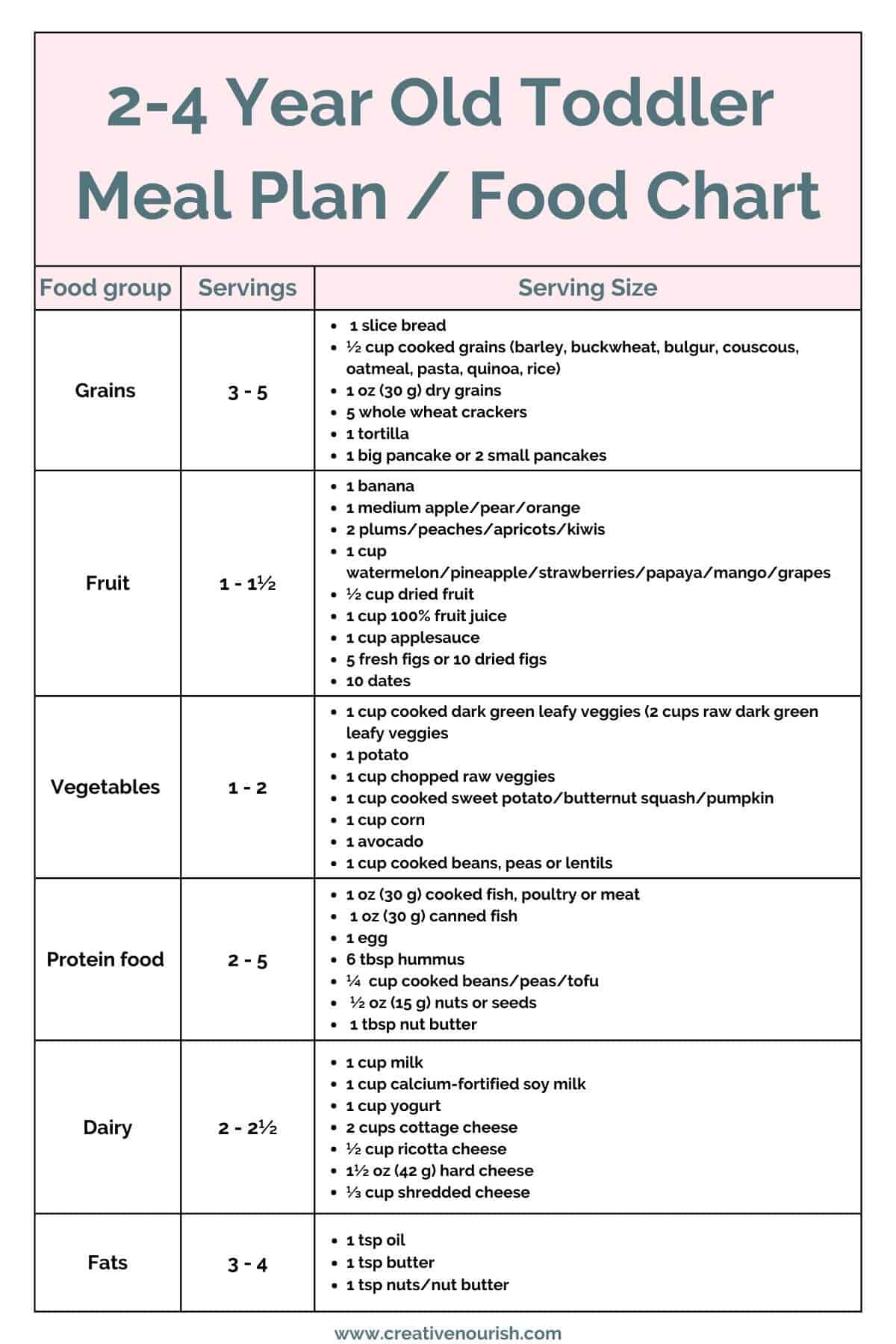
A balanced diet is best for a 2-year-old. Include fruits, vegetables, whole grains, lean proteins, and dairy. Serve small portions, avoid added sugars, and ensure meals are nutrient-rich. Offer finger foods for easy eating and encourage hydration with water. Always consult a pediatrician for specific dietary needs.
Should A 2 Year Old Still Be Eating Baby Food?
A 2-year-old can transition to regular table food. Offer soft, small pieces of nutritious meals suitable for their age.
What Should My 2 Year Old Be Eating Daily?
A 2-year-old should eat fruits, vegetables, whole grains, lean proteins, and dairy daily. Offer small, balanced meals and snacks. Avoid added sugars, excessive salt, and highly processed foods. Provide water and whole milk for hydration. Encourage variety to ensure essential nutrients for growth and development.
Is There Anything A 2 Year Old Should Not Eat?
A 2-year-old should avoid choking hazards like whole nuts, popcorn, hard candies, and large chunks of raw vegetables. Limit sugary snacks, honey (risk of botulism), and high-sodium foods. Avoid unpasteurized dairy, undercooked eggs, and raw seafood to prevent foodborne illnesses.
Always cut food into small, manageable pieces.
Conclusion
Choosing the best foods for your 2-year-old is important. Healthy options support growth, energy, and development. Focus on fresh fruits, vegetables, whole grains, and proteins. Avoid processed snacks and sugary treats whenever possible. Always keep variety in mind to balance nutrition.
Pay attention to your child’s preferences and food sensitivities. Meal planning can make this process easier and less stressful. Small, nutritious meals throughout the day work best for toddlers. Remember, healthy eating habits start early. With these tips, you’re setting up your little one for a strong foundation.