Best Baby Foods for 2-Year-Olds: Nutritious Toddler Meals They’ll Actually Eat
Last updated: June 9, 2026
Feeding a 2-year-old can feel like a daily puzzle. One day they love bananas; the next day, they refuse them before the plate even reaches the table.
Sound familiar? You’re not alone. At this age, most toddlers are moving away from traditional baby food and learning to eat soft, safe table foods. The best baby foods for 2-year-olds are really toddler-friendly meals: nutritious, easy to chew, simple to serve, and familiar enough that your child may actually try them.
This guide covers homemade purees, finger foods, packaged options, allergy-friendly ideas, immune-supporting foods, picky eater tips, and safety notes. Use it to build meals that support growth while keeping mealtime realistic for busy parents.
Quick Toddler Food Picks
| Need | Good Food Options | Why It Helps |
|---|---|---|
| Easy breakfast | Oatmeal with pear, banana with yogurt, mini whole-grain pancakes | Soft texture, steady energy, and toddler-friendly flavor |
| Protein boost | Egg slices, lentils, chickpeas, soft cheese, yogurt | Supports growth, fullness, and muscle development |
| Finger foods | Soft fruit pieces, steamed vegetables, cheese cubes, small waffle pieces | Encourages self-feeding and motor skill practice |
| Busy-day snacks | Plain yogurt pouches, freeze-dried fruit, whole grain crackers, fruit-and-vegetable pouches | Convenient options for travel, daycare, or errands |
| Picky eating | Small portions, familiar foods paired with new foods, fun shapes | Reduces pressure and makes new foods less intimidating |
Recommended Products

Quality Design: This baby food processor is made from premium food-grade glass bowls, 8 stainless steel blades, and BPA-free food-grade plastic (PP). Baby Food Puree Maker Make Fresh and Nutritious Meals for Your Little One, It guarantees that every meal is clean and healthy for your baby. Pay attention: please remove the blade covers before use.
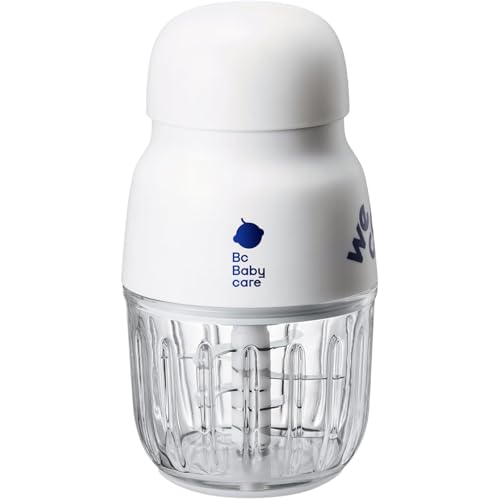
【High-Efficiency Food Processing】Equipped with a high-speed smashing motor, this baby food maker can chop fresh fruits, vegetables, meat, and more into nutrient-rich purees in just 8 seconds. Its 6-layer 8-blade design ensures ultra-fine textures for easy digestion and absorption by your baby's delicate stomach. For harder ingredients like potatoes or carrots, we recommend steaming them first and adding a small amount of water to achieve smoother results.

𝐒𝐚𝐯𝐞 𝐁𝐢𝐠, 𝐁𝐥𝐞𝐧𝐝 𝐖𝐞𝐥𝐥:This HEYVALUE Baby Gift Set comes with six baby food containers, a freezer tray, two silicone spoons, one silicone spatula, and baby food recipes, eliminating the need to buy them separately. It's a must-have for newborns!
Homemade Purees And Soft Blends
Homemade purees and blends can still be useful for two-year-olds, especially when served with foods they can chew and pick up. They are fresh, flexible, and free from unnecessary additives when prepared at home. They also let you control texture, sweetness, and ingredients.
For a toddler, purees should not be the only texture offered. Use them as dips, sides, smoothie bases, oatmeal toppings, or soft meals while continuing to serve safe finger foods.
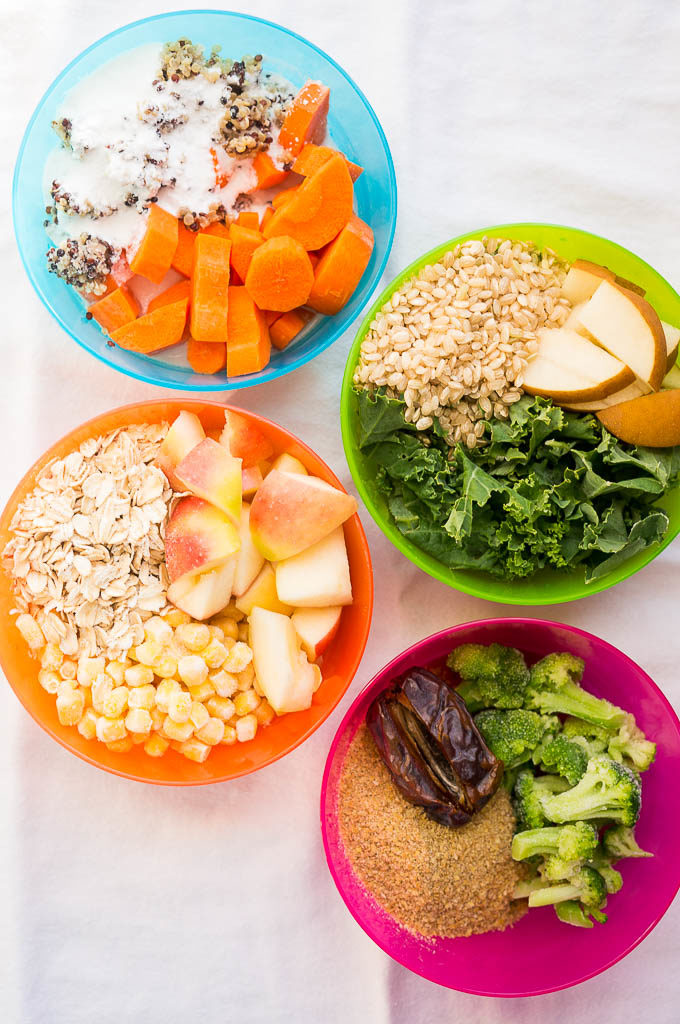
1. Sweet Potato And Carrot Puree
Sweet potatoes are naturally sweet and soft after cooking. Combine them with carrots for added color and nutrients. Steam both until tender, then blend with a little water, breast milk, formula, whole milk, or an age-appropriate milk alternative.
This puree works well as a side dish, a toast spread, or a base for rice and lentils. Serve it warm and make the texture slightly thicker if your child is ready for more chewing practice.
2. Banana And Avocado Blend
Bananas provide natural sweetness, while avocados add healthy fats. Mash both together with a fork for a slightly chunky texture, or blend for a smoother consistency.
This blend is useful for breakfast or a quick snack. It can also be spread thinly on toast strips or served with small soft fruit pieces.
3. Apple And Spinach Puree
Apples bring sweetness, while spinach adds greens in a mild way. Steam peeled apple pieces until soft, then blend with fresh spinach leaves. Add a small amount of water if needed.
Serve it on its own, mix it into oatmeal, or spoon it over plain yogurt. Avoid relying on fruit-heavy blends alone; adding oats, yogurt, or nut-free protein options makes the snack more filling.
4. Lentil And Vegetable Blend
Cooked lentils mixed with soft vegetables like zucchini, carrots, or sweet potato make a hearty toddler meal. Blend lightly with a touch of olive oil, or mash with a fork for more texture.
This blend provides protein and fiber. It works well for lunch or dinner and can be served with rice, soft pasta, or small pieces of whole-grain bread.
5. Mango And Yogurt Mix
Mango adds natural sweetness, while plain yogurt adds protein, calcium, and probiotics. Blend ripe mango with unsweetened yogurt for a creamy snack.
Choose plain yogurt when possible to limit added sugar. If your child has a dairy allergy, use an appropriate fortified dairy-free yogurt and confirm ingredients with your pediatrician or dietitian.
6. Pear And Oatmeal Puree
Cook diced pears with a little water until soft. Blend or mash them with cooked oatmeal for a warm, filling meal.
This option provides fiber and steady energy. It is especially useful for breakfast or as a snack before a long nap or outing.
Credit: www.kitschencat.com
Finger Foods For Independence
Finger foods help two-year-olds practice eating independently. At this age, toddlers are developing motor skills, confidence, and food preferences. The best finger foods are soft, easy to hold, and cut into safe sizes.
Always supervise meals and snacks. Cut round foods lengthwise, avoid hard pieces, and make sure textures are soft enough for your toddler to chew.
Recommended Products

PLUM TODDLER FOOD: Organic toddler food for 12 months and older; Perfect on the go snacks for kids

PLUM TODDLER FOOD: Organic toddler food for 12 months and older; Perfect on the go snacks for kids

PLUM TODDLER FOOD: Organic toddler food for 12 months and older; Perfect on the go snacks for kids
Soft Fruits For Tiny Hands
Fruits like bananas, mangoes, ripe pears, peaches, and soft berries are excellent choices. Slice them into small, bite-sized pieces for easy handling. They provide natural sweetness and useful vitamins.
Avoid hard fruit chunks or large round pieces. Grapes and cherry tomatoes should be cut lengthwise into quarters to reduce choking risk.
Cooked Vegetables For Healthy Snacking
Steamed carrots, sweet potatoes, peas, broccoli florets, and zucchini are soft and flavorful. Cut them into small sticks or cubes so they are easy to grab.
Cook vegetables until they can be squashed between your fingers. This makes them safer and easier for toddlers to manage.
Cheese Cubes For Protein
Small cubes or thin strips of soft cheese like mozzarella or cheddar can be a good option for toddlers who tolerate dairy. Cheese provides protein and calcium, which support growth and bones.
Keep pieces small and avoid very hard cheese chunks. If your child has a dairy allergy or lactose intolerance, choose an appropriate alternative with guidance from a healthcare professional.
Whole Grain Crackers
Whole grain crackers are easy for little fingers to hold. Choose options with minimal added sugar and lower sodium when possible.
Pair crackers with hummus, mashed avocado, yogurt dip, or a thin layer of nut or seed butter. Avoid thick spoonfuls of nut butter because they can be difficult for toddlers to swallow safely.
Mini Pancakes Or Waffles
Small, soft pancakes or waffles made with whole grains can be served at breakfast or snack time. Cut them into small pieces for easy gripping.
Serve them plain, with fruit puree, or with a small amount of yogurt. Avoid syrup-heavy servings, which add a lot of sugar without much nutrition.
Hard-boiled Egg Slices
Hard-boiled eggs are a protein-rich finger food. Slice them into halves, quarters, or small pieces so toddlers can pick them up safely.
Eggs also provide healthy fats and important nutrients. If your child has an egg allergy, skip this option and ask your pediatrician about safe protein alternatives.
Packaged Baby Food Options For Busy Days
Packaged baby food can be helpful when your 2-year-old needs a quick snack or meal outside the house. These options are convenient, portable, and often easy for toddlers to eat. The key is choosing products that add real nutrition instead of mostly sugar or filler.
Since this article does not include verified product links or current Amazon listings, treat the brand examples below as category examples only. Always read the label before buying and confirm ingredients for allergies.
Recommended Products

Snacks That Hit the Spot – Light, crispy, and irresistibly gooey, Blake’s seed based crispy rice treats reimagine the classic snack bar with real ingredients and a feel-good twist, making school lunches, cravings & break times easier (and tastier)

ORGANIC SNACKS FOR KIDS: Playful Sesame Street characters, crunchy textures, and yummy vegetable flavors come together to make these snacks fun for your little one

ORGANIC SNACKS FOR KIDS: Playful Sesame Street characters, yummy organic fruit flavors, and interactive back-of-box games make these Sunny Days Snack Bars fun for your little one
Organic Baby Food Pouches
Organic baby food pouches are popular because they’re portable and mess-free. Look for fruit, vegetable, grain, and protein blends without added sugar or unnecessary preservatives. A pouch that includes only fruit puree may be fine occasionally, but it should not replace balanced meals.
Apple-carrot, banana-spinach, pear-pea, or fruit-and-oat blends are often toddler-friendly. Keep a few pouches in your bag for travel days, errands, or backup snacks.
Mini Toddler Meals
Packaged mini meals designed for toddlers can be useful on nights when cooking is not realistic. Look for meals with vegetables, whole grains, and proteins such as chicken, beans, lentils, or turkey.
Check sodium carefully. Toddlers do not need heavily salted meals, and many packaged foods contain more sodium than parents expect.
Freeze-dried Snacks
Freeze-dried fruit and vegetable snacks are lightweight, shelf-stable, and crunchy. Options like strawberries, peas, apples, and sweet potato pieces can be fun for toddlers.
Make sure pieces are small enough and easy to chew. Some freeze-dried foods can become sticky in the mouth, so supervise your toddler while eating.
Dairy-based Packaged Foods
Yogurt pouches, yogurt cups, and string cheese can be convenient sources of protein and calcium. Choose plain or lightly sweetened options when possible.
Keep an eye on added sugar. Many toddler-marketed snacks look healthy but contain sweeteners that can add up quickly across the day.
Things To Watch Out For
Not all packaged baby foods are as healthy as they seem. Some contain hidden sugars, artificial flavors, or too much salt. Always read the ingredient list before buying.
Ask yourself: does this food add protein, fiber, healthy fat, fruit, vegetables, or whole grains? If it is mostly empty calories, keep it as an occasional treat rather than a daily staple.
Allergy-friendly Choices
Finding safe and nutritious foods for a 2-year-old can be challenging if your child has allergies. Allergy-friendly toddler foods should avoid known triggers while still offering enough protein, fat, fiber, vitamins, and minerals.
Always follow your pediatrician’s or allergist’s advice. Food allergies can be serious, and ingredient labels can change.
Safe Dairy-free Alternatives
Dairy allergies can make meal planning tricky. Fortified oat milk, soy milk, pea-protein milk, or other pediatrician-approved alternatives may help fill nutrition gaps. Some almond milks are low in protein, so check the label before relying on them.
Coconut yogurt can be creamy and useful for snacks, but it may not provide the same protein as dairy yogurt. Choose unsweetened fortified options when possible.
Gluten-free Grains
Some toddlers need to avoid gluten due to celiac disease or confirmed sensitivity. Quinoa is a gluten-free grain-like option that contains protein and cooks quickly. Brown rice, millet, buckwheat, and certified gluten-free oats can also work well.
Use these grains in porridge, soft bowls, soups, or side dishes. Choose certified gluten-free products when cross-contact is a concern.
Nut-free Protein Options
Nuts are common allergens, but there are safe alternatives for many families. Sunflower seed butter can be used as a spread if your child tolerates seeds. Lentils, chickpeas, beans, eggs, meat, poultry, fish, yogurt, and tofu may also provide protein depending on your child’s allergy profile.
Serve spreads thinly and avoid whole nuts, which are a choking hazard for toddlers.
Egg-free Breakfast Ideas
Eggs are another frequent allergen for toddlers. Chia seed pudding can be an egg-free breakfast when prepared with an age-appropriate milk or milk alternative. Pancakes made with mashed banana or applesauce as a binder can also be soft and easy to eat.
Pair egg-free breakfasts with fruit, yogurt alternatives, or a protein-rich side so the meal is more filling.
Soy-free Snacks
Many packaged snacks contain soy, which can trigger allergies in some children. Rice cakes topped with mashed avocado, hummus, or thin seed butter can be filling options if those ingredients are safe for your child.
Fresh fruits and soft cooked vegetables also make simple soy-free snacks. Slice them into safe shapes and sizes to encourage eating.
Foods To Support Immunity
Two-year-olds are constantly exploring, learning, and growing. Their immune systems benefit from a varied diet that includes fruits, vegetables, protein foods, whole grains, healthy fats, and enough fluids.
No single food can prevent illness, but nutrient-rich meals can support normal immune function and overall health.
Fruits Rich In Vitamin C
Fruits like oranges, strawberries, kiwi, mango, and cantaloupe contain vitamin C. Serve small slices, soft pieces, or blended smoothies depending on your toddler’s chewing ability.
These fruits also provide antioxidants and fiber. For younger toddlers, remove seeds, peel tough skins, and cut pieces small.
Leafy Green Vegetables
Spinach, kale, and broccoli contain vitamins and minerals that support a healthy diet. Steam, finely chop, puree, or mix them into eggs, pasta, rice, soups, or smoothies.
If your toddler rejects greens, keep offering tiny portions without pressure. Repeated exposure often matters more than one perfect serving.
Yogurt With Probiotics
Yogurt contains live cultures that may support gut health. Choose plain, unsweetened yogurt when possible, and add fruit for flavor.
If your child cannot have dairy, look for fortified dairy-free yogurts with live cultures and check the protein content.
Nuts And Seeds
Nut and seed butters can provide healthy fats, zinc, and vitamin E when your child is not allergic. Serve them thinly spread on toast, stirred into oatmeal, or blended into smoothies.
Do not serve whole nuts to toddlers because they are a choking hazard. Chia seeds and ground flaxseed can be mixed into soft foods in small amounts.
Whole Grains
Whole grains like oats, quinoa, brown rice, and whole wheat bread provide fiber and steady energy. They can help make snacks and meals more filling.
Try oatmeal with fruit, quinoa bowls with soft vegetables, or small pieces of whole-grain toast with avocado or yogurt dip.
Eggs
Eggs are a versatile source of protein and important nutrients. Scrambled, boiled, or cooked into pancakes, they can be easy for toddlers to eat.
Cook eggs fully and cut them into safe pieces. Skip eggs if your child has an allergy or has been advised to avoid them.
Sweet Potatoes
Sweet potatoes contain beta-carotene, which the body can convert to vitamin A. They are naturally sweet and soft when cooked.
Mash, roast, or bake them, then cut into small pieces. They work well as a side dish, finger food, or puree base.
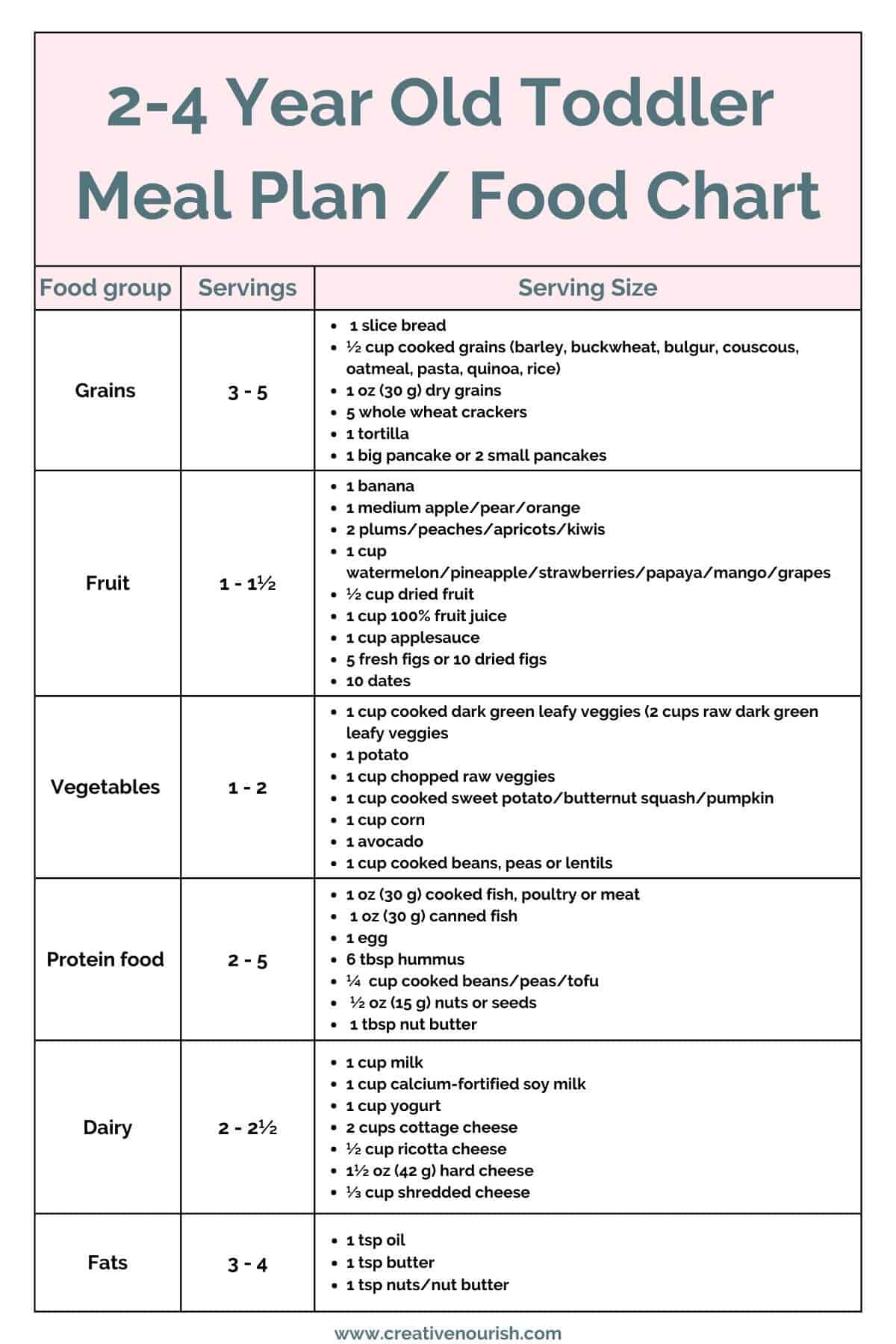
Credit: www.prwe.com
Toddler Food Safety Tips
Food safety matters as much as nutrition. Two-year-olds are better chewers than babies, but they still need foods prepared in safe sizes and textures.
- Cut round foods like grapes, cherry tomatoes, and sausages lengthwise into small pieces.
- Avoid whole nuts, popcorn, hard candy, large raw vegetable chunks, and thick spoonfuls of nut butter.
- Cook eggs, meat, poultry, and seafood thoroughly.
- Avoid unpasteurized milk, unpasteurized cheese, and raw seafood.
- Serve toddlers seated and supervised during meals and snacks.
- Offer water regularly and limit sugary drinks.
Tips For Picky Eaters
Feeding a picky 2-year-old can feel like a daily challenge. Many parents worry their child isn’t eating enough or getting proper nutrition. The good news is that small, steady changes can make mealtime easier.
Offer Small Portions
Large servings can overwhelm picky eaters. Serve bite-sized portions instead. A tablespoon or two is enough for a first serving, and your child can ask for more.
Make Food Fun
Use simple shapes, colorful foods, or small divided plates to make meals more inviting. You do not need complicated designs. Even banana circles, toast strips, and bright berries can make a plate feel more approachable.
Mix New With Familiar
Introduce new foods alongside foods your child already accepts. For example, serve a small amount of a new vegetable next to pasta, rice, yogurt, or fruit.
Stick To A Schedule
Offer meals and snacks at predictable times. A steady routine can improve appetite because toddlers learn when food is coming.
Avoid Forcing Them To Eat
Pressuring kids to eat often backfires. Let your child decide how much to eat from the foods you provide. This helps protect mealtime from becoming a power struggle.
Be A Role Model
Kids often copy what they see. Eat a variety of foods in front of them and keep your tone relaxed when offering new items.
Limit Distractions
Turn off screens and put toys away during meals when possible. A calmer table helps toddlers focus on eating and family conversation.
Celebrate Small Wins
Praise small steps, such as touching, smelling, licking, or tasting a new food. A tiny bite still counts as progress.

Credit: www.pinterest.com
Frequently Asked Questions
What Is The Best Food For A 2 Year Old Baby?
A balanced diet is best for a 2-year-old. Include fruits, vegetables, whole grains, lean proteins, and dairy or fortified alternatives. Serve small portions, limit added sugars and excess salt, and choose foods that are easy to chew. Always consult a pediatrician for specific dietary needs.
Should A 2 Year Old Still Be Eating Baby Food?
Most 2-year-olds can transition to regular table food cut into soft, small, manageable pieces. Smooth purees can still be used as part of meals, but they should not replace opportunities to practice chewing and self-feeding.
What Should My 2 Year Old Be Eating Daily?
A 2-year-old should eat a variety of fruits, vegetables, whole grains, protein foods, and dairy or fortified alternatives each day. Offer small, balanced meals and snacks. Provide water regularly and avoid too much juice, added sugar, excess salt, and highly processed foods.
Is There Anything A 2 Year Old Should Not Eat?
A 2-year-old should avoid choking hazards like whole nuts, popcorn, hard candies, whole grapes, large chunks of raw vegetables, and spoonfuls of thick nut butter. Avoid unpasteurized dairy, undercooked eggs, and raw seafood to reduce foodborne illness risk.
Always cut food into small, manageable pieces.
Conclusion
Choosing the best foods for your 2-year-old is about balance, safety, and consistency. Fresh fruits, soft vegetables, whole grains, protein foods, dairy or fortified alternatives, and healthy fats all help support growth and energy.
Use purees as part of the meal, not the whole meal. Add safe finger foods so your toddler can practice chewing and self-feeding. Keep portions small, avoid pressure, and continue offering variety even when your child says no. Healthy eating habits are built over time, one realistic meal at a time.