Starting solids can feel exciting and confusing at the same time. Your baby still needs breast milk or formula, but milk alone may not meet every need as your baby grows.
Solid foods help your baby get key nutrients, practice chewing, explore new textures, and join family meals. This guide explains why solids matter, what benefits they offer, and how you can make mealtimes safe and positive.
What’s in This Article
Quick Answer
Babies need solids because their bodies need more nutrients as they grow, especially iron and zinc. Solids also help your baby practice chewing, swallowing, hand control, and taste exploration. Most babies start solids around 6 months, while breast milk or formula still remains their main source of nutrition.
Key Takeaways
- Start solids when your baby shows readiness signs, usually around 6 months.
- Offer iron-rich foods early to support growth and brain development.
- Use soft textures and safe shapes to help your baby practice chewing.
- Serve many flavors over time to build comfort with different foods.
- Keep breast milk or formula in your baby’s diet during the transition.
Recommended Products

INFANT NUTRITION: This organic whole grain cereal is fortified with iron to offer nutritional support as your baby transitions to eating solid foods
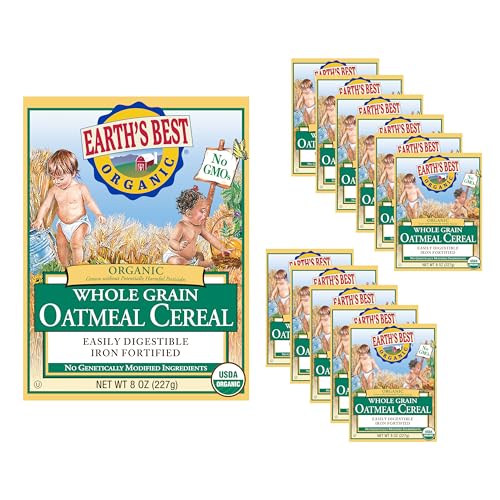
4+ MONTHS FIRST FOODS: Easily digestible infant cereal for babies transitioning from formula or breast milk to solid foods

INFANT NUTRITION: This organic whole grain cereal is fortified with iron to offer nutritional support as your baby transitions to eating solid foods
Nutritional Growth
Introducing solids marks a key step in your baby’s growth. Breast milk or formula gives excellent nutrition early in life. As your baby grows, their body needs more nutrients and energy.
Solids help fill nutrition gaps that milk alone may not cover. They give your baby fuel for movement, learning, and healthy development.
Essential Vitamins And Minerals
Your baby needs many vitamins and minerals for healthy growth. Iron, zinc, and calcium play major roles during this stage. Iron supports brain growth and helps prevent iron deficiency anemia.
Zinc supports immune function and tissue repair. Calcium helps build strong bones and teeth. Iron-fortified infant cereal, beans, meats, vegetables, and fruit can all support a balanced diet.
Building Healthy Eating Habits
Early exposure to solids helps your baby build comfort with food. Offer different tastes and textures as your baby becomes ready. This can help reduce food refusal later.
Natural, simple foods can shape healthy food preferences. Your baby learns that meals can include many colors, smells, and textures.
Meeting Increased Energy Needs
As your baby grows, their energy needs rise. Solids add calories that help support crawling, playing, and learning. Breast milk or formula still matters, but solids become more important over time.
Soft, energy-rich foods like mashed sweet potato, avocado, and full-fat plain yogurt can help. Serve foods in safe textures that match your baby’s stage.
Supporting Brain Development
The first year brings fast brain growth. Nutrients such as iron, zinc, choline, and omega-3 fats help support this process. Offer a range of nutrient-rich foods as your baby learns to eat.
Eggs, fish, meats, beans, and fortified cereals can all play a role. Avoid large pieces, hard foods, and choking hazards.

Credit: boobtofood.com
Developing Taste Preferences
Introducing solids does more than fill your baby’s tummy. It helps shape food preferences and eating habits. What your baby tastes now can affect what they accept later.
Understanding The Role Of Variety
Babies learn through repeated exposure. Offer a variety of vegetables, fruits, grains, proteins, and healthy fats. Start small, but stay consistent.
You could offer mashed carrots one day and pureed peas another day. This gentle variety helps your baby build a broader palate.
Why Early Exposure Matters
Your baby’s taste buds adapt through practice. This stage gives you a good chance to introduce mild, bitter, tangy, and earthy flavors. Plain yogurt, lentils, peas, and soft cooked vegetables can all help.
Don’t worry if your baby makes faces or spits out food. Many babies need several tries before they accept a new taste.
Balancing Familiar And New
Babies often feel safer with foods they know. Pair a new food with one your baby already likes. For example, mix spinach puree with sweet potato mash.
This approach makes new flavors feel less strange. It also teaches your baby that foods can have mixed tastes and textures.
Encouraging Healthy Choices Early
The foods you serve now help shape your baby’s future food habits. When your baby gets used to whole foods early, healthier choices may feel more normal later. Keep added sugar and salty foods out of your baby’s routine.
Small choices add up. Each taste gives your baby a chance to learn.
Are You Ready To Shape Their Palate?
Every bite helps your baby explore food. Let your baby try many safe flavors at a calm pace. Stay patient and keep meals low pressure.
Your effort now can support a healthier relationship with food. Make mealtime warm, simple, and curious.
Recommended Products

【100% Silicone SAFE NON-TOXIC 】 Our baby spoons & forks are BPA-free, BPS-free, PVC-free, phthalate-free, cadmium-free and lead-free

DESIGNED FOR LITTLE HANDS AGES 6 TO 18 MONTHS This clever Pre-Spoon, tailored for tiny hands, eliminates scooping and balancing struggles. Best of all, there is no wrong way to hold it, thanks to its secret: a thick contoured handle that provides a secure, no-slip grip. Ideal for use at home, daycare, or even while traveling so your baby can practice mealtime skills anywhere.

DESIGNED FOR LITTLE HANDS AGES 6 TO 18 MONTHS This clever Pre-Spoon, tailored for tiny hands, eliminates scooping and balancing struggles. Best of all, there is no wrong way to hold it, thanks to its secret: a thick contoured handle that provides a secure, no-slip grip. Ideal for use at home, daycare, or even while traveling so your baby can practice mealtime skills anywhere.
Building Chewing Skills
Watching your baby take a first bite of solid food feels exciting. Solids also help your baby build important chewing skills. These skills support eating, speech, and oral development.
What Are Chewing Skills And Why Do They Matter?
Chewing does more than break food into smaller pieces. It helps strengthen the muscles in your baby’s mouth and jaw. These muscles also support speech sounds and oral control.
Without practice, your baby may struggle with textured foods. This can make meals harder and delay the move toward family foods.
How Solids Help Babies Learn To Chew
Soft purees can work well at the start. As your baby grows, thicker and lumpier textures help the mouth work in new ways. Mashed avocado, soft banana, and well-cooked vegetables can encourage jaw movement.
Gradually offer more textures as your baby handles them well. Try shredded chicken, soft pasta, or tender cooked vegetables in safe sizes.
Signs Your Baby Is Ready To Practice Chewing
Look for signs before you start. Your baby should sit with good head and neck control, show interest in food, and open their mouth for a spoon. These signs suggest your baby may handle solids safely.
Every baby moves at a different pace. Follow your baby’s cues and avoid forcing bites.
Tips For Encouraging Chewing
Start with soft foods your baby can mash with their gums. Offer small, safe pieces when your baby can handle finger foods. Good options include soft-cooked carrots, scrambled eggs, ripe mango, and avocado.
Sit with your baby during meals. Babies learn by watching you chew and swallow. Stay close so you can respond right away if your baby coughs, gags, or struggles.
Warning: Avoid whole grapes, nuts, popcorn, hard raw vegetables, chunks of meat, and other choking hazards.
Could Skipping Chewing Practice Affect Your Baby?
Skipping textures for too long may make some babies less comfortable with chewing. It can also make certain textures feel harder to accept later. Offer new textures step by step to build confidence.
Chewing practice also supports mouth strength and coordination. Each safe bite helps your baby build a skill they will use every day.
Recommended Products

DESIGNED FOR LITTLE HANDS AGES 6 TO 18 MONTHS This clever Pre-Spoon, tailored for tiny hands, eliminates scooping and balancing struggles. Best of all, there is no wrong way to hold it, thanks to its secret: a thick contoured handle that provides a secure, no-slip grip. Ideal for use at home, daycare, or even while traveling so your baby can practice mealtime skills anywhere.

【100% Silicone SAFE NON-TOXIC 】 Our baby spoons & forks are BPA-free, BPS-free, PVC-free, phthalate-free, cadmium-free and lead-free

Master Utensils Effortlessly - As your baby transitions to solid food and self-feeding, these spoons will come as a game changer for little hands to get the hang of utensils like a breeze! Best for first stage starters (teething infants) and toddlers, too.
Enhancing Motor Coordination
Eating solids helps your baby practice more than feeding. It builds motor skills that support movement, focus, and independence. Mealtime gives your baby hands-on practice many times a day.
Building Hand-Eye Coordination
When your baby picks up banana or reaches for a spoon, they practice hand-eye coordination. This skill grows through repeated effort. Each successful bite helps your baby connect sight, reach, and movement.
Offer small, soft foods that your baby can grasp. Steamed carrot sticks and soft avocado pieces can help your baby practice grip and aim.
Strengthening Finger Dexterity
Solid foods give your baby a real reason to use their fingers. Over time, your baby may start using the pincer grasp, which uses the thumb and index finger. This skill later helps with tasks like holding a crayon or picking up small objects.
Let your baby practice with safe, bite-sized foods. Stay close and choose textures that mash easily.
Encouraging Independence
Your baby may feel proud when they feed themselves. Self-feeding lets your baby explore food while building control. It also helps your baby learn hunger and fullness cues.
Start with foods your baby can hold, like soft toast strips or cooked pasta. Add utensils when your baby shows interest and control.
Challenging Their Focus
Eating solids takes focus. Your baby has to pick up food, aim for the mouth, chew, and swallow. This helps build patience and attention during meals.
Keep mealtimes free from screens. A calm setting helps your baby stay engaged and learn from the experience.
Supporting Digestive Health
Solid foods help your baby’s digestive system adjust to new nutrients and textures. This change happens gradually. Your baby learns to digest starches, proteins, fats, and fiber from different foods.
A baby’s digestive system still develops during the first year. Gentle solids can help the gut adapt while your baby keeps getting breast milk or formula.
Building A Strong Gut Microbiome
Solids can support the growth of helpful gut bacteria. Fiber-rich foods, such as vegetables, fruit, beans, and oats, feed these bacteria. A varied diet helps create a balanced gut environment.
Start with age-appropriate textures and small portions. Increase variety as your baby gets more comfortable.
Training The Digestive System
Eating solids helps the digestive system handle new food types. Your baby learns to process thicker textures and more complex nutrients. This prepares the body for a wider family diet later.
Some changes in stool are normal after solids begin. Color, smell, and texture may change as your baby tries new foods.
Introducing Common Allergens Safely
Many families wonder when to introduce common allergens. For many babies, you can introduce foods such as egg, peanut, dairy, wheat, soy, fish, and sesame in safe forms once solids begin. Ask your pediatrician first if your baby has severe eczema, a known food allergy, or another medical concern.
Introduce one new allergen at a time in a small amount. Watch your baby for reactions and keep that food in the routine if your baby tolerates it.
Improving Bowel Movements
Fiber-rich solids can help support regular stools. Foods such as pears, prunes, peas, beans, and oats may help when your baby has hard stools. Offer small amounts of water with meals once your baby starts solids, if your pediatrician agrees.
Call your baby’s doctor if constipation causes pain, blood, vomiting, or poor feeding. Your baby may need personal guidance.
Credit: kidseatincolor.com
Strengthening Family Bonding
Introducing solids also gives your family time to connect. Mealtimes can become moments of shared attention, smiles, and learning. Your baby feels included in the family routine.
Eating together helps your baby learn from the people they trust. Family meals can teach food habits, social cues, and communication.
Observing And Imitating Family Members
Babies love to watch and copy others. During meals, your baby observes how you eat, chew, and react to food. This can spark interest in trying new foods.
When your baby sees you enjoy vegetables, fruit, and other simple foods, those foods may feel safer. Your example matters more than a lecture ever could.
Creating Shared Rituals And Memories
Solids give you a chance to create simple family routines. You might wash hands, sit together, and talk about the food. These habits help your baby feel safe and included.
First tastes often become family memories. A funny face after avocado or a happy grin after banana can bring joy to the table.
Encouraging Communication And Connection
Mealtimes give you many chances to talk with your baby. Name the foods, describe colors, and respond to sounds and gestures. This supports early language and connection.
Your baby communicates through smiles, reaches, turns, and sounds. When you respond, you build trust and help your baby feel seen.

Credit: www.instagram.com
When to Start Solids Safely
Most babies show readiness for solids around 6 months. Your baby should have good head and neck control, sit with support, and show interest in food. Your baby should also move food from the front of the mouth toward the back.
Do not rush solids before your baby can sit and control their head well. Starting too early can raise choking risk and may not meet your baby’s developmental needs.
Note: Breast milk or formula still gives most of your baby’s nutrition during the early months of solids.
Foods to Start With
Start with soft, simple foods that your baby can swallow safely. Iron-rich foods make a strong first choice because babies need more iron as they grow. You can offer purees, mashed foods, or soft finger foods, depending on your baby’s readiness.
Good first foods include:
- Iron-fortified infant cereal mixed with breast milk or formula
- Pureed meat, poultry, beans, lentils, or tofu
- Mashed avocado, banana, sweet potato, or peas
- Plain full-fat yogurt, if your pediatrician says dairy suits your baby
- Soft cooked vegetables cut or mashed into safe textures
Foods and Feeding Risks to Avoid
Some foods create safety risks for babies. Avoid honey before 12 months because it can cause infant botulism. Avoid cow’s milk as a main drink before 12 months, though yogurt and cheese may suit some babies.
Limit added salt and added sugar. Avoid hard, round, sticky, or large foods that can block the airway. Cut soft foods into safe shapes and stay with your baby during every meal.
Frequently Asked Questions
Why Is It Important For Babies To Start Solids?
Babies need solids to meet growing nutrition needs, including iron, zinc, and healthy fats. Solid foods also help your baby practice chewing, swallowing, and hand control. Starting at the right time helps your baby move toward a balanced family diet.
What Happens If A Baby Doesn’t Eat Solids?
A baby who misses solids for too long may not get enough key nutrients for growth. Your baby may also get less practice with chewing and textures. Talk with your pediatrician if your baby refuses solids or struggles to gain weight.
What Happens If You Delay Solids For A Baby?
Delaying solids past readiness may increase the risk of low iron intake and feeding challenges. Your baby may also have less practice with oral motor skills. Ask your pediatrician for guidance if your baby seems ready but refuses food.
Can I Skip A Day Of Solids For My Baby?
Yes, you can skip a day of solids once in a while. Make sure your baby still gets enough breast milk or formula. Occasional skipped meals usually don’t harm a healthy, growing baby, but regular refusal needs medical guidance.
How Much Solid Food Should A Baby Eat At First?
Start with one or two small spoonfuls once a day. Let your baby guide the pace and stop when they turn away, close their mouth, or lose interest. Gradually increase amounts as your baby becomes more comfortable.
Should You Give Water When Your Baby Starts Solids?
You can offer small sips of water with meals once your baby starts solids, if your pediatrician agrees. Water should not replace breast milk or formula. Keep portions small because milk still provides key nutrition.
Medical Disclaimer: This article is for informational purposes only and does not constitute professional medical advice. Always consult a qualified doctor before making decisions based on this information.
Conclusion
Solids help your baby get key nutrients, build feeding skills, and explore food with confidence. Start when your baby shows readiness signs, usually around 6 months. Keep meals calm, safe, and led by your baby’s cues.
Offer a mix of iron-rich foods, soft textures, and many flavors over time. A positive start with solids can help your baby build healthy habits for years to come.
References
- When, What, and How to Introduce Solid Foods — Centers for Disease Control and Prevention
- Starting Solid Foods — American Academy of Pediatrics
- Weaning and Feeding — National Health Service
- Food Safety for Babies — U.S. Food and Drug Administration