What if the meals you serve every day could shape your child’s future? What your child eats doesn’t just fill their belly; it fuels their brain, body, immune system, mood, and overall growth. Every bite can help your child think, learn, move, recover, and thrive.
Quick Answer
Food is important for child development because it provides the nutrients children need for healthy growth, strong bones, brain development, energy, immunity, and learning. A balanced diet built around whole, nutrient-dense foods helps children focus, play, recover from illness, and build healthy habits for life.
Key Takeaways
- Food gives children the building blocks for healthy growth, strong bones, muscles, blood, brain cells, and immune defenses.
- Balanced meals with fruits, vegetables, protein foods, dairy or fortified alternatives, healthy fats, and whole grains support focus, mood, energy, and school readiness.
- Poor diet quality can crowd out key nutrients and may increase the risk of tiredness, frequent illness, poor concentration, unhealthy weight gain, and long-term health problems.
- Parents can build better habits by modeling healthy eating, offering repeated exposure to new foods, keeping meals calm, and choosing mostly whole, minimally processed foods.
Role of nutrients in growth
Food is not just about filling your child’s stomach. It is the fuel and raw material their body uses to grow taller, build strong bones, repair tissues, produce blood cells, support hormones, and power daily play.
Current nutrition guidance emphasizes a pattern built around whole, nutrient-dense foods such as protein foods, dairy or fortified alternatives, vegetables, fruits, healthy fats, and whole grains, while reducing highly processed foods with excess added sugar, sodium, unhealthy fats, refined carbohydrates, and chemical additives. You can see this same direction in the current Dietary Guidelines for Americans and the CDC’s child nutrition guidance.
Protein: the building block of life
Protein helps your child grow muscles, repair tissues, and make enzymes, hormones, and immune cells. Foods like eggs, lean meat, fish, dairy, beans, lentils, tofu, nut butters, and seeds are useful sources. A protein-rich breakfast can set the tone for a steadier, more focused day.
If your child seems tired often or struggles to stay full between meals, it may help to look at whether each meal includes a protein food. Simple options include a boiled egg, yogurt, lentil soup, hummus, beans with rice, tuna, chicken, tofu, or peanut butter spread thinly on whole-grain toast.
Calcium and vitamin D: the bone-strength duo
Calcium is essential for building strong bones and teeth, while vitamin D helps the body absorb calcium properly. Milk, yogurt, cheese, calcium-fortified plant milks, calcium-set tofu, and leafy greens can help children meet calcium needs. Sunlight also helps the body make vitamin D, although diet or supplements may be needed for some children.
Low calcium or vitamin D over time can affect bone strength, especially during years of rapid growth. When you shop, look for calcium-fortified cereals and drinks, and try to include at least one calcium-rich food at main meals when possible.
Iron: the oxygen carrier
Iron helps make hemoglobin, the protein in red blood cells that carries oxygen through the body. Without enough iron, a child may feel tired, look pale, or have trouble concentrating. Iron-rich foods include beans, lentils, spinach, tofu, fortified cereals, poultry, fish, eggs, and red meat.
Pairing iron-rich foods with vitamin C can improve absorption. Try lentil soup with tomatoes, beans with bell peppers, spinach with lemon juice, or fortified cereal with strawberries.
Omega-3 fatty acids: brain boosters
Omega-3 fatty acids help support brain and eye development. Oily fish such as salmon, sardines, and mackerel provide omega-3 fats, while walnuts, chia seeds, flaxseeds, and fortified eggs can also contribute useful fats.
If seafood is not your child’s favorite, try ground flaxseed stirred into oatmeal or yogurt, chia pudding, or a small portion of walnuts for older children who can chew safely. Regular small servings can be easier than trying to force one “perfect” food.
Vitamins and minerals: the all-rounders
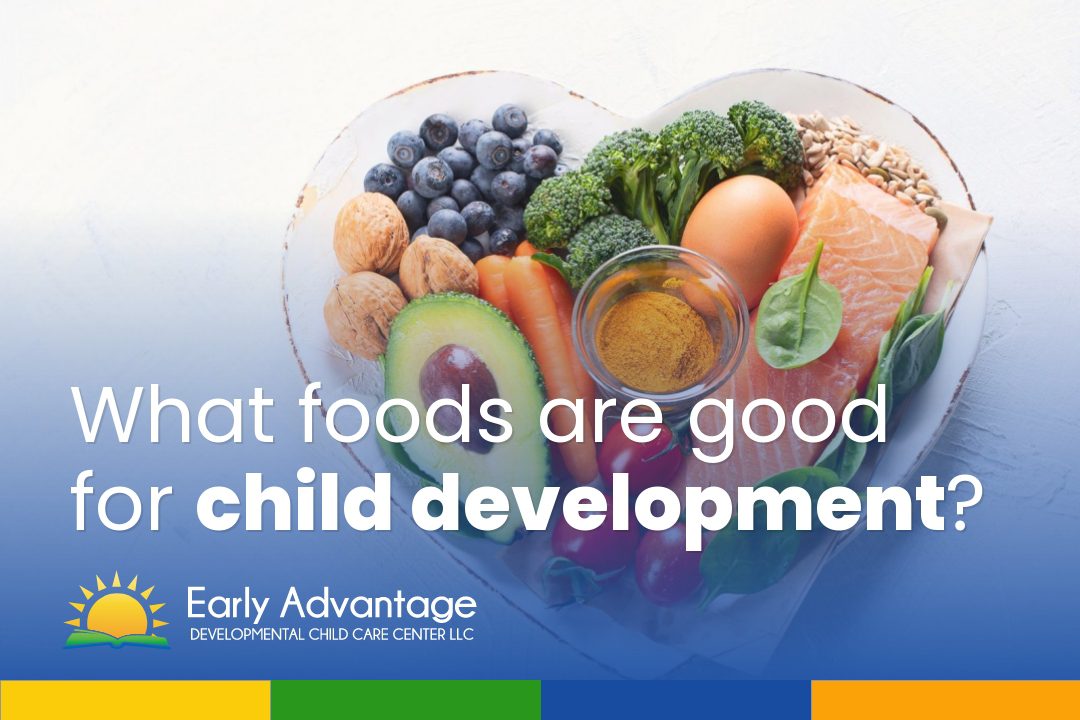
From vitamin A for vision to zinc for immune function, every nutrient has a role. A colorful plate with fruits, vegetables, whole grains, protein foods, and healthy fats is a simple way to cover more bases. Think carrots, berries, bananas, sweet potatoes, leafy greens, beans, oats, eggs, fish, and yogurt.
Is your child a picky eater? Turn variety into a low-pressure game by challenging them to eat a “rainbow” of foods across the week. A sticker chart on the fridge can help them notice red, orange, yellow, green, blue, and purple foods without turning meals into a battle.
Quick nutrient guide for parents
| Nutrient | Why children need it | Food sources |
|---|---|---|
| Protein | Growth, tissue repair, immune cells, enzymes | Eggs, fish, chicken, beans, lentils, tofu, yogurt |
| Calcium | Bones and teeth | Milk, yogurt, cheese, fortified plant milks, tofu |
| Vitamin D | Helps the body absorb calcium | Fortified milk, eggs, oily fish, safe sunlight exposure |
| Iron | Oxygen transport, energy, focus | Meat, poultry, beans, lentils, spinach, fortified cereal |
| Omega-3 fats | Brain and eye development | Salmon, sardines, walnuts, chia seeds, flaxseed |
| Fiber | Digestion, fullness, healthy gut bacteria | Fruits, vegetables, oats, beans, lentils, whole grains |
What a balanced plate looks like for children
A healthy child’s plate does not need to be fancy. Most meals can follow a simple pattern: one protein food, one fruit or vegetable, one whole grain or starchy food, and one calcium-rich food or drink. Healthy fats can come from foods like avocado, fish, nut butters, olive oil, seeds, and full-fat or lower-fat dairy depending on your child’s needs and your pediatrician’s advice.
- Breakfast: oatmeal with milk, banana, and ground flaxseed; or eggs with whole-grain toast and fruit.
- Lunch: rice and beans with vegetables; or a chicken, hummus, or tuna sandwich with fruit.
- Dinner: fish, lentils, tofu, chicken, or eggs with vegetables and potatoes, rice, pasta, or whole grains.
- Snack: yogurt with berries, apple slices with nut butter, cheese with whole-grain crackers, or vegetables with hummus.
Pro Tip: Think in patterns, not perfection. A child does not need every nutrient at every meal. What matters most is the overall pattern across the day and week.
Impact on cognitive development
Food plays a vital role in shaping a child’s brain. Nutrients from a balanced diet help build and maintain brain cells. A child’s ability to think, learn, remember, and solve problems depends heavily on proper nutrition, especially during early childhood and school-age growth.
Recommended Products

🌿[Unique Technology] Formulated for children aged 4+,Kids Brain Focus Gummies-Featuring GummieJel Liquid Core Delivery System - Each dose delivers activated methylated B vitamins and Lion's Mane Mushrooms in a protected liquid core for enhanced stability and absorption to support your child's brain health, focus and memṍry. Soft, strawberry-flavored pectin shell ensures great taste and efficacy. Added supergreens and lutein help support vision, immunity, and overall grṍwth—making it perfect for growing kids.
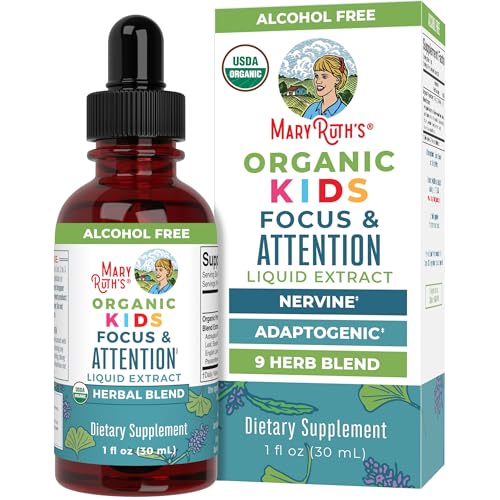
Calm & Focus Herbal Blend for Kids: Support your child’s ability to find focus with this herbal blend. This blend contains herbs to assist your child’s mind and body by helping the body better manage stressors, calming the nervous system, and supporting cognition.

WHY OMEGA-3S - Children’s DHA is a naturally balanced source of the omega-3s EPA and DHA that growing kids need for healthy development. It also supports learning, healthy brain development, and immune system function.
Role of essential nutrients
Proteins provide amino acids needed for brain cell growth and repair. Omega-3 fats support memory, attention, and learning. B vitamins such as B12 and folate help with energy production and brain function. Iron supports oxygen flow to the brain, which can help reduce fatigue and support focus.
When children regularly lack key nutrients, their learning and attention may suffer over time. This can affect school performance, confidence, behavior, and willingness to try new tasks.
Impact of poor nutrition
Poor diet quality can slow healthy brain development. Highly processed foods and sugary drinks often crowd out nutrient-dense options. Deficiencies in nutrients such as iron or iodine can affect learning and attention. Diets high in added sugar may also lead to energy spikes and crashes that make it harder for some children to stay focused.
Foods that boost cognitive skills
Whole grains such as oats and brown rice provide steady energy for busy brains. Leafy greens and colorful fruits provide antioxidants that help protect cells. Eggs provide choline, which supports memory and learning. Berries, nuts, seeds, beans, fish, and yogurt can all fit into a brain-supportive eating pattern.
Timing matters
Regular meals and snacks help stabilize energy. A balanced breakfast can support focus during school, while snacks with protein and fiber, such as fruit with peanut butter or yogurt with nuts, can sustain energy between meals. Long gaps without food can make some children cranky, tired, or distracted.
Watch: how nutrition supports learning
Prefer to watch instead of read? This short video explains how healthy foods help children’s brains grow and support school success.
Research and public-health guidance continue to link children’s overall diet quality with healthy growth, brain development, and school readiness. The goal is not a perfect plate every time, but a steady pattern of nutrient-rich meals and snacks.
Building a strong immune system
Nutritious food fuels growth, strengthens immunity, and supports brain development in children. Balanced meals provide vitamins, minerals, protein, fiber, and healthy fats that help the body fight infections and recover from everyday illness.
A healthy immune system helps protect children from common bugs like colds, flu, and stomach upsets. The foods you serve can support or weaken this natural defense system over time.
Recommended Products

STONYFIELD ORGANIC Strawberry Banana Probiotic Lowfat Yogurt Smoothie makes a delicious addition to breakfast or quick afternoon snack to refuel after sports practice, add to your lunchbox, or enjoy on the go.

Deliciously Good, Backed by Science: Pack of eight 3.1 fl oz bottles of Activia Probiotic Dailies Strawberry and Blueberry Low Fat Yogurt Drink – a quick, easy way to help you get more probiotics into your daily routine

STONYFIELD ORGANIC Strawberry Probiotic Lowfat Yogurt Smoothie makes a delicious addition to breakfast or quick afternoon snack to refuel after sports practice, add to your lunchbox, or enjoy on the go.
How nutrients support immunity
Vitamins A, C, and E act as antioxidants that protect cells and support immune function. Zinc helps the body respond to bacteria and viruses. Selenium and iron also play important roles in immune health, helping immune cells work properly.
The role of fruits and vegetables
Fruits and vegetables are packed with immune-supporting vitamins, minerals, fiber, and plant compounds. Brightly colored produce such as carrots, oranges, berries, sweet potatoes, peppers, and spinach are especially helpful because they provide a wide range of nutrients.
Probiotics and gut health
A healthy gut is important for immune function because much of the body’s immune tissue is connected to the digestive tract. Probiotic-rich foods such as yogurt with live cultures, kefir, and some fermented foods can support helpful gut bacteria. Fiber from fruits, vegetables, beans, and whole grains also feeds beneficial bacteria.
Protein for immune defense
Protein is essential for building antibodies and other immune cells that fight infection. Eggs, fish, chicken, beans, tofu, lentils, yogurt, and nut butters are all useful sources. Including a protein food at meals helps the body repair and respond when germs show up.
Hydration and immunity
Staying hydrated keeps the immune system and all body systems working properly. Water helps transport nutrients, remove waste, and keep mucus membranes moist so they can trap germs. Encourage children to sip water regularly throughout the day, not only when they feel thirsty.
Balanced diet for long-term immunity
A balanced diet that emphasizes fresh, whole foods and limits highly processed snacks provides the range of nutrients needed for strong immunity. Over-reliance on sugary drinks, salty snacks, and fast food can crowd out better choices and may increase illness risk over time.
Connection between diet and behavior
What children eat can influence how they feel, focus, sleep, and respond to daily stress. Nutrition does not explain every behavior challenge, but steady meals, enough protein, enough iron, healthy fats, fiber, and water can support calmer energy and better concentration.
Poor eating habits may contribute to irritability, trouble concentrating, tiredness, or behavior struggles in some children, especially when meals are skipped or highly processed snacks replace nutrient-rich foods.
Recommended Products


12 BARS VARIETY PACK: We’re packing 2 REAL fruit servings in a delicious, chewy fruit bar that delights your taste buds and provides your body the daily nutrition it needs. No preservatives, added sugar, concentrates or purees. Just 100% delicious.

CHOCOLATE MILK’S COOLER COUSIN: This chocolate flavored organic dairy protein shake gives a smooth, creamy experience; made with alkalized cocoa and organic cane sugar, perfect for picky eaters
How sugar impacts mood and energy
Foods and drinks high in added sugar can cause quick rises in energy followed by crashes. These ups and downs can leave some children tired, moody, or fidgety, making it harder to pay attention in school or play cooperatively.
The role of protein in focus and learning
Protein-rich foods provide amino acids that support brain chemicals involved in focus and motivation. Eggs, fish, beans, dairy, tofu, and lean meats can help children stay full and alert for longer than sugary snacks alone.
Healthy fats and emotional well-being
Healthy fats, such as those in nuts, seeds, avocados, olive oil, and oily fish, help build brain cells and support hormone production. Omega-3 fats are especially important for brain and eye development.
The importance of hydration for behavior
Even mild dehydration can cause headaches, irritability, and trouble concentrating. Encouraging kids to drink water regularly helps them stay clear-headed and better able to cope with daily challenges.
The effect of artificial additives
Some studies suggest certain artificial colors and preservatives may worsen hyperactivity or attention problems in sensitive children. This does not mean every child reacts to additives, but it is reasonable to limit highly processed, brightly colored snacks and choose simpler foods more often.
Note: If you notice a clear pattern between a food, drink, or additive and your child’s behavior, keep a short food-and-symptom diary and discuss it with your pediatrician or a registered dietitian before making major restrictions.
Long-term health benefits
Food plays a lifelong role in shaping a child’s health and future. Nutritious meals in childhood pave the way for strong bodies, resilient minds, and a lower risk of many chronic illnesses later on.
Proper nutrition fuels the brain, strengthens the body, and supports learning. It also helps reduce the risk of obesity, type 2 diabetes, heart disease, and other conditions that often begin with poor habits in childhood.
Strengthened immune system
A nutrient-rich diet strengthens the immune system and may reduce sick days. Vitamins such as C and E, along with protein, zinc, iron, and selenium, support the body’s defenses against harmful bacteria and viruses. Healthy foods also support recovery after illness.
Reduced risk of chronic diseases
Balanced diets rich in fiber, fruits, vegetables, protein foods, healthy fats, and whole foods can help maintain a healthy weight and support healthy blood sugar and cholesterol levels. Reducing sugary drinks, salty snacks, and fried or highly processed foods can lower long-term health risks.
Improved bone health
Strong bones are essential for growth, activity, and injury prevention. Calcium-rich foods such as milk, yogurt, cheese, fortified plant milks, and calcium-set tofu support bone density, while vitamin D helps the body absorb calcium. Good nutrition in childhood helps protect bone health later in life.
Enhanced cognitive function
Nutrients such as omega-3 fats, iron, iodine, zinc, and B vitamins support memory, attention, and problem-solving. Children who regularly eat a variety of whole foods often have steadier energy for learning, play, and social development.

Encouraging healthy eating habits
Teaching kids to eat well is not just about putting vegetables on the plate. It is about setting them up for a lifetime of good health. Children soak up habits from the people around them, so what they see you do matters as much as what you say.
Model healthy choices
Your actions speak louder than words. When your child sees you reaching for fruit instead of chips, they are more likely to copy you. Aim for balanced meals most of the time and show them that eating greens can be enjoyable, not a punishment.
Make mealtimes a family affair
Eating together as a family helps children feel secure and more open to trying new foods. Serve the same meal to everyone when you can, and keep conversation light and positive. Avoid turning the table into a battleground about what they should eat.
Involve kids in the kitchen
Children are more likely to eat what they help prepare. Invite them to wash vegetables, stir sauces, tear lettuce, sprinkle cheese, or choose between two healthy side dishes. These small jobs give them a sense of pride and curiosity about food.
Offer choices, not ultimatums
Kids love feeling in control. Instead of saying, “Eat your broccoli,” try, “Would you like broccoli or carrots tonight?” Keeping the options healthy but letting them choose can reduce power struggles and build confidence.
Limit processed snacks
Convenience snacks are tempting but can crowd out healthier foods. Keep fresh fruit, cut-up vegetables, yogurt, cheese, hummus, boiled eggs, and whole-grain options ready to grab. Setting regular snack times helps prevent constant grazing and keeps kids hungry enough to enjoy main meals.
Be patient with picky eaters
Many children go through picky phases. Do not panic if your child suddenly refuses a food they used to love. Keep offering small amounts without pressure. According to CDC guidance on picky eating, it may take repeated exposure before a young child accepts a new food, so calm consistency matters more than forcing bites.

Food safety and special nutrition needs
Healthy eating advice should always fit your child’s age, growth, culture, preferences, budget, and medical needs. Babies, toddlers, school-age children, and teens all have different appetites and safety needs.
Warning: For babies and young children, cut foods into safe, small pieces and avoid choking hazards such as whole nuts, whole grapes, hard candies, popcorn, large chunks of raw vegetables, and thick globs of nut butter. Ask your pediatrician about food allergies, supplements, feeding delays, or special diets.
Supplements are not always needed
Most children can get many nutrients from food, but some may need supplements, such as vitamin D, iron, or B12, depending on age, diet, health conditions, sun exposure, or medical advice. Do not start high-dose supplements without a pediatrician’s guidance because too much of certain vitamins or minerals can be harmful.
Signs your child may need nutrition support
Talk with a pediatrician or registered dietitian if your child has poor growth, sudden weight loss or gain, frequent tiredness, pale skin, repeated illness, constipation that does not improve, trouble chewing or swallowing, extreme picky eating, food anxiety, or a very limited diet. Also seek advice if your child follows a vegan, allergy-restricted, or medically restricted diet.
Glossary
- Macronutrients
- Major nutrients that provide energy and building blocks for the body: carbohydrates, proteins, and fats.
- Micronutrients
- Vitamins and minerals needed in small amounts that support processes like growth, immunity, blood formation, and brain function.
- Omega-3 fatty acids
- Healthy fats found in oily fish, walnuts, chia seeds, and flaxseeds that are important for brain, eye, and heart health.
- Nutrient-dense foods
- Foods that provide useful nutrients such as vitamins, minerals, protein, fiber, or healthy fats without relying heavily on added sugar, excess sodium, or refined ingredients.
Frequently Asked Questions
How does food help a child’s development?
Food provides the nutrients children need to grow strong bodies and healthy brains. A balanced diet supports height, bone strength, energy, learning, immunity, and emotional well-being, helping children reach important developmental milestones.
What is the importance of food in children?
Food is vital for children because it fuels growth, supports brain development, boosts immunity, and provides energy to play and learn. Nutritious meals supply vitamins, minerals, protein, fiber, and healthy fats that keep children healthy now and in the future.
Why is food important for growth and development?
Food supplies proteins, vitamins, minerals, healthy fats, carbohydrates, and energy that the body uses to build and repair tissues, form strong bones, make blood cells, and develop the brain. Without enough quality food, growth, learning, and energy can suffer.
What are five benefits of healthy eating for children?
Healthy eating supports steady growth, strong immunity, better focus, stable energy levels, and a lower risk of obesity and chronic diseases. Good habits formed in childhood also make it easier to maintain a healthy lifestyle in adulthood.
What foods are best for child development?
The best foods are varied and nutrient-dense: fruits, vegetables, eggs, beans, lentils, fish, poultry, dairy or fortified alternatives, nuts or seeds when age-safe, healthy oils, and whole grains. No single food is magic; the overall pattern matters most.
When should I talk to a doctor about my child’s diet?
Talk to a pediatrician if your child has poor growth, extreme picky eating, ongoing tiredness, frequent illness, trouble swallowing, suspected allergies, sudden weight changes, or a restricted diet. A doctor or dietitian can check growth and nutrient needs safely.
Conclusion
Proper nutrition shapes a child’s growth, learning, immunity, energy, and overall health. Healthy food fuels the brain, builds strong bones, supports muscles, helps the body fight illness, and encourages emotional well-being. Poor diet quality, on the other hand, can crowd out key nutrients and contribute to low energy, more illness, and learning or behavior challenges in some children.
As a parent or caregiver, you play a powerful role in choosing nutritious foods and modeling healthy habits. Small daily choices, like adding fruits and vegetables, including protein at meals, offering water instead of sugary drinks, and keeping mealtimes calm, add up. Every bite counts toward your child’s future.
Sources
- CDC: Benefits of Healthy Eating for Children — supports claims about brain development, healthy growth, immunity, digestion, and long-term health.
- CDC: Good Nutrition Starts Early — supports balanced eating patterns built around vegetables, fruits, protein, dairy, healthy fats, and whole grains.
- ODPHP: Current Dietary Guidelines for Americans, 2025–2030 — supports current guidance on whole, nutrient-dense foods and limiting highly processed foods.
- NIH Office of Dietary Supplements: Iron — supports iron’s role in hemoglobin and oxygen transport.
- NIH Office of Dietary Supplements: Calcium — supports calcium and vitamin D guidance for bone health and absorption.
- CDC: Picky Eaters — supports repeated exposure and low-pressure strategies for introducing new foods.