Have you ever caught yourself wondering, “What’s happening with kids these days?” Maybe you have noticed bigger tantrums, more pushback, shorter attention spans, or a harder time with emotions and rules.
It is not just you. Many parents, teachers, and caregivers are seeing more behavior struggles. But that does not mean children are “bad” now. In many cases, behavior is a signal that daily life has become harder for kids and adults.
Quick Answer
Kids’ behavior can seem worse today because many children have more screen exposure, less sleep, less free play, more stress, and fewer chances to practice patience and face-to-face conflict. Consistent routines, calm limits, daily movement, protected sleep, and early support can improve behavior.
Key Takeaways
- Behavior is often a signal, not proof that a child is spoiled, lazy, or “bad.”
- Clear, steady boundaries work better than rules that change day to day.
- Screen time matters most when it crowds out sleep, movement, chores, family time, and in-person play.
- School pressure, less recess, and fewer social practice moments can increase restlessness and conflict.
- Fast behavior changes, unsafe behavior, or problems that last despite steady routines should be discussed with a pediatrician or mental health professional.
Are kids really behaving worse, or are we seeing more stress?
Some children are struggling more, but it is more accurate to say that many kids are growing up with different pressures than past generations. They may have more digital stimulation, busier schedules, less outdoor play, less sleep, and more stressed adults around them.
That mix can make normal childhood problems look bigger. A tired 7-year-old may seem defiant. A lonely teen may seem rude. A preschooler who uses a tablet to calm down may melt down when the tablet is removed.
Note: A child’s behavior is communication. The goal is not to excuse hurtful behavior, but to understand what is driving it so you can respond with both warmth and limits.
How parenting styles have shifted and why it matters
Parenting has changed a lot over the last few decades. Many families have less time, more stress, more devices, and fewer built-in supports than earlier generations. Those changes affect how kids learn self-control, patience, and respect for rules.
Rules that keep changing
Some households have fewer clear rules and routines. When limits are unclear, kids may keep testing because they do not know what will happen next. The CDC notes that predictable responses, warmth, routines, household rules, and appropriate discipline without harshness support healthy development.
Simple expectations work best. For example: “Screens after homework,” “Shoes stay by the door,” and “We use calm voices, even when we are upset.”
Using screens as the go-to calmer
Devices are often used to entertain, distract, or calm kids. This can help in a hard moment, such as a long wait or stressful appointment. The problem starts when screens become the main way a child handles boredom, anger, sadness, or disappointment.
If a child always gets a device when upset, they may not get enough practice with other coping skills, such as deep breathing, asking for help, taking a break, moving their body, or using words.
Trying to be a friend instead of a guide
Closeness is good. Kids need warm, safe relationships with adults. But they also need leadership. If adults avoid the parent role because they do not want conflict, kids may miss the chance to learn accountability.
Aim for warmth plus firm guidance. You can be loving and still say, “I know you are upset, and the answer is still no.”
Giving in to avoid meltdowns
It is tempting to give in just to stop yelling, crying, or arguing. The problem is that kids learn from patterns. If a meltdown often leads to candy, extra screen time, or getting out of a chore, the behavior can grow.
Calm follow-through teaches patience. You do not have to lecture. A short script works better: “I hear you. You wanted more time. Screen time is done. You can choose blocks or coloring now.”
Being too protective
Safety matters, but too much protection can limit independence. Kids build confidence by trying, failing, and trying again. Small, age-appropriate risks help them learn problem-solving and resilience.
That might mean letting a school-age child order their own food, letting a tween solve a small friend problem before stepping in, or giving a teen more responsibility with clear rules.
How does too much screen time change a child’s behavior?
Screens are part of modern childhood: phones, tablets, TVs, games, school devices, and social media. The biggest behavior issue is often not screens alone. It is what screens replace: sleep, movement, chores, reading, boredom, family time, and real-life connection.
The American Academy of Pediatrics now uses the 5 Cs of media use: Child, Content, Calm, Crowding Out, and Communication. This means parents should look at the child, the content, why the screen is being used, what it crowds out, and whether adults are talking with the child about media.
Recommended Products

CALMER ROUTINES, ONE DOT AT A TIME - TimeBuddy toddler timer uses colorful countdown dots and a smiley face to help kids see time pass - smoother transitions for anyone who thrives on structure, including children with ADHD, autism, or sensory needs

VISUAL TIME MANAGEMENT MADE EASY: Bright rainbow lights provide a clear visual countdown, helping kids understand time and manage transitions without relying on traditional clocks

Get Your Child's Brain Reset: Buy in Bulk
Kids may struggle with emotions
Fast, high-reward content can make stopping hard. Some kids become irritable when it is time to power down because real life feels slower. Emotion skills still grow best through play, conversation, waiting, and practice with frustration.
Social skills may fall behind
Screen-heavy routines can reduce practice with eye contact, tone of voice, body language, turn-taking, and repair after conflict. If most connection happens online, some kids may feel awkward in groups or struggle to solve conflict face-to-face.
Meltdowns and screen battles can increase
Meltdowns when a device is removed are common, especially if screens are the main way a child calms down. Highly engaging apps and games can also make kids want “just one more.”
How to take action
- Set predictable limits that protect sleep, homework, family time, and chores.
- Create screen-free places, such as bedrooms and the dinner table.
- Create screen-free times, such as mornings, meals, car rides, and the hour before bed.
- Offer other calming options, such as movement, music, books, drawing, quiet toys, or a short walk.
- Warn before transitions: “Five minutes, then the tablet goes on the charger.”
Pro Tip: Do not start with a huge screen ban. Start with one protected routine, such as no screens during meals or no screens in bedrooms overnight. Small rules are easier to keep consistent.
Sleep and movement are behavior basics
When a child is tired or underactive, behavior often gets worse. Sleep loss can look like hyperactivity, arguing, crying, forgetfulness, or refusal. Lack of movement can show up as restlessness, impulsive choices, and poor focus.
The CDC shares sleep recommendations from the American Academy of Sleep Medicine: children ages 6–12 need 9–12 hours per 24 hours, and teens ages 13–18 need 8–10 hours per 24 hours. The CDC also recommends that children and adolescents ages 6–17 get at least 60 minutes of moderate-to-vigorous physical activity daily.
- If behavior is worse after school, try food, water, quiet time, and movement before correcting everything.
- If bedtime is late, move it earlier by 10–15 minutes every few nights.
- If mornings are chaotic, prepare clothes, backpacks, and lunch items the night before.
- If your child is restless, add outdoor play, walking, biking, sports, dancing, or active chores.
Recommended Products

Product Includes: 14 pieces of classroom welcome posters, each of which measures 11 x 10.23 inches, comes with 4 sheets of self-adhesive dots, and is suitable for classroom bulletin boards and wall art decoration.

Package Included: This classroom decor set includes 11 educational good habits manners chart classroom rules posters, 30 coordinating bulletin board decoration paper cuts (10 designs, 3 of each), and 5 sheets adhesive dots. The composition notebook classroom decor posters cover essential classroom expectations, while the schoolgirl style classroom decor cutouts add a playful touch to classroom, making it proper to back to school decorations,and classroom bulletin board decor

Product List: this set of classroom management pocket chart set has a total of 57 pcs, including 1 hanging 7 clear pockets and 1 storage bag foldable pocket pencil shape chart, 14 rewritable wipe off laminated cards not pre-printed, 40 pencil wooden clips and 2 pcs hanging hooks; Enough quantity to satisfy your decoration needs in the classroom
Are schools making behavior worse?
Schools are not the whole problem, and many teachers work hard to support children. Still, school environments can affect behavior. Some children struggle when classrooms are crowded, expectations vary, movement is limited, or academic pressure feels too high.
Rules that vary classroom to classroom
Behavior expectations may vary by classroom, school, or district. When rules feel inconsistent, kids may test limits more often. Children usually do better when adults use clear expectations and similar language.
Too much tech in the classroom
Technology can help learning, but it can also reduce hands-on work, discussion, and teamwork if it takes over the day. Kids still need practice sharing attention, disagreeing respectfully, and working through frustration.
More homework, more testing, more stress
Grades, tests, homework, and social pressure can raise stress. Some kids act out to avoid shame, hide confusion, or escape a task that feels too hard.
Less recess and movement
Kids need movement to focus. If recess, PE, and active play are limited, some children become restless and impulsive. Movement is not a reward kids earn after perfect behavior. It is one of the supports that helps behavior improve.
How to work with the school
- Ask the teacher when the behavior happens most: morning, transitions, recess, lunch, group work, or hard subjects.
- Ask whether your child seems tired, anxious, distracted, bullied, bored, or confused.
- Request one or two shared goals, such as “hands to self” or “starts work within two minutes.”
- If problems continue, ask about support from the school counselor, learning specialist, pediatrician, or an evaluation process.
How stress and pressure shape kids’ behavior
Kids absorb the stress around them: family strain, peer pressure, conflict, financial worry, social comparison, and constant digital noise. When pressure stays high, behavior can become a coping tool.
CDC’s 2023 Youth Risk Behavior Survey found that 40% of high school students reported persistent feelings of sadness or hopelessness, down from 42% in 2021, but still high enough to deserve serious attention.
The CDC reported that some teen mental health indicators improved from 2021 to 2023, but many students still struggle. That means parents should avoid panic, but they should not ignore major changes in mood, sleep, school attendance, or behavior.
Recommended Products


Digital life can crowd everything else out
Digital life can crowd out sleep, movement, chores, reading, boredom, and face-to-face time. Co-viewing, clear rules, and screen-free routines can help kids reset.
Grades, tests, and social drama can feel intense
Some kids act out to avoid shame or to fit in. Others shut down, procrastinate, or become irritable. Teaching coping skills and building supportive friendships can reduce conflict.
Kids copy how adults handle stress
Kids watch how adults handle stress. Predictable routines, calm communication, and consistent consequences create a more secure home. You do not need to be calm every second. You do need to repair when you lose your temper: “I yelled. That was not okay. I am going to try again.”
What behavior is normal, and what is a warning sign?
Some difficult behavior is part of growing up. Toddlers melt down because language and impulse control are still developing. School-age children test rules and fairness. Teens push for privacy and independence.
Behavior becomes more concerning when it is intense, unsafe, sudden, or long-lasting. It also matters if the behavior blocks school, sleep, friendships, family life, or daily routines.
Warning: Get urgent help right away if your child talks about suicide, threatens serious harm, becomes violent, runs away, hears or sees things others do not, or you cannot keep them or others safe.
Common but usually manageable
- Occasional tantrums or arguing
- Whining when tired or hungry
- Testing limits after a routine change
- Sibling conflict that can be repaired
- Screen complaints when a new rule starts
Worth discussing with a professional
- Sudden behavior change that lasts more than a few weeks
- Frequent aggression, cruelty, stealing, or serious lying
- Major sleep, appetite, mood, or school changes
- School refusal, panic, withdrawal, or loss of interest
- Regression, such as new bedwetting or clinginess after stress
- Behavior that feels unmanageable despite steady routines
This article is informational and is not a substitute for personalized medical advice. If you are worried about your child’s behavior, start with your pediatrician, who can screen for medical, developmental, learning, sleep, or mental health concerns.
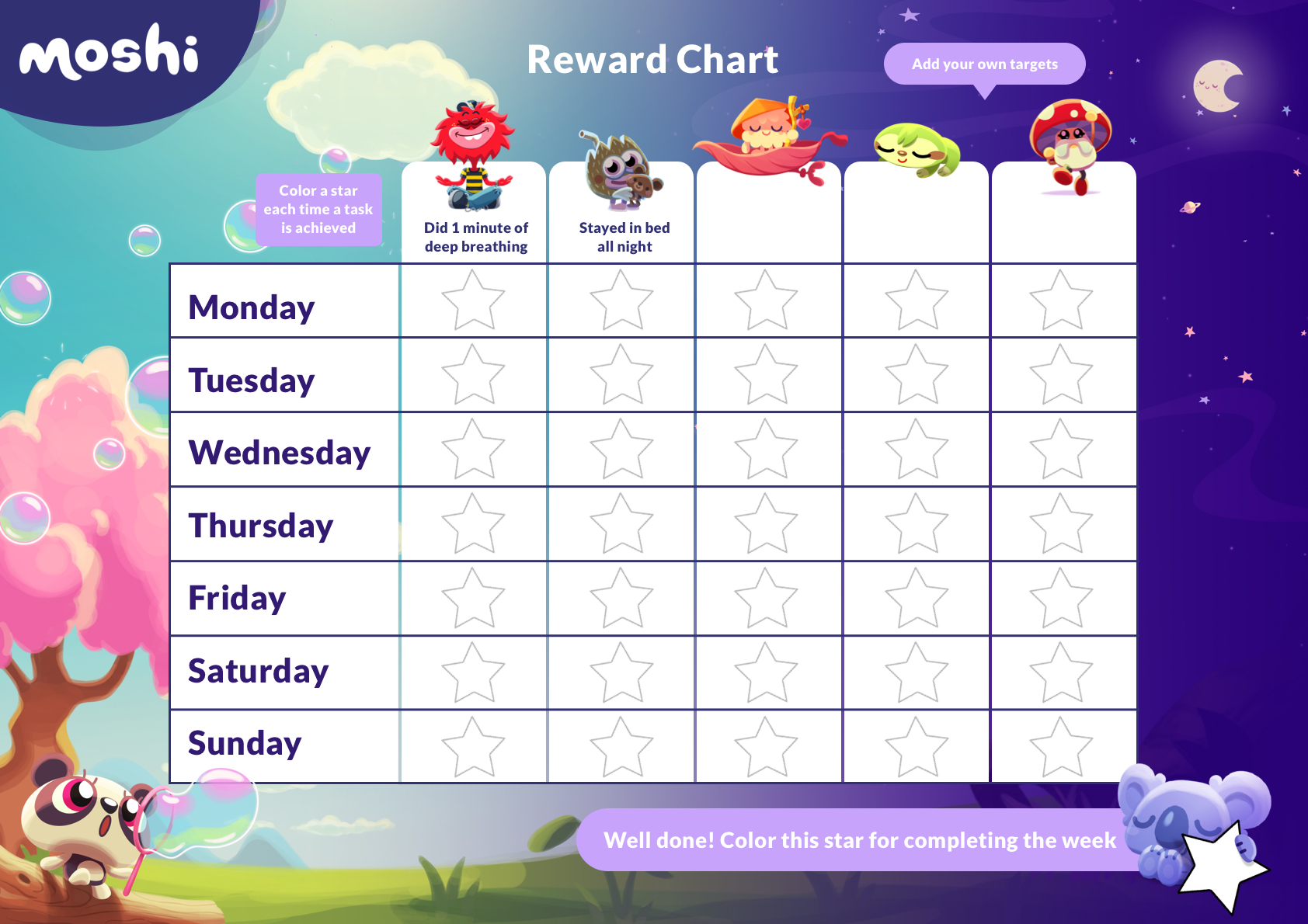
A practical 7-day reset plan for better behavior
You do not have to fix everything at once. Pick one week and focus on the basics: sleep, connection, movement, screens, and one clear rule.
Day 1: Track the pattern
Write down when the behavior happens, what came before it, and what happened after. Look for hunger, tiredness, transitions, screens, homework, sibling conflict, or school stress.
Day 2: Choose one rule
Pick one rule you can enforce calmly. Keep it short: “No hitting,” “Tablet charges at 7:30,” or “Homework starts after snack.” Do not add five new rules at once.
Day 3: Add connection before correction
Spend 10 minutes with your child without teaching, correcting, or checking your phone. Play, talk, read, walk, or sit together. Connection does not replace limits, but it makes limits easier to accept.
Day 4: Protect sleep
Move screens out of the bedroom overnight. Create a simple bedtime routine: snack, bath or wash-up, pajamas, reading, lights out. If bedtime is very late, shift it earlier slowly.
Day 5: Add movement
Give your child a daily movement outlet. Try outdoor play, a walk, dancing, biking, playground time, sports, or active chores. Movement helps many kids reset after school.
Day 6: Practice the hard moment
Practice when everyone is calm. For example: “When tablet time ends, you can put it on the charger or I can help. Then you can choose blocks or drawing.” Role-play the moment for one minute.
Day 7: Review and adjust
Ask: What improved? What still triggers the behavior? Keep the rule that helped most. Add one more support only after the first one feels steady.
Note: Consistency does not mean perfection. If you give in or lose your temper, repair it and return to the plan at the next routine.
Why it is hard to get help when kids struggle
When kids struggle, support is not always easy to find. Cost, long waitlists, transportation, insurance, and provider shortages can delay care. The Health Resources and Services Administration has reported major behavioral health workforce concerns, including shortages affecting child and adolescent mental health care.
Without support, anxiety, trauma, attention problems, learning issues, sleep problems, and family stress can show up as anger, defiance, withdrawal, or school problems.
Stigma and access barriers
Some families avoid help because of stigma or fear of labels. Others cannot find a provider nearby. Talking openly about mental health can make it easier to ask for support early.
Schools want to help, but resources are stretched
Schools can help, but resources vary. If a child’s behavior is disruptive or painful for them, early support often prevents bigger problems later. Ask about school counseling, behavior supports, learning evaluations, and classroom accommodations if concerns continue.
What to do while waiting for an appointment
- Call your pediatrician and ask what should be ruled out first, such as sleep problems, hearing, vision, medication side effects, ADHD, anxiety, or learning concerns.
- Tell the school what you are seeing at home and ask what they are seeing at school.
- Keep a simple behavior log with sleep, screens, food, school stress, and meltdowns.
- Use one or two steady routines instead of changing everything at once.
- Seek urgent help if there is danger, self-harm talk, violence, or you cannot keep your child safe.
Frequently Asked Questions
Why does my child have bad behavior all of a sudden?
Sudden behavior changes can come from stress, sleep loss, illness, a routine shift, bullying, a learning struggle, family conflict, or problems at school. If the change lasts more than a few weeks, feels extreme, or involves safety concerns, talk with your pediatrician or a mental health professional.
What are the hardest years of raising kids?
Many families find toddlerhood and adolescence especially hard because both stages involve big changes in independence, emotions, and limits. Infancy can also be hard because sleep is broken and needs are constant. Support, routines, and realistic expectations help at every stage.
Why do so many kids have behavior issues now?
Many kids face more screens, stress, academic pressure, sleep disruption, and social comparison, often with less free play, movement, and face-to-face practice. Behavior often improves when adults strengthen routines, connection, sleep, movement, and clear limits.
What are five factors that influence a child’s behavior?
Five common factors are parenting and boundaries, sleep and health, peer relationships, school environment, and stress at home. Behavior often improves when several supports are strengthened together instead of focusing on punishment alone.
Is screen time making my child’s behavior worse?
It can, especially when screens replace sleep, exercise, chores, outdoor play, or face-to-face time. Content and timing matter too. Try predictable limits and screen-free routines for two to three weeks, then watch for changes in mood, sleep, focus, and cooperation.
How do I discipline without making behavior worse?
Use short, calm, predictable consequences. Tell your child what to do instead of only what to stop. Praise the behavior you want to see again. Avoid long lectures during meltdowns because upset kids usually cannot process them well.
Can lack of sleep cause behavior problems?
Yes. Sleep loss can look like hyperactivity, irritability, crying, poor focus, defiance, or emotional outbursts. School-age children generally need 9–12 hours of sleep per 24 hours, and teens need 8–10 hours.
When should I seek professional help for behavior problems?
Seek help if behavior is unsafe, severe, sudden, lasts more than a few weeks despite steady routines, or comes with major sleep, anxiety, mood, school, or social changes. Start with your pediatrician, who can screen for medical, developmental, learning, or mental health concerns and guide next steps.
Conclusion
Child behavior challenges often reflect changes in daily life: more stress, more screens, less sleep, less movement, and fewer chances to practice patience and real-life connection. When routines slip or adults are stretched thin, kids may struggle more with self-control.
Improvement usually comes from simple, steady steps: predictable boundaries, protected sleep, daily movement, more in-person time, and calm follow-through. If behavior feels unsafe, sudden, extreme, or overwhelming, getting support early can make a meaningful difference.
Sources
- American Academy of Pediatrics: The 5 Cs of Media Use — supports the screen-time framework and media-balance guidance.
- CDC: Healthy Habits and Child Development — supports predictable responses, routines, household rules, warmth, and non-harsh discipline.
- CDC: Physical Activity Guidelines for Children — supports the 60-minutes-daily movement recommendation for ages 6–17.
- CDC: Sleep and Health for Students — supports sleep-duration guidance for school-age children and teens.
- CDC: 2023 Youth Risk Behavior Survey Results — supports teen sadness and hopelessness data.
- HRSA: State of the Behavioral Health Workforce, 2025 — supports mental health workforce and access concerns.