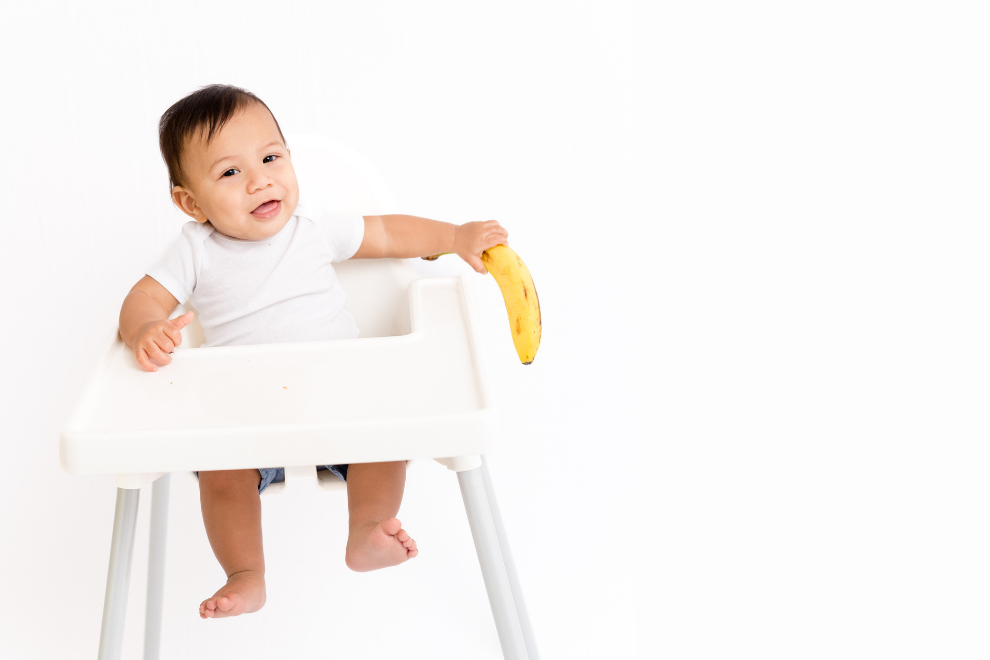
You set a few soft pieces of food on the highchair tray, turn around for one second, and suddenly half the meal is on the floor. It can feel frustrating, but your baby is not trying to annoy you. Food throwing is usually a mix of curiosity, motor practice, communication, fullness, and boundary testing.
Once babies are old enough for solid foods, mealtime becomes one more place to learn. They touch, squeeze, drop, watch, listen, and wait for your reaction. The goal is not to let every meal become a mess. The goal is to understand what your baby is learning and guide the behavior calmly.
Quick Answer
Babies throw food because they are exploring cause and effect, practicing hand and arm control, testing your reaction, or showing they are full, bored, tired, or overstimulated. Stay calm, offer small portions, teach where unwanted food goes, and end the meal when your baby shows clear fullness cues.
Key Takeaways
- Food throwing is common during baby and toddler self-feeding, especially when babies are learning what happens when objects fall.
- A baby may throw food to explore, practice movement, get attention, reject a texture, or show they are done eating.
- Big reactions can accidentally turn food throwing into a game, so a calm and consistent response works best.
- Small portions, a “no-thank-you” bowl, and clear phrases like “food stays on the tray” can help.
- Talk with your child’s doctor if food throwing comes with choking, swallowing trouble, poor growth, frequent distress, or developmental concerns.
At a Glance
| Time Required | Use the same calm response at each meal for 1 to 2 weeks before judging progress. |
| Difficulty | Easy to start, but it takes patience and consistency. |
| Tools Needed | High chair, small portions, damp cloth, optional suction plate, and optional “no-thank-you” bowl. |
| Cost | Usually free. A suction plate or small bowl can help but is not required. |

Credit: www.tiktok.com
Why Babies Throw Food on the Floor
Babies learn through real-life experiments. When your baby drops a pea, a spoon, or a piece of toast, they get instant feedback. The food falls. It may make a sound. You may look over. A pet may run in. To your baby, all of that is information.
The CDC’s 9-month milestones include looking for objects when dropped out of sight, raking food toward the body, sitting without support, and learning through simple back-and-forth play. That does not mean every baby will throw food, but it explains why dropping and watching things fall can be so interesting at this stage.
They Are Learning Cause and Effect
Cause and effect is simple to you, but brand new to your baby. They drop food and something happens. The banana splats. The cracker breaks. You bend down. They try it again to see if the same thing happens.
This is not manipulation. It is early problem-solving. Your calm response helps your baby learn the mealtime rule without turning the moment into a bigger game.
They Are Exploring Texture, Sound, and Movement
Food is full of sensory information. A soft avocado feels different from a crunchy cracker. A pea rolls, but oatmeal sticks. When babies squeeze, smear, and drop food, they are learning about texture, weight, shape, and movement.
Messy exploration can be normal, but it still needs limits. You can allow touching and tasting while teaching that food stays on the tray or goes in a small bowl when they do not want it.
Developing Motor Skills
Throwing food can also be part of motor practice. Your baby is learning how to reach, grasp, release, aim, and control force. Those skills later support self-feeding, using utensils, stacking blocks, and throwing a ball.
Recommended Products

ORGANIC PRE-SPOON SNACK: These organic munchy fingers soften slowly and help develop hand-eye coordination while they learn to use a spoon

TODDLER FOOD VARIETY PACK: Gerber All Day Favorites variety 6 pack comes with breakfast, lunch and dinner options for your little one. Including a toddler breakfast bowl with apple cinnamon oatmeal cereal, toddler lunch with yellow rice, chicken and vegetables, & pasta stars with chicken and vegetables for dinner

Simple and Wholesome: Our puffed corn and quinoa Melty Hoops are made with organic* strawberries and mangoes and a delicious flavor that little ones will love. Made without artificial flavors, artificial colors, or artificial preservatives, just yummy and wholesome ingredients
Fine Motor Skills
Fine motor skills involve small hand and finger movements. Picking up a soft piece of fruit, pinching a pea, or gripping a spoon takes coordination. When your baby releases food, they are practicing another part of that same skill.
Offer safe, age-appropriate pieces in small amounts. For babies who are ready for solids, the CDC recommends preparing foods in textures and sizes that match your child’s development and watching your child while they eat.
Gross Motor Skills
Gross motor skills involve bigger movements, like using the arm and shoulder. A dramatic toss from the high chair may look naughty, but it often starts as body practice. Your baby is learning how far the arm can move and how much force makes food travel.
You can redirect that urge outside mealtime. Try soft balls, scarves, or safe stacking cups on the floor. During meals, keep the rule simple: food is for eating, touching, or placing in the no-thank-you bowl.
Testing Boundaries
Babies also throw food to learn what you will do. They are not trying to be disrespectful. They are learning family rules through repetition.
If you laugh one day, scold the next day, and ignore it the day after that, your baby gets mixed signals. A predictable response works better.
Use One Clear Mealtime Phrase
Choose a short phrase and use it every time. Good options include:
- “Food stays on the tray.”
- “Food is for eating.”
- “All done? Food goes in the bowl.”
Say it calmly, show the action, and move on. Long lectures do not help because babies cannot understand them yet.
Teach an Alternative
Many babies throw food because they do not know what else to do with food they do not want. Give them a simple alternative. Place a small bowl or open spot on the tray and say, “No thank you food goes here.”
At first, you will model it. Over time, your baby may start copying you. Expect repetition. Learning mealtime manners takes practice.

Credit: momtomomnutrition.com
Seeking Attention
Food hitting the floor often gets a fast reaction. You may gasp, laugh, say “No!” or rush to pick it up. Even a frustrated reaction can feel exciting to a baby who wants connection.
What Your Reaction Teaches Them
If throwing food gets a big response, your baby may repeat it. This does not mean you should ignore your baby. It means you should give attention to the behavior you want.
Notice and praise calm eating: “You put the banana on the tray.” “You took a bite.” “You gave me the spoon.” Keep your reaction to thrown food boring and brief.
Make Mealtime Feel Connected
Babies often do better when mealtime feels social. Sit nearby when you can. Make eye contact. Talk about the food. Eat a few bites of your own food beside them.
You do not need to entertain your baby through the whole meal. Simple connection can reduce the urge to create action by throwing food.
Reaction to Stress, Fullness, or Overstimulation
Food throwing is not always play. Sometimes it is communication. Your baby may be full, tired, overwhelmed, bored, frustrated by a texture, or ready to leave the high chair.
Recommended Products

This all-in-one starter kit includes everything new parents need: Original Suction Mat (8.5" x 11.5") with 4 tethers, Mini Mat (3" x 11") with 2 tethers, 2-in-1 Teether & Training Spoon, Toy Bungee, Bottle Bungee, 6 interchangeable tether straps, and a reusable travel wet bag for storage. Each piece works independently or together, giving you ultimate flexibility for mealtime, playtime, and on-the-go adventures. The Original Baby Suction Mat System - As Seen on Shark Tank - Busy Baby invented the interchangeable placemat and tether system with 15+ patents protecting our innovation. US, woman and veteran owned company trusted by families worldwide.

NO MORE STOOPING TO PICK UP | Our silicone placemat has four built-in strong suction cups to effectively attach to the tabletop, secure your baby's toys or teethers to the four silicone straps to keep your baby busy. Please clean the desktop and suction cup surface before use to get the best adsorption effect, and do a tensile test for baby's safety before putting food.

ESSENTIAL FOR BABY LED WEANING – Textured surface design helps babies explore and learn through touch during BLW; ideal for serving soft foods and small bites directly on the mat; or the smooth-surfaced center allows Bumkins’ First Feeding bowl to stick
Fullness Cues
The CDC lists fullness cues for children 6 to 23 months, including pushing food away, closing the mouth, turning the head away from food, or using sounds and motions to show they are done.
If throwing starts near the end of the meal, your baby may simply be finished. Try saying, “All done?” Then remove the food and end the meal without pressure.
Overstimulation Cues
Mealtime can be intense. New smells, textures, bright lights, loud conversations, and pressure to eat can overwhelm a baby. Food throwing may become a quick way to say, “I need a break.”
Watch for signs like turning away, rubbing eyes, fussing, arching, gagging with distress, or repeatedly pushing food away. A calmer setting may help.
Note: Gagging can happen as babies learn new textures, but choking is different and urgent. If your child cannot breathe, cry, cough effectively, or make sound, follow emergency guidance and seek immediate help.
How to Stop Your Baby From Throwing Food
You do not need to punish your baby to reduce food throwing. A calm routine works better than a big reaction. Use the same steps each time so your baby learns what to expect.
Recommended Products

Toddler cutlery set: Each baby utensils set has 2 fun color combinations, both include 2 toddler plates and 2 spoons and 2 forks, designed for toddlers learning to self-feed, giving babies more opportunities to eat independently.

Safe and Reliable: Toddler plates made from 100% food grade silicone, BPA and PVC free, high temperature resistant and unbreakable, easy to clean, microwave and dishwasher safe.

100% Silicone 3 Baby Plates - We have used BPA Free silicone in our silicone baby plate production so flavor and taste isn't affected as well as giving you complete peace of mind. This eating supplies for baby is BPA-, PVC-, and phthalates-free, lightweight, and shatter-resistant. Use a bit of water under suction before using for best results.
1. Offer Smaller Portions
Put only a few pieces of food on the tray at once. A crowded tray can feel overwhelming, and extra food gives your baby more to throw.
When your baby finishes, offer more. Smaller portions reduce waste and make the rule easier to teach.
2. Watch for the First Throw
The first toss is your cue to guide, not your cue to panic. Calmly say, “Food stays on the tray.” Then show your baby where food belongs.
If they throw again right away, remove some food and try a short reset. If they keep throwing, the meal may be over.
3. Use a No-Thank-You Bowl
Place a small bowl on the tray or beside the plate. When your baby does not want a food, show them how to put it in the bowl instead of tossing it.
Use the same phrase each time: “No thank you goes here.” This gives your baby a job and a better way to communicate.
4. Keep Your Response Boring
Big reactions can make food throwing more fun. Keep your face and voice neutral. Pick up food later if you can do so safely, or move it out of sight without a show.
Your baby does not need a lecture. They need a clear boundary repeated many times.
5. End the Meal When Cues Are Clear
If your baby turns away, pushes food away, closes their mouth, or keeps throwing after one reminder, end the meal calmly. Say, “All done,” clean their hands, and take them out of the high chair.
This teaches that throwing food does not create a game. It also respects your baby’s fullness cues.
Pro Tip: Practice dropping and throwing during playtime, not mealtime. A soft ball, stacking cup, or beanbag gives your baby the same cause-and-effect lesson without turning dinner into the experiment.
What Not to Do
Some reactions make food throwing last longer. Avoid turning the behavior into a battle or a performance.
- Do not yell or shame. Your baby is still learning and may not understand why you are upset.
- Do not force extra bites. Pressure can make mealtime stressful and may lead to more refusal.
- Do not keep replacing thrown food forever. One calm reminder is enough. Repeated refills can become part of the game.
- Do not use unsafe food to “keep them busy.” Food size, texture, and shape must match your child’s stage.
- Do not expect instant results. Babies learn through repetition, and mealtime boundaries take time.
Food Safety and Choking Prevention
Food throwing often happens during the same stage when babies are learning to chew and swallow. That makes safety important. The CDC’s choking guidance recommends having children sit up while eating, using a high chair or safe place, avoiding distractions and rushing, and watching children at all times while they eat.
Warning: Never leave a baby alone with food. Avoid small, hard, sticky, round, or tough foods unless they are prepared safely for your child’s age and chewing ability. Ask your child’s doctor for guidance if you are unsure about textures, gagging, swallowing, or choking risk.
HealthyChildren.org, from the American Academy of Pediatrics, also warns that babies and toddlers are at high risk for choking because they explore with their mouths and have small airways. High-risk foods should be avoided or modified for young children.
When to Talk to Your Pediatrician
Most food throwing is normal, but some patterns deserve extra help. Talk with your child’s doctor or nurse if you notice any of these concerns:
- Your baby coughs, chokes, or struggles to swallow often.
- Your baby seems distressed by many textures or refuses most foods.
- Mealtimes regularly involve gagging, vomiting, crying, or panic.
- Your child is not gaining weight as expected or you worry about how little they eat.
- Your baby loses skills they once had.
- Food throwing happens with broader developmental concerns, such as not responding to their name, limited gestures, limited eye contact, or unusual repetitive behaviors.
Food throwing alone does not diagnose a developmental condition. It is one behavior to understand in context.

Credit: www.yeahbabygoods.com
Tips to Redirect the Behavior
Use these simple strategies to make mealtimes calmer and easier to repeat.
- Start with less food. Place two or three pieces on the tray instead of a full serving.
- Say the rule once. Use “Food stays on the tray” in a calm voice.
- Model the action. Put unwanted food in a bowl and say, “No thank you goes here.”
- Give attention to eating. Smile and notice when your baby tastes, touches, or places food calmly.
- Pause before picking food up. Rushing to retrieve every piece can make dropping food more exciting.
- End the meal kindly. If your baby keeps throwing, say “All done” and clean up without anger.
- Try again next meal. Consistency matters more than a perfect response every time.
Frequently Asked Questions
How do I stop my baby from throwing food on the floor?
Offer small portions, stay calm, and use one short phrase such as “Food stays on the tray.” Show your baby where unwanted food goes, such as a no-thank-you bowl. If throwing continues after one calm reminder, end the meal without anger or a big reaction.
At what age do babies stop throwing food?
Many children improve during toddlerhood as communication, self-feeding, and impulse control grow, but there is no exact age for every child. The behavior often fades faster when parents respond consistently, offer small portions, respect fullness cues, and avoid turning food throwing into a game.
Do autistic babies throw food?
Some autistic children may throw food because of sensory sensitivities, communication frustration, or routine changes, but food throwing by itself is not a sign of autism. Many babies and toddlers throw food as part of typical development. Talk with your child’s doctor if food throwing appears with broader social, communication, sensory, feeding, or developmental concerns.
Why do babies keep throwing things on the floor?
Babies drop and throw things to learn what happens next. They notice the sound, movement, your reaction, and whether the item comes back. During meals, the same learning can happen with food. Give your baby safe throwing games outside mealtime and keep mealtime rules simple.
Should I take the food away when my baby throws it?
You can remove some food after the first throw and give one calm reminder. If your baby keeps throwing, they may be done, overwhelmed, or more interested in the reaction than eating. End the meal calmly and try again at the next scheduled meal or snack.
Conclusion
Babies throw food for many normal reasons. They are exploring, practicing movement, testing cause and effect, seeking connection, or telling you they are done. The behavior is messy, but it is also a chance to teach clear mealtime habits.
Keep your response calm and consistent. Offer small portions, watch hunger and fullness cues, teach a no-thank-you spot, and end the meal when throwing continues. Over time, your baby will learn that food belongs on the tray, in the bowl, or in their mouth, not on the floor.
Sources
- CDC: Milestones by 9 Months — supports object-dropping, self-feeding, and development-through-play context.
- CDC: Signs Your Child Is Hungry or Full — supports hunger and fullness cue guidance.
- CDC: When, What, and How to Introduce Solid Foods — supports developmental readiness and safe food preparation.
- CDC: Choking Hazards — supports safe mealtime setup, supervision, and food-size guidance.
- HealthyChildren.org: Choking Prevention for Babies and Children — supports AAP-backed choking prevention guidance.
- CDC: Signs and Symptoms of Autism Spectrum Disorder — supports safer wording around autism and developmental concerns.