As a parent, your baby’s health is your top priority. You want foods that support growth without adding avoidable exposure to lead, arsenic, cadmium, or mercury.
Heavy metals can show up in baby food because they exist in soil, water, air, and some farming environments. That does not mean every jar, pouch, cereal, or homemade puree is unsafe. It means the safest approach is to choose lower-risk ingredients, rotate foods often, and look for brands that publish real testing information.
This guide explains which baby foods tend to have the least heavy metals, which foods deserve limits, and how to make safer choices without cutting out nutritious foods your baby may need.
Quick Answer
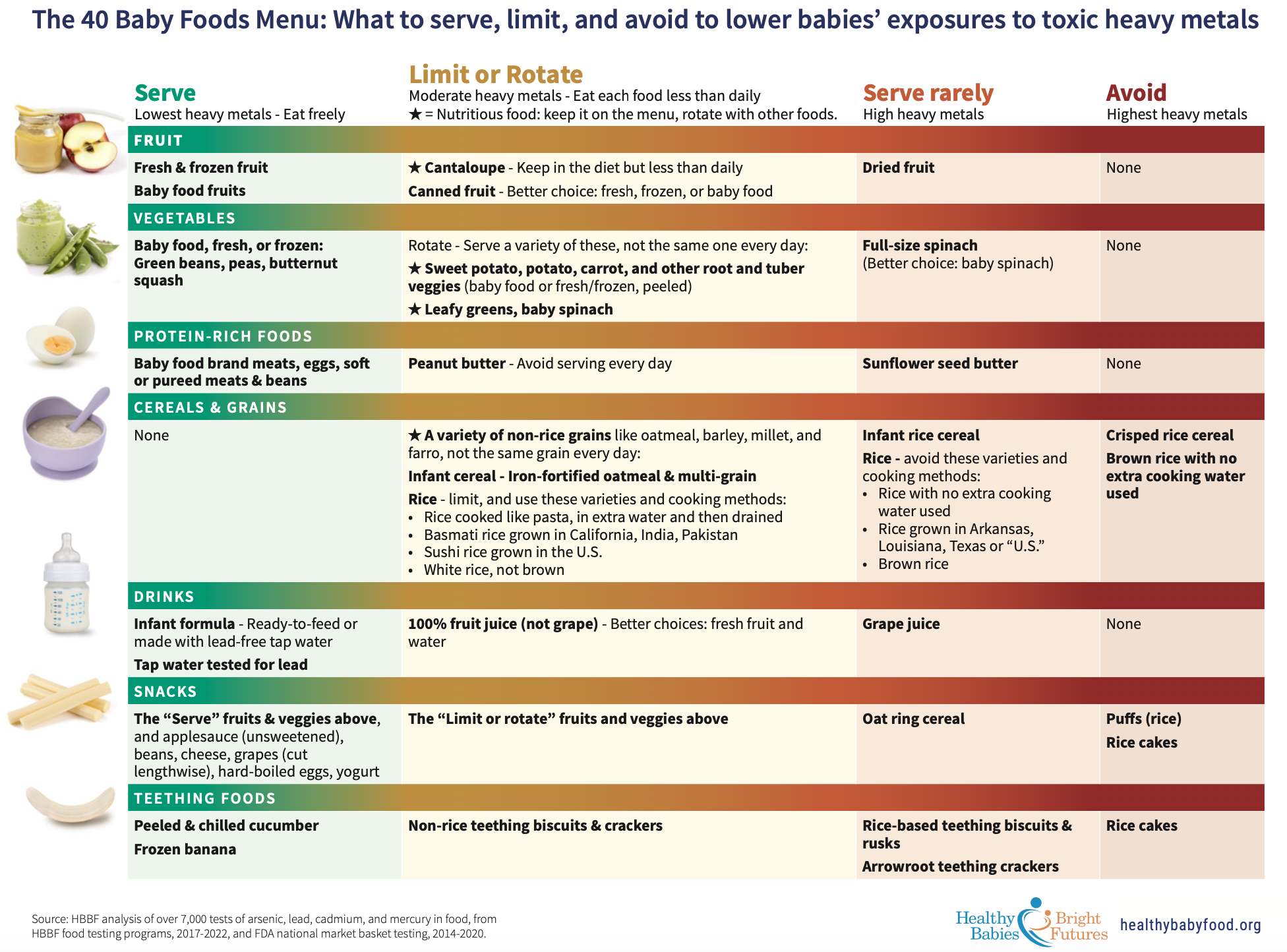
Baby foods that tend to have lower heavy-metal risk include fresh or frozen fruit, peas, green beans, butternut squash, beans, eggs, meats, yogurt or cheese when age-appropriate, and infant cereals made from oats or other non-rice grains. Limit rice-based snacks, rice cereal, frequent root-vegetable purees, fruit juice, and high-mercury fish.
Key Takeaways
- No baby food can honestly be called “heavy-metal free” unless current batch testing proves it.
- Rice-based foods are the biggest everyday category to limit because rice can absorb more arsenic than many other grains.
- Organic food can reduce pesticide exposure, but it does not guarantee low heavy-metal levels.
- Homemade baby food gives you ingredient control, but produce and water can still contain trace metals.
- A varied diet is one of the simplest ways to reduce repeated exposure from any one food.
Credit: www.elglaw.com
Heavy Metals In Baby Foods
Heavy metals in baby food usually come from the environment, not from one single brand or one single ingredient. The U.S. Food and Drug Administration explains that arsenic, lead, cadmium, and mercury can occur naturally in the environment and can also come from human activity. Crops may take up different amounts depending on where and how they are grown. FDA’s Closer to Zero program focuses on lowering these contaminants in foods commonly eaten by babies and young children.
What Are Heavy Metals?
In baby-food safety discussions, the main metals of concern are lead, arsenic, cadmium, and mercury. Some minerals, such as iron and zinc, are nutrients your baby needs. Lead, inorganic arsenic, cadmium, and mercury are different because repeated exposure may harm development.
Why Are Babies More Vulnerable?
Babies and toddlers are small, grow quickly, and eat more food for their body weight than adults. The FDA says it prioritizes baby and toddler foods because young children’s smaller body size and metabolism make them more vulnerable to contaminants. The CDC also states that no safe blood lead level in children has been identified. CDC guidance links even low lead levels with developmental delays, learning difficulty, and behavior issues.
Warning: Do not remove whole food groups from your baby’s diet because of heavy-metal concerns. Babies still need iron, protein, healthy fats, and varied produce. Ask your pediatrician if your baby has feeding issues, anemia risk, developmental concerns, or known lead exposure.
How Do Heavy Metals Get Into Baby Foods?
Heavy metals can enter baby foods through soil, irrigation water, air pollution, older industrial contamination, food processing, or water used during preparation. Washing and peeling can reduce some surface contamination, but they cannot remove metals that a plant has already absorbed while growing.
What The Current FDA Lead Guidance Means
In January 2025, the FDA issued final guidance for lead in processed foods intended for babies and children under 2. The action levels are 10 parts per billion for many fruits, vegetables, mixtures, yogurts, custards, puddings, and meats, and 20 parts per billion for single-ingredient root vegetables and dry infant cereals. These action levels help guide enforcement, but they are not a promise that every product has zero lead.
Baby Foods That Tend To Have Lower Heavy-Metal Risk
The safest choices are usually simple, varied, and not dominated by rice or the same root vegetable every day. You do not need a perfect menu. You need a rotation that avoids repeated exposure from one high-risk ingredient.
| Lower-Risk Choice | Why It Helps | How To Serve It |
| Oat, barley, quinoa, or multigrain infant cereal without rice as the main grain | Reduces reliance on rice, which can absorb more arsenic. | Use iron-fortified options when your pediatrician recommends cereal. |
| Fresh or frozen fruit | Whole fruit is a better choice than juice and adds fiber. | Serve mashed, pureed, or soft pieces based on age and chewing ability. |
| Peas, green beans, zucchini, and butternut squash | These vegetables add variety without depending on root vegetables daily. | Steam until soft, then mash or puree. |
| Beans, lentils, eggs, poultry, and meats | These foods add protein, iron, and zinc without relying on rice snacks. | Serve soft, finely shredded, mashed, or pureed. Introduce allergens with pediatric guidance. |
| Plain yogurt and cheese when age-appropriate | Adds calcium, protein, and variety. | Choose unsweetened options and avoid added sugar. |
Foods To Limit Or Rotate
Some foods are still nutritious but should not dominate your baby’s meals. The goal is not fear. The goal is to avoid giving the same higher-risk food every day.
Recommended Products

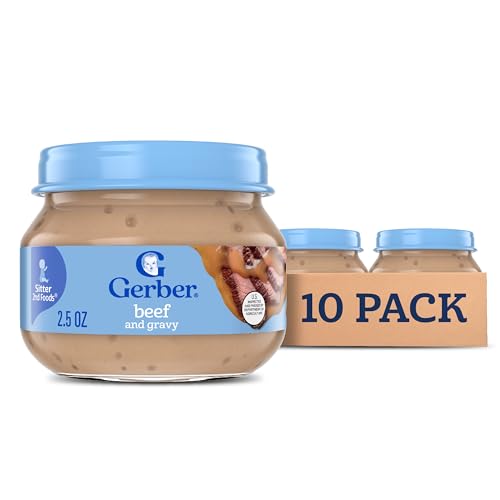
CONVENIENT BABY FOOD: Our beef baby food jar is designed for ease and convenience. These jars of baby food are made in a portable and easy-to-store format for busy parents
Rice-Based Foods
Rice cereal, rice puffs, rice cakes, rice crackers, and rice-based teething biscuits can raise arsenic exposure when served often. If you use rice cereal, rotate it with oat, barley, quinoa, or mixed-grain infant cereal. The FDA has separate guidance for inorganic arsenic in infant rice cereals, which is why rice deserves special attention.
Root Vegetables Every Day
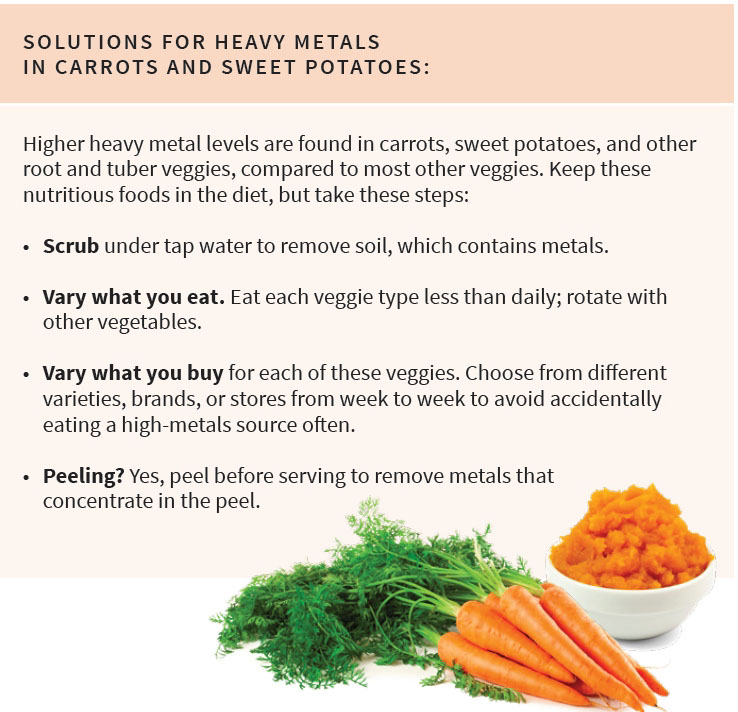
Carrots, sweet potatoes, beets, and potatoes grow underground, so they can take up metals from soil. You do not need to avoid them completely. Serve them in rotation with peas, green beans, zucchini, squash, avocado, beans, meats, and fruit.
Fruit Juice
Juice can add sugar and may contain lead or arsenic depending on the fruit, water, and processing. Whole fruit is usually a better choice because it gives your baby fiber and more balanced nutrition. For babies under 12 months, ask your pediatrician before offering juice.
High-Mercury Fish
Fish can be a healthy food, but the type matters. The FDA and EPA list salmon, cod, pollock, sardines, shrimp, tilapia, and trout as lower-mercury “Best Choice” fish. They list shark, swordfish, king mackerel, marlin, orange roughy, Gulf of Mexico tilefish, and bigeye tuna as fish to avoid for children because of higher mercury levels. Use the FDA/EPA fish advice when choosing seafood for your child.
Common Sources Of Contamination
Understanding where contamination can happen helps you make better choices without feeling overwhelmed.
Recommended Products

SUPERFOOD FOR SUPERBABIES: We believe food choices today impact how we feel, think and perform tomorrow. At Amara, we deliver safe baby food meals and toddler snacks that are fresh, nutrient-dense, 100% organic and non GMO.
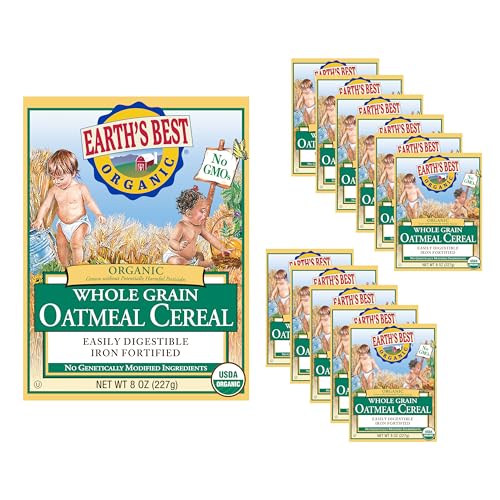
4+ MONTHS FIRST FOODS: Easily digestible infant cereal for babies transitioning from formula or breast milk to solid foods

WHOLESOME, ORGANIC INGREDIENTS Gerber organic baby food gives busy parents a convenient, reliable way to provide their little one with high-quality organic ingredients. Our Oatmeal Cereal for baby is made with 60% of the daily value of iron to support brain development SNAP and EBT item in eligible states
Environmental Pollution
Heavy metals can build up in soil and water near older industrial areas, highways, mining areas, or places with a history of certain pesticides. Crops grown in those environments may absorb more metals.
Ingredients In Baby Food
Ingredient choice matters. Rice and some root vegetables are more likely to raise concern when used often. Mixed pouches can also hide repeated exposure if rice flour, sweet potato, carrot, or juice concentrate appears in many products your baby eats.
Manufacturing Processes
Good manufacturers test ingredients and finished products. Better brands also publish testing results or make them easy to request. A clean label is helpful, but testing matters more than marketing words.
Water Contamination
Water matters when you mix formula, cook cereal, or make homemade purees. The EPA says certified filters can reduce lead in drinking water, but they must be used correctly. The EPA also advises using only cold water for drinking, cooking, and making baby formula because boiling water does not remove lead. Check EPA guidance on lead in drinking water if you live in an older home or use a private well.
Brands With Safer Options
No brand is always the lowest in heavy metals across every product, flavor, and batch. Heavy-metal levels can vary by ingredient source and lot. Instead of looking for one “cleanest” brand, look for brands that make testing easy to verify.
Recommended Products

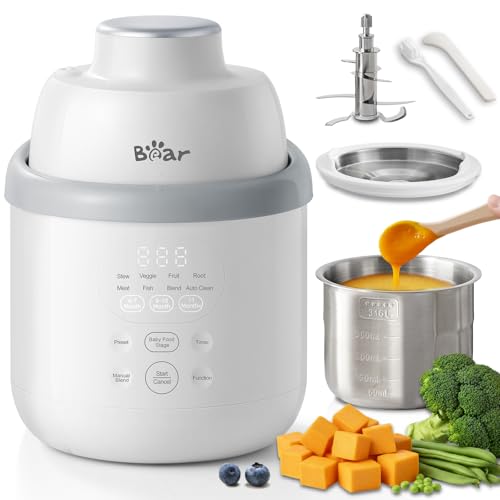
𝗦𝘁𝗲𝗮𝗺𝗶𝗻𝗴 𝗮𝗻𝗱 𝗕𝗹𝗲𝗻𝗱𝗶𝗻𝗴 𝗶𝗻 𝗢𝗻𝗲: The height of the blender container is 4.13 inches, and the outer diameter is 4.17 inches.This GROWNSY baby food maker thoughtfully designed for babies 6 months+ during the weaning stage.It seamlessly combines steaming and blending in a single device, simplifying meal prep and eliminating the need for extra kitchen tools. The built-in sterilizer mode saves time and effort, giving you more precious moments with your baby.

【4-in-1 Baby Food Maker】Multifunctional baby food processor with steamer. You can steam cooks, blends, defrosts and reheats healthy food, which satisfy the needs of daily infant feeding. This baby food steamer is suitable for all vegetable, fish, fruit and meats.The unique steam circulation system locks in nutrients, flavors and vitamins, ensuring your baby benefits from delicious and healthy homemade food.
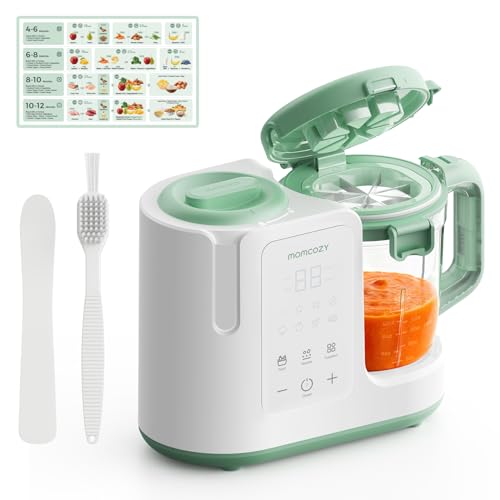
𝟑-𝐌𝐢𝐧𝐮𝐭𝐞 𝐏𝐫𝐞𝐩, 𝐈𝐭 𝐇𝐚𝐧𝐝𝐥𝐞𝐬 𝐭𝐡𝐞 𝐑𝐞𝐬𝐭 - Spend just 3 minutes prepping — the Momcozy Baby Food Maker automatically steams and blends in 18–25 minutes. No food transferring needed. For frozen ingredients, extend the duration in Auto Mode. Making fresh, healthy baby puree has never been easier.
Choose Brands That Publish Testing Information
Look for brands that test for lead, arsenic, cadmium, and mercury and share results clearly. The strongest transparency includes batch or lot-level results, testing dates, product names, and clear explanations of what the numbers mean.
Organic Does Not Always Mean Lower Heavy Metals
Organic baby food may reduce exposure to some pesticides, but organic farming does not remove lead, arsenic, cadmium, or mercury from soil or water. Use organic as one factor, not the only safety signal.
Small Brands Vs. Big Brands
A smaller brand is not automatically safer, and a large brand is not automatically worse. What matters is ingredient sourcing, testing frequency, quality control, and transparency. If a company makes safety claims but does not share testing information, treat the claim as marketing until you can verify it.
How To Read A Baby Food Label
- Check whether rice, rice flour, rice starch, or juice concentrate appears often.
- Choose simple blends where you recognize each ingredient.
- Rotate flavors instead of buying many pouches with the same base ingredient.
- Look for “tested for lead, arsenic, cadmium, and mercury,” not vague phrases like “clean” or “pure.”
- Contact the company if testing results are not easy to find.
Note: A product can meet current FDA guidance and still contain trace metals. The practical goal is lower repeated exposure, not a perfect zero.
Credit: healthychildrenproject.org
Ingredients To Prioritize
Choosing baby foods with lower heavy-metal risk starts with variety. You can still serve many nutritious foods. Just avoid letting one high-risk ingredient become the base of every meal or snack.
Whole Grains Over Rice
Choose oat, barley, quinoa, millet, or mixed-grain infant cereals more often than rice cereal. Iron-fortified infant cereal can still help some babies meet iron needs, so ask your pediatrician which grain choices fit your baby’s diet.
Fresh Fruits And Vegetables
Fresh and frozen produce can be a strong base for baby meals. Apples, bananas, pears, berries, peas, green beans, zucchini, squash, and avocado all add variety. Wash produce well under running water before cooking or serving.
Lean Proteins
Chicken, turkey, beans, lentils, eggs, and soft meats can help your baby get iron, zinc, and protein. These foods also reduce reliance on rice snacks and sweet purees. Serve them in safe textures for your baby’s age and chewing skills.
Low-Mercury Seafood
When your baby is ready for fish, choose lower-mercury options such as salmon, cod, pollock, trout, tilapia, sardines, or shrimp. Avoid high-mercury fish listed by FDA and EPA. Remove bones carefully and serve fish in a soft, safe texture.
Organic Options
Organic foods can still be useful, especially when you want to reduce pesticide exposure. For heavy metals, though, testing and ingredient rotation matter more. Choose organic when it fits your budget, but do not assume organic means metal-free.
Homemade Baby Food Benefits
Homemade baby food can be a smart option because you control the ingredients, texture, and added salt or sugar. It does not guarantee zero heavy metals, but it can help you rotate foods and avoid overusing rice-based packaged snacks.
Why Homemade Baby Food Stands Out
When you cook at home, you can choose the grain, produce, protein, and water source. You can also avoid unnecessary sweeteners, salty sauces, and fillers. This gives you more control than many mixed pouches or packaged snacks.
Use Fresh Ingredients
Choose a wide mix of fruits, vegetables, grains, and proteins. Wash produce well. Peel root vegetables such as carrots and sweet potatoes when you want to reduce soil residue, then rotate them with above-ground vegetables.
No Hidden Additives
Homemade food lets you skip added sugar, added salt, and unnecessary thickeners. Keep recipes simple. Babies do not need sweetened purees, salty seasonings, or adult sauces.
Simple Equipment, Big Results
You do not need fancy equipment. A steamer, pot, fork, blender, or food processor can work. Cook foods until soft, then mash or blend them to a safe texture for your baby’s stage.
Cost-Effective And Customizable
Homemade baby food can cost less than buying individual jars or pouches. It also lets you adjust texture as your baby moves from smooth purees to mashed foods and soft finger foods.
Peace Of Mind Without False Promises
The real benefit of homemade food is control, not perfection. Use varied ingredients, safe water, and age-appropriate textures. If you use private well water or live in an older home, consider water testing before using tap water for formula or baby food.
Tips For Reducing Exposure
You do not need to make every meal complicated. Small, repeated habits can lower your baby’s exposure over time.
Choose Single-Ingredient Foods Often
Single-ingredient foods make it easier to see what your baby eats. They also help you rotate ingredients instead of serving the same pouch base every day.
Vary Your Baby’s Diet
Rotation is one of the best everyday strategies. Alternate grains, vegetables, fruits, and proteins. No single food should dominate your baby’s meals for weeks at a time.
Limit Rice-Based Products
Use rice cereal and rice snacks less often. Choose oat cereal, barley cereal, quinoa, or other non-rice grains more often. Replace rice puffs with soft fruit, yogurt, eggs, beans, or other age-safe snacks when possible.
Use Safer Water For Formula And Cooking
If you are concerned about lead in water, use a filter certified to reduce lead and follow the replacement schedule. Use cold water for drinking, cooking, and formula. Do not boil water as a way to remove lead because boiling does not remove it.
Avoid Fruit Juice As A Daily Drink
Whole fruit is usually a better choice than juice. If your child is old enough for juice and your pediatrician says it is okay, keep it occasional and serve small amounts.
Read Labels Carefully
Look beyond the front of the package. Check the ingredient list for rice, rice flour, juice concentrate, and repeated root vegetables. Look for brands that publish current testing results for heavy metals.
Prepare Baby Food Safely At Home
Wash produce, peel root vegetables when useful, cook foods fully, and store leftovers safely. Avoid adding salt, sugar, honey for babies under 12 months, or unsafe chunks that could cause choking.
Pro Tip: Build a simple weekly rotation: one non-rice grain, two green or yellow vegetables, two fruits, and two protein foods. This keeps meals varied without making planning stressful.
Credit: www.cnn.com
Frequently Asked Questions
What baby foods have the least heavy metals?
Foods that tend to be lower-risk include fresh or frozen fruit, peas, green beans, zucchini, butternut squash, beans, eggs, meats, yogurt or cheese when age-appropriate, and infant cereals made from oats or other non-rice grains. The best approach is variety, not relying on one “perfect” food.
What is the cleanest baby food brand?
No single baby food brand can be called the cleanest for every product and batch. Choose brands that publish recent testing for lead, arsenic, cadmium, and mercury. Clear batch-level results are more useful than broad marketing words like “clean,” “pure,” or “natural.”
Is Gerber high in heavy metals?
Heavy-metal levels can vary by product, ingredient, and batch. Instead of judging any brand by one general claim, check the exact product’s testing information when available. Also compare the ingredient list. Rice-based snacks, root-vegetable blends, and juice-heavy products deserve more caution across all brands.
Is homemade baby food safer than store-bought baby food?
Homemade baby food gives you more control over ingredients, but it is not automatically free of heavy metals. Produce, grains, and water can still contain trace metals. Homemade meals work best when you use varied ingredients, safe water, and good food-safety practices.
How can I reduce heavy metal exposure in my baby’s diet?
Rotate foods, limit rice-based snacks and cereals, choose non-rice grains, serve whole fruit instead of juice, vary vegetables, use lower-mercury fish, and check whether your water may contain lead. Choose brands that publish heavy-metal testing and ask your pediatrician about lead testing if you are concerned.
Which baby foods should I avoid?
For heavy-metal exposure, limit frequent rice cereal, rice puffs, rice cakes, rice-based teething biscuits, daily root-vegetable purees, fruit juice, and high-mercury fish. For general baby safety, avoid honey before 12 months, unpasteurized dairy, undercooked eggs, raw fish, high-sodium foods, added sugar, and choking hazards such as whole grapes or whole nuts.
Conclusion
Choosing baby foods with fewer heavy metals is about lowering repeated exposure, not finding a perfect zero-risk product. Focus on variety, non-rice grains, whole fruits, lower-risk vegetables, proteins, and brands that make testing information easy to verify.
Limit rice-based snacks, rice cereal, juice, frequent root-vegetable purees, and high-mercury fish. Homemade food can help when you use safe water and rotate ingredients, but it does not remove every risk.
Small changes make the biggest difference when you repeat them. A varied, nutrient-rich diet supports your baby’s growth while reducing avoidable exposure over time.
Sources
- FDA Closer to Zero — explains why arsenic, lead, cadmium, and mercury can occur in foods and how FDA is reducing childhood exposure.
- FDA Lead Action Levels for Processed Baby Foods — supports the 10 ppb and 20 ppb lead action-level information.
- FDA Inorganic Arsenic in Infant Rice Cereals Guidance — supports the recommendation to limit reliance on rice cereal and rice-based products.
- CDC Childhood Lead Poisoning Prevention — supports the statement that no safe blood lead level in children has been identified.
- FDA/EPA Advice About Eating Fish — supports lower-mercury fish choices and fish to avoid for children.
- EPA Basic Information About Lead in Drinking Water — supports guidance on filters, cold water, formula preparation, and boiling not removing lead.