When is the Best Time to Give Baby Solid Foods? You want the best for your baby, especially when it comes to their health and development.
One big milestone every parent looks forward to is introducing solid foods. But let’s be honest—it can also be a little nerve-wracking. When is the right time? How do you know your baby is ready? What foods should you start with?
These questions might be swirling in your mind, and you’re not alone. The truth is, giving your baby solids at the right time can set the stage for a lifetime of healthy eating habits. Too early, and their tiny tummy might not be ready. Too late, and you might miss a critical window for growth and exploration. In this guide, you’ll get clear, science-backed answers to help you feel confident about this exciting step. Stick with me, and by the end of this article, you’ll know exactly when and how to introduce solid foods to your baby—without second-guessing yourself. Let’s dive in!
Signs Your Baby Is Ready
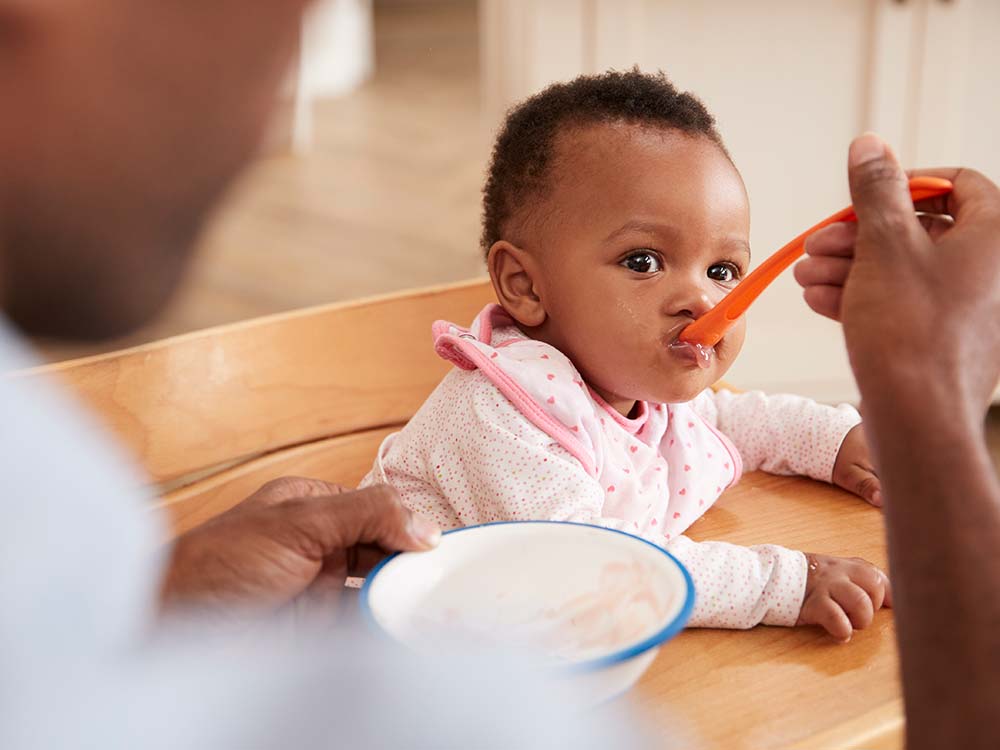
Introducing solid foods to your baby is an exciting milestone, but timing is everything. You might wonder, “How do I know my baby is ready?” The good news is that your baby will give you clear signals when they’re ready to transition from milk to solids. Paying attention to these signs can help ensure the process is smooth and enjoyable for both of you.
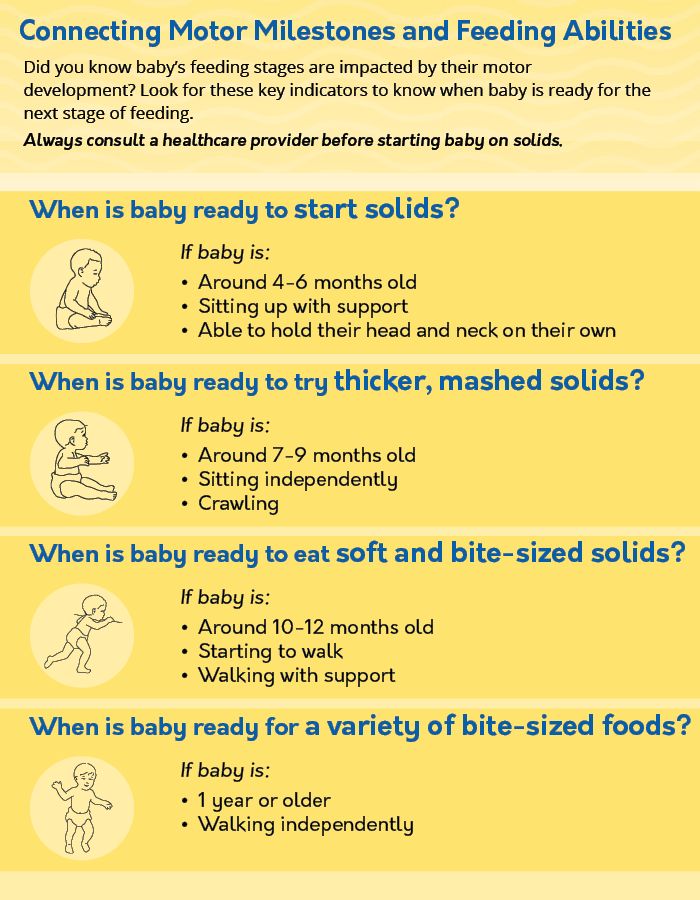
1. Baby Can Sit Up With Little Or No Support
If your baby can sit upright in a high chair or on your lap with minimal wobbling, it’s a green light. Sitting up helps them swallow food safely and comfortably. If they’re still slumping or needing too much support, it’s better to wait a bit longer.
2. Loss Of The Tongue-thrust Reflex
Babies are born with a natural reflex that pushes food out of their mouths with their tongues. This is called the tongue-thrust reflex, and it usually fades around 4-6 months. If your baby no longer automatically pushes food out, it’s a sign they may be ready to try swallowing solids.
3. Increased Interest In Your Food
Does your baby stare intently at your plate during mealtime? Maybe they even try to grab your fork or mimic chewing motions. This curiosity about food shows they’re eager to explore new textures and tastes.
4. Baby Is Around 6 Months Old
Most pediatricians recommend starting solids around 6 months. By this age, your baby’s digestive system is more developed, and they’re better equipped to handle foods beyond milk or formula. However, every baby is different, so age alone shouldn’t be the only factor you consider.
5. Good Head And Neck Control
Before introducing solids, ensure your baby can hold their head steady and upright. This is crucial for safe swallowing. If their head still bobbles, it’s a sign they need more time to develop this skill.
6. Baby Seems Hungrier Than Usual
If your baby suddenly starts waking up more at night or seems unsatisfied after regular milk feedings, they may be ready for something more filling. However, make sure this is a consistent pattern and not just a growth spurt. Consistency is key when determining readiness.
7. Baby Opens Their Mouth When Food Is Offered
A baby who leans forward and opens their mouth when food is near is giving you a clear signal. They’re ready to explore new textures and flavors. On the other hand, if they turn their head away or close their mouth, they may not be ready just yet.
By watching for these signs, you can confidently introduce your baby to solid foods at the right time. Did any of these signals surprise you? Trust your instincts and your baby’s cues—they know more than you think!
Recommended Age Range
Introducing solid foods to your baby is an exciting milestone, but timing is key. Feeding your baby solids too early or too late can affect their development and health. So, what’s the recommended age range for starting solids, and why is it important?
What Age Do Experts Recommend?
Most health organizations, including the World Health Organization (WHO) and the American Academy of Pediatrics (AAP), suggest introducing solid foods around 6 months of age. This is when babies typically show signs of readiness, like sitting upright and showing interest in food.
Before 6 months, a baby’s digestive system isn’t fully developed to handle solid foods. Breast milk or formula provides all the nutrients they need during this time. Waiting until 6 months ensures their bodies are better prepared to process solids.
Can You Start Earlier?
Some parents start solids at 4 months, but this is only recommended if your pediatrician agrees. Babies who are introduced to solids too early might face risks like choking or developing food allergies. Plus, they may not yet have the ability to swallow thicker textures comfortably.
If you’re considering starting earlier, look for signs of readiness. Is your baby able to hold their head steady? Are they showing interest in what’s on your plate? If the answer is yes, talk to your doctor before moving forward.
What Happens If You Wait Too Long?
Delaying solids past 6 to 7 months might make it harder for your baby to adapt to different textures. They could also miss out on essential nutrients like iron, which breast milk alone may not fully provide after 6 months.
If your baby isn’t showing interest by 7 months, it’s a good idea to consult a pediatrician. Sometimes, gentle encouragement, like offering small tastes of mashed foods, can help spark curiosity.
How Can You Tell If Your Baby Is Ready?
Every baby develops at their own pace, so it’s important to look for signs of readiness. Does your baby sit upright without support? Are they reaching for food or mimicking chewing motions? These are strong indicators they’re ready for solids.
Keep an eye out for tongue thrusting, where they push food out of their mouth. If this happens often, they might need a little more time before starting solids. Patience is key here.
What’s The Takeaway?
Between 6 to 7 months is generally the sweet spot for introducing solids. Always consider your baby’s unique development and consult your pediatrician if you’re unsure. Starting solids is not just about nutrition; it’s also about helping your baby explore new tastes and textures in a safe and enjoyable way.
First Foods To Introduce
Introducing solid foods to your baby is an exciting milestone. It’s essential to start with gentle, nutrient-rich options. These foods should be easy to digest and safe for your baby. The goal is to help them explore new tastes while meeting their nutritional needs.
Recommended Products

ON THE GO BABY FOOD: Gerber Stage 1 Baby Food Puree Tubs are designed for ease and convenience. These tubs are the perfect on the go baby food, made in a portable and easy-to-store format for busy parents

Gerber My 1st Fruits & Veggies: Start your babys lifelong love of fruits & veggies with these single fruit & veggie baby foods in trial size 2-ounce tubs that are perfect for first tastes & checking for food sensitivities without much waste.

ON THE GO BABY FOOD: Gerber Stage 1 Baby Food Puree Tubs are designed for ease and convenience. These tubs are the perfect on the go baby food, made in a portable and easy-to-store format for busy parents
What Are The Best First Foods?
Why Start With Iron-rich Foods?
Babies need iron for healthy brain and body development. Around six months, their stored iron begins to deplete. Iron-rich foods like fortified cereals, pureed beans, or soft meats are ideal choices.
Is It Safe To Offer Vegetables Before Fruits?
Many parents start with vegetables to encourage savory tastes. Options like carrots, peas, and sweet potatoes are nutritious and appealing. Starting with vegetables helps your baby enjoy a balanced palate over time.
How To Introduce Fruits?
Fruits like bananas, apples, and pears are naturally sweet and soft. Serve them mashed or pureed to ensure easy swallowing. These fruits provide vitamins and a pleasant taste your baby will enjoy.
Should You Include Allergens Early?
Experts suggest introducing allergenic foods like peanuts or eggs early. Offer these foods one at a time in small amounts. This helps identify any potential allergies while building tolerance.
`
Credit: pathways.org
Common Mistakes To Avoid
Introducing solid foods is an exciting milestone in your baby’s journey. Yet, many parents unknowingly make mistakes during this phase. Understanding these common errors can help you avoid challenges and promote healthy eating habits.
1. Waiting Too Long To Start Solid Foods
Delaying solids beyond six months can lead to nutritional gaps. Babies need iron and other nutrients that milk alone may not provide. Late introduction could also make your baby less willing to try new textures.
2. Starting Too Early
Some parents begin solids before four months, which is not recommended. Early feeding might increase the risk of choking or digestive issues. Babies’ digestive systems need time to develop fully for solid foods.
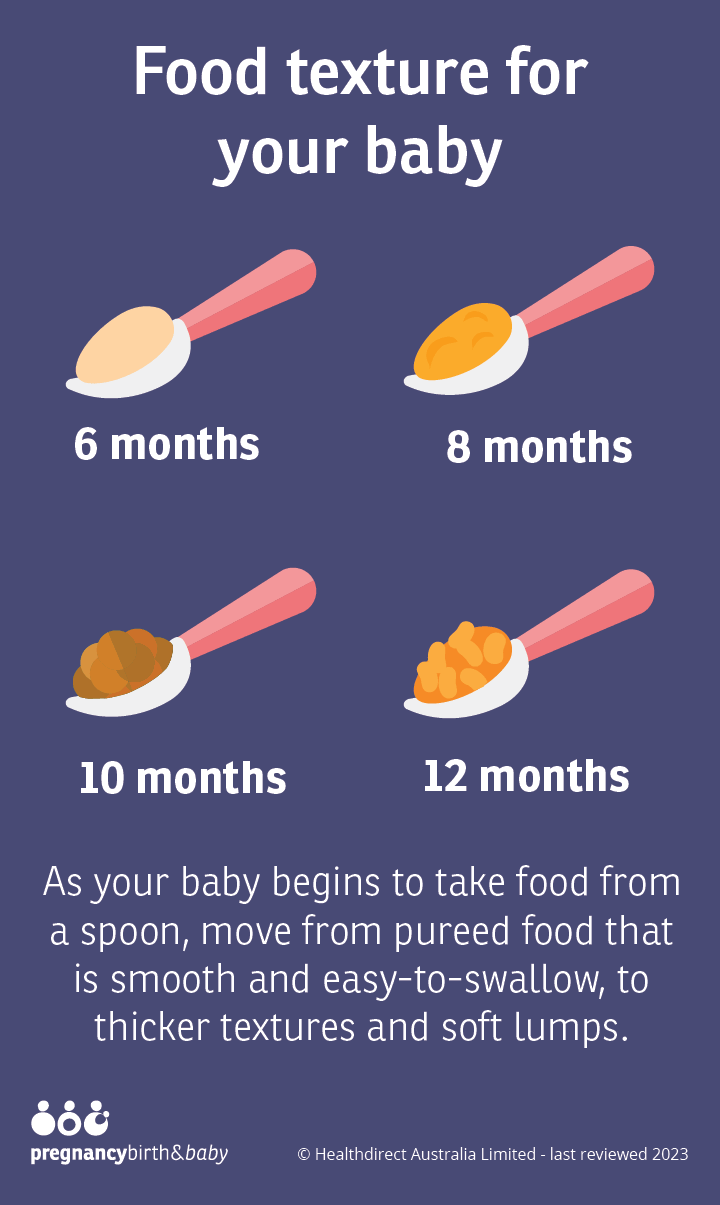
3. Offering Only Purees For Too Long
Purees are great for starting, but babies need texture variety. Prolonged reliance on purees can delay chewing and oral motor skills. Introduce soft finger foods gradually once your baby shows readiness.
4. Ignoring Signs Of Readiness
Not all babies are ready for solids at the same time. Watch for signs like sitting up with support and showing interest in food. Forcing solids before these signs can lead to frustration for both you and the baby.
5. Using Solid Foods As A Substitute For Milk
Breast milk or formula should remain your baby’s main source of nutrition. Solid foods complement milk but don’t replace it during the first year. Reducing milk too early can deprive your baby of essential nutrients.
6. Adding Salt, Sugar, Or Honey
Seasoning baby food with salt or sugar is unnecessary and harmful. Babies’ kidneys can’t handle added salt, and sugar may lead to unhealthy habits. Honey should also be avoided as it can cause infant botulism.
7. Feeding Large Portions
Babies have small stomachs and don’t need large amounts of food. Start with small portions and let your baby guide how much to eat. Overfeeding can lead to discomfort or eating issues later.
8. Not Offering A Variety Of Foods
Sticking to the same foods limits your baby’s exposure to different nutrients. Introduce a range of fruits, vegetables, and grains to support balanced growth. Early exposure to variety can reduce picky eating later in life.
9. Feeding While Distracted
Distractions like TV or phones during meals may hinder your baby’s focus. Create a calm environment to encourage better eating habits. This also helps your baby learn to recognize fullness cues.
Managing Allergies And Reactions
Introducing solid foods is a big milestone for babies. It’s also a time to carefully monitor their reactions. Babies can develop food allergies or sensitivities during this phase. Knowing how to manage these possibilities is important for their safety and comfort.
Parents should introduce new foods one at a time. This helps identify any potential allergic reactions. Common allergens like eggs, dairy, peanuts, and wheat need extra attention. Waiting 3-5 days between new foods can help track reactions clearly.
Recommended Products
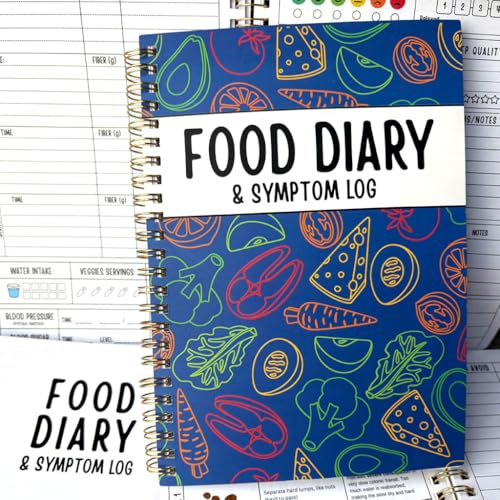
DESIGNED FOR FOOD SENSITIVITY & DIGESTIVE AWARENESS: Created for those navigating food sensitivities, gut discomfort, or lifestyle-related symptoms. Goes beyond basic tracking to help uncover patterns, triggers, and connections between food, energy, mood, and daily habits.


BABY'S FIRST FOOD CHECKLIST: Our large fridge magnet is perfect for tracking your baby's food journey as they try new foods for the first time. You can easily plan each meal while introducing your baby to an assortment of flavors to help minimize picky eating
Signs Of Allergic Reactions
Watch for physical changes after introducing a new food. Symptoms may include rash, vomiting, diarrhea, or swelling. Breathing difficulties are also a serious sign. If these occur, contact a healthcare provider immediately.
Behavioral changes can also signal a problem. Excessive crying, irritability, or discomfort might indicate food sensitivity. Keeping a food journal can help track these signs effectively.
Common Allergenic Foods
Some foods are more likely to trigger allergies. These include nuts, eggs, fish, and dairy products. Wheat and soy are also common allergens. Introduce these foods cautiously and in small amounts.
Consult a pediatrician before offering high-risk foods. They can provide guidance based on your baby’s health history. Early introduction under supervision can help reduce long-term allergy risks.
Steps To Manage Allergic Reactions
Stop feeding the suspected food immediately. Offer water to help soothe mild reactions. Do not give medication without consulting a doctor first.
For severe reactions like difficulty breathing, seek emergency help. Always keep emergency contact numbers handy. If your baby has known allergies, consider keeping an epinephrine auto-injector.
Discuss long-term management strategies with your pediatrician. Regular allergy testing may be recommended for high-risk babies.
Credit: raisingchildren.net.au
Creating A Feeding Schedule
Introducing solids is often recommended around six months, when babies can sit upright and show interest in food. Start with small portions, offering soft textures like mashed fruits or vegetables during family mealtimes. Gradually adjust the feeding schedule based on your baby’s hunger cues and daily routine.
Introducing solid foods is an exciting milestone for your baby. Creating a feeding schedule helps establish routine and ensures balanced nutrition. A consistent plan also makes it easier to observe your baby’s preferences. Every baby is unique. Observe your baby’s cues and adjust the schedule as needed. Start slow and build a routine that works for both of you.Recommended Products
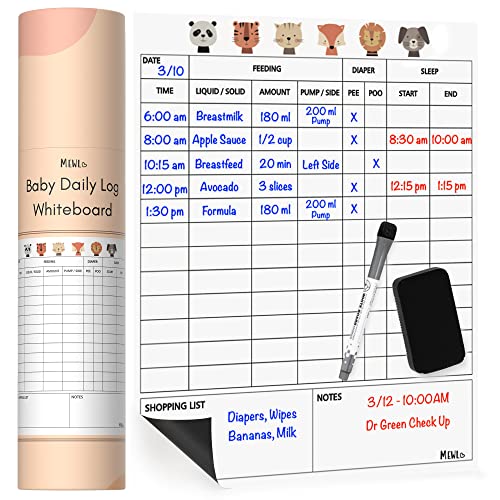
ALL IN ONE BABY TRACKER - Understand your baby’s routine and schedule by logging their feedings, diaper changes, and sleep times


THOUGHTFUL INFANT CARE - With this daily baby care journal book, you can record various details of baby's nursing, eating, sleeping, diaper changing and activities in details to help baby grow up healthily
1. Morning Feed
Morning is a great time to introduce a small meal. Babies are usually rested and happy after a good night’s sleep. Offer a single-ingredient puree, like mashed banana or avocado. Keep the portion small, about one to two teaspoons. Let your baby explore the texture and taste.2. Midday Feed
A midday feed is ideal for trying new flavors. Use this time to introduce vegetables like carrots or sweet potatoes. Ensure your baby is alert and not too tired. Always follow solid food with breast milk or formula to keep your baby hydrated.3. Evening Feed
Evening feeds help transition your baby into a bedtime routine. Offer a mild food, such as plain oatmeal or rice cereal. Avoid heavy or strongly flavored foods in the evening. This helps prevent any discomfort during sleep.4. Watch For Hunger And Fullness Cues
Learn to identify your baby’s hunger and fullness signals. Signs of hunger include opening the mouth, reaching for food, or making sucking noises. Fullness cues include turning away, closing the mouth, or losing interest. Respect these cues to avoid overfeeding.5. Be Flexible
Babies’ appetites vary from day to day. Some days they may eat more, while on others, less. Adjust the schedule based on their mood and energy levels. Flexibility ensures a stress-free feeding experience for both of you. `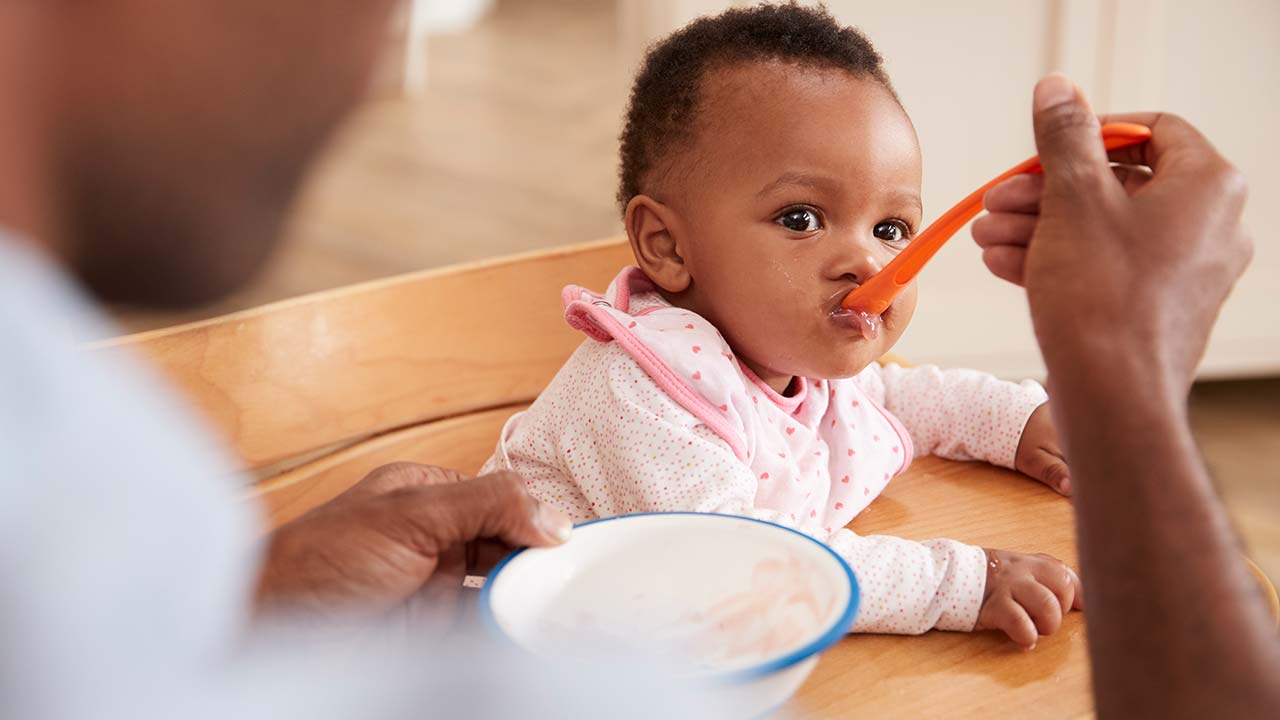
Credit: raisingchildren.net.au
Frequently Asked Questions
What Is The Best Time To Give Solid Food To A Baby?
The best time to introduce solid food to a baby is around 6 months, alongside continued breastfeeding or formula feeding. Start with small portions of soft, mashed foods like fruits, vegetables, or cereals, ensuring the baby shows readiness signs such as good head control and interest in food.
Always consult a pediatrician.
Is It Better To Give Baby Solids In Morning Or Evening?
Morning is often better for introducing solids, as babies are usually more alert and receptive after a good night’s sleep.
Can I Give My 4 Month Old Baby Food?
Babies can start solids around 6 months, but consult your pediatrician before introducing food at 4 months. Breast milk or formula remains the primary source of nutrition.
What Time Of Day Is Best For Solids?
Midday is often the best time for introducing solids, as babies are usually more alert and receptive.
Conclusion
Introducing solid foods is an exciting milestone for your baby. Start when your baby shows readiness signs, like good head control. Remember, every baby is different and develops at their own pace. Begin with simple, single-ingredient foods to watch for any allergies.
Patience is key as your baby explores new tastes and textures. Always consult your pediatrician for personalized advice. Following your baby’s cues will help make this transition smoother. A healthy start builds a strong foundation for their growing years. Enjoy this special journey with your little one!