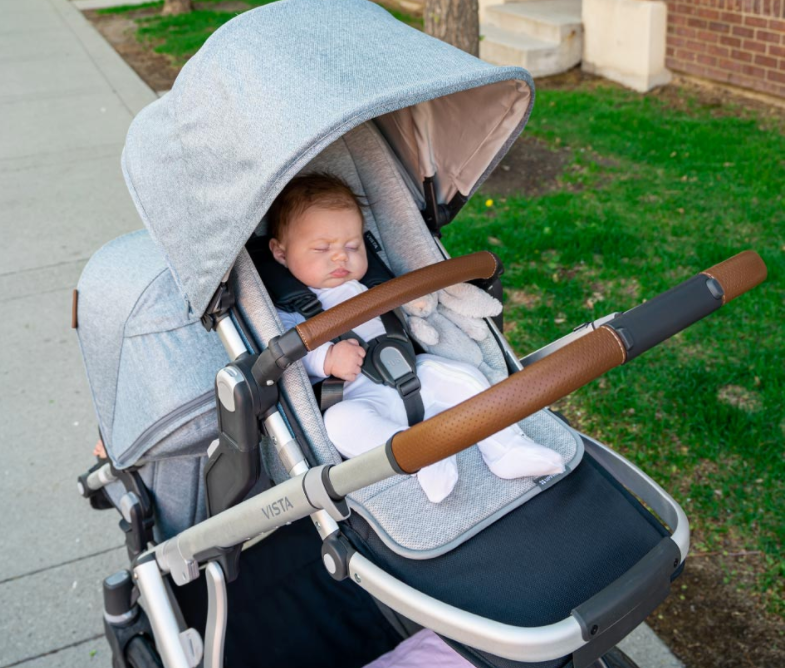
Your baby may want a better view from the stroller seat, but their body and your exact UPPAbaby model decide when the switch is safe.
Some UPPAbaby seats are made for babies from birth when used in a fully supported setup. Others are better once your baby has steady head and neck control, often around 3 to 6 months. The safest answer is to check your stroller model, use the right recline, and watch your baby’s posture during every ride.
Quick Answer
Your baby can use an UPPAbaby stroller seat when the seat matches their age, size, and body control. Vista V3 toddler seats are listed from 3 months, while Cruz V3 is suitable from birth with its lay-flat seat and infant insert. If your baby slumps, wobbles, or tucks their chin, use a bassinet, infant car seat, or approved newborn insert instead.
Key Takeaways
- Check your exact UPPAbaby model first because newborn and toddler-seat rules vary.
- The Vista V3 toddler seat is listed from 3 months to 50 lb and 40 inches.
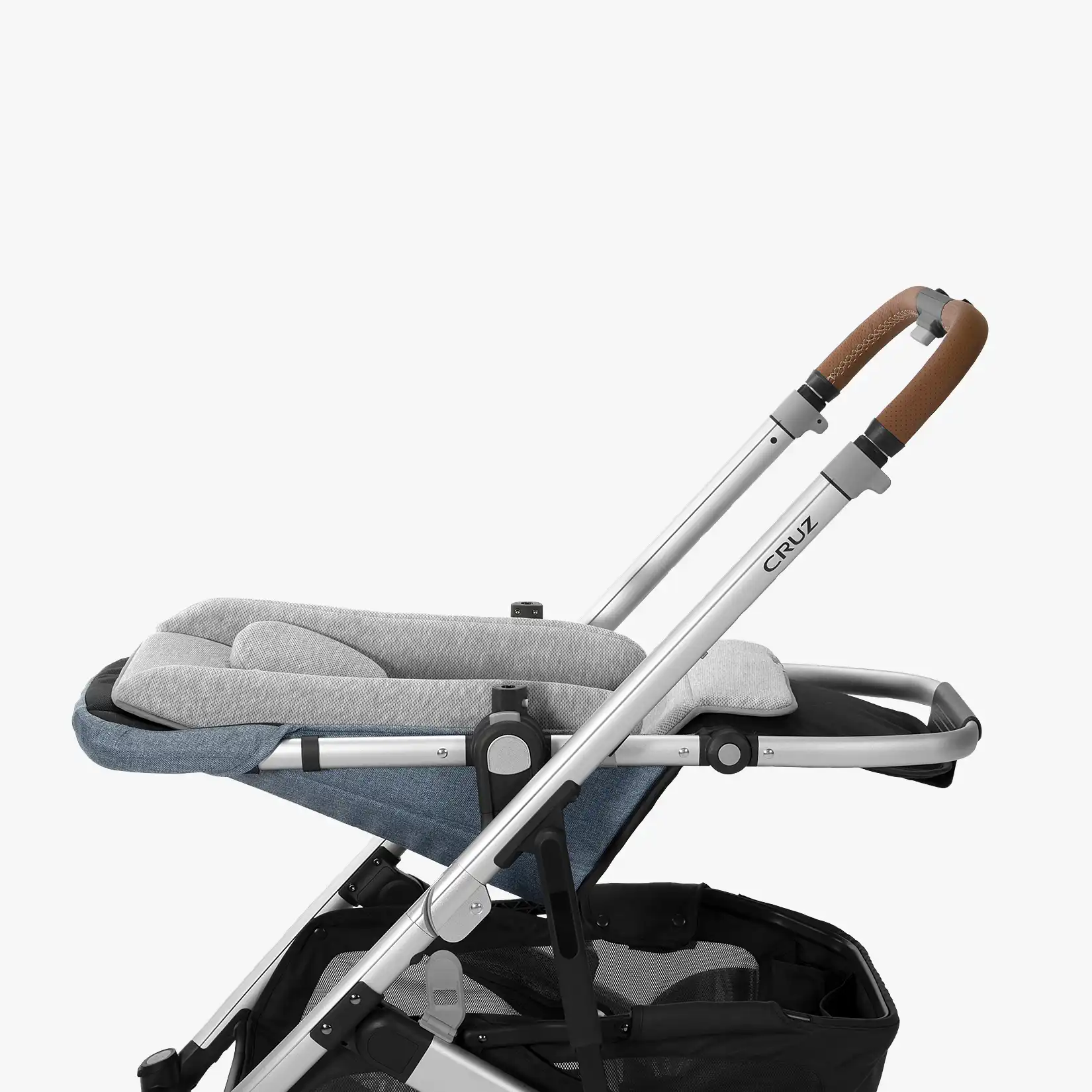
- The Cruz V3 seat is listed from birth to 50 lb and 40 inches because it has a lay-flat setup and infant insert.
- Use a reclined position until your baby has steady head and neck control.
- Keep using the bassinet, infant car seat, or Infant SnugSeat if your baby slumps, folds forward, or looks poorly supported.
At a Glance
| Time Required | 5 to 10 minutes to check the manual, recline, harness, and your baby’s posture |
| Difficulty | Easy, but model-specific rules matter |
| Tools Needed | Your UPPAbaby manual, stroller frame, seat, harness, and any approved infant accessory |
| Cost | Free if you already have the correct seat setup; extra cost only if your model needs a bassinet, infant car seat, or Infant SnugSeat |
What’s in This Article
- When Can Baby Use An UPPAbaby Stroller Seat?
- UPPAbaby Model Age Limits
- Age Recommendations For UPPAbaby Stroller Seat Use
- Safety Features To Check Before Each Ride
- Transitioning From Bassinet To Stroller Seat
- Adjusting The Stroller For Comfort
- Expert Tips For New Parents
- Common Mistakes And How To Avoid Them
- Frequently Asked Questions
- Conclusion

Credit: strolleria.com
When Can Baby Use An UPPAbaby Stroller Seat?
Your baby can use an UPPAbaby stroller seat when two things are true: the seat is approved for your baby’s age and size, and your baby stays supported in the reclined or upright position you plan to use.
For many babies, steady head control begins to show around 4 months. The CDC lists “holds head steady without support when you are holding him” as a common 4-month milestone, and by 6 months many babies lean on their hands for support while sitting. That is why many parents move toward a stroller seat between about 3 and 6 months, depending on the model and the baby.
Still, age alone is not enough. Your baby’s posture in the actual stroller matters more than the calendar.
Why Head And Neck Control Matters
A young baby’s head is heavy compared with the rest of their body. If the stroller seat is too upright, your baby may slump forward, slide sideways, or let their chin drop toward their chest.
A reclined seat gives younger babies more support while they build strength. Move to a more upright angle only when your baby can stay steady and breathe comfortably during the ride.
Warning: Do not use an upright stroller position if your baby’s chin drops toward their chest, their head wobbles, or they slump to one side. Switch back to a flatter setup and ask your pediatrician if you are unsure.
When To Keep Using The Bassinet Or Infant Car Seat
Keep using the bassinet or compatible infant car seat if your baby still slumps, wobbles, or looks poorly supported. A flatter setup gives a newborn better support for the head, neck, and spine.
The UPPAbaby Bassinet V3 is listed from birth up to 20 lb and lets a baby lie flat. UPPAbaby also lists the Infant SnugSeat as a from-birth support option for compatible toddler seats when the seat is fully reclined.
You can try the stroller seat again when your baby sits with support, fits the harness well, and stays comfortable in a safe recline.
UPPAbaby Model Age Limits
UPPAbaby model rules can differ, especially between older and newer strollers. Use this table as a guide, then confirm the details in your own manual.
| UPPAbaby setup | Official use guidance | Best for |
|---|---|---|
| Vista V3 Toddler Seat | From 3 months, max 50 lb, max 40 inches | Babies with good support and growing toddlers |
| Cruz V3 seat | From birth, max 50 lb, max 40 inches | Newborns through toddlers when used in the approved lay-flat setup |
| Bassinet V3 | From birth, max 20 lb | Newborn strolls, flat naps, and early months |
| Infant SnugSeat | Creates a from-birth solution for compatible toddler seats when fully reclined | Newborn support in compatible Vista and Cruz/Cruz V2 seats; not compatible with Cruz V3 because Cruz V3 has built-in newborn support |
| Older UPPAbaby models | Varies by year, accessory, and seat type | Parents who need to check the model number and manual before switching |
Note: UPPAbaby updates products over time. A Vista, Cruz, RumbleSeat, or accessory from one model year may not follow the same rules as a newer version.
Recommended Products
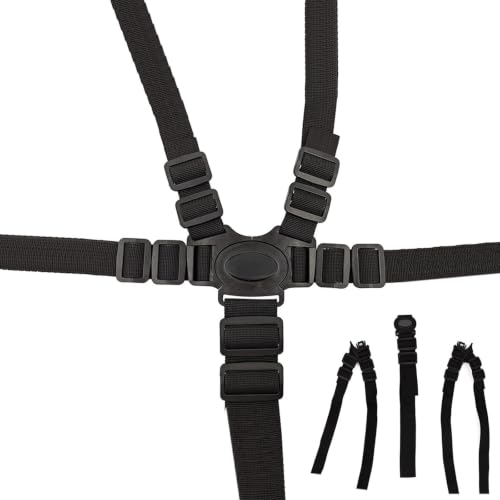
NOTE: For specific installation methods, please refer to the images and videos! Our products can be installed without the need for clamps.

Convert to a Double Stroller:Easily attach the Momcozy ChangeGo Second Seat to your ChangeGo stroller and transform it into a double stroller in seconds. Perfect for growing families, this extra seat provides a smooth ride for both children, making outings more convenient and enjoyable.

Sit & Stand Double Stroller: INFANS tandem strollers is precisely designed to fit 2 children at different developmental stages: the front seat is exclusively for toddlers aged 6-36 months, while the independent standing platform at the rear is a dedicated area for children over 2.5 years old.
Age Recommendations For UPPAbaby Stroller Seat Use
Choosing the right time for your baby to use a stroller seat helps protect their head, neck, and spine. Most parents want a clear age, but your baby’s body control and your model’s instructions give you a safer answer.
Recommended Products

Versatile Design: 3-wheel stroller design provides superior maneuverability and easy turning for seamless navigation through crowded spaces.

ULTRA LIGHTWEIGHT TRAVEL DESIGN: Weighs only 13 lb, making it easy to lift, carry, and store. Perfect lightweight umbrella stroller for summer travel, vacations, and everyday errands. Compact enough for car trunks and convenient on-the-go portability for busy parents.

3 Wheel Stroller for easy turning / mobility
What Age Should Babies Start Using A Stroller Seat?
Many babies start using a standard stroller seat around 3 to 6 months because they are gaining better head and neck control. This timing fits the Vista V3 toddler seat, which UPPAbaby lists from 3 months.
Some babies need more time before they can sit comfortably in a stroller seat. Babies born early, babies with low muscle tone, and babies with delayed milestones may need a flatter, more supportive setup for longer.
Ready Signs To Look For
Before you switch, place your baby in the stroller seat while the stroller is parked and the brake is on. Look for these signs:
- Your baby holds their head steady without heavy wobbling.
- Your baby can sit with support for a short period.
- Your baby’s chin does not drop toward their chest.
- Your baby fits the harness at the shoulders, waist, and crotch.
- Your baby stays calm and supported in a reclined position.
- Your baby’s breathing looks relaxed and unstrained.
Not Ready Yet Signs
Wait longer or use the bassinet, infant car seat, or approved infant insert if you notice any of these signs:
- Your baby’s head falls forward or sideways.
- Your baby’s body slides down in the seat.
- The harness cannot sit snugly without gaps.
- Your baby looks folded, cramped, or poorly supported.
- Your baby fusses only after you raise the seat angle.
- Your pediatrician has advised extra head, neck, or trunk support.
Infant Car Seat Vs. Stroller Seat
Newborns often need a flatter or more cradled ride than older babies. A bassinet, infant car seat, or manufacturer-approved newborn setup may support a young baby better than an upright toddler seat.
A stroller seat gives older babies more room and a better view. Your baby needs the right model setup and enough body control before you use it as their main stroller seat.
What Affects Stroller Seat Readiness?
Every baby grows at their own pace. Some babies sit with support early, while others need more time.
These factors can affect timing:
- Your baby’s head and neck strength
- Your baby’s trunk control
- Your baby’s gestational age at birth
- The stroller model and seat recline
- Whether you use an approved infant insert
- Your baby’s height, weight, and harness fit
Safety Tips For Stroller Seat Use
Buckle your baby into the stroller before you start moving. Use the full harness system and adjust it so the straps sit snugly without pinching.
Park the stroller on stable ground before you place your baby in the seat. Check the frame, wheels, brake, harness, and seat connection often.
When To Ask Your Pediatrician
Your pediatrician can help if you feel unsure about stroller readiness. This matters most if your baby was born early, has low muscle tone, has delayed milestones, or needs extra medical support.
Ask for advice based on your baby’s growth, strength, and milestones. A short check can help you choose the safest setup.
Credit: uppababy.com
Safety Features To Check Before Each Ride
Selecting the right stroller seat setup helps keep your baby safe. Before each walk, check the harness, seat angle, wheels, canopy, and frame.
UPPAbaby strollers include features that can support a safe ride when you use them correctly. These checks only take a minute, but they can prevent common problems.
Recommended Products

Adjustable Baby Car Seat Head Support: With an additional headrest, it can be adjusted according to the development of the baby, providing precise growth support for babies from 0 to 12 months.

Softness upgrade. Unlike other infant insert that are only sponge-filled, our infant insert not only filled with sponge, but also adds polyester fillings between the outer fabric and sponge, making it both shape preserving and softer, providing enhanced cushioning and support for your baby during travel
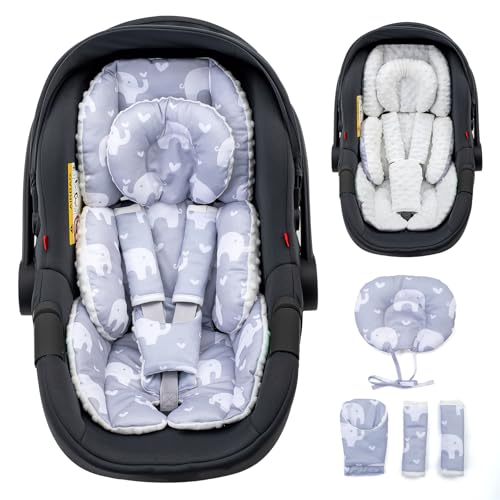
Adjustable Head Support: This infant car seat insert attached an additional headrest, it can be adjusted according to the development of the baby, providing precise growth support for babies from 0 to 12 months.
Adjustable Harness System
An adjustable harness keeps your baby snug and secure. Many UPPAbaby stroller seats include a five-point harness that adjusts as your child grows.
Check the fit each time your baby rides. The straps should sit close to your baby’s body without pinching. If your baby wears thick layers, recheck the harness because bulky clothing can create extra slack.
Reclining Seat Positions
Reclining seat positions support both comfort and safety. A reclined position can help younger babies who still need head and neck support.
Use a more upright position only when your baby has the strength to sit that way. Watch your baby’s posture during the ride, especially after turns, bumps, and naps.
Brake And Wheel Checks
Use the stroller brake whenever you stop. A parked stroller can roll if you skip this step, even on a mild slope.
Check the wheels before every outing. Make sure each wheel is attached, turns smoothly, and is free of stones, hair, or debris.
Ample Sun Protection
A large canopy helps shield your baby from bright sun and wind. UPPAbaby lists UPF 50+ canopy features on models such as Vista V3 and Cruz V3.
Position the canopy so it shades your baby’s face without blocking airflow. Check your baby often during warm walks, and avoid covering the stroller with a blanket because it can trap heat.
Sturdy Frame And Materials
A strong frame helps the stroller handle daily use. Inspect the frame, seat connection, wheels, and brake before you head out.
Stop using the stroller if you notice cracks, loose parts, a failing brake, or a harness that no longer works well. Contact UPPAbaby support or a qualified repair service for help.
Registration And Recall Check
Register your stroller with UPPAbaby if you have not already done so. Registration helps the manufacturer contact you about important safety updates.
If you bought the stroller used, check the model number, manufacture date, manual, and recall status before using it with your baby. Used strollers can be missing adapters, inserts, or replacement parts that affect safety.
Transitioning From Bassinet To Stroller Seat
Your baby can transition from the bassinet to the UPPAbaby stroller seat when the seat setup fits your baby’s age and your baby can stay supported. For many babies, this happens between 3 and 6 months, but your exact model may allow a safe from-birth setup.
The switch does not need to happen all at once. Short rides can help your baby adjust to the new view, harness, and seat angle.
Step 1: Check Developmental Readiness
Before you move your baby to the stroller seat, watch how they hold their head. Your baby should keep their head steady without slumping forward.
Your baby should also sit with support for short periods. If they look uncomfortable or fold forward, keep using the bassinet or infant car seat for now.
Step 2: Follow The UPPAbaby Model Guidance
UPPAbaby models and seat accessories can have different age, weight, height, and recline rules. Check the manual for your exact stroller before you switch.
Some seats support younger babies when fully reclined. Others may need an Infant SnugSeat, bassinet, infant car seat, or a different setup.
Step 3: Use A Safe Recline Angle
The recline angle matters most for younger babies. A flatter angle gives better head and neck support.
Raise the seat only as your baby gets stronger. Your baby’s chin should not drop toward their chest during the ride.
Step 4: Start With Short Test Rides
Try the stroller seat at home before your first long walk. Adjust the harness, recline, and canopy while your baby stays calm.
Then take a short walk near home. If your baby slumps, fusses, or looks tired, switch back to the bassinet or infant car seat.
Step 5: Watch And Adjust
Check your baby after the first few minutes. Then check again after bumps, turns, stops, or naps.
If your baby still looks supported and relaxed, slowly lengthen stroller rides. If not, wait a little longer before using the stroller seat as your main setup.
Benefits Of Transitioning
A stroller seat lets your baby see more of the world. This can make walks more engaging once your baby can sit safely.
Your baby can also interact with you and their surroundings more easily. Keep the ride short at first so you can watch how they respond.
Tips For A Smooth Transition
Start with short strolls in a reclined position. Choose a calm time when your baby feels fed, rested, and alert.
Use the harness every time, even for short trips. Bring a small toy or sing to your baby if they need comfort.
Pro Tip: Take your first stroller-seat test ride around the block, not on a long errand. It is easier to switch back to the bassinet or infant car seat if your baby needs more support.
Adjusting The Stroller For Comfort
Your baby will enjoy stroller rides more when the seat fits their stage and size. Small adjustments can improve support, comfort, and safety.
UPPAbaby strollers offer flexible seating options. Use the seat angle, harness, footrest, padding, and handlebar to create a better ride.
Adjusting The Seat Angle
The seat angle affects how well your baby rests and sits. A reclined position supports naps and younger babies.
A more upright position works better when your baby wants to look around. Use it only when your baby can hold their head steady.
Securing The Harness
A secure harness keeps your baby from sliding or leaning too far. The five-point harness should fit snugly at the shoulders, waist, and between the legs.
Check the harness before each outing. Adjust it as your baby grows or changes clothing layers.
Footrest Positioning
Adjust the footrest so it supports your baby’s legs. Good support can help your baby sit in a more natural position.
Dangling legs can make some babies uncomfortable during longer walks. Change the footrest as your baby grows.
Choosing The Right Padding
Soft, breathable padding can help your baby stay comfortable. Make sure any padding fits your UPPAbaby model and does not interfere with the harness.
Avoid bulky blankets behind your baby. Extra padding can change how the harness fits.
Handlebar Adjustments For Parents
Your comfort also affects the ride. Adjust the handlebar to match your height so you can push with less strain.
A better grip helps you steer more smoothly. That can make the ride calmer for your baby.
Expert Tips For New Parents
New parents often want a clear date for stroller seat use. Your baby’s strength and comfort give you a better answer than age alone.
Use these tips to make the change safer and less stressful.
Watch Your Baby’s Developmental Milestones
Your baby’s head and neck control should guide your timing. Many babies gain better control between 4 and 6 months, but development varies.
Watch your baby in the seat before you take a long walk. If they slump, fuss, or seem poorly supported, wait longer.
Choose The Right Stroller Seat Setup
Make sure the stroller seat suits your baby’s age, size, and strength. Use the recline feature for babies who still need more support.
Check whether your model needs an infant insert for younger babies. Follow the instructions for your exact seat and stroller frame.
Secure Your Baby Properly
Use the harness every time you place your baby in the stroller. A five-point harness gives the best support when adjusted correctly.
The straps should sit flat and snug. Keep the chest area clear so the harness can do its job.
Monitor Your Baby’s Comfort
Check your baby’s posture, temperature, and mood during stroller rides. A comfortable baby usually sits with steady support and relaxed breathing.
Use the canopy to block direct sunlight. Make sure air can still move around the seat.
Choose The Right Time For Outings
Plan stroller rides when your baby feels calm. A fed and rested baby adjusts to a new seat more easily.
Start with short walks near home. You can return quickly if your baby needs the bassinet setup again.
Keep Floor Time In The Routine
A stroller is helpful for travel, but babies also need supervised time outside of seats. Give your baby safe floor time, tummy time, and play time each day so they can keep building strength.
A safe stroller-seat switch is not only about age. The best sign is a baby who stays supported, breathes comfortably, and fits the harness correctly.

Credit: strolleria.com
Common Mistakes And How To Avoid Them
Using a stroller seat can feel simple, but small mistakes can affect safety. Avoid these common issues when you move your baby into an UPPAbaby stroller seat.
Using The Wrong Recline Angle
Young babies need strong support for their heads and necks. Use a reclined position until your baby can sit more upright with control.
Check your baby’s chin and breathing during the ride. Adjust the seat if your baby slumps forward.
Leaving The Harness Too Loose
Loose straps can let your baby slide or lean out of position. Tighten the harness so it fits snugly but does not dig in.
Recheck the straps when your baby wears thicker clothing. Coats and blankets can change the fit.
Ignoring Weight And Height Limits
Every stroller seat has limits for safe use. Check the UPPAbaby manual for your model’s weight and height rules.
Move to the next setup when your baby outgrows the seat. Do not rely on age alone.
Using An Upright Position Too Early
Your baby needs neck strength before sitting upright. Start with a reclined seat and raise it in small steps.
Watch your baby’s posture after each change. Move the seat back if your baby loses support.
Using The Wrong Accessory
Only use accessories approved for your exact UPPAbaby model and seat. An insert that fits one model may not be safe or compatible with another.
Do not add pillows, aftermarket padding, or thick blankets behind your baby. These can change the harness fit and reduce support.
Skipping Regular Maintenance
Regular checks keep the stroller safer. Look for wear on straps, buckles, wheels, brakes, and the seat connection.
Clean the seat as directed by the manual. Good care helps the stroller last and keeps the ride safer.
Frequently Asked Questions
When can a baby sit in an UPPAbaby stroller seat?
Many babies can use a standard UPPAbaby stroller seat once they have steady head and neck control, often around 3 to 6 months. Your exact model matters. Vista V3 is listed from 3 months, while Cruz V3 is listed from birth with its lay-flat newborn setup.
Can I use the UPPAbaby Vista V3 toddler seat before 3 months?
UPPAbaby lists the Vista V3 toddler seat from 3 months. For a younger baby, use a compatible from-birth setup such as the Bassinet, an UPPAbaby infant car seat, or an approved Infant SnugSeat setup if your manual allows it.
Can I use the UPPAbaby Cruz V3 from birth?
Yes. UPPAbaby lists the Cruz V3 seat from birth to 50 lb, with a maximum height of 40 inches. Use the seat only in the approved newborn setup and follow the manual for recline, foot barrier, infant insert, and harness fit.
What are the signs my baby is ready for a stroller seat?
Your baby should hold their head steady, sit with support for short periods, fit the harness well, and stay comfortable in a reclined stroller seat. Their chin should not fall toward their chest.
Can I use a stroller seat for a newborn?
Sometimes, but only if your UPPAbaby model and accessory are approved for newborn use. Many newborns need a bassinet, infant car seat, lay-flat stroller seat, or Infant SnugSeat rather than a standard upright toddler-seat position.
Does an UPPAbaby stroller seat adjust as my baby grows?
Many UPPAbaby stroller seats include adjustable recline, harness, leg rest, and canopy features. These adjustments help the seat fit your child as they grow, but you still need to follow the model’s weight, height, and age rules.
How do I safely secure my baby in a stroller seat?
Use the full harness system every time. The straps should sit flat and snug at the shoulders, waist, and crotch. Recheck the fit when your baby grows or wears different clothing layers.
Are UPPAbaby stroller seats compatible with car seats?
Many UPPAbaby strollers work with UPPAbaby infant car seats, and some setups work with other car seats when you use the correct adapters. Check both the stroller and car seat manuals before buying or installing adapters.
Should the UPPAbaby stroller seat face me or face forward?
Parent-facing mode can help younger babies feel calmer because they can see you. Forward-facing mode works well once your baby wants to look around and has better body control.
When should I stop using the stroller seat?
Stop using the seat when your child reaches the model’s weight or height limit, no longer fits the harness correctly, or the seat, frame, wheels, brake, or buckle show damage. Follow the manual for your exact model.
Safety Disclaimer: This article is for informational purposes only and does not replace advice from your pediatrician or the UPPAbaby manual. Ask a qualified pediatrician before changing stroller setups if your baby was born early, has low muscle tone, has delayed milestones, or needs extra support.
Conclusion
Your baby can use an UPPAbaby stroller seat when the model allows it and your baby has enough support to ride safely.
For a standard toddler-seat setup, many babies are ready around 3 to 6 months. For newer from-birth setups, such as Cruz V3 or approved bassinet, infant car seat, or Infant SnugSeat configurations, your baby may ride earlier when the manual’s instructions are followed.
Start with a reclined position, check the harness, and watch your baby’s posture during each ride. When your baby looks supported and relaxed, stroller outings can become easier, safer, and more fun for both of you.
Sources
- UPPAbaby Vista V3 – backs up Vista V3 age, weight, height, harness, canopy, and from-birth travel-system details.
- UPPAbaby Cruz V3 – backs up Cruz V3 from-birth use, lay-flat seat, infant insert, 50 lb limit, and 40-inch height limit.
- UPPAbaby Bassinet V3 – backs up bassinet from-birth use, 20 lb limit, flat sleep surface, ventilation, and UPF 50+ shade.
- UPPAbaby Infant SnugSeat – backs up newborn support, full-recline use, and compatibility details.
- CDC Milestones by 4 Months – backs up head-control milestone guidance.
- CDC Milestones by 6 Months – backs up sitting-support and developmental concern guidance.