
Most babies can use a normal stroller seat around 6 months, but age is only a guide. Your baby also needs steady head and neck control, enough trunk strength to sit safely, and a stroller seat that matches the age, weight, height, and recline rules in the manual.
A normal stroller gives your baby a better view and gives you an easier way to handle walks, errands, and travel. The safest time to switch depends on your baby’s development and the stroller design, not just the date on the calendar.
Quick Answer
A baby can usually use a normal stroller seat around 6 months if they can hold their head steady, sit with good support, and fit the stroller’s manual limits. Newborns should use a flat bassinet, fully reclined newborn-approved seat, or compatible infant car seat instead.
Key Takeaways
- Use 6 months as a starting point, not a strict rule. Your baby’s head, neck, and trunk control matter more.
- Newborns need a stroller setup that allows a flat or properly reclined position approved by the manufacturer.
- Check the stroller manual for age, weight, height, recline, harness, and accessory rules before switching.
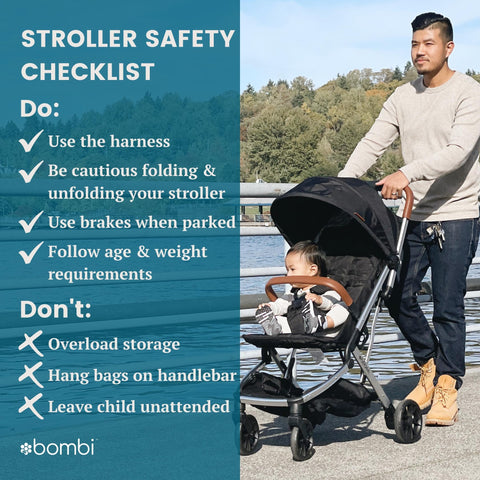
- Always use the harness, lock the brakes when stopped, and stop using the seat if your baby slumps or slides sideways.
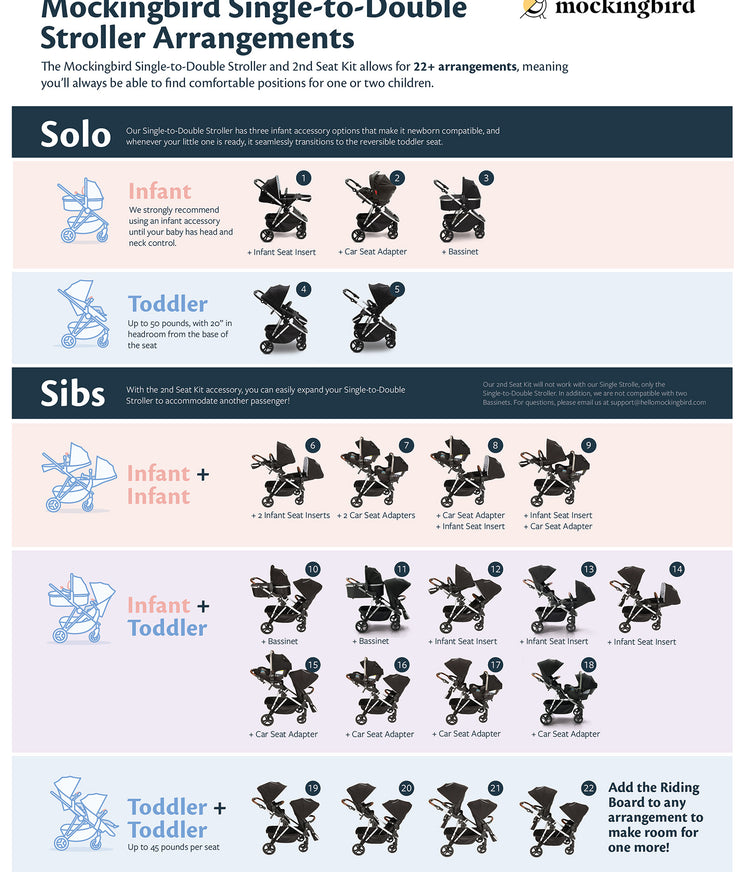
Credit: hellomockingbird.com
At a Glance
| Time Required | 2 minutes for the readiness check, then 1 to 3 short practice walks |
| Difficulty | Easy if your baby has steady head control and the stroller supports their stage |
| Tools Needed | Stroller manual, five-point harness, working brakes, canopy, and weather-appropriate clothing |
| Cost | Usually no extra cost unless your stroller requires a bassinet, infant insert, or car seat adapter |
When Can Baby Use a Normal Stroller?
Your baby can usually move into a normal stroller seat when three things line up: your baby has enough body control, the stroller seat reclines or supports them correctly, and your baby fits the manufacturer’s age and size limits.
For many babies, that happens around 6 months. Some babies are ready a little earlier in a stroller that reclines deeply and supports the body well. Others need more time, especially if they were born early or have low muscle tone.
Warning: Do not place a newborn in an upright stroller seat unless the stroller manual clearly approves that setup. A young baby’s head can flop forward or sideways if the seat does not support the neck, back, and airway well.
What A Normal Stroller Means
In this guide, a normal stroller means the regular stroller seat, not a bassinet, infant car seat, or fully flat newborn attachment. A standard stroller seat usually lets your baby sit more upright and face forward, backward, or toward you depending on the model.
That upright view is helpful for an older baby, but it can be too much for a newborn. If your baby cannot control their head yet, use a flat bassinet, a fully reclined newborn-approved stroller mode, or a compatible infant car seat attached exactly as the manual explains.
Why Stroller Readiness Matters
Stroller readiness is not just about comfort. It protects your baby’s head, neck, airway, posture, and overall position during bumps, turns, and stops. A baby who is not ready may slump, slide, or have trouble staying centered in the seat.
Head And Neck Control
Head control is the first major sign to check. Your baby should hold their head steady while being carried, during supported sitting, and when the stroller moves over small bumps.
Many babies build stronger head control between 4 and 6 months, but development varies. If your baby’s head still wobbles often, drops forward, or needs your hand for support, keep using a newborn-approved stroller position.
Sitting Strength
Sitting ability matters because a normal stroller seat places more demand on your baby’s trunk. Your baby does not need perfect posture for every stroller seat, but they should not fold forward, tip sideways, or slide down even when buckled.
A baby who can sit with light support and hold the head steady may do well in a reclined stroller seat. A baby using a more upright seat should have stronger sitting balance.
Manual Limits
Always check the stroller manual before you switch modes. Look for the minimum age, weight, height, recline setting, harness instructions, and approved accessories. If your stroller says the seat is for babies 6 months and up, follow that limit even if your baby seems strong.
Note: If your baby was premature, has poor head control, has low muscle tone, or has any medical condition that affects posture or breathing, ask your pediatrician before switching to a standard stroller seat.
Readiness Checklist Before The First Ride
Use this quick checklist before you move your baby from infant mode into the normal stroller seat.
- Your baby can hold their head steady without constant support.
- Your baby can sit with support and does not collapse forward.
- The stroller manual allows your baby’s age, weight, and height.
- The seat reclines enough for your baby’s current body control.
- The harness fits snugly at the shoulders, waist, and crotch.
- Your baby’s chin stays off the chest when buckled.
- Your baby does not slide sideways or down in the seat.
- The brakes, wheels, frame, and folding locks work correctly.
The safest answer is not a single age. It is the point when your baby’s body control and your stroller’s approved seat position match.
Recommended Products
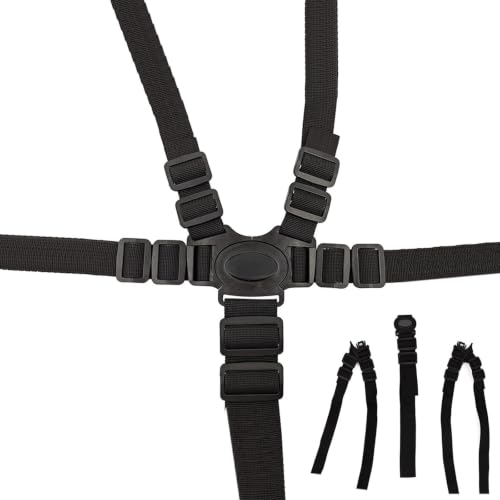
NOTE: For specific installation methods, please refer to the images and videos! Our products can be installed without the need for clamps.

🔒 5-Point Full Body Protection – This kids safety harness features a 5-point design (shoulder ×2, waist ×2, crotch ×1) that firmly secures toddlers to high chairs, strollers, booster seats or car seats, preventing slipping/wriggling out and ensuring all-around safety for 1-6 years old children.

Five-Point Safety Design, Flexible Conversion: using a convenient five-point safety belt, all-round protection of the baby's safety, to prevent slipping or turning out; can easily remove the two straps, the second into a three-point safety belt, to meet the needs of different scenarios, the use of more flexible.
Age And Developmental Milestones
Every baby develops on a slightly different timeline. Use age as a helpful guide, then confirm readiness by watching your baby’s posture in the stroller.
Recommended Products

🚩2 in 1 Convertible Stroller: This versatile baby stroller doubles as a moving baby bassinet. With adjustable backrest and footrest, it easily converts from a seat to a bassinet, providing a comfortable reclining or sleeping position for your newborn. The bassinet can also be detached and reversed, allowing your toddler to face forward or towards you while you stroll.

Convertible Baby Stroller: With 2-in-1 functional design, our stroller with multi-position recline allows your baby to lie comfortably for naps or sit up to take in the sights, Moreover, this reversible baby carriage offers the flexibility for baby to face you or face outwards.

2-IN-1 CONVERTIBLE STROLLER: This baby stroller can switch between basket mode and seated mode. The footrest provides additional support for infant, and the reversible basket pram allows your toddler to face you. The handlebar adjusts to 4 different heights to accommodate parents of various statures.
Newborn To 3 Months
Most newborns should not ride in a regular upright stroller seat. Their neck and trunk muscles are still developing, so they need a flat or deeply reclined setup that supports the head and back.
At this stage, choose a bassinet attachment, a stroller seat clearly approved for newborns in a flat recline, or a compatible infant car seat attached to the stroller frame. Follow the manual closely and avoid unapproved pillows or loose inserts.
4 To 5 Months
Some babies begin showing better head control during this stage. They may hold their head up during tummy time and sit with support for short periods.
That does not always mean they are ready for an upright stroller seat. If your baby still wobbles, slumps, or needs firm support, keep the stroller reclined and use the infant-safe mode.
Around 6 Months
Many parents make the stroller transition around 6 months. This age often works well because many babies have stronger neck control, better trunk strength, and more interest in looking around.
Still, do not switch based on age alone. A 6-month-old who slides down or folds forward needs more recline or more time. A stroller manual that sets a higher minimum age also takes priority.
7 To 9 Months And Beyond
By the later infant months, many babies sit more steadily and enjoy the view from a normal stroller seat. This is often when upright stroller rides become easier and more comfortable.
Keep checking fit as your baby grows. Adjust the harness, watch the weight limit, and make sure your child has enough room without being able to climb or lean out.
Safety Features To Consider
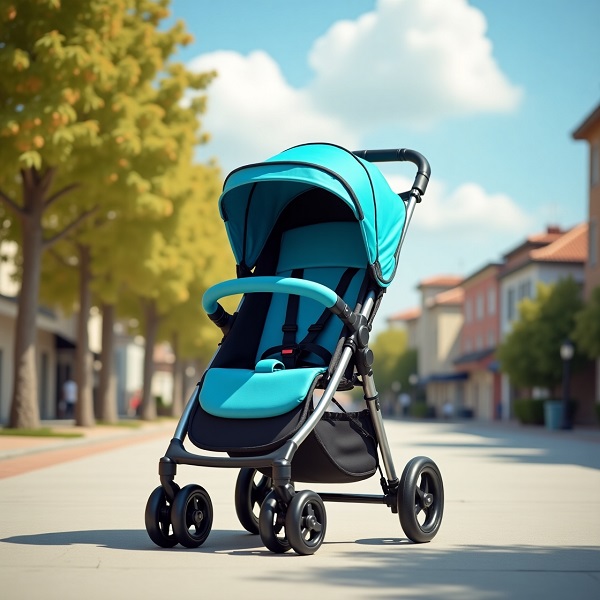
The right stroller should protect your baby while still being easy for you to use. Before buying or switching modes, check these safety features.
- Five-point harness: Choose a stroller with straps at the shoulders, waist, and between the legs. Buckle your baby every time, even for short walks.
- Reliable brakes: Test the brakes before each outing. They should lock firmly when the stroller is stopped, especially on slopes or sidewalks.
- Stable frame: The stroller should feel solid, not wobbly. Check the folding lock, seat lock, and wheel attachment points.
- Adjustable recline: A reclining seat helps younger babies stay supported while they build strength. Use the recline setting approved for your baby’s stage.
- Sun canopy: A canopy helps block sun and light rain. Keep your baby’s face visible and avoid draping thick blankets over the stroller opening.
- Good wheels for your route: Small wheels work well on smooth floors and sidewalks. Larger wheels and suspension help on rougher paths.
- Safe storage: Use the lower basket for bags. Avoid hanging heavy bags from the handle because that can tip the stroller backward.
- Recall check: Before using a new, used, or stored stroller, check the model on the U.S. Consumer Product Safety Commission recall database.
Pro Tip: Take a photo of the stroller model number and manufacture date label. It makes recall checks, replacement parts, and manual searches much easier later.
Recommended Products

FULL-SIZE, SINGLE STROLLER – Easy-to-use single stroller was designed to simplify travel from infant to toddler.

Versatile Design: 3-wheel stroller design provides superior maneuverability and easy turning for seamless navigation through crowded spaces.
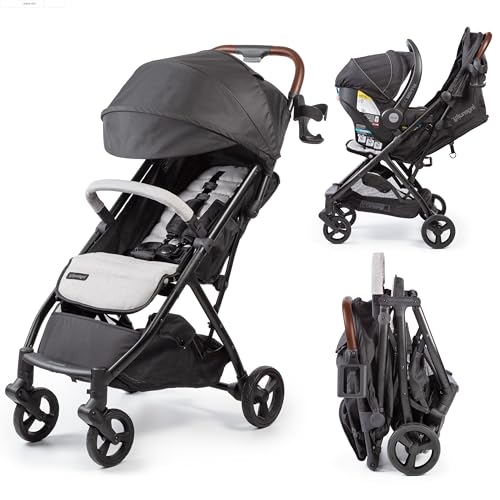
The Ingenuity 3Dquickclose CS+ Compact Fold Stroller is lightweight and easy to maneuver, making it the perfect stroller for on the go or as your little one’s everyday ride
How To Transition From Infant Carrier To Normal Stroller
The switch does not need to happen in one big step. A slow transition helps you see whether your baby stays comfortable, supported, and calm.
Start With A Short Ride
Begin with a 10 to 15 minute walk on a smooth surface. Use a slightly reclined position if your stroller allows it, and keep your baby facing you if that helps you monitor posture.
Adjust The Harness First
Before you move, buckle the harness and pull it snug. The straps should hold your baby in place without pressing into the neck or face. Recheck the fit after winter layers or growth spurts.
Watch Your Baby’s Position
Pause after a few minutes and look at your baby from the side and front. Their chin should not rest on the chest. Their back should stay supported, and their hips should not slide forward.
Return To Infant Mode If Needed
If your baby slumps, fusses, slides sideways, or seems tired from sitting, switch back to the infant-safe setup. Try again in a few weeks or use more recline if the manual allows it.
Choosing The Right Stroller Type
The best stroller type depends on your baby’s stage and your daily routine. Think about where you walk, how often you fold the stroller, and whether you need car seat compatibility.
Lightweight Strollers For Quick Trips
Lightweight strollers are easy to fold, carry, and store. They work well for errands, travel, and crowded places.
Many lightweight strollers are better for older babies because they may offer less padding, less recline, or less newborn support. Check the minimum age before using one with a young infant.
Full-size Strollers For Daily Comfort
Full-size strollers often give you more recline, better suspension, larger canopies, and more storage. They can be a strong choice if you walk often or want one stroller to last through toddlerhood.
The tradeoff is size and weight. Make sure it fits your car, hallway, and storage space before you commit.
Travel Systems For Car-to-Stroller Moves
A travel system lets you attach a compatible infant car seat to the stroller frame. This can help during the newborn stage when your baby is not ready for a normal stroller seat.
Use only approved car seat and stroller combinations. Follow the car seat manual, stroller manual, and NHTSA car seat guidance for correct fit and use.
Jogging Strollers For Active Parents
Jogging strollers have larger wheels and suspension for faster movement and rougher paths. They can be useful for active families, but jogging with a baby usually requires more caution than walking.
Do not run with your baby until the stroller manual allows it and your pediatrician agrees that your baby has enough head, neck, and trunk control. Many babies need to be older than the normal stroller-seat transition age before jogging is safe.

Credit: imageserve.babycenter.com
Parental Tips For Stroller Use
Once your baby is ready, a few small habits can make stroller rides safer and more comfortable.
Check Fit Before Every Walk
Babies grow quickly. Recheck the harness height, strap tightness, recline, and foot position often. If your baby suddenly looks cramped or loose in the seat, adjust the setup before you leave.
Use The Brakes Every Time You Stop
Lock the brakes before you let go of the handle, adjust the canopy, buckle your baby, or stop on a slope. Never rely on your foot or a curb to hold the stroller in place.
Choose The Right Terrain
Start on smooth sidewalks, indoor floors, or paved park paths. Avoid steep hills, gravel, and broken pavement until you know the stroller handles well and your baby stays stable.
Pack Essentials Without Overloading The Handle
Bring diapers, wipes, a small blanket, water for yourself, and weather protection. Store heavier items in the basket, not on the handle, to reduce tipping risk.
Keep Stroller Time Comfortable
Talk to your baby during the walk, point out simple sights, and bring a small soft toy if your baby likes one. Stop if your baby looks uncomfortable, overheated, cold, or tired.
Clean And Inspect The Stroller
Wipe crumbs, spills, and dirt from the seat and harness. Check the wheels, brakes, frame, and fabric for damage. Stop using the stroller if a part breaks, sticks, or does not lock correctly.
Credit: www.craft-child.com
Common Mistakes To Avoid
Most stroller problems come from using the right product at the wrong stage or skipping small safety checks. Avoid these common mistakes.
- Switching only because your baby turned 6 months: Check posture, head control, and manual limits first.
- Using loose pillows or blankets for support: Use only inserts or accessories approved by the stroller manufacturer.
- Leaving the harness unbuckled: A baby can slide or lean out quickly, even before crawling.
- Letting the stroller replace a safe sleep space: If your baby falls asleep, supervise closely and move them to an approved flat sleep surface when you can.
- Skipping used-stroller checks: Look for recalls, missing parts, damaged wheels, weak brakes, and outdated manuals before use.
When To Ask Your Pediatrician
Ask your pediatrician before switching to a normal stroller seat if your baby was born early, has low muscle tone, has breathing concerns, or still cannot hold their head steady near the expected age range.
You should also ask for advice if your baby always slumps in the stroller, seems uncomfortable in every recline position, or cannot sit with support by the time your doctor expects it for their development.
Frequently Asked Questions
What age can a baby use a normal stroller?
Many babies can use a normal stroller seat around 6 months. Your baby should have steady head control, enough trunk strength, and fit the stroller’s manual limits before you switch.
Can a newborn ride in a normal stroller?
A newborn should not ride in a regular upright stroller seat unless the manufacturer clearly approves that setup for newborns. Use a bassinet, fully reclined newborn-approved seat, or compatible infant car seat instead.
How do I know my baby is ready for a stroller seat?
Your baby is closer to ready when they can hold their head steady, sit with support, keep the chin off the chest, and stay centered after you buckle the harness.
Does my baby need to sit unassisted before using a stroller?
Not always. Some reclining stroller seats can support a baby who sits with help. A more upright stroller seat requires stronger sitting balance. The stroller manual should guide your choice.
What features should a normal stroller have?
Look for a five-point harness, reliable brakes, stable frame, adjustable recline, protective canopy, safe storage basket, and wheels that match your walking surfaces.
Can I use a stroller for my toddler?
Yes, many strollers support toddlers, but the limit depends on the model. Check the exact weight and height limits in your stroller manual.
How do I transition my baby to a stroller?
Start with short walks, use a reclined position if needed, buckle the harness snugly, and watch your baby’s posture. Go back to infant mode if your baby slumps or slides.
When can I jog with my baby in a stroller?
Jogging usually requires stronger head, neck, and trunk control than regular walking. Wait until the jogging stroller manual allows it and ask your pediatrician if you are unsure.
Conclusion
Most babies can use a normal stroller around 6 months, but the safest timing depends on your baby’s strength and your stroller’s design. Check for steady head control, supported sitting, a snug harness fit, and a stroller manual that approves your baby’s age and size.
If your baby slumps, slides, or looks uncomfortable, keep using the bassinet, infant car seat, or reclined newborn-approved mode a little longer. A safe stroller transition should feel steady, supported, and comfortable for both of you.
Sources
- CDC 6-Month Developmental Milestones — supports age-based milestone context for sitting and movement.
- CDC 9-Month Developmental Milestones — supports later sitting and movement readiness context.
- American Academy of Pediatrics Safe Sleep — supports safe-sleep caution when a baby falls asleep outside a crib, bassinet, or play yard.
- U.S. Consumer Product Safety Commission Recalls — supports recall checks for strollers and child products.
- 16 CFR Part 1227, Carriages and Strollers — supports U.S. federal stroller and carriage safety-rule context.
- NHTSA Right Seat — supports car seat fit and travel-system safety checks.






1 thought on “When Can Baby Use Normal Stroller: Essential Guide”