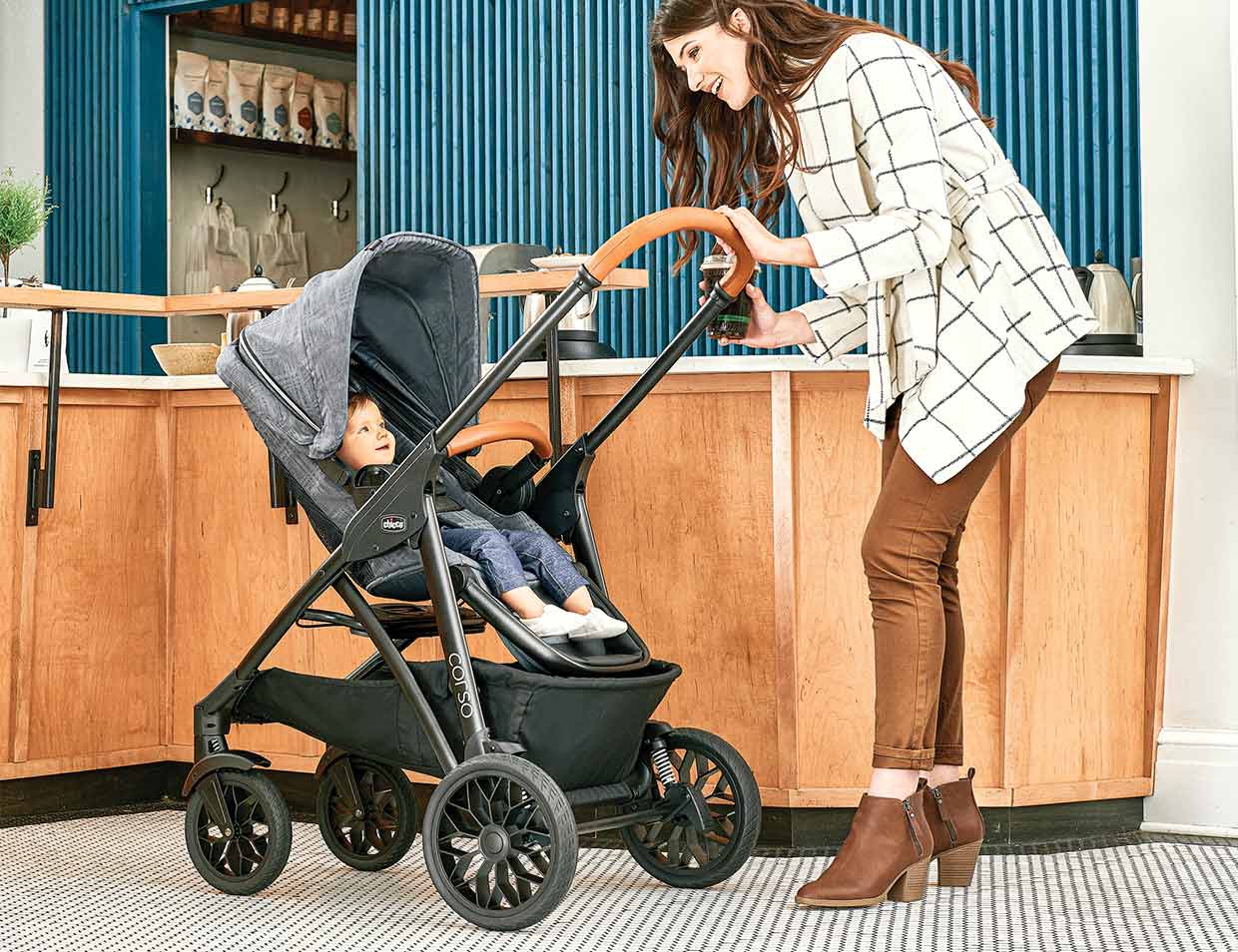
A baby can usually sit in the regular seat of a Chicco stroller closer to 6 months, after they can hold their head and neck steady and sit without assistance. Your exact Chicco model manual controls because some seats and travel-system modes have different rules.
Newborns should ride only in a newborn-approved setup for that model, such as a compatible Chicco infant car seat, a bassinet, or a fully reclining seat with a harness when the manual permits it. Do not assume a deep recline or a car seat that seems to click into place is approved.
This Chicco-specific guide explains the readiness signs, model rules, harness checks, sleep guidance, and setup steps to review before each walk.
By Luis Martinez, Founder and Editor at BabyQur
Last updated: July 19, 2026. This update checked Chicco’s current stroller guidance, the current Activ3 manual, CDC milestones, American Academy of Pediatrics guidance, and CPSC stroller-safety resources.
Quick Answer
A baby can usually use a regular Chicco stroller seat closer to 6 months, once they have steady head and neck control and can sit without assistance. A newborn should use only a mode approved in the exact stroller manual, such as a compatible Chicco infant car seat, bassinet, or fully reclining harnessed seat when allowed.
Key Takeaways
- For a regular upright seat, wait until your baby has steady head and neck control and can sit without assistance.
- Check the exact Chicco manual for minimum age, weight, recline, infant car seat, adapter, and terrain rules.
- Use a newborn only in a model-approved travel-system, bassinet, or fully reclining harnessed setup.
- The Activ3 manual is model-specific: it requires a Chicco infant car seat from 0 to 6 months, allows walking in the stroller seat from 6 to 12 months, and reserves jogging or off-road use for 12 months and older.
- Use the harness every time and stop immediately if your baby slumps, slides, or brings their chin to their chest.
- If your baby falls asleep, move them to a firm, flat sleep surface on their back as soon as possible.
Chicco Stroller Readiness at a Glance
| Regular Stroller Seat | Usually closer to 6 months, after steady head and neck control and sitting without assistance, unless the exact manual sets another rule |
| Newborn Setup | Only a model-approved Chicco infant car seat, bassinet, or fully reclining harnessed seat |
| Activ3 Example | 0–6 months: Chicco infant car seat for walking; 6–12 months: stroller seat for walking only; 12+ months: jogging or off-road use if all manual limits are met |
| First Check | Find the model name and number, then read that exact Chicco manual before changing modes |

Credit: hellomockingbird.com. General upright-seat illustration; confirm your Chicco model’s setup in its manual.
When Can a Baby Sit in a Chicco Stroller Seat?
Understanding when your baby can sit in a Chicco stroller starts with development, not just age. Babies build head, neck, back, and core strength at their own pace. The safest stroller position is the one that supports your baby’s current stage.
What Age Do Babies Usually Become Ready?
At 6 months, the CDC lists leaning on hands for support while sitting as a common movement milestone. That shows emerging sitting strength, but it is not the same as sitting without assistance.
Chicco’s general stroller guidance says traditional stroller seating usually begins closer to 6 months and requires independent head and neck control plus the ability to sit without assistance. Follow a stricter age or mode rule in your exact manual even when your baby appears strong.
Signs Your Baby Is Ready
Your baby may be ready for an upright Chicco stroller seat when they can:
- Hold their head and neck steady without bobbing forward.
- Sit without assistance and recover from a small lean.
- Stay centered in the stroller seat without folding at the waist or sliding sideways.
- Keep their chin away from their chest while buckled.
- Fit within the age, weight, recline, and harness rules in the exact stroller manual.
Why Core Strength Matters
Sitting upright in a moving stroller takes neck, back, and trunk control. Supervised tummy time and floor play help build those muscles, but practice does not override the stroller manual’s minimum age or approved mode.
How Your Baby Shows Interest In Sitting
Your baby may pull forward, look around, or resist a deep recline. These cues show curiosity, not readiness by themselves. Your baby still needs stable posture, independent sitting, and an approved stroller mode.
Why Your Observation Matters
Watch how your baby sits during floor play and a stationary stroller check. If they slump, cannot hold their head steady, or slide down, stop using the regular seat. Return to a model-approved newborn setup or wait longer, according to the manual.
Warning: Never place a baby who lacks head control in an upright stroller seat. If the chin falls toward the chest, stop and reposition the baby because that posture can compromise the airway.
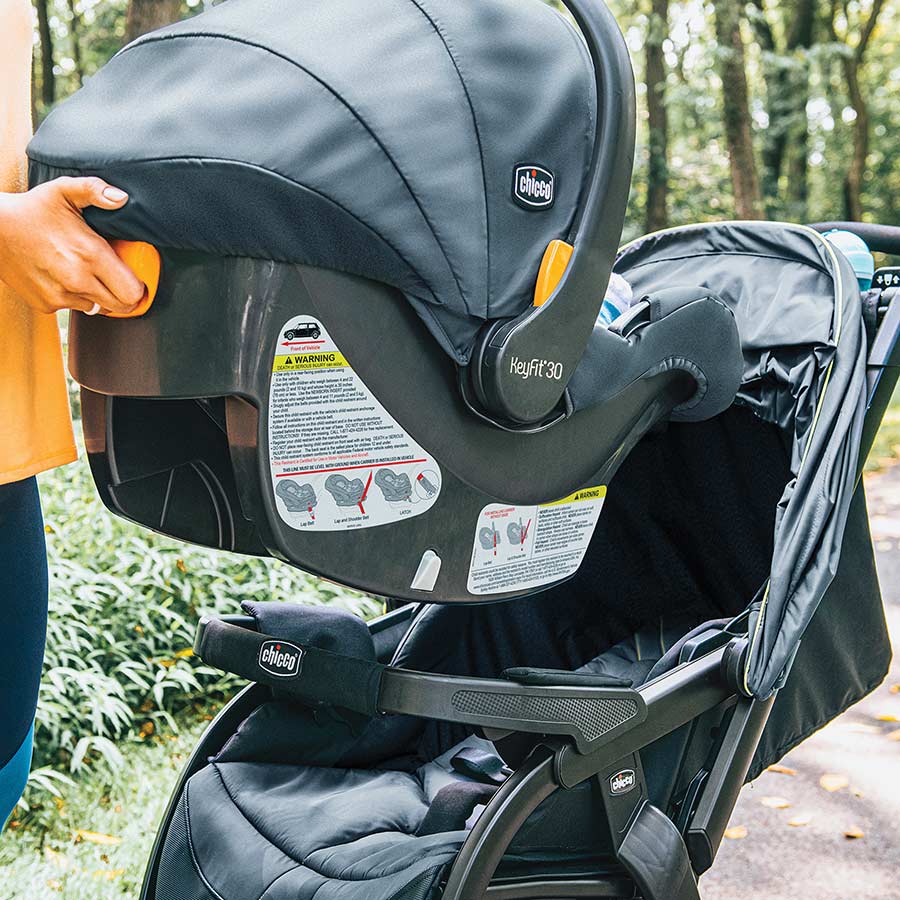
Credit: www.chiccousa.com
Chicco Stroller Features That Support Safe Sitting
Chicco strollers include features that can support comfort, safety, and easier daily use. The exact features depend on the model. Before moving your baby into an upright seat, read the product label and the official Chicco product manual for your stroller.
Recommended Products

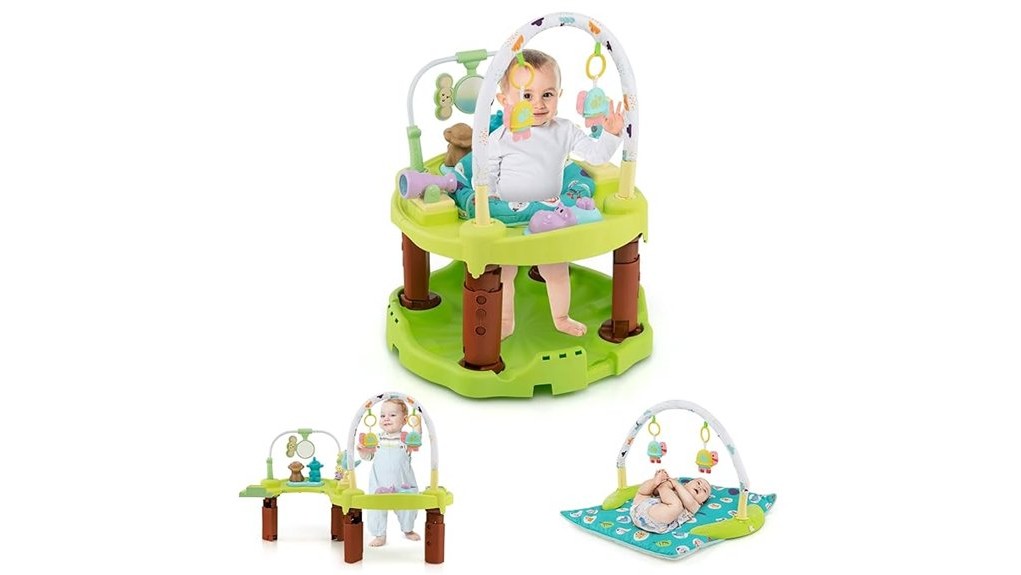
🚩2 in 1 Convertible Stroller: This versatile baby stroller doubles as a moving baby bassinet. With adjustable backrest and footrest, it easily converts from a seat to a bassinet, providing a comfortable reclining or sleeping position for your newborn. The bassinet can also be detached and reversed, allowing your toddler to face forward or towards you while you stroll.

Convertible Baby Stroller: With 2-in-1 functional design, our stroller with multi-position recline allows your baby to lie comfortably for naps or sit up to take in the sights, Moreover, this reversible baby carriage offers the flexibility for baby to face you or face outwards.

2-IN-1 CONVERTIBLE STROLLER: This baby stroller can switch between basket mode and seated mode. The footrest provides additional support for infant, and the reversible basket pram allows your toddler to face you. The handlebar adjusts to 4 different heights to accommodate parents of various statures.
Supportive Seat Design
Many Chicco strollers use padded seats that support your baby’s back and body. A supportive seat helps your baby stay centered during walks. Check that your baby does not slump forward, tilt sideways, or slide down toward the crotch strap.
Adjustable Recline Positions
Adjustable seating lets you match the stroller to your baby’s stage. A deeper recline can help younger babies who still need more body support. A more upright setting works better after your baby can sit with control.
Do not assume every recline is safe for a newborn. Use the recline position only as your Chicco manual allows for your baby’s age and size.
Five-Point Safety Harness
Many Chicco strollers include a five-point harness. This harness secures your baby at the shoulders, waist, and between the legs. The American Academy of Pediatrics, through HealthyChildren.org, recommends a five-point stroller harness and says it should be used whenever your child rides in the stroller.
Tighten the straps so they lie flat and snug. You should not see twisted straps, loose shoulder straps, or a gap that lets your baby slide down.
Storage Basket
The basket under the seat helps you carry diapers, wipes, snacks, and small essentials. Place heavier items in the basket instead of hanging them from the handle. This helps reduce tip-over risk and keeps the stroller easier to steer.
Easy Maneuverability
Swivel wheels can help you steer through sidewalks, stores, and tight spaces. Locking front wheels can add more control on rougher paths, depending on the model. Use the wheel setting that fits your surface and your manual.
Compact Fold
A compact fold helps you store and transport the stroller with less effort. Some Chicco models offer one-hand folding for busy moments. Keep your baby away from hinges and moving parts while folding or unfolding, and confirm the stroller is fully open and latched before placing your baby inside.
Chicco Model Rules To Check Before First Use
Chicco makes lightweight strollers, full-size strollers, travel systems, stroller frames, and jogging-style strollers. They do not share one universal infant rule. The current Activ3 manual, for example, sets a specific 0–6 month travel-system mode and a separate 12-month minimum for jogging or off-road use. Before your first walk, check these items in the exact manual:
- Minimum age: Some stroller seats are for babies who can sit with more control.
- Maximum weight: Many models have a child weight limit, and the limit can vary by stroller.
- Approved infant car seats: Use only the Chicco infant car seat models approved for your exact stroller.
- Recline rules: A deep recline is helpful, but only if the manual allows it for your baby’s age and size.
- Basket limit: Do not overload the storage basket.
- Terrain rules: Jogging and off-road use may have stricter age guidance than normal walking.
Note: “Compatible” does not mean “it seems to click in.” It means the stroller manual names that infant car seat or adapter as approved for that model.
Recommended Products

Easy To Use: The five-point harness belt passes over the shoulders and hips and fastens to the buckle between the legs. It anchors to the pelvis, shoulders and chest and can protect children from slipping in the seat.

Designed to keep your baby safe and provide effective control of the stroller when it slips out of your hands.

Five-point Harness: The five-point harness belt goes through the shoulders and hips and snaps onto the buckle between the legs. Fastened to the pelvis, shoulders and chest, it can protect the kids from slipping in the seat. The belt needs to be wrapped around the tube or column, ensure that your product to have available for the Chest Harness through the place, such as the dining chair backrest at the hollow place, baby seat bracket, etc., if not, then the Chest Harness is not fixed in your product.
Chicco Stroller Mode Comparison
| Baby Stage | Safer Chicco Setup To Check | What To Confirm |
| Newborn or baby who cannot sit without assistance | Model-approved Chicco infant car seat, bassinet, or fully reclining harnessed seat | Exact compatibility, approved orientation, recline rules, child limits, and a secure attachment check |
| Closer to 6 months and sitting without assistance | Regular stroller seat only when the exact manual permits it | Independent head and neck control, sitting without assistance, no slumping, correct harness fit, and all manual limits |
| Older baby using the regular seat | More upright recline within the approved stroller-seat mode | Posture, harness height, brake function, child limits, and surface rules |
| Activ3 jogging or off-road use | Activ3 stroller seat only after the child reaches the manual’s jogging age | Current Activ3 manual: at least 12 months old; follow all child limits and consult your pediatrician before first use |
The Activ3 ages above come from the current Chicco Activ3 owner’s manual. Treat them as an Activ3 example, not a rule for every Chicco stroller.
Safety Guidelines For Chicco Stroller Use
Safe stroller use protects your baby during short walks, errands, and longer outings. A Chicco stroller can make travel easier, but every safety feature must be used correctly. These habits help reduce falls, tipping, unsafe positioning, and preventable injuries.
Recommended Products

Versatile Design: 3-wheel stroller design provides superior maneuverability and easy turning for seamless navigation through crowded spaces.

Collapsible and Compact Design: This travel stroller's ultra-compact and collapsible design ensures it will fit in most overhead compartments on planes and trains, eliminating the need to check your baby stroller while travelling.

ULTRA LIGHTWEIGHT TRAVEL DESIGN: Weighs only 13 lb, making it easy to lift, carry, and store. Perfect lightweight umbrella stroller for summer travel, vacations, and everyday errands. Compact enough for car trunks and convenient on-the-go portability for busy parents.
Check Weight And Age Limits
Read the stroller manual before your first ride. Chicco models can have different age, weight, recline, and car seat compatibility limits. Do not exceed those limits because the stroller may not support your baby safely.
Use The Harness Correctly
Buckle the harness every time you place your baby in the stroller. Adjust the straps so they sit flat and snug against your baby. Recheck the fit as your baby grows or wears thicker clothing.
The U.S. Consumer Product Safety Commission also advises caregivers to use the safety harness each time a child is in a stroller because it can help prevent slipping and entrapment.
Use Brakes On Every Stop
Press the brakes whenever the stroller stops. This helps prevent rolling on driveways, ramps, sidewalks, and store floors. Park the stroller on a flat, stable surface whenever you can.
Avoid Overloading The Handles
Do not hang heavy bags from the stroller handles. Extra weight on the handle can tip the stroller backward. Put bags and supplies in the storage basket when the manual allows it, and stay within the basket’s weight limit.
Stay Close And Alert
Keep your baby within view while they sit in the stroller. Watch for slumping, loose straps, blocked airways, overheating, or signs of discomfort. Stop and adjust the seat before you continue.
Do Not Use The Stroller For Routine Sleep
A stroller is for supervised transport, not routine sleep. The American Academy of Pediatrics says sitting devices, including strollers and car seats, are not recommended for routine infant sleep, particularly for babies younger than 4 months. If your baby falls asleep, keep them in view and move them to a firm, flat sleep surface on their back as soon as possible.
Warning: Do not jog, run, or use off-road paths with a young baby unless the exact manual approves that use. The current Activ3 manual sets a minimum age of 12 months for jogging or off-road use.
How To Check If Your Baby Is Ready For Upright Stroller Sitting
Use this quick check before moving your baby from a reclined position or infant car seat mode into the upright stroller seat.
Step 1: Check Your Chicco Manual
Find your exact model and confirm the age, weight, recline, harness, and car seat rules. If you no longer have the paper manual, use Chicco’s official product manual page and search by stroller model.
Step 2: Test Head Control Outside The Stroller
Place your baby in a safe seated position on the floor while staying within arm’s reach. They should hold their head steady and sit without your hand supporting their head or trunk. Do not use a pull-to-sit test as a substitute for the manual or pediatric guidance.
Step 3: Start With A Reclined Setting
After your baby qualifies for the regular stroller seat, begin with an approved reclined or partly upright setting if the manual allows it. Do not use recline to place a younger baby into a seat mode that the manual does not approve.
Step 4: Buckle And Tighten The Harness
Fasten the shoulder, waist, and crotch straps. Pull gently on the harness to make sure the clips are secure. The straps should be snug but not tight enough to pinch.
Step 5: Watch Your Baby For Two Minutes Before Rolling
Look at your baby from the front and side while the stroller is stationary. Their chin should stay off their chest, their back should remain supported, and their hips should stay back in the seat. If posture changes, stop and use the safer manual-approved mode.
Step 6: Try A Short Walk First
Begin with a short walk around your home, yard, or block. Increase the walk length only when your baby stays comfortable, centered, and relaxed.
Pro Tip: Complete the first posture check while the stroller is stationary. Ask another adult to view your baby from the side when available, so you can correct slumping before the stroller moves.
Choosing The Right Chicco Stroller
The best Chicco stroller setup depends on your baby’s age, size, sitting ability, and the mode approved for that model. This page covers Chicco-specific rules. For the brand-neutral transition, see when a baby can sit in a stroller and when a baby can use a stroller without a car seat.
Compare Chicco Stroller Options
Chicco offers lightweight strollers, travel systems, jogging-style strollers, stroller frames, and full-size models. A lightweight stroller may work well for errands and travel. A travel system can help when you need an infant car seat and stroller combination. A jogging-style stroller may suit longer outdoor walks, but jogging and off-road use require stricter age and safety checks.
Check Age And Weight Guidelines
Every stroller model lists its own limits. Some Chicco strollers accept compatible infant car seats from birth. Other stroller seats need your baby to sit upright first. Never force an infant car seat into a stroller that is not approved for it.
Review Safety Features
Look for a secure harness, stable frame, reliable brakes, and a canopy that offers shade. Adjustable recline also matters because younger babies need more support. Test the brake locks before you use the stroller on slopes.
Think About Portability
Consider how often you lift, fold, and store the stroller. A one-hand fold can help when you carry your baby or gear. Make sure the folded stroller fits in your car trunk, closet, or entryway.
Look At Helpful Accessories
Storage baskets, trays, cup holders, and weather covers can make outings easier. Use only accessories that fit your stroller model and follow the manual. Poorly fitted add-ons can affect balance and safety.
Pro Tip: Before buying, practice folding, braking, reclining, attaching the infant car seat if needed, and buckling the harness. A stroller that feels simple in the store is usually easier to use safely every day.
Can a Newborn or 4-Month-Old Use a Chicco Stroller?
A newborn or 4-month-old should not be placed in a regular upright Chicco stroller seat unless the exact manual explicitly approves that seat mode. Use the model-approved newborn setup instead. Chicco’s general guidance places traditional stroller seating closer to 6 months, with independent head and neck control and sitting without assistance.
Can a Newborn Ride in a Chicco Stroller?
Yes, but only in a newborn-approved configuration listed in the exact manual. Depending on the model, that may be a compatible Chicco infant car seat, bassinet, or fully reclining harnessed seat. The regular stroller seat is not automatically newborn-safe.
Can a 4-Month-Old Sit in a Chicco Stroller Seat?
Usually not in the regular upright seat. Four months is younger than Chicco’s general “closer to 6 months” guidance, and a 4-month-old may not sit without assistance. Keep using the approved infant setup unless the exact manual and your pediatrician support a different position.
Why Manufacturer Guidelines Matter
Chicco’s model instructions define the approved seat positions, infant car seats, adapters, age ranges, and child limits. A general online age estimate cannot replace those tested instructions. Keep the manual available and recheck it before changing modes.
When To Ask Your Pediatrician
Ask your baby’s pediatrician before using an upright stroller seat if your baby was born premature, has low muscle tone, has delayed head control, has breathing concerns, has reflux that affects positioning, or has any medical condition that changes how they should sit or travel.

Credit: contoursbaby.com. This is a third-party adapter example, not proof that a specific car seat and stroller combination is approved; use the exact manuals.
What To Do If Your Baby Slumps Or Fusses
Slumping, sliding, arching, or constant fussing can mean the stroller setup is not right yet. Stop the stroller and check your baby before continuing.
If Your Baby Slumps Forward
Move the seat to a more reclined position. Check that your baby’s hips are back in the seat and the harness is snug. If your baby’s chin still drops toward the chest, stop using the upright seat and return to a safer reclined or infant car seat mode approved by your manual.
If Your Baby Slides Down
Check the crotch strap and waist straps. The harness should keep your baby positioned without letting them slide toward the tray or front edge of the seat. Do not add aftermarket pillows or inserts unless Chicco approves them for your exact model.
If Your Baby Arches Or Cries
Pause and check the basics: diaper, hunger, burping, temperature, sun in the eyes, strap tightness, and recline angle. A baby who arches may be uncomfortable, overtired, or not ready for that stroller position.
If The Infant Car Seat Does Not Click In Smoothly
Do not force it. Remove the car seat, check the approved attachment setup, and read the exact manual again. For the Activ3, the current manual says the car seat must click on both sides and instructs you to pull up on it to confirm it is secured to the stroller frame.
Recall And Used Stroller Checklist
If you bought or received a used Chicco stroller, verify the stroller and every adapter or infant car seat attachment before placing your baby in it. Recalls may involve a stroller, an accessory, or an attachment component.
- Find the model name, model number, and manufacture date on the stroller label.
- Look up the official Chicco manual for that exact model.
- Check the CPSC stroller recall page for the exact stroller, adapter, and related accessory.
- Inspect the frame, wheels, brakes, harness, latches, folding lock, and car seat attachment points.
- Do not use the stroller if parts are cracked, missing, loose, recalled, or not approved by Chicco.
First-Walk Checklist for a Chicco Stroller Seat
Use this checklist before the first regular-seat ride and repeat the mechanical checks before later walks:
- Confirm the exact Chicco model, minimum age, child limits, recline rules, and approved infant car seat or adapter.
- Use the regular stroller seat only after your baby has steady head and neck control and can sit without assistance.
- Open the stroller fully, confirm the frame latch, test the brakes, and inspect the wheels.
- Seat your baby’s hips back, buckle every harness point, remove strap twists, and tighten the harness snugly.
- Check from the front and side for slumping, sideways leaning, sliding, or chin-to-chest posture.
- Start with a short, smooth walk and stop immediately if your baby’s posture or comfort changes.
- Keep heavy bags off the handle, use only approved accessories, and stay within the basket limit.
- If your baby sleeps, move them to a firm, flat sleep surface on their back as soon as possible.
Frequently Asked Questions
When can a baby sit in a Chicco stroller?
A baby can usually use a regular Chicco stroller seat closer to 6 months, once they have steady head and neck control and can sit without assistance. Always follow the exact model manual before changing modes.
Is a Chicco stroller safe for newborns?
Some Chicco strollers can carry a newborn only in a model-approved configuration, such as a compatible Chicco infant car seat, bassinet, or fully reclining harnessed seat. The exact manual must approve the setup.
Can I use a Chicco KeyFit car seat with any Chicco stroller?
No. Use a Chicco KeyFit or other Chicco infant car seat only with stroller models that list that car seat as compatible. Never force a car seat onto a stroller that is not approved for it.
Does a baby need to sit independently before using a Chicco stroller seat?
For traditional stroller seating, Chicco’s general guidance says your baby should control their head and neck and sit without assistance. An exact model manual may also set a minimum age or require a specific newborn mode.
How do I adjust the Chicco stroller for my baby?
Choose only a seat mode and recline approved by the exact manual. Buckle the shoulder, waist, and crotch straps so they lie flat and snug. Stop using the regular seat if your baby slumps or cannot maintain posture.
Can a 4-month-old sit in a Chicco stroller seat?
Usually not in the regular upright seat. Chicco’s general guidance points closer to 6 months and requires head and neck control plus sitting without assistance. Use the approved infant setup unless the exact manual says otherwise.
Can Chicco strollers be used on rough terrain?
Some Chicco models are built for varied surfaces, but rough walking is not the same as jogging or off-road use. The current Activ3 manual requires a child to be at least 12 months old for jogging or off-road use.
What should I do if my baby slumps in the stroller?
Stop the stroller and move your baby to a more reclined position only if that position is approved for the current seat mode. Check the harness and posture. If slumping continues, stop using the regular seat and return to the safer manual-approved setup.
Conclusion
A baby can usually use a regular Chicco stroller seat closer to 6 months, after gaining steady head and neck control and the ability to sit without assistance. The exact model manual remains the final rule.
Use a newborn only in an approved travel-system, bassinet, or fully reclining harnessed mode. Before every walk, confirm the stroller is locked open, buckle the harness, test the brakes, keep bags off the handle, and stop if your baby slumps or brings their chin to their chest.
Start with a short walk. If the manual, your baby’s posture, or your pediatrician gives you a reason to wait, continue using the safer approved infant setup.
Sources
- Chicco: When Can Your Baby Sit in a Stroller? — supports the closer-to-6-month guidance, independent sitting, newborn modes, and basic stroller safety.
- Chicco Product Manuals — supports model-specific lookup for age, child limits, recline, attachments, and approved use.
- Current Chicco Activ3 Jogging Stroller Manual — supports the 0–6 month travel-system rule, 6–12 month walking-only stroller-seat rule, 12-month jogging/off-road minimum, attachment check, and 50-pound stroller limit.
- CDC 6-Month Developmental Milestones — supports leaning on hands while sitting as a common 6-month movement milestone.
- HealthyChildren.org: How to Choose a Safe Baby Stroller — supports five-point harness use, brakes, supervision, hinge safety, and avoiding bags on the handle.
- HealthyChildren.org: A Parent’s Guide to Safe Sleep — supports moving a sleeping baby from a stroller or car seat to a firm, flat sleep surface as soon as possible.
- CPSC Stroller Safety Alert — supports harness use, supervision, and entrapment warnings.
- CPSC Stroller Recalls — supports checking strollers, adapters, and related accessories for recall notices.