You carefully prepare a meal, place it in front of your baby, and then nothing happens. They turn away, push the spoon aside, clamp their mouth shut, or play with the food instead of eating it.
If your baby is not interested in food, it can feel frustrating and worrying. In many cases, it is a normal part of learning solids, especially when your baby is still getting most nutrition from breast milk or formula. The goal is not to force bites. The goal is to check readiness, keep meals safe, and help your baby explore food calmly.
Quick Answer
If your baby is not interested in food, first check that they are developmentally ready for solids. Offer tiny portions, keep meals calm, try safe textures, and stop when they turn away. Call your pediatrician if refusal is persistent, your baby is losing weight, choking, vomiting often, or showing signs of dehydration.
Key Takeaways
- Most babies start solids at about 6 months, but readiness cues matter more than the calendar alone.
- Breast milk or infant formula still provides most nutrition when solids first begin.
- Do not force-feed. Pressure can make babies more resistant and turn meals into a stressful routine.
- Offer iron-rich foods, safe textures, and small portions while your baby learns to chew and swallow.
- Seek medical advice for weight loss, poor growth, repeated vomiting, diarrhea, choking, swallowing problems, or no interest near 8 to 9 months.
At a Glance
| Time Required | 10 to 20 calm minutes per meal, with repeated practice over days or weeks |
| Difficulty | Easy to moderate, depending on readiness, teething, illness, and texture sensitivity |
| Tools Needed | A safe high chair, bib, baby spoon, open or straw cup for small sips of water, and soft baby-safe foods |
| Cost | Low. You can use simple foods such as mashed beans, soft vegetables, fruit, infant cereal, yogurt, or finely shredded soft meat. |
Warning: This guide is general education, not medical advice. Call your pediatrician if your baby has poor weight gain, weight loss, dehydration signs, repeated vomiting or diarrhea, feeding pain, frequent choking, trouble swallowing, or no interest in solids as they approach 8 to 9 months. If your baby is choking and cannot breathe, cry, or cough effectively, seek emergency help immediately.
First, Check Whether Your Baby Is Ready for Solids
Some babies refuse food because they are not ready yet. The CDC says children can begin eating solid foods at about 6 months, and introducing solids before 4 months is not recommended. Your baby may need more time if they still struggle with the basic skills needed for safe eating.
Look for these readiness cues before worrying about refusal:
- Your baby can sit upright alone or with support.
- Your baby has steady head and neck control.
- Your baby opens their mouth when food comes toward them.
- Your baby swallows some food instead of pushing all of it back out.
- Your baby brings hands or objects to their mouth.
- Your baby shows curiosity when others eat.
If these signs are not present, pause for a few days or a week and try again. Waiting can make mealtime safer and less stressful for both of you.
Lack of Head and Neck Control
Babies need stable head and neck control to eat safely. If your baby cannot hold their head steady, they may not be ready for spoon-feeding or finger foods. Good control helps them move food around their mouth and swallow with less risk.
No Interest in Watching Others Eat
Many babies become curious before they eat much. They may watch your fork, reach toward your plate, or open their mouth when you offer food. If your baby ignores meals completely, they may still be learning that food is part of the family routine.
Pushing Food Out With Their Tongue
The tongue-thrust reflex helps protect younger babies. If your baby pushes every spoonful out, they may not yet know how to move food from the front of the mouth to the back for swallowing. Try a thinner texture, offer a very small amount, or wait a week before trying again.
Note: Baby-led weaning, spoon-feeding, and mixed feeding all require readiness cues. Finger foods are not a workaround for a baby who cannot sit safely, control their head, or manage food in their mouth.
Unable to Sit Upright With Support
Sitting upright is one of the most important safety signs. If your baby slouches, folds forward, or slides in the seat, pause solids and focus on supported sitting practice. A safe high chair position helps your baby breathe, swallow, and handle food better.
Remember That Milk Still Matters
Early solids are practice. At first, your baby still gets most nutrition from breast milk or infant formula. The American Academy of Pediatrics explains that starting solids is gradual and that babies continue to rely on breast milk, formula, or both while they learn to eat.
This matters because a baby who takes only a few tastes may still be doing fine if they are growing well, making wet diapers, and acting like themselves. Keep offering regular milk feeds unless your pediatrician gives different advice.
Pro Tip: If your baby is too hungry, start with a little breast milk or formula first. Then offer a tiny taste of food. A frantic, very hungry baby may reject solids because eating from a spoon feels slower and harder.
Recommended Products
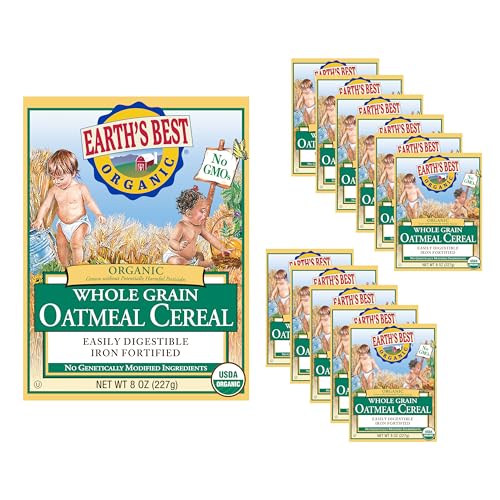
4+ MONTHS FIRST FOODS: Easily digestible infant cereal for babies transitioning from formula or breast milk to solid foods

INFANT NUTRITION: This organic whole grain cereal is fortified with iron to offer nutritional support as your baby transitions to eating solid foods

INFANT NUTRITION: This organic whole grain cereal is fortified with iron to offer nutritional support as your baby transitions to eating solid foods
Important Safety and Nutrition Checklist
Before you focus on how much your baby eats, check the basics that keep feeding safe and useful.
Know the Difference Between Gagging and Choking
Gagging can happen as babies learn new textures. It may involve coughing, noise, watery eyes, or a red face. Choking is more serious and may involve trouble breathing, weak or silent coughing, blue or dusky color, or inability to make sound. Always watch your baby while eating, keep them seated upright, and learn infant choking first aid from a qualified source or your pediatrician.
Prepare Foods to Reduce Choking Risk
The CDC recommends preparing foods in the right shape, size, and texture for your child’s development. Soft foods should be easy to mash with gentle pressure. Round foods should be cut into safe pieces, and hard, sticky, or chewy foods should be avoided.
Avoid whole grapes, whole cherry tomatoes, popcorn, nuts, seeds, hard raw apple pieces, raw carrot pieces, chunks of meat or cheese, hot dogs, marshmallows, gum, and spoonfuls of thick nut butter. Thin nut butter with breast milk, formula, water, or yogurt when it is appropriate for your baby.
Avoid Honey Under 1 Year
Do not give honey or honey-containing products to babies under 12 months. The CDC warns that honey is not safe for infants because it can contain bacteria that cause infant botulism.
Wait on Cow’s Milk as a Main Drink
Do not use cow’s milk as your baby’s main drink before 12 months. Small amounts of unsweetened yogurt or cheese may be okay once your baby is ready for solids, but drinking cow’s milk or fortified dairy alternatives should wait until after the first birthday unless your pediatrician says otherwise.
Focus on Iron and Zinc
Around the start of solids, babies need foods that provide iron and zinc. Good options include iron-fortified infant cereal, mashed beans, lentils, finely shredded soft meat, poultry, fish with bones removed, eggs, and other baby-safe protein foods. The American Academy of Pediatrics recommends including iron- and zinc-rich foods when babies begin solids.
A baby does not need to finish a bowl to make progress. Touching, smelling, mouthing, and tasting food are all part of learning to eat.
Common Reasons Your Baby Refuses Food
Food refusal does not always mean something is wrong. Babies reject food for many reasons, and the reason can change from day to day.
Recommended Products

Food Catcher Accessory for High Chairs – Say goodbye to stress at mealtimes as this tray catches food before it hits the floor.

Made of 100% food grade silicone, does not damage the table and chair handles,Temperature resistance -40°C~240°C(-40°F~464°F) Dishwasher Safe & BPA Free

Made of 100% food grade silicone, does not damage the table and chair handles,Temperature resistance -40°C~240°C(-40°F~464°F) Dishwasher Safe & BPA Free
Teething Discomfort
Teething can make gums sore. Your baby may turn away from a spoon or refuse anything warm, lumpy, or firm. Try a cool, smooth puree or a soft food that does not press hard against the gums.
Feeling Unwell
Colds, ear infections, stomach upset, constipation, reflux symptoms, or fatigue can reduce appetite. During illness, focus on hydration and comfort. Call your pediatrician if your baby has fewer wet diapers, seems unusually sleepy, has persistent fever, or refuses both milk and solids.
Too Much Pressure
Babies quickly notice stress at the table. Repeatedly pushing the spoon toward their mouth, wiping constantly, cheering every bite, or showing worry can make meals feel tense. Offer food, wait, and let your baby decide whether to taste it.
New Flavors Feel Overwhelming
New tastes can surprise babies. Bitter vegetables, sour fruit, meat, or thicker textures may take repeated exposure. Offer one new food with a familiar food, and keep the portion very small.
Distractions During Meals
A busy room can pull attention away from eating. Turn off screens, move toys away, and keep the meal short. A calm environment helps your baby focus on the smell, feel, and taste of food.
Lack of Hunger
Your baby may simply not be hungry. A full milk feed right before solids, tiredness before a nap, or frequent snacks for older babies can reduce interest. Try solids when your baby is awake, calm, and not extremely hungry.
Texture Preferences
Some babies dislike smooth purees. Others dislike lumps. Some prefer holding food, while others prefer a spoon. Try smooth, mashed, minced, and soft finger-food textures when your baby is developmentally ready.
Developmental Changes
Rolling, crawling, pulling up, new sleep patterns, or separation anxiety can temporarily affect eating. Keep offering food without turning each refusal into a battle.
What to Do When Your Baby Is Not Interested in Food
Use a calm, repeatable plan. You do not need to try every strategy at once. Pick one or two changes, give them several days, and watch your baby’s cues.
Recommended Products

Baby-Safe, Soft Silicone Material: Made from 100% food-grade silicone that is BPA-free, PVC-free, and phthalate-free. Gentle, flexible spoon head protects your baby’s developing gums and teeth

【100% Silicone SAFE NON-TOXIC 】 Our baby spoons & forks are BPA-free, BPS-free, PVC-free, phthalate-free, cadmium-free and lead-free

【100% Silicone SAFE NON-TOXIC 】 Our baby spoons & forks are BPA-free, BPS-free, PVC-free, phthalate-free, cadmium-free and lead-free
1. Start With a Very Small Portion
A full spoon can overwhelm a hesitant baby. Start with a smear on the spoon, a pea-sized taste, or a small soft piece if your baby is ready for finger foods. You can always offer more.
2. Let Your Baby Touch the Food First
Babies learn through touch, smell, and sight before they eat. Let your baby squish mashed banana, smear yogurt, or pick up a soft piece of avocado. Mess is part of learning.
3. Offer Food Without Forcing Bites
Place the spoon near your baby’s mouth and wait for them to open. If they turn away, close their mouth, cry, arch, or push the food away, pause. Forcing food can increase resistance.
4. Eat Together as a Family
Babies learn by watching. Sit with your baby and eat something similar when possible. Show relaxed interest in your own food instead of staring at every bite your baby takes.
5. Try a Different Texture
If smooth puree fails, try mashed food. If mashed food fails, try a thinner puree. If your baby is ready for finger foods, offer soft pieces that are easy to mash and swallow. Safe texture matters more than following one feeding style.
6. Use Familiar Flavors
Mix a small amount of breast milk or formula into infant cereal, mashed vegetables, or purees. A familiar smell can make a new food feel less strange.
7. Keep Meals Short
A baby does not need a long meal. Ten to twenty minutes is enough for many babies. End the meal calmly if your baby loses interest, cries, or keeps turning away.
8. Keep Offering Rejected Foods
A baby may need many calm exposures before accepting a food. Rejection today does not mean rejection forever. Offer the food again another day without pressure.
Creating a Stress-Free Mealtime
Mealtime struggles can feel overwhelming, especially when your baby shows no interest in food. A calm routine can help your baby feel safe enough to explore.
Limit Distractions at the Table
Turn off the television and put away phones and tablets. Keep toys, books, and loud noises away from the table. A quiet setting gives your baby space to notice the food.
Stick to a Consistent Mealtime Routine
Try a simple pattern: wash hands, sit in the high chair, offer food, clean up, and end warmly. Routines help babies know what to expect.
Make Mealtimes Relaxed and Enjoyable
Smile, talk softly, and keep your tone calm. Avoid counting bites or bargaining. Celebrate curiosity, not just swallowing. Touching a new food can be a win.
Practice Patience and Flexibility
If your baby rejects a food, try again another day. If they accept only one bite, that still counts as progress. Respect fullness cues and end the meal before everyone feels frustrated.
Lead by Example
Eat together whenever possible. Babies often want what they see you enjoying. This shared time also helps your baby connect food with family, comfort, and routine.
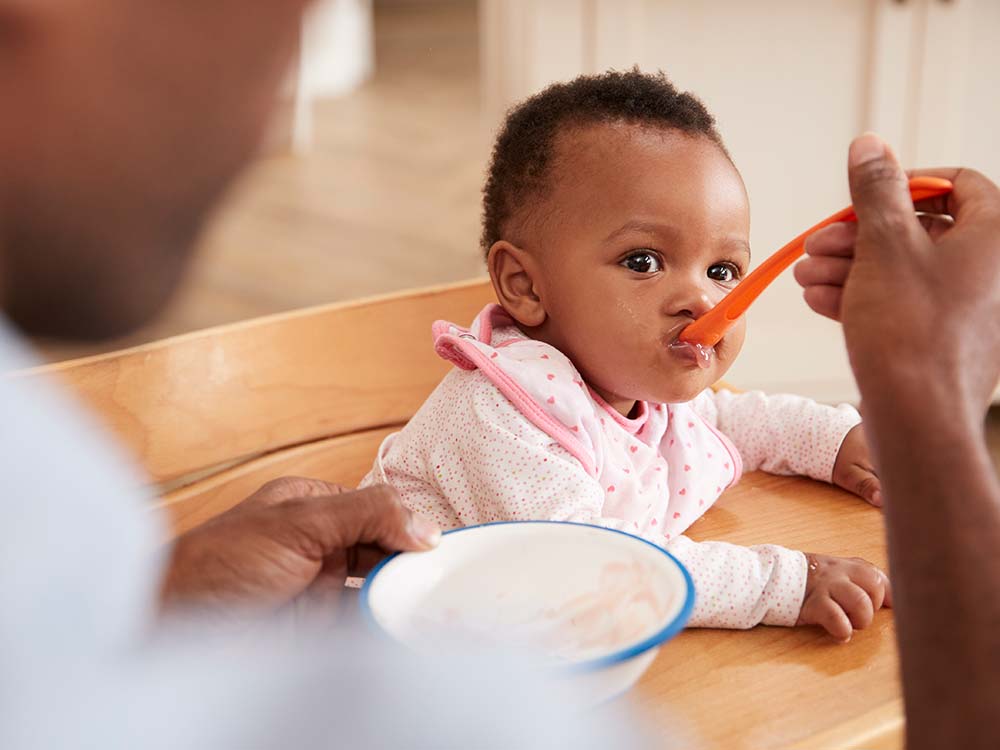
Credit: raisingchildren.net.au
Encouraging Exploration With Food
Exploration can come before eating. Your baby may poke, smear, drop, or smell food long before they swallow much. That is not failure. It is practice.
Let Them Play With Food
Offer soft, colorful foods such as mashed banana, avocado, sweet potato, or well-cooked carrot. Let your baby touch the food and learn its texture.
Introduce a Variety of Colors
Color can make food more interesting. Try orange sweet potato, green avocado, pale oatmeal, red mashed berries, or yellow scrambled egg. Keep the pieces or textures baby-safe.
Offer Finger Foods When Ready
When your baby can sit upright and bring hands to mouth, soft finger foods can support self-feeding. Try small pieces of banana, soft cooked vegetables, well-cooked pasta, scrambled egg, or tender shredded chicken. Stay close and watch every bite.
Use Safe, Baby-Friendly Utensils
A short baby spoon can help your child practice. You can preload the spoon and let your baby bring it to their mouth. This builds independence without turning the meal into a fight.
Keep Water Small and Simple
Once solids begin, you can offer small sips of water in an open, straw, or sippy cup. Do not let water replace breast milk or formula. Ask your pediatrician if you are unsure how much is appropriate for your baby.
What Not to Do
Sometimes the best feeding progress comes from removing pressure. Avoid these common mistakes:
- Do not force the spoon into your baby’s mouth.
- Do not chase your baby’s mouth with food after they turn away.
- Do not distract your baby with screens just to get more bites in.
- Do not compare your baby’s intake with another baby’s intake.
- Do not stop offering a food forever after one refusal.
- Do not use honey, hard foods, sticky foods, or unsafe shapes to encourage interest.
When to Seek Professional Advice
Occasional food refusal is common. Persistent refusal, pain, poor growth, or safety concerns need professional help. You do not have to wait until mealtime becomes a daily struggle.
Persistent Refusal to Eat
If your baby consistently refuses solids for several weeks despite being ready, ask your pediatrician for guidance. A feeding therapist, dietitian, or pediatric specialist may help if needed.
Slow Weight Gain or Weight Loss
Growth is one of the clearest signs that feeding is going well. Seek advice if your baby’s weight gain slows, they lose weight, or their diapers decrease.
Signs of Discomfort During Meals
Crying, gagging with every texture, arching, coughing often, pulling away in pain, or refusing after a few swallows may point to reflux, allergy, oral-motor difficulty, constipation, or another concern.
Recurrent Vomiting or Diarrhea
Frequent vomiting or diarrhea after meals is not something to ignore. It may suggest illness, intolerance, allergy, or another medical issue. Call your pediatrician if it repeats or worsens.
Difficulty Swallowing or Frequent Choking
If your baby struggles to swallow, coughs repeatedly with food or liquids, or frequently chokes, stop the meal and seek medical advice. Feeding safety comes before food variety.
Unusual Fear or Distress Around Food
Strong distress during meals can come from sensory sensitivity, pain, or a negative feeding experience. A pediatrician can help decide whether feeding therapy or another evaluation is needed.
No Interest Approaching 8 to 9 Months
Some babies take longer to eat meaningful amounts. Still, if your baby shows no interest in solids as they approach 8 to 9 months, check in with your pediatrician. Early support can make feeding easier.

Credit: Instagram
Adapting to Your Baby’s Unique Pace
Every baby has a different path with food. Some babies accept solids quickly. Others need time to touch, smell, and watch before they taste. Progress can still happen even when your baby eats very little at first.
Respect Their Readiness Cues
Your baby may not be ready just because they reached a certain age. Watch for sitting, head control, mouth opening, interest, and swallowing. If the cues are not there, waiting is often the safest choice.
Offer Small, Manageable Portions
A heaping spoonful can feel like too much. Start with a tiny taste and let your baby decide whether to continue. Small portions also reduce waste and stress.
Experiment With Different Textures and Flavors
Not every baby loves plain cereal or smooth puree. Try mashed sweet potato, soft avocado, iron-fortified oatmeal, mashed beans, egg, yogurt without added sugar, or finely shredded soft meat. Keep seasonings mild and skip added salt and sugar.
Make Mealtime a Family Routine
Let your baby watch you eat. Offer baby-safe versions of family foods when possible. A relaxed family meal can spark curiosity more naturally than a separate feeding session filled with pressure.
Stay Patient and Positive
Your calm response teaches your baby that food is safe to explore. Keep offering, keep meals short, and keep the mood warm. With time, practice, and safe choices, many babies become more comfortable with solids.
Frequently Asked Questions
What do I do if my baby is not interested in baby food?
Check readiness first. If your baby can sit with support, control their head, and show interest, offer tiny tastes without pressure. Try a different texture, eat together, and keep meals short. Call your pediatrician if refusal persists or your baby has poor growth, dehydration signs, or feeding pain.
Is it normal for babies to not be interested in food?
Yes, it can be normal, especially when solids are new. Teething, tiredness, illness, texture changes, or a recent milk feed can lower interest. Your baby should still grow well, take breast milk or formula, and make wet diapers. Ask your pediatrician if you are concerned.
What should I do if my baby refuses to eat solids?
Stop the meal calmly and try again later. Offer a very small portion, use a safe texture, and let your baby touch or smell the food first. Avoid force-feeding, screens, and pressure. If refusal continues for weeks or comes with weight concerns, vomiting, diarrhea, choking, or distress, seek medical advice.
Is it normal for a 7-month-old to not want baby food?
It can be normal for a 7-month-old to eat only small amounts while learning. Keep offering solids once your baby is ready, but remember that breast milk or formula still matters. Ask your pediatrician if your baby shows no interest at all, loses weight, has fewer wet diapers, or struggles to swallow.
How many times should I offer a food before giving up?
Do not give up after one refusal. Many babies need repeated, pressure-free exposure before accepting a new food. Offer a tiny amount again on another day, pair it with a familiar food, or change the texture. Keep the mood calm and avoid forcing bites.
Should I worry if my baby only plays with food?
Not always. Playing with food helps babies learn texture, smell, and hand-to-mouth skills. It becomes more concerning if your baby never tastes food over time, seems distressed, has poor growth, or cannot manage safe textures. In those cases, check with your pediatrician.
Conclusion
Helping your baby enjoy food takes time, patience, and a safe routine. Start by checking readiness, then offer small amounts of soft, baby-safe foods without pressure. Let your baby explore, watch you eat, and stop when they show they are done.
Most early food refusal improves with calm practice. Still, trust your instincts. If your baby is losing weight, refusing milk, choking, vomiting often, having diarrhea, showing feeding pain, or showing no interest near 8 to 9 months, contact your pediatrician. Support early can make feeding safer and easier.
Sources
- CDC: When, What, and How to Introduce Solid Foods — backs up readiness cues, starting around 6 months, food introduction, cow’s milk timing, and safe texture guidance.
- CDC: Choking Hazards — backs up choking prevention, safe food preparation, and foods to avoid.
- CDC: Botulism Prevention — backs up the warning to avoid honey for babies under 1 year.
- CDC: Vitamins and Minerals — backs up the importance of vitamin D, iron, and zinc for infants and toddlers.
- HealthyChildren.org from the American Academy of Pediatrics: Starting Solid Foods — backs up readiness signs, gradual feeding, iron- and zinc-rich foods, and avoiding force-feeding.