Why Homemade Infant Foods Can Be Worth It
Homemade infant foods can be a healthy, practical choice when your baby is ready for solids. They let you choose simple ingredients, adjust textures, introduce a wider variety of flavors, and avoid unnecessary added sugar or salt. They can also help your baby enjoy family foods in a safe, age-appropriate way.
The key is balance. Homemade baby food is not automatically better than every store-bought option, and it should never replace breast milk or infant formula during the first year. The biggest benefits come when homemade meals are prepared safely, stored correctly, and offered as part of a varied diet.
Quick Answer
Homemade infant foods can benefit babies by giving parents more control over ingredients, texture, flavor variety, and added sugar or salt. They may also save money and help babies join family meals. The safest approach is to start around 6 months, avoid choking hazards, store food properly, and keep breast milk or formula as the main nutrition source under age 1.

Credit: www.kimscuddles.com
Key Takeaways
- Homemade infant foods give you control over ingredients, texture, and flavor variety.
- They can help reduce added sugar, excess sodium, and unnecessary additives when you use simple whole foods.
- Safety matters: avoid honey under 12 months, watch for choking hazards, and store homemade baby food correctly.
- Homemade baby food is different from homemade infant formula. Do not make infant formula at home.
- A varied diet is important because both homemade and packaged foods can contain environmental contaminants from soil and water.
Recommended Products

【4-in-1 Baby Food Maker】Multifunctional baby food processor with steamer. You can steam cooks, blends, defrosts and reheats healthy food, which satisfy the needs of daily infant feeding. This baby food steamer is suitable for all vegetable, fish, fruit and meats.The unique steam circulation system locks in nutrients, flavors and vitamins, ensuring your baby benefits from delicious and healthy homemade food.

𝗦𝘁𝗲𝗮𝗺𝗶𝗻𝗴 𝗮𝗻𝗱 𝗕𝗹𝗲𝗻𝗱𝗶𝗻𝗴 𝗶𝗻 𝗢𝗻𝗲: The height of the blender container is 4.13 inches, and the outer diameter is 4.17 inches.This GROWNSY baby food maker thoughtfully designed for babies 6 months+ during the weaning stage.It seamlessly combines steaming and blending in a single device, simplifying meal prep and eliminating the need for extra kitchen tools. The built-in sterilizer mode saves time and effort, giving you more precious moments with your baby.

4-In-1 Baby Food Processor & Steamer Blender: This One-step baby food maker combines blending and steaming in a single appliance. Acting as an efficient food processor and baby food blender, it eliminates extra kitchen tools and simplifies prep to meet your daily feeding needs. Perfect as a reliable baby food processor or baby blender, this compact unit saves time so you can enjoy more moments with your little one. Es el mejor procesador de alimentos para bebe y la licuadora para bebe ideal para la alimentación complementaria bebe
Nutritional Value
One of the biggest benefits of homemade infant foods is ingredient control. You can choose fresh, frozen, or properly canned foods with no added sugar or excess salt. You can also build meals around nutrients babies need as they grow, such as iron, zinc, protein, healthy fats, and fiber.
According to the CDC’s guidance on introducing solid foods, many babies can begin complementary foods around 6 months, when they show developmental readiness. Breast milk or infant formula should still provide most of a baby’s nutrition during the first year.
Preserve Fresh Flavor And Texture
Homemade food lets your baby taste foods closer to how they are served at home. A steamed carrot, mashed avocado, soft pear, or blended lentil has a natural flavor and texture that can be adjusted as your baby grows.
Instead of relying only on very smooth purees, you can gradually move from smooth foods to thicker mashed foods, soft lumps, and safe finger foods. This helps babies practice eating skills at a pace that matches their development.
Support Key Nutrients
Homemade meals can be planned around nutrient-dense foods. Good options include soft cooked meats, beans, lentils, eggs, plain yogurt, avocado, oatmeal, sweet potatoes, peas, squash, berries, and soft cooked vegetables.
Iron-rich foods are especially important after about 6 months because babies’ iron needs increase. Examples include pureed meats, poultry, fish low in mercury, beans, lentils, and iron-fortified infant cereals.
Tailor Meals To Your Baby’s Stage
Every baby develops differently. Homemade meals allow you to adjust thickness, softness, and portion size. A younger baby may need a smooth puree. An older baby may be ready for mashed foods or small pieces of soft food that are easy to swallow.
If your baby was born premature, has feeding difficulties, has poor weight gain, or needs a special diet, ask your pediatrician or a registered dietitian before making major feeding changes.
Control Over Ingredients
When you make infant food at home, you know exactly what goes into each spoonful. This is helpful if you want to keep meals simple, avoid added sugar, limit sodium, or prepare baby-friendly versions of foods the family already eats.
Recommended Products

Make fresh, delicious food with wholesome ingredients. You control exactly what goes in - no hidden stabilizers, preservatives, or flavor enhancers necessary.


AUTOMATICALLY STEAMS & BLENDS HOMEMADE BABY FOOD IN 1 EASY STEP: Just press a button and the Food Maker Deluxe does the rest in as little as 10 minutes! No transfer after cooking required like other food makers
Choose Simple Whole Foods
Homemade baby food can be as simple as mashed banana, avocado, cooked sweet potato, soft cooked apple, pureed peas, or blended chicken with vegetables. You do not need fancy recipes to make nutritious meals.
Simple ingredients also make it easier to spot possible reactions. The CDC recommends offering one single-ingredient food at a time at first and waiting 3 to 5 days before adding another new food. This can help you identify foods that may cause a reaction.
Limit Added Sugar And Excess Salt
Babies do not need added sugar, and young children should not have high-sodium foods. The CDC’s foods and drinks to avoid or limit guidance recommends avoiding added sugars for children younger than 24 months and limiting salty foods.
At home, you can skip sugar, honey, syrups, salty seasonings, bouillon cubes, and processed sauces. Flavor can come from the food itself or from small amounts of baby-safe herbs and spices once your baby is used to basic foods.
Customize Without Over-Restricting
Ingredient control is helpful, but it should not mean avoiding whole food groups without a medical reason. Common allergenic foods such as egg, peanut, wheat, dairy, fish, soy, and sesame can often be introduced when babies start other solids, in safe forms and small amounts.
If your baby has severe eczema, an egg allergy, a known food allergy, or a strong family history of allergies, talk with your child’s doctor before introducing higher-risk allergens.
Warning: Homemade infant foods are not the same as homemade infant formula. Do not make baby formula at home. Breast milk or commercial infant formula should remain the main source of nutrition during the first year unless your pediatrician gives different instructions.
Avoiding Unnecessary Additives And Preservatives
Homemade infant food can reduce your baby’s exposure to unnecessary additives because you are not relying on shelf-stable pouches or jars for every meal. You can choose foods without added sugars, artificial flavors, or high-sodium ingredients.
That said, packaged baby foods are not automatically bad. Many are convenient, safe, and nutritious. A balanced article should not make parents feel guilty for using store-bought food when life is busy. The goal is to offer variety and choose options with simple ingredients when possible.
Recommended Products

❤️【Health and Safe】:We can promise these baby food storage containers are made of perfect quality food grade silicone ,which means it's absolutely reliable to store your baby's food.At the same time,lid keeps frozen baby food fresh longer.

DUAL-SEAL TECHNOLOGY FOR FRESH STORAGE - The airtight, leak-proof lid keeps food sealed and fresh longer without spills, ideal for storing frozen baby food cubes, purees, and homemade meals.

Effortless Meal Preparation: Streamline your baby's nutrition with our 3 Pack Silicone Freezer Tray. Batch prepare baby food, purees, breastmilk, and more for efficient and convenient meal planning.
Read Labels When Buying Packaged Foods
If you use store-bought baby food, check the ingredient list and Nutrition Facts label. Look for foods with no added sugar, little or no sodium, and ingredients you recognize. Pouches can be useful, but babies also need chances to eat from a spoon, touch food, and practice chewing as they grow.
Understand Heavy Metals And Contaminants
Heavy metals such as arsenic, lead, cadmium, and mercury can occur in foods because of soil, water, and environmental exposure. The FDA’s Closer to Zero initiative focuses on reducing these contaminants in foods commonly eaten by babies and young children.
Homemade food does not automatically eliminate this issue because fresh produce, grains, and animal foods can also absorb contaminants from the environment. The most practical step for parents is variety. Rotate grains, fruits, vegetables, and proteins instead of serving the same food every day.
Note: Rice and rice cereal can contribute to inorganic arsenic exposure. You do not have to avoid rice completely, but it is smart to vary grains such as oats, barley, quinoa, wheat, and other age-appropriate options.
Cost-Effective Option
Homemade infant food can save money, especially when you use ingredients already in your kitchen. A small portion of cooked vegetables, beans, fruit, or meat from a family meal can often be mashed or blended for the baby before salt, sugar, or spicy sauces are added.
Save Money On Packaging
Store-bought baby food often includes the cost of jars, pouches, labels, shipping, and shelf-stable processing. Homemade food usually costs less per serving because you are paying mainly for ingredients.
Buy And Batch Wisely
Buying produce in season, using frozen fruits and vegetables, and cooking in small batches can lower costs. Frozen produce is often nutritious, convenient, and easy to portion.
You can freeze homemade baby food in small portions, such as silicone trays or freezer-safe containers. Label each portion with the food name and date.
Use Leftovers Safely
Homemade food helps reduce waste, but safety matters. Do not feed directly from a storage container and then save the leftovers, because saliva can introduce bacteria. Spoon a small amount into a separate bowl and discard anything left in that bowl after feeding.
At a Glance
| Best Starting Age | Around 6 months, when baby shows readiness signs |
| Difficulty | Easy to moderate |
| Tools Needed | Fork, bowl, blender or food processor, clean cutting board, freezer-safe containers |
| Storage | Homemade baby foods: 1–2 days in the refrigerator or 1–2 months in the freezer |
Promoting Taste Development
Homemade infant foods can help babies explore more flavors than they might get from a small rotation of packaged purees. Early exposure to different tastes, smells, colors, and textures can make mealtimes more interesting and may help babies become more open to a variety of foods.
Introduce A Wider Variety Of Foods
Homemade meals make it easy to offer many fruits, vegetables, grains, and proteins. You might try mashed avocado one day, soft lentils another day, and pureed chicken with vegetables later in the week.
It can take many tries before a baby accepts a new food. A funny face does not always mean rejection. Babies are learning, and repeated gentle exposure can help.
Customize Flavors For Your Baby
Once your baby has tolerated simple single-ingredient foods, you can try safe combinations. Examples include apple with oatmeal, sweet potato with lentils, pear with plain yogurt, or chicken with carrots and peas.
Small amounts of herbs and mild spices can add flavor without sugar or salt. Cinnamon, basil, cumin, parsley, or garlic powder can be used lightly when appropriate for your family’s meals.
Encourage Texture Exploration
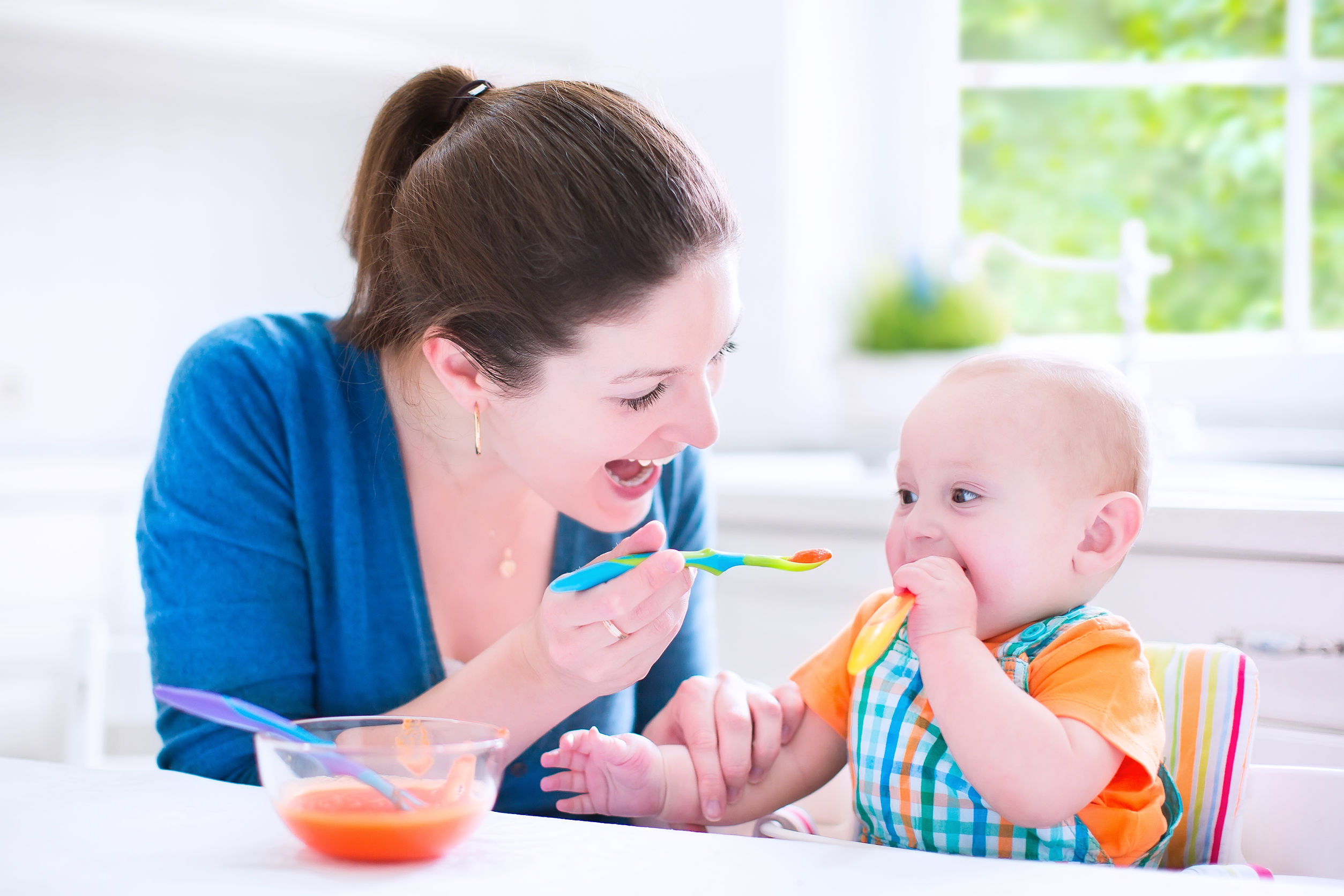
Store-bought purees often have a very uniform texture. Homemade food lets you adjust texture gradually. Start with smooth purees if needed, then move toward thicker mashed foods, soft lumps, and small pieces of soft food.
Texture matters because babies need practice moving food around their mouth. Always match food texture to your baby’s skills and supervise every meal.
Credit: baby360.com
Food Safety Rules For Homemade Infant Foods
Babies have developing immune systems, so food safety is especially important. Wash your hands, clean surfaces, rinse produce under running water, cook foods until soft, and keep raw meat, poultry, seafood, and eggs away from ready-to-eat foods.
Store Homemade Baby Food Correctly
FoodSafety.gov’s baby food storage chart lists homemade baby foods as safe for 1 to 2 days in the refrigerator or 1 to 2 months in the freezer. Strained meats and eggs should be refrigerated for only 1 day.
Cool cooked foods quickly, refrigerate or freeze them promptly, and reheat only the portion you plan to serve. Stir well and check the temperature before feeding.
Avoid Choking Hazards
Choking prevention is a must. The CDC’s choking hazard guidance lists foods such as whole grapes, uncut cherry tomatoes, hard raw carrots or apples, nuts, chunks of nut butter, hot dogs, popcorn, chips, and hard candies as risky for young children.
Prepare foods so they are soft, small, and easy to swallow. Cook hard fruits and vegetables until soft. Thin sticky nut butter with breast milk, formula, yogurt, or warm water before serving. Always watch your baby while they eat.
Know Which Foods And Drinks To Avoid
- Honey: Do not give honey to babies under 12 months, including honey in cooked or processed foods.
- Cow’s milk as a drink: Do not use cow’s milk as a main drink before 12 months. Yogurt and cheese may be offered earlier if appropriate and unsweetened.
- Unpasteurized foods: Avoid raw milk, unpasteurized juice, unpasteurized yogurt, and unpasteurized cheeses.
- Undercooked eggs, meat, poultry, or fish: Cook animal foods thoroughly and serve them in a safe texture.
- Added sugar and high salt: Skip sweeteners, salty sauces, processed meats, and high-sodium packaged foods.
- High-mercury fish: Avoid fish such as shark, swordfish, king mackerel, marlin, orange roughy, bigeye tuna, and tilefish from the Gulf of Mexico.
- Juice before 12 months: Whole fruit is a better choice. Juice is not recommended for babies under 12 months.
Pro Tip: Before seasoning a family meal, set aside a baby-safe portion. Mash or blend it separately, then season the rest of the family’s food as usual.
Homemade Vs. Store-Bought Baby Food
You do not have to choose only one. Many families use a mix of homemade and store-bought baby foods. Homemade meals are helpful when you have time and ingredients. Store-bought foods are helpful during travel, busy days, childcare, or emergencies.
| Factor | Homemade Infant Food | Store-Bought Baby Food |
|---|---|---|
| Ingredient control | High; you choose every ingredient | Depends on label and brand |
| Convenience | Requires prep, cooking, and storage | Very convenient for busy days |
| Texture variety | Easy to adjust as baby grows | May be more uniform, especially purees |
| Cost | Often lower per serving | Often higher because of packaging and processing |
| Safety | Depends on clean prep and proper storage | Shelf-stable until opened; still requires label reading and safe storage |
Strengthening Family Bond
Preparing homemade infant foods can become more than a feeding task. It can help your baby join family mealtimes and help older siblings or partners take part in caring for the baby.
Sharing The Process With Your Partner
Making baby food together can be simple. One person can cook vegetables while the other portions food into containers. Even 20 minutes of weekend prep can make weekday meals easier.
Building Rituals Around Homemade Meals
Small routines can become meaningful. You might mash bananas at breakfast, blend a small portion of soup before adding salt, or freeze fruit puree after grocery shopping. These habits make feeding feel less stressful and more connected.
Creating Memories With Older Siblings
Older children can help with safe tasks such as rinsing produce, choosing a fruit, or naming the baby’s new food. This helps them feel included and teaches care, patience, and responsibility.
Setting An Example Of Healthy Eating
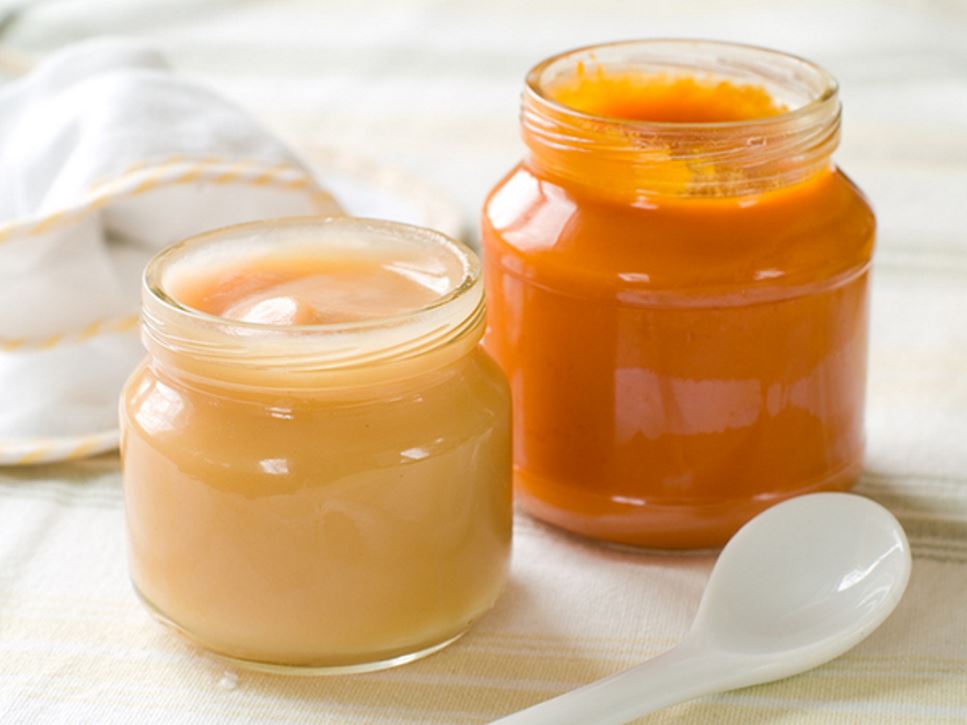
Babies learn by watching. When they see family members eating vegetables, fruits, grains, and proteins, those foods become familiar. Homemade baby food can be a bridge between baby meals and family meals.
Credit: www.eatright.org
Simple Homemade Infant Food Ideas
Start simple. Offer one food at a time at first, then combine foods your baby has already tolerated.
- Avocado mash: Mash ripe avocado with a fork until smooth.
- Sweet potato puree: Cook sweet potato until soft, then mash or blend with breast milk, formula, or water.
- Oatmeal cereal: Prepare iron-fortified infant oatmeal and thin it to the right texture.
- Chicken and vegetable blend: Blend cooked chicken with soft carrots or peas until smooth.
- Lentil mash: Cook lentils until very soft, then mash with a little water.
- Plain yogurt with fruit: Mix unsweetened plain yogurt with mashed soft fruit if dairy is appropriate for your baby.
The healthiest homemade baby food is not complicated. It is safe, soft, varied, unsweetened, low in salt, and matched to your baby’s stage.
Frequently Asked Questions
Is homemade baby food healthier?
Homemade baby food can be very healthy because you control the ingredients, texture, and freshness. It is not automatically healthier than every store-bought option, though. A nutritious baby diet can include homemade foods, packaged foods, or both, as long as meals are varied, age-appropriate, and low in added sugar and salt.
When can babies start homemade infant foods?
Many babies are ready for solid foods around 6 months. Readiness signs include good head control, sitting with support, showing interest in food, and opening the mouth when food is offered. Ask your pediatrician if your baby was premature or has feeding or growth concerns.
Is it better to buy baby food or make homemade baby food?
Both can work. Homemade baby food gives you more control and may cost less. Store-bought food is convenient and can be useful for travel, childcare, and busy days. Many families use a mix of both.
How long does homemade baby food last?
Homemade baby foods should usually be kept for 1 to 2 days in the refrigerator or 1 to 2 months in the freezer. Strained meats and eggs should be refrigerated for only 1 day. Always label containers and discard food that smells off, looks spoiled, or was left out too long.
What foods should not be homemade for babies?
Do not make homemade infant formula. Avoid honey under 12 months, unpasteurized milk or juice, undercooked eggs or meats, high-salt foods, added sugar, choking hazards, and high-mercury fish. Do not give cow’s milk as a main drink before 12 months.
Can homemade baby food help with picky eating?
It may help by exposing babies to more flavors and textures early on. Offer a variety of foods without pressure. Some babies need to see or taste a food many times before they accept it.
Conclusion
Homemade infant foods can give your baby fresh flavors, varied textures, and nutrient-rich meals made from ingredients you choose. They can also save money and help your baby feel included in family meals.
The safest approach is to keep meals simple, follow infant feeding guidance, avoid risky foods, store leftovers properly, and offer variety. Homemade food is a helpful option, not a parenting test. What matters most is that your baby is fed safely, lovingly, and in a way that supports healthy growth.
Sources
- CDC: When, What, and How to Introduce Solid Foods — supports readiness, single-ingredient foods, allergens, and texture guidance.
- CDC: Foods and Drinks to Avoid or Limit — supports guidance on added sugar, sodium, cow’s milk, juice, unpasteurized foods, caffeine, and high-mercury fish.
- CDC: Choking Hazards — supports choking-prevention advice and examples of risky foods.
- HealthyChildren.org: Is it OK to make my own baby food? — supports the balanced view of homemade baby food, family foods, variety, and the homemade formula warning.
- FDA: Closer to Zero — supports the discussion of arsenic, lead, cadmium, mercury, and varied food choices.
- FoodSafety.gov: Safe Storage of Puréed and Solid Baby Food — supports refrigerator and freezer storage times for homemade baby foods.