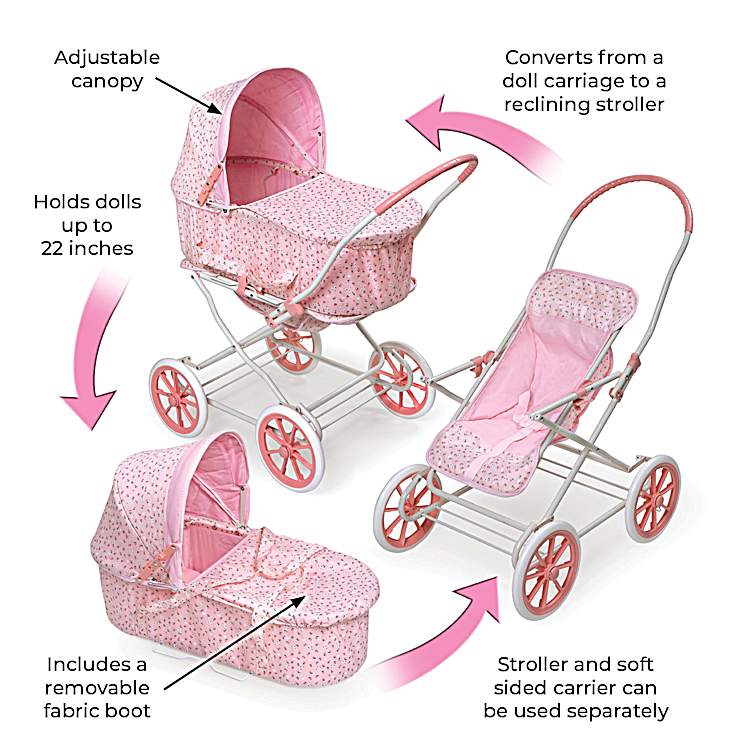
A baby doll stroller canopy is a small project with a big payoff. With a piece of lightweight fabric, simple measurements, and secure fasteners, you can turn a plain doll stroller into a shaded, cozy ride for your child’s favorite doll.
This guide shows you how to make a canopy for a baby doll stroller from start to finish. You will measure the stroller frame, cut the fabric, sew or glue the edges, attach the canopy, and add safe decorative touches that hold up during play.
Quick Answer
To make a canopy for a baby doll stroller, measure the frame, cut lightweight fabric with seam allowance, hem the edges, then attach it with hook-and-loop strips, elastic loops, or short ties. Keep decorations flat and secure, especially for younger children, and test the canopy before play.
Key Takeaways
- Use lightweight cotton, polyester, or cotton-blend fabric so the canopy drapes well without pulling on the stroller frame.
- Measure the stroller width and canopy depth before cutting, then add at least 1 inch on each side for hems and adjustments.
- Hook-and-loop strips, elastic loops, or short fabric ties make the canopy easier to remove for cleaning.
- Avoid loose buttons, beads, sequins, and long dangling cords if younger children will use the stroller.
At a Glance
| Time Required | About 45 to 90 minutes, depending on whether you sew or use a no-sew method |
| Difficulty | Easy beginner project |
| Tools Needed | Measuring tape, scissors or rotary cutter, fabric marker, pins or clips, needle and thread or sewing machine |
| Cost | Low cost if you already have basic sewing supplies; usually one small piece of fabric is enough |
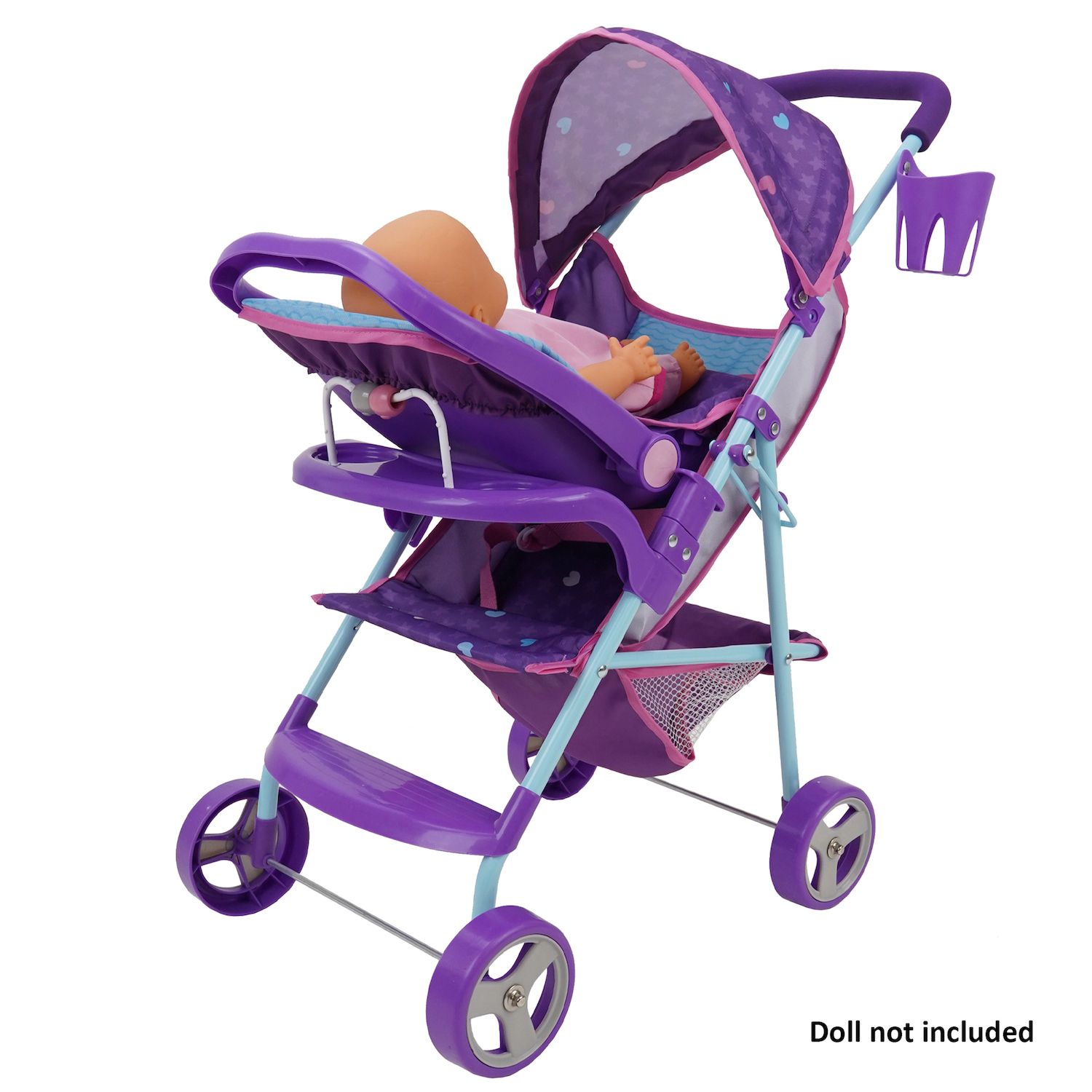
Credit: www.kohls.com
Materials Needed
Creating a canopy for a baby doll stroller is easier when you gather everything before you cut. You do not need expensive supplies, but you do need fabric that is light enough for a toy stroller frame and strong enough for repeated play.
Recommended Products

DOUBLE THE FUN WITH A TWIN DOLL STROLLER - Let kids take two dolls or stuffed animals along for the ride with this folding double stroller. Promotes creativity, social interaction, and pretend play. Compatible with Girl dolls and other popular 18-inch characters.

Premium Baby Doll Stroller for Kids: The baby doll stroller measures 21" in height and includes a functional canopy that easily opens and closes. Designed with quality in mind, this toy stroller for toddlers 3+ is both sturdy and durable, ensuring hours of play. The baby stroller for dolls folds up compactly for convenient storage when not in use.

FOLDING STROLLER + CANOPY // Featuring a rigid emtal frame for your baby dolls comfort and Folding Canopy
Fabric Selection
Choose lightweight cotton, polyester, cotton canvas, or a cotton-blend fabric. Cotton is easy to sew and comes in child-friendly patterns. Polyester can resist wrinkles and may wipe clean more easily. Avoid heavy upholstery fabric because it can sag, pull on the stroller frame, and make the canopy harder to attach.
For many baby doll strollers, 1/4 to 1/2 yard of fabric is enough. If the stroller is wider or you want a ruffled edge, buy a little extra so you can test the shape before making the final cut.
Measuring Tape
A flexible measuring tape helps you measure around curved handles and canopy bars. Measure the stroller’s width, the depth from the back attachment point to the front shade area, and the distance between both side attachment points.
Scissors
Use sharp fabric scissors or a rotary cutter for clean edges. Dull scissors can pull the fabric, create jagged cuts, and make the finished canopy look uneven.
Needle and Thread
A sewing machine gives the neatest finish, but you can hand sew this project with a needle and strong thread. Choose thread that matches the fabric or use a contrasting color if you want the stitching to look decorative.
Elastic Band
Elastic can help the canopy slip over side bars or small frame posts. Use short elastic loops instead of long loose elastic. The loop should stretch enough to attach, but it should not dangle when the canopy is in place.
Fasteners and Optional Supplies
- Hook-and-loop strips for removable attachment
- Short ribbon or twill-tape ties for fabric tabs
- Fabric clips or straight pins for holding seams
- Fabric marker or tailor’s chalk for marking lines
- Iron-on hem tape or washable fabric glue for a no-sew version
- Ribbon, lace, flat appliqué, or embroidery thread for decoration
Warning: If a child under 3 may play with the stroller, avoid detachable buttons, beads, sequins, charms, or small clips. The U.S. Consumer Product Safety Commission warns that small parts can create choking, aspiration, or ingestion hazards for young children. Keep ties short, secure every fastener, and check the canopy often.
Measuring The Stroller
Measuring the stroller is the most important step because toy stroller frames vary a lot. Some have straight side bars, some have curved handles, and some already have small holes or clips where a canopy once attached.
Understand The Attachment Points
Look at both sides of the stroller. Choose two matching points where the canopy can attach without blocking the handle, wheels, folding hinge, or seat. Good options include side posts, frame rails, or the back edge of an existing stroller seat.
Measure The Width
Measure from the left attachment point to the right attachment point. Add 2 inches to that number, which gives you about 1 inch of hem allowance on each side. If you want a gathered look, add 3 to 4 extra inches instead.
Measure The Canopy Depth
Measure from the back attachment point over the top of the stroller to the front edge where you want the shade to stop. Add 2 inches for the front and back hems. If you want the canopy to curve, hold the measuring tape in a gentle arch instead of pulling it flat.
Plan The Side Drop
Decide whether the canopy should cover only the top or hang slightly down the sides. A side drop of 1 to 2 inches can look polished, but a deeper drop may get in the way when your child places the doll in the stroller.
Finalize The Cutting Size
Write down your final size before marking the fabric. A simple formula is:
- Fabric width: stroller width + 2 inches for hems, or + 4 to 6 inches for a gathered canopy
- Fabric depth: front-to-back canopy measurement + 2 inches for hems
- Tabs or ties: four short strips, each about 4 to 6 inches long before folding and sewing
Pro Tip: Test the shape with scrap paper, newspaper, or an old pillowcase before cutting your final fabric. Tape the test piece to the stroller, adjust the size, then use it as a simple pattern.
Cutting The Fabric
Cutting the fabric accurately helps the canopy sit straight and look finished. Work on a clean table or floor so the fabric does not shift while you mark it.
Recommended Products

VERSATILE DESIGN: Perfect for jogging, walking, or strolling, the jogger-style stroller is both stylish and functional for any adventure with dolls or stuffed animals. Heathered grey, flowers, cream, pink & orange coloring.

𝗧𝗥𝗜𝗣𝗟𝗘 𝗧𝗛𝗘 𝗙𝗨𝗡: Perfect for imaginative play, this triple doll stroller lets kids take three of their favorite dolls or stuffed animals on exciting pretend outings together, fostering creativity and social skills. Not intended for use with real babies.
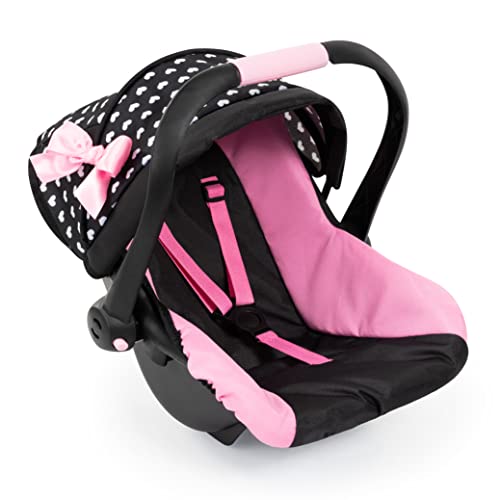
Stylish Modern Design: Features a chic black and pink heart pattern that makes pretend play more engaging and appealing to children who love contemporary, fashionable accessories for their doll collections
Choose The Right Fabric Direction
If your fabric has animals, flowers, stripes, or words, make sure the print faces the right direction when the canopy is attached. Place the front edge of the canopy toward the part of the print you want visible first.
Mark The Fabric
Lay the fabric wrong side up. Use tailor’s chalk or a washable fabric marker to mark the width and depth. Use a ruler or straight edge if you want a clean rectangular canopy.
Cut With Precision
Cut slowly along the marked lines. Hold the fabric flat with one hand, but do not stretch it. If the fabric frays easily, cut a little outside the line so you have room to fold the edge under.
Double-Check The Pieces
Before sewing or gluing, place the fabric over the stroller frame. Check the width, depth, and side coverage. Trim only small amounts at a time because you can always remove fabric, but you cannot add it back once it is cut.
Sewing The Canopy
Sewing gives the canopy a stronger, cleaner finish. Even a basic straight stitch works well for this project, and the small size makes it a good beginner sewing task.
Recommended Products

My First Doll Stroller With Hood, Seat Belt, And Basket On The Bottom

This item is a toy and is not intended for use with real babies.
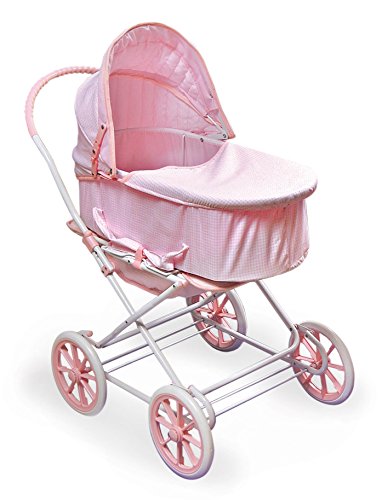
DESIGNED FOR 18 TO 20 INCH DOLLS: Perfectly accommodates collectible dolls and similar-sized toys, providing a delightful stroller experience for your child’s favorite dolls.
Fold And Press The Edges
Fold each raw edge under about 1/2 inch, then fold it under again to hide the cut edge. Press the folds with an iron if the fabric allows it. This creates a simple double-fold hem that resists fraying.
Pin The Pieces
Use pins or fabric clips to hold the folded edges in place. Keep the corners neat by folding them like a small envelope. This helps the front edge look smooth when the canopy is attached.
Sew The Edges
Sew around all four sides with a straight stitch. Keep the stitch line close to the inner fold so the hem stays flat. Backstitch at the beginning and end to keep the thread from unraveling.
Add Tabs, Loops, Or Sleeves
Now add the attachment points. You can sew four short fabric tabs to the corners, sew elastic loops to the side edges, or create a narrow sleeve if the stroller has a removable canopy rod. Tabs with hook-and-loop strips are often the easiest option because you can remove the canopy for washing.
Reinforce The Corners
The corners take the most pulling during play. Sew a small square or X shape over each tab or loop. This extra stitching helps keep the canopy from tearing away from the fabric.
Note: If the stroller folds, attach the canopy in a way that lets you remove it first. A fixed canopy can get bent, stretched, or torn when the toy stroller collapses.
No-Sew Canopy Option
You can still make a neat canopy without a sewing machine. Use washable fabric glue or iron-on hem tape to finish the edges. Follow the product directions and let the adhesive cure fully before giving the stroller back to your child.
- Cut the fabric using the same measurements.
- Fold each edge under 1/2 inch, then fold again.
- Apply fabric glue or hem tape inside the fold.
- Press the hem flat and let it dry or cool completely.
- Glue or attach hook-and-loop strips to the corners.
- Test each attachment point with a gentle tug before play.
A no-sew canopy works best for light play and display. For rougher play, stitched tabs or loops usually last longer.
Attaching To The Stroller
Attaching the canopy securely keeps it from sliding during play. The goal is a snug fit that still comes off easily when you need to wash or adjust it.
Prepare The Stroller
Wipe the stroller frame before adding hook-and-loop strips or adhesive-backed fasteners. Dust and fabric lint can weaken the bond. If the frame is plastic, let it dry completely before attaching anything.
Align The Canopy
Place the canopy over the stroller and center it from left to right. The front edge should shade the doll seat without blocking your child’s view or grip on the handle.
Use Fasteners For A Secure Fit
Wrap the tabs, elastic loops, or short ties around the frame. If you use hook-and-loop strips, press both sides firmly together. If you use ties, use short knots or bows and trim long ends so they do not dangle near the wheels.
Test The Stability
Push the stroller forward, turn it, and lift the handle gently. Watch whether the canopy shifts, sags, or pulls to one side. If it moves, tighten the attachment points or add another small tab near the back edge.

Credit: www.amazon.com
Decorative Finishing Touches
Decorations make the canopy feel special, but they should stay flat, soft, and secure. Choose details that match your child’s style without adding small loose parts.
Adding Trim And Lace
Ribbon, lace, or pom-pom trim can look charming along the front edge. Sew trim down firmly or use washable fabric glue along the full length. Avoid loose loops that could catch on the stroller handle or wheels.
Personalized Embroidery
Embroidery is one of the safest ways to personalize the canopy because it becomes part of the fabric. Stitch your child’s initial, a small heart, a flower, or the doll’s name on the front panel.
Colorful Paint Or Fabric Markers
Fabric markers and washable fabric paint let older children help decorate. Place cardboard under the fabric before drawing so the ink does not bleed through. Let the design dry fully before attaching the canopy.
Flat Fabric Appliqué
Flat appliqué shapes, such as stars, flowers, or hearts, add color without dangling. Stitch around each shape or use fabric glue made for washable projects.
Seasonal Themes
You can change the look by making more than one canopy. Try florals for spring, gingham for summer, pumpkins for fall, or snowflakes for winter. A removable canopy makes seasonal changes simple.

Credit: www.amazon.com
Troubleshooting Common Canopy Problems
| Problem | Fix |
| The canopy sags in the middle. | Use lighter fabric, shorten the depth, or add a small front tab to pull the fabric tighter. |
| The canopy slips off the frame. | Move the tabs closer to the frame posts, use wider hook-and-loop strips, or add elastic loops at the back corners. |
| The edges look uneven. | Press the hems before sewing or gluing. Trim only after checking the canopy on the stroller. |
| The fabric frays. | Use a double-fold hem, pinking shears, or a small amount of fray-control product on the raw edge. |
| The stroller no longer folds well. | Make the canopy removable. Take it off before folding the stroller. |
Cleaning And Storage
A removable canopy is easier to keep clean. Spot clean small marks with a damp cloth and mild soap. If the fabric is washable, remove all fasteners that should not go in water, then hand wash and air dry the canopy flat.
Store the canopy flat or loosely rolled. Folding it tightly can create creases, especially if you used fabric glue, appliqué, or iron-on hem tape.
Frequently Asked Questions
What materials do I need for a baby doll stroller canopy?
You need lightweight fabric, measuring tape, scissors, a fabric marker, pins or clips, thread, and a needle or sewing machine. For attachment, use hook-and-loop strips, short fabric ties, or elastic loops. For a no-sew version, use washable fabric glue or iron-on hem tape.
How do I choose the right fabric?
Choose a lightweight cotton, polyester, or cotton-blend fabric. It should be soft, flexible, and easy to clean. Avoid heavy fabric because it can sag or pull on the toy stroller frame.
How do I attach the canopy to the stroller?
Attach the canopy with hook-and-loop tabs, elastic loops, or short fabric ties. Place the canopy evenly over the stroller, secure both sides, then push the stroller around to make sure the canopy does not slip or block the handle.
Can I make a no-sew canopy?
Yes. Fold the fabric edges under and secure them with washable fabric glue or iron-on hem tape. Let the adhesive dry or cool fully before attaching the canopy. A sewn canopy is usually stronger, but a no-sew canopy works well for gentle play.
How long does it take to make a canopy?
Most people can finish a simple baby doll stroller canopy in about 45 to 90 minutes. A no-sew version may be faster, but fabric glue and hem tape may need extra drying or cooling time.
Is it safe to make a homemade canopy?
A homemade canopy can be safe for supervised play when it is lightweight, securely attached, and free from loose small parts. Avoid detachable buttons, beads, sequins, charms, and long ties, especially if a child under 3 may use the stroller.
How big should the canopy fabric be?
Measure the stroller width and add about 2 inches for side hems. Then measure from the back attachment point to the front shade edge and add about 2 inches for front and back hems. Add more width if you want a gathered canopy.
How do I keep the canopy from sagging?
Use lighter fabric, shorten the canopy depth, and pull the fabric evenly before securing the tabs. If it still sags, add a front tab or small elastic loop to hold the front edge closer to the frame.
Conclusion
Creating a canopy for a baby doll stroller is a simple way to personalize a favorite toy. Start with accurate measurements, choose lightweight fabric, and use secure fasteners that let you remove the canopy for cleaning.
The best canopy looks cute, fits snugly, and stays safe during play. Keep decorations flat and firmly attached, test the canopy before handing it to your child, and enjoy the extra creativity this small project brings to everyday doll play.
Sources
- U.S. Consumer Product Safety Commission: Small Parts Ban and Choking Hazard Labeling — backs up the warning about small detachable parts and choking hazards.
- eCFR: 16 CFR Part 1501 — explains the small-parts test method for toys and articles intended for children under 3.
- eCFR: 16 CFR §1500.19 — provides federal labeling context for toys and children’s articles with choking hazards.