Keeping your baby dry in a stroller starts with the right cover, breathable layers, and a few simple safety checks before you leave home. Rain protection should block water without sealing the stroller so tightly that heat and moisture build up around your baby.
Wet weather can change quickly. A short drizzle can turn into wind-driven rain, puddles can splash up from the wheels, and a damp seat can make your baby uncomfortable fast. The goal is not just to keep rain off the stroller. You also need airflow, visibility, secure straps, and a dry place for extra clothes.
Quick Answer
To keep your baby dry in a stroller, use a stroller-compatible rain cover with open vents, dress your baby in light waterproof layers, pack a dry change of clothes, avoid deep puddles, and dry the stroller fully after the walk. Never seal the stroller with a blanket or plastic sheet.
Key Takeaways
- A fitted rain cover protects better than an umbrella because it blocks front, side, and splashback moisture.
- Ventilation matters. Keep vents open and check your baby often for sweating, flushed skin, chills, or discomfort.
- Dress for the temperature, not just the rain. Warm rain needs breathable layers, while cold rain needs insulation plus a waterproof outer layer.
- Avoid loose blankets, sealed plastic sheets, and covers that touch your baby’s face.
- After each wet walk, remove the cover and dry the stroller before storage to prevent mildew and odor.
At a Glance
| Time Required | 5 minutes before the walk, plus 10 minutes to dry the stroller afterward |
| Difficulty | Easy |
| Tools Needed | Fitted rain cover, stroller canopy, waterproof baby layer, dry clothes, small towel, waterproof bag |
| Cost | Low to moderate, depending on whether you already own a stroller rain cover |

Credit: www.ebay.com
Start With The Right Stroller Rain Cover
A stroller rain cover is the most reliable way to keep your baby dry because it protects more than the canopy alone. It can block rain from the front, sides, and foot area while still letting you see your baby through a clear panel.
Choose a cover that fits your stroller shape. Some universal covers work well on standard single strollers, but they may not fit every jogging stroller, double stroller, bassinet stroller, travel system, or stroller wagon. Check the stroller manual and the cover instructions before using it in wet weather.
Recommended Products

ULTIMATE PROTECTION - Our high-quality stroller rain cover is designed to provide ultimate protection for your baby. Made with safe and resilient materials, including food-grade EVA, it shields your little one from rain, wind, snow, cold, and dust.

【All-Weather Stroller Footmuff:Roomy & Universal Fit】Stroller footmuff is your all-in-one solution for winter walks. Generously sized (41"x17.71"), it offers plenty of room for babies 6-36 months without restricting movement and is designed to fit most strollers. Think of it as the coziest stroller bunting bag that keeps your little one free and comfortable.

Solves the Leakage Problem: Designed with a protected zipper track to prevent rain from seeping in, addressing the common issue of babies getting wet in traditional covers. The 0.2mm thick food-grade EVA material is odorless and durable, ensuring a dry and safe environment for your child during sudden downpours
What To Look For In A Rain Cover
- Open vents or mesh panels: These help air move through the stroller.
- A clear viewing window: You should be able to see your baby’s face at all times.
- Secure fasteners: Straps, elastic edges, or hook-and-loop tabs help keep the cover from lifting in wind.
- Room around the face: The cover should never rest against your baby’s mouth, nose, or cheeks.
- Wheel and brake clearance: The cover should not drag near the wheels or interfere with the brake.
- Easy cleaning: A wipeable cover is easier to dry and store after a wet walk.
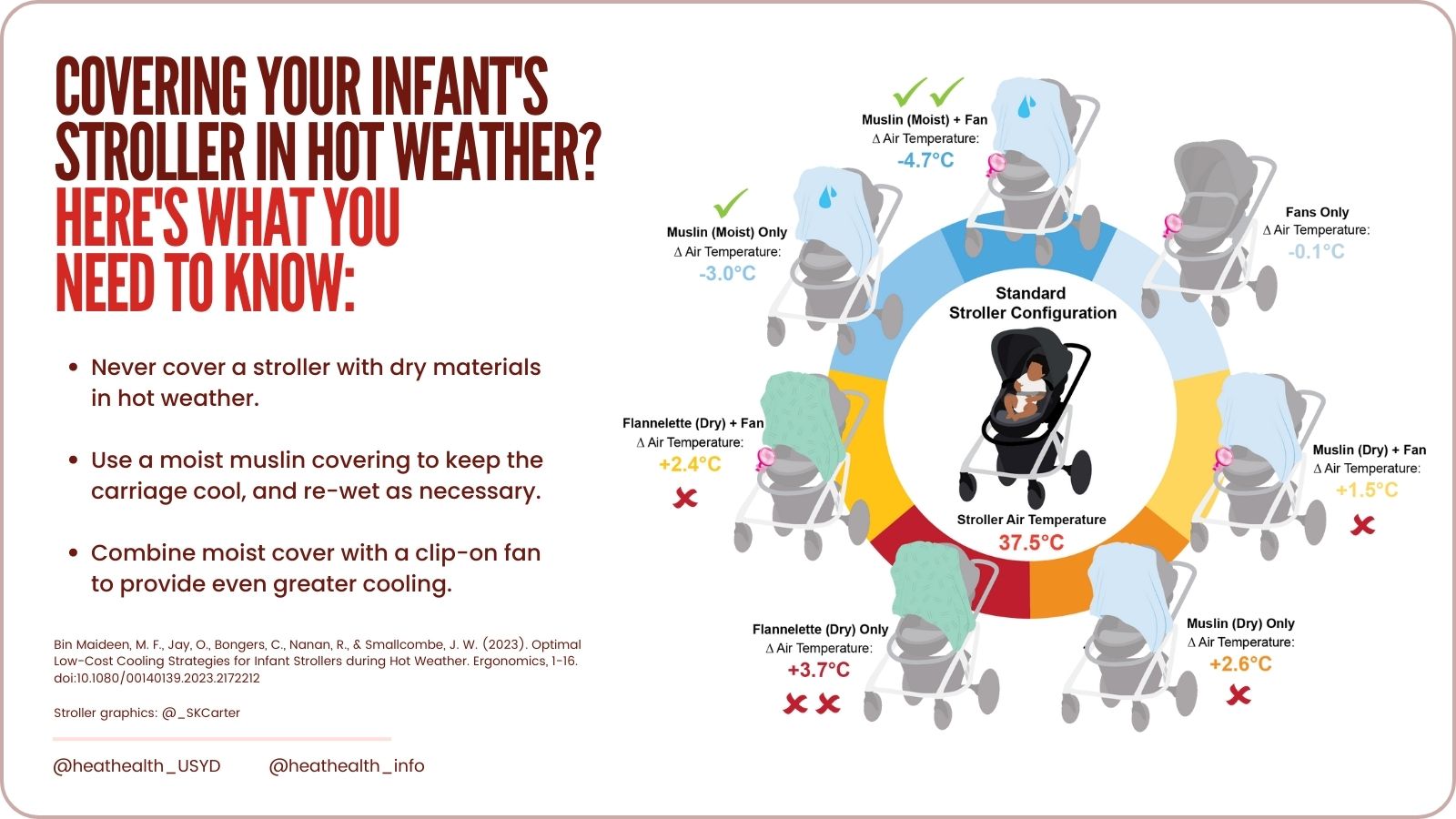
Warning: Do not drape a blanket, towel, or sealed plastic sheet over the stroller opening. Loose covers can block airflow, make it hard to see your baby, and trap heat under the canopy.
How To Put The Rain Cover On Safely
Put the rain cover on before the rain becomes heavy. A rushed setup in wind or traffic can leave gaps, block vents, or make the stroller harder to steer.
- Open the stroller canopy first. This gives the rain cover structure and keeps water from pooling above your baby.
- Place the cover over the canopy and foot area. Make sure it reaches low enough to block splashback from the front wheels.
- Secure every tab or strap. A loose cover can lift in wind or slide toward your baby.
- Check the vents. Make sure mesh panels or air openings stay uncovered.
- Look at your baby’s face. You should have a clear view through the cover.
- Test the brake and wheels. The cover should not touch the wheels, drag on the ground, or block the brake pedal.
Pro Tip: Practice attaching the rain cover at home once. You will know where each strap goes before you need to do it in the rain.
Recommended Products
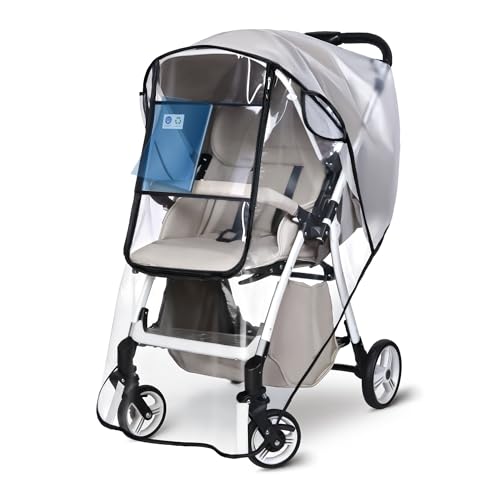
[Maximize Brightness and Clarity] Visually it is made of completely visible And special materials make it not easy to wrinkle, which maximizes brightness and clarity indoors or outdoors

Universal Size: Bemece rain cover is suitable for most strollers, pushchairs and baby carriages. Dimensions: 37.5 x 22 x 43 inches

MATERAL:The stroller rain cover are both made with high-quality materials for proper resilience,safe to child.Food Grade Materia EVA, safe to child. The plastic material is very smooth and soft to touch. Universal Stroller Rain Cover is a must-have item for parents to travel with their babies and give them the best care in a safe environment.
Choosing The Right Stroller
A stroller with a deep canopy, sturdy frame, reliable brake, and compatible rain cover makes wet-weather walks easier. The stroller does not need to be expensive, but it should feel stable and easy to control on damp sidewalks.
Recommended Products

Universal Size Twins Rain Cover Fits Almost All Side by Side and Twin Strollers. Maximum coverage to protect children from rain, wind and debris.

Innovative Ring Buckle Handle: Designed with an innovative carabiner handle, this travel umbrella can be easily hung on a backpack, tote, luggage, stroller, or door handle. Combined with its foldable design, it is convenient to carry. Note: this loop design means a moderately larger folded size compared to ultra-slim umbrellas — built for grip and convenience, not pocket-size
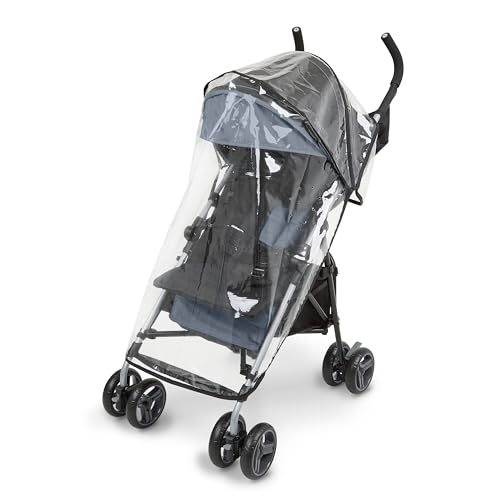
The Ingenuity Umbrella Stroller Raincover provides clear, ventilated weather protection, helping keep baby dry and comfortable on every walk, errand, or outdoor adventure
Consider Weather Resistance
Look for tightly woven, water-resistant fabrics that wipe clean easily. A water-resistant seat can handle light dampness better than untreated fabric, but it still needs a proper cover during steady rain.
Choose An Adjustable Canopy
An adjustable canopy helps block light rain and wind before you add the rain cover. A larger canopy also gives the cover a better shape, which can help keep the clear panel away from your baby’s face.
Check Ventilation Features
Mesh windows, back panels, and canopy vents help reduce trapped heat and moisture. This matters most during warm, humid rain, when a fully covered stroller can feel stuffy quickly.
Check Rain Cover Compatibility
Some stroller brands sell model-specific rain covers. These usually fit better than a generic cover. If you use a universal cover, confirm that it stays secure, leaves airflow open, and does not block your baby’s harness.
Assess Durability And Build Quality
A strong frame and smooth wheels help the stroller handle wet paths, shallow puddles, and uneven pavement. Before rainy walks, check that the brake locks firmly and the wheels roll freely.
Review Ease Of Cleaning
Rainy walks bring water, grit, and mud into the stroller. Choose fabrics and straps you can wipe down, and avoid storing the stroller while the seat, basket, or cover is still damp.
Credit: www.amazon.ae
Waterproof Covers And Accessories
Waterproof stroller accessories can help, but they should support the rain cover instead of replacing safe setup. Keep the stroller dry from the top, sides, seat, and storage basket.
Types Of Waterproof Covers
A model-specific rain cover gives the best fit when it is available. A universal rain cover can work for many standard strollers, but you need to check the shape, fasteners, and ventilation before relying on it.
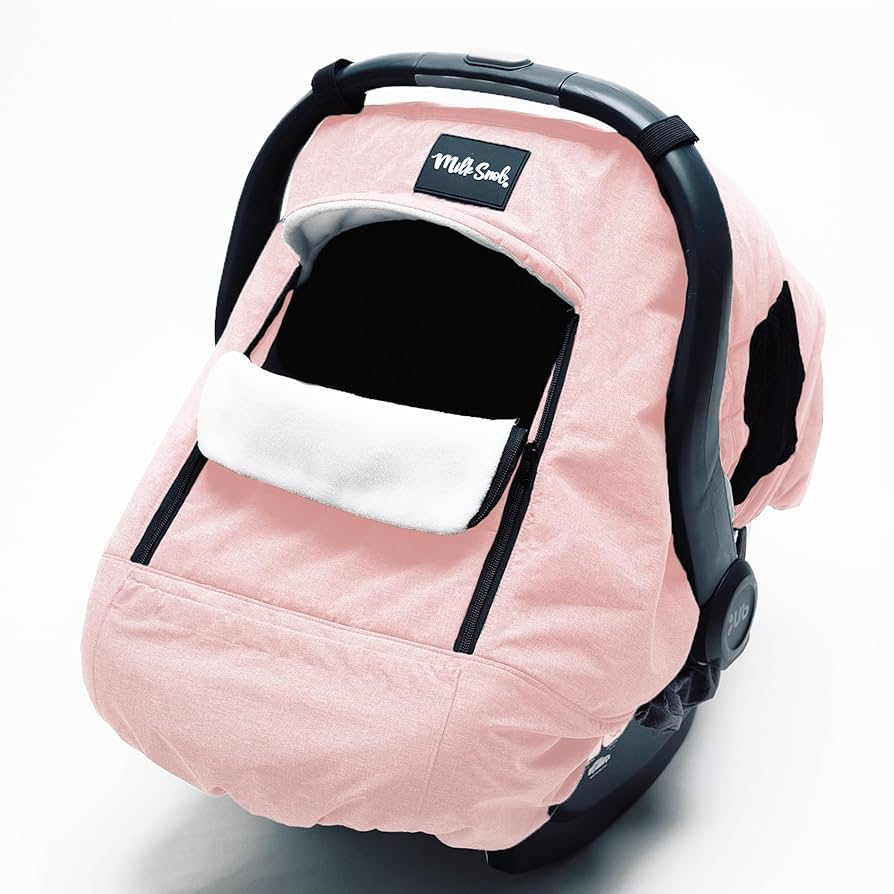
For cold rain, a fitted footmuff or stroller bunting can help keep your baby warm. Use one designed for your stroller and harness so it does not shift, bunch, or interfere with the straps.
Choosing The Right Material
Clear plastic or vinyl panels help you see your baby, while polyester edges can add structure. The material should feel flexible, not brittle or cracked. Avoid old covers with cloudy panels, sharp tears, or a chemical smell that does not air out.
Additional Waterproof Accessories
- Small towel: Wipe the stroller seat, handlebar, wheels, and cover before loading the stroller into a car.
- Waterproof wet bag: Store damp clothes, socks, or burp cloths away from dry items.
- Stroller basket cover: Keep diapers, wipes, and snacks from getting wet underneath the seat.
- Parent rain jacket: Keeps your hands free so you can steer safely.
Maintenance Tips For Waterproof Covers
After each wet walk, shake off extra water, wipe away mud, and let the cover air-dry fully before folding it. Follow the cover maker’s cleaning instructions, and avoid harsh cleaners that can damage clear plastic panels.
Using Umbrellas And Canopies
Umbrellas and canopies can help in light rain, but they should not be your main plan for keeping your baby dry. Wind can push rain sideways, and a clip-on umbrella may leave the legs, sides, or seat exposed.
Choosing The Right Umbrella
If you use a stroller umbrella, choose one that clamps securely and adjusts without making the stroller top-heavy. Stop using it if the wind picks up or the stroller becomes harder to steer.
Using The Stroller Canopy Correctly
Open the canopy before attaching the rain cover. This helps rain roll off instead of pooling. In mild weather, the canopy may handle a quick sprinkle, but use the rain cover for steady rain.
Combining Umbrellas And Canopies
You can use a parent umbrella or rain jacket along with the stroller canopy, but keep both hands available when crossing streets or pushing over uneven ground. Do not attach extra weight to the handlebar because that can make some strollers tip backward.
Maintenance And Care
Dry umbrellas, canopies, and rain covers before storing them. Check hinges, clamps, and seams often. Small tears can grow quickly once wind and water pull on the material.
A Real-World Rain Example
If rain starts during a park walk, stop under shelter, set the brake, attach the rain cover, check the vents, and look at your baby’s face before you continue. If the wind is strong or your baby seems uncomfortable, head indoors instead of trying to push through the weather.
Dressing Your Baby Appropriately
Rain protection works best when your baby’s clothing matches the temperature. Too little clothing can leave your baby chilled. Too many thick layers under a rain cover can cause sweating and overheating.
Layering Is Key
Start with a soft base layer. In cool rain, add a warm middle layer and a waterproof outer layer. In warm rain, skip heavy insulation and use breathable clothing with rain protection over the stroller.
Choose Breathable Fabrics
Breathable fabrics help reduce sweat. Cotton can feel comfortable when dry, but it holds moisture once wet. For cold or damp weather, a moisture-wicking base layer and a warm middle layer usually work better.
Opt For Waterproof Outerwear
A lightweight waterproof jacket, rain suit, or stroller-safe bunting can help keep your baby dry. Make sure hoods do not slide over the face, and make sure the stroller harness still fits snugly.
Ensure Proper Fit
Clothing should allow your baby to move, bend, and sit naturally. Bulky outfits can bunch behind the back or under the harness. Adjust the harness after dressing your baby so it stays secure.
Use Accessories Wisely
Hats, mittens, booties, and socks help in cold rain. Keep an extra dry pair in the diaper bag. Remove wet accessories as soon as possible because damp fabric can make your baby cold.
Note: If your baby is sweating, flushed, unusually sleepy, shivering, crying hard, or hard to settle, stop the walk and check their temperature, clothing, and comfort.
Selecting Weather-resistant Fabrics
The right fabric helps keep stroller gear dry without making the seat feel sealed or sweaty. Focus on water resistance, airflow, and easy cleaning.
Selecting The Right Material
Polyester and nylon are common choices for stroller accessories because they can repel light moisture and dry faster than many untreated fabrics. A waterproof coating can add protection, but it should not replace a properly fitted rain cover.
Breathability Matters
Any fabric near your baby should allow heat and moisture to escape. Breathable side panels and open vents are especially helpful during humid weather.
Durability And Longevity
Weather-resistant fabrics should handle folding, wiping, and regular outdoor use. Replace covers or accessories that crack, peel, tear, or no longer stay secure.
Easy Maintenance
Choose stroller liners and covers you can wipe or wash according to the care label. Dry every piece before folding it into the stroller basket or storage bag.
Consider Eco-friendly Options
Some stroller accessories use recycled fabrics or lower-impact water-resistant treatments. If this matters to you, check the brand’s material details and care instructions before buying.

Credit: m.facebook.com
What To Pack For A Wet Stroller Walk
A small wet-weather kit can save the outing when rain lasts longer than expected. Keep these items in a waterproof pouch or stroller basket cover.
- Fitted stroller rain cover
- Dry baby outfit and socks
- Small towel or absorbent cloth
- Waterproof wet bag for damp clothing
- Extra diaper and wipes in a sealed pouch
- Light blanket for cold weather, used below chest level and away from the face
- Parent rain jacket or poncho
- Reflective clip, light, or stroller tape for low visibility
Safety Tips For Rainy Weather
Keeping your baby dry also means keeping the stroller stable, visible, and well ventilated. Rain can make sidewalks slippery, reduce driver visibility, and hide uneven ground under puddles.
Choose A Sturdy Rain Cover
Use a rain cover that fits snugly without pulling against the stroller frame. It should not sag into the seat or flap near your baby’s face.
Check Ventilation Often
Rain covers can trap heat and moisture. Keep vents open, check your baby often, and remove the cover as soon as you are indoors or under dry shelter.
Dress Your Baby Appropriately
Use breathable layers under the cover. In cold weather, add warmth. In warm weather, avoid heavy layers and shorten the walk if the stroller feels stuffy.
Secure The Stroller
Use the brake whenever you stop. Keep one hand on the handle on slopes, near curbs, and in gusty wind. Do not hang heavy bags from the handlebar because they can affect stroller balance.
Use Reflective Gear
Rainy weather can make you harder to see. Add reflective tape, a stroller light, or bright clothing if you walk near roads, parking lots, or dim sidewalks.
Avoid Puddles And Deep Water
Puddles can hide holes, slippery leaves, uneven pavement, or deep water. Walk around them when possible. If the wheels splash the foot area, stop and dry your baby’s shoes, socks, or blanket.
Check Recalls And Manufacturer Instructions
Before using any stroller in wet weather, check the stroller manual for rain-cover guidance and weight limits. You can also search the U.S. Consumer Product Safety Commission recall database for stroller recalls, especially if your stroller is secondhand.
What Not To Use To Keep A Stroller Dry
Some quick fixes look helpful but create new problems. Avoid these common mistakes:
- Loose plastic sheets: They can shift, block airflow, or touch your baby’s face.
- Blankets over the stroller opening: They can trap heat and make it harder to monitor your baby.
- Oversized adult ponchos over the whole stroller: They can drag near wheels or block vents.
- Umbrellas in strong wind: They can pull the stroller or leave one side exposed.
- Wet blankets inside the seat: They hold moisture against your baby’s clothing.
After The Walk: Dry The Stroller Before Storage
Once you get indoors, remove the rain cover instead of leaving it sealed over the stroller. Shake off water, wipe the clear panel, and hang the cover open until it is fully dry.
Check the seat, harness straps, footrest, wheels, basket, and fold joints. If water reached the fabric, blot it with a towel and leave the stroller open in a dry, ventilated space. Storing a damp stroller can lead to mildew, odor, and stiff straps.
When To Skip The Walk
Sometimes the safest choice is to stay indoors or use a car, carrier, or indoor stroller route. Skip the stroller walk during lightning, heavy wind, flooding, icy rain, poor visibility, extreme heat, or extreme cold.
You should also stop the walk if your baby becomes very wet, unusually quiet, hard to comfort, sweaty, chilled, or difficult to monitor through the rain cover.
Frequently Asked Questions
How can I keep my baby dry in a stroller?
Use a fitted stroller rain cover, open the stroller canopy, keep the cover vents clear, and dress your baby in weather-appropriate layers. Pack a dry outfit, socks, and a small towel in case rain reaches the seat or foot area.
What is the best stroller rain cover to use?
The best choice is a rain cover made for your stroller model. If you use a universal cover, choose one with vents, clear visibility, secure fasteners, and enough room so the cover does not touch your baby’s face.
Are stroller rain covers safe for babies?
Yes, a stroller rain cover can be safe when it fits correctly, stays ventilated, and lets you see your baby. Remove it indoors, avoid sealed covers, and check your baby often for sweating, flushed skin, chills, or distress.
Can I use an umbrella to keep my baby dry?
An umbrella can help in light rain, but it is not the best main protection for a baby in a stroller. It can shift in wind and leave gaps. A fitted rain cover is usually safer and more complete.
How do I protect a stroller from rain without a cover?
Use shelter, shorten the outing, and rely on the stroller canopy only for brief light rain. If you must use a temporary cover in an emergency, keep it away from your baby’s face, leave airflow open, secure it above the wheels, and get indoors quickly.
What materials are best for a stroller rain cover?
Clear plastic or vinyl panels work well for visibility, while polyester edges can add structure. The safest cover is flexible, secure, ventilated, easy to wipe clean, and free from cracks or sharp tears.
Should I leave the rain cover on when I go indoors?
No. Remove the rain cover indoors or under shelter so heat and moisture do not stay trapped around your baby. Wipe the cover and stroller, then let both dry fully before storage.
Conclusion
Keeping your baby dry in a stroller is simple when you plan for rain before you leave. Use a fitted, ventilated rain cover, keep the stroller canopy open, dress your baby for the temperature, and pack dry clothes for quick changes.
Safety comes first in wet weather. Keep airflow open, avoid loose covers, use the brake when stopped, stay visible, and skip the walk when rain, wind, heat, cold, or flooding makes the outing unsafe. A dry baby is important, but a well-ventilated and closely monitored stroller is just as important.
Sources
- HealthyChildren.org from the American Academy of Pediatrics — baby sun safety, shade, stroller canopy use, and limiting peak sun exposure
- Centers for Disease Control and Prevention — heat-related illness signs and symptoms
- U.S. Consumer Product Safety Commission Recalls — checking stroller and baby product recalls
- Electronic Code of Federal Regulations, 16 CFR Part 1227 — federal safety standard reference for carriages and strollers