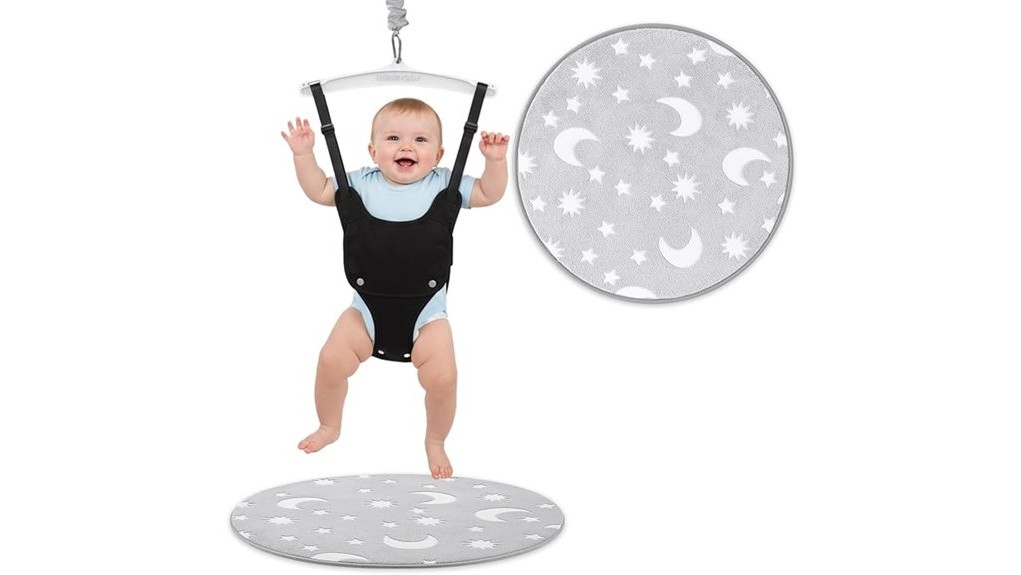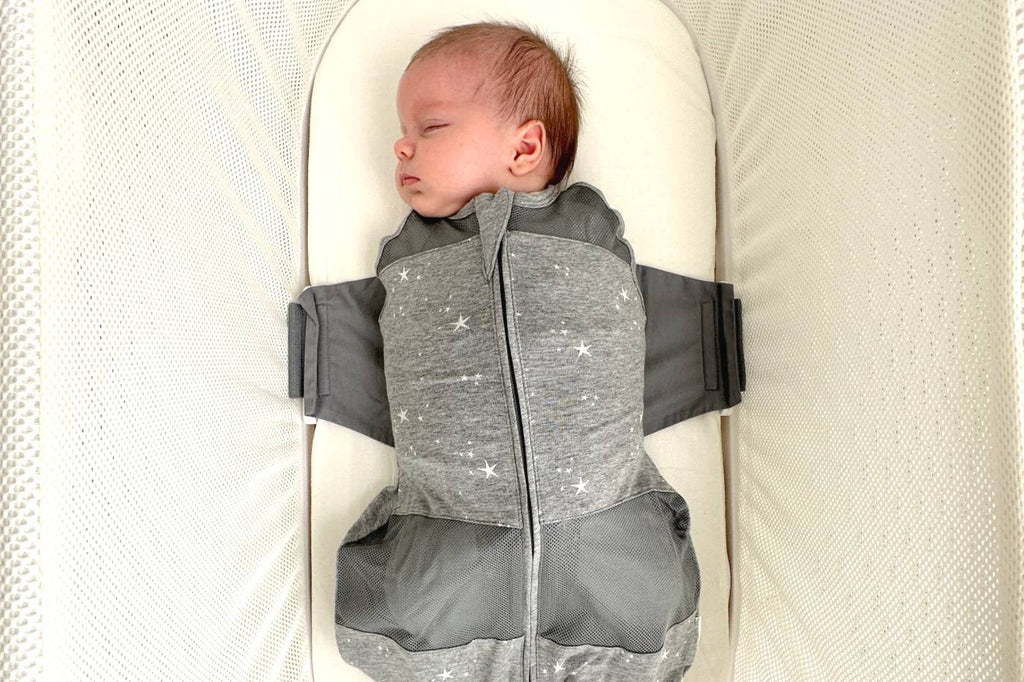
You can keep a baby more alert in a stroller by choosing the right time, using safe sensory play, and keeping the walk short and interesting. The goal is not to fight a baby who truly needs sleep. It is to plan stroller time for a naturally alert part of the day, then use your voice, scenery, and a few safe toys to keep them engaged.
Stroller naps are common because motion can feel soothing. If your baby is already tired, hungry, sick, premature, or hard to wake, do not force them to stay awake. Watch their cues first, then use the tips below when they seem rested and ready for a short outing.
Quick Answer
To keep baby awake in a stroller, walk during their usual alert window, keep them safely buckled, talk often, point out sights, rotate one or two stroller-safe toys, and choose a route with gentle variety. If they show strong sleep cues, let the outing end or allow sleep safely.
Key Takeaways
- Plan walks when your baby is usually alert, not right at nap time.
- Use your voice, changing scenery, safe toys, and short games to keep them interested.
- Keep stroller toys attached with short, safe clips and avoid loose blankets near the face.
- Do not try to keep an overtired baby awake. Sleep pressure usually wins.
- If your baby falls asleep in the stroller, move them to a firm, flat, safe sleep space as soon as practical.
At a Glance
| Time Required | 5 minutes to prepare, then a 10- to 30-minute stroller walk |
| Difficulty | Easy, but depends on age, sleep pressure, feeding, and temperament |
| Tools Needed | Safe stroller, working brakes, harness, short toy straps, one or two baby-safe toys, weather-appropriate clothing |
| Cost | Usually $0 if you already have a safe stroller and toys |
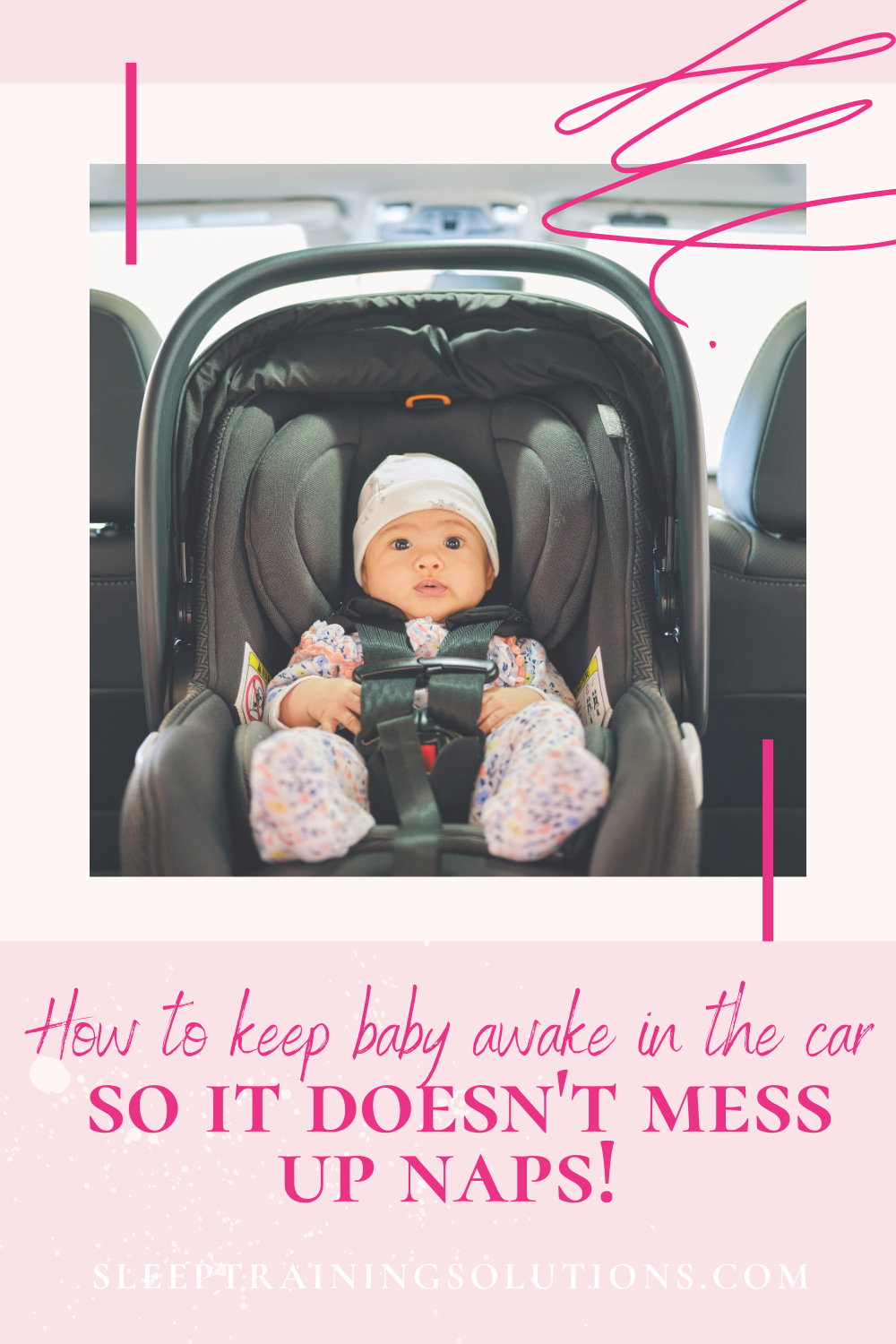
Credit: www.sleeptrainingsolutions.com
Start With Safety Before You Try To Keep Baby Awake
A stroller is helpful for walks, errands, and fresh air, but it should not become your baby’s regular nap space. The Safe to Sleep campaign from NICHD says car seats, strollers, and sitting devices are not recommended as a baby’s regular sleep or nap space.
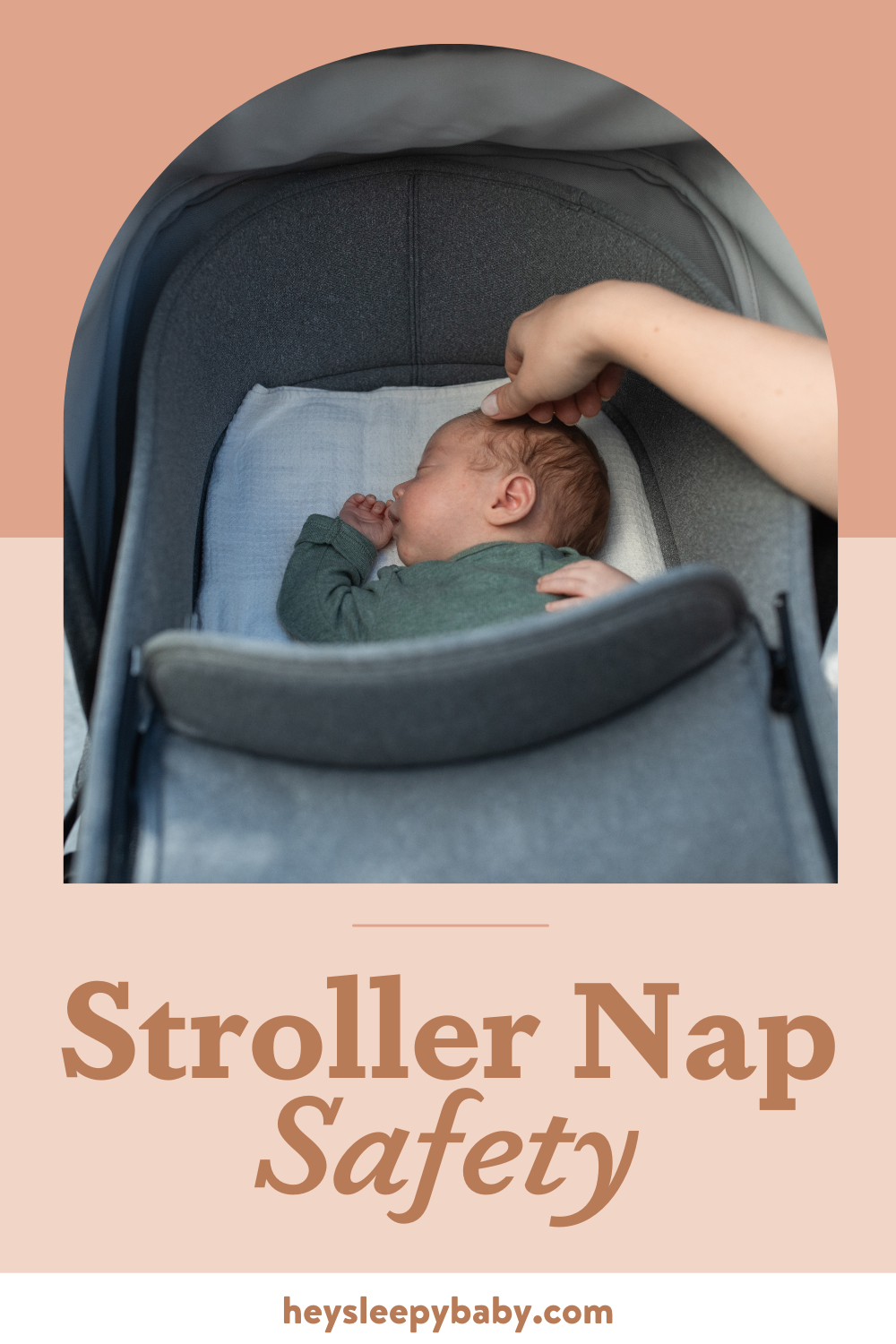
If your baby falls asleep during a walk, do not panic. Keep them supervised, finish the outing safely, and move them to their regular safe sleep space as soon as practical. A safe sleep space should be firm, flat, level, and free of pillows, loose blankets, stuffed toys, and other soft items.
Warning: Do not cover the stroller with a blanket to block light or “help” your baby stay awake. Loose fabric can reduce airflow, trap heat, or fall near the baby’s face. Use the stroller canopy as designed and keep your baby visible.
Recommended Products

3 strollers in 1: Infant Car Seat Carrier, Infant Pramette, and Toddler Stroller to stroll from infant to toddler
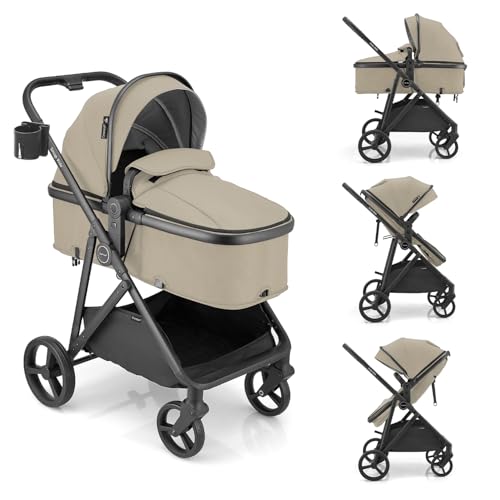
3-in-1 Convertible Design: This stroller is pretty versatile and works well for different stages; The 3-in-1 design is helpful because it can be used when the baby is very young and later as a regular stroller; Need a travel system? Simply attach your Cybex, Maxi-Cosi or Evenflo LiteMax 30 car seat using the additional adapter (SOLD SEPARATELY)

2-IN-1 CONVERTIBLE STROLLER: This baby stroller can switch between basket mode and seated mode. The footrest provides additional support for infant, and the reversible basket pram allows your toddler to face you. The handlebar adjusts to 4 different heights to accommodate parents of various statures.
Choose The Right Stroller Setup
The right stroller setup can help your baby see, hear, and interact with the world. It can also prevent a stroller ride from becoming too dark, warm, or soothing.
Keep The Seat Safe And Supportive
Use the stroller according to the manufacturer’s age, weight, and recline instructions. A younger baby who cannot sit with support may need a reclined seat or approved infant insert. An older baby who sits well may stay more alert when the seat is upright enough to see you and the surroundings.
Always buckle the harness. Before each walk, check that the straps sit correctly, the brakes work, and the wheels feel secure. If you use a secondhand stroller, check the model on the CPSC recalls page before regular use.
Use Light And Shade Carefully
Too much shade can make the ride feel like nap time. Too much sun can make your baby hot and uncomfortable. Use the canopy to protect your baby from direct sun, but keep their face visible and allow fresh air to move through the stroller.
Let Baby See You Or The World
Some babies stay more awake when they face you because they can watch your expressions. Others prefer facing outward because the scenery changes. Try both positions if your stroller allows it, and notice which one keeps your baby calmer and more alert.
Match The Stroller To Your Walk
A smooth, slow path may lull your baby to sleep. A route with gentle changes, such as trees, people, pets, storefronts, or mild sounds, gives them more to notice. Avoid rough terrain, loud traffic, and overstimulating places that make your baby fussy.
Pro Tip: Before you leave, pick one small goal for the walk: point out colors, listen for birds, sing two songs, or show your baby three new things. A simple plan makes the ride more interactive.
Time The Walk Around Your Baby’s Alert Window
Timing matters more than any toy or trick. If your baby is already near the end of a wake period, the stroller’s motion may put them to sleep within minutes.
Recommended Products

Our baby toy safety straps are made of food-grade platinum silicone, BPA free. They offer better elasticity and durability, ensuring they won't easily break or snap, unlike most common silicone or rubber materials found in the market.

Entertained Car Seat Toy: Keep your baby engaged and entertained during car rides with this stroller arch toy that conveniently clips onto your little one's car seat handle.

【Versatile Baby Stroller Arch Toy】 - The features of this baby arch toy attachment are ocean theme with colorful elements, rattles, wrinkles and adjustable toy bar. Bright colors that keeps baby engaged. The interactive and sound functions of toys create a vibrant and joyful atmosphere. The rattles and crinkles add playful elements, keeping babies entertained and occupied.
Walk After A Rested, Calm Start
Try a walk after your baby has slept, fed, burped, and had a short reset. You do not need a perfect schedule. You only need a time when your baby usually looks bright-eyed, relaxed, and curious.
Avoid Strong Sleep Cues
Yawning, rubbing eyes, staring away, fussing, arching, and losing interest can mean your baby is tired. If you see several cues together, a stroller alertness plan may not work. Choose a shorter walk or let nap time happen.
Keep The First Walk Short
Start with 10 to 15 minutes if your baby often falls asleep fast. Add time only when they stay happy and engaged. Short, successful walks work better than one long outing that ends in overtired crying.
Plan Around Feeding Without Making Rigid Rules
Some babies get sleepy right after feeding. Others become alert once they are full and burped. Track your baby’s pattern for a few days, then plan stroller walks around what you see.
Use Stroller Toys Safely
Toys can help, but they should not create a hazard. Choose toys that are light, washable, age-appropriate, and easy to secure.
Recommended Products

Engaging and Adorable: Your little one will love playing with these adorable on-the-go fruit stroller and car seat toys by Pearhead. Perfect for baby girls and boys, these toys provide endless entertainment.

Flexible, bendable versatile for moments that need it
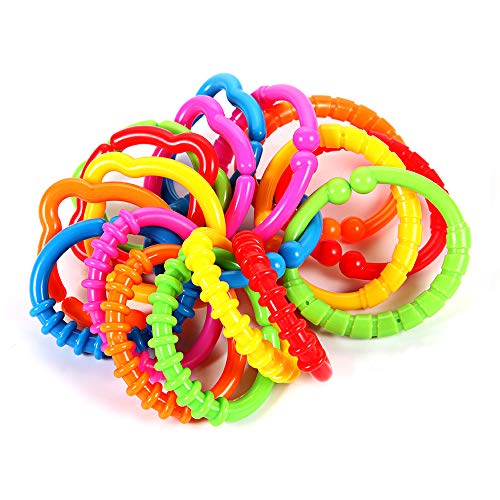
MULTI BRIGHT COLORS FOR VISUAL STIMULATION-18pcs as a set linkable toy, include 6 bright colors, different textures and surfaces stimulate baby's sense of touch and teach baby to recognize new objects.
Choose One Or Two Toys At A Time
Too many toys can overwhelm your baby. Pick one high-contrast toy, soft book, rattle, teether, or stroller bar toy. Rotate toys every few walks so they feel fresh.
Use Short Toy Straps Or Clips
Attach toys with short straps made for stroller use. Avoid long cords, necklaces, ribbons, or anything that could wrap around your baby’s neck, wrist, or fingers.
Look For Texture, Contrast, And Gentle Sound
Babies often notice black-and-white patterns, bright colors, soft crinkle pages, mirrors made for babies, and gentle rattles. Use sound sparingly. Loud toys can startle your baby or bother people nearby.
Keep Toys Within Reach But Away From The Face
A toy should be easy to touch, not pressed against your baby’s mouth or nose. If your baby is too young to control their head well, keep toys lower and to the side rather than dangling over the face.
Credit: heysleepybaby.com
Create A Stimulating Stroller Environment
A stimulating environment does not need to be loud or busy. The best stroller walk gives your baby small changes to notice without pushing them into overstimulation.
Talk Through What You See
Use simple phrases as you walk: “I see a red car,” “That dog is walking,” or “The leaves are moving.” Your baby may not understand every word, but your voice helps them stay connected and alert.
Change The Route
Use different safe routes during the week. Walk past trees one day, a quiet store window the next, and a park path another day. New sights can hold attention longer than the same path every time.
Use Natural Sounds
Point out birds, footsteps, wind, gentle traffic sounds, or a neighbor’s dog. Pause for a few seconds and let your baby listen. Then describe the sound in a calm voice.
Adjust The Pace
A steady, slow roll can become soothing. Try brief pauses, gentle turns, and safe changes in direction. Stop near an interesting tree, flower, sign, or window and talk about it.
Note: Stimulation should stay gentle. If your baby turns away, cries, stiffens, or gets frantic, reduce noise and movement. They may need a break, a feed, a diaper change, or sleep.
Interactive Play Ideas For Stroller Walks
Interactive play keeps the walk social. You do not need special gear. Your face, voice, and small changes in the environment are often enough.
Sing Short, Upbeat Songs
Choose songs with clear rhythm and movement. Try clapping softly, tapping the stroller handle, or using your baby’s name in the song. If the song makes your baby sleepy, switch to talking.
Play Simple “I Spy”
Point to one object at a time. Say, “I spy something green,” then show them a tree or leaf. Keep the game simple and visual.
Use Peekaboo Carefully
Peekaboo can work well with older babies who enjoy surprise. Keep fabric away from your baby’s face and use your hands, your hat, or your own movement instead.
Show Textures During Stops
When the stroller is parked safely and the brake is on, let your baby touch a safe toy, soft cloth book, or textured stroller toy. Avoid leaves, rocks, and small objects that could go into the mouth.
Point Out People And Movement
Babies often watch motion. Point out a bus, bike, stroller, dog, or waving neighbor. Keep your voice cheerful and give your baby time to look.
Credit: www.walmart.com
Manage Baby’s Sleep Schedule Without Overtiring Them
Keeping baby awake in a stroller should support their sleep schedule, not disrupt it. Babies need plenty of sleep, and sleep needs change quickly during the first year.
The American Academy of Sleep Medicine consensus recommendation says infants 4 to 12 months should generally get 12 to 16 hours of sleep per 24 hours, including naps. Newborn sleep is even more variable, so ask your pediatrician if you are worried about unusual sleepiness or feeding.
Track Patterns For A Few Days
Write down when your baby wakes, feeds, gets fussy, naps, and seems most alert. You may find that stroller walks work best mid-morning, after the first nap, or early evening before the bedtime routine begins.
Do Not Stretch Wake Time Too Far
Trying to keep a tired baby awake can backfire. An overtired baby may cry more, fight sleep later, or become harder to settle. Use stroller engagement during alert time, not as a way to skip needed naps.
Use A Consistent Nap Routine
A simple nap routine helps your baby learn when sleep is coming. If you want stroller walks to stay more active, keep the nap routine separate when possible. For example, use a quiet room, sleep sack if appropriate, and safe sleep space for naps at home.
Watch Comfort Closely
A baby who is too warm, too cold, wet, hungry, or overstimulated may look sleepy or fussy. Check temperature, diaper, straps, and sun exposure before assuming they are bored.
What To Do If Baby Keeps Falling Asleep In The Stroller
If your baby falls asleep every time, the stroller may be hitting right at their natural nap window. Use the pattern instead of fighting it.
- Move the walk earlier. Try leaving 15 to 30 minutes before the usual sleepy point.
- Shorten the route. A quick loop may keep your baby engaged better than a long walk.
- Change the scenery. Add safe visual variety with parks, sidewalks, store windows, or trees.
- Use more face time. Stop occasionally, crouch down, smile, and talk to your baby.
- Accept the nap when needed. If your baby is tired, end the walk or move them to a safe sleep space as soon as practical.
The safest strategy is not “keep baby awake at all costs.” It is “walk when baby is naturally alert, engage them gently, and respect sleep cues when they appear.”
Frequently Asked Questions
How can I keep my baby entertained in a stroller?
Talk to your baby, sing short songs, point out colors and movement, and offer one or two stroller-safe toys. Keep the walk short at first so your baby stays interested instead of getting tired.
What activities help keep baby awake in a stroller?
Try “I spy,” gentle singing, peekaboo with your hands, stroller-safe rattles, soft books, and route changes. Stop occasionally, lock the stroller brake, and interact face-to-face for a few moments.
How long should a baby stay awake in a stroller?
There is no single safe awake-time limit for every baby. Age, sleep debt, feeding, health, and temperament all matter. Start with a short 10- to 30-minute walk during an alert period, and stop if your baby shows strong sleep cues.
Is it safe to keep baby awake in a stroller?
Yes, it can be safe during a supervised walk if your baby is comfortable, correctly buckled, dressed for the weather, and not overtired. It is not safe to ignore strong sleep cues, cover the stroller with loose fabric, or use the stroller as a regular sleep space.
What are signs my baby is sleepy in the stroller?
Common signs include yawning, rubbing eyes, staring away, fussing, drooping eyelids, sucking for comfort, and losing interest in toys or your voice. When several signs appear together, your baby may need sleep more than stimulation.
Can music keep my baby awake in the stroller?
Sometimes. Upbeat singing or soft, cheerful music may help some babies stay engaged. Gentle lullabies may make other babies sleepier. Keep volume low and watch your baby’s response.
What should I do if my baby falls asleep in the stroller?
Keep your baby supervised, make sure their face stays visible, and move them to their regular firm, flat, safe sleep space as soon as practical. Do not add pillows, loose blankets, or positioners to the stroller.
Conclusion
Keeping your baby awake in the stroller works best when you start with timing, safety, and gentle interaction. Choose an alert part of the day, keep the walk short, use your voice often, rotate safe toys, and choose routes with simple things to see and hear.
Every baby is different. If your baby is tired, let sleep cues guide you. A stroller walk should feel calm and connected, not like a battle against sleep. With the right timing and a few small changes, stroller time can become a more engaging part of your day.
Sources
- NICHD Safe to Sleep: Safe Sleep Environment for Baby — backs firm, flat, level sleep guidance and stroller sleep precautions.
- American Academy of Pediatrics: Safe Sleep — backs current AAP safe sleep recommendations and seating-device cautions.
- AAP HealthyChildren.org Safe Sleep Articles — backs family-facing safe sleep guidance written by pediatric experts.
- U.S. Consumer Product Safety Commission Recalls — backs checking strollers and baby products for recalls and product safety warnings.
- American Academy of Sleep Medicine Sleep Duration Consensus — backs infant sleep-duration guidance by age.