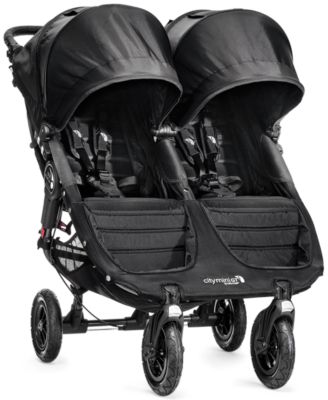
Folding a city stroller should feel quick, safe, and predictable. Before you press any release button, remove your child, empty the basket, set the parking brake, and check your stroller manual if the latch layout looks different from the steps below.
Quick Answer
To fold a baby city street stroller, park it on a flat surface, remove your child and loose items, engage the brake, collapse the canopy, unlock the folding latch, activate the fold button or pull handle, then secure the folded frame with its storage lock.
Key Takeaways
- Always remove your child before folding the stroller.
- Empty the basket, fold the canopy, and engage the brake before using the fold release.
- Do not force the frame if the stroller jams. Check the latch, basket, wheels, and seat position first.
- The exact button, lever, or pull-handle location depends on your stroller model.
- Check your manual and the CPSC recalls page if a latch, brake, or frame part feels loose or damaged.
At a Glance
| Time Required | 30 seconds to 2 minutes once you know your stroller’s fold release |
| Difficulty | Easy, but model-specific |
| Tools Needed | None for normal folding; manual helpful for first-time use |
| Cost | Free |
Before You Fold: Know Your Stroller
Most city strollers fold in a similar order, but the latch, release button, and storage lock can sit in different places. Some models use a handlebar button. Others use a side lever, under-seat pull strap, or two-step safety lock.
Look for the model name on the frame, seat label, or manufacturer sticker. Then check the manual if the stroller does not fold the way you expect. A manual matters because some strollers need the seat upright, wheels straight, handlebar lowered, or canopy folded before the frame will collapse.
Note: In the United States, carriages and strollers are covered by 16 CFR Part 1227, which incorporates ASTM stroller safety requirements. This does not replace your manual, but it shows why brakes, locks, restraints, hinges, and frame strength matter.
Recommended Products

LIGHTWEIGHT - A lightweight stroller makes any outing a little easier; The Ingenuity 3D Mini Convenience Stroller has a durable steel frame that weighs 11 pounds and has a full-sized seat, plus auto-lock, anti-shock front wheels and lockable rear wheels

ULTRA LIGHTWEIGHT TRAVEL DESIGN: Weighs only 13 lb, making it easy to lift, carry, and store. Perfect lightweight umbrella stroller for summer travel, vacations, and everyday errands. Compact enough for car trunks and convenient on-the-go portability for busy parents.

Lightweight & Travel-Friendly Design - Weighing just 7.4 pounds, the Dream On Me Aero Travel Light Stroller makes traveling with your little one effortless. Ideal for families on the go — perfect for vacations, city strolls, and quick errands.
Choosing The Right Stroller
Choosing the right stroller affects more than comfort. It also affects how easily you can fold, carry, store, and reopen it during errands, transit rides, and car trips.
Match The Fold To Your Lifestyle
If you live in a busy city, look for a stroller that folds quickly, fits through narrow spaces, and stays secure when folded. A self-standing fold helps when you need to set the stroller beside a cafe table, apartment door, or bus stop.
If you often use rideshares, public transit, or a small trunk, check the folded dimensions before buying. Do not rely on the word “compact” alone. Measure your trunk, closet, or entryway and compare it with the stroller’s folded size.
Look For Practical Folding Features
A fold-friendly stroller should have a release you can reach easily, a frame lock that clicks or latches securely, and a handle or carry strap for lifting. Some models offer a one-hand fold, but only count on that feature if the manufacturer lists it for your exact model.
Safety still comes first. Choose a stroller with reliable brakes, a secure harness, a stable frame, and parts that do not feel loose when you push, fold, or lift it.
Balance Budget With Daily Use
The most expensive stroller is not always the best choice for your routine. A simple stroller with a dependable fold, good brakes, and easy cleaning can work better than a premium model that feels bulky in your home or car.
Before buying, practice folding the display model if you can. Pay attention to whether the latch feels natural, whether the folded stroller stays closed, and whether you can lift it without straining your back.

Credit: www.amazon.com
Preparing For Folding
A safe fold starts before you touch the release latch. Rushing this part often causes jams, pinched fingers, or a stroller that pops back open.
Warning: Never fold the stroller with your child in the seat. Keep children away from hinges, side joints, wheels, and latch points while you fold or unfold the frame.
Check Your Surroundings
Move to a flat, clear spot before folding. Avoid curbs, stairs, doorways, wet pavement, and crowded walkways when possible. You need enough room to control the frame as it collapses.
Remove Your Child And Loose Items
Take your child out first and place them somewhere safe. Then remove bags, toys, cups, blankets, snack trays, and anything stored in the basket. Extra weight can block the fold or pull the stroller off balance.
Set The Brake
Engage the parking brake so the stroller does not roll while you work. If your stroller has swivel locks, follow the manual for whether the front wheels should face forward, stay unlocked, or lock straight before folding.
Position The Seat, Canopy, And Handlebar
Put the seat in the position your manual recommends. Many city strollers fold best with the seat upright, canopy collapsed, and handlebar lowered. Remove bulky accessories if they block the fold.
Find The Folding Mechanism
Look for the main fold release near the handlebar, seat center, side frame, or under-seat strap. Many strollers use a two-step safety system, so you may need to slide one lock before pressing or pulling the main release.
Pro Tip: Practice the fold at home before your first long outing. You will learn where the latch sits without trying to figure it out on a sidewalk, in a parking lot, or near traffic.
Step-by-step Folding Instructions
Use these steps as a general guide. If your stroller manual gives a different sequence, follow the manual for your exact model.
Recommended Products

Ultra-lightweight travel stroller weighs only 14 lb, with a compact and easy-to-maneuver design

[All-purpose & Pet-Friendly Carriage] The pet stroller has built-in dual safety straps secure pets, resists accidents from pets. Crafted with 300D Oxford fabric and a waterproof coating around the carriage, let you travel worry free.Dog stroller for small/medium dogs 10-20 lbs, up to 39 lbs

Highlights: Includes stroller and baseless infant car seat, lightweight and easy to carry, No base needed, Can be used from birth.
Step 1: Park On A Flat Surface
Stop the stroller on level ground. Keep one hand on the handlebar until the brake is set and the frame feels stable.
Step 2: Remove Your Child And Empty The Stroller
Lift your child out before doing anything else. Empty the basket, cup holder, parent organizer, snack tray, and seat pocket. A small item can wedge into the frame and stop the fold.
Step 3: Engage The Brake
Press or flip the parking brake until it locks. Gently try to move the stroller forward to confirm the brake holds.
Step 4: Collapse The Canopy And Accessories
Fold the canopy back toward the seat. Remove or fold trays, bumper bars, rain covers, or footrests if they interfere with the frame.
Step 5: Adjust The Seat And Handlebar
Set the seat and handlebar to the fold position listed in your manual. If you are unsure, start with the seat upright and the handlebar lowered, because many compact strollers fold better this way.
Step 6: Release The Safety Lock
Find the secondary lock, tab, or slider. Move it fully before using the main fold release. This extra step prevents accidental folding during normal use.
Step 7: Activate The Main Fold
Press the fold button, pull the strap, squeeze the side levers, or lift the folding handle. Keep your fingers away from hinges as the frame begins to collapse.
Step 8: Guide The Frame Closed
Let the stroller fold in its natural direction. Do not slam it shut. If it stops halfway, check for a blocked basket, twisted wheel, extended canopy, or accessory caught in the frame.
Step 9: Secure The Folded Stroller
Make sure the folded latch or storage lock engages. Look, listen, or feel for the lock depending on your model. The stroller should stay closed when you lift it by the approved carry point.
Step 10: Store Or Load It Safely
Place the folded stroller flat in your trunk or upright in a stable storage spot if the model allows it. Keep it away from heavy items that could bend the frame, press on the wheels, or damage the latch.
Credit: hazelandfawn.com
Common Folding Challenges
If the stroller does not fold smoothly, stop and check the cause. Forcing the frame can damage hinges, bend a latch, or make the stroller unsafe for the next ride.
Recommended Products

Full Travel Bottle Cleaning Kit in One Case: Designed for parents on the go, this electric baby bottle brush cleaner set includes an electric brush, nipple brush, straw cleaner, drying rack, and compact storage box. Everything stays organized and fits easily in a diaper bag, stroller, or carry-on.

The E-Cloth Stroller & Car Seat Cloth keeps baby's environment clean, using the power of microfiber plus water to remove spills, grime, fingerprints, and over 99% of bacteria from the stroller, car seat and other essential baby gear that's in constant use

ALL-IN-ONE DISPENSER WITH WATER TANK – Solves the hassle of finding water outdoors. This innovative portable dispenser integrates a clean water tank with a towel storage compartment. No need to hunt for water sources or carry extra bottles; simply pre-fill the tank to enjoy a fresh, wet towel anytime, anywhere—whether in the car, on a hike, or at the park
The Folding Latch Will Not Release
Check whether the safety lock is still engaged. Many strollers require two motions, such as sliding a lock and pressing a button. Also check that the brake is set and the handlebar is in the correct position.
The Stroller Folds Halfway And Stops
Look for a hidden obstruction. A toy, blanket, cup, snack tray, or overloaded basket can block the fold. Remove everything and try again slowly.
The Hinges Feel Stiff
New strollers can feel tight during the first few uses. Wipe dust and grit from the hinges. If your manual allows lubrication, use a small amount of silicone-based lubricant on the hinge only. Keep lubricant away from brakes, wheels, straps, and fabric.
The Stroller Will Not Stay Folded
Inspect the storage latch. It may be misaligned, blocked by fabric, or not fully clicked into place. Do not carry the stroller by the handlebar if the fold lock has not engaged.
The Fold Feels Uneven Or Crooked
Check the wheels and frame alignment. A twisted front wheel, bent axle, loose screw, or damaged hinge can make the stroller fold at an angle. Stop using the stroller and contact the manufacturer if the frame looks bent or cracked.
The Stroller Feels Too Heavy To Fold Alone
Use both hands and keep your back straight. Lift from the approved carry handle or frame point, not from a tray, canopy, or loose accessory. Ask for help if the stroller is heavy or awkward.
Maintenance Tips For Longevity
Good maintenance helps the stroller fold smoothly and stay safe. A few quick checks can prevent small folding problems from turning into damaged parts.
Clean The Frame And Wheels
Wipe the frame with a damp cloth and mild soap when it gets dirty. Clean grit from the wheels and undercarriage, especially after rain, sand, gravel, or muddy sidewalks.
Keep The Fold Mechanism Clear
Check the fold latch, hinges, and side joints for crumbs, leaves, strings, or small toys. These can stop the frame from closing fully.
Inspect For Wear And Tear
Look for loose screws, cracked plastic, bent frame sections, frayed straps, weak brakes, and worn wheels. Do this monthly if you use the stroller often.
Use Accessories Carefully
Only use accessories that fit your stroller model. Oversized organizers, heavy handlebar bags, or third-party trays can affect balance and block the fold.
Store The Stroller Dry
Store the stroller in a dry place. Moisture can lead to rust, mildew, stiff joints, and wheel problems. Let wet fabric and wheels dry before long-term storage.
Know When To Contact The Manufacturer
If the brake slips, frame cracks, latch fails, or stroller opens unexpectedly, stop using it until you get guidance. You can also check the CPSC recalls page for stroller safety notices.

Credit: www.ebay.com
Safety Precautions To Consider
Folding a stroller is simple, but the moving parts can still pinch fingers or damage the frame if you rush. Use these safety habits every time.
Keep Your Child Away From Moving Parts
Children should not touch the frame while you fold or unfold it. Hinges, side joints, and locks can close quickly.
Use Both Hands When Needed
A one-hand fold is useful only if your stroller is designed for it. If the frame feels heavy or stiff, use both hands so the stroller does not twist or drop.
Do Not Force A Jammed Fold
Stop if the stroller resists. Check the canopy, wheels, basket, seat position, latch, and accessories. Forcing the fold can damage the hinge or storage lock.
Double-check The Lock Before Lifting
Before you carry the stroller, confirm the folded latch is secure. An unlocked stroller can swing open and hit your leg, car, wall, or another person.
Check Recalls And Damaged Parts
Brake, latch, frame, and hinge problems deserve attention. Check the stroller brand’s support page and the CPSC recall database if your stroller folds unexpectedly, will not lock, or shows damaged parts.
Frequently Asked Questions
How do I begin folding a baby city street stroller?
Start by parking on a flat surface, removing your child, emptying the basket, and engaging the brake. Then fold the canopy and use your model’s release button, lever, or pull handle.
Where is the folding mechanism located?
It depends on the stroller. Check near the handlebar, side frame, seat center, or under-seat strap. Some models also have a secondary safety lock that you must release first.
Can I fold the stroller with one hand?
Only if your exact stroller model has a one-hand fold. If the stroller feels heavy, stiff, or awkward, use both hands to keep the frame controlled.
Is it safe to fold the stroller with baby items inside?
No. Remove bags, toys, cups, blankets, and anything in the basket first. Loose items can jam the frame, fall out, or damage the folding mechanism.
How do I know the stroller is fully folded?
Check that the frame is fully collapsed and the folded latch or storage lock is engaged. Some strollers click, while others show a visible locked position.
Can I store the stroller in a small car trunk?
Maybe. Measure your trunk and compare it with the stroller’s folded dimensions. Remove accessories if they make the folded stroller wider or taller.
Why will my stroller not fold all the way?
Common causes include a full basket, extended canopy, locked or twisted wheels, a seat in the wrong position, or a latch that has not fully released. Stop and check each part before trying again.
Should I use lubricant if the stroller fold feels stiff?
Check your manual first. If lubrication is allowed, use a small amount of silicone-based lubricant on the hinge area only. Keep it away from brakes, wheels, fabric, and harness straps.
Conclusion
Folding a baby city street stroller becomes easy once you know the right order. Remove your child, clear the basket, set the brake, collapse the canopy, release the fold lock, and secure the stroller before lifting or storing it.
If the frame jams, feels loose, or will not stay folded, do not force it. Check the manual, inspect the latch and hinges, and contact the manufacturer if anything looks damaged. A safe fold protects your stroller, your hands, and your child’s next ride.
Sources
- eCFR — 16 CFR Part 1227 Safety Standard for Carriages and Strollers — backs the safety-standard context for U.S. stroller products.
- ASTM Reading Library — provides read-only access to incorporated ASTM standards referenced by federal regulations.
- U.S. Consumer Product Safety Commission Recalls — supports the recommendation to check stroller recalls for brake, latch, frame, and hinge issues.
- U.S. Consumer Product Safety Commission Safety Education — supports general consumer-product safety awareness.