Baby food costs in Canada can feel hard to predict because prices change by store, province, package size, brand, and weekly promotion. You can still build a useful budget by comparing cost per serving, mixing homemade and store-bought options, and planning around your baby’s age and appetite.
Most families spend less when they use homemade purées and soft family foods for part of the week, then keep jars or pouches for travel, daycare, or busy days. Your exact monthly cost will depend on how many servings your baby eats, whether you buy organic products, and how much food gets wasted.
Quick Answer
For many Canadian families, baby food can range from about CAD $30 to $80 per month for mostly homemade food, CAD $90 to $180 for a mixed approach, and CAD $135 to $315 or more for mostly store-bought jars and pouches. Use these as planning ranges, not fixed prices.
Key Takeaways
- Store-bought baby food usually costs more per serving than homemade food, but it saves time and travels well.
- Organic pouches, meat-based meals, and specialty allergy-friendly products usually cost more than simple fruit or vegetable purées.
- A practical monthly budget depends on your baby’s stage. A new eater may only take small tastes, while an older infant may eat several small meals and snacks.
- Compare baby food by unit price, not only by package price. The cheapest pouch is not always the cheapest per 100 grams.
- Health Canada recommends starting solids around 6 months and beginning with iron-rich foods such as meat, fish, eggs, tofu, legumes, and iron-fortified cereal.
At a Glance
| Main Cost Range | About CAD $30 to $315+ per month, depending on homemade vs store-bought use |
| Lowest-Cost Approach | Batch-cooked homemade purées, mashed family foods, seasonal produce, and iron-fortified cereal |
| Highest-Cost Approach | Mostly organic pouches, prepared meals, specialty products, and single-serve convenience packs |
| Best Way to Compare | Check the unit price per 100 g or per serving before buying |
Average Baby Food Costs In Canada
Baby food prices in Canada do not follow one simple national price. A pouch in a downtown grocery store may cost more than the same type of food at a discount store, warehouse club, or during a flyer sale. Organic products, meat-based meals, and imported brands also tend to raise the total.
For planning, it helps to think in monthly scenarios instead of exact store prices. The table below uses 90 servings per month, which equals about three servings per day for 30 days. A younger baby may eat less than this at first, while an older infant may eat more as meals and snacks increase.
| Budget Style | Example Cost Per Serving | Estimated Monthly Cost | Best For |
| Mostly homemade | CAD $0.35 to $0.90 | CAD $30 to $80 | Parents who can batch cook and freeze portions |
| Mixed homemade and store-bought | CAD $1.00 to $2.00 | CAD $90 to $180 | Most families who want savings and convenience |
| Mostly commercial jars and pouches | CAD $1.50 to $3.50+ | CAD $135 to $315+ | Busy weeks, travel, daycare, and backup meals |
These estimates are meant for budgeting, not as a promise that every store will match the range. Check your local flyer, compare unit prices, and adjust the serving count as your baby’s appetite changes.

Credit: www.statista.com
Why Baby Food Prices Vary Across Provinces
Baby food can cost more in some areas because of freight, local competition, store format, and product availability. Large urban areas may offer more brand choice, but not always the lowest price. Remote communities and northern territories may face higher shelf prices because transportation and stocking costs are higher.
Instead of using a fixed province-by-province price list, compare the same product across the places you already shop. Look at discount grocers, warehouse clubs, pharmacy sales, online grocery pickup, and local supermarkets. The best deal often changes from week to week.
Note: Grocery prices in Canada can change quickly. Build your baby food budget around unit prices and sale cycles instead of relying on one fixed national average.
Factors Affecting Baby Food Costs
Several choices affect how much you spend each month. Some are about price, while others are about time, convenience, nutrition, and your baby’s feeding stage.
Recommended Products

Effortless Meal Preparation: Streamline your baby's nutrition with our 3 Pack Silicone Freezer Tray. Batch prepare baby food, purees, breastmilk, and more for efficient and convenient meal planning.

12-Pack, Durable 4oz Glass Jars with Lids – KeaBabies Baby Food Jars Glass check all the right boxes for a reliable baby snack containers. Ideal for busy parents as baby food containers for prepping and storing homemade meals smoothly.

Premium Baby Food Storage Containers: The set has 8 food storage containers, 4 oz each. 8 colors, 1 of each color. There are many colors for easy differentiation of use and a large number to meet the daily needs of baby use. A pen can be used to write the name, date or other information on the lid to remind you what is inside the jar. Perfect for storing homemade baby food, solid baby food, fruit and vegetable purees, jams, etc
Brand Choice
Premium and organic brands usually cost more than store brands. That does not mean they are always the better choice for your budget. Compare ingredients, serving size, and unit price before paying extra for packaging or brand recognition.
Type Of Baby Food
Simple fruit and vegetable purées often cost less than meals with meat, grains, dairy, or specialty ingredients. Iron-fortified infant cereal can be a useful budget item because it stores well and can be mixed in small amounts.
Packaging Size
Single-serving pouches are convenient, but they often cost more per 100 g than larger jars, tubs, or homemade batches. Multi-packs can help, but only if your baby eats them before the expiry date and you avoid waste.
Organic Vs. Conventional
Organic baby food often costs more because of sourcing and certification costs. If your budget is tight, you can still feed your baby well with conventional fruits, vegetables, grains, legumes, eggs, meat, fish, and iron-fortified cereal.
Retail Location
Local grocery stores, discount chains, pharmacies, warehouse clubs, and online grocery services can all price baby food differently. Delivery fees, pickup fees, and minimum order rules can also change the real total.
Promotions And Discounts
Coupons, loyalty points, baby events, multi-buy deals, and clearance shelves can lower costs. Before stocking up, make sure your baby likes the food and that the expiry date gives you enough time to use it.
Homemade Vs. Store-bought
Homemade baby food can save money because you buy basic ingredients and prepare several servings at once. Store-bought baby food costs more per serving, but it saves preparation time and works well as a backup.
Store-bought Vs. Homemade Baby Food
The cheapest option is not always the best option for every day. A realistic plan often combines homemade food for regular meals with store-bought jars or pouches for travel, childcare, appointments, and days when cooking is not practical.
Recommended Products

Clearly Crafted: When it comes to caring for your baby, transparency is everything. Thats why we bring you Clearly Crafted. Our clear packaging lets you see the ingredients in each recipe, in all its vibrant color. its goodness you can see

Happy Baby Savory Blends: These exciting recipes feature ingredients chosen for babys age & stage, combining organic protein and one full serving (_ cup) of veggies with flavorful oils & herbs just like you would roast or saute at home!

Clearly Crafted: When it comes to caring for your baby, transparency is everything. Thats why we bring you Clearly Crafted. Our clear packaging lets you see the ingredients in each recipe, in all its vibrant color. its goodness you can see
Store-bought Baby Food: Cost And Convenience
Store-bought baby food is ready to serve, easy to pack, and usually labelled clearly. It can help when you need a shelf-stable backup or a meal outside the house. The trade-off is cost. You also need to watch the serving size, ingredients, added sugar, sodium, and whether your baby actually finishes the package.
Homemade Baby Food: Affordable And Flexible
Homemade baby food can be as simple as mashed banana, avocado, lentils, sweet potato, peas, carrots, egg, fish, or soft cooked vegetables. You can prepare a batch, freeze small portions, and thaw only what you need.
This approach gives you more control over texture and ingredients. It can also help your baby move from smooth purées to mashed, minced, lumpy, and finger-food textures over time.
Nutrition And Texture Matter
Health Canada recommends starting solids around 6 months. At this stage, breast milk or formula still provides major nutrition, but babies need complementary foods too. Iron-rich foods should come early and often, including meat, fish, eggs, tofu, beans, lentils, and iron-fortified infant cereal.
Texture also matters. Health Canada recommends offering lumpy textures no later than 9 months and moving toward a variety of textures from family foods by about 1 year of age.
Time Commitment And Effort
Homemade baby food takes time for washing, peeling, cooking, blending, freezing, and cleanup. Store-bought food saves time but costs more. If your schedule is tight, start with one or two homemade staples each week instead of trying to make everything yourself.
Warning: Always supervise your baby while eating. Do not give honey to a baby under 12 months, and avoid hard, small, round, smooth, or sticky foods that can cause choking. Cook meat, poultry, eggs, and fish well.
Credit: Walmart Canada
Budget-friendly Baby Food Options
You do not need to buy the most expensive baby food to feed your baby well. The best budget choices are simple, nutritious, and easy to use before they spoil.
Recommended Products

Quality Design: This baby food processor is made from premium food-grade glass bowls, 8 stainless steel blades, and BPA-free food-grade plastic (PP). Baby Food Puree Maker Make Fresh and Nutritious Meals for Your Little One, It guarantees that every meal is clean and healthy for your baby. Pay attention: please remove the blade covers before use.

𝐒𝐚𝐯𝐞 𝐁𝐢𝐠, 𝐁𝐥𝐞𝐧𝐝 𝐖𝐞𝐥𝐥:This HEYVALUE Baby Gift Set comes with six baby food containers, a freezer tray, two silicone spoons, one silicone spatula, and baby food recipes, eliminating the need to buy them separately. It's a must-have for newborns!

𝐒𝐚𝐯𝐞 𝐁𝐢𝐠, 𝐁𝐥𝐞𝐧𝐝 𝐖𝐞𝐥𝐥:This HEYVALUE Baby Gift Set comes with 2 silicone spoons, freezer tray, one silicone spatula, and baby food recipes, eliminating the need to buy them separately. It's a must-have for newborns!
Store Brands
Store-brand baby food can be a good place to start if you want lower prices. Compare the ingredients and unit price against national brands. If the store brand has similar ingredients and your baby accepts it, you may be able to save without changing your routine.
Iron-fortified Infant Cereal
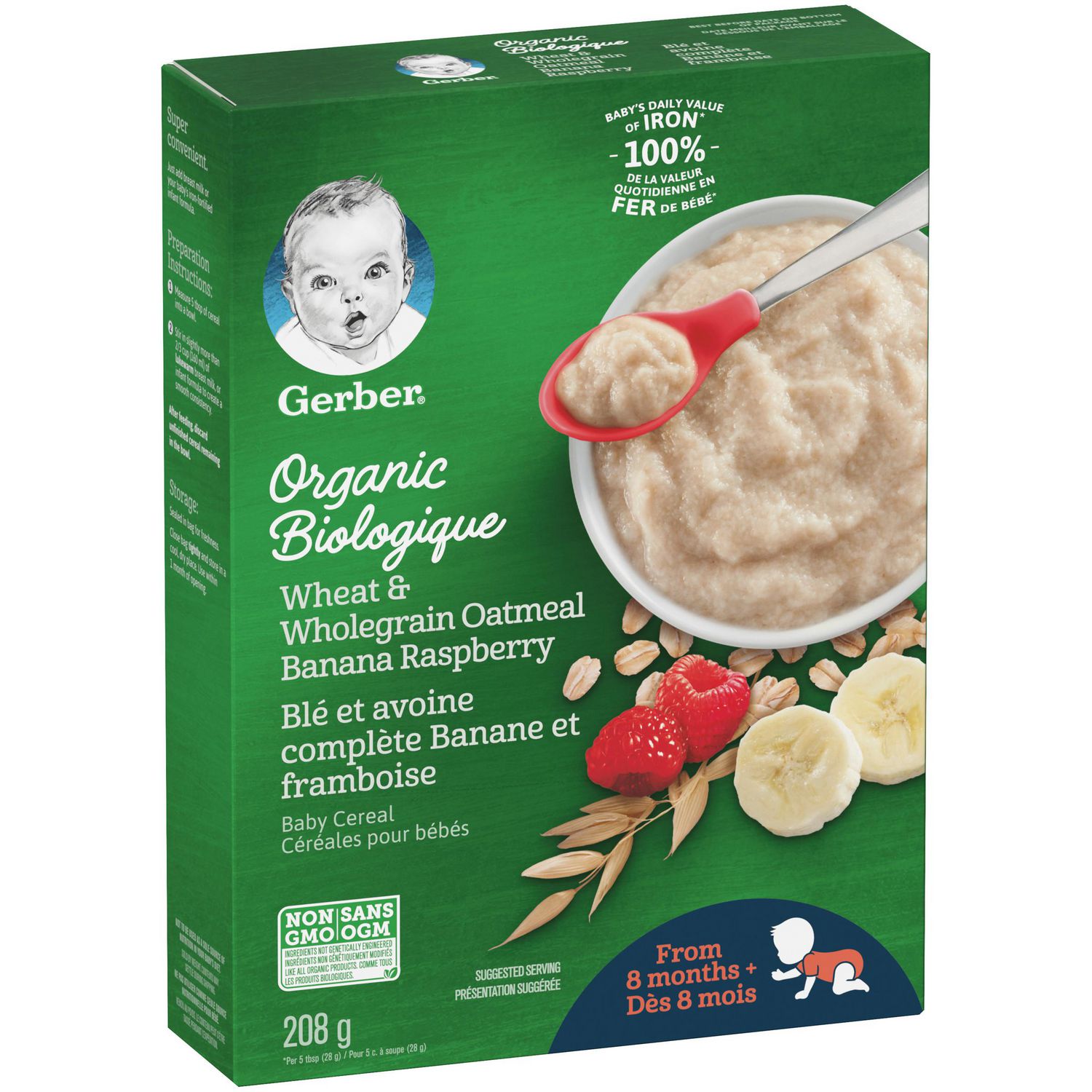
Iron-fortified infant cereal is shelf-stable, easy to portion, and commonly used as an early food. You can mix it with breast milk, formula, or water according to package directions. It also pairs well with fruit, vegetables, or other soft foods.
Low-cost Homemade Staples
Good budget staples include oats, lentils, beans, eggs, sweet potatoes, carrots, peas, apples, pears, bananas, plain yogurt, and soft cooked rice. Choose textures that match your baby’s stage and avoid adding salt or sugar.
Frozen Fruits And Vegetables
Frozen produce can be cheaper than fresh produce, especially outside the growing season. It also reduces waste because you can cook only a small amount at a time.
Simple Family Foods
Once your baby is ready, you can adapt parts of family meals before adding salt, strong sauces, or sugar. Soft vegetables, plain grains, tender meat, lentils, and mashed fruit can stretch your budget and expose your baby to family flavours.
Tips For Saving On Baby Food
Small habits can lower your baby food spending without making mealtimes harder. Focus on what you can repeat each week.
Make A Few Foods At Home
You do not need to make every meal from scratch. Pick two easy foods each week, such as sweet potato and lentils, or carrots and apples. Cook them in batches, portion them into small containers, and freeze extras.
Use Unit Prices
Look for the price per 100 g or per serving on the shelf tag or online listing. A larger pouch may look expensive but cost less per gram. A sale pack may look cheap but waste money if your baby refuses the flavour.
Buy In Bulk Carefully
Bulk buying can help with infant cereal, oats, frozen produce, and multi-packs your baby already likes. Avoid buying a case of a new flavour before testing one or two servings.
Use Coupons And Loyalty Programs
Baby events, loyalty points, digital coupons, and flyer apps can reduce the cost of jars, pouches, cereal, snacks, and diapers. Stack discounts only when you were already planning to buy the item.
Choose Seasonal Produce
Seasonal fruits and vegetables usually cost less and taste better. In winter, frozen produce may beat fresh produce on both price and waste.
Reduce Waste
Serve small portions first. Add more if your baby is still hungry. If you spoon-feed directly from a jar or pouch and your baby does not finish it, follow the product’s safety instructions and avoid saving contaminated leftovers.
Pro Tip: Freeze homemade purée in small portions. Small portions thaw faster, reduce waste, and make it easier to mix flavours as your baby accepts more foods.

Credit: www.gerber.com
Planning A Monthly Baby Food Budget
A good monthly budget starts with your baby’s stage. A baby just starting solids may taste small amounts once or twice a day. An older infant may eat several small meals and snacks. Health Canada recommends gradually increasing the number of times you offer complementary foods while continuing breast milk or formula.
Step 1: Estimate Servings
Start with your current routine. If your baby eats two servings per day, multiply by 30 for about 60 servings per month. If your baby eats three servings per day, plan for about 90 servings per month. If snacks are now part of the day, add those too.
Step 2: Choose A Cost Per Serving
Use your real receipts whenever possible. If you are estimating, use a lower cost for homemade portions, a middle cost for a mixed plan, and a higher cost for mostly packaged food.
Step 3: Do The Monthly Math
Use this simple formula:
Monthly baby food budget = daily servings × average cost per serving × 30 days
For example, if your baby eats three servings per day and your average cost is CAD $1.50 per serving, your estimated monthly baby food budget is CAD $135. If you lower the average to CAD $0.75 by using more homemade food, the estimate drops to CAD $67.50.
Step 4: Add Backup Costs
Keep a small budget for backup pouches, travel meals, storage containers, freezer trays, bibs, spoons, and wasted food. These are not always “baby food” costs, but they affect what you spend during the month.
Step 5: Review Every Month
Your baby’s appetite and texture needs will change. Review your spending every month and adjust your plan. You may need more iron-rich foods, more finger foods, or fewer purées as your baby grows.
Baby Food Safety And Nutrition Basics
Budget matters, but safety and nutrition come first. Health Canada says babies are generally ready for solid foods around 6 months, while breast milk or formula remains important. Start with iron-rich foods and gradually offer a variety of nutritious foods from family meals.
Prepare foods with little or no added salt or sugar. Offer soft textures that match your baby’s development. Keep meals supervised, calm, and upright. If your baby has feeding problems, allergy concerns, poor growth, or medical needs, speak with a health professional.
Frequently Asked Questions
What is the average cost of baby food per month in Canada?
A practical estimate is about CAD $30 to $80 per month for mostly homemade baby food, CAD $90 to $180 for a mixed approach, and CAD $135 to $315 or more for mostly store-bought jars and pouches. Your cost depends on serving count, store prices, organic choices, and waste.
Is homemade baby food cheaper than store-bought baby food?
Yes, homemade baby food is usually cheaper per serving when you use basic ingredients, cook in batches, and freeze small portions. Store-bought food costs more, but it can be worth keeping for travel, daycare, emergencies, and busy days.
How can I compare baby food prices at the store?
Compare the unit price per 100 g or per serving. Then check the ingredient list, expiry date, and whether your baby will likely eat the flavour. A lower sticker price is not always a better deal if the package is smaller or gets wasted.
Does baby formula count as baby food in this budget?
No. Infant formula is a separate budget category from solid baby food such as purées, cereal, jars, and pouches. Formula can be a major monthly cost, especially for fully formula-fed babies, so track it separately from solids.
When should babies start solid foods?
Health Canada says that around 6 months, breastfed and formula-fed infants should begin adding solid foods. Start with iron-rich foods and gradually increase the number of times you offer solids as your baby grows.
What baby foods should I avoid for safety?
Avoid honey before 12 months, hard or round choking hazards, smooth sticky foods that can block the airway, and raw or undercooked meat, eggs, poultry, or fish. Always supervise your baby while eating.
Conclusion
Baby food costs in Canada depend on how often your baby eats solids, where you shop, and how much you rely on packaged jars and pouches. A mostly homemade plan can keep costs low, while a store-bought plan offers convenience at a higher monthly price.
The best approach is usually a flexible mix. Use homemade foods when you can, keep convenient options for busy days, compare unit prices, and follow safe feeding guidance as your baby grows. With a simple monthly estimate and a few repeatable habits, you can feed your baby well without letting the grocery bill get out of control.
Sources
- Health Canada: Infant nutrition — supports starting solids around 6 months, iron-rich foods, vitamin D, safety tips, and feeding examples.
- Health Canada: Revision of Nutrition for Healthy Term Infants — confirms the Canadian infant feeding guidelines remain current while under revision.
- Health Canada: Nutrition for Healthy Term Infants, Six to 24 Months — supports complementary feeding frequency, iron-rich first foods, texture progression, and safe food preparation.
- Health Canada: Infant formula and human milk fortifiers — supports the distinction between infant formula and solid baby food.
- Canada’s Food Guide — supports general healthy eating patterns as children move toward family foods.