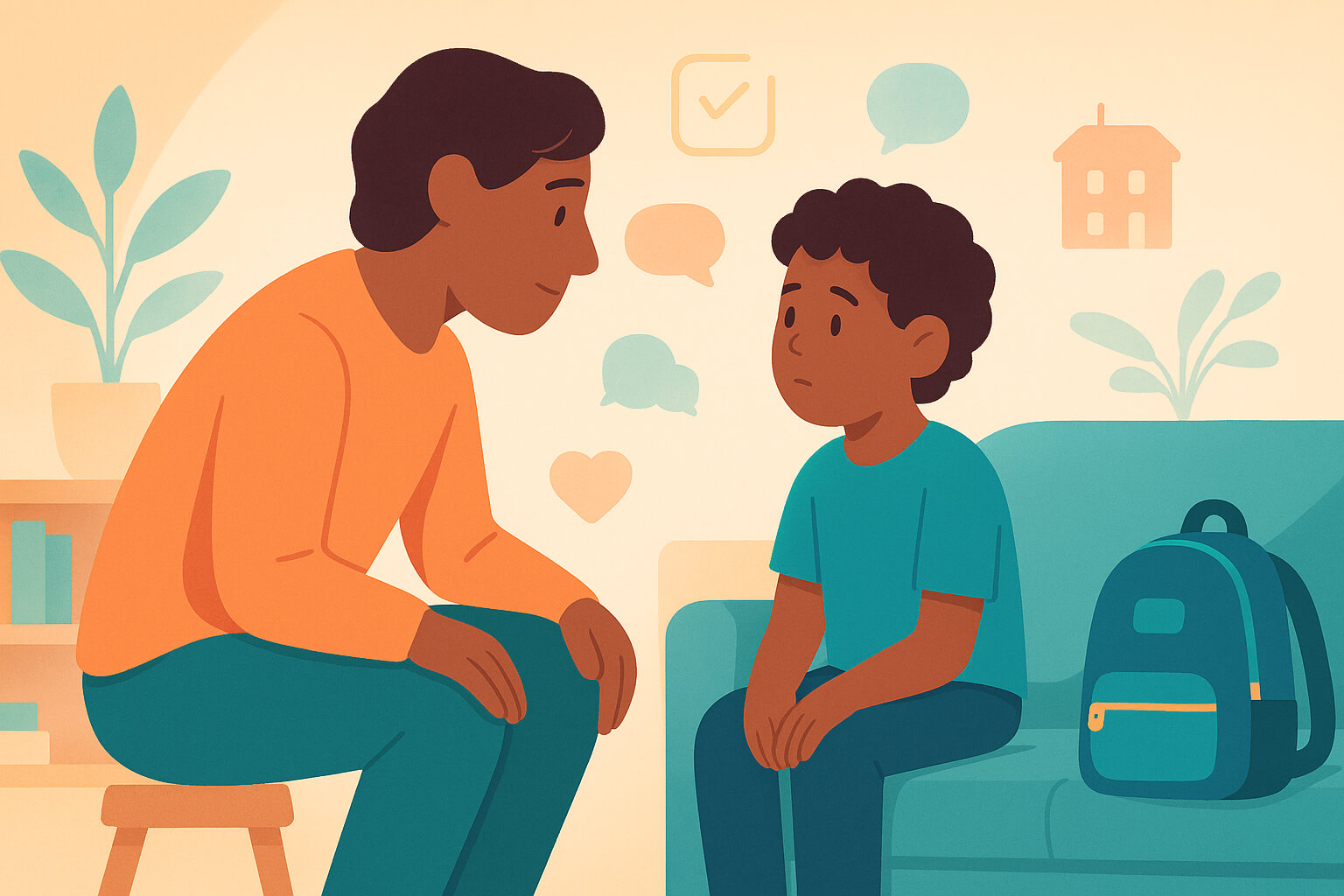
How Do You Know If Your Child Has a Behavior Disorder?
Your child’s behavior can leave you worried, worn down, and unsure what to do next. You may wonder if tantrums, defiance, school struggles, or anxiety point to a phase or a deeper concern.
Behavior disorders in children can affect emotions, learning, friendships, and family life. This guide explains common warning signs, what those signs may mean, and when you should talk with a pediatrician or mental health professional.
What’s in This Article
Quick Answer
Your child may need support if behavior problems happen often, last for weeks or months, and disrupt home, school, or friendships. Watch for severe tantrums, aggression, constant defiance, trouble with emotions, sudden changes, or major school problems. A pediatrician can screen for concerns and help you decide whether your child needs a full mental health or school evaluation.
Key Takeaways
- Look for patterns, not one-time bad days or normal childhood frustration.
- Take behavior more seriously when it disrupts school, sleep, friendships, or family life.
- Track triggers, timing, and settings so a professional can see the full picture.
- Talk with your child’s pediatrician, teacher, or school team when concerns persist.
- Seek urgent help if your child may harm themselves or someone else.
Recommended Products


【GIVE YOUR CHILD A BEGINNING TO KNOW THINGS】-Communication book According to the specific scene, Human organs/Body parts/Animal/Sports/Transport/Seasons/Weather/Alphabet/Pronoun, paste the card onto the felt board book corresponding to the classification. Children's Communication board is also a kind of early education toy, which can stimulate language ability, reading ability, communication skills

Common Warning Signs
Recognizing a behavior disorder in children can feel hard because many warning signs overlap with normal growth. Early support can help your child build better coping skills and reduce stress at home and school.
Some behaviors may also connect to learning differences, anxiety, attention-deficit/hyperactivity disorder (ADHD), trauma, sleep problems, or other concerns. The Centers for Disease Control and Prevention (CDC) recommends talking with your child’s healthcare provider and, when needed, getting a comprehensive evaluation by a mental health professional (CDC).
1. Frequent Temper Tantrums
Young children often have tantrums. Tantrums may raise concern when they happen often, last longer than expected, or seem extreme for your child’s age.
2. Difficulty Following Rules
Some children test limits as they grow. Constant defiance, refusal to follow basic rules, or repeated power struggles may point to a larger concern.
3. Aggressive Behavior
Ongoing aggression toward peers, siblings, parents, or caregivers needs attention. Physical fights, biting, hitting, threats, or cruelty can affect safety and relationships.
4. Trouble Managing Emotions
Strong anger, sadness, worry, or frustration can overwhelm some children. Your child may need help if they can’t calm down or express feelings in safe ways.
5. Social Withdrawal
Children with behavior or mental health concerns may pull away from friends or family. Avoiding social contact, refusing activities, or spending most time alone can signal distress.
6. Poor Academic Performance
Behavior concerns can affect focus, learning, and motivation. Falling grades, missing assignments, school refusal, or trouble concentrating may reflect a need for more support.
7. Persistent Lying Or Stealing
Repeated lying or stealing can disrupt trust at home and school. These behaviors deserve attention, especially when they continue after clear limits and support.
8. Sleep Issues
Sleep problems can worsen behavior and mood. Trouble falling asleep, nightmares, frequent waking, or waking tired may point to stress, anxiety, or another health concern.
9. Excessive Worry Or Fear
Ongoing anxiety or fear can interfere with school, play, and daily routines. Your child may avoid places, people, or activities because fear feels too strong.
10. Impulsivity
Impulsivity means your child acts before thinking through the result. Interrupting, grabbing, running into danger, or taking unsafe risks may signal trouble with self-control.
Emotional Outbursts
Does your child often have sudden emotional explosions that seem far bigger than the situation? Emotional outbursts can be one sign of a possible behavior disorder, especially when they happen often and disrupt daily life.
These episodes can leave you frustrated or helpless. Understanding triggers, patterns, and recovery time can help you decide what support your child needs.
What Do Emotional Outbursts Look Like?
Emotional outbursts may include yelling, crying, hitting, kicking, or throwing things. You may notice these moments seem to come from nowhere.
Your child might scream because a routine changed or because you said “no.” Pay attention to the intensity, frequency, and how long it takes your child to calm down.
How Are Emotional Outbursts Different From Typical Tantrums?
All kids have tantrums. They are a normal part of learning limits, patience, and emotional control.
Outbursts may go beyond typical behavior when they happen almost daily, last a long time, or seem extreme for your child’s age. Ask yourself: can your child calm down with comfort, space, or distraction?
Why Are Emotional Outbursts A Concern?
Frequent and extreme emotional outbursts can disrupt your child’s day and your family’s routine. Simple tasks, such as getting ready for school, may start to feel impossible.
These episodes can also affect your child’s relationships with peers and teachers. If your child struggles to manage emotions, others may misunderstand their behavior.
What Can You Do?
Start by tracking patterns. Note when outbursts happen, what came before them, how long they lasted, and what helped your child calm down.
Talk with your child’s teacher or caregiver. They may notice behaviors you do not see at home, which can help you understand the full pattern.
If outbursts continue or grow more intense, talk with your child’s pediatrician. A child therapist, psychologist, or psychiatrist can assess whether the behavior fits your child’s age and needs.
Pro tip: Keep a short behavior log for two weeks so you can share clear patterns with your child’s doctor or therapist.
Social Challenges
Children with behavior concerns may struggle with peers, teachers, caregivers, and family members. These challenges can affect confidence, school success, and daily routines.
Watch for patterns across settings. A child who struggles only in one place may need a different kind of support than a child who struggles everywhere.
1. Difficulty Making Friends
Does your child have trouble connecting with children their age? Kids with behavior concerns may act shy, aggressive, rigid, or unaware of social cues like tone of voice and body language.
Observe how your child interacts at school, playdates, or group activities. If they often argue, isolate themselves, or struggle to join play, ask their teacher for feedback.
2. Trouble Managing Emotions
Extreme emotional reactions can hurt friendships. Your child may cry, yell, shut down, or lash out during disagreements or disappointment.
Pay attention to how long your child stays upset. If strong reactions become a pattern, professional guidance can help your child learn safer coping skills.
3. Avoidance Of Social Situations
Does your child avoid social activities? Skipping birthday parties, refusing clubs, or dreading recess may show discomfort in social settings.
Ask your child what feels hard about those moments. A calm talk can reveal fears about rejection, bullying, sensory overload, or feeling different.
4. Conflict With Authority Figures
Frequent arguments with teachers or adults can signal trouble with rules and boundaries. This can lead to repeated discipline at school or tension at home.
Ask yourself whether your child pushes back against most limits. Clear routines, simple rules, and steady consequences may help reduce conflict.
5. Struggles With Teamwork
Group work can feel hard for children with behavior issues. They may dominate, refuse to compromise, or withdraw from the group.
Watch how your child handles shared tasks, team sports, or games. Practicing turn-taking and problem-solving at home can build social skills in a low-pressure way.
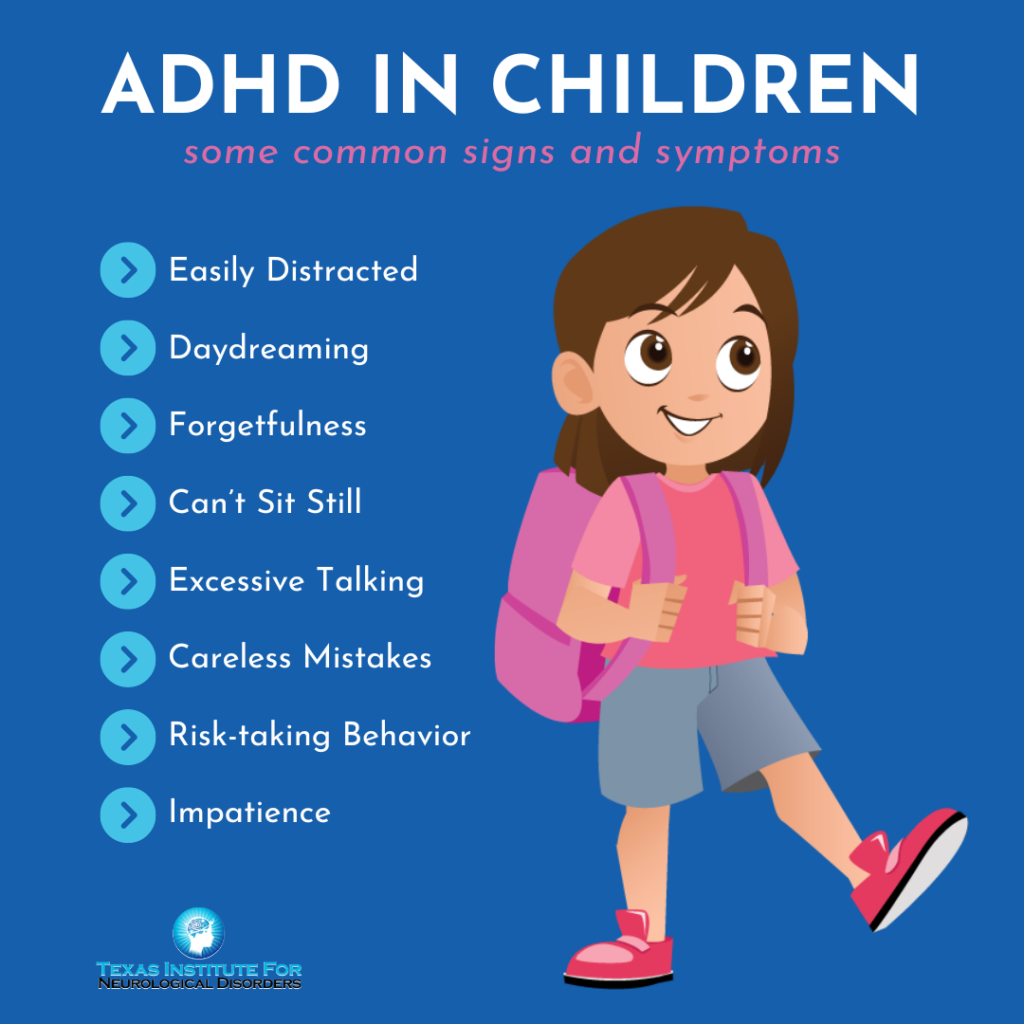
Credit: www.texasinstituteforneurologicaldisorders.com
Recommended Products


【GIVE YOUR CHILD A BEGINNING TO KNOW THINGS】-Communication board According to the specific scene, learn school, family behavior, mood, art creation daily behavior tips, eating, reading pictures, social communication, transportation, paste the card onto the felt board book corresponding to the classification. Children's busy board is also a kind of early education toy, which can stimulate language ability, reading ability, communication skills
School Performance Issues
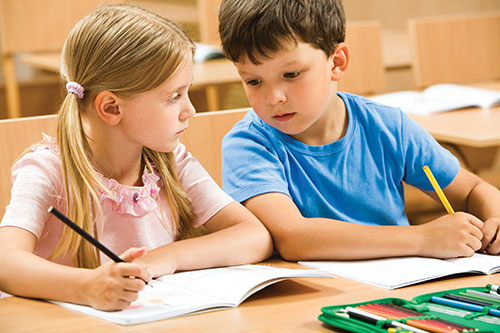
School performance can reveal early signs of behavior or mental health concerns. Academic struggles, classroom conflict, or school avoidance may show that your child needs support.
Ask teachers for specific examples rather than general labels. Clear details help you understand whether the issue involves attention, learning, anxiety, behavior, or social stress.
Changes In Academic Achievement
A sudden drop in grades can be a warning sign. Your child may struggle to focus, finish homework, follow lessons, or join class activities.
Frequent Disciplinary Actions
Behavior issues at school can lead to repeated discipline. Teachers may report defiance, aggression, rule-breaking, or classroom disruption.
Difficulty Following Instructions
Children with behavior concerns may struggle to follow multi-step directions. They may interrupt, ignore classroom rules, or lose track of what the teacher asked.
Social Challenges With Peers
Behavior concerns can affect how children interact with classmates. Your child may argue often, struggle to share, or have trouble keeping friends.
Excessive Absenteeism
Frequent absences or school refusal can point to anxiety, frustration, bullying, learning problems, or feeling overwhelmed. This pattern can affect both academic and social growth.
U.S. families can request a free school evaluation under the Individuals with Disabilities Education Act (IDEA) to determine eligibility for services and supports (U.S. Department of Education).
Physical Symptoms
Behavior concerns do not only show up through actions. Physical symptoms can also give you clues that your child feels stressed, anxious, tired, or overwhelmed.
These signs do not prove your child has a behavior disorder. They do mean you should look at the full pattern and talk with a healthcare provider if symptoms continue.
Changes In Sleep Patterns
Does your child struggle to fall asleep or stay asleep? Sleep disruptions can connect to anxiety, stress, mood changes, or other health concerns.
Poor sleep can affect mood, attention, and impulse control. Keep a sleep diary and share it with your child’s pediatrician.
Frequent Stomachaches Or Headaches
Stomachaches and headaches can have many causes, including stress. If your child complains about pain often, look for timing and triggers.
Ask when the pain starts. It may happen before school, after conflict, during social events, or around specific activities.
Unusual Changes In Appetite
Sudden changes in eating habits can reflect emotional distress. Your child may eat far less, eat much more, or lose interest in meals.
Notice whether appetite changes connect to worry, sadness, anger, or stress. Share major or lasting changes with your child’s doctor.
Excessive Fatigue
If your child feels tired often, even after enough sleep, stress may play a role. Emotional strain can drain physical energy.
Fatigue may also lead your child to avoid activities they usually enjoy. Ask whether tiredness seems temporary or part of a larger change.
Unexplained Tics Or Nervous Movements
Excessive blinking, fidgeting, throat clearing, or other nervous movements may appear during stress. Some movements happen without your child meaning to do them.
Observe when these movements happen and what else occurs at the same time. A pediatrician can help decide whether your child needs more evaluation.
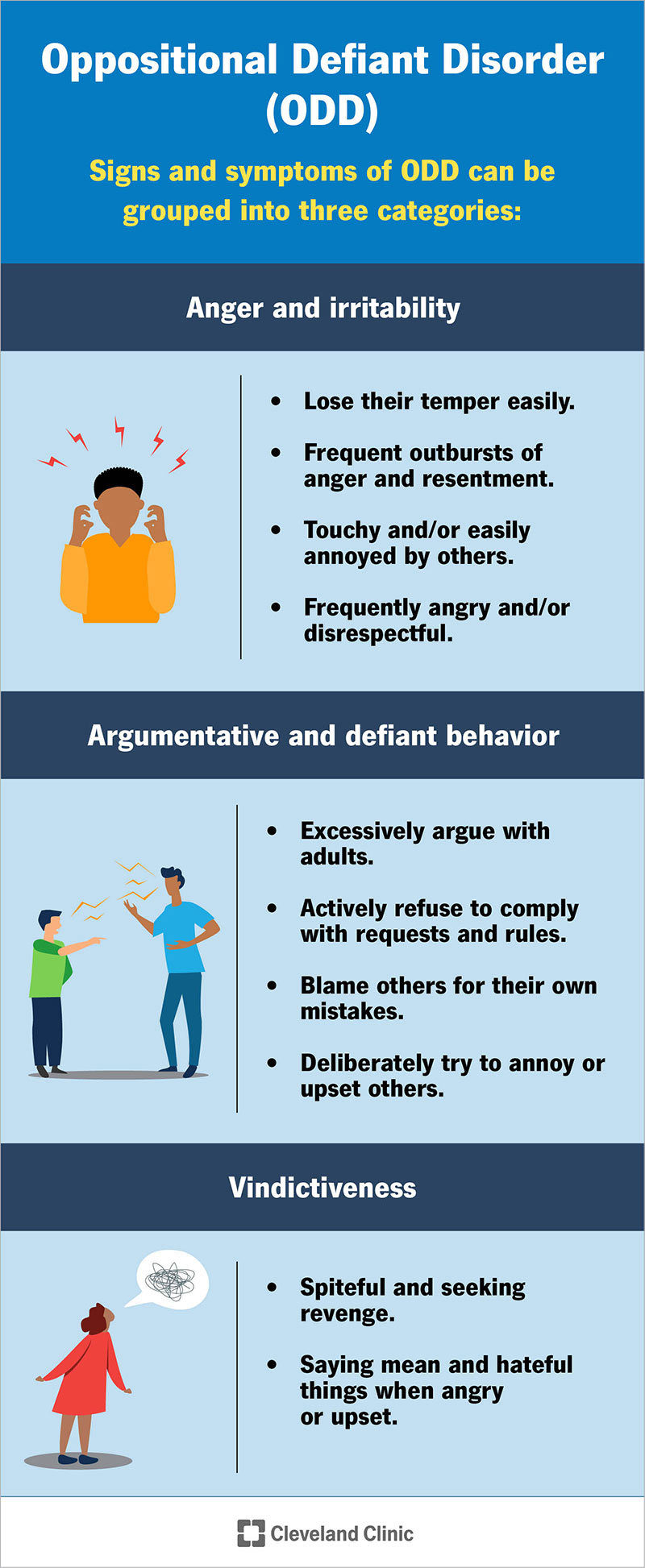
Credit: my.clevelandclinic.org
Recommended Products


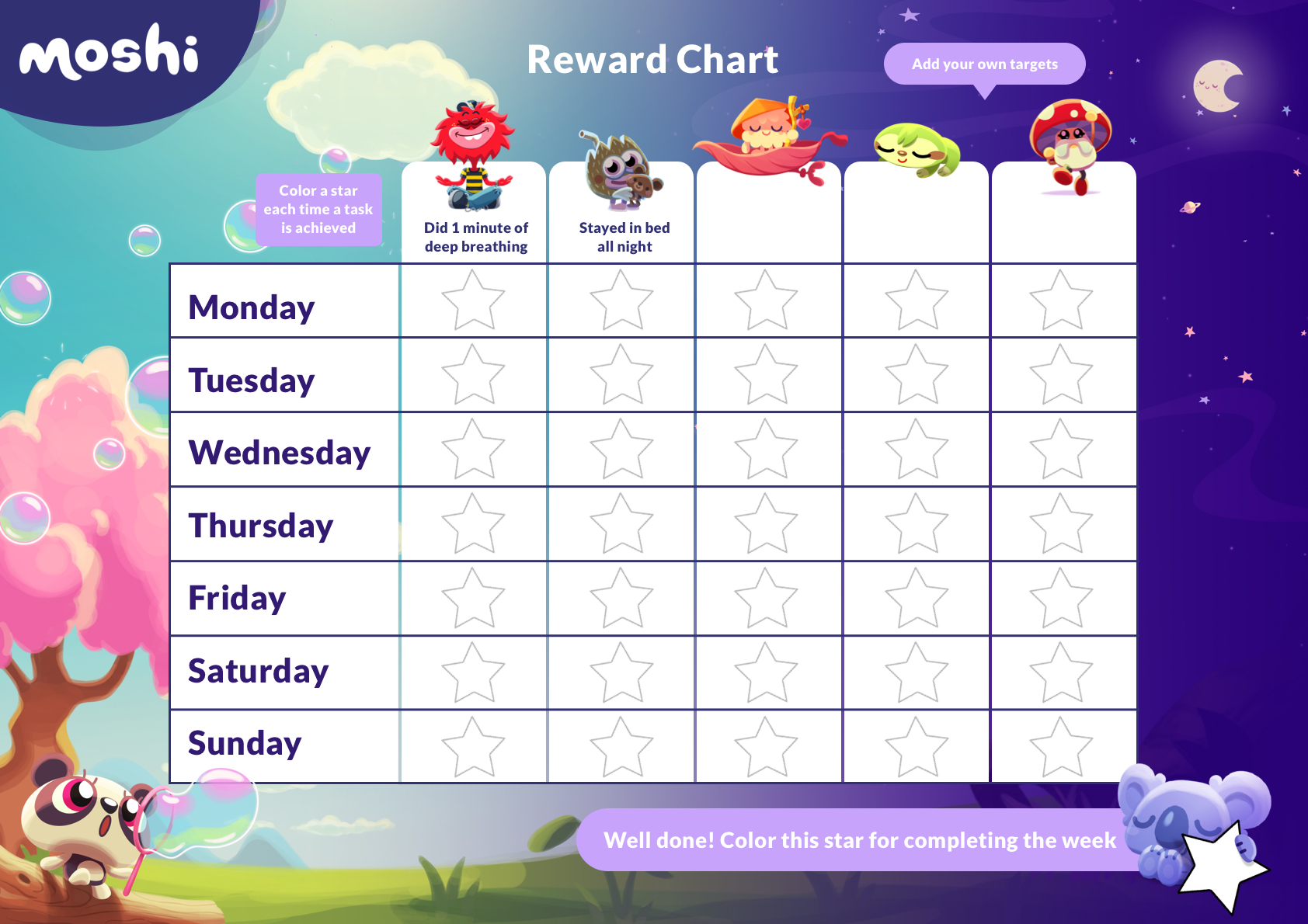
WEEKLY BREAKDOWNS - This Reward chart book includes weekly reward charts, and stickers to last all year ( + extra motivational stickers !!!). 60 task cards are included, so you and your child can customize their book to display the 7 tasks applicable to your lifestyle and needs. The tasks cards can be switched around, so that you can introduce new tasks as needed. It also includes a convenient card storage system to keep the task cards from getting lost!
When To Seek Help
Knowing when to seek help can feel overwhelming. You may wonder whether tantrums, defiance, or trouble focusing fit normal growth or signal a deeper concern.
Reach out sooner when behavior problems affect safety, learning, sleep, friendships, or family routines. Early support can reduce stress and help your child build skills.
1. Persistent Issues That Disrupt Daily Life
Does your child’s behavior create ongoing challenges at home, school, or with friends? Daily meltdowns, repeated aggression, or constant refusal to follow directions deserve a closer look.
Teachers and caregivers can help you spot patterns in different settings. If several adults notice the same concerns, talk with your child’s pediatrician.
2. Emotional Outbursts That Seem Extreme
Every child has hard days. But screaming over small setbacks, physical lashing out, or complete withdrawal can signal deeper emotional struggles when it happens often.
Pay attention when reactions last a long time or seem to have no clear trigger. A professional can help you understand what your child’s behavior may mean.
3. Sudden Changes In Behavior
Has your child’s behavior changed quickly? A child who once enjoyed school, friends, or hobbies may suddenly avoid those activities.
Sudden mood swings, sleep changes, appetite changes, or school refusal can connect to stress, bullying, depression, anxiety, ADHD, or other concerns. A professional can help find the cause.
4. When Your Strategies Aren’t Working
You may have tried boundaries, rewards, routines, calm talks, or consequences. If these tools do not help, you may need outside guidance.
You would call a doctor for a fever that would not improve. Behavior challenges deserve the same care when they persist or grow worse.
5. Trust Your Gut
No one knows your child better than you do. If something feels wrong, take that concern seriously.
Seeking help does not mean you failed as a parent. It shows that you care about your child’s safety, growth, and well-being.
Clinical note: Pediatric visits routinely include screening for mental, emotional, and behavioral concerns; ask your pediatrician about current recommendations (American Academy of Pediatrics).
Warning: If your child may harm themselves or someone else, call 911 or your local emergency number right away.
Safety note (U.S.): For immediate mental health crisis support, contact the 988 Suicide & Crisis Lifeline, available 24/7 by call, text, or chat.
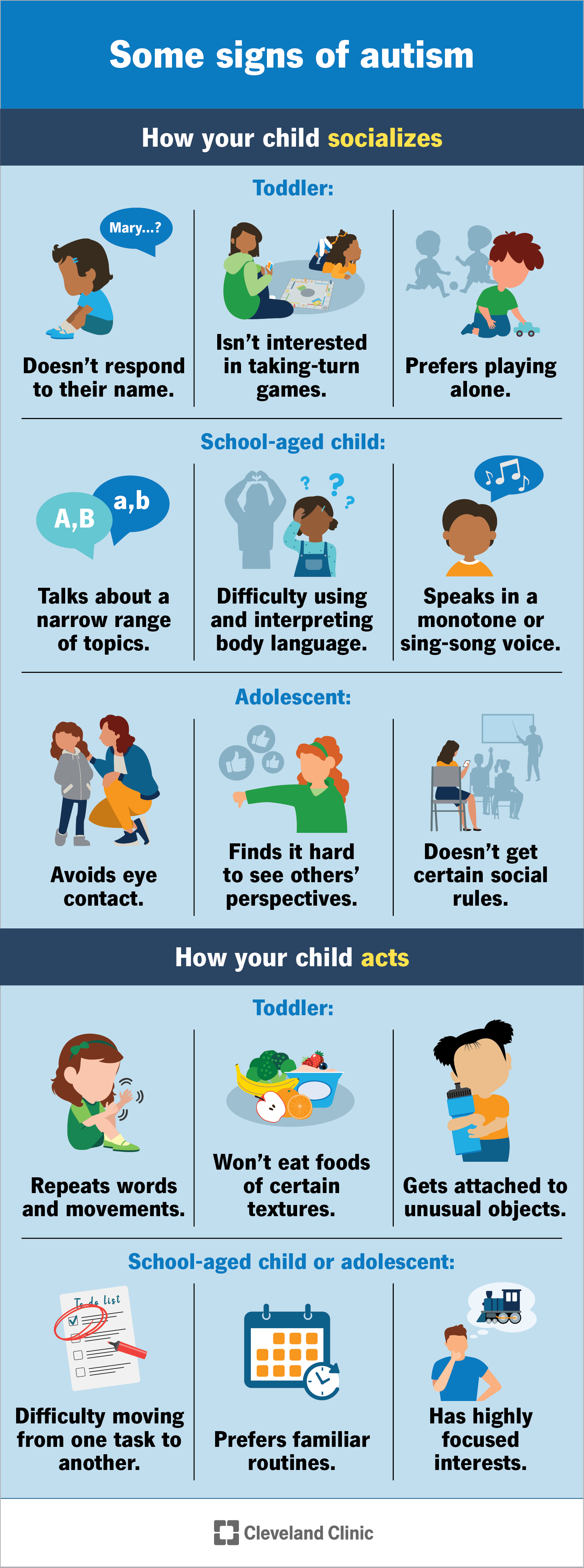
Credit: my.clevelandclinic.org
What To Expect During An Evaluation
A child behavior evaluation usually starts with your child’s history, family concerns, school feedback, and a review of symptoms. The provider may ask about sleep, learning, mood, anxiety, attention, trauma, and medical issues.
You may complete questionnaires, and teachers may fill out forms too. This helps the clinician compare behavior across home, school, and social settings.
An evaluation does not label your child as “bad.” It helps you understand what drives the behavior and what support may help.
How Parents Can Support A Child At Home
You can support your child by using clear routines, short instructions, calm consequences, and praise for specific good behavior. Children often respond better when they know what to expect.
Try to name the behavior you want to see. For example, say, “Please put your shoes by the door,” instead of, “Stop making a mess.”
For young children with ADHD symptoms, the CDC says parent training in behavior management can help parents learn skills that support better behavior (CDC).
Frequently Asked Questions
How Can I Tell If My Child Has Behavioral Problems?
Watch for frequent tantrums, aggression, defiance, trouble focusing, social problems, or sudden mood changes. Concerns rise when these patterns persist and affect school, family life, sleep, or friendships. Talk with a pediatrician or counselor if the behavior continues.
What Are The Symptoms Of A Behavioral Disorder?
Symptoms can include aggression, defiance, impulsivity, trouble following rules, poor social skills, and frequent emotional outbursts. Children may also struggle with focus, learning, sleep, or relationships. A qualified professional can tell whether the pattern fits a specific disorder.
How Do You Fix A Child Behavior Problem?
Start by identifying triggers and setting clear, steady limits. Use praise and positive reinforcement to encourage the behavior you want to see. Seek professional help if problems persist, worsen, or affect daily life.
How Can You Tell If A Child Has A Personality Disorder?
Personality disorders are rarely diagnosed before age 18. Similar symptoms in children often need evaluation by a qualified child and adolescent psychiatrist. If you feel concerned, ask for a comprehensive assessment (AACAP).
When Should You Call A Doctor About Your Child’s Behavior?
Call a pediatrician when behavior problems last for several weeks, disrupt school or home life, or create safety concerns. You should also seek help after sudden changes in mood, sleep, appetite, or social behavior.
Can School Problems Be A Sign Of A Behavior Disorder?
Yes, school problems can be one sign, especially when they involve repeated discipline, poor focus, school refusal, or peer conflict. They can also point to learning differences, anxiety, bullying, or unmet support needs.
What Information Should You Bring To An Appointment?
Bring notes about behaviors, triggers, sleep, school reports, discipline records, and family concerns. A short timeline helps the provider see patterns and decide what evaluation or support may help.
Medical Disclaimer: This article is for informational purposes only and does not constitute professional medical advice. Always consult a qualified doctor or mental health professional before making decisions based on this information.
Conclusion
The most important sign of a possible behavior disorder is a repeated pattern that disrupts your child’s daily life. Pay attention to changes in emotions, sleep, school performance, friendships, and family routines.
Your next step is simple: write down what you see and talk with your child’s pediatrician or school team. With early support, steady routines, and the right care, your child can build skills and feel more in control.
References
- Behavior or Conduct Problems in Children — Centers for Disease Control and Prevention
- Individuals with Disabilities Education Act — U.S. Department of Education
- Promoting Optimal Development: Screening for Mental, Emotional, and Behavioral Problems — American Academy of Pediatrics, 2025
- 988 Suicide & Crisis Lifeline — 988 Lifeline
- Behavior Therapy First for Young Children with ADHD — Centers for Disease Control and Prevention
- Practice Parameters and Resource Centers — American Academy of Child and Adolescent Psychiatry