How Can I Improve My Child’s Behaviour at Home?
What’s in This Article
Some days, one ignored request can turn into a full family power struggle.
You may feel frustrated, tired, or unsure what to try next. You’re not alone. Every parent has moments when home behavior feels hard to manage.
The good news is that small, steady changes can help your child listen, cooperate, and take more responsibility. This guide gives you clear steps you can start using at home today.
Quick Answer
You can improve your child’s behaviour at home by setting clear expectations, praising the behavior you want to see, and following through with calm, consistent limits. Build routines, listen to your child’s feelings, and model the respect you expect from them. Seek extra support if behavior becomes unsafe, severe, or hard to manage despite steady effort.
Key Takeaways
- Set simple rules so your child knows exactly what you expect.
- Praise specific positive behavior to help your child repeat it.
- Use calm, consistent consequences instead of threats or harsh punishment.
- Create daily routines that make sleep, chores, homework, and play predictable.
- Ask for help if behavior includes aggression, self-harm risk, or major distress.

Credit: www.amazon.com
Recommended Products

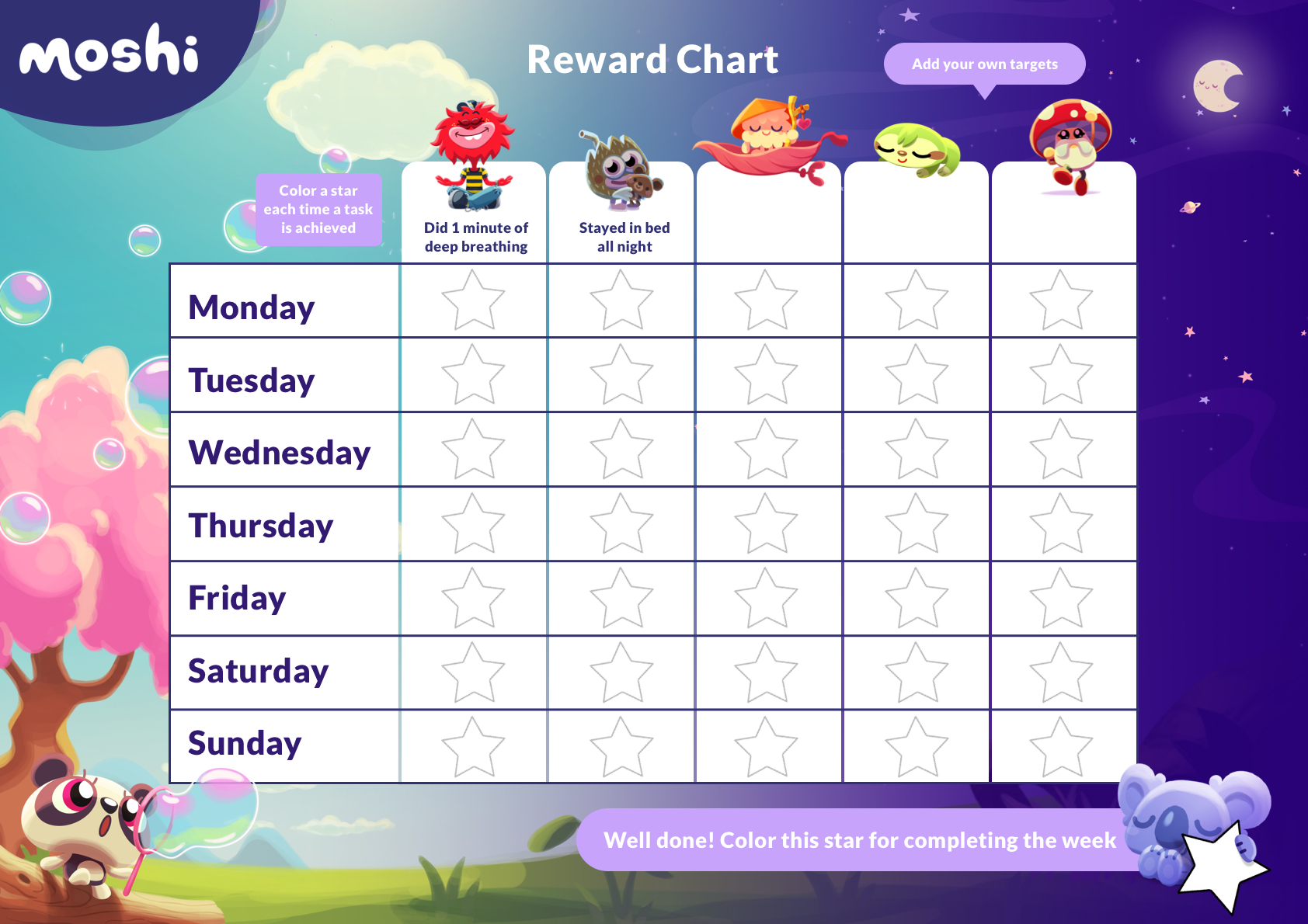
『Quantity』: The pack includes 10 reward charts and 216 round stickers.

Motivate and Reward: Yasest reward chart for kids is designed to keep kids motivated and rewarded for their behavior and actions. Watch as they proudly track their weekly accomplishments and earned stars with this interactive chart

『Quantity』: The pack includes 10 reward charts and 216 round stickers.
Positive Reinforcement Strategies
Positive reinforcement can make a real difference in your child’s behavior. This approach rewards helpful behavior so your child feels motivated to repeat it.
Children often respond well to warm attention, praise, and simple rewards. The goal is not to bribe your child. The goal is to help them notice what they did right.
1. Catch Them Doing Something Right
Notice and name your child’s good behavior during the day. Praise them for sharing toys, getting ready on time, or using kind words.
You might say, “I love how you helped your sibling,” or “Great job putting your shoes away.” This gives your child positive attention for the behavior you want to see again.
2. Use Specific Praise
Generic praise like “Good job” can feel unclear. Tell your child exactly what they did well.
For example, say, “You were kind when you shared your snack with your friend.” The Centers for Disease Control and Prevention (CDC) recommends this kind of specific praise, often called labeled praise, in its parenting guidance (CDC Essentials for Parenting, 2024-08-08).
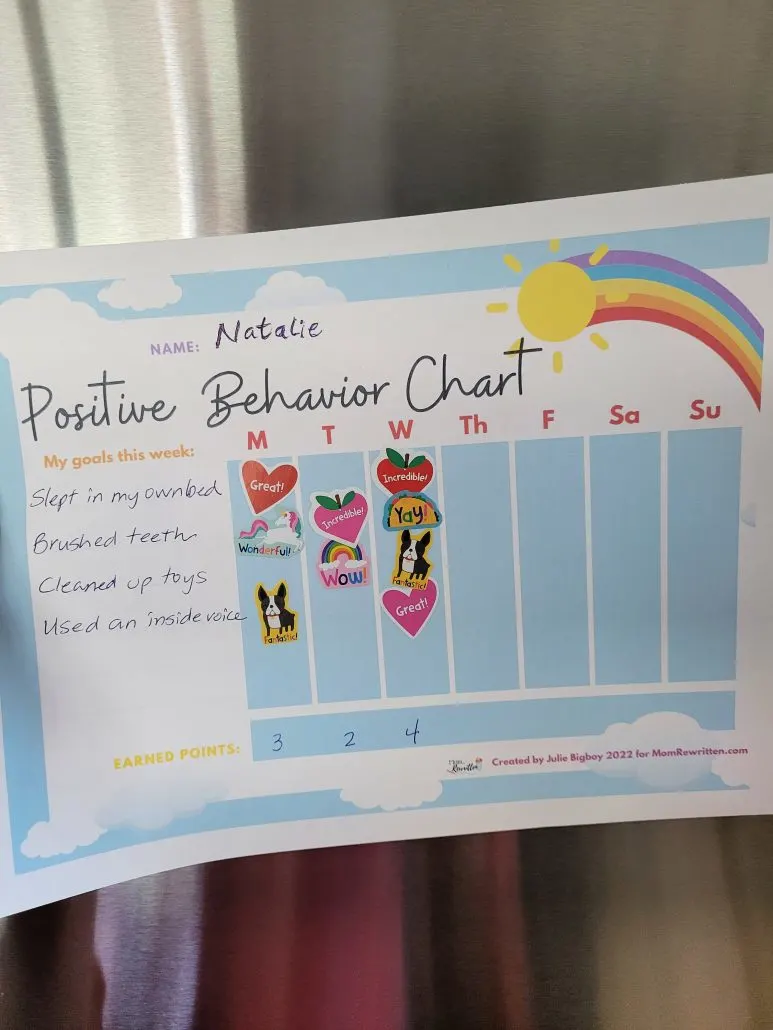
3. Create A Reward System
Set up a simple reward system for one or two habits at a time. You can use stickers, points, or a small privilege.
For example, your child might earn a sticker for brushing teeth without reminders. After several stickers, they can choose a family game or extra story time.
Pro tip: Reward effort and progress, not perfect behavior, so your child keeps trying.
4. Celebrate Milestones
Celebrate small wins to help your child stay engaged. A high-five, kind note, or extra playtime can make progress feel good.
Small celebrations build confidence. They also show your child that you notice their effort, not only their mistakes.
5. Be Consistent
Consistency helps positive reinforcement work. Praise or reward the same behavior each time, especially while your child learns a new habit.
If you praise a behavior one day and ignore it the next, your child may feel confused. Steady feedback builds trust and helps habits stick.
6. Avoid Over-reinforcing
Too many rewards can make praise feel less meaningful. Use rewards with care, then fade them as the habit improves.
Keep using warm attention and specific praise. Over time, your child can learn that helpful behavior feels good on its own.
Setting Clear Expectations
Improving behavior at home starts with clear expectations. Kids need to know what you want before they can follow through.
Think of expectations as a simple map. They show your child where the boundaries are and what good behavior looks like.
What Do Clear Expectations Mean?
Clear expectations are not the same as strict rules. They are simple, specific guidelines your child can understand.
Instead of saying, “Behave better,” say, “Use kind words when you feel upset.” Specific words reduce confusion and make success easier.
How Can You Communicate Expectations Effectively?
Use simple, age-appropriate words. For younger children, pictures, charts, or hand signals can make expectations easier to remember.
Introduce one or two expectations at a time. Start with daily pressure points, such as morning routines, toys, homework, meals, or bedtime.
Make Expectations A Team Effort
Children often cooperate better when they help shape the plan. Ask for their ideas before you set a new rule or routine.
You might ask, “What would help you clean up before dinner?” This teaches teamwork and gives your child a sense of ownership.
Check Whether Expectations Fit Your Child’s Age
Your child’s age and development should guide your expectations. A toddler needs short, simple directions. An older child can handle more responsibility.
Ask yourself whether your child can realistically do what you’re asking. Clear expectations should stretch your child, not set them up to fail.
Recommended Products
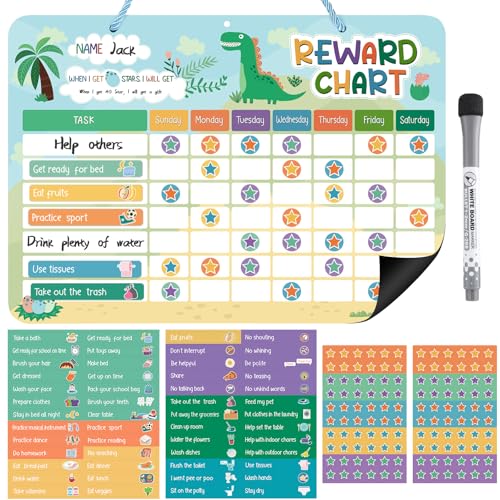
【Encourage Good Behavior】Use this chores chart for kids to arrange things for your child to complete every day, whether it is personal housework or other things such as potty, track and record every day, help children set goals and rewards, and let children form good habits and a sense of responsibility.

【Encourage Good Behavior】Use this chores chart for kids to arrange things for your child to complete every day, whether it is personal housework or other things such as potty, track and record every day, help children set goals and rewards, and let children form good habits and a sense of responsibility.

Unlock Their Potential - Boost your child's motivation with an interactive responsibility chart, featuring tactile 3D stars and 80+ diverse chores from potty training to household tasks. Engage, reward, and celebrate their accomplishments!
Consistency In Discipline
Consistency helps your child feel secure. When you use the same rules and follow-through each day, your child learns what to expect.
Without consistency, children may test limits to find out which rules still apply. Calm, steady discipline reduces that guesswork.
Set Clear Rules And Stick To Them
Make a short list of age-appropriate rules. Use plain words, such as, “We put toys away before dinner.”
Once you set a rule, follow it as often as you can. If you change the rule, explain the reason in simple terms.
Use Consistent Consequences
Consequences work best when they connect to the behavior. They should also feel calm, fair, and predictable.
For example, if your child refuses to put away a tablet, tablet time can end for that day. This teaches that choices have outcomes.
Align With Other Caregivers
If your partner, relatives, or babysitter help with care, agree on the main rules. Mixed messages can make behavior harder to manage.
For example, if bedtime is 8 PM, ask other caregivers to follow the same plan. Shared expectations help your child feel secure.
Adjust Your Expectations As They Grow
Your child’s needs and skills will change. A rule that works for a toddler may not fit a teenager.
Keep your follow-through consistent, but update rules when your child is ready. This keeps discipline fair and useful.
Ask Yourself: Am I Being Fair?
Consistency does not mean rigidity. Your child may need more support when they feel tired, hungry, sick, or overwhelmed.
For example, expecting a toddler to sit still for an hour may not work. Match your rules to your child’s stage while keeping clear boundaries.
Note: Discipline means teaching, not shaming, frightening, or trying to control your child through fear.

Credit: childmind.org
Encouraging Open Communication
Open communication can improve behavior because it helps your child feel heard. When children trust you with their feelings, they often cooperate better.
This does not mean you allow every behavior. It means you listen first, then guide your child toward safer and kinder choices.
Start With Active Listening
Put down your phone or pause what you’re doing when your child speaks. Make eye contact if your child feels comfortable with it.
If your child says, “I hate chores,” try asking, “What makes chores hard right now?” This invites a real conversation instead of a fight.
Ask Open-ended Questions
Avoid questions that your child can answer with only “yes” or “no.” Ask, “What made you feel proud today?” or “What would make mornings easier?”
Open questions help your child share more detail. They also show that you care about their point of view.
Validate Their Feelings
When your child feels upset, avoid saying, “It’s not a big deal.” Instead, say, “I can see that really upset you.”
Validation does not excuse hurtful behavior. It helps your child calm down so they can learn what to do next.
Be Honest About Your Feelings
Your child learns communication by watching you. You can say, “I feel stressed right now, so I’m going to take a quiet minute.”
This teaches your child that feelings are normal. It also shows them a healthy way to handle strong emotions.
Create A Non-judgmental Zone
Let your child know they can tell you the truth without shame or ridicule. If they forgot homework, focus on fixing the problem.
You might ask, “What can help you remember it tomorrow?” This builds trust and teaches problem-solving.
Celebrate Their Efforts
When your child tries to talk openly, thank them. A simple, “Thank you for telling me how you feel,” can mean a lot.
Over time, these moments strengthen your bond. They also give your child better tools than yelling, hiding, or acting out.
Recommended Products

RELIABLE QUALITY: The visual Schedule for Kids are made of coated paper, which is strong, waterproof, not easy to tear and deformed, The cards are well cut and can be pasted and removed multiple times by using the included small dot stickers and felt strips

How Are We Different - Our routine chores chart is designed with a double-sided felt board to provide more room for custom use of the child's daily activities,and we've increased the size of the board and cards to provide convenience for the child's use! No more worrying about receiving smaller items than expected! We've also added weekly cards and pointing arrow cards, and for the hand washing/toileting category cards we've increased its number!

How Are We Different - Our routine chores chart is designed with a double-sided felt board to provide more room for custom use of the child's daily activities,and we've increased the size of the board and cards to provide convenience for the child's use! No more worrying about receiving smaller items than expected! We've also added weekly cards and pointing arrow cards, and for the hand washing/toileting category cards we've increased its number!
Creating A Structured Routine
A structured routine can reduce behavior problems because children do better with predictability. When your child knows what comes next, transitions often feel easier.
A routine does not need to feel strict. It should give your family a steady rhythm for sleep, meals, chores, homework, play, and rest.
Set Consistent Wake-up And Bedtimes
Start with wake-up and bedtime routines that fit your family’s schedule. Consistent sleep can support mood, attention, and cooperation.
For reference, the CDC says school-age children ages 6 to 12 usually need 9 to 12 hours of sleep per 24 hours. Teens ages 13 to 17 usually need 8 to 10 hours (see CDC sleep recommendations, 2024-05-15; aligns with the American Academy of Sleep Medicine consensus, 2016).
Use Visual Tools To Map Out The Day
Kids often respond well to visual cues. Create a simple daily schedule with charts, pictures, or stickers.
Place the schedule where your child can see it, such as the fridge or bedroom wall. Include tasks like “brush teeth,” “homework,” and “playtime.”
Include Time For Fun And Relaxation
Structure works better when your child also has room to play and rest. Build in breaks after school, chores, or homework.
For example, schedule 30 minutes of free play before homework. If screens are part of downtime, the American Academy of Pediatrics offers a Family Media Plan to help families set age-appropriate media rules.
Be Flexible When Needed
Life will not follow the routine every day. Illness, family events, travel, and hard days may require changes.
Tell your child what changed and what will happen next. Flexibility shows that routines guide your family, but they do not control it.
Involve Your Child In Planning
Children often follow routines better when they have some choice. Ask whether they want reading time before or after dinner.
Small choices help your child feel respected. They also build responsibility without giving up your role as the parent.
Track Progress And Celebrate Wins
Notice when the routine helps your child stay calm or follow through. Say, “You got ready with only one reminder today.”
Celebrating progress helps your child connect effort with success. It also keeps the routine from feeling like a list of demands.
Modeling Desired Behaviors
You are one of your child’s most important role models. Your child watches how you speak, handle stress, solve problems, and treat others.
If you want better behavior at home, start by showing the behavior you want your child to practice. Your example gives your words more power.
Lead By Example
Children often copy what they see more than what they hear. If you want calm behavior, show calm behavior during conflict.
Use deep breaths, respectful words, and short breaks when things feel tense. If you want politeness, use “please,” “thank you,” and “I’m sorry” often.
Be Consistent
Your actions teach best when they stay steady. If you enforce a rule one day and ignore it the next, your child may feel confused.
For example, make your own bed if you expect your child to make theirs. Shared habits make family rules feel more fair.
Model Healthy Communication
Think about how your child sees adults disagree. Shouting, sarcasm, or silent treatment can teach unhelpful patterns.
Practice active listening and respectful problem-solving in front of your child. This shows that conflict can end without insults or fear.
Own Up To Mistakes
Your child needs to see how adults repair mistakes. Admit when you acted unfairly and apologize in plain words.
You might say, “I should not have yelled. I’m sorry, and I’ll try to speak more calmly.” This teaches accountability and repair.
Practice Self-care
Your child notices how you treat yourself. If you never rest, they may learn that stress and burnout are normal.
Take time for sleep, movement, quiet, or support from other adults. A calmer parent can respond more calmly to hard behavior.

Credit: raisingchildren.net.au
When To Get Extra Support
Most children go through difficult behavior phases. But some behavior needs extra support from a pediatrician, school counselor, therapist, or child development specialist.
Ask for help if your child often hurts others, destroys property, talks about self-harm, struggles at school, or seems deeply anxious or sad. You should also seek support if your home feels unsafe or discipline has become a constant battle.
Warning: If your child may harm themselves or someone else, seek immediate help instead of trying to manage it alone.
Frequently Asked Questions
How To Fix A Child Behavior Problem?
Start with one behavior you want to change, then set a clear rule and praise progress. Use calm, consistent consequences when your child breaks the rule.
Support healthy basics like sleep, meals, routine, and connection. If the behavior is severe, unsafe, or persistent, talk with your child’s pediatrician or a qualified mental health professional.
What Is The 7 7 7 Rule For Parenting?
The 7 7 7 rule suggests spending 7 focused minutes with your child in the morning, after school, and before bedtime. Some parents use it as a simple way to build daily connection.
This is a popular parenting tip, not an official American Academy of Pediatrics policy. The American Academy of Pediatrics emphasizes positive discipline, connection, clear limits, and avoiding harsh punishment (see AAP guidance for families: overview).
How Do You Handle A Disrespectful Child?
Stay calm, name the disrespectful behavior, and set a clear limit. You might say, “I want to hear you, but I won’t accept name-calling.”
After your child calms down, talk about what they needed and what they can say next time. Praise respectful repair, such as apologizing or trying again with kinder words.
How To Discipline A Child Who Doesn’t Listen?
Get close, use your child’s name, and give one clear direction at a time. Ask your child to repeat the direction so you know they understood it.
Use praise when they follow through and a fair consequence when they refuse. Keep your tone calm, because yelling often makes listening worse.
How Long Does It Take To Improve Behavior At Home?
Some families notice small changes within a few days, especially when they focus on one habit. Bigger patterns can take weeks of steady practice.
Track progress instead of expecting perfection. Look for fewer power struggles, faster recovery after upset, and more cooperation over time.
Health Disclaimer: This article is for informational purposes only and does not constitute professional medical or mental health advice. Always consult a qualified doctor, pediatrician, or mental health professional before making decisions based on this information.
Conclusion
Improving your child’s behavior starts with calm, clear, and consistent support at home. Choose one small change today, such as using specific praise or setting a simple bedtime routine.
Expect progress, not perfection. Your child will learn best when they feel safe, loved, and guided by steady limits.
Safety note (U.S.): If your child’s behavior includes risk of harm to self or others, contact your pediatrician promptly. For immediate mental health support, call or text 988 in the U.S. for the Suicide & Crisis Lifeline (free, confidential, available 24/7; see 988lifeline.org).
References
- Using Praise — Centers for Disease Control and Prevention, 2024
- About Sleep — Centers for Disease Control and Prevention, 2024
- Recommended Amount of Sleep for Pediatric Populations — American Academy of Sleep Medicine, 2016
- Family Media Plan — American Academy of Pediatrics
- Disciplining Your Child — American Academy of Pediatrics
- Get Help — 988 Suicide & Crisis Lifeline