Updated on November 26, 2025
A bassinet for your stroller isn’t required, but it’s highly beneficial for newborns. It provides a flat, safe sleeping surface that supports proper breathing and development—ideal for long walks and naps on the go.
For newborns, safety and comfort are paramount. A bassinet provides a flat, firm surface that supports safe sleep. In the U.S., pediatric guidance recommends using a crib, bassinet, or play yard that meets federal safety standards for infant sleep. If you’re asking, “Do I Need A Bassinet For My Stroller?” consider the following benefits and scenarios.

Key Takeaways
- A bassinet provides a flat, firm surface for newborns, supporting healthy breathing and spinal development
- Bassinets are ideal for parents who take long walks or frequent outings, allowing babies to nap comfortably while maintaining safe sleep positioning
- Before purchasing, verify compatibility with your stroller, check weight and age limits (typically 3-6 months or 15-20 lbs), and consider whether your lifestyle justifies the investment
Benefits of Using a Bassinet for Your Stroller
Provides a Flat, Safe Surface for Newborns
A bassinet gives your baby a flat, firm sleeping surface, which is critical for safety. Current pediatric guidance emphasizes flat, non-inclined sleep surfaces—inclines greater than 10 degrees are unsafe. Prolonged time in sitting devices like car seats is not recommended for routine sleep, as it can affect breathing.
Lying flat also supports proper development of your baby’s spine, hips, and airways. Pediatric experts recommend flat, firm sleep surfaces to reduce the risk of sleep-related incidents and support healthy growth.
Enhances Comfort and Supports Healthy Development
Your baby needs a cozy, secure environment, especially during the first months. A bassinet provides a snug space that mimics the womb while supporting proper body alignment. Flat positioning keeps the head, spine, and hips aligned, promoting easier breathing and natural movement.
Using a bassinet on your stroller can also support parent-infant bonding. Keeping your baby close during walks makes monitoring easier and can strengthen your connection during the critical early months.
Ideal for Long Walks and Frequent Outings
If you enjoy extended walks or travel frequently, a bassinet proves invaluable. Unlike car seats that position babies semi-upright, bassinets allow newborns to lie completely flat. This positioning is safer for breathing and more comfortable for extended periods, making naps during outings both possible and safe.
For urban parents who walk rather than drive, or families who prioritize outdoor time, a bassinet transforms your stroller into a mobile safe sleep space that aligns with current safety recommendations.
Do I Need A Bassinet For My Stroller? Key Scenarios

For Babies Under 6 Months Who Cannot Sit Up
If your baby is younger than six months and cannot sit independently, a bassinet is strongly recommended. It provides the flat, firm surface that safety standards require. Most sleep-related incidents stem from unsafe sleep environments (like added soft bedding), not product defects—always use a flat, bare sleep space that meets federal standards.
| Incident Type | Count | Description |
|---|---|---|
| Deaths associated with nursery products | 523 total | Associated with nursery products among children under 5 (2019-2021); not necessarily caused by the product |
| Annual average | 174/year | Average per year across the reporting period |
| Share involving sleep products | 76% | Cribs/mattresses, bassinets/cradles, play yards, inclined sleep products, and infant carriers |
| Key prevention guidance | — | Use a flat, firm, bare sleep surface; no soft bedding; back to sleep |
To keep your baby safe, always use a firm mattress and avoid soft bedding. Place your baby on their back for every sleep. Never position the bassinet on unstable or uneven surfaces. These simple practices significantly reduce risks.
For Parents Who Take Long Walks or Travel Often
If you enjoy long walks or travel frequently, a bassinet offers significant advantages. It gives your baby a comfortable, flat surface for relaxation while you’re out. Unlike car seats, which maintain babies in a semi-upright position, bassinets allow full extension and support safer breathing patterns during longer outings.
Bassinets are lightweight and portable, making them excellent for active parents. They reduce the need for multiple pieces of baby gear and allow you to keep your baby close. Plus, outdoor activity benefits parental mental health while keeping your baby safe and comfortable.
To Ensure Safe Naps During Outings
When you’re out, ensuring your baby naps safely is crucial. Car seats and other sitting devices are not recommended for routine sleep, especially outside a moving vehicle. Research shows that prolonged time in car seats can affect oxygen levels in infants.
A bassinet offers a flat, firm surface that facilitates proper breathing and natural movement. Experts universally recommend flat sleeping surfaces for newborns to support healthy respiratory function and development.
Expert Recommendation: Flat sleeping surfaces are essential for newborn safety and proper development during sleep.
A bassinet stroller is portable and provides a quiet, safe environment for napping. It’s an excellent choice for parents who prioritize both safety and convenience during outings.
Alternatives to a Bassinet
Infant Car Seat Attachments
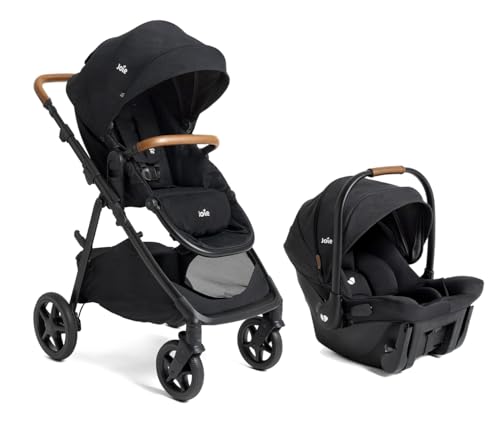
If you prefer convenience, car seat attachments allow you to click your baby’s car seat directly onto the stroller frame. These work well for brief trips but have limitations for extended use.
- Car seats position infants semi-upright; prolonged sitting can increase the risk of oxygen desaturation
- Sleep surfaces inclined more than approximately 10 degrees from horizontal are unsafe for infant sleep
- Flat, firm surfaces remain the gold standard for newborn sleep
While car seat attachments offer utility, they shouldn’t replace a bassinet for long walks or naptimes. Pediatricians recommend limiting car seat use to 2 hours at a time outside of vehicle travel.
Reclining Stroller Seats for Older Babies

Once your baby can sit up independently (typically around 6 months), reclining stroller seats become appropriate. These seats adjust to various angles, allowing your baby to rest comfortably without requiring a completely flat surface.
Reclining seats are also ideal if you prefer a stroller without additional attachments. Ensure the seat provides adequate support for your baby’s back and neck at all recline positions.
Baby Carriers or Wraps for Short Trips
For quick errands, baby carriers or wraps offer excellent portability. They allow you to carry your baby close while keeping your hands free—perfect for brief outings or quick stops.
Carriers also promote bonding and can calm fussy babies. However, they’re not ideal for extended use since they don’t provide the same level of support and comfort as a bassinet or stroller for longer periods.
Tip: Ensure your carrier fits properly and supports your baby’s head, neck, and hips according to manufacturer guidelines.
Practical Considerations Before Buying
Compatibility with Your Stroller
Before purchasing a bassinet, verify compatibility with your specific stroller model. Not all bassinets fit every stroller. Many stroller manufacturers produce matching bassinets designed for seamless attachment. If you’re considering different brands, look for universal adapters to ensure a secure connection.
Important: Test the bassinet attachment on your stroller before purchasing. A secure fit is essential for your baby’s safety during walks.
Some bassinets include additional features such as reclining options, removable canopies, or weather shields. While these can enhance functionality, ensure they don’t compromise the bassinet’s stability or your stroller’s maneuverability.
Portability and Storage
A bassinet should simplify your life, not complicate it. Lightweight models are preferable if you’ll be carrying it frequently. Look for integrated handles or foldable designs that facilitate easy transport between your stroller, vehicle, or home.
Compact designs are valuable for space-conscious households. Some bassinets fold flat, which is particularly useful for small closets or car trunks. If you live in a compact space or travel regularly, this feature becomes especially important.
Note: Check the folded dimensions of the bassinet and verify it fits your intended storage locations before purchasing.
Cost and Long-term Value
Bassinets range from budget-friendly to premium options. Price shouldn’t be your only consideration—think about durability and long-term value. A quality bassinet can serve multiple children or retain resale value.

In the U.S., bassinets must meet Consumer Product Safety Commission (CPSC) standards (16 CFR parts 1218 and 1236). Compliance affects both design and pricing, so factor this into your evaluation.
Key cost considerations:
- Typical usage period (3-6 months) versus initial investment
- Compliance with current federal safety standards
- Potential for reuse with subsequent children or resale value
- Quality of construction and materials affecting longevity
Investing in a well-constructed, safety-compliant bassinet can prove economical over time. The added safety and convenience often justify a higher initial cost.
Safety Features to Look For
When selecting a bassinet for your stroller, prioritize these safety features:
| Feature | Safety Benefit |
|---|---|
| Mesh sides | Promotes airflow and reduces suffocation risks |
| Proper depth (minimum 7.75 inches) | Prevents baby from climbing or falling out |
| Firm, flat mattress | Reduces SIDS risk and supports proper development |
| Secure attachment mechanism | Prevents detachment during use |
| Stable base | Prevents tipping during movement |
Safety Reminder: If you’re still wondering “Do I Need A Bassinet For My Stroller?” consider how often you’ll use it and whether alternatives meet your specific needs and lifestyle.
Frequently Asked Questions
Can I let my baby sleep overnight in a bassinet stroller?
Only if the manufacturer states the bassinet is approved for overnight sleep and it meets federal bassinet safety standards (16 CFR 1218). Otherwise, use a certified crib, bassinet, or play yard for nighttime sleep.
How long can my baby stay in a bassinet stroller?
Bassinets typically work until your baby is 3 to 6 months old, or until they can roll over, push up, sit up, or reach the product’s weight limit (usually 15-20 lbs)—whichever comes first. Always check the manufacturer’s specific limits.
Do all strollers work with bassinets?
No, not every bassinet fits all strollers. Check if your stroller model is compatible with the bassinet you’re considering, or look for universal adapters to ensure a secure fit.
What is safer for newborns: bassinet or car seat on stroller?
For walks and outings, bassinets are safer for newborns because they provide a flat surface. Car seats should only be used for travel and brief transitions, not routine sleep or extended periods outside the car.
Can I use a bassinet if my baby can roll over?
No. Once your baby can roll from back to front, stop using the bassinet immediately and transition to a stroller seat. This typically occurs between 3 to 6 months of age.
Are bassinet strollers worth the investment?
Bassinet strollers are worth it if you take frequent long walks, live in an urban walking environment, or prioritize flat-surface sleep for your newborn. For parents who drive most places or take short outings, alternatives may suffice.
Making the Right Decision
A bassinet can significantly benefit parents of newborns by providing a safe, comfortable sleeping environment that supports healthy development. Safety features like mesh sides, proper depth, and firm mattresses keep babies secure. However, a bassinet isn’t essential for everyone. Consider your baby’s age, your daily routines, and your budget when deciding.
Still unsure whether you need one? Consider borrowing a bassinet from a friend or exploring secondhand options to test before committing to a purchase. Your lifestyle and frequency of stroller use will ultimately determine whether this investment makes sense for your family.