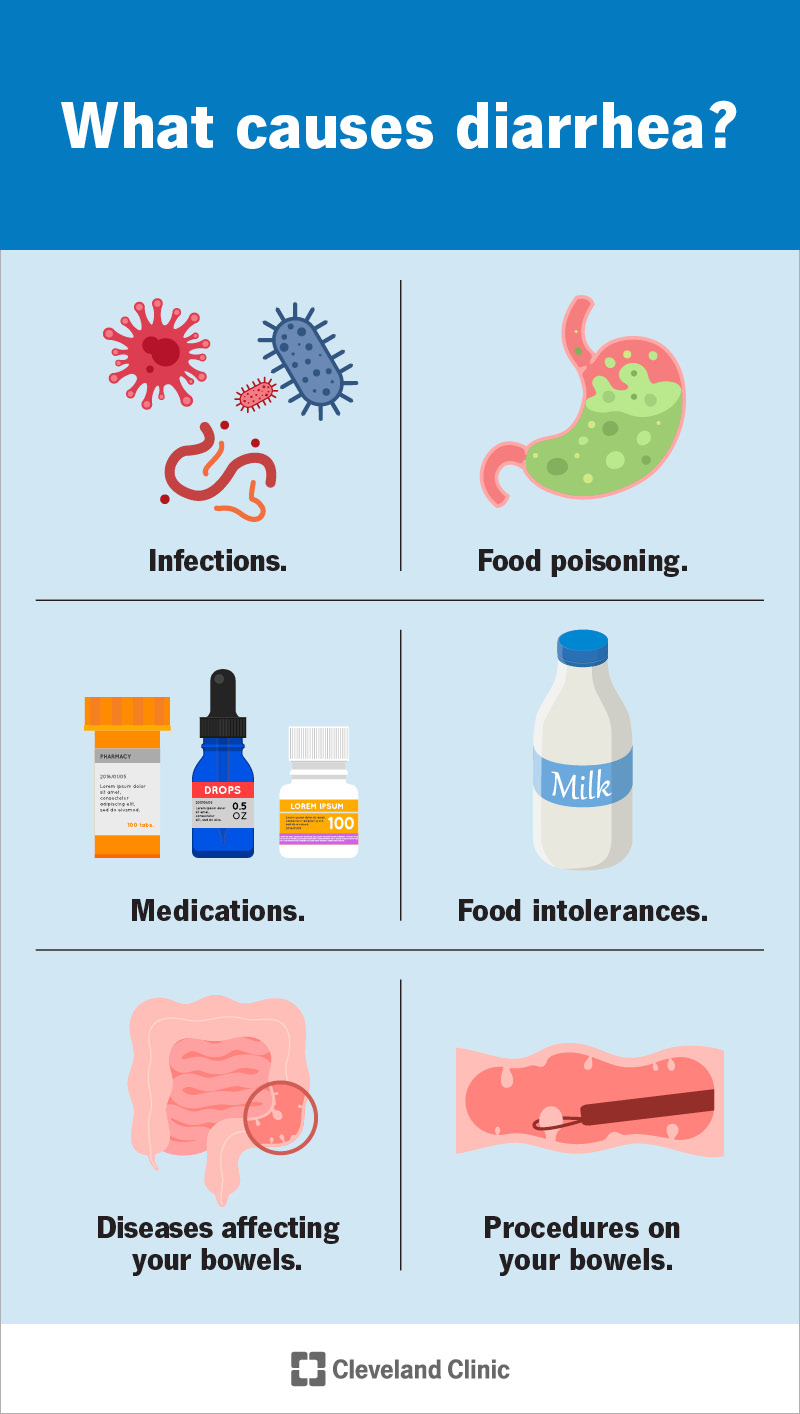
Can baby food cause an upset stomach? Yes, it can happen. When babies start solids, their digestive system is still learning how to handle new ingredients, textures, fiber, and portions. Most mild gas, stool changes, or fussiness settles with slower feeding changes, but some symptoms need a pediatrician’s advice.
Quick Answer
Yes. Baby food can cause temporary stomach upset, especially when new foods, larger portions, dairy, high-fiber fruits, or gas-forming vegetables are introduced too quickly. Start with tiny amounts of one food at a time, watch for patterns, and call your pediatrician for persistent vomiting, blood in stool, dehydration, breathing trouble, or severe reactions.
Key Takeaways
- Mild gas, looser stools, constipation, or fussiness can happen when babies first try solids.
- Introduce one single-ingredient food at a time and wait 3 to 5 days before adding another new food.
- Common triggers include large portions, high-fiber fruits, gas-forming vegetables, acidic foods, dairy, and complex commercial blends.
- Seek urgent help for breathing trouble, facial swelling, widespread hives, a pale or floppy baby, repeated vomiting, dehydration, or blood in stool.
At a Glance
| Best Approach | One new single-ingredient food at a time |
| Watch Period | 3 to 5 days before adding another new food |
| Helpful Tools | Small spoon, safe high chair, soft puree or mash, simple food diary |
| Main Goal | Spot patterns without over-restricting healthy foods |
Note: This article is for general education and does not replace advice from your baby’s pediatrician. If your baby is very young, medically fragile, or has eczema, known allergies, poor weight gain, or repeated symptoms, ask your pediatrician before making major feeding changes.
Can baby food really cause an upset stomach?
Baby food can sometimes upset a baby’s stomach, but the food itself is not always the only cause. Starting solids changes the amount of fiber, starch, protein, and texture your baby’s gut has to process. That can temporarily change stool color, smell, texture, and frequency.
According to the CDC’s guidance on introducing solid foods, babies should try one single-ingredient food at a time at first, with 3 to 5 days between each new food. This makes it easier to notice whether a specific ingredient is linked with gas, diarrhea, constipation, rash, or fussiness.
Also remember that not all tummy trouble is food-related. Reflux, constipation, teething, viral infections, feeding too fast, or swallowing air can look like a food reaction. The goal is to watch patterns, not blame every symptom on one spoonful of puree.
Normal adjustment vs. signs of trouble
Some digestive changes are expected when babies begin solids. Others deserve a call to your pediatrician.
| Often mild and temporary | Call your pediatrician or seek care |
|---|---|
| A little extra gas after a new food | Blood or black color in stool |
| Stool that smells stronger or looks different | Repeated vomiting or vomiting with diarrhea |
| Mild constipation for a short time | No wet diaper for several hours, dry mouth, no tears, or unusual sleepiness |
| Turning away after a few tastes | Trouble breathing, wheezing, facial swelling, widespread hives, or a pale/floppy appearance |
| Fussiness that improves after burping, passing gas, or a bowel movement | Poor feeding, poor weight gain, fever, or symptoms that keep returning with the same food |
Recommended Products

ON THE GO BABY FOOD: Gerber Stage 1 Baby Food Puree Tubs are designed for ease and convenience. These tubs are the perfect on the go baby food, made in a portable and easy-to-store format for busy parents

CONVENIENT BABY FOOD: Our Gerber Chicken and Gravy Jar is designed for ease and convenience. These jars of baby food are made in a portable and easy-to-store format for busy parents

Common ingredients and their effects
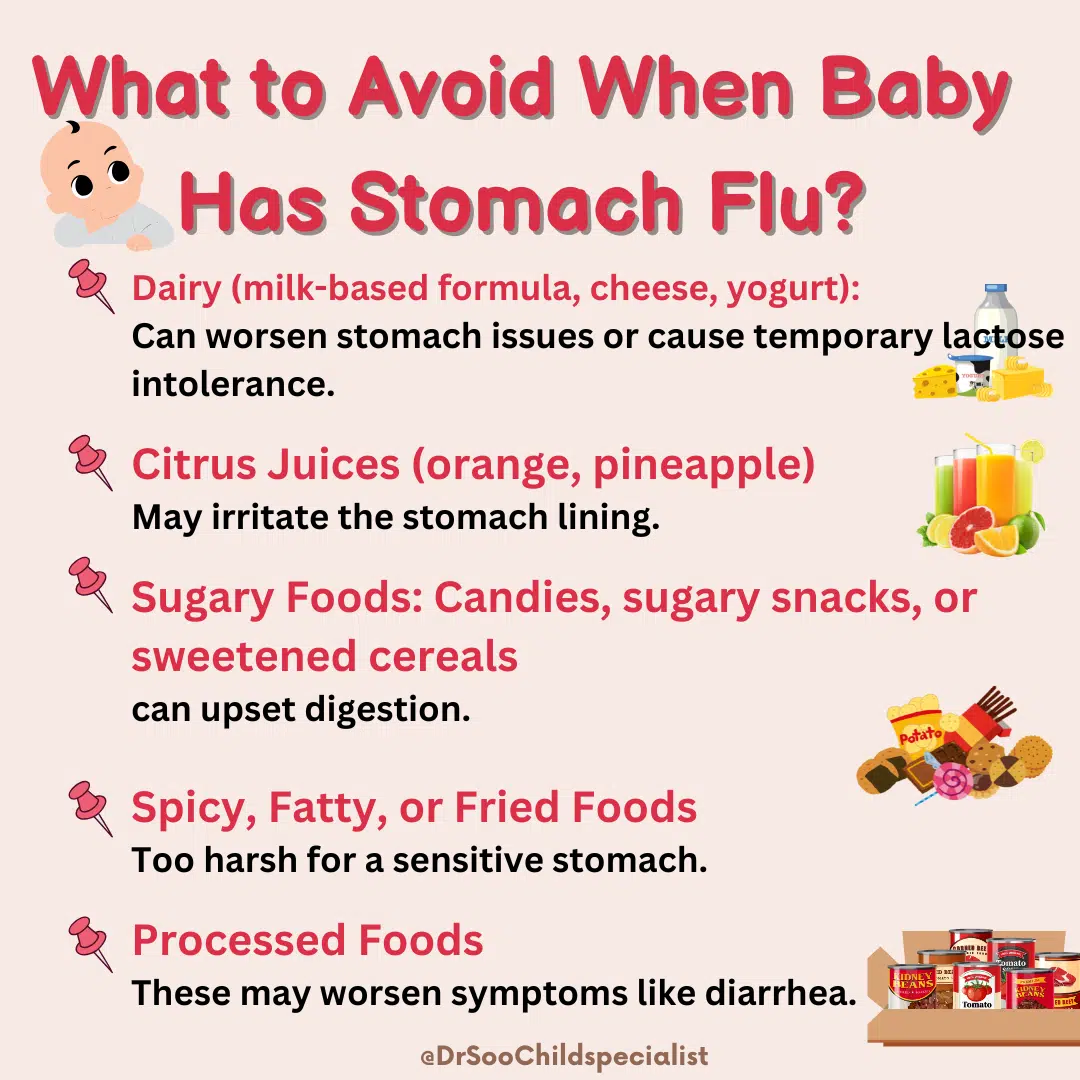
When your baby has an upset stomach, it’s natural to wonder if their food is to blame. Some ingredients in baby food are gentle for many babies but troublesome for others. Understanding these ingredients can help you choose meals that are kinder to your baby’s digestion.
Fruit purees: natural sweetness can be tricky
Fruits like apples, pears, and prunes are common in baby food. They contain natural sugars and fiber, which may loosen stools or cause extra gas in some babies, especially if portions are large. Try single-ingredient purees first so you can see which fruits your baby tolerates best.
Vegetables: fiber overload?
Vegetables like broccoli, cauliflower, cabbage, peas, and beans are nutritious, but they can be gas-forming. If your baby seems uncomfortable afterward, try smaller portions or gentler options such as carrot, pumpkin, squash, or sweet potato. You do not have to avoid healthy vegetables forever; your baby may tolerate them better later.
Grains: gluten and digestive sensitivities
Some baby foods include wheat or barley, which contain gluten. Most babies can eat age-appropriate grain foods, but ongoing diarrhea, constipation, poor growth, bloating, or a strong family history of celiac disease should be discussed with a pediatrician. Celiac disease can develop after gluten-containing foods are introduced, often after 6 to 9 months of age.
Dairy: lactose or milk protein issues
Baby foods with dairy, such as plain yogurt blends or cheese-containing meals, can bother babies who are sensitive to cow’s milk protein or lactose. You may notice diarrhea, mucus in stool, gas, vomiting, rash, or discomfort after these foods. Drinking cow’s milk as a main beverage is not recommended before 12 months, but plain yogurt without added sugar may be introduced earlier if your baby tolerates it and your pediatrician has not advised otherwise.
Preservatives and additives: hidden triggers
Many commercial baby foods are simple, but some include thickeners, flavorings, acids, or other ingredients for texture and shelf life. The FDA explains that food additives and GRAS ingredients must meet safety standards, but every baby is different. If symptoms repeat after a specific pouch or jar, compare labels and look for shared ingredients.
Citrus fruits: acidic and irritating
Oranges, lemons, grapefruit, and other citrus fruits are acidic. Some babies tolerate them well, while others may get mouth irritation, reflux-like discomfort, or diaper-area irritation after acidic foods. If citrus seems to trigger symptoms, pause it and try milder fruits such as banana, avocado, papaya, or cooked pear.
Pro Tip: Keep a simple food diary for two weeks. Write the food, amount, time eaten, stool changes, skin changes, vomiting, gas, and fussiness. Patterns are much easier to spot when they are written down.
Signs of food sensitivities in infants
Infants have delicate digestive systems that can react to certain foods. Some baby foods may cause discomfort due to food sensitivity, intolerance, allergy, portion size, or texture. These reactions can be mild or more noticeable, so watch your baby closely after new foods.
Recommended Products

Clearly Crafted: When it comes to caring for your baby, transparency is everything. Thats why we bring you Clearly Crafted. Our clear packaging lets you see the ingredients in each recipe, in all its vibrant color. its goodness you can see

Developed with Pediatric Allergists: Happy Baby Nutty Blends are the developed with pediatric allergists, to help introduce and include nuts in baby’s diet. The Dietary Guidelines recommend introducing allergens early & often

100% Safe: Our baby food pouches are made of food-grade silicone material which is BPA, PVC, lead and phthalate free. If you are a health-conscious parent who wants the convenience of high-quality material without the fear, this set is your choice
Frequent spitting up
Spitting up is common in babies, but a sudden increase after a particular food may signal that the food, texture, or portion size is not working well right now. If your baby spits up large amounts, vomits repeatedly, or seems distressed shortly after eating, pause that food and call your pediatrician.
Diarrhea or constipation
Changes in bowel movements often hint at food-related issues. Diarrhea after starting a new food may mean your baby’s body is not processing it well, though infections can also cause diarrhea. Very hard, dry, or infrequent stools can suggest constipation, especially when solids are added quickly without enough fluid from breast milk or formula.
:max_bytes(150000):strip_icc()/diarrhea-in-the-breastfed-baby-431632-v1-5c01932a46e0fb0001cbf7ac.png)
Skin rashes
Skin reactions such as rashes, redness, or hives can be signs of food allergy or irritation. These may appear on the cheeks, around the mouth, or on the body shortly after eating. Hives with swelling, vomiting, wheezing, or breathing trouble need urgent medical attention.
Excessive gas
Some foods lead to extra gas or bloating. If your baby pulls their legs up, has a firm or swollen belly, or cries more than usual after mealtimes, trapped gas might be part of the problem. Gentle tummy massage, burping breaks, or bicycle-leg movements may help, but severe or persistent belly pain should be checked.
Unusual crying or fussiness
A baby who becomes extra fussy soon after eating may be uncomfortable. If the same pattern repeats with the same food two or more times, pause that food and try again later with your pediatrician’s guidance.
Refusal to eat
Babies may turn away from foods they dislike or foods that feel uncomfortable. Refusal can also happen when babies are tired, teething, sick, or not ready for a texture. Avoid forcing the food. Offer breast milk or formula as usual and try solids again calmly later.
Food allergy, intolerance, or normal adjustment?
Parents often use “sensitivity” to describe any food reaction, but the cause can vary.
- Normal adjustment may cause mild gas, different-looking stools, or brief fussiness as your baby learns solids.
- Food intolerance usually affects digestion, causing gas, bloating, diarrhea, or stomach discomfort without involving the immune system.
- Food allergy involves the immune system and may cause hives, swelling, vomiting, coughing, wheezing, breathing trouble, or a sudden pale/floppy appearance.
- Illness or reflux can mimic food reactions, especially when vomiting, fever, poor feeding, or diarrhea happens outside a clear food pattern.
Warning: Seek emergency help right away if your baby has trouble breathing, wheezing, swelling of the lips or face, widespread hives, repeated vomiting with weakness, or becomes very pale, limp, or unusually sleepy after eating.
Recommended Products


Happy Baby Savory Blends: These exciting recipes feature ingredients chosen for babys age & stage, combining organic protein and one full serving (_ cup) of veggies with flavorful oils & herbs just like you would roast or saute at home!
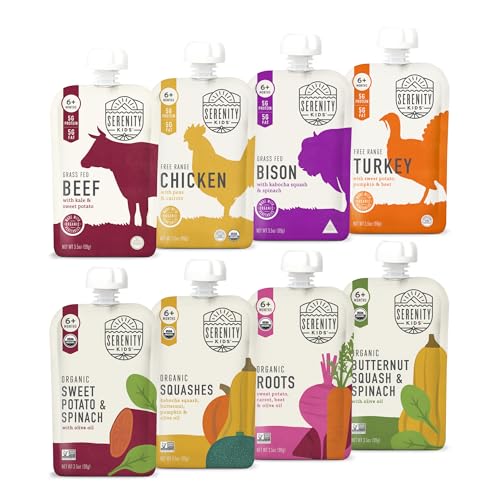
Serenity's Adventure Pouches: Dive into Serenity Kids' organic baby pouches for your little explorer's food journey. Packed with real nourishment and no added sugar, they're great for beach trips, road trips, and camping adventures
Role of additives and preservatives
Many commercial baby foods contain small amounts of added ingredients to help with flavor, texture, color, acidity, or shelf life. Most babies tolerate these products well, but a simple ingredient list can make it easier to identify what may be bothering your baby.
What are additives in baby food?
Additives include substances such as natural flavors, thickeners, acidity regulators, and color-related ingredients. Even when an ingredient is permitted, it may not be the best match for every baby’s digestion. If your baby seems unsettled after certain jarred or pouch foods, compare labels to find common items.
Preservatives and their impact on digestion
Preservatives help prevent food from spoiling during storage and transport. Examples include ascorbic acid, also known as vitamin C, and other approved compounds. Rather than assuming every preservative is harmful, focus on repeat patterns: the same product, same ingredient, and same symptom more than once.
How to identify additives and preservatives
Always check the ingredient list on baby food packaging. Words like “flavor,” “thickener,” “citric acid,” or “concentrate” may signal extra ingredients beyond fruits, vegetables, grains, or meats. In general, fewer ingredients make tracking symptoms easier.
Are homemade baby foods a safer option?
Homemade baby foods give you more control over ingredients, salt, sugar, seasoning, and texture. That can be helpful for sensitive babies. However, homemade food still needs safe preparation and storage. Wash hands, clean surfaces, cook foods until soft, blend to a safe texture, and refrigerate leftovers promptly.
Homemade vs. store-bought options
When your baby has an upset stomach, it’s easy to question whether homemade or store-bought baby food is better. Both can be healthy. The key is how they are chosen, prepared, served, and stored.
Homemade baby food: what you need to know
Homemade baby food gives you full control over ingredients. You can avoid added sugar, unnecessary salt, heavy seasoning, and ingredients that caused symptoms before. Simple purees of steamed carrots, peas, pumpkin, squash, or sweet potato can be easier to track than complex blends.
Preparation matters. Undercooked, chunky, heavily seasoned, or poorly stored foods can upset a baby’s stomach or increase foodborne-illness risk. Make vegetables soft, mash or blend to your baby’s skill level, and avoid adding salt, sugar, honey, or spicy seasonings.
Store-bought baby food: convenience vs. control
Store-bought baby food is convenient and comes in ready-to-serve portions, which is especially helpful for busy days or travel. Many brands offer simple options with only one or two ingredients.
The trade-off is less flexibility. Read labels carefully and avoid products that contain ingredients your baby has reacted to before. Look for simple labels such as “carrots and water” or “pear puree,” especially when you are still identifying triggers.
How to decide which is right for you
You do not have to choose only one approach. Many families use a mix of homemade and store-bought foods. Watch how your baby responds, adjust ingredients and textures as needed, and talk with your pediatrician if reactions are severe, repeated, or confusing.
Tips for introducing new foods
Introducing new foods is an exciting milestone, but it can feel stressful when you worry about tummy trouble. A slow, mindful approach can help protect your baby’s digestion while still letting them explore new tastes and textures.
Start small and simple
Begin with single-ingredient foods like mashed banana, pureed carrot, pumpkin, avocado, or plain iron-fortified infant cereal. Offer only a spoonful or two the first time. If your baby tolerates it well, slowly increase the amount over the next few days.
Stick with one new food at a time. The CDC recommends waiting 3 to 5 days between new foods so it is easier to identify possible reactions.
Watch for signs of discomfort
After each new food, pay attention to your baby’s behavior and diapers. Extra fussiness, gassiness, spitting up, diarrhea, constipation, or rash in the hours after eating may signal that a food is not agreeing with your baby right now.
If symptoms are mild, pause that food and try again in a week or two. Babies’ digestive systems mature quickly, and some foods that caused trouble early on may be tolerated later.
Time it right
Offer new foods when your baby is calm, alert, supported upright, and not overly hungry or tired. Avoid introducing new foods when your baby is sick, recovering from a stomach bug, or unusually unsettled.
Introducing new foods earlier in the day makes it easier to watch for reactions and reach your pediatrician if needed.
Consider allergies and sensitivities
Foods like egg, peanut, dairy, wheat, soy, fish, shellfish, sesame, and tree nuts can trigger allergies in some children. Current guidance does not recommend delaying baby-safe allergenic foods once a baby is ready for solids, but texture matters. Peanut butter, for example, should never be offered in thick spoonfuls because it can be a choking hazard.
If your baby has severe eczema, an egg allergy, a previous reaction, or a strong allergy history, ask your pediatrician how to introduce peanut and other allergens safely.
Don’t rush the process
Babies need time to adjust to new tastes and textures. It is normal for them to reject a food several times before accepting it. Offer small amounts without pressure, and try again after a few days if they turn away at first.
Remember, this stage is about learning and exploration. Breast milk or formula remains a major source of nutrition during the early months of solids.
Foods and drinks to avoid or limit
Some foods are not ideal for babies because they can increase the risk of illness, choking, or digestive discomfort. The CDC lists several foods and drinks to avoid or limit for infants and young children.
- Honey before 12 months: Honey can cause infant botulism and should not be added to food, water, formula, or pacifiers.
- Cow’s milk as a drink before 12 months: Cow’s milk is not recommended as the main drink before a baby’s first birthday.
- Juice before 12 months: Fruit or vegetable juice is not recommended for babies under 12 months.
- Added sugars: Choose plain foods without added sugar, including plain yogurt instead of sweetened yogurt.
- High-salt foods: Avoid salty packaged foods, processed meats, and salty adult foods.
- Unpasteurized foods or drinks: Avoid unpasteurized juice, milk, yogurt, or cheese because they can contain harmful bacteria.
Choking-safe textures matter
Even healthy foods can be unsafe if they are the wrong size, shape, or texture. The CDC’s choking hazard guidance lists foods such as whole grapes, hard raw carrots or apples, whole nuts, chunks of nut butter, hot dogs, large chunks of cheese, popcorn, and chewy candies as choking risks for young children.
For babies, foods should be soft, mashed, pureed, or cut and prepared in a way that matches their feeding skills. Always supervise your baby while eating and keep them seated upright.
What to do if baby food seems to upset your baby’s stomach
- Pause the suspected food. Stop offering it for now, especially if symptoms repeat.
- Keep feeding familiar tolerated foods. Do not remove many foods at once unless your pediatrician advises it.
- Write down the pattern. Note the food, amount, time, symptoms, and how long they lasted.
- Check the full ingredient list. A reaction to a pouch may come from a blend, dairy ingredient, wheat, acidity regulator, or added flavor rather than the main fruit or vegetable.
- Try a smaller amount later if symptoms were mild. Wait a week or two, then offer a tiny portion when your baby is well.
- Call your pediatrician for repeated, severe, or unclear reactions. Bring your food diary and product label if you have one.
When to consult a pediatrician
Mild tummy upsets are common when babies start new foods and often settle with simple changes. However, some symptoms need prompt medical advice to rule out allergy, infection, dehydration, reflux, constipation, or another condition.
Unusual symptoms that persist
Contact your pediatrician if vomiting, diarrhea, constipation, or obvious abdominal pain continues, keeps returning, or seems to worsen with feeds. Persistent symptoms can signal more than a simple food adjustment.
Severe allergic reactions
Seek emergency help right away if your baby has facial swelling, trouble breathing, wheezing, widespread hives, repeated vomiting with weakness, or becomes very pale, limp, or unusually sleepy after eating. HealthyChildren.org from the American Academy of Pediatrics describes anaphylaxis as a rapid, severe, life-threatening allergic reaction.
Weight loss or poor weight gain
Babies should steadily gain weight over time. If your baby is not gaining well, loses weight, feeds poorly, or refuses several feeds in a row, speak with your pediatrician.
Blood in stool
Blood in your baby’s stool is a red flag. It may indicate a food protein intolerance, infection, anal fissure, or another digestive issue that needs professional assessment. Contact your pediatrician promptly if you see red or black streaks in the diaper.
Signs of dehydration
Call your pediatrician urgently if your baby has diarrhea or vomiting with very few wet diapers, dry mouth, no tears when crying, unusual sleepiness, or a sunken soft spot. Babies can dehydrate quickly.
Refusal to eat
If your baby refuses to eat or drink for several feeds in a row, or seems distressed every time they eat, this deserves medical attention. Your doctor can help identify whether the problem is food-related or due to another condition.
Remember that not all tummy troubles are caused by baby food. Infections, reflux, constipation, swallowed air, or other medical issues are also common in infants. When in doubt, it is safer to have your baby checked by a pediatrician.

Conclusion
Upset stomachs from baby food do happen, but they are often mild and manageable. The safest approach is to introduce single-ingredient foods slowly, keep portions small, choose safe textures, watch for symptom patterns, and avoid forcing foods when your baby turns away.
If symptoms are severe, persistent, or worrying, check in with your pediatrician. Every baby is unique, and reactions can vary. With careful observation and a few small adjustments, you can help protect your baby’s digestion and make mealtimes calmer for both of you.
Small changes can make a big difference.
Glossary
- Food allergy
- A reaction in which the immune system overreacts to a specific food, potentially causing symptoms such as hives, swelling, vomiting, coughing, wheezing, or breathing difficulties.
- Food intolerance or sensitivity
- A non-allergic reaction to a food that can cause symptoms like gas, bloating, diarrhea, constipation, or stomach discomfort but does not involve the immune system.
- Gastroenteritis
- An infection of the stomach and intestines, often called “stomach flu,” that can cause vomiting, diarrhea, fever, and stomach cramps.
- Anaphylaxis
- A rapid, severe allergic reaction that can be life-threatening and needs emergency treatment.
Frequently Asked Questions
Can baby food cause an upset stomach?
Yes. Baby food can cause temporary stomach upset, especially when new foods are introduced too quickly, portions are large, or ingredients like dairy, wheat, acidic fruits, or gas-forming vegetables bother your baby. Most mild episodes settle, but ongoing pain, vomiting, blood in stool, poor feeding, or breathing symptoms need medical advice.
How can I tell if baby food is upsetting my baby’s stomach?
Watch for patterns after meals: increased crying, arching, gas, bloating, diarrhea, constipation, rashes, hives, or repeated spitting up soon after eating. If the same food seems to trigger symptoms two or more times, pause it and discuss it with your pediatrician.
Why is my baby’s stomach upset after starting solids?
When babies start solids, their digestive system is adjusting to new textures, fiber, starches, proteins, and portions. This can temporarily cause gas, looser stools, constipation, or fussiness. Starting slowly with soft, single-ingredient foods usually helps, but persistent or severe symptoms should be checked.
How do I know if my baby isn’t tolerating solids?
Signs include frequent vomiting, diarrhea, hard stools, extreme fussiness after meals, refusal to eat, poor weight gain, blood in stool, or rashes linked to specific foods. Stop the suspected food and seek medical advice, especially if symptoms are severe or your baby seems unwell.
Which purees are more likely to cause gas in babies?
Gas is more common with high-fiber or gas-forming foods such as broccoli, cauliflower, cabbage, peas, beans, prunes, apples, and pears. Introduce these in tiny amounts, one at a time, and balance them with gentler options like carrot, pumpkin, banana, avocado, or sweet potato.
Should I stop solids if my baby gets constipated?
You may not need to stop all solids. Pause the suspected food, keep offering breast milk or formula, and try softer foods that your baby already tolerates. Call your pediatrician if stools are very hard, painful, bloody, or constipation keeps returning.
Can store-bought baby food upset a baby’s stomach more than homemade food?
Either type can upset a baby’s stomach if the ingredient, texture, or portion does not suit them. Store-bought foods are convenient but may contain blends or extra ingredients. Homemade foods give more control, but they must be prepared, cooked, and stored safely.
Related articles
Sources
- CDC: When, What, and How to Introduce Solid Foods — supports single-ingredient foods, 3 to 5 day spacing, allergen introduction, and safe textures.
- CDC: Foods and Drinks to Avoid or Limit — supports guidance on honey, added sugars, high-salt foods, cow’s milk, juice, and unpasteurized foods.
- CDC: Choking Hazards — supports choking-safe food preparation and foods to avoid.
- HealthyChildren.org: Anaphylaxis in Infants & Children — supports emergency allergy warning signs.
- FoodSafety.gov: Children Under Five — supports foodborne-illness risk and safe preparation/storage concepts for young children.
- FDA: Food Additives and GRAS Ingredients — supports food additive safety and label-reading guidance.