
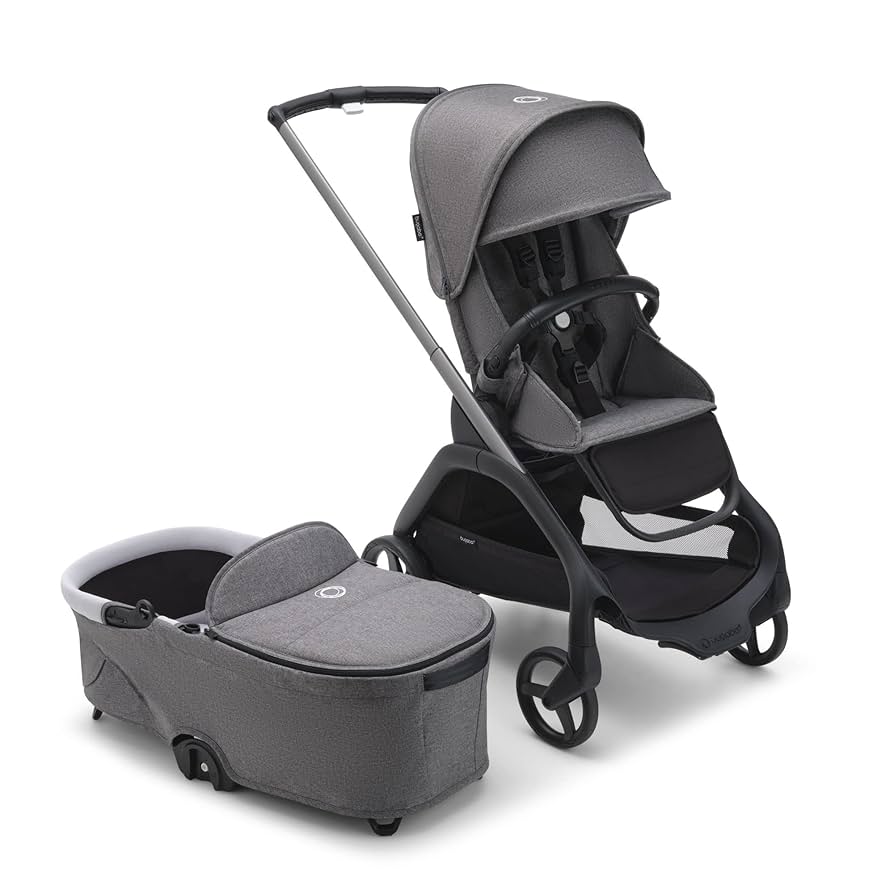
Ever hit a crack in the sidewalk and felt the stroller jolt? Suspension is what helps that bump feel smaller, so your baby stays comfy and you keep control.
Stroller suspension is the system that lets the wheels and frame absorb bumps. It reduces jolts and vibration on uneven ground, which can help your baby stay settled, improve steering, and support stability. If you walk on rough sidewalks, curbs, or trails, good suspension can make daily rides smoother.
Key takeaways
- Suspension softens bumps, helping babies stay comfortable on the go.
- A steadier ride can make the stroller easier to push and steer.
- Better shock absorption may reduce wear on wheels and the frame over time.
- Your terrain matters: city cracks need less than gravel, grass, or trails.
How stroller suspension works
Stroller suspension works like a car’s shock absorbers. Parts of the frame or wheel mounts flex so the stroller can roll over bumps without sending the full hit to the seat. Some strollers add suspension to two wheels. Others use all-wheel or “independent” suspension so one bump doesn’t shake the whole stroller as much.
Common suspension setups
- Front-wheel suspension: helps with small bumps and curb cuts.
- Rear-wheel suspension: can feel smoother when you lift the front wheels over a curb.
- All-wheel/independent suspension: best for uneven ground and off-road paths.
Enhancing comfort for your baby
Babies feel vibration more than adults do, especially when they’re resting or sleeping. A good suspension system can reduce the “rattle” over cracks and pavers, making naps on the go easier. If you’re troubleshooting a rough ride, see these tips on how to make a stroller more comfortable for baby.

Safety and handling benefits
Suspension doesn’t replace core safety features (like a secure harness and reliable brakes), but it can support stability. When the stroller stays more “planted” on uneven ground, you get steadier steering and fewer sudden jerks.
In the U.S., strollers must meet a federal safety rule (16 CFR Part 1227) based on the ASTM stroller standard. These rules focus on things like stability, brakes, and harnesses. For more detail, see the CPSC guidance for carriages and strollers.
Terrain adaptability: do you need suspension?
It depends on where you walk. Many city parents are fine with basic suspension if most trips are on smooth sidewalks and indoor floors. If you often deal with cracked pavement, cobblestones, gravel, grass, or trails, stronger suspension matters more.
Recommended Products

Durable Design: 3-wheel stroller perfect for all-terrain navigation

3-wheel design offers easy maneuverability
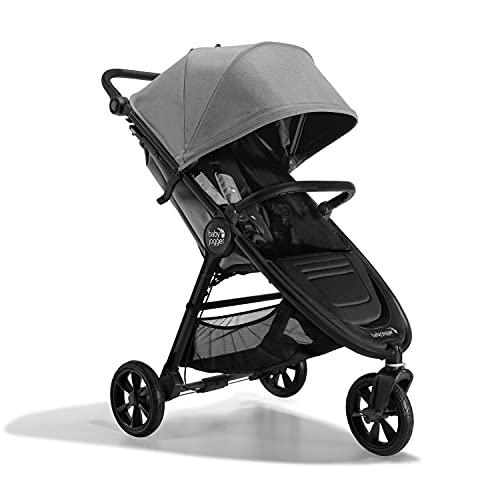
Baby Jogger Pike Collection exclusive products include: a belly bar, leatherette finish on the handlebars, premium fabrics, and a textured canopy
Quick guide
- Mostly smooth surfaces: basic or two-wheel suspension is usually enough.
- Rough sidewalks and curbs: look for better suspension plus larger wheels.
- Trails or jogging: prioritize all-wheel suspension, larger tires, and a lockable front wheel.
Also remember that wheel size and tire type matter. Many expert reviews of jogging and all-terrain strollers prioritize oversized tires and strong suspension for rough surfaces.
How to evaluate stroller suspension before you buy
- Do a “push test”: press down on the handle and release. You want a controlled rebound, not a harsh snap or loose wobble.
- Roll it over a bump: try a curb cut or door threshold and listen for rattles.
- Check steering: push one-handed on a smooth floor. A stable stroller tracks straight.
- Match it to your child’s stage: if your baby sleeps in the stroller, prioritize smoothness and a safe recline. Review whether babies can sleep in a stroller safely for sleep-specific considerations.
Recommended Products

INFANT TO TODDLER TRAVEL STROLLER This versatile baby stroller and car seat combo is designed for smooth navigation, offering agile wheels for maximum maneuverability around corners. Meets Disney Park size requirements.

Weighing in at just 11 pounds, the Ity by Ingenuity Smooth Stroll has a lightweight, durable steel frame and folds up towards you compactly with an auto-lock feature that keeps it contained for travel and storage

Lightweight & Compact – Weighing only ~13.4 lbs, this stroller is easy to carry, travel with, and store in small spaces.
Durability and value for money
Suspension can help protect the stroller itself. By absorbing repeated impacts, it can reduce stress on wheels, joints, and the frame, which may help the stroller last longer. If you expect heavy daily use (or multiple kids), paying a bit more for a sturdier build and better ride quality can be worth it.
Recommended Products
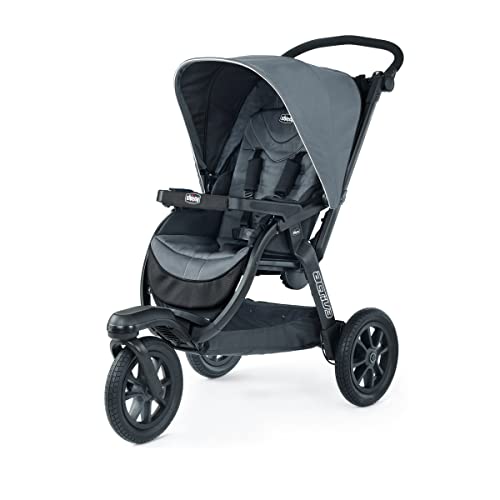
LIGHTWEIGHT JOGGING STROLLER – An aluminum frame and 3-wheel stroller design along with adjustable FlexCore rear suspension that navigates smooth or varied terrain, and durable never-go-flat, foam-filled tires offer comfort for parent and child.
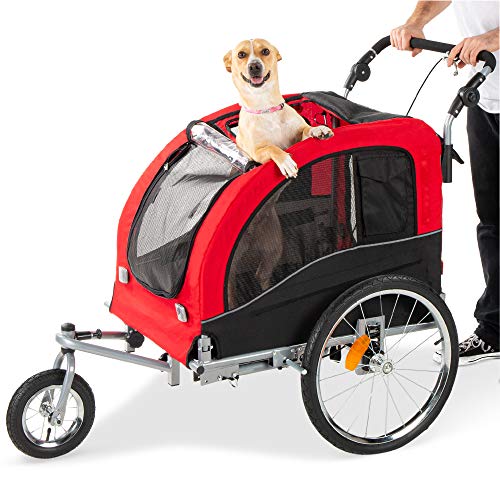
2-IN-1 STROLLER: Bring your furry friend with you on evening strolls with comfortable push handles, or hitch the stroller to your bike as a convenient bike trailer

❤️FOLDABLE INFANT STROLLER & REVERSIBLE BASSINET PRAM:In order to meet the different use needs, this stroller has special 2-in-1 design. As a landscape design toddler stroller, your baby can enjoy the outside scenery and also free from automobile exhaust pollution. As a bassinet pram, baby can immediately have a comfortable sleeping space. And our stroller is also reversible in both directions to meet your different needs.
FAQs
What is stroller suspension?
Stroller suspension is the system (springs, shocks, or flexible mounts) that lets the wheels absorb bumps. It reduces jolts and vibration so the seat feels steadier on uneven ground.
Is stroller suspension necessary for city use?
Often, yes—because curbs and cracked sidewalks are common. Basic suspension may be enough for smooth routes, but stronger suspension helps more on rough pavement and frequent curb cuts.
Is all-wheel suspension better than two-wheel suspension?
All-wheel suspension usually feels smoother on uneven terrain because each wheel can absorb impacts. Two-wheel suspension can still help, but you may feel more jostling when only one side hits a bump.
Does suspension matter for jogging strollers?
Yes. Jogging strollers are built for rougher surfaces and higher speeds, so strong suspension and larger tires help keep the ride stable. For running, also look for a lockable front wheel and a safety tether.
Conclusion
Stroller suspension matters because it softens bumps, supports steadier handling, and can make everyday walks more comfortable for your baby. Choose the level of suspension that matches your terrain and how often you’ll use the stroller, and pair it with core safety features for the best overall ride.





1 thought on “Why Is Stroller Suspension Important?”