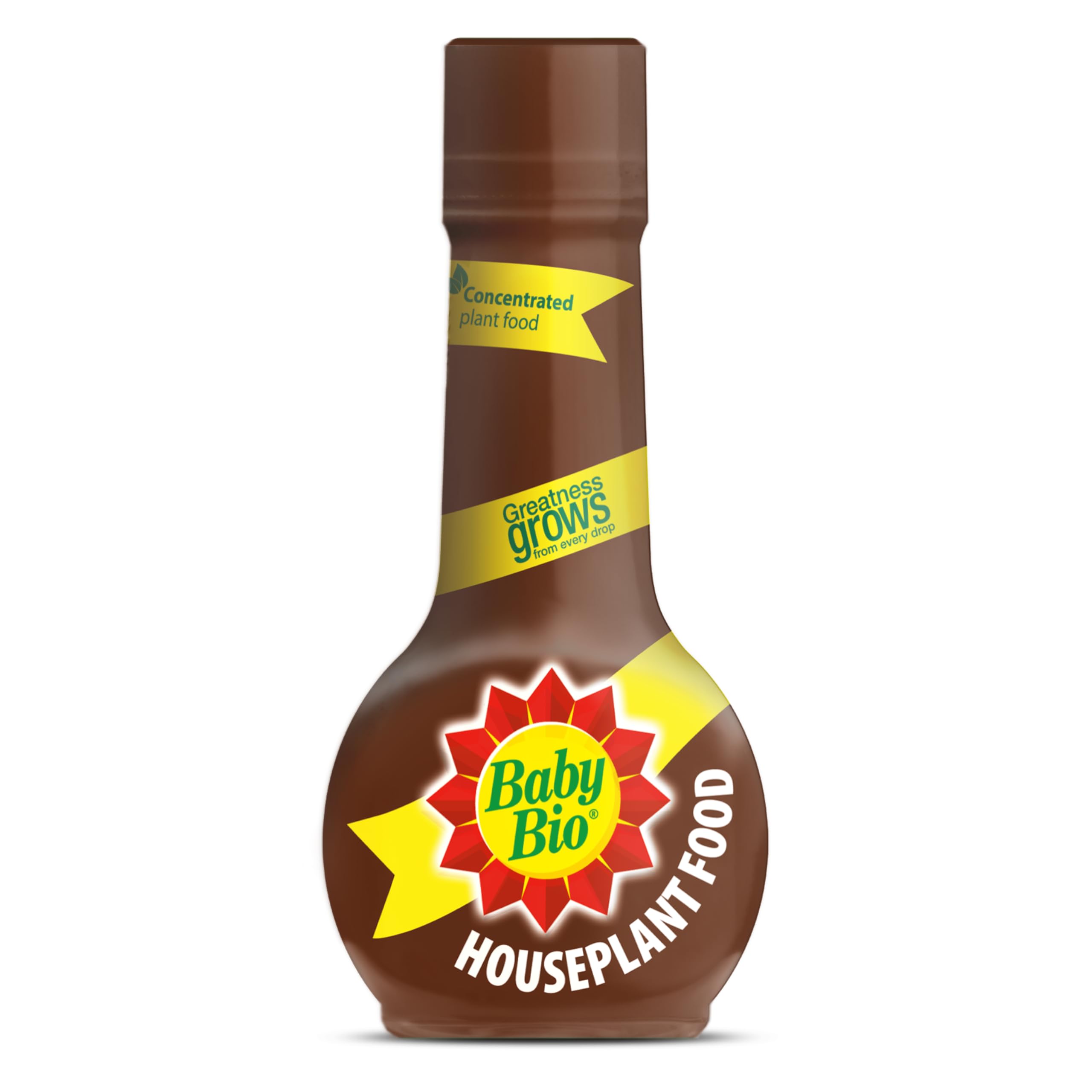
Have you ever found yourself staring at your plants, wondering if they need a little extra love to truly thrive? You’re not alone. Keeping plants healthy and vibrant can sometimes feel like a guessing game, especially when it comes to feeding them. That’s where Baby Bio Plant Food comes in—a trusted favourite among plant enthusiasts for over 70 years, manufactured by SBM Life Science. But how do you know exactly when and how to use it?
When to use Baby Bio: The best time to use Baby Bio Plant Food is during the active growing season, which typically runs from early spring through late summer. For most houseplants, apply the feed every 7–14 days when you see new leaves or shoots appearing. Reduce feeding significantly in autumn and stop during winter dormancy to prevent root burn.
Key Takeaways
- Active Growth: Feed weekly or fortnightly only when plants are growing (spring/summer).
- Dosage — Two Methods: Either add 5–10 drops per ½ litre of water every time you water, or mix ½ capful in 1 litre of water and feed every 2 weeks.
- High-Nitrogen Formula: Baby Bio Original has an NPK of 10.6-4.4-1.7, making it ideal for foliage growth. For flowering plants, consider a high-potash alternative.
- Winter Rest: Most indoor plants need a break from feeding during colder months.
- Deficiency Signs: Yellowing leaves often indicate a need for the nitrogen boost Baby Bio provides.
- Product Range: Baby Bio now offers specialised feeds for orchids, citrus, succulents, herbs, plus an organic formula and convenient drip feeders.
Baby Bio Product Range – Which One Do You Need?
Baby Bio is no longer just one bottle. The range has expanded significantly to cater for different plant types and feeding preferences. Understanding which product suits your plants helps you get far better results.
| Product | NPK Ratio | Best For | Key Feature |
|---|---|---|---|
| Baby Bio Original | 10.6-4.4-1.7 | General houseplants, foliage plants | High nitrogen for lush green leaves |
| Baby Bio Organic | 3-2-5 | All houseplants (organic preference) | Seaweed-infused; high potassium for disease resistance; OF&G approved |
| Baby Bio Orchid Food | Specialist formula | Orchids | Tailored nutrients for frequent flowering |
| Baby Bio Succulent Food | 4-5-4 | Cacti, succulents, aloe, jade | Stronger spines, balanced growth and flowering |
| Baby Bio Citrus Food | Specialist formula | Citrus trees and plants | Nutrients citrus plants specifically need |
| Baby Bio Drip Feeders | Pre-mixed | All houseplants / orchids | Ready-to-use; lasts up to 4 weeks per feeder; no mixing needed |
| Baby Bio Leaf Shine | N/A | All houseplants | Aerosol spray to clean leaves and prevent yellowing |
Important NPK note: Baby Bio Original is a high-nitrogen feed (NPK 10.6-4.4-1.7), not a balanced fertiliser. This makes it excellent for foliage plants such as monsteras, ferns, and pothos. If your primary goal is to encourage flowers or fruit, a high-potassium feed—like Baby Bio Organic (NPK 3-2-5) or a specialist flowering feed—will deliver better results.
Recommended Products

Designed for Indoor Houseplants Our indoor plant food is formulated to provide the balanced nutrition houseplants need to thrive indoors.

Best value, one bottle makes 50 gallons of nutrient rich, odorless fertilizer that feeds instantly

Easy-to-use fertilizer for all indoor plants including ferns, spider plants, pothos, and croton
Choosing The Right Time To Feed
Choosing the right time to use Baby Bio Plant Food can make all the difference in how healthy and vibrant your plants grow. Plants, like people, have their own needs depending on the season and their growth stage. So, how do you know when it’s time to feed them? Let’s break it down.
Understanding Your Plant’s Growth Stage
Before grabbing that bottle of Baby Bio, take a closer look at your plant. Is it actively growing, flowering, or perhaps sitting dormant? Feeding during active growth—spring and summer for most plants—gives them the extra nutrients they need to thrive.
On the other hand, plants in their dormant phase, usually during autumn and winter, don’t need as much food. Overfeeding during this time can actually do more harm than good, leading to salt buildup in the soil. Check your plant’s care guide or observe its behaviour to identify its growth stage.
Seasonal Timing Matters
Spring is a prime time to start using Baby Bio. As temperatures rise and daylight increases, plants wake up and start growing. A regular feeding schedule during this time supports their renewed energy needs.
Summer is another critical season. Many plants bloom or grow the fastest during these months. Feeding every 7–14 days with Baby Bio can keep them looking their best.
Autumn and Winter, however, call for a pause or reduced feeding. Think of it as giving your plant a well-deserved rest. Most indoor plants don’t grow much during these seasons, so feeding every 6–8 weeks—or not at all—is usually sufficient.
Watch The Signs From Your Plant
Your plant can tell you when it needs food. Yellowing leaves, slow growth, or fewer blooms may be a sign it’s time to give it a boost. However, ensure you don’t confuse nutrient deficiency with overwatering or pests—inspect your plant closely before deciding.
Feeding After Repotting
After repotting, your plant usually won’t need Baby Bio right away. Fresh potting mix typically contains enough nutrients to sustain it for the first few weeks (often up to 6 weeks). Wait at least a month before introducing plant food to avoid overwhelming the roots.
Seasonal Feeding Tips
Feeding plants is not a one-size-fits-all activity. It changes with the seasons. Knowing when and how to use Baby Bio Plant Food at different times of the year ensures you get the most out of every growing phase.
Spring: Boost Growth After The Winter Slumber
Spring is the season of growth. After months of dormancy, plants wake up and start actively pushing out new shoots. This is the perfect time to give them a nutrient boost. Use Baby Bio Plant Food to support fresh leaves, applying it once a week to encourage strong structure.
Summer: Sustain Energy During The Peak
During summer, your plants are in overdrive—blooming, fruiting, and growing rapidly. This can be exhausting for them, so they need consistent feeding. Continue using Baby Bio weekly, but keep an eye on larger plants like monsteras or hydrangeas; they may need consistent support to meet their high demands.
Autumn: Prep For Cooler Days
As temperatures drop, plants slow down. Autumn feeding is about preparing them for dormancy rather than promoting growth. Reduce the frequency of Baby Bio applications to every two weeks or less. This ensures they store just enough nutrients for a healthy winter rest without forcing new, weak growth that could be damaged by cold.
Winter: Minimal Feeding
Most plants go dormant in winter and don’t need much feeding. However, indoor plants in warm, centrally heated rooms may still grow slowly. Use Baby Bio sparingly—perhaps once a month or less—for houseplants like ferns. If in doubt, skip feeding until spring.
Signs Your Plants Need Nutrients
Your plants can’t speak, but they have ways of showing you when they’re struggling. If your once-thriving greenery seems lackluster, it might be crying out for nutrients.
1. Yellowing Leaves
Are your plant’s leaves turning yellow, especially the older, lower ones? This is often a classic sign of nitrogen deficiency. Baby Bio Original is particularly high in nitrogen (10.6%), which helps produce chlorophyll and restore that lush green colour.
2. Stunted Growth
If it feels like your plant has hit the pause button, nutrient deficiencies might be the culprit. Without the right fuel, plants lack the energy to develop new stems and foliage. A regular feed can restart this engine.
3. Drooping or Wilting
While often a sign of watering issues, a lack of potassium can also cause droopiness by compromising the plant’s water regulation. If watering doesn’t fix the wilt, a nutrient boost might be the answer. Note that Baby Bio Original is relatively low in potassium (1.7%), so persistent wilting may benefit more from the Baby Bio Organic formula (NPK 3-2-5), which has a higher potassium content.
4. Lack of Flowering
Have your flowering plants stopped blooming? Phosphorus and potassium are key for blooms. If your geraniums or peace lilies are refusing to flower, they may benefit from a specialist flowering feed or from Baby Bio Organic, which offers a higher potassium-to-nitrogen ratio than the Original formula. Baby Bio Original alone may not provide enough bloom-boosting nutrients for heavy flowerers.

How To Apply For Best Results
Proper application ensures healthy plants without the risk of root burn. Follow these steps for optimal growth.
1. Dilute Correctly – Two Methods
Always check the label, but Baby Bio Original offers two dilution methods:
- Method A (every watering): Add 5–10 drops per ½ litre (1 pint) of water and use every time you water during the growing season.
- Method B (fortnightly): Mix ½ capful in 1 litre (2 pints) of water and feed every 2 weeks.
Never apply the concentrate directly to the soil—it must always be diluted first.
2. Water At The Right Time
Apply the solution during your plant’s regular watering schedule. Early morning is ideal. Avoid feeding when the soil is bone dry; moisten the soil slightly with plain water first if needed to protect the roots.
3. Apply To Soil
Pour the diluted solution onto the soil around the base of the plant. Avoid splashing the leaves to prevent scorching.
4. Adjust For Plant Type
Not every plant needs the same dose or frequency:
- Leafy tropicals (monsteras, pothos, ferns): Full dose, weekly during peak growth.
- Orchids: Use the dedicated Baby Bio Orchid Food, or dilute the Original to quarter-strength.
- Succulents & cacti: Use Baby Bio Succulent Food, or dilute the Original to a quarter of the normal dose. Feed only monthly during the growing season.
- Citrus plants: Use Baby Bio Citrus Food for best results. Citrus trees are heavy feeders and benefit from fortnightly feeding in spring and summer.
- Herbs: Light feeding with Baby Bio during the growing season supports strong, flavourful growth.
How To Use Baby Bio Drip Feeders
If you prefer a hands-off approach, Baby Bio Drip Feeders are a convenient alternative to mixing concentrate. Each pre-diluted feeder lasts up to 4 weeks, making them ideal for busy schedules or when you’re away from home.
Recommended Products

🌱Accurate water volume, providing different amounts of water for different plants and flowers, The bottle mouth is 1.1 inches, suitable for most beverage bottles, not for mineral water and pure water bottles.

Adjustable Valve: The flow rate can be controlled. The plant watering Device with control valve can control the dripping speed of 0-60 s/drip, and the sustained drip lasts for 1-15 days. Only adjust the valve to Meet your needs

Easy-to-use formula for flowering plants
Step-By-Step Instructions
- Shake the drip feeder well before use.
- Cut the tip off the drip feeder using scissors.
- Push the feeder into the pot with the cut tip facing down into the soil.
- Water your plant as usual.
- Leave in place for 3–4 weeks until the feeder is empty, then replace.
Drip Feeder Tips
- Use one drip feeder for pots up to 15–20 cm. Place more than one feeder in larger pots.
- Drip feeders are available for general houseplants and specifically for orchids.
- Best used during the active growing season (spring and summer). Avoid during dormancy.
- Continue regular watering alongside the drip feeder—it supplements, not replaces, water.
Can You Use Baby Bio For Hydroponics?
Yes. Baby Bio can be used in hydroponic growing setups. Its liquid concentrate dissolves readily in water, making it suitable for hydroponic systems where plants grow without traditional soil. Use a dilute solution and monitor your plants closely, as hydroponic systems deliver nutrients directly to the roots and overfeeding can happen quickly. Start with the lower end of the dosage (5 drops per ½ litre) and increase only if your plants show signs of needing more.
Baby Bio vs Other Houseplant Feeds
Wondering how Baby Bio compares to other popular options? Here’s a quick overview to help you choose.
| Feature | Baby Bio Original | Miracle-Gro All Purpose | Westland Houseplant Feed |
|---|---|---|---|
| NPK Ratio | 10.6-4.4-1.7 (high nitrogen) | 20-20-20 (balanced) | Varies by product |
| Best For | Foliage plants, greening up leaves | General-purpose; balanced growth | General houseplants |
| Form | Liquid concentrate & drip feeders | Soluble powder & liquid | Liquid concentrate |
| Ease of Use | Drop-based dosing; very easy | Requires measuring & mixing | Cap-based dosing |
| Specialist Range | Orchid, citrus, succulent, organic, herbs | Orchid, azalea, citrus, tomato | Orchid, cacti, bonsai |
| Value (approx.) | 175 ml makes up to 70 litres | Varies by format | Varies by format |
Bottom line: Baby Bio Original excels at keeping foliage plants lush and green thanks to its high-nitrogen formula. If you need a more balanced feed for flowering plants, consider Miracle-Gro or switch to Baby Bio Organic. Baby Bio’s drop-based dosing system makes it one of the easiest feeds to use without measuring equipment.
Recommended Products

Miracle-Gro Indoor Plant Food for All Plants contains nutrients for healthier, stronger plants (vs unfed when used as directed)
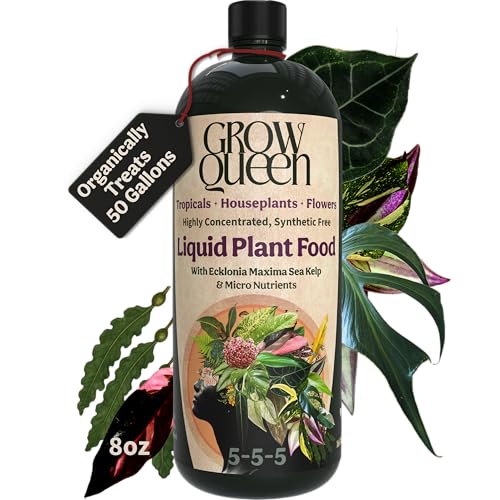
STRONGEST 5-5-5 ORGANIC LIQUID FERTILIZER – The only true 5-5-5 organic indoor plant fertilizer and plant food. Professional-grade yet gentle; feeds instantly without burn for fast growth, greener leaves, and strong roots in houseplants, tropicals, and potted plants; ideal daily indoor use. Boosts nutrients and vigor with balanced NPK.

Miracle-Gro Indoor Plant Food for Tropicals contains nutrients for lush, green foliage in indoor tropical plants
Common Mistakes To Avoid
- Overdosing: More is not better. Too much fertiliser leads to “fertiliser burn,” characterised by brown, crispy leaf tips.
- Feeding in Winter: Feeding dormant plants can cause salt buildup in the soil, damaging the roots.
- Feeding Thirsty Plants: Never feed a plant that is severely dehydrated. Water it first, wait a few hours, and then feed.
- Ignoring Plant Type: Succulents and cacti are light feeders. Use Baby Bio Succulent Food or dilute the Original to a quarter of the normal dose. Feed far less frequently than leafy tropicals.
- Using the Wrong Formula for Flowers: Baby Bio Original is high in nitrogen, which promotes leaves rather than blooms. If your flowering plant isn’t blooming, switch to a higher-potassium feed.
- Applying Concentrate Directly: Never pour undiluted Baby Bio onto soil—always mix it with water first to avoid root damage.
- Forgetting to Shake: Always shake the bottle before use to ensure the nutrients are evenly distributed.

Safety Tips & Storage
Keep out of reach of children and pets. Baby Bio is not for human or animal consumption.
- Skin & eyes: Avoid contact with skin and eyes. If contact occurs, rinse thoroughly with plenty of water.
- Gloves: Wear gloves and protective clothing when handling the concentrate.
- Storage: Store in a cool, dry place away from heat, open flames, and direct sunlight. Protect from frost.
- Outdoor use: Baby Bio Original is designed for indoor use. Do not use outdoors where it could run off into the environment. For outdoor plants, look for products specifically labelled for garden use.
- Pet safety: Keep treated plants out of reach of pets that like to chew foliage. If a pet ingests treated soil or solution, consult a vet.
- Expiry: Baby Bio does not have an expiry date. The date printed on the bottle is the manufacturing date. The product remains effective when stored correctly.
Frequently Asked Questions
When should I start using Baby Bio?
Start using Baby Bio in early spring when you notice new growth appearing on your plants. This marks the beginning of the active growing season, which continues through summer. Resume feeding gradually—perhaps fortnightly at first—then increase to weekly as growth picks up.
How many drops of Baby Bio should I use?
For the Original formula, you have two options: add 5–10 drops to every ½ litre (approx. 1 pint) of water each time you water, or mix ½ capful in 1 litre (2 pints) of water and feed every 2 weeks. Always check the specific bottle label, as formulas and sizes may vary.
Can I use Baby Bio in winter?
It is best to avoid or drastically reduce feeding in winter. Most houseplants are dormant and cannot absorb nutrients efficiently, leading to potential salt buildup in the soil. If your home is very warm and plants are still actively growing, feed only once every 6–8 weeks at most.
Is Baby Bio suitable for all plants?
Baby Bio Original is excellent for most leafy houseplants thanks to its high-nitrogen formula. However, for orchids, cacti, succulents, or citrus plants, it is better to use the specific Baby Bio formulations designed for their unique nutrient requirements. Alternatively, dilute the Original to quarter-strength for orchids and succulents.
What happens if I overfeed my plants?
Overfeeding causes a buildup of mineral salts, which can burn roots and result in brown leaf tips or wilting. If this happens, flush the soil with plenty of plain water to wash out excess nutrients, and stop feeding for several weeks until the plant recovers.
Does Baby Bio expire?
No. Baby Bio does not have an expiry date. The date printed on the bottle is the manufacturing date. As long as it is stored correctly—in a cool, dry place away from frost and direct sunlight—it will remain effective.
Is Baby Bio safe for pets?
Baby Bio should be kept out of reach of pets. While it is a plant fertiliser and not a pesticide, ingestion could cause stomach upset. Keep treated plants away from pets that tend to chew leaves or dig in soil, and consult a vet if your pet ingests any.
Can I use Baby Bio on outdoor garden plants?
Baby Bio Original is formulated for indoor houseplants. For outdoor garden plants, look for products specifically designed for garden use. SBM Life Science (the makers of Baby Bio) also produce outdoor plant care products under the broader range.
Can I use Baby Bio in hydroponics?
Yes, Baby Bio can be used in hydroponic setups. Its liquid form dissolves easily in water. Start with a low dose (5 drops per ½ litre) and adjust based on plant response, as hydroponic systems deliver nutrients directly to roots and overfeeding is more likely.
What is the NPK ratio of Baby Bio Original?
Baby Bio Original has an NPK ratio of 10.6-4.4-1.7 (UK formulation), making it a high-nitrogen fertiliser. This means it is particularly effective for promoting leafy, green growth. The US formulation may differ slightly (listed as 5-2-1 on some packaging).
How long does a bottle of Baby Bio last?
The standard 175 ml bottle of Baby Bio concentrate makes up to approximately 70 litres of diluted feed. For a typical household with a handful of plants fed weekly during the growing season, one bottle can last an entire year or more.