Salt can make food taste better to you, but your baby does not need it in their first meals.
Your baby’s kidneys still need time to grow, so too much sodium can strain their body. This guide explains when salt becomes safer, how much babies and toddlers can have, and how you can add flavor without adding risk.
What’s in This Article
Quick Answer
Do not add salt to baby food before 12 months unless your pediatrician tells you to. Babies usually get enough sodium from breast milk, formula, and natural foods. After 12 months, you can use very small amounts, but you should still limit salty foods and check labels.
Key Takeaways
- Avoid adding salt to food for babies under 12 months.
- Use herbs, mild spices, fruits, and vegetables to add natural flavor.
- Check labels because packaged foods, broths, cheese, and sauces can contain hidden sodium.
- Limit toddler salt intake and choose fresh foods more often than processed foods.
- Ask your pediatrician before changing your baby’s diet if your child has health concerns.
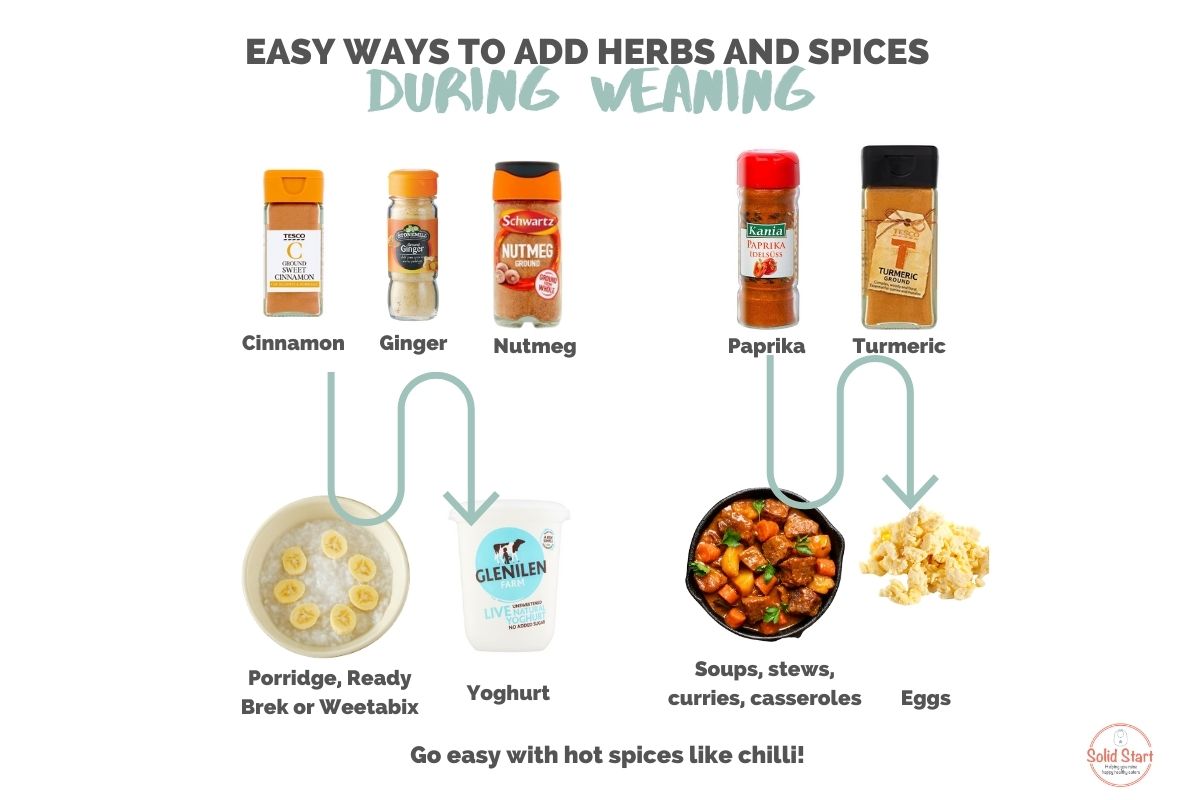
Credit: solidstart.ie
Benefits Of Avoiding Salt Early
When you introduce solids, you may want to add a pinch of salt for taste. Your baby does not need it. Simple foods help your baby learn the real taste of fruits, vegetables, grains, and proteins.
Why Babies Don’t Need Salt
Babies have sensitive taste buds. They can enjoy natural flavors without added salt, sugar, or strong sauces. Salt can cover those flavors and make salty foods seem more appealing later.
Your baby’s kidneys also need time to mature. Too much sodium can strain their system, especially during the first year. A low-salt start gives their body a safer way to grow.
Encouraging Healthy Eating Habits
Your baby builds taste habits from the foods you serve often. If you serve fresh foods without added salt, your baby can learn to enjoy mild and natural flavors. This can support better food choices as your child grows.
Think about the foods you want your child to enjoy most. Fresh fruit, vegetables, beans, grains, eggs, fish, and plain meats all offer flavor without added salt.
Preventing Long-term Health Issues
High salt intake can contribute to high blood pressure over time. Babies and toddlers do not need salty snacks, salted sauces, or heavily processed foods to grow well. A lower-salt diet early in life can help shape healthier habits.
Small amounts can add up fast when food comes from packets, jars, sauces, or snack bags. Check labels and choose no-salt-added or lower-sodium options when you can.
What About Flavor?
Food without salt will not taste bland to your baby. Your baby tastes mashed sweet potatoes, peas, bananas, carrots, and oats for the first time. Those foods already offer new flavors and textures.
You can use safe flavor options like cinnamon with apples or mild herbs with vegetables. Start with tiny amounts and watch how your baby responds.
Pro tip: Season the family meal after you remove your baby’s portion so everyone can eat safely.
Takeaway: Start Simple
You do not need to overthink baby food. Keep meals simple, soft, and free from added salt. This gives your baby a safe start and helps natural flavors shine.
Age-appropriate Salt Guidelines
Salt plays a role in food, but babies need very little sodium. Their kidneys still develop during the first year. You should know when to avoid salt and when to use it with care.
How Much Salt Do Babies Need?
Babies under 12 months need less than 1 gram of salt per day. Breast milk, formula, and natural foods usually provide enough sodium. Added salt can push them over that limit quickly.
Toddlers aged 1 to 3 years should have no more than 2 grams of salt per day. That includes salt from snacks, bread, cheese, sauces, and packaged meals.
Why Should You Wait Until After 12 Months?
Before 12 months, babies handle sodium less well than older children. Extra salt can increase thirst and place stress on their kidneys. It can also shape a stronger preference for salty foods.
Skipping added salt helps your baby accept the natural taste of food. This matters because your baby’s early meals help shape later eating habits.
Can You Use Alternatives To Salt?
You can add flavor without sodium. Herbs like basil, parsley, and dill work well in small amounts. Mild spices like cinnamon can also add taste without salt.
For example, mashed sweet potatoes with a tiny pinch of cinnamon can taste sweet and warm. Try one new flavor at a time, especially when your baby first starts solids.
What About Store-bought Baby Food?
Many baby foods have little or no added salt, but you should still check the label. Look for “no added salt” or lower-sodium options. Avoid foods that list salt high in the ingredients.
Homemade baby food gives you full control over seasoning. Steamed vegetables, soft fruits, mashed beans, and plain grains make simple first foods.
Health Risks Of Excess Salt
Adding salt to baby food may seem harmless, but too much can create real risks. Babies have small bodies and developing kidneys. You can lower those risks by keeping meals low in salt.
Why Babies Are More Sensitive To Salt
Babies’ kidneys cannot handle high salt levels as well as adult kidneys. Extra salt makes their body work harder to manage sodium and fluid balance. This can raise the risk of dehydration or swelling.
Your baby needs room for nutrient-rich foods. Salty foods can crowd out better choices like fruits, vegetables, grains, and proteins.
Link Between High Salt Intake And Future Health Problems
High salt intake can support a stronger preference for salty foods. Over time, that habit can make processed snacks and salty meals more appealing. A high-salt diet can also contribute to high blood pressure later in life.
Processed baby and toddler snacks can contain hidden sodium. Always read the label, even when the package looks healthy.
Signs Your Baby Might Be Consuming Too Much Salt
Too much salt may cause thirst, fewer wet diapers, bloating, or puffiness. These signs can have many causes, so do not diagnose the issue on your own. Call your pediatrician if you worry about dehydration, swelling, or sudden changes.
Warning: Seek medical help right away if your baby seems very sleepy, has trouble feeding, or has far fewer wet diapers than usual.
Practical Tips To Keep Salt Levels Low
- Cook fresh meals for your baby without adding salt.
- Choose plain meats, fish, beans, vegetables, fruits, and grains.
- Avoid processed snacks, cured meats, salty sauces, and packaged meals.
- Use mashed fruit, herbs, or mild spices for flavor.
- Read sodium levels on labels before serving packaged foods.
Your baby’s palate starts as a blank slate. Low-salt meals now can help your child enjoy less salty foods later.

Credit: wholesomebabyfood.momtastic.com
Recommended Products

Make fresh, delicious food with wholesome ingredients. You control exactly what goes in - no hidden stabilizers, preservatives, or flavor enhancers necessary.

Create fresh, healthy baby food for your from your home: Prep, mash, store, and feed - all from the same bowl

EFFORTLESS PUREE PREPARATION: Simplify your baby food prep with our innovative press & store unit, designed to help parents easily store pure, wholesome homemade purees for their little ones
Natural Flavor Alternatives
Babies do not need added salt for taste. You can still make food interesting with gentle flavors. Start small, use simple ingredients, and introduce one new flavor at a time.
1. Fresh Herbs
Fresh herbs like basil, parsley, or dill add soft flavor. Chop them finely and mix them into purees or soft foods. Use a small amount so the taste does not overwhelm your baby.
2. Mild Spices
Mild spices like cinnamon, turmeric, or sweet paprika can add warmth and color. Use a tiny pinch with fruits, vegetables, or grains. Avoid hot spices that may irritate your baby’s mouth.
3. Natural Sweetness
Fruits like apples, pears, and bananas add natural sweetness. Mash or blend them into purees for a gentle flavor boost. Choose fresh, ripe fruit instead of sweetened packaged products.
4. Vegetable Broth
Homemade vegetable broth can add flavor to potatoes, rice, soups, and mashed vegetables. Make it without salt. Avoid store-bought broths unless the label clearly says no added salt.
5. Lemon Or Orange Zest
A tiny amount of lemon or orange zest can add fresh flavor. It pairs well with vegetables, grains, and lentils. Wash citrus fruit well before zesting it.
6. Garlic And Onion Powder
Garlic powder and onion powder can add mild savory flavor. Use plain powders without salt or seasoning blends. Start with a tiny sprinkle because strong flavors can surprise babies.
7. Roasting Or Steaming
Cooking methods can change flavor without salt. Roasting brings out sweetness in carrots, sweet potatoes, and squash. Steaming keeps foods soft and simple for early feeding.
8. Coconut Milk
Unsweetened coconut milk can add creamy texture and mild sweetness. Use small amounts in purees, soups, or soft grains. Choose unsweetened products and check labels for added sodium.
9. Nut Butters
Thin, smooth peanut or almond butter can add flavor and healthy fats. Mix a small amount into oatmeal, yogurt, or fruit puree. Follow your pediatrician’s guidance if your baby has eczema, allergies, or a family history of food allergy.
Recommended Products

7G OF PROTEIN FOR BABY: Beech-Nut Meat Baby Food is a savory blend of real pureed chicken & chicken broth. Each jar contains 7 grams of protein to help keep baby full.

ON THE GO BABY FOOD: Gerber Stage 2 Baby Food, Sweet Potato Puree Tubs are designed for ease and convenience. Our tubs are the perfect on the go baby food, made in a portable and easy-to-store format for busy parents

CONVENIENT BABY FOOD: Our Gerber Chicken and Gravy Jar is designed for ease and convenience. These jars of baby food are made in a portable and easy-to-store format for busy parents
Recognizing Hidden Salt Sources
You may avoid sprinkling salt into baby food and still serve more sodium than you expect. Salt can hide in common foods and ingredients. Reading labels helps you keep your baby’s meals safer.
Hidden Salt In Packaged Baby Foods
Store-bought baby foods can contain added salt, even when the front label sounds healthy. Check the nutrition label and ingredient list before you buy. Choose products with little sodium and no added salt when possible.
Toddler snacks like crackers, puffs, and biscuits can also contain salt. Fresh fruit, soft cooked vegetables, plain yogurt, and homemade snacks give you more control.
Salt In Everyday Ingredients
Some common ingredients already contain salt. Broths, cheese, butter, bread, and canned foods can add sodium to a meal. Even lower-sodium versions can add up across the day.
Check every ingredient before you season food. You may find that the recipe already contains enough sodium without adding more.
Condiments And Sauces
Soy sauce, ketchup, gravy, stock cubes, and salad dressings often contain a lot of salt. These foods can quickly raise your baby’s sodium intake. Skip them for babies and use herbs or homemade sauces instead.
Processed Meats And Fish
Sausages, bacon, ham, deli meat, smoked fish, and cured fish often contain high salt levels. Babies do not need cured or processed foods. Choose fresh meat, poultry, fish, eggs, beans, or lentils instead.
Cook your baby’s portion plainly first. Then season the rest of the family meal after you remove your baby’s serving.
Why Recognizing Hidden Salt Matters
Your baby’s kidneys still develop during the first year. Hidden sodium can strain their body and make salty foods feel normal. A little label reading can protect your baby and build better habits.
Recommended Products

DELICIOUS 18 COUNT VARIETY PACK: This variety pack contains (6) Protein & Fiber (apple, yogurt, raspberry, purple carrot, oat), (6) Iron & Zinc (apple, blueberry, spinach), and (6) Prebiotic Fiber (carrot, apple, sweet potato) pouches

Clearly Crafted: When it comes to caring for your baby, transparency is everything. Thats why we bring you Clearly Crafted. Our clear packaging lets you see the ingredients in each recipe, in all its vibrant color. its goodness you can see

CONVENIENT BABY FOOD: Gerber baby puree variety packs are designed for ease and convenience. These jars of baby food are made in a portable and easy-to-store format for busy parents
Consulting Pediatric Recommendations
Parents often wonder when they can add salt to baby food. Most babies do best without added salt during the first year. Your pediatrician can give advice based on your baby’s growth, health, and feeding needs.
Understanding sodium needs helps you make safer choices. Too much salt can strain developing kidneys. Your pediatrician can help you decide how to season meals as your baby grows.
What Pediatricians Say About Salt For Babies
Most pediatric guidance recommends avoiding added salt before 12 months. Babies usually get enough sodium from breast milk or formula. Fruits, vegetables, grains, and proteins also contain small natural amounts.
Your pediatrician may suggest focusing on natural flavors first. This helps your baby learn the taste of real foods without relying on salt.
Why Professional Guidance Matters
Every baby has different needs. Some babies may need stricter sodium limits because of kidney, heart, or growth concerns. A pediatrician can guide you based on your child’s medical history.
Use online advice as general education, not a personal diagnosis. Your child’s doctor knows the details that matter most.
When To Revisit Recommendations
Your baby’s needs change after the first birthday. At that point, your pediatrician may talk with you about family meals, toddler snacks, and sodium limits. Regular checkups help you adjust as your child grows.
Bring food labels or meal questions to your visit if you feel unsure. Small changes can make your child’s diet safer and easier to manage.
Credit: www.wholesomebabyfoodguide.com
Frequently Asked Questions
When To Start Adding Salt To Baby Food?
You can use very small amounts of salt after 12 months, but you should still limit it. Before 12 months, do not add salt unless your pediatrician tells you to. Use natural flavors and fresh foods instead.
When Making Baby Food Do You Add Salt?
Do not add salt when you make baby food for a child under 12 months. Your baby’s kidneys still develop and cannot handle extra sodium well. Keep foods plain and season the family portion later.
Can Baby Purees Have Salt?
Baby purees should not contain added salt. Extra sodium can strain your baby’s kidneys and shape a taste for salty foods. Use fruits, vegetables, herbs, and mild spices for flavor.
Can We Add Salt To A 6 Month Old Baby?
No, do not add salt to food for a 6-month-old baby. Breast milk or formula provides the main nutrition at this age, and first foods should stay simple. Ask your pediatrician for guidance if your baby has special feeding needs.
What Should You Do If Your Baby Eats Salty Food Once?
One small salty bite usually does not cause harm in an otherwise healthy baby. Offer breast milk, formula, or water if your baby is old enough for water. Call your pediatrician if your baby seems unwell, very thirsty, swollen, or has fewer wet diapers.
Which Foods Have The Most Hidden Salt For Babies?
Common hidden sources include broth, cheese, bread, crackers, sauces, cured meat, and packaged snacks. Check labels before serving these foods. Choose fresh or no-salt-added options whenever you can.
Medical Disclaimer: This article is for informational purposes only and does not constitute professional medical advice. Always consult a qualified doctor before making decisions based on this information.
Conclusion
Your baby does not need added salt before 12 months, and toddlers still need only small amounts. Choose fresh foods, read labels, and season your baby’s meals with gentle herbs or mild spices instead.
If you feel unsure, ask your pediatrician before you change your baby’s diet. Simple, low-salt meals can help your child build healthy eating habits that last.
References
- What to feed young children — NHS
- Foods to avoid giving babies and young children — NHS
- When, what, and how to introduce solid foods — Centers for Disease Control and Prevention
- Sodium and kids — American Heart Association