Navigating the exciting world of parenting comes with countless questions, and one common query is, “When can your baby use a normal stroller?” As a parent, you want the best for your little one, ensuring both safety and comfort as they explore the world around them.
Strollers are essential tools that offer convenience and ease, but choosing the right time to transition from an infant carrier to a regular stroller can be puzzling. This decision impacts not only your baby’s well-being but also your daily routine.
In the following article, we’ll uncover the ideal age for this transition, providing you with peace of mind and empowering you with the knowledge you need to make informed choices. Whether you’re a first-time parent or seasoned in the art of parenting, understanding the right time for this change can transform your walks into seamless adventures. Dive in, and discover how to create a safer, happier experience for both you and your baby.
Credit: hellomockingbird.com
Importance Of Stroller Readiness
The transition to a stroller is a significant milestone for any baby. It marks a new phase in their development. Understanding stroller readiness is crucial for ensuring your child’s safety. Not all strollers suit newborns. Some require infants to reach a certain age or developmental stage.
Stroller readiness means your baby can safely use a regular stroller. This readiness is influenced by factors like neck strength and sitting ability. Knowing when your baby can use a stroller helps prevent accidents. It also ensures a comfortable experience for them.
Understanding Neck And Head Control
Neck control is vital for stroller readiness. Babies need strong neck muscles before using a stroller. Without it, their head might flop forward. This can lead to discomfort or injury.
Most babies develop neck control by three to six months. During this time, they learn to hold their head steady. A stroller with a reclining seat can help if your baby is still developing neck strength.
Assessing Sitting Ability
A baby’s ability to sit independently is another key factor. Sitting without support means your baby is ready for a regular stroller. It shows their muscles are strong enough to maintain balance.
Usually, babies sit unassisted by six months. This is a good indicator for stroller transition. Always check the manufacturer’s guidelines for age recommendations.
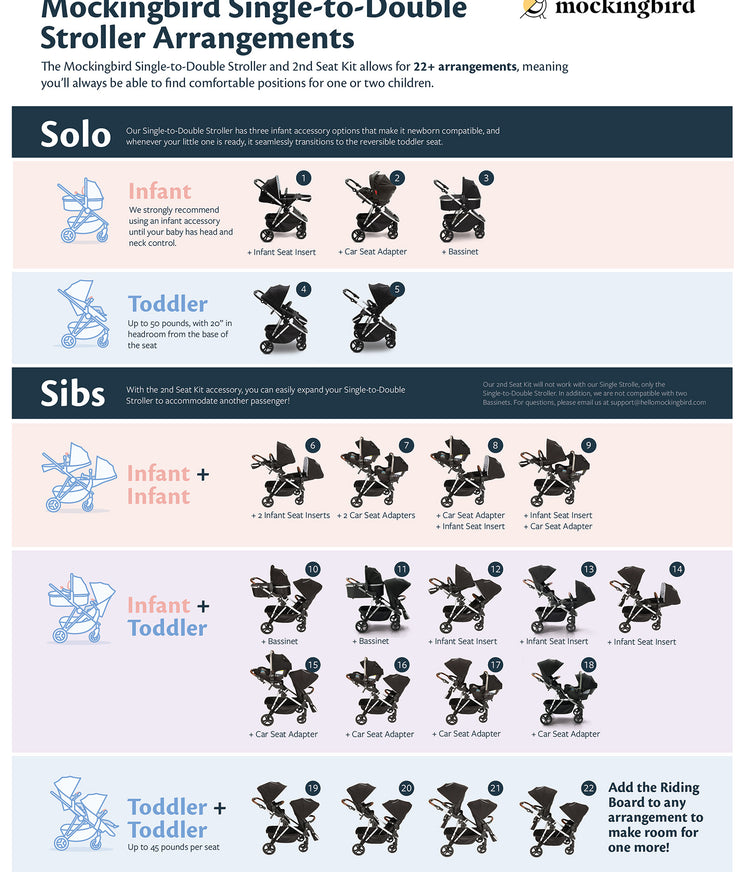
Stroller types vary based on age suitability. Some are designed for newborns, others for older infants. Choosing the right type ensures your baby’s safety and comfort.
Newborn-friendly strollers often feature a bassinet attachment. This allows babies to lie flat. Regular strollers suit babies who can sit upright. Look for adjustable seats and safety features.
Safety Precautions
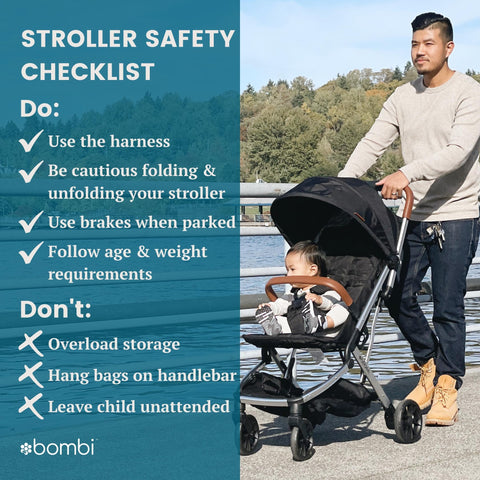
Safety is paramount when using a stroller. Ensure all straps and buckles are secure. Check the stroller’s stability before use. Use the brakes when stationary.
Regularly inspect the stroller for any wear or damage. A well-maintained stroller minimizes risks. Always supervise your baby during stroller use.
Age And Developmental Milestones
Parents often wonder when their baby can switch to a normal stroller. Understanding age and developmental milestones helps in making this decision. Babies grow at different rates, but certain milestones are key.
Sitting Up Independently
Babies should sit up without support before using a normal stroller. This usually happens around 6 months of age. Sitting up ensures they have enough neck and head control. It’s crucial for their safety during stroller rides.
Weight And Size Considerations
Check the stroller’s weight and size limits. Most strollers accommodate babies weighing at least 15 pounds. Ensure your baby fits comfortably within the stroller. This ensures a secure and snug fit during outings.
Curiosity And Alertness
Babies become more curious and alert after 6 months. They enjoy exploring their surroundings from a stroller seat. This newfound curiosity makes stroller rides enjoyable and enriching for them.
Neck And Head Control
Neck and head control develops around the 4 to 6-month mark. This milestone is important for stroller safety. It prevents the risk of injury during bumpy rides.
Parental Observation
Parents should observe their baby’s readiness for a normal stroller. Each baby is unique and may reach milestones at different times. Trust your instincts and ensure your baby is comfortable.
Safety Features To Consider
Choosing a stroller for your baby can be challenging. Safety features are crucial to consider. They ensure your child’s security during outings. The right stroller can make a big difference. Let’s explore key safety features to look for in a stroller.
1. Five-Point HarnessA five-point harness keeps your baby secure. It fastens at the shoulders, waist, and between the legs. This prevents your baby from slipping out. Ensure the harness is adjustable and padded. Comfort and safety go hand in hand.
2. BrakesEffective brakes are essential for stroller safety. Look for easy-to-use, foot-operated brakes. They should lock both rear wheels simultaneously. This prevents the stroller from rolling away. Test the brakes for reliability.
3. Sturdy FrameA strong frame provides stability. Check for a robust and well-built frame. Avoid strollers that wobble or feel flimsy. A solid frame supports your baby’s weight. It ensures the stroller can handle uneven surfaces.
4. Reclining SeatA reclining seat is important for newborns. It allows a flat position for sleep. Make sure the seat reclines easily. It should have a secure locking mechanism. This feature ensures comfort and safety.
5. Adjustable CanopyAn adjustable canopy protects from sun and rain. It should provide ample coverage. Look for a canopy with UV protection. A peek-a-boo window is a nice addition. It allows you to keep an eye on your baby.
6. Swivel WheelsSwivel wheels offer better maneuverability. They make navigating tight spaces easier. Ensure the wheels lock for straight movement. This helps on uneven terrain. Good wheels enhance your stroller’s performance.
7. Storage OptionsAmple storage is a practical feature. Check for a basket under the seat. It should be easy to access. Secure pockets are helpful for small items. Good storage keeps hands free for safety.
8. Reflective MaterialsReflective materials improve visibility in low light. Look for strollers with reflective strips. This enhances safety during evening strolls. Visibility is crucial for your peace of mind.
Transitioning From Infant To Normal Stroller
Babies can start using a normal stroller when they can sit upright, usually around six months. This transition ensures better support and comfort for growing infants. Selecting the right stroller helps in adapting to your baby’s needs and promoting safe outdoor adventures.
Transitioning your baby from an infant stroller to a normal stroller is a significant milestone. It’s a change that signals growth, offering your little one more independence and a better view of the world. However, knowing when to make this transition can be tricky. What signs should you look for? How do you ensure comfort and safety? Let’s delve into the details to make this transition smooth and enjoyable for both you and your baby.Recognizing Readiness For The Transition
Babies grow at their own pace, but there are clear signs that indicate readiness for a normal stroller. Look for improved neck and head control. This means your baby can sit upright without support. It’s a key signal they’re ready for a bigger stroller. Once your baby shows interest in their surroundings and starts trying to sit up, it’s time to consider the switch. It’s fascinating how curious they become, wanting to see more than just the sky!Choosing The Right Stroller
Your choice of stroller can make or break this transition. Opt for a stroller that offers comfort and safety. Features like a five-point harness and reclining seat are essential. They provide security and the option to rest when needed. Consider your lifestyle. If you love long walks in the park, choose a stroller with sturdy wheels and good suspension. For city life, a lightweight, foldable model might be ideal. Remember, the right stroller complements your routine.Adjusting To New Experiences
The first ride in a normal stroller can be exciting and nerve-wracking. Start with short trips. Let your baby get accustomed to the new seating position and wider view. It’s a new world, and they might feel overwhelmed initially. Create a fun experience with each outing. Bring along their favorite toy or a snack. These small comforts can make your baby feel secure and happy in their new stroller.Ensuring Safety During Stroller Use
Safety is paramount when transitioning to a normal stroller. Always use the harness and ensure it’s snug but comfortable. Regularly check the stroller’s brakes and wheels. A small oversight can lead to accidents. Be mindful of weather conditions. Shield your baby from harsh sunlight or cold winds. A stroller with a canopy is perfect for protecting them. As you walk, engage with your baby. Talk about what you see, making them feel involved and secure.Handling Challenges And Concerns
Every parent faces challenges during this transition. What if your baby resists the change? Stay calm and patient. Gradual exposure to the stroller helps. You can start by letting them play in it indoors. Are you worried about bumps or uneven paths? Choose routes that are stroller-friendly. As you adjust, remember that every step forward is a step toward your baby’s growth and independence. How have you handled transitions with your child? Share your insights and let’s learn together.Choosing The Right Stroller Type
Choosing the right stroller can be an exciting yet daunting task. With so many options on the market, how do you know which one is best for your baby? Understanding the different types of strollers can help you make an informed decision.
Lightweight Strollers For Easy Maneuverability
Lightweight strollers are perfect for parents always on the go. They’re easy to fold, carry, and store, making them ideal for quick trips. If you frequently navigate crowded places, a lightweight stroller can be your best companion.
These strollers typically weigh less than 15 pounds. They often come with features like reclining seats and storage baskets. However, they might not be suitable for infants who need more support.
Full-size Strollers For Comfort And Convenience
Full-size strollers offer a comfortable ride with added features. They are robust and often include ample storage, adjustable handles, and a smooth ride. If you plan on taking long walks or need a stroller that grows with your child, consider this option.
They may be heavier than lightweight strollers but provide greater stability. If you have space to store a larger stroller and don’t mind the extra weight, this type could be ideal.
Travel Systems For Seamless Transitions
Travel systems include a car seat that easily attaches to the stroller. This feature can be a lifesaver when transitioning your baby from the car to the stroller without waking them. If convenience is your priority, a travel system might be worth the investment.
Consider whether your current car seat is compatible with the stroller you’re eyeing. Some systems can be on the pricier side, but the ease of use can be invaluable.
Jogging Strollers For Active Lifestyles
If you enjoy running or brisk walks, a jogging stroller might suit your lifestyle. These strollers have larger, air-filled tires and a suspension system for a smoother ride. They are designed to handle various terrains, offering a comfortable ride for your little one.
Remember that jogging strollers are generally bulkier. Consider your storage options and whether you have room for this kind of equipment.
Have you thought about what stroller aligns best with your daily routine? Each type of stroller offers unique benefits tailored to different lifestyles. By aligning your choice with your needs, you ensure both you and your baby enjoy every outing.

Credit: www.thekwppexperience.com
Parental Tips For Stroller Use
Every parent eagerly awaits the milestone of transitioning their baby to a normal stroller. It’s a moment of newfound freedom and convenience. But when is the right time, and how can you ensure that your baby stays safe and comfortable? Let’s dive into some practical tips for using a stroller, making it a smooth journey for both you and your little one.
Ensure Proper Fit And Comfort
Comfort is key for your baby’s stroller experience. Before heading out, check the seat’s padding and adjust the harness to fit snugly. A well-fitted harness ensures safety during your walks. Look for strollers with adjustable recline features, especially if your baby is still young and needs extra support.
Check The Weather
Weather can greatly impact your stroller outings. On sunny days, use the stroller’s canopy to shield your baby from direct sunlight. For cooler days, consider adding a cozy blanket. Always keep an eye on the weather forecast to avoid unexpected conditions.
Choose The Right Terrain
Not all strollers are built for every surface. If you’re planning a walk in the park, make sure your stroller can handle uneven terrain. Consider strollers with larger wheels for off-road adventures, while smaller wheels are ideal for smooth pavement strolls.
Pack Essentials
A well-prepared parent makes for a happy baby. Pack a small bag with essentials like diapers, wipes, and snacks. Don’t forget a bottle of water for yourself. Having these items at hand can turn a potential meltdown into a peaceful stroll.
Engage With Your Baby
Use stroller time as a bonding opportunity. Talk to your baby, pointing out interesting sights along the way. Singing a favorite song can also keep your little one entertained. These moments not only engage your baby but also make your walks enjoyable.
Maintain Stroller Hygiene
A clean stroller is a happy stroller. Regularly check for crumbs, spills, or dirt, especially after snack time. Wipe down surfaces with a mild cleaner. A clean environment helps prevent germs and keeps your baby healthy.
How do you ensure stroller time is a delight for you and your baby? Share your tips and tricks in the comments below!
Credit: www.craft-child.com
Frequently Asked Questions
What Age Can A Baby Use A Normal Stroller?
Most babies use a normal stroller from 6 months. They should sit up unassisted.
Is It Safe For Newborns To Be In A Stroller?
Newborns need strollers that recline fully. Their neck muscles aren’t strong enough yet.
How Do I Know My Baby Is Ready For A Stroller?
Check if your baby sits up without help. Strong neck control is essential.
What Features Should A Normal Stroller Have?
Look for adjustable seats, good brakes, and a sunshade. Safety and comfort are key.
Can I Use A Stroller For My Toddler?
Yes, many strollers support toddlers up to 50 pounds. Check the weight limit.
How Do I Transition My Baby To A Stroller?
Start with short trips. Make sure they’re comfortable and buckled in securely.
Conclusion
Choosing the right stroller for your baby is important. Age and development play a key role. For most babies, normal strollers work well after six months. Safety is crucial during this transition. Every child grows at their own pace. Observe your baby’s strength and head control.
Check stroller features for comfort. Prioritize ease of use and adjustability. As your baby grows, these factors matter more. Always consult your pediatrician for advice. Your baby’s needs are unique. Enjoy the stroller journey with confidence. Make informed choices for happy strolls.