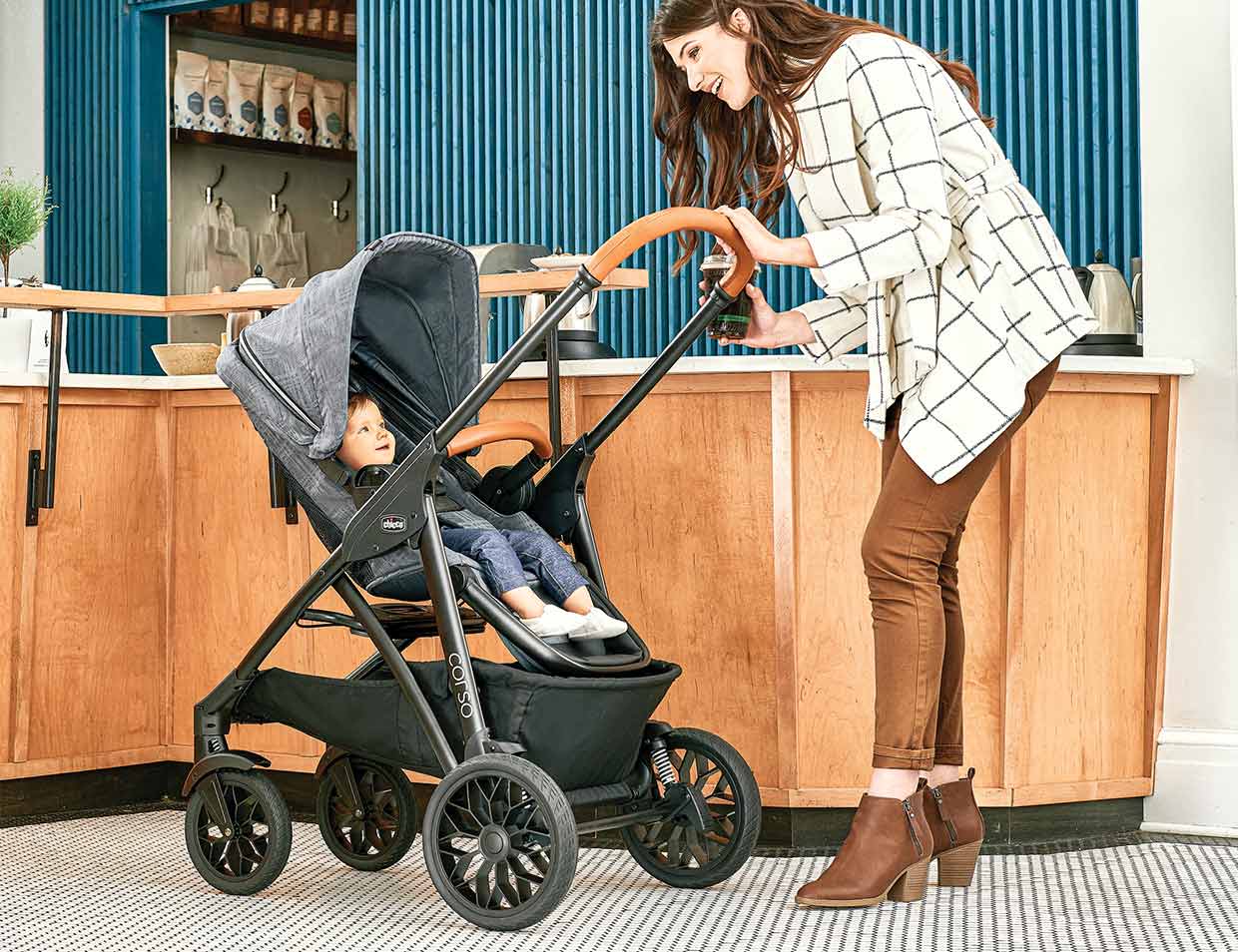
Imagine the joy of exploring the world with your little one, watching their eyes widen with wonder as they soak in new sights and sounds. As a parent, you want to ensure these adventures are both safe and enjoyable for your baby.
One question that often arises is, “When can your baby sit in a normal stroller? ” This milestone marks a new chapter in mobility and convenience for both you and your child. Understanding the right time for this transition not only ensures your baby’s safety but also enhances your parenting experience.
So, let’s dive into the essentials, helping you make informed choices that support your baby’s development while making life a little easier for you.
Developmental Milestones
The journey of a baby’s growth is marked by key milestones. These milestones help parents understand their child’s readiness for new experiences. One such experience is sitting in a stroller. Knowing when a baby can sit in a normal stroller depends on their developmental progress. It is essential to recognize these developmental milestones to ensure your baby’s safety and comfort.
Understanding Developmental Milestones
Developmental milestones are stages in a baby’s growth. They include physical and cognitive skills. Each baby reaches these milestones at their own pace. Parents should observe their child’s progress closely. Sitting up is one of the key milestones. It indicates readiness for a stroller.
Signs Your Baby Is Ready
Your baby may show signs of readiness for a stroller. They can hold their head up steadily. They may sit with support for a few minutes. These signs suggest your baby has developed the necessary strength. Their neck and back muscles are strong enough. This strength is crucial for stroller sitting.
Typical Age Range
Most babies sit in a stroller around six months. This age is typical for gaining neck control. Babies may vary, showing readiness earlier or later. Parents should observe their baby’s development. Consult a pediatrician if unsure.
Safety Considerations
Safety is paramount when choosing a stroller. Ensure the stroller has proper support. A five-point harness keeps your baby secure. Check that the stroller reclines. This feature supports your baby’s back. Always follow manufacturer guidelines.
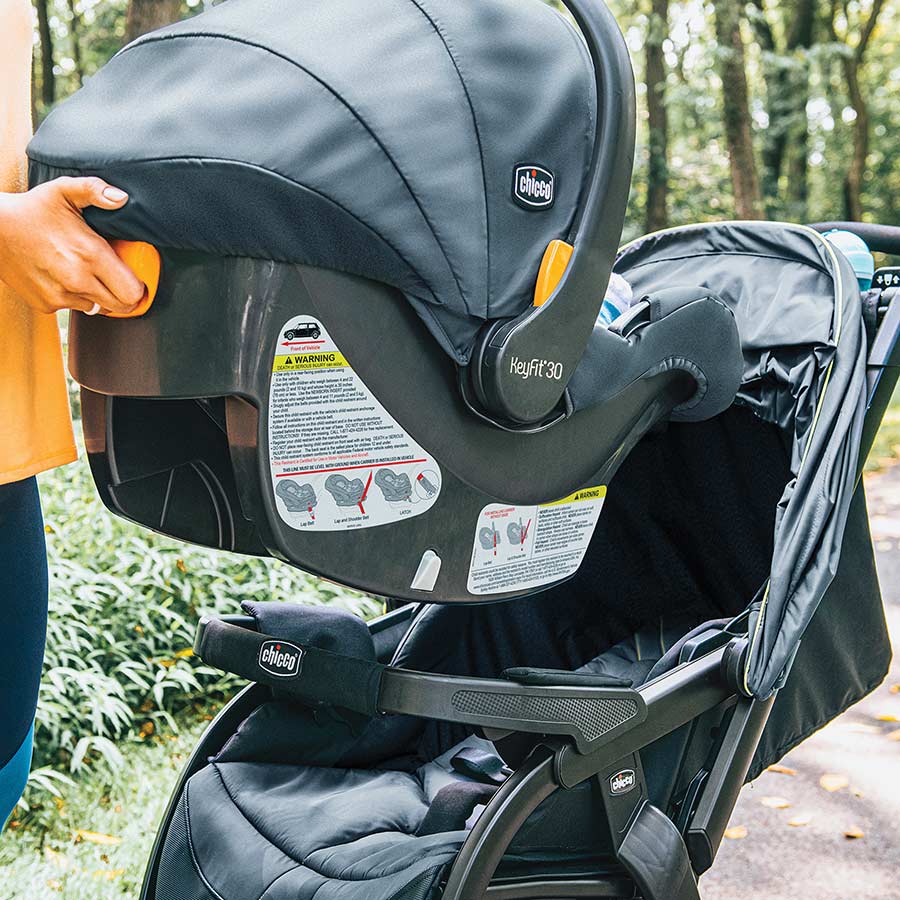
Credit: www.chiccousa.com
Age Recommendations
Babies typically sit in a normal stroller when they can hold their head up. This usually happens around 6 months old. Ensure the stroller provides adequate support and safety features for your baby.
Deciding when to transition your baby to a normal stroller can be a significant decision for any parent. Understanding the age recommendations ensures your child’s safety and comfort. Let’s dive into how age plays a crucial role in making this choice.What Age Is Appropriate For A Normal Stroller?
Most babies are ready for a normal stroller when they can sit up unsupported, usually around six months. Before this age, their neck and back muscles might not be strong enough. If your baby can sit independently, it might be time to consider switching from a travel system or a bassinet to a stroller.Why Six Months Is Often The Magic Number
By six months, many babies have developed the necessary motor skills to sit without support. This milestone is important because it indicates that their muscles have matured enough to handle the upright position of a stroller seat. As a parent, you might notice your baby showing interest in their surroundings, which a normal stroller can help satisfy.Is It Safe To Transition Earlier?
Some parents wonder if it’s safe to use a normal stroller before six months. While some strollers offer fully reclining seats that might accommodate younger babies, it’s essential to ensure the stroller provides ample support. Always check the manufacturer’s recommendations and consider your baby’s unique development.Listening To Your Baby’s Cues
Every baby is different, and while age recommendations are helpful, your child’s readiness is paramount. Does your baby seem comfortable sitting up? Are they eager to explore the world around them? Paying attention to these cues can guide your decision.What To Do If Your Baby Isn’t Ready At Six Months
If your baby isn’t ready by six months, there’s no rush. Some babies may take a bit longer to develop the strength needed to sit in a normal stroller comfortably. Consider using a stroller with a reclining seat or continue with a bassinet until they are ready.How To Ensure A Smooth Transition
When transitioning to a normal stroller, make sure it has a comfortable seat and adequate safety features like harnesses. Test the stroller at home before taking it out for a walk. This helps your baby get accustomed to the new sitting position. When did you feel your baby was ready for a normal stroller? Share your thoughts and stories in the comments below!Safety Features
Babies can sit in a normal stroller when they have strong neck and head control, usually around six months. Safety features like five-point harnesses and sturdy brakes ensure a secure ride. Always check the stroller’s weight limit and recline options for added comfort and protection.
When considering when your baby can sit in a normal stroller, understanding the safety features is crucial. These features not only ensure your baby’s comfort but also provide the peace of mind you need while navigating various terrains. Safety should always be your top priority, especially as your little one transitions to a new stage of mobility.Recommended Products

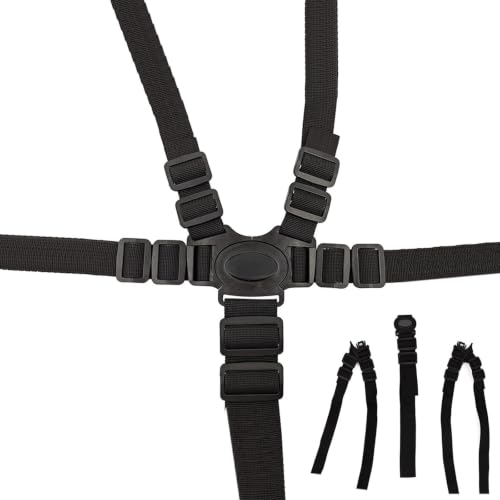
This 5-point harness features straps that pass over the shoulders, around the hips, and fasten at the crotch, fitting closely to the wearer’s pelvis, shoulders and chest. During unexpected movement, the harness restrains the wearer in the seat, stopping forward movement effectively.(Before placing your order, please verify your chair is equipped with the mounting points shown in the detail page images.)

【Easy to install】You just need take about 1minut to install it. Eliminates the hassle of lugging bulky seats through the airport,and does not take up much space and can easily be stored in your diaper bag, handbag or stroller.
Secure Harness Systems
A robust harness system is essential. Look for strollers with a five-point harness, which secures your baby at the shoulders, waist, and between the legs. This prevents your baby from slipping or climbing out, providing security during sudden stops or bumpy rides.Reclining Seats
Adjustable reclining seats are more than a luxury; they are a safety feature. Babies who can’t sit upright unaided need support to keep their airways open. A reclining seat allows your baby to nap comfortably, maintaining an optimal position for breathing.Brake Systems
Effective brake systems can make a world of difference. Always test the brakes to ensure they engage easily and hold firmly. Whether you’re pausing for a coffee or taking a break at the park, reliable brakes keep your stroller stationary and safe.Sturdy Frame Construction
A sturdy frame is the backbone of any safe stroller. Check for durable materials that can withstand everyday use. A well-constructed frame not only supports your baby’s weight but also ensures stability across different surfaces.Canopy Protection
A good canopy shields your baby from harsh sun rays and unexpected rain showers. Ensure the canopy is easy to adjust and provides ample coverage. Proper sun protection is crucial in preventing sunburn and keeping your baby comfortable.Lockable Front Wheels
Lockable front wheels offer stability on uneven paths. This feature is particularly useful when jogging or walking on rough terrain. It prevents the stroller from veering off course, maintaining a smooth ride for your baby. As you evaluate these features, think about the environments where you’ll use the stroller most often. Do you need extra suspension for bumpy sidewalks, or is a more compact design better for public transport? Your lifestyle will guide you to the best choice. Remember, no question is too small when it comes to safety. What safety features do you prioritize when choosing a stroller for your baby? Your insights could help others make informed decisions.Transition Tips
Transitioning a baby to a normal stroller is a big step. It marks the beginning of new adventures for both baby and parents. Ensuring a smooth transition is essential. Proper planning and awareness will make the process easier. Let’s explore some tips to help your baby adjust to a normal stroller.
Recommended Products

Hygienic Barrier for Peace of Mind: Protect your little one from dirty, germ-prone public surfaces. This versatile cover creates a clean, snug, and supportive environment for babies (approx. 6–18 months), fitting securely on most standard grocery carts and restaurant high chairs. Enjoy stress-free outings knowing your baby is sitting on a sanitized surface.

We Start With Safety: Seat belt cushions prevent any slippage, providing effective security whether in the car, infant carrier high chair dining chair or stroller. Super soft velvet pads ensure your kids can experience the joy of the journey, long or short
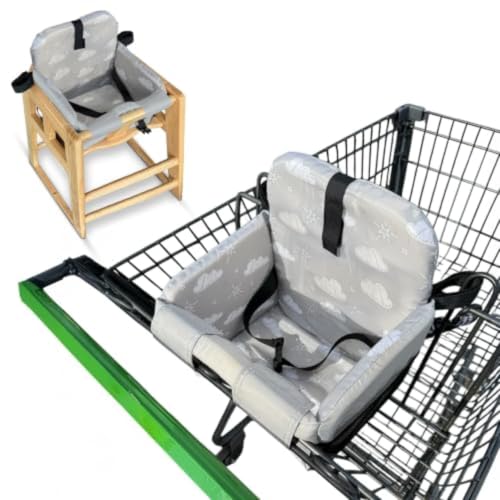
Keeps Your Baby Safe and Hygienic: Protect your little one from germs, dirt, and public surfaces with this shopping cart cover for baby. Soft, padded, and comfortable, it ensures a clean and secure seating area, giving parents peace of mind during grocery trips, errands, or outings.
1. Test The Stroller Indoors
Start with short indoor sessions. Let your baby get used to the stroller inside the house. This helps them feel safe and comfortable. Push the stroller around slowly. Talk to your baby during the ride. This builds trust and familiarity.
2. Gradually Increase The Duration
Begin with five-minute sessions. Gradually increase the time spent in the stroller. Observe how your baby reacts. If they seem happy, extend the duration. Keep monitoring their comfort level. This ensures a stress-free experience.
3. Choose A Comfortable Seat
Comfort is key for happy rides. Ensure the stroller seat is soft and well-padded. Check for adjustable straps. Proper support prevents discomfort. A cozy seat encourages a positive experience.
4. Plan Short Outdoor Trips
Introduce your baby to the outdoors in the stroller. Start with short walks around the neighborhood. Fresh air and new sights keep them engaged. Avoid busy streets initially. Gradually explore more areas as they adjust.
5. Pack Essentials
Always carry essentials during stroller rides. Pack diapers, wipes, and a bottle. Bring a favorite toy for comfort. Snacks can also help if the trip gets long. Being prepared keeps the baby happy and content.
6. Maintain A Routine
Stick to a routine for stroller rides. Consistency helps the baby know what to expect. Plan rides at the same time each day. This builds anticipation and excitement. A routine also aids in smoother transitions.
7. Watch For Signs Of Discomfort
Pay attention to your baby’s cues. Look for signs of discomfort or restlessness. If they seem uneasy, take a break. Adjust the stroller’s settings if needed. Ensuring comfort leads to enjoyable rides.
These transition tips help make the stroller experience pleasant. Remember, every baby is unique. Adjust these tips based on your baby’s needs.
Expert Opinions
Pediatricians suggest babies can sit in a normal stroller around six months old. At this age, their necks are stronger. Parents should ensure their baby can sit up with support before using a stroller. Always check the stroller’s safety features for added security.
When it comes to deciding the right time for your baby to sit in a normal stroller, expert opinions can offer valuable insights. Pediatricians and child safety experts provide guidance based on developmental milestones and safety standards. Listening to these professionals can help you make informed decisions for your baby’s comfort and safety.Understanding Developmental Milestones
Babies develop at their own pace, but there are general milestones that can guide you. Most experts agree that babies can sit in a normal stroller when they can sit up unassisted. This typically happens around six months, but it can vary. Your baby’s neck and back strength are key indicators. Can your baby hold their head up steadily? If yes, transitioning to a regular stroller might be possible.Consulting Pediatricians
Have you talked to your pediatrician about stroller readiness? Pediatricians can assess your baby’s growth and muscle development. They provide personalized advice based on your baby’s health and abilities. Don’t hesitate to ask questions. Your pediatrician’s insights can remove doubt and ensure peace of mind.Prioritizing Safety Standards
Safety should be your top priority when considering a normal stroller. Ensure the stroller meets safety standards set by organizations like the Juvenile Products Manufacturers Association (JPMA). Checking for a five-point harness and a sturdy frame can make a big difference. These features ensure your baby stays secure during outings.Insights From Experienced Parents
Have you ever wondered what other parents have experienced? Many parents share that waiting until their baby is a bit older made their stroller rides more enjoyable. Some found that their babies were more curious and engaged during outings once they could sit upright. Hearing from others can provide reassurance and practical tips. Joining parenting groups or forums can be a good way to gather this information.Observing Your Baby’s Cues
Is your baby showing signs of discomfort or eagerness during stroller rides? Pay attention to their cues. If they seem eager to sit up and look around, it might be time to switch. Your baby’s comfort and interest can be great indicators of readiness. Sometimes, their behavior speaks louder than any guideline. By considering expert opinions and combining them with your observations, you can confidently decide when your baby is ready for a normal stroller. What have you noticed about your baby’s development that might indicate readiness?
Credit: www.youtube.com
Common Concerns
Parents often wonder when it’s safe for their baby to sit in a regular stroller. Babies usually reach this milestone around six months, when they can sit up with support. Always check your stroller’s guidelines for specific recommendations.
When transitioning your baby to a normal stroller, you might have several questions and concerns. It’s a significant milestone for both you and your little one. Understanding when this change is appropriate can ease your worries. Let’s dive into some common concerns parents face during this period.Recommended Products

ULTRA LIGHTWEIGHT TRAVEL DESIGN: Weighs only 13 lb, making it easy to lift, carry, and store. Perfect lightweight umbrella stroller for summer travel, vacations, and everyday errands. Compact enough for car trunks and convenient on-the-go portability for busy parents.
NOTE: For specific installation methods, please refer to the images and videos! Our products can be installed without the need for clamps.

All-terrain bicycle tires for a smooth ride, with a lockable front swivel wheel for ease of maneuverability
Can My Baby Support Their Head?
Your baby’s ability to support their head is crucial. Typically, babies develop this skill between three to six months. If your baby can sit with minimal head wobbling, it’s a good sign. Test this during tummy time or when they’re sitting upright in your lap.Is My Stroller Suitable?
Not all strollers are created equal. Check if your stroller offers adjustable seating positions. A reclining seat can provide extra support until your baby builds more strength. Ensure the safety harness is snug but comfortable.What About Safety Features?
Safety should be your top priority. Does your stroller have a five-point harness? This feature secures your baby effectively. Look for sturdy wheels and a reliable braking system. Reading reviews from other parents can offer peace of mind.How Do I Know If My Baby Is Ready?
Observe your baby’s posture and behavior. Are they curious and looking around when seated? This curiosity often indicates readiness. You can try short walks to gauge their comfort level. Always be attentive to their cues.Should I Consult My Pediatrician?
Consulting your pediatrician can provide reassurance. They can offer personalized advice based on your baby’s development. A quick check-up can confirm if your baby is ready for this new adventure.Am I Overthinking This?
It’s natural to worry. Many parents share the same concerns. Remember, every baby is unique. Trust your instincts and your observations. Your confidence will grow as you see your baby enjoying their new ride. Have you considered how this change might impact your outings? Could this new stroller experience encourage more family walks? Reflect on these questions as you prepare for this exciting transition.
Credit: maxicosi.com
Frequently Asked Questions
When Can A Baby Sit In A Normal Stroller?
Babies can sit in a normal stroller when they can support their head. Usually around 6 months.
Is It Safe To Use A Stroller For A Newborn?
Newborns need a stroller with full recline. Normal strollers are not suitable until they can sit up.
What Features Should I Look For In A Stroller?
Look for a stroller with a reclining seat, safety harness, and good wheels. Comfort matters.
How Do I Know If My Baby Is Ready For A Stroller?
Check if your baby can sit up without help. They should have good head control too.
Should I Choose A Lightweight Or Heavy Stroller?
Consider your lifestyle. Lightweight is easy to carry. Heavy offers more stability and features.
Can I Use A Stroller For Jogging With My Baby?
Use only strollers designed for jogging. They have better suspension and safety features for your baby.
Conclusion
Understanding when your baby can use a normal stroller is crucial. Safety comes first. Ensure your baby has strong head and neck control. Typically, this happens around six months. Every child is different. Check stroller guidelines for weight and age.
Consult your pediatrician if unsure. Keep an eye on your baby’s comfort. Consider adjustable seats for better support. Always fasten seat belts securely. Enjoy this new stage with your little one. Fresh air and exploration await. Remember, your baby’s comfort and safety are top priorities.
Choose wisely and have fun exploring the world together!