What to Do If Your Baby Isn’t Interested in Food
You’ve carefully prepared a meal, placed it in front of your baby, and… nothing. They turn their head, push the spoon away, or simply refuse to open their mouth.
Sound familiar? If your baby isn’t interested in food, it can leave you feeling frustrated, worried, and maybe even a little defeated. But take a deep breath—you’re not alone, and this is more common than you might think. The good news?
There are simple strategies you can try to spark your baby’s interest in eating. In this guide, we’ll explore what might be behind their disinterest and how you can gently encourage them to embrace mealtime. If you’ve been searching for answers or just need a little reassurance, you’re in the right place. Let’s dive in and tackle this together, step by step. By the time you finish reading, you’ll feel more confident about helping your baby develop a healthy relationship with food.
Signs Your Baby May Not Be Ready
Introducing solids is an exciting milestone, but some babies may not seem ready. Recognizing the signs can help you avoid unnecessary stress. Each baby develops at their own pace. Some take longer to show interest in food. Below are the key signs to watch for, indicating your baby may not be ready for solids yet.
1. Lack of Head and Neck Control
Babies need stable head and neck control to eat safely. If your baby struggles to hold their head up, they may not be ready. This control is vital for swallowing and managing food in their mouth.
2. No Interest in Watching Others Eat
Babies often show curiosity about food by watching others eat. If your baby ignores meal times or doesn’t seem curious, they may not be ready yet. Observing others eat helps them learn about food.
3. Pushing Food Out with Their Tongue
The tongue-thrust reflex helps babies avoid choking but fades with time. If your baby pushes food out consistently, this reflex may still be active. This is a clear sign they aren’t ready for spoon-feeding, though some self-feeding approaches (like Baby-Led Weaning) may still be appropriate.
4. Disinterest in Trying New Textures
Babies ready for solids often enjoy exploring different textures. If your baby refuses or seems upset by new textures, they may not yet be prepared. Pay attention to their reactions to soft foods or purees.
5. Unable to Sit Upright with Support
Sitting upright is crucial for safe eating. If your baby slouches or leans over, they might not be ready. Proper posture helps them swallow and manage food better.
Understanding these signs can save you time and frustration. Focus on supporting your baby’s natural growth and readiness for solids.
Important Safety & Nutrition Checklist
Before worrying about refusal, it is essential to distinguish between safety concerns and preferences. Keep these modern guidelines in mind:
Gagging vs. Choking
It is vital to know the difference. Gagging is a loud, protective reflex (red face, coughing) and is normal as babies learn to eat. Choking is silent (blue face, inability to breathe) and requires immediate first aid. Do not stop feeding because of gagging; it is part of the learning process.
Foods to Avoid
While exploring flavors is good, avoid Honey (risk of botulism under 1 year), Whole Nuts/Grapes (choking hazards), and added Salt or Sugar. Also, avoid using Cow’s Milk as a main drink before age one.
Focus on Iron
Around 6 months, a baby’s natural iron stores begin to drop. If they refuse veggies, try offering iron-rich foods like fortified cereals, mashed beans, or soft meats, which are critical for their energy and brain development.
Common Reasons For Food Refusal
Babies refusing food can leave parents feeling confused and worried. Understanding the reasons behind food refusal helps ease concerns and supports better feeding habits. Let’s explore the common causes that may explain why your baby isn’t interested in eating.
1. Teething Discomfort
Teething can cause gum pain and irritation, making eating uncomfortable. Babies may avoid solid foods or prefer softer textures during teething stages. Watch for drooling, swollen gums, or biting behaviors as signs of teething.
2. Feeling Unwell
Illness can decrease appetite and make food seem unappealing. Common conditions like colds, ear infections, or stomach upset may lead to temporary food refusal. Ensure your baby stays hydrated and consult a pediatrician for persistent issues.
3. Overwhelming New Flavors
Introducing new tastes can be intimidating for babies. Strong or unfamiliar flavors might lead to hesitation. Gradually mix new foods with familiar ones to make the transition smoother.
4. Distractions During Meals
A noisy or busy environment can shift focus away from eating. Babies often need calm spaces to concentrate on their meals. Minimize distractions like toys, screens, or loud noises during feeding times.
5. Lack Of Hunger
Babies might not be interested in food because they’re not hungry. Feeding too close to nap times or offering snacks between meals can reduce appetite. Observe your baby’s hunger cues to plan meals accordingly.
6. Food Texture Preferences
Some babies dislike certain textures, like lumpy or sticky foods. A sudden change in food consistency might lead to rejection. Experiment with different textures to find what suits your baby best.
7. Developmental Changes
Growth milestones can temporarily affect eating habits. Learning new skills or increased mobility might distract babies during meals. Be patient and continue offering nutritious options during these phases.
8. Stress Or Anxiety
Stress can impact appetite, even for babies. Changes in routine, unfamiliar environments, or parental tension may cause food refusal. Create a relaxed atmosphere to encourage eating.
Creating A Stress-free Mealtime
Mealtime struggles can be overwhelming, especially if your baby shows no interest in food. A calm and stress-free environment can make all the difference. Babies often pick up on their parent’s emotions, so a relaxed setting can encourage curiosity about food. Let’s explore practical ways to create a peaceful mealtime experience.
Limit Distractions At The Table
Turn off the television and put away electronic devices during meals. A quiet and focused environment helps your baby explore their food. Keep toys, books, and other items away from the table to maintain attention. A distraction-free setting allows your baby to observe and engage with the mealtime routine.
Stick To A Consistent Mealtime Routine
Offer meals at the same time each day to establish predictability. Babies thrive on routines, as they create a sense of security. A predictable schedule helps your baby know what to expect and builds trust in the process. Consistent mealtimes also regulate hunger, making them more open to eating.
Make Mealtimes Relaxed And Enjoyable
Show enthusiasm about the food you are offering. Smile, talk softly, and maintain a positive tone during meals. Avoid pressuring your baby to eat, as this may lead to resistance. Instead, let them explore the food at their own pace. Celebrate small victories, like touching or tasting new foods.
Practice Patience And Flexibility
Babies may need time to warm up to new foods. Offer the same food multiple times without forcing it. If they reject it, try again another day. Respect their cues and stop feeding when they seem full. Patience helps build trust and a healthy relationship with food.
Lead By Example
Eat together as a family whenever possible. Babies learn by watching others, so modeling healthy eating habits can encourage them. Show enjoyment while eating and try the same foods you offer them. This shared experience makes mealtime a bonding opportunity.
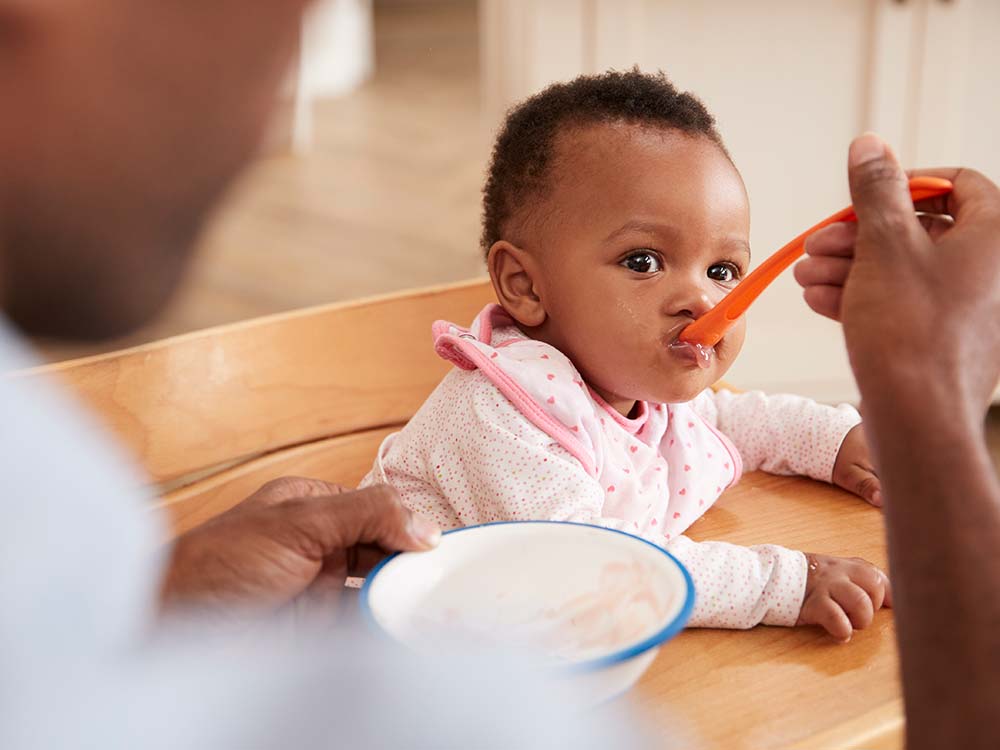
Credit: raisingchildren.net.au
Encouraging Exploration With Food
Encouraging your baby to explore food is an exciting journey. Some babies may show little interest in eating, but exploration can spark curiosity. Allowing your child to interact with food helps them develop a positive connection. This process can make mealtimes enjoyable and stress-free. Below are simple ways to inspire your baby to explore food at their own pace.
Let Them Play With Food
Babies learn through touch, sight, and smell. Letting them play with food encourages curiosity. Provide soft, colorful foods like mashed bananas or steamed carrots. Allow them to squish, smear, and feel the textures. This sensory play helps them build confidence and interest in eating.
Introduce A Variety Of Colors
Bright, colorful foods can grab your baby’s attention. Offer small portions of foods like sweet potatoes, spinach, or strawberries. Arrange them in fun shapes or patterns to make the plate visually appealing. The vibrant colors can spark your baby’s desire to explore and taste.
Eat Together As A Family
Babies often mimic the actions of others. Eating together shows them that food is enjoyable. Sit with your baby during meals and eat the same foods they have. Your enthusiasm and enjoyment can encourage them to try new foods.
Use Safe, Baby-friendly Utensils
Babies love imitating adults, even during meals. Provide them with a spoon or fork designed for small hands. Let them practice scooping food and bringing it to their mouth. This activity improves motor skills and builds a sense of independence.
Offer Finger Foods
Small, soft finger foods are easy for babies to handle. Foods like diced avocado, soft cheese, or cooked pasta are great options. Let them pick up and eat these foods on their own. This hands-on approach encourages exploration and self-feeding.
Be Patient And Gentle
Every baby explores food at their own speed. Avoid pressuring them to eat if they’re not ready. Stay calm and supportive during meals. Celebrate small victories, like touching or tasting new foods. Positive reinforcement can build their confidence over time.
When To Seek Professional Advice
Babies sometimes show little interest in eating, which can worry parents. While occasional disinterest is normal, persistent issues might need professional help. Understanding when to seek advice can ensure your baby’s health and development.
Persistent Refusal To Eat
If your baby consistently refuses food, it could signal an underlying issue. Frequent rejection of meals or snacks may impact their growth. Observe if this pattern continues for several days. A pediatrician can assess any medical or developmental concerns.
Slow Weight Gain Or Weight Loss
Growth is a key indicator of a baby’s health. If your baby’s weight gain is unusually slow, or if they are losing weight, seek professional guidance. Weight changes may indicate nutritional gaps or health problems requiring attention.
Signs Of Discomfort During Meals
Watch for signs of discomfort, like crying or pulling away during meals. These behaviors could point to digestive issues, allergies, or oral pain. A healthcare provider can help identify the cause and recommend solutions.
Recurrent Vomiting Or Diarrhea
Frequent vomiting or diarrhea after meals is not normal. These symptoms may suggest food intolerance, infection, or another health condition. Consult a doctor promptly if these issues persist or worsen.
Difficulty Swallowing Or Choking
If your baby struggles to swallow or frequently chokes, this should not be ignored. Difficulty swallowing could be linked to developmental delays or physical conditions. A specialist can help determine the cause and provide care.
Unusual Behavior Around Food
Pay attention to unusual behaviors, like fear or distress during mealtime. These reactions could stem from sensory sensitivities or past negative experiences. A professional can provide strategies to address these concerns.
Lack Of Interest Approaching 8-9 Months
By six months, babies usually start exploring, but significant consumption may happen later. However, if your baby shows absolutely no interest in solids as they approach 8 or 9 months, seek advice. Experts can evaluate if developmental milestones are being met or if intervention is needed.

Credit: Instagram
Adapting To Your Baby’s Unique Pace
Every baby is different, and their journey with food will be too. Some babies dive right into solids, while others take their sweet time. If your little one isn’t interested in food yet, don’t panic—it’s all about meeting them where they are and adjusting to their unique rhythm.
Respect Their Readiness Cues
Your baby may not be ready to eat just because they’ve hit a certain age or milestone. Watch for signs like reaching for food, mimicking chewing, or sitting up without support. If these cues aren’t there, it’s okay to wait a little longer. Pushing food too early can make mealtime feel like a chore for both of you. Instead, focus on creating a relaxed environment where your baby feels no pressure. When they’re ready, they’ll show you.
Offer Small, Manageable Portions
A heaping spoonful of mashed peas might feel like too much for a hesitant eater. Start with something as small as the tip of a spoon. Let them taste, explore, and decide if they want more. If they turn their head or push it away, try again later. Mealtime isn’t a race—it’s an opportunity for your baby to discover new sensations at their own speed.
Experiment With Different Textures And Flavors
Not all babies love smooth purees or bland cereals. Some might prefer chunkier textures or naturally sweeter foods like mashed banana or roasted sweet potato. Pay attention to how your baby reacts to each option. If something doesn’t work, switch it up. Variety can make food more exciting and less intimidating.
Make Mealtime A Family Affair
Babies learn a lot by watching you. If they see you enjoying your food, they’re more likely to want to try it too. Sit together during meals and let them observe. You could even offer them a piece of soft food from your plate (as long as it’s baby-safe). This simple act can spark their curiosity and encourage them to take a bite.
Stay Patient And Positive
It’s easy to feel frustrated or worry if your baby isn’t eating like you hoped. But your calm, positive attitude can make all the difference. Celebrate small wins, like when they touch the food or give it a sniff. Every baby takes their own path to becoming a confident eater. Trust that with time, patience, and a little trial and error, yours will too. What’s been working for you so far? Could there be a texture, taste, or approach you haven’t tried yet? Keep experimenting, and remember—it’s all about progress, not perfection.
Frequently Asked Questions
What Do I Do If My Baby Isn’t Interested In Baby Food?
Offer a variety of textures and flavors to spark interest. Let your baby explore food during mealtime, even if they just play with it. Eat together and show enthusiasm for the food. Avoid forcing them; patience is key. Consult a pediatrician if concerns persist.
Is It Normal For Babies To Not Be Interested In Food?
Yes, it is normal for babies to sometimes show little interest in food. This can happen during teething, growth spurts, or when they’re full from milk feeds. Ensure they are healthy and consult a pediatrician if concerns persist. Offer a variety of foods and maintain a positive mealtime environment.
What To Do If Baby Refuses To Eat Food?
Encourage your baby with small portions and colorful, soft-textured foods. Offer meals at consistent times. Avoid force-feeding and create a calm eating environment. Try finger foods or involve them in food choices (Baby-Led Weaning). Consult a pediatrician if the refusal persists.
Is It Normal For A 7 Month Old To Not Want Baby Food?
Yes, it can be normal. Babies may refuse baby food due to teething, texture preferences, or developmental changes. At this age, milk is still a primary source of nutrition. Keep offering various foods without pressure and consult a pediatrician if concerns persist or weight loss occurs.
Conclusion
Helping a baby enjoy food takes time, patience, and consistency. Offer small portions and let them explore at their own pace. Stay calm and avoid pressuring them during meals. Every child is different, so what works for one may not work for another.
Trust your instincts and seek advice from a pediatrician if needed. Focus on creating positive mealtime experiences to build healthy habits. Remember, this is a phase, and it will pass. With love and support, your baby will show interest in food in their own time.
Keep encouraging and stay hopeful.