Starting solids is an exciting milestone, but it also comes with a few important safety rules. Some foods are risky for babies because they can cause choking, foodborne illness, botulism, too much sodium or sugar, or digestive problems before your baby is ready.
This guide explains what foods you should not give to babies, why they can be unsafe, and what to offer instead. It is general education, not a substitute for advice from your child’s pediatrician, especially if your baby was premature, has eczema, has had a reaction to food, has feeding difficulties, or has a medical condition.
Quick Answer
Do not give babies honey before 12 months, cow’s milk as a main drink before 1 year, juice before 12 months, unpasteurized foods, high-mercury fish, added sugar, salty processed foods, or choking hazards such as whole grapes, hot dogs, popcorn, whole nuts, hard raw vegetables, and thick globs of nut butter.
Key Takeaways
- Babies can usually start solids at about 6 months, when they show readiness signs such as sitting with support and good head control.
- Honey is unsafe before 12 months because it can cause infant botulism.
- Cow’s milk should not be used as a main drink before age 1, but pasteurized yogurt or cheese may be offered as solids if your baby tolerates them.
- Many choking risks come from shape and texture, so foods often need to be cooked, mashed, shredded, or cut lengthwise into small pieces.
- Current guidance does not recommend delaying common allergens for most babies; introduce them in safe, age-appropriate forms once solids are going well, and ask a pediatrician first if your baby is high-risk.
Before You Start: Is Your Baby Ready For Solids?
Most babies are ready for foods other than breast milk or infant formula at about 6 months. Introducing solids before 4 months is not recommended. Before offering solids, look for readiness signs: your baby can sit with support, control their head and neck, open their mouth for food, swallow instead of pushing food out, and move food from the front of the tongue to the back to swallow.
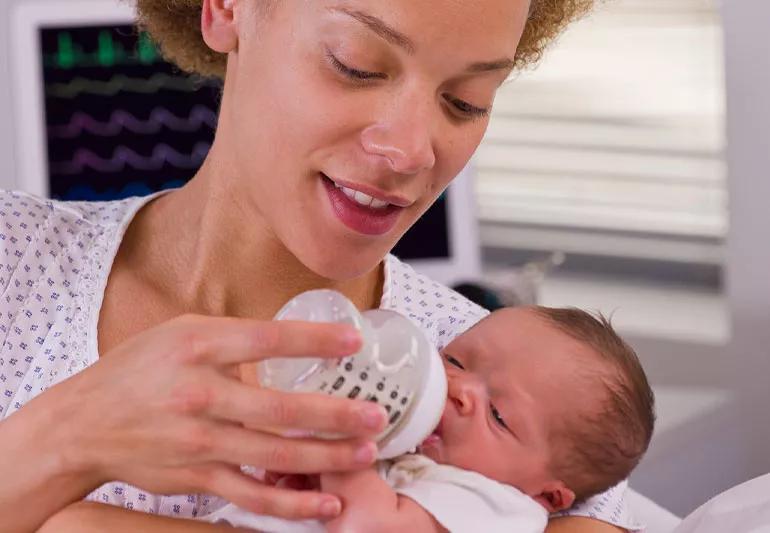
Breast milk or iron-fortified formula should remain your baby’s main source of nutrition through the first year. Solids are added gradually to help your baby learn textures, flavors, and self-feeding skills.
Warning: If your baby is choking, struggling to breathe, turning blue, unable to cry or cough, unusually limp, or showing severe swelling after a food, seek emergency help immediately.
Honey And Botulism Risk
Honey may seem harmless, but it poses a serious risk for babies under 12 months. It can contain Clostridium botulinum spores, which can grow in an infant’s immature gut and produce toxins that cause infant botulism. The CDC advises parents not to give honey before 12 months and not to add it to a baby’s food, water, formula, or pacifier.
Recommended Products

Secure Scissors with Case: More than just an at-home prep tool, these baby feeding essentials go anywhere so you can prep snacks anytime.

Play Food For Toddlers: This 28-piece fruits and vegetables set was a great addition to your girls & boy play kitchen. Includes 1 toy basket, 1 chopping board, 1 pretend knive, and a bulk brightand colorful play foods.

What Is Botulism?
Botulism is a rare but serious illness caused by toxins that attack the nervous system. In babies, it can lead to muscle weakness, poor feeding, a weak cry, constipation, drooping eyelids, and breathing trouble.
Why Are Babies More Vulnerable?
During the first year, a baby’s digestive system is still developing. Older children and adults usually have more mature gut defenses, but infants are more vulnerable if they swallow botulinum spores.
Is Processed Honey Safe For Babies?
No. Avoid all honey before 12 months, including raw honey, pasteurized honey, cooked honey, baked goods made with honey, and snacks sweetened with honey. Processing does not make honey a safe food for infants.
Foods That May Contain Hidden Honey
Honey can show up in breads, muffins, cereals, graham crackers, sauces, marinades, cough products, and “natural” snacks. Always check ingredient labels before offering packaged foods to a baby under 12 months.
Recognizing Symptoms Of Infant Botulism
Possible signs include constipation, poor feeding, weak or altered cry, drooping eyelids, a flatter facial expression than usual, weak sucking, limpness, and breathing difficulty. Call your child’s doctor right away if you suspect botulism, and seek emergency care for breathing trouble.
Credit: health.clevelandclinic.org
Choking Hazards To Avoid
Babies and toddlers have small airways and are still learning to chew and swallow. Choking risk often comes from a food’s size, shape, firmness, or stickiness. The CDC explains that cutting, mashing, and preparing foods safely can help reduce choking risk.
Hard Foods That Are Difficult To Chew
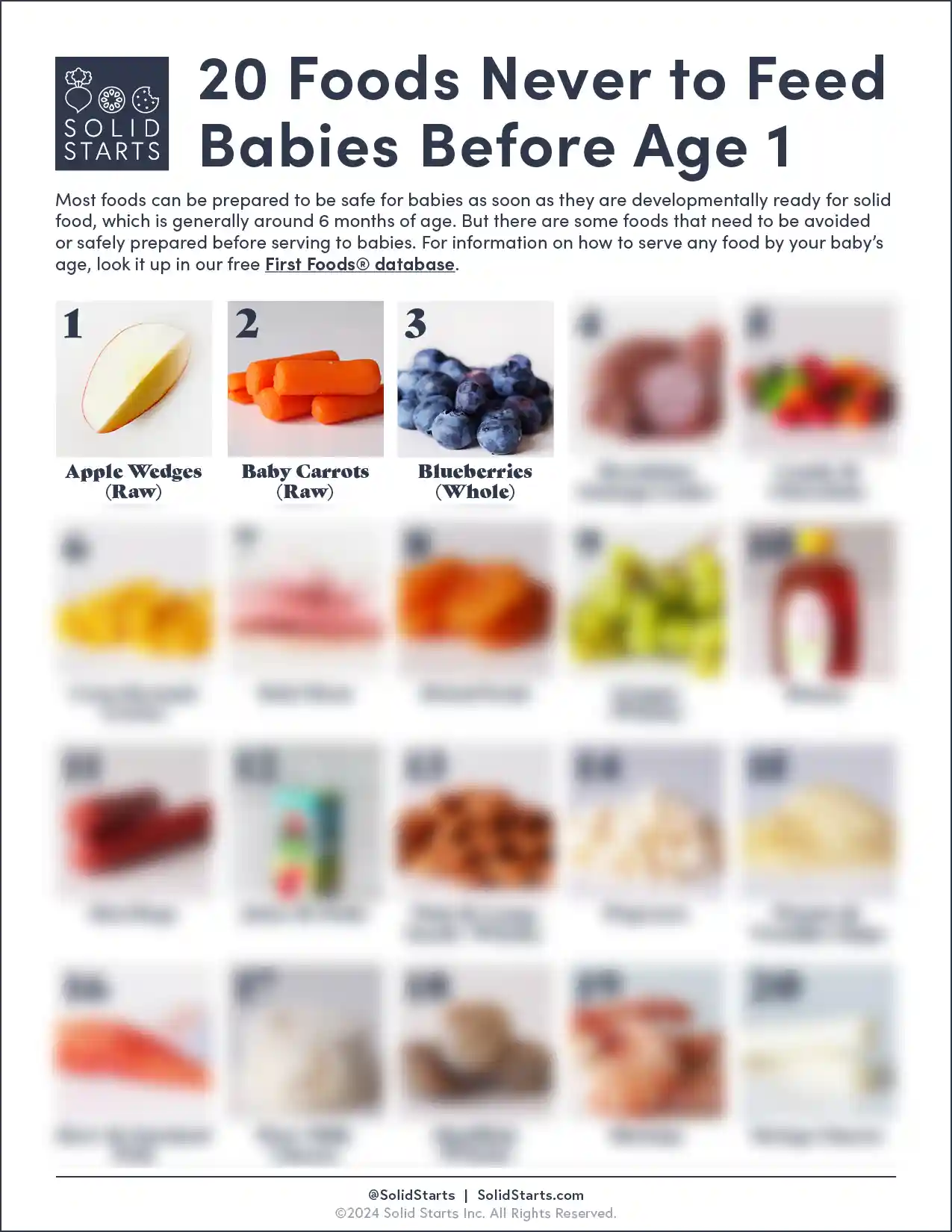
Babies do not have the chewing ability to handle hard foods. Avoid whole nuts, seeds, hard raw carrots, raw apple chunks, hard candies, ice cubes, and large firm pieces of fruit or vegetables. Cook hard vegetables until soft, mash them, or cut them into small, thin pieces your baby can manage.
Sticky Foods That Can Block Airways
Thick globs of peanut butter, other nut butters, seed butters, sticky candy, caramel, and marshmallows can stick in the throat. To offer nut or seed butter safely, spread it very thinly or stir a small amount into yogurt, oatmeal, breast milk, formula, or puree until smooth and loose.
Foods Shaped Like Coins Or Cylinders
Round foods can fit tightly into a baby’s airway. Avoid whole grapes, whole cherry tomatoes, hot dog rounds, sausage coins, large blueberries, melon balls, and cherries with pits. If serving soft grapes or cherry tomatoes to an older baby who is ready for that texture, cut them lengthwise into quarters.
Foods That Crumble Easily
Chips, popcorn, hard crackers, pretzels, and crumbly snack foods can break into sharp or dry pieces that are hard for babies to control. Offer soft, moist foods instead, such as mashed avocado, ripe banana, soft cooked sweet potato, or well-cooked pasta cut into small pieces.
Chewy Foods That Require Strong Jaw Movement
Gummies, dried fruit, tough meat, jerky, large cheese cubes, bagels, and chewy candies require more chewing strength than babies usually have. Choose soft, shredded, minced, or mashed textures instead.
Pro Tip: Seat your baby upright, supervise every bite, avoid feeding in the car or stroller, and do not let babies eat while crawling, walking, laughing, or lying down.
Cow’s Milk Before One Year
Parents often ask whether babies can drink cow’s milk. The answer is no if it is being used as the main drink before 12 months. Cow’s milk does not have the right balance of nutrients for infants, and the CDC notes that giving cow’s milk before 12 months may increase the risk of intestinal bleeding and can provide too much protein and minerals for a baby’s kidneys.
Why Cow’s Milk Can Be Hard To Digest
A baby’s digestive system is still developing in the first year. Cow’s milk as a drink is not designed to meet an infant’s needs the way breast milk or iron-fortified formula does.
Lack Of Essential Nutrients
Cow’s milk is low in iron and does not provide the full nutrient balance babies need during the first year. Too much cow’s milk too early can also crowd out breast milk or formula, which should remain the main source of nutrition.
Risk Of Allergic Reactions
Some babies react to cow’s milk protein. Symptoms may include hives, vomiting, diarrhea, blood in the stool, swelling, or breathing trouble. Call your pediatrician if you suspect a milk reaction, and seek emergency care for breathing trouble or severe swelling.
Too Much Protein And Minerals
Cow’s milk contains more protein and minerals than infant kidneys are ready to handle as a main drink. This is one reason whole cow’s milk should wait until after the first birthday unless a clinician gives different instructions in a special situation.
What To Offer Instead
Before 12 months, offer breast milk or iron-fortified infant formula as the main drink. Once your baby is eating solids, pasteurized plain yogurt and cheese can be introduced in small amounts if your baby tolerates them. After 12 months, many children can transition to whole cow’s milk as part of a balanced diet.
High-sodium And Sugary Foods
Babies do not need added salt or added sugar. Early feeding is a chance to help your baby learn the natural flavors of fruits, vegetables, grains, proteins, and healthy fats without training their taste buds to expect very salty or very sweet foods.
Recommended Products

IDENTIFY WHICH FOODS MAY BE CAUSING YOUR SYMPTOMS. Food intolerances happen when your gut microbiome and digestive enzymes can’t break down a food ingredient. Although gluten and lactose are the most common issues, intolerances can happen with any food item. When these intolerances go unchecked, symptoms like headaches, gas, diarrhea, acne, and bloating may develop.

AT-HOME KIT: One small hair sample. 1,000+ everyday items. A fast, non-invasive way to explore possible wellness signals related to foods, drinks, nutrients, household items, and general gut-wellness factors—right from home.

TEST YOUR PETS FOR 855+ COMMERCIAL PET FOOD INTOLERANCES & ENVIRONMENTAL SENSITIVITIES. Our 2-in-1 pet sensitivity and intolerance test reveals your dog or cat’s response to 575 commercial pet food & treat ingredients found in dry kibble, wet/canned food, freeze-dried formulas, air dried formulas and 282 environmental items, like fabrics, cleaning products, plants, and grasses. You’ll uncover what may be contributing to symptoms like diarrhea, paw biting & licking, skin irritations, and watery eyes.
Why High-sodium Foods Are Harmful For Babies
Salty processed foods can add more sodium than babies need. Avoid adding salt to baby food, and limit processed meats, fast food, salty crackers, chips, canned soups, frozen dinners, and sauces. Choose “no salt added” or “low sodium” options when buying packaged foods for your baby.
Hidden Sources Of Sodium You Should Watch Out For
Sodium can hide in bread, deli meat, cheese snacks, canned vegetables, jarred sauces, soups, frozen meals, and toddler snack foods. Check the Nutrition Facts label and choose the lowest-sodium option you can find.
How Sugary Foods Affect Babies’ Health
Foods with added sugar can crowd out more nutritious foods and shape a long-term preference for very sweet flavors. Avoid candy, cookies, sweetened cereals, flavored yogurts, muffins, pastries, sweetened pouches, and desserts marketed for babies.
Why You Should Avoid Sweetened Drinks
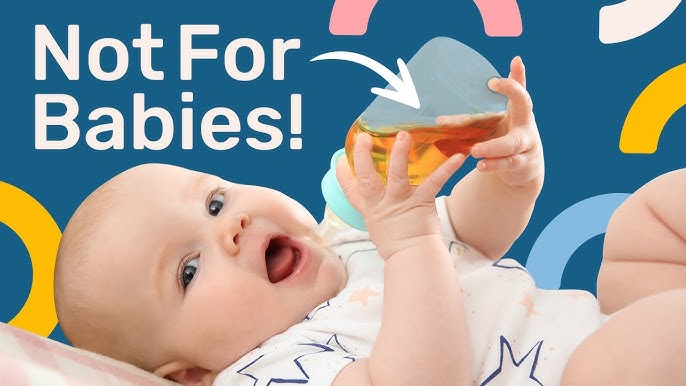
Babies should not have soda, fruit drinks, sports drinks, sweet tea, flavored milk, energy drinks, or other sweetened beverages. Children younger than 12 months should not drink fruit or vegetable juice. After 12 months, juice is still unnecessary; whole fruit is a better choice because it provides fiber and helps babies practice eating real textures.
Practical Tips To Keep Sodium And Sugar Low
- Cook simple foods at home when possible so you control the ingredients.
- Use fruit, cinnamon, garlic, basil, or mild spices for flavor instead of sugar or salt.
- Choose plain yogurt instead of sweetened yogurt.
- Rinse canned beans or vegetables and choose no-salt-added versions when available.
- Offer water in small amounts with meals once your baby starts solids, while keeping breast milk or formula as the main drink before 12 months.
Credit: www.youtube.com
Allergenic Foods And When To Introduce
Introducing solid foods is also the time to think about common allergens. The goal is not to avoid allergenic foods for years. Current pediatric guidance says that, for many babies, common allergens can be introduced in safe, age-appropriate forms once the baby is ready for solids and has tolerated a few first foods.
Recommended Products

One 6 oz package of Organic Valley Alpine Style Organic Baby Swiss Cheese Slices

Mellow and nutty, this go-with-anything Swiss natural cheese comes in a range of sharpness and makes for a tangier turkey sandwich or a more momentous Reuben

One 8 oz block of Velveeta Original Pasteurized Recipe Cheese Product
What Are Allergenic Foods?
Common allergenic foods include milk, egg, peanut, tree nuts, wheat, soy, sesame, fish, and shellfish. These foods must be prepared in forms that are safe for babies. Whole nuts, thick nut butter, and large pieces of fish or shellfish are choking hazards, even if the food itself is appropriate to introduce.
When To Introduce Allergenic Foods
Once your baby is ready for solids, usually around 6 months, you can introduce common allergens one at a time in small amounts. Examples include well-cooked egg, plain yogurt, thinned peanut butter, smooth hummus, or finely flaked fully cooked fish. The American Academy of Pediatrics’ HealthyChildren guidance notes that delaying allergenic foods has not been shown to prevent allergies.
If your baby has severe eczema, an egg allergy, a previous immediate reaction to a food, or another high-risk condition, talk with your pediatrician before introducing highly allergenic foods, especially peanut.
Signs Of Allergic Reactions To Watch For
Watch for hives, swelling of the lips or face, repeated vomiting, diarrhea, coughing, wheezing, trouble breathing, pale skin, or sudden sleepiness after eating. Mild symptoms should be discussed with your pediatrician. Trouble breathing, severe swelling, or a baby who becomes limp or difficult to wake needs emergency care.
Unpasteurized Products And Safety
Babies and young children are more vulnerable to foodborne illness than healthy adults. Unpasteurized foods may sound natural, but they can carry bacteria that are especially risky for infants and toddlers.
What Does “unpasteurized” Mean?
Unpasteurized foods have not gone through the heat-treatment process used to kill harmful germs. Common examples include raw milk, raw milk cheeses, unpasteurized yogurt, unpasteurized juices, and some fresh ciders.
Why Are Unpasteurized Dairy Products Risky?
Raw milk and products made from raw milk can expose children to germs such as E. coli, Listeria, Salmonella, Campylobacter, and other harmful organisms. The CDC recommends choosing pasteurized milk and dairy products.
Are Unpasteurized Juices Safe?
No. Unpasteurized juices and ciders can carry harmful bacteria. Babies under 12 months should not drink juice anyway, and older children should only have pasteurized juice in limited amounts if it is offered at all.
How To Spot Unpasteurized Products
Look for the word “pasteurized” on labels for milk, yogurt, cheese, and juice. Be extra careful with farmers market products, fresh cider, homemade dairy foods, imported soft cheeses, and products sold as raw or unheated.
What Can You Offer Instead?
Choose pasteurized plain yogurt or cheese in baby-safe textures, and offer mashed or pureed fruit instead of juice. After 12 months, pasteurized whole milk may be introduced if your child’s pediatrician agrees.

Credit: en.petitchef.com
High-mercury Fish To Avoid
Fish can provide important nutrients, but some fish are high in mercury. Avoid feeding young children king mackerel, marlin, orange roughy, shark, swordfish, tilefish from the Gulf of Mexico, and bigeye tuna. Mercury can harm the developing brain and nervous system over time.
When offering fish, choose lower-mercury options, cook them fully, remove all bones, and flake the fish into soft, tiny pieces. Avoid raw fish, sushi with raw seafood, smoked seafood that is not cooked into a dish, and shellfish that is undercooked.
Raw Or Undercooked Foods
Babies should not eat raw or undercooked eggs, meat, poultry, fish, or shellfish. These foods can carry harmful bacteria or parasites. Cook eggs until both the yolk and white are firm, cook meats and poultry thoroughly, and reheat leftovers until steaming hot before cooling them to a safe temperature for your baby.
Also avoid raw sprouts, unwashed produce, and foods left out at room temperature for too long. Wash fruits and vegetables well, refrigerate perishable foods promptly, and throw away food that has been sitting out for more than 2 hours, or more than 1 hour in hot weather.
Drinks Babies Should Not Have
Before 12 months, babies should drink breast milk or iron-fortified formula as their main drink. Once solids begin, small sips of water with meals are usually fine, but water should not replace breast milk or formula.
- No juice before 12 months: Fruit and vegetable juice are not needed and can crowd out more nutritious foods.
- No sweetened drinks: Avoid soda, fruit drinks, sweet tea, sports drinks, flavored waters, and energy drinks.
- No caffeine: Babies and young children should not have coffee, tea, energy drinks, or other caffeinated drinks.
- No cow’s milk as a drink before 1 year: Use breast milk or formula instead.
- No unpasteurized drinks: Avoid raw milk, unpasteurized juice, and unpasteurized cider.
Note: For babies under 12 months, ask your pediatrician before using plant-based milks, toddler drinks, homemade formula, or diluted cow’s milk as a replacement for breast milk or infant formula.
Frequently Asked Questions
What Foods Can Infants Not Eat?
Infants should not eat honey before 12 months, cow’s milk as a main drink before 1 year, unpasteurized foods, raw or undercooked eggs or meats, high-mercury fish, added sugar, salty processed foods, or choking hazards such as whole grapes, popcorn, hot dog rounds, whole nuts, hard raw vegetables, and thick globs of nut butter.
What Is The 1 Food That Kids Choke On?
Hot dogs are one of the highest-risk choking foods because their round shape and firm texture can block a small airway. Never serve hot dogs in coin-shaped slices. For older children who can handle them, cut lengthwise first, then into small irregular pieces.
Why Can’t Babies Have Strawberries?
Strawberries are not automatically forbidden once a baby is ready for solids, usually around 6 months. The risk is texture and readiness, not strawberries alone. Offer ripe strawberries mashed, pureed, or cut into very soft, age-appropriate pieces, and watch for any reaction.
Which Foods Should Be Avoided Until 12 Months Of Age?
Avoid honey and foods made with honey, cow’s milk as a main drink, fruit or vegetable juice, unpasteurized foods and drinks, and unsafe choking textures. Also avoid added sugar, salty processed foods, raw or undercooked animal foods, and high-mercury fish.
Conclusion
Conclusion
Feeding your baby safely starts with simple rules: avoid honey before 12 months, skip cow’s milk as a main drink before age 1, prepare foods to prevent choking, choose pasteurized products, avoid juice and added sugars, limit salty processed foods, and introduce common allergens in safe forms when your baby is ready. When in doubt, ask your pediatrician—especially if your baby has allergies, eczema, feeding trouble, or a medical condition.
Sources
- CDC: Foods and Drinks to Avoid or Limit — supports guidance on honey, added sugar, salt, cow’s milk, juice, mercury, caffeine, and unpasteurized foods.
- CDC: Choking Hazards — supports choking-risk food lists and preparation advice.
- CDC: When, What, and How to Introduce Solid Foods — supports readiness signs and timing for solids.
- HealthyChildren.org: When to Introduce Common Food Allergens — supports allergen introduction guidance.
- CDC: Clinical Overview of Infant Botulism — supports infant botulism signs and symptoms.
- CDC: Raw Milk Safety — supports pasteurization and raw milk risk guidance.