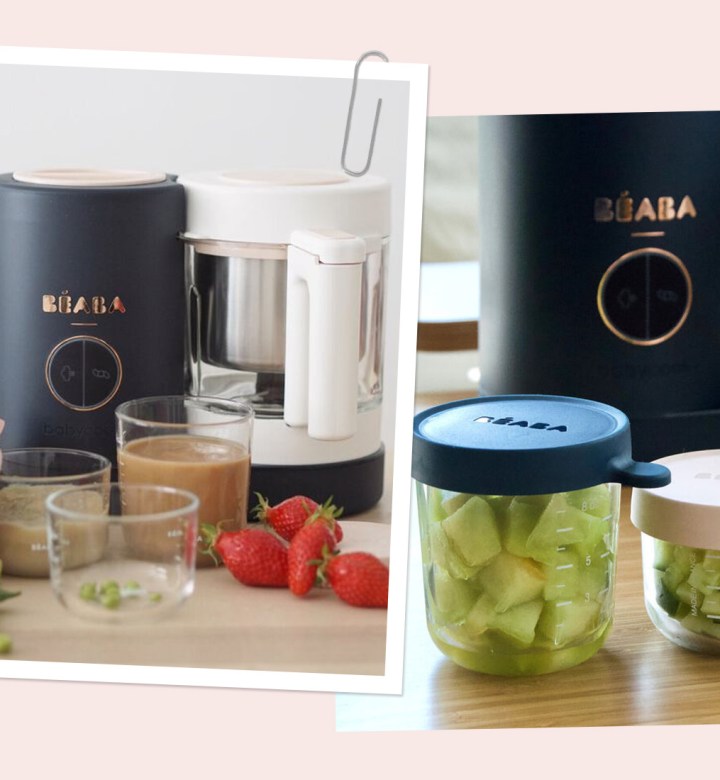
Is a Baby Food Maker Worth It? The Honest Answer
A baby food maker can be worth it if you plan to make homemade purees often, want fewer dishes, and like the idea of steaming and blending in one machine. It is not essential, though. A regular steamer, pot, blender, food processor, or even a fork can also make safe, nutritious baby food.
The best choice depends on your budget, kitchen space, schedule, and how much homemade baby food you realistically want to prepare. Here is the practical breakdown before you buy another countertop gadget.
Quick Answer
A baby food maker is worth it for parents who want to make homemade purees several times a week and value one-machine steaming, blending, reheating, and easier cleanup. Skip it if you already have a good blender and steamer, have limited counter space, or mainly use store-bought baby food.
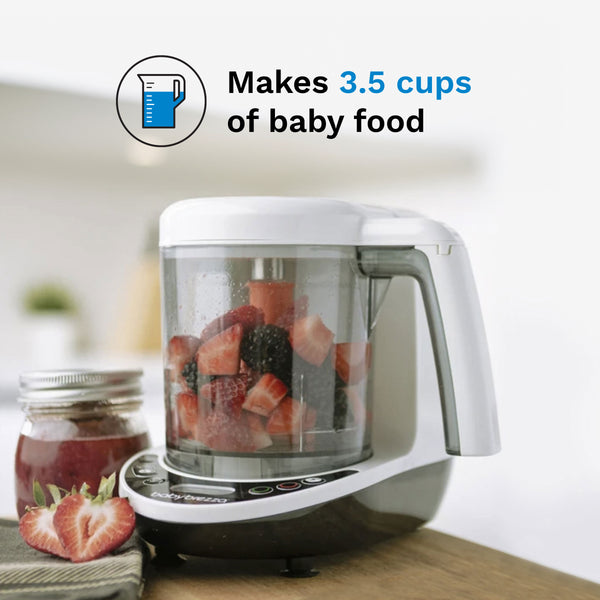
Credit: babybrezza.com
Key Takeaways
- A baby food maker is a convenience tool, not a must-have baby item.
- It saves the most time when you batch-cook several servings at once.
- Homemade baby food gives you ingredient control, but it still needs safe storage, reheating, and age-appropriate ingredients.
- Store-bought baby food can still be useful, especially for travel, emergencies, daycare, or busy weeks.
- The best buy is a model that is easy to clean, BPA-free, compact, and large enough for your batch size.
What Does a Baby Food Maker Actually Do?
Most baby food makers are small appliances designed to prepare baby purees with less equipment. Depending on the model, they may steam, blend, defrost, reheat, or sterilize small items. The main appeal is simple: fewer pots, fewer transfers, and less cleanup.
| Option | Best For | Main Drawback |
|---|---|---|
| Baby food maker | Parents who want steaming and blending in one compact appliance | Extra upfront cost and another appliance to clean |
| Steamer + blender | Families who already own kitchen tools | More dishes and food transfers |
| Fork or potato masher | Soft foods like banana, avocado, potato, or well-cooked vegetables | Harder to get very smooth textures |
| Store-bought baby food | Travel, daycare, backup meals, or parents short on time | Less control over ingredients, texture, and variety |
Benefits Of Homemade Baby Food
Homemade baby food has become popular because it gives parents more control over what goes into each meal. It can also be a simple way to introduce your baby to the foods your family already eats, as long as the texture and ingredients are safe for your baby’s age and development.
Recommended Products

𝗦𝘁𝗲𝗮𝗺𝗶𝗻𝗴 𝗮𝗻𝗱 𝗕𝗹𝗲𝗻𝗱𝗶𝗻𝗴 𝗶𝗻 𝗢𝗻𝗲: The height of the blender container is 4.13 inches, and the outer diameter is 4.17 inches.This GROWNSY baby food maker thoughtfully designed for babies 6 months+ during the weaning stage.It seamlessly combines steaming and blending in a single device, simplifying meal prep and eliminating the need for extra kitchen tools. The built-in sterilizer mode saves time and effort, giving you more precious moments with your baby.
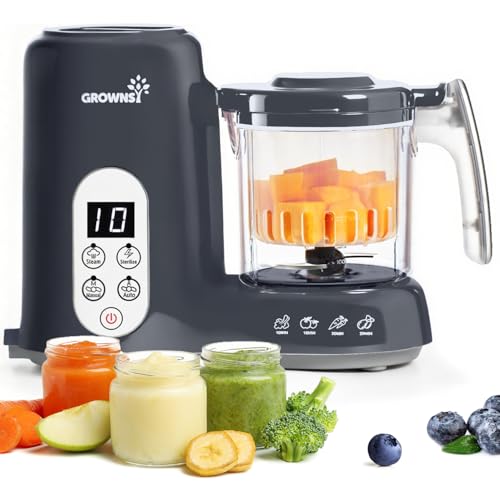
𝗦𝘁𝗲𝗮𝗺𝗶𝗻𝗴 𝗮𝗻𝗱 𝗕𝗹𝗲𝗻𝗱𝗶𝗻𝗴 𝗶𝗻 𝗢𝗻𝗲: This baby food maker seamlessly combines steaming and blending in a single device, simplifying meal prep and eliminating the need for extra kitchen tools. The built-in sterilizer mode saves time and effort, giving you more precious moments with your baby.

𝗡𝘂𝘁𝗿𝗶𝗲𝗻𝘁-𝗙𝗿𝗶𝗲𝗻𝗱𝗹𝘆 𝗦𝘁𝗲𝗮𝗺𝗶𝗻𝗴 𝗕𝗮𝘀𝗸𝗲𝘁 : Tired of losing nutrients when making baby food at home? During daily meal prep, uneven heating can easily affect food quality. Unlike plastic steam baskets that may discolor over time, this baby food maker features a stainless steel steam basket that is designed for gentle, even steaming, helping retain natural nutrients and moisture for fresh homemade meals
Fresh Ingredients You Choose Yourself
When you make baby food at home, you choose the fruits, vegetables, grains, proteins, and seasonings. You can use ripe produce, rotate flavors, and avoid ingredients your baby is not ready for yet.
This does not mean homemade food is automatically “better” in every situation. Store-bought baby food can be safe and convenient. The real benefit of homemade food is control: you know what you used, how it was cooked, and how it was stored.
Custom Textures For Your Baby’s Stage
Some babies need very smooth purees at first. Others move quickly to mashed or soft finger foods. A baby food maker can help you adjust texture by adding a little breast milk, formula, water, or cooking liquid and blending for more or less time.
The CDC notes that many babies can begin solid foods around 6 months, but readiness varies. If your baby was premature, has feeding issues, or has medical needs, ask your pediatrician before changing textures.
More Control Over Added Sugar And Sodium
Homemade meals make it easier to avoid added sugar and high-sodium foods. The CDC recommends avoiding added sugars for infants and young children and limiting high-sodium foods.
That does not mean every packaged baby food is a bad choice. Many simple jars and pouches contain only fruits, vegetables, grains, or meats. Read the ingredient list and Nutrition Facts label so you can choose options that fit your baby’s needs.
Flexible Meal Prep
One of the biggest advantages is batch cooking. You can steam a few vegetables, blend them, portion them into small containers, and freeze some for later. This helps on days when you do not have time to cook from scratch.
Potential Long-Term Savings
Homemade baby food can cost less per serving when you use affordable ingredients and cook in batches. The savings are not automatic, though. Organic produce, wasted leftovers, storage containers, and the appliance itself all affect the final cost.

Credit: www.amazon.com
Cost Comparison: Store-Bought Vs. Homemade
The cost question is one of the biggest reasons parents consider a baby food maker. The honest answer is that homemade baby food can be cheaper, but only if you use the machine regularly and avoid wasting ingredients.
Recommended Products

Make fresh, delicious food with wholesome ingredients. You control exactly what goes in - no hidden stabilizers, preservatives, or flavor enhancers necessary.

【4-in-1 Baby Food Maker】Multifunctional baby food processor with steamer. You can steam cooks, blends, defrosts and reheats healthy food, which satisfy the needs of daily infant feeding. This baby food steamer is suitable for all vegetable, fish, fruit and meats.The unique steam circulation system locks in nutrients, flavors and vitamins, ensuring your baby benefits from delicious and healthy homemade food.

The nutribullet Baby Turbo Steamer is fast, easy to clean, and a real go-getter just like you. Not only does it steam cook fresh ingredients for homemade baby food, it also defrosts frozen foods and sterilizes baby bottles, pacifiers, utensils, and toys for easier baby times, all around.
How To Estimate Your Break-Even Point
Instead of relying on one fixed price, use this simple formula:
Baby food maker cost ÷ estimated savings per serving = servings needed to break even.
For example, if a baby food maker costs $80 and homemade food saves you about $0.50 per serving compared with the packaged option you usually buy, you would need about 160 servings to break even. If you only make homemade food occasionally, it may not pay for itself.
Where Store-Bought Food Still Wins
Store-bought baby food is hard to beat for convenience. It is useful for travel, daycare bags, grandparent visits, emergency meals, and weeks when cooking is not realistic.
A balanced approach works well for many families: homemade food at home, packaged food when it makes life easier.
Hidden Costs To Consider
- Storage containers or freezer trays
- Extra produce that may spoil before you use it
- Replacement parts, if your model needs them
- Time spent washing, chopping, cooling, labeling, and cleaning
- Counter or cabinet space
Safety Basics Before You Make Baby Food
Because this is food for a baby, convenience should never come before safety. A baby food maker can simplify cooking, but it cannot decide whether a food is age-appropriate, safely stored, or the right texture for your child.
Warning: Do not give honey to babies younger than 12 months. The CDC warns that honey can cause infant botulism. Also avoid cow’s milk as a drink before 12 months, high-sodium foods, added sugars, unpasteurized foods, and choking hazards.
Recommended Products

Effortless Meal Preparation: Streamline your baby's nutrition with our 3 Pack Silicone Freezer Tray. Batch prepare baby food, purees, breastmilk, and more for efficient and convenient meal planning.

12-Pack, Durable 4oz Glass Jars with Lids – KeaBabies Baby Food Jars Glass check all the right boxes for a reliable baby snack containers. Ideal for busy parents as baby food containers for prepping and storing homemade meals smoothly.

Premium Baby Food Storage Containers: The set has 8 food storage containers, 4 oz each. 8 colors, 1 of each color. There are many colors for easy differentiation of use and a large number to meet the daily needs of baby use. A pen can be used to write the name, date or other information on the lid to remind you what is inside the jar. Perfect for storing homemade baby food, solid baby food, fruit and vegetable purees, jams, etc
Start Solids When Your Baby Is Ready
The American Academy of Pediatrics explains that solids are introduced gradually around 6 months, while breast milk or formula continues to provide much of a baby’s nutrition at first.
Signs of readiness often include good head and neck control, interest in food, and the ability to sit with support. If you are unsure, ask your pediatrician.
Introduce New Foods Carefully
Early on, offer one single-ingredient food at a time. The CDC recommends waiting 3 to 5 days between new foods at first so you can watch for reactions. Potential allergens such as eggs, nut butters, wheat, fish, and dairy can be introduced with other foods for many babies, but ask your child’s doctor if your baby has eczema, known allergies, or a family allergy history.
Remember That Homemade Is Not Automatically Contaminant-Free
Homemade baby food gives you ingredient control, but plants can still take up contaminants from soil and water. The FDA’s 2025 lead guidance for processed baby foods explains that lead and other contaminants can enter the food supply from the environment.
The practical move is variety. Offer different vegetables, fruits, grains, and proteins instead of relying heavily on one food, such as rice cereal.
Time-Saving Features Of Baby Food Makers
Making fresh baby food sounds simple until you are washing bottles, folding laundry, and trying to cook dinner at the same time. This is where a baby food maker can help.
All-In-One Functionality
Many models combine steaming and blending in one machine. Instead of steaming carrots in one pot and moving them to a blender, you can cook and puree them in the same bowl. That means fewer dishes and fewer chances to spill hot food.
Hands-Free Cooking
Some models let you add water, load the food, press a button, and step away while the food steams. You still need to supervise the appliance according to the manufacturer’s instructions, but you do not have to stand over the stove.
Quick Batch Preparation
Baby food makers are useful for preparing several servings at once. You can cook a batch, cool it safely, portion it, and freeze what you will not use soon.
Easy Cleanup
Look for dishwasher-safe parts and a design without too many tiny crevices. If the water tank is hard to access, check the manual for descaling instructions before you buy.
Consistent Texture
A good baby food maker can create smooth purees for early feeding and thicker textures for later stages. Texture control is especially helpful when your baby is learning to swallow solids.
Pro Tip: Make small batches of single ingredients first. Once your baby has tolerated those foods, you can combine flavors like sweet potato and peas or apple and oatmeal.
Key Features To Look For
The best baby food maker is not always the most expensive one. It is the one you will actually use, clean, and store without frustration.
Easy Cleaning
Choose a model with removable, dishwasher-safe parts. If food gets stuck around the blade, seal, lid, or water reservoir, the machine can quickly become more trouble than it is worth.
Steaming And Blending In One Bowl
The biggest convenience comes from cooking and blending in the same container. This reduces dishes and keeps the process simple.
Right Batch Size
Small machines are good for tight kitchens and occasional use. Larger bowls are better if you want to prep several meals at once. Think about your fridge and freezer space too.
Safe Food-Contact Materials
Look for BPA-free food-contact parts and follow the manufacturer’s instructions for heating, washing, and replacing worn parts. The FDA notes that BPA-based materials are no longer authorized for baby bottles, sippy cups, and infant formula packaging, but you should still check product details before buying any baby-feeding appliance.
Simple Controls
Sleep-deprived parents do not need complicated settings. Clear buttons, visible water markings, and an easy manual matter more than fancy extras.
Compact Design
If your counter is already crowded, measure before you buy. A baby food maker that lives in a hard-to-reach cabinet may not get used often.
Useful Extras
Defrosting, reheating, and sterilizing features can be helpful, but only if they fit your routine. Do not pay more for features you will ignore.
Common Challenges And Solutions
Challenge 1: Cleaning Takes Too Long
Food residue can stick around blades, lids, seals, and steam holes. Rinse the bowl right after use, soak removable parts in warm soapy water, and use a small brush for tight areas. Always follow the product manual.
Challenge 2: You Make Too Much Food
Batch cooking is helpful only if you store food safely. Use small containers or freezer trays so you can thaw one serving at a time.
The University of Illinois Extension recommends freezing homemade baby food you will not use within 1 to 2 days. It lists cooked fruits, vegetables, grains, and beans at 2 days in the refrigerator, and cooked meat, poultry, fish, and eggs at 1 day. Freezer storage is best quality for about 1 month.
Challenge 3: The Texture Is Uneven
Cut food into small, even pieces before steaming. Cook until soft. Add a small amount of liquid if needed, then blend again. For older babies, leave a thicker texture when developmentally appropriate.
Challenge 4: You Do Not Have Time Every Day
Do not make baby food daily unless you enjoy it. Pick one or two prep days per week, make a few simple ingredients, and freeze single servings.
Challenge 5: The Upfront Cost Feels High
If you are unsure, wait. Start with a fork, pot, steamer basket, or blender you already own. If you find yourself making baby food often and getting annoyed by the cleanup, that is when a baby food maker may be worth buying.

Credit: www.babybrezza.co.uk
Who Should Invest In A Baby Food Maker?
A baby food maker is a smart buy for some families and unnecessary for others. Here is the easiest way to decide.
It May Be Worth It If You:
- Plan to make homemade baby food several times a week
- Want steaming and blending in one appliance
- Prefer batch cooking and freezing portions
- Have enough counter or cabinet space
- Want more control over ingredients and texture
- Do not already own a reliable blender or food processor
You Can Probably Skip It If You:
- Already own a steamer and blender you like
- Have very limited kitchen space
- Mainly plan to use store-bought baby food
- Prefer baby-led weaning with soft finger foods instead of purees
- Do not want another appliance to wash and maintain
Note: A baby food maker should not replace medical advice. Ask your pediatrician about feeding plans if your baby has allergies, reflux, poor weight gain, swallowing concerns, prematurity, or other medical needs.
How To Use A Baby Food Maker Safely
At a Glance
| Time Required | About 20–45 minutes per batch, depending on the food and machine |
| Difficulty | Easy |
| Tools Needed | Baby food maker, clean knife, cutting board, spoon, storage containers or freezer tray |
| Cost | Ingredient cost plus the one-time appliance cost |
- Wash your hands, tools, and produce. Start with clean surfaces, clean containers, and fresh ingredients.
- Cut food into small pieces. Even pieces cook more evenly and blend more smoothly.
- Steam until soft. Follow the machine’s water-fill and cooking instructions.
- Blend to the right texture. Add a small amount of safe liquid if needed.
- Cool quickly before storing. Do not leave cooked food sitting out for long periods.
- Portion into small servings. Use clean containers or freezer trays.
- Label and date everything. This prevents guessing later.
- Reheat carefully. Stir well and test the temperature with a clean spoon before feeding.
- Do not save leftovers from your baby’s bowl. Saliva can contaminate food, so discard uneaten food that has touched the feeding spoon.
Baby Food Maker Vs. Blender Vs. Store-Bought: Which Is Best?
| Need | Best Choice | Why |
|---|---|---|
| Lowest upfront cost | Tools you already own | No new appliance required |
| Least cleanup for homemade purees | Baby food maker | Steams and blends in one unit |
| Travel convenience | Store-bought jars or pouches | Portable and shelf-stable until opened |
| Large family batches | Full-size blender or food processor | Bigger capacity than many baby food makers |
| Texture control | Baby food maker or blender | Both can make smooth or thicker blends |
Frequently Asked Questions
Do you really need a baby food maker?
No. A baby food maker is convenient, but it is not essential. You can make baby food with a pot, steamer basket, blender, food processor, potato masher, or fork. It is worth buying only if it saves you enough time and cleanup to justify the cost.
Is it worth making your own baby food?
It can be worth it if you want ingredient control, flexible textures, and possible cost savings. Homemade baby food is not automatically safer or healthier, though. You still need age-appropriate ingredients, clean prep, safe storage, and balanced variety.
Is it cheaper to buy baby food or make your own?
Making your own baby food can be cheaper per serving, especially when you use affordable ingredients and batch-cook. But the appliance, containers, organic ingredients, and wasted leftovers can reduce savings. Store-bought food may be worth the extra cost when convenience matters.
What are the disadvantages of homemade baby food?
Homemade baby food takes planning, cooking, cleaning, and storage space. It can spoil if stored too long, and it may not provide the same convenience as packaged food. You also need to manage texture, allergens, food safety, and nutrition variety yourself.
Can I use a regular blender instead of a baby food maker?
Yes. A regular blender or food processor works well, especially for larger batches. You may need a separate pot or steamer to cook the food first, and cleanup may involve more dishes.
How long can homemade baby food stay in the fridge?
University of Illinois Extension lists cooked fruits, vegetables, grains, and beans at 2 days in the refrigerator, while cooked meat, poultry, fish, and eggs should be kept for 1 day. Freeze food you will not use within 1 to 2 days.
What foods should babies avoid?
Babies younger than 12 months should not have honey or cow’s milk as a drink. Infants and young children should also avoid added sugars, high-sodium foods, unpasteurized foods, high-mercury fish, and choking hazards such as whole grapes, popcorn, nuts, hard raw vegetables, and chunks of nut butter.
Conclusion
A baby food maker is worth it if it fits the way you actually cook. If you want homemade purees, batch prep, fewer dishes, and easy texture control, it can be a helpful tool. If you already have a blender and steamer, or you only plan to make baby food once in a while, you can safely skip it.
The best approach is not all-or-nothing. Many parents use homemade baby food at home and store-bought options for busy days, travel, or backup meals. What matters most is safe prep, age-appropriate ingredients, balanced variety, and a feeding routine that works for your family.
Sources
- CDC: When, What, and How to Introduce Solid Foods — backs up starting solids around 6 months, single-ingredient introduction, and variety.
- CDC: Foods and Drinks to Avoid or Limit — backs up honey, added sugar, sodium, cow’s milk, juice, caffeine, and unpasteurized-food cautions.
- HealthyChildren.org: Starting Solid Foods — backs up AAP feeding guidance and gradual introduction of solids.
- University of Illinois Extension: Storing and Reheating Homemade Baby Food — backs up refrigerator and freezer storage guidance.
- FDA: Lead Action Levels for Processed Food Intended for Babies and Young Children — backs up contaminant and variety discussion.
- FDA: BPA Use in Food Contact Applications — backs up BPA-related food-contact-material guidance.