How to Improve Your Child’s Attitude
What’s in This Article
Your child’s attitude can turn a calm day into a tense one fast.
Defiance, negativity, or low motivation often signals a need for more connection, clearer limits, or better emotional skills. You can guide your child toward a more respectful attitude with small, steady changes at home.
You’ll learn how to communicate with less conflict, set fair rules, encourage responsibility, and know when to ask for extra support.
Quick Answer
You can improve your child’s attitude by staying calm, listening first, setting clear limits, and praising effort more than results. Give your child age-appropriate responsibility and model the respect you want to see. If behavior becomes extreme, unsafe, or lasts for weeks, talk with your child’s pediatrician.
Key Takeaways
- Use calm, respectful words so your child learns how to speak the same way.
- Set simple rules and follow through with fair, consistent consequences.
- Praise effort, problem-solving, kindness, and responsibility instead of only results.
- Use rewards sparingly so your child does not expect a prize for every task.
- Ask for professional help when behavior harms safety, school, sleep, or family life.

Credit: www.worksheetcloud.com
Before You Begin
Start by looking for patterns before you react. Notice when the attitude shows up, what happened before it, and how your child responds after you set a limit.
You do not need special tools, but a simple notes app or paper chart can help. Track sleep, meals, screen time, school stress, and big changes at home for one week.
Plan to spend about 10 to 15 minutes a day on calm practice, connection, and follow-through. The goal is steady progress, not instant change.
Recommended Products

Package includes: This set includes 6 communication boards, each designed with different themes to help individuals express their needs and feelings. You will get 6 communication boards for non verbal adults with corresponding picture symbol communication cards. This set is ideal for non-verbal adults, children, and individuals with communication challenges, whether at home, in care facilities, or during therapy.


All New Game: It's the 2nd edition of the quick question “what am I?” Game. Includes 6 new bands- dino, narwhal, robot, flower, butterfly, & brain.
Positive Communication
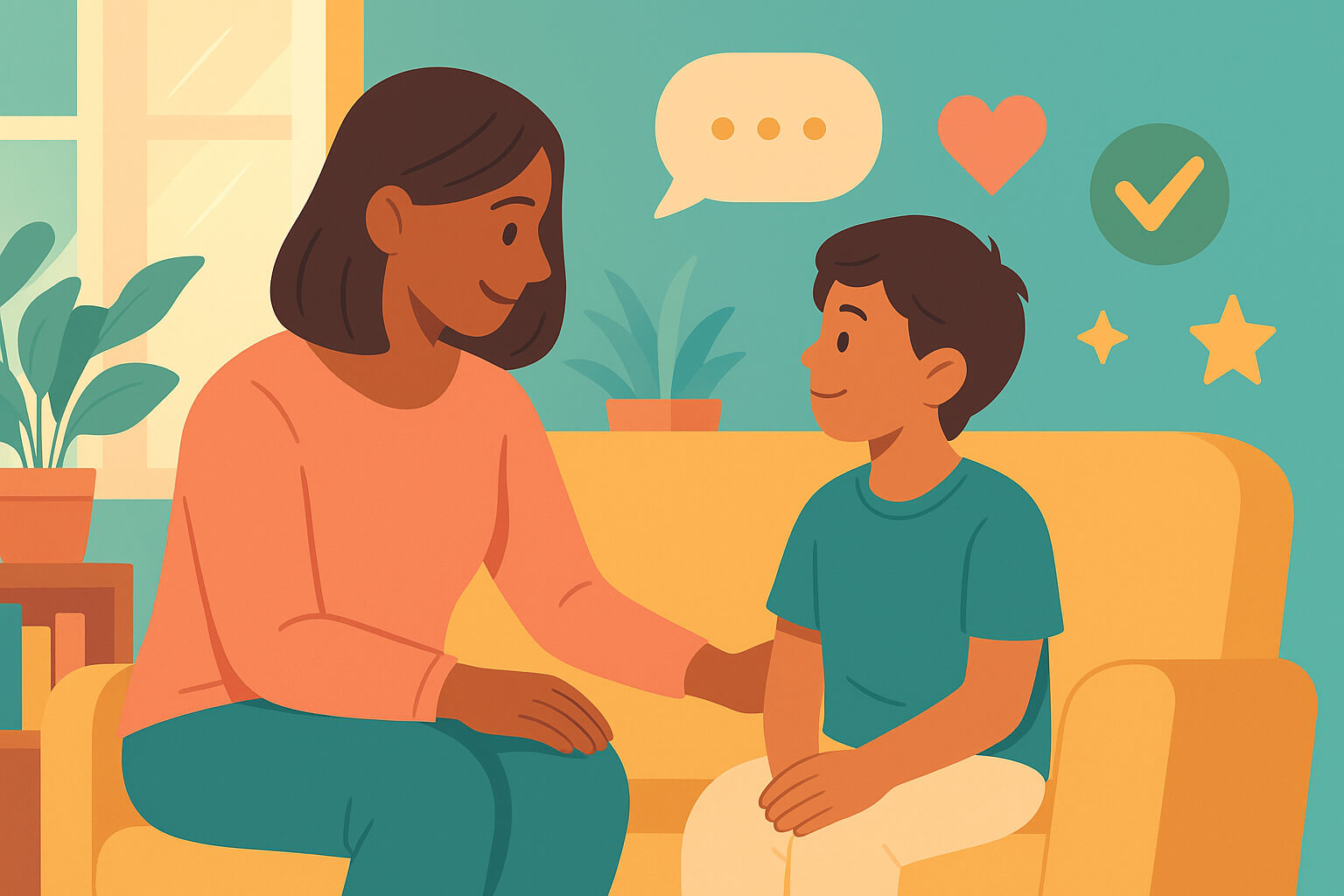
Positive communication shapes your child’s attitude because it helps them feel heard and respected. When your child trusts you, they can share feelings more freely and handle limits with less pushback.
Kind words, clear choices, and active listening can reduce power struggles. They also help your child learn how to speak to others with respect.
Recommended Products
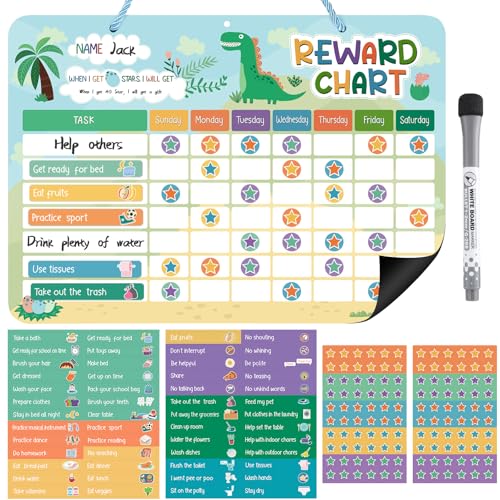
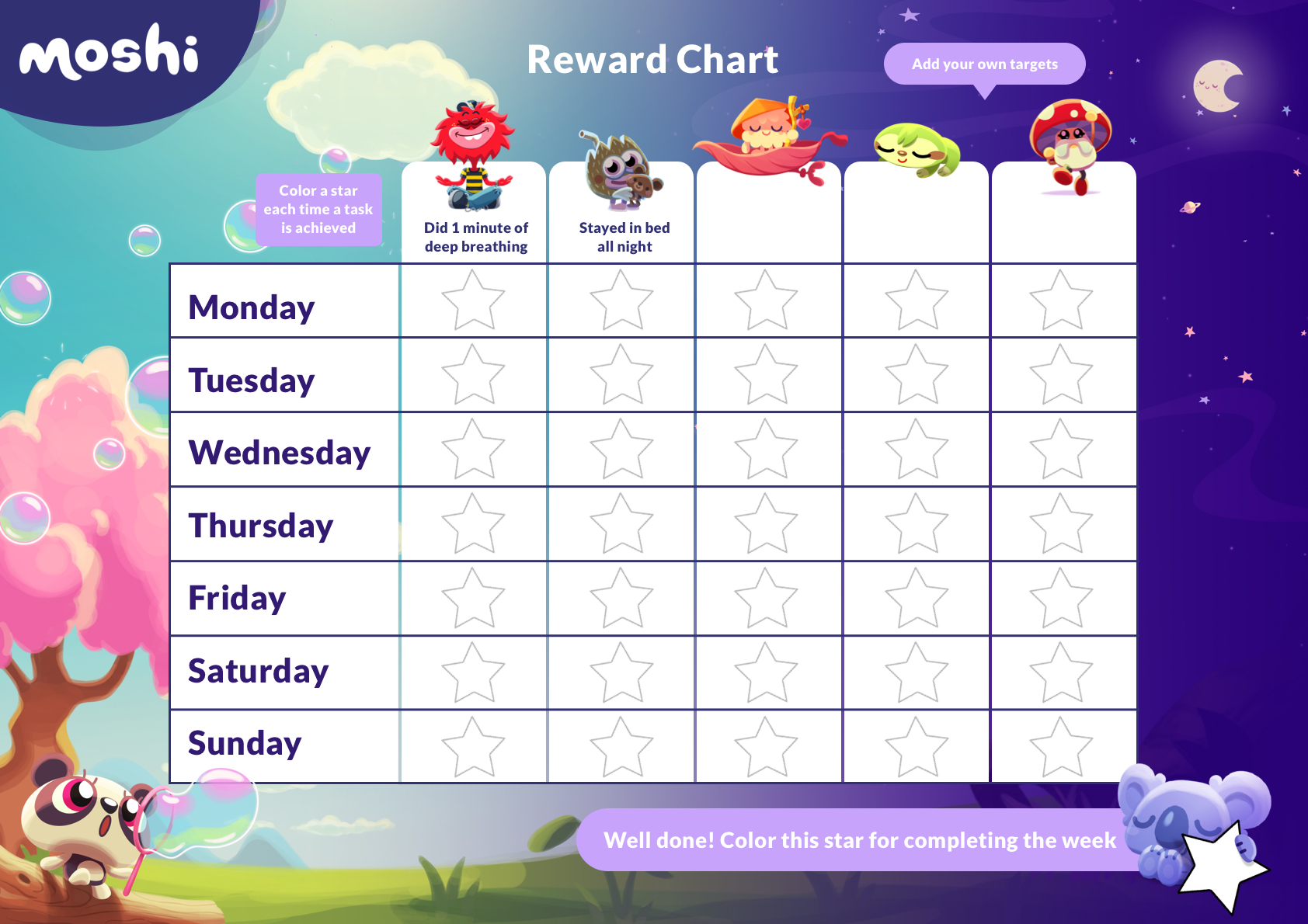
【Encourage Good Behavior】Use this chores chart for kids to arrange things for your child to complete every day, whether it is personal housework or other things such as potty, track and record every day, help children set goals and rewards, and let children form good habits and a sense of responsibility.

Motivate and Reward: Yasest reward chart for kids is designed to keep kids motivated and rewarded for their behavior and actions. Watch as they proudly track their weekly accomplishments and earned stars with this interactive chart

【Encourage Good Behavior】Use this chores chart for kids to arrange things for your child to complete every day, whether it is personal housework or other things such as potty, track and record every day, help children set goals and rewards, and let children form good habits and a sense of responsibility.
Focus On Listening Without Interrupting
Give your child your full attention during hard conversations. Put down your phone, face them, and let them finish before you respond.
This shows respect for their thoughts and feelings. It also teaches them to listen with patience when someone else speaks.
Use Encouraging Words
Encourage your child by naming their effort, not only the outcome. Say, “You worked hard on that task,” or “You kept trying even when it felt hard.”
This builds confidence and helps your child keep improving. Avoid labels like lazy, rude, or bad because those words can make a child feel stuck.
Maintain A Calm Tone
A calm tone helps your child feel safe enough to listen. Even during conflict, keep your voice low and your message clear.
The American Academy of Pediatrics advises parents to avoid spanking, verbal shaming, and harsh punishment. It recommends calm, consistent discipline that teaches safer behavior.
Warning: Avoid threats, insults, and physical punishment because they can increase fear and damage trust.
Ask Open-ended Questions
Ask questions that help your child share more than yes or no. Try, “What made you upset?” or “What would help you handle that next time?”
Open-ended questions support problem-solving and self-reflection. They also help your child feel like part of the solution.
Validate Their Feelings
Let your child know their emotions make sense, even when their behavior needs correction. You might say, “I see you feel angry, and I won’t let you hit.”
This teaches your child that feelings are allowed, but hurtful actions are not. Validation builds emotional security and strengthens your bond.
Setting Clear Boundaries
Improving your child’s attitude starts with clear boundaries. Boundaries give structure and show your child what behavior you expect.
Clear rules also help your child feel secure. When your child knows what will happen next, they often argue less and cooperate more.
Define Rules Early
Start with a few simple rules your child can understand. For example, use rules like “Use kind words,” “Keep hands safe,” and “Clean up after play.”
Make rules fit your child’s age. Younger children need short directions, while older children can help set family expectations.
Be Consistent
Consistency helps your child trust the rules. Apply the same expectations in calm moments and hard moments.
Follow through with consequences when your child breaks a rule. Use consequences that teach accountability, not shame.
Use Positive Reinforcement
Reward good behavior by naming exactly what your child did well. Say, “You stopped and used words when you felt upset.”
Positive reinforcement helps your child connect good choices with good outcomes. For age-specific guidance, the Centers for Disease Control and Prevention offers Positive Parenting Tips for different stages of child development.
Communicate Clearly
Explain boundaries in simple language. Use examples so your child knows what the rule looks like in real life.
Invite questions after you explain the rule. When your child feels heard, they may accept limits with less resistance.
Encouraging Responsibility
Responsibility helps children build confidence and self-control. It also teaches them to take ownership of choices, tasks, and mistakes.
Start small and stay patient. Your child will learn more from repeated practice than from one long lecture.
Give Age-appropriate Tasks
Assign tasks that match your child’s age and ability. Younger children can pick up toys, while older children can help with laundry or simple meal prep.
Small tasks build a sense of success. They also show your child that everyone in the home contributes.
Set Clear Expectations
Tell your child what you expect, when it needs to happen, and what “done” means. Clear directions reduce confusion and help your child focus.
Praise effort when your child follows through. This encourages steady habits and a better attitude toward responsibility.
Let Them Solve Problems
Allow your child to handle small challenges before you step in. Ask, “What could you try first?” or “What helped last time?”
Problem-solving builds resilience and critical thinking. It also helps your child learn from mistakes instead of fearing them.
Model Responsible Behavior
Your child learns by watching your choices. Keep promises, apologize when needed, and handle your own tasks with care.
Your example sets the standard. Consistent behavior from you helps your child understand what responsibility looks like.
Use Positive Reinforcement
Celebrate progress with praise, extra connection, or small privileges. Focus on the specific action you want your child to repeat.
For example, say, “You started your homework without a reminder.” Specific praise teaches more than a general “good job.”
Teach Time Management
Help your child plan tasks in small steps. Charts, timers, and simple checklists can make responsibilities feel less overwhelming.
Teach your child to choose the next task, start it, and check it off. This skill supports school, chores, and daily routines.
Modeling Good Behavior
Children learn by watching you. Your actions, words, and reactions shape how they handle stress, mistakes, and conflict.
If you want your child to build a positive attitude, show the behavior first. Your example gives them a clear model to copy.
Recommended Products

『Quantity』: The pack includes 10 reward charts and 216 round stickers.
Massive Value Pack with 4,960 Stickers - Stock up on classroom rewards with this giant set of 4,960 small teacher stickers! With a huge variety of designs and colors, you'll have plenty to encourage students, track progress, and recognize achievements throughout the school year, making learning exciting and rewarding for kids of all ages. Contains 18 individually wrapped sleeves containing 10 sheets of stickers (4.75 inches x 3.5 inches each).

If You’re Looking To Unlock Hidden Motivation Within Children, Then you need this incentive charts for classroom sticker chart set
Lead By Example
Actions teach more than lectures. If you want kindness, show kindness in daily moments.
Say “please” and “thank you,” wait your turn, and speak politely when plans change. Your child notices those small choices.
Admit Mistakes Openly
No parent gets it right every time. When you make a mistake, name it and repair it.
You might say, “I’m sorry I raised my voice. Next time I’ll pause before I answer.” This teaches accountability and shows your child how to repair harm.
Speak Respectfully
The way you speak to your child shapes how they speak to others. Avoid yelling, sarcasm, and dismissive comments, even when you feel upset.
If you want your child to listen, model listening first. Make eye contact, stay present, and hear them out before you respond.
Practice Self-control
Children often copy how adults handle strong feelings. Pause before you react to a hard moment.
For example, if traffic frustrates you, you can say, “I’m annoyed, so I’m going to take a slow breath.” This shows your child a safe way to handle stress.
Show Gratitude Daily
Gratitude can help your child notice what went well. Share one small thing you appreciate each day.
Ask, “What made you happy today?” This simple habit supports a more positive mindset and builds connection.
You have strong influence over your child’s attitude. Ask yourself what lessons your actions teach today.
Using Rewards Wisely
Rewards can help encourage good behavior, but they work best when you use them with care. If you use rewards too often, your child may expect a prize for basic tasks.
Make rewards meaningful, timely, and tied to one clear action. Use them as a short-term boost, not as your main parenting tool.
What Makes A Reward Effective?
A reward should feel special to your child. It can be extra playtime, a sticker, a favorite activity, or one-on-one time with you.
Give the reward soon after the behavior. Quick timing helps your child connect the reward with the choice you want to encourage.
Should You Use Rewards For Everything?
Do not use rewards for every task. Save them for behaviors that need extra effort, like sharing, starting homework, or staying calm during a hard moment.
When you use rewards sparingly, they keep their value. Your child also learns that some responsibilities matter even without a prize.
Make Rewards Personal
Different children respond to different rewards. Some children like stickers, while others want extra reading time, art time, or a walk with you.
Pay attention to what makes your child light up. A personal reward often works better than an expensive one.
Involve Your Child In The Process
Ask your child which rewards feel motivating. Offer two parent-approved choices so they have a voice without taking over the plan.
You might ask, “Would you like an extra bedtime story or a trip to the park after homework?” Choices help your child feel invested.
Beware Of The Reward Trap
Rewards should not replace inner motivation. Your long-term goal is to help your child value kindness, effort, and responsibility for their own sake.
Balance rewards with praise and encouragement. Nationwide Children’s Hospital advises parents not to use food as a reward or punishment because it can affect eating habits and self-regulation.
Fostering Emotional Growth
Emotional growth helps your child build a better attitude from the inside out. It teaches them to name feelings, calm their body, and respect other people’s emotions.
When your child grows emotionally, they can handle conflict with more control. They also build stronger relationships at home, school, and with friends.
Encourage Open Communication
Let your child express feelings without fear of judgment. Create a safe space where they can talk about sadness, anger, fear, or disappointment.
Listen with empathy and reflect what you hear. This builds trust and helps your child come to you before emotions explode.
Teach Healthy Ways To Handle Emotions
Help your child identify what they feel and what may have caused it. Use simple words like mad, sad, worried, embarrassed, or disappointed.
Teach calming tools such as deep breathing, counting to ten, taking space, or drawing. Practice these tools when your child feels calm so they can use them during stress.
Pro tip: Practice calming skills during peaceful moments because children rarely learn new skills well during a meltdown.
Be A Role Model
Show your child how to handle emotions by setting the example. Stay calm during stressful moments and use kind words when you disagree.
When you need a break, say so clearly. This teaches your child that taking space can be healthy and respectful.
Celebrate Their Efforts
Praise your child when they try to manage emotions in a safer way. Celebrate small wins, such as using words instead of yelling.
Positive feedback builds confidence. It also helps your child see emotional control as a skill they can practice.
Introduce Empathy
Teach your child to notice and respect other people’s feelings. Use stories, daily events, or play to ask, “How do you think that person felt?”
Encourage acts of kindness, such as helping a friend or apologizing after harm. Empathy supports emotional intelligence and social skills.
For practical tools on rewards, time-outs, and positive discipline, the CDC offers Essentials for Parenting, and the American Academy of Pediatrics shares guidance on time-outs.
Common Mistakes That Can Make Attitude Worse
Some parenting habits can make a child’s attitude worse, even when you mean well. The goal is not perfection, but better repair and more consistent practice.
- Avoid arguing when your child wants a reaction.
- Avoid giving long lectures after your child stops listening.
- Avoid changing rules based on your mood.
- Avoid praising only grades, wins, or perfect behavior.
- Avoid using shame to force quick compliance.
Choose one mistake to work on first. A small change from you can create a safer space for your child to change too.
When to Seek Extra Support
Some attitude changes come from normal stress, growth, or testing limits. Other changes may point to a deeper concern that needs help.
Talk with your child’s pediatrician, school counselor, or a licensed mental health professional if your child’s behavior affects safety, sleep, school, friendships, or daily family life. Also ask for help if your child talks about self-harm, harms others, or shows sudden extreme changes.
Note: A child’s difficult attitude may reflect stress, anxiety, learning challenges, sleep problems, or family changes.
Frequently Asked Questions
How Do You Fix A Child’s Bad Attitude?
Start by listening before you correct. Then set clear expectations, use fair consequences, and praise the behavior you want to see again.
Spend regular one-on-one time with your child to build trust. A stronger bond often makes limits easier for your child to accept.
How To Stop Your Child From Being So Negative?
Model hopeful language, praise effort, and help your child name what feels hard. Teach them to look for one possible solution instead of staying stuck in the complaint.
Gratitude routines can help, but do not force your child to act happy. First validate the feeling, then guide them toward a better next step.
How To Correct A Child’s Behavior?
Correct behavior by naming the rule, giving a clear direction, and following through with a logical consequence. Keep your tone calm so your child can focus on the lesson.
After the moment passes, talk about what your child can try next time. This helps them build skills instead of only fearing punishment.
How To Discipline A Child That Won’t Listen?
Get close, use a calm voice, and give one short direction at a time. Ask your child to repeat the direction so you know they understand.
Use positive reinforcement for cooperation and logical consequences for unsafe or disrespectful behavior. The American Academy of Pediatrics advises against spanking and verbal shaming.
How Long Does It Take To Improve A Child’s Attitude?
Some children respond within days when parents become calmer and more consistent. Bigger patterns may take weeks because your child needs time to trust the new routine.
Track small wins, such as fewer arguments or faster recovery after frustration. Progress often appears in small steps before it becomes a steady habit.
What Should You Do If Your Child’s Attitude Gets Worse?
Review sleep, stress, school issues, screen time, and family changes first. A sudden shift in attitude often has a trigger you can address.
Seek professional support if the behavior becomes unsafe, intense, or lasts for several weeks. Your pediatrician can help you decide the next step.
Medical Disclaimer: This article is for informational purposes only and does not constitute professional medical or mental health advice. Always consult a qualified doctor, pediatrician, or licensed mental health professional before making decisions based on this information.
Conclusion
Your child’s attitude improves most when you combine warmth, clear limits, and steady follow-through. Choose one strategy today, such as listening without interrupting or praising effort in specific words.
Keep your expectations simple and practice them often. When you model respect, responsibility, and calm repair, your child gets a clear path to follow.
Change may take time, but your steady effort can make home feel calmer and more connected.
References
- AAP Updates Recommendations on Corporal Punishment — American Academy of Pediatrics, 2018
- Positive Parenting Tips — Centers for Disease Control and Prevention, 2025
- Using Rewards — Centers for Disease Control and Prevention, 2024
- Time-Outs 101 — American Academy of Pediatrics, 2018
- Why Parents Shouldn’t Use Food as Reward or Punishment — Nationwide Children’s Hospital, 2025
- HealthyChildren.org — American Academy of Pediatrics