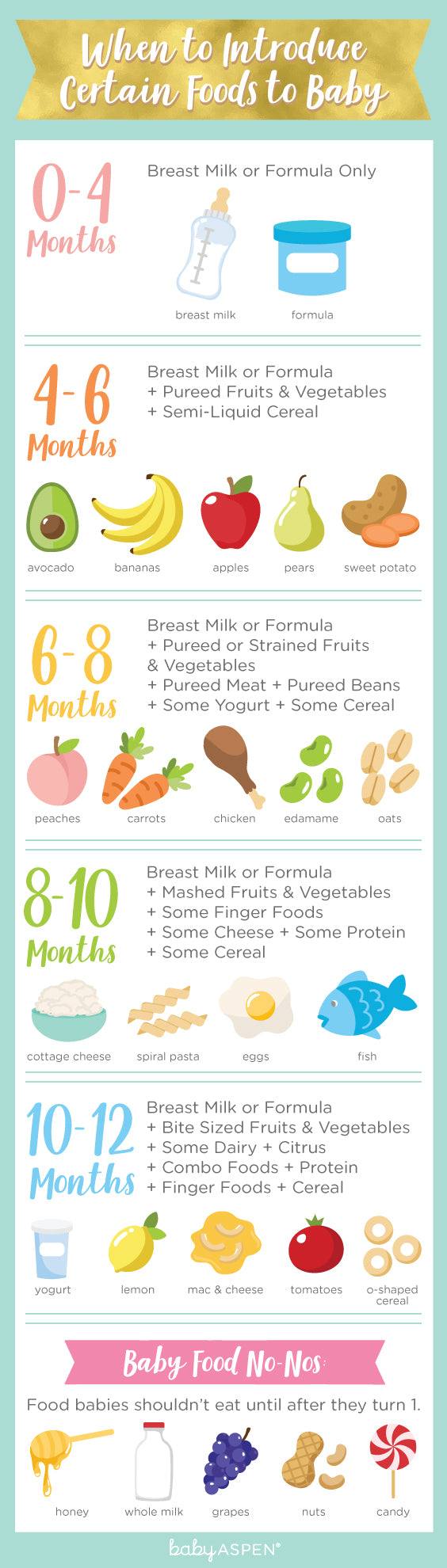
Introducing new foods can feel exciting and stressful at the same time.
You want your baby to enjoy new tastes, but you also want to watch for allergies, choking risks, and tummy trouble. Most babies start solids around 6 months, when they can sit with support and show interest in food.
This guide explains how often to introduce new baby food, what signs to watch for, and how to build variety safely.
Quick Answer
Introduce one new single-ingredient food every 3 to 5 days, especially when you first start solids. This gap helps you spot possible reactions, such as rash, vomiting, diarrhea, swelling, or breathing trouble. Once your baby tolerates several foods, you can offer more variety and combine familiar ingredients.
Key Takeaways
- Start solids around 6 months when your baby shows clear readiness signs.
- Offer one new single-ingredient food every 3 to 5 days at first.
- Begin with small portions and let your baby guide how much they eat.
- Watch closely for allergy symptoms after each new food.
- Ask your pediatrician about allergenic foods if your baby has eczema or a family allergy history.
Recommended Products


Track 70+ foods in one place: Six categories cover allergen exposure, vegetables, iron-rich proteins, fruits, grains, plus herbs and spices so nothing gets missed during the weaning months.

BABY'S FIRST FOOD CHECKLIST: Our large fridge magnet is perfect for tracking your baby's food journey as they try new foods for the first time. You can easily plan each meal while introducing your baby to an assortment of flavors to help minimize picky eating
Starting Solids
Starting solids is an exciting milestone for you and your baby. It starts a new chapter filled with tiny spoons, funny faces, and plenty of mess. The goal is simple: offer safe foods slowly while your baby learns new tastes and textures.
What Is The Right Age To Start Solids?
Most babies are ready for solids around 6 months. At this age, many babies can sit with support, hold their head steady, and move food to the back of the mouth.
Every baby develops at a different pace. Look for signs such as watching you eat, opening their mouth for a spoon, and swallowing soft food instead of pushing it out.
How Often Should You Offer New Foods?
Introduce one new food every 3 to 5 days during the early weeks of solids. This gives you time to notice possible reactions, such as rash, vomiting, diarrhea, swelling, coughing, or unusual fussiness.
Start with single-ingredient foods like mashed banana, sweet potato, avocado, oatmeal, or soft cooked vegetables. Once your baby tolerates those foods, you can mix familiar ingredients for new flavors.
The waiting period helps with more than allergies. It also lets your baby explore each new taste without feeling overwhelmed.
What Portion Size Should You Begin With?
Begin with 1 or 2 teaspoons of food once a day. Babies have small stomachs, so tiny amounts work well at first.
If your baby leans toward the spoon, opens their mouth, or seems eager, you can slowly offer more. If they turn away or close their mouth, stop and try again another time.
How Can You Make Mealtime Fun?
Babies notice your mood, so keep meals calm and playful. Smile, speak gently, and let your baby explore without pressure.
Let your baby touch safe foods with their hands, even when it gets messy. This helps them learn about texture, smell, and taste.
Eat with your baby when you can. Babies often copy what you do, and seeing you enjoy food can make them more curious.
What About Allergens?
Common allergens include peanut, egg, milk, wheat, soy, tree nuts, fish, shellfish, and sesame. Many pediatric feeding guidelines now support introducing common allergens around the time solids begin, once your baby tolerates a few basic foods.
Talk to your pediatrician first if your baby has severe eczema, a known food allergy, or a strong family history of food allergies. Start with a tiny amount of an age-safe form, such as smooth peanut butter thinned with breast milk, formula, or water.
Warning: Seek urgent medical help if your baby has trouble breathing, facial swelling, repeated vomiting, or extreme sleepiness after eating.
It’s normal to feel nervous. Go slowly, watch closely, and ask your pediatrician when you need guidance.
Signs Your Baby Is Ready
Introducing new baby food works best when your baby shows clear signs of readiness. Age matters, but physical skills and behavior matter too.
Watch for changes in posture, head control, interest in food, and appetite. These signs can help you start solids with more confidence.
Physical Development Milestones
Your baby should sit upright with support before starting solids. Sitting upright helps with swallowing and lowers choking risk.
Look for steady head and neck control during mealtime. Your baby should also lose the strong tongue-thrust reflex that pushes food out of the mouth.
Increased Interest In Food
Notice whether your baby watches you while you eat. Babies may reach for food, open their mouths, or lean toward your plate.
Eye contact with food and chewing motions can also show interest. These cues suggest your baby may feel ready to explore soft foods.
Appetite Changes
Your baby may seem hungry after usual milk feeds. They may feed more often or wake for more milk at night.
Appetite alone does not prove readiness. Check for physical readiness signs before you start solids.
Weight And Age Milestones
Most babies are ready for solids around 6 months old. Many babies also double their birth weight around this stage.
Healthy growth supports readiness, but it does not replace developmental signs. Ask your pediatrician if you feel unsure about timing.
Recommended Products

HOT SAFE BABY UTENSILS: Long-handled baby spoons with a safety tip that changes color when baby food is too hot; Ideal for introducing babies to first foods and as baby-led weaning supplies

【100% SAFE】Our spoons are made of high-quality, food-grade silicone and are dishwasher safe. They are completely free from BPA, PVC, lead, phthalates, and any toxic materials. Have peace of mind when using our silicone spoons.

The perfect first spoon set; includes one Stage 1 spoon (green) and two Stage 2 spoons (blue)
Ideal Timing Between New Baby Foods
Timing matters when you introduce new baby foods. Spacing foods gives your baby time to adjust and helps you spot possible reactions.
You do not need a long delay forever. The slow pace helps most during the first weeks of solids and when you introduce common allergens.
How Many Days Should You Wait Between Foods?
Wait 3 to 5 days before adding another new food. This gap helps you connect any symptoms to a specific food.
Common reaction signs include rash, diarrhea, vomiting, swelling, coughing, or unusual fussiness. If no issues appear, you can move to the next food.
Why Does A Waiting Period Matter?
A waiting period makes it easier to find the cause of a reaction. Your baby’s digestive and immune systems still need time to adapt.
Introducing too many foods at once can make symptoms harder to track. Spacing foods keeps the process simpler and safer.
Signs Your Baby Is Ready For The Next Food
Watch your baby’s mood, stool, skin, and comfort after each new food. If your baby eats well and shows no symptoms, you can try another food.
Pause and call your pediatrician if symptoms appear or keep coming back. Keep notes so you can share clear details.
Best Practices For Introducing New Foods
Start with simple, single-ingredient foods like pureed vegetables, fruit, oatmeal, or soft cooked meat. Avoid mixed foods at first because they make reactions harder to track.
Keep portions small and increase them as your baby adjusts. Focus on safe texture, calm meals, and steady progress.
Pro tip: Offer a new food earlier in the day so you can watch for symptoms while your baby is awake.
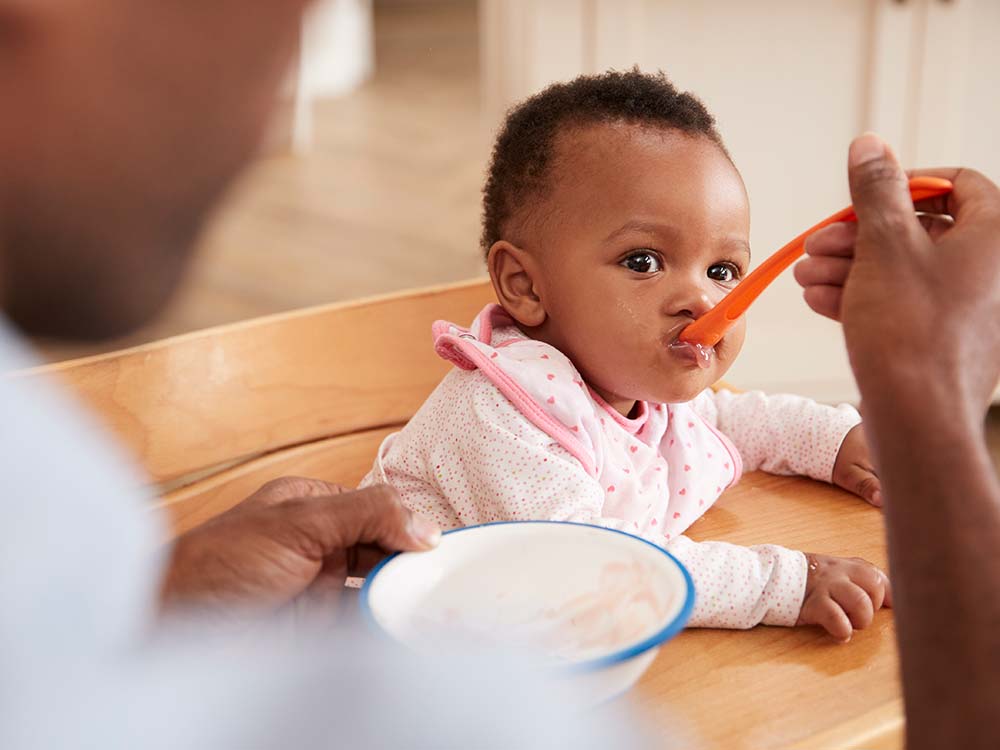
Credit: raisingchildren.net.au
Recommended Products

TRACK NUTRITION INTAKE: The JUBTIC Food Sensitivity Journal allows you to effortlessly log meals, snacks, bowel movements, fiber intake, water consumption, supplements, medications, sleep patterns, mood, and stress levels over 120 days. This meal planner notebook is designed to help you monitor your health journey effectively.

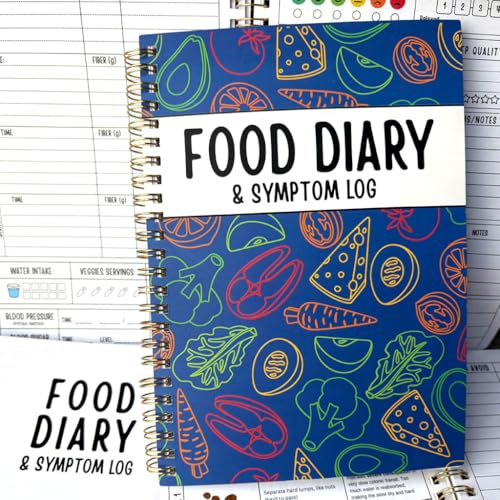
DESIGNED FOR FOOD SENSITIVITY & DIGESTIVE AWARENESS: Created for those navigating food sensitivities, gut discomfort, or lifestyle-related symptoms. Goes beyond basic tracking to help uncover patterns, triggers, and connections between food, energy, mood, and daily habits.
Managing Allergies And Reactions
Introducing new foods takes care and close attention. Babies can react to foods in mild or serious ways.
A slow, organized approach helps you protect your baby and share useful details with your pediatrician.
Monitor One Food At A Time
Introduce only one new food every 3 to 5 days at first. Avoid mixing two new foods during that period.
This method helps you identify which food caused a possible reaction. You can mix foods later once your baby tolerates them separately.
Look For Common Allergy Symptoms
Watch for rash, hives, vomiting, diarrhea, swelling, coughing, wheezing, or breathing trouble. Some reactions start within minutes, while others show up later.
Keep an eye on your baby after each new food. Call your pediatrician if mild symptoms persist, worsen, or worry you.
Start With Lower-Risk First Foods
You can begin with foods such as soft vegetables, fruit, oatmeal, or iron-rich meats. These foods help your baby practice eating and add key nutrients.
After your baby tolerates several basic foods, ask your pediatrician how to introduce common allergens. Use safe forms only, and avoid choking hazards.
Keep A Food Diary
Record each new food, the date, the amount, and any symptoms. A simple note on your phone works well.
A food diary helps you spot patterns and avoid confusion. It also gives your pediatrician useful information if concerns come up.
Know When To Seek Medical Advice
Get emergency help if your baby has trouble breathing, swelling of the lips or face, repeated vomiting, or extreme drowsiness. These symptoms can signal a serious reaction.
Call your doctor for mild symptoms that last or come back. Early advice can help you decide whether to pause, retry, or avoid a food.
Balancing Variety And Safety
Introducing new baby foods gives your baby nutrients and practice with flavor. Safety still comes first because babies are learning how to chew and swallow.
The best plan offers variety slowly. This builds confidence without overwhelming your baby’s body or your own routine.
Why Variety Matters
Different foods give your baby different nutrients. Fruits, vegetables, grains, proteins, and healthy fats all support growth.
Varied flavors and textures can also help your baby accept more foods later. Offer variety over time, not all at once.
The Importance Of Safety
Babies can react to new foods or choke on unsafe shapes and textures. Introduce one new food at a time and watch for symptoms.
Avoid hard, round, sticky, or slippery foods that can block the airway. Examples include whole grapes, chunks of nut butter, popcorn, raw carrot coins, and whole nuts.
How To Balance Both
Rotate between food groups while keeping the 3-to-5-day rule for new foods. For example, try a vegetable, then a grain, then a protein.
Choose nutrient-rich foods such as avocado, peas, oatmeal, beans, lentils, yogurt, or soft cooked meat. Keep a food diary to track reactions and preferences.
Patience matters. Your baby may need many tries before they accept a new taste.

Credit: www.madeformums.com
Common Mistakes To Avoid
Introducing new foods should feel steady, not rushed. A few common mistakes can make feeding harder or less safe.
Use these tips to help your baby build a healthy relationship with food from the start.
Offering Too Many New Foods At Once
Babies need time to adjust to each new food. Offering several new foods together can overwhelm them and hide the cause of a reaction.
Stick to one new food every 3 to 5 days at first. Use familiar foods when you want to create simple combinations.
Skipping Single-ingredient Foods
Single-ingredient foods help you spot possible allergies or sensitivities. They also let your baby learn one flavor at a time.
Avoid starting with mixed dishes such as soups or casseroles. Begin with simple options like mashed carrots, plain applesauce, oatmeal, or avocado.
Introducing New Foods Too Quickly
Rushing through new foods can make mealtimes stressful. Your baby needs time to learn taste, smell, and texture.
Offer a food more than once, even if your baby rejects it the first time. Many babies need repeated, calm exposure.
Using Salt, Sugar, Or Strong Seasonings
Babies do not need added salt or sugar. These additions can shape taste preferences and may not suit their developing bodies.
Let your baby enjoy the natural taste of foods. Mild herbs can come later once your baby tolerates basic foods well.
Feeding Purees For Too Long
Purees can help babies start solids, but babies also need texture practice. Staying on smooth purees for too long may delay chewing skills.
Move gradually to mashed, lumpy, and soft finger foods when your baby shows readiness. Keep textures safe and easy to swallow.
Ignoring Hunger And Fullness Cues
Babies show hunger and fullness in clear ways. Turning away, closing the mouth, or pushing food away often means your baby needs a break.
Respect these cues instead of forcing more bites. Responsive feeding helps your baby trust their body.
Introducing Allergenic Foods Too Late
Delaying common allergenic foods for a long time may not prevent allergies. Many babies can try age-safe allergen forms around 6 months, once they tolerate other foods.
Ask your pediatrician first if your baby has severe eczema, a known allergy, or other risk factors. Start with tiny amounts and watch closely.
Not Offering A Variety Of Foods
Babies benefit from tasting different flavors and textures over time. Sticking to only a few foods can limit nutrient intake and taste exposure.
Offer fruits, vegetables, grains, proteins, and healthy fats as your baby grows. Keep variety steady, safe, and age appropriate.

Credit: www.madeformums.com
Sample Baby Food Introduction Schedule
A simple schedule can help you stay organized during the first weeks of solids. Use it as a guide, not a strict rule.
Offer milk feeds as usual because breast milk or formula still provides most nutrition during early solids.
- Days 1 to 3: Try one food, such as oatmeal or mashed sweet potato.
- Days 4 to 6: Add one new food, such as avocado, while keeping the first food available.
- Days 7 to 9: Add one more food, such as mashed peas or banana.
- After several tolerated foods: Combine familiar foods, such as oatmeal with banana.
Keep meals relaxed and short. Stop when your baby shows signs of fullness.
Frequently Asked Questions
What Is The Rule Of 3 Baby Food?
The rule of 3 means you introduce one new food and wait about 3 days before trying another. This helps you watch for allergies, tummy trouble, or other reactions.
Can You Introduce A New Food Every Day?
Daily new foods can make reactions harder to track during the first stage of solids. A 3-to-5-day gap works better when your baby is new to eating or trying common allergens.
Should I Give My Baby Purees Every Day?
You can offer purees daily as part of a balanced start to solids. As your baby grows, add thicker textures, mashed foods, and soft finger foods when they show readiness.
What Is The First Food I Should Introduce To My Baby?
Good first foods include iron-fortified oatmeal, soft cooked vegetables, pureed fruit, avocado, beans, lentils, or soft cooked meat. Choose one single-ingredient food and make the texture smooth and easy to swallow.
How Many Times A Day Should My Baby Eat Solids At First?
Start with one small solid-food meal each day. Increase meals slowly as your baby shows interest and handles food well.
Can I Mix Baby Foods Together?
You can mix foods once your baby has tolerated each ingredient on its own. Start with simple combinations, such as banana with oatmeal or sweet potato with peas.
Medical Disclaimer: This article is for informational purposes only and does not constitute professional medical advice. Always consult a qualified doctor or pediatrician before making decisions based on this information.
Conclusion
Introducing new foods works best when you move slowly, watch closely, and follow your baby’s cues. Start with one new single-ingredient food every 3 to 5 days, then build variety as your baby tolerates more foods.
Keep portions small, choose safe textures, and write down any reactions you notice. Ask your pediatrician for guidance if your baby has allergy risks or symptoms after eating.
With patience and a steady routine, your baby can learn to enjoy food with confidence.