As a parent, you carefully choose your baby’s food to make sure it is nutritious, safe, and comfortable for their tiny tummy. But “digestion time” can mean a few different things: how long food stays in the stomach, how long nutrients take to absorb, or how long it takes to show up in a diaper. Understanding the difference can help you plan feeds and know when a tummy symptom is worth a call to the pediatrician.
Quick Answer
Baby food digestion time depends on what your baby eats. Breast milk often leaves the stomach in about 2 to 3 hours, while formula may take closer to 3 to 4 hours. Once solids begin, food commonly takes about 24 to 48 hours to appear as poop, though normal timing can be shorter or longer.
Baby food digestion time varies by food type, age, portion size, and your baby’s individual gut rhythm. Breast milk is usually easier to digest and may empty from the stomach faster than formula, but there is overlap between babies. Formula often keeps babies full a little longer. Solid foods can change stool color, texture, and timing as your baby’s digestive system learns to handle new ingredients.
Key Takeaways
Key Takeaways
- Milk digestion is measured in hours: Breast milk may empty from the stomach in about 2 to 3 hours, while formula may take about 3 to 4 hours for many babies.
- Poop timing is different: Once solids start, the full trip from food to diaper often takes 24 to 48 hours, but some healthy babies are faster or slower.
- Solids change poop: Thicker, smellier, more colorful stools are common after purees and finger foods begin.
- Food type matters: Fruit and vegetable purees may move differently than iron-rich cereals, meats, avocado, yogurt, or other higher-fat foods.
- Red flags matter more than the clock: Blood in stool, repeated forceful vomiting, dehydration signs, fever, poor feeding, or a swollen belly should be checked by a pediatrician.
Baby Digestion Timeline by Food Type
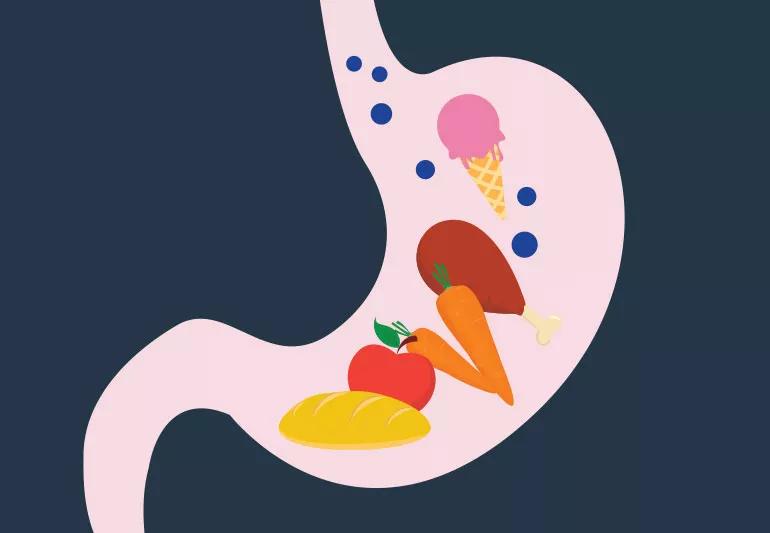
Parents often ask one simple question: “When will this food be digested?” The answer depends on which part of digestion you mean. Stomach emptying happens first. Full gut transit, which ends with a bowel movement, takes much longer.
| Food or Feed | Typical Stomach Timing | What Parents May Notice |
|---|---|---|
| Breast milk | Often about 2 to 3 hours, with wide variation | More frequent feeds are normal, especially in younger babies. |
| Formula | Often about 3 to 4 hours for many babies | Some formula-fed babies go longer between feeds, but hunger cues still matter most. |
| Fruit or vegetable purees | Usually several hours to leave the stomach | Color changes in poop are common, especially with carrots, peas, spinach, or beets. |
| Iron-fortified cereal, meats, beans, eggs, avocado, yogurt | May feel “slower” because protein, fat, and iron-rich foods can be more filling | Stools may become thicker, firmer, darker, or smellier. |
| Full trip to poop | Often 24 to 48 hours after solids, sometimes longer | Frequency matters less than comfort, softness, hydration, and growth. |
Note: A diaper is not a perfect stopwatch. A piece of carrot or blueberry skin in the diaper may come from a recent meal, but stool also contains older waste, water, bacteria, bile, and mucus.
Factors Affecting Digestion Time
Babies have delicate digestive systems that process food differently from adults. While averages help, your baby is unique. These are the biggest factors that influence how quickly their body processes a meal.
Recommended Products


OUR BRAIN BUILDING DUO: Enfamil NeuroPro infant formula has MFGM components and expert-recommended DHA also found in breast milk. Shown to support brain development in baby’s first year.

HAS OUR CLOSEST PREBIOTIC BLEND TO THAT IN BREAST MILK: Similac 360 Total Care, our biggest formula breakthrough, has an exclusive blend of 5 HMO prebiotics structurally identical to those in breast milk
1. Type of Food
The specific food composition is the biggest factor. Thin purees and simple carbohydrates, such as applesauce or pear puree, may move through the stomach differently from protein- or fat-rich foods. Meats, eggs, avocado, yogurt, beans, and thicker cereals can feel more filling and may take more work to break down.
Fiber-rich foods, such as pears, peaches, prunes, peas, beans, and sweet potatoes, may help soften stools for some babies once solids are established. They do not “force” digestion, but they can support a more comfortable poop pattern.
2. Baby’s Age
Newborns have small stomachs and immature digestive coordination, which is why milk feeds are frequent. Around six months, many babies are developmentally ready to begin solid foods, but milk still remains the main source of nutrition during the early transition.
3. Portion Size
Small portions are easier for a baby to handle. Overfeeding can slow comfort, increase spit-up, and make a baby gassy or fussy. Start with tiny tastes, follow your baby’s cues, and slowly increase the amount as they show interest.
4. Texture and Readiness
A baby who can sit with good head control, open their mouth for food, and move food from a spoon toward the throat is usually better prepared for solids. If food keeps dribbling out, your baby may simply need more time or a thinner texture.
5. Activity and Individual Rhythm
Some babies poop several times a day. Others go a day or two between bowel movements, especially as their diet changes. Activity, sleep, illness, hydration, and normal gut rhythm can all affect timing.
Breast Milk vs. Formula Digestion
One of the most common questions parents ask is whether breast milk digests faster than formula. In general, breast milk is easy for babies to digest, and formula may keep some babies full longer. However, the timing is not identical for every baby, and studies show overlap between breastfed and formula-fed infants.
Breast Milk: Usually Easier to Digest
Breast milk is biologically designed for human babies and contains components that support digestion and immune function. Many breastfed babies feed every two to three hours in the early months, which can feel constant but is often normal.
For parent planning, it is reasonable to think of breast milk as leaving the stomach in roughly 2 to 3 hours for many babies. That does not mean your baby is “empty” or must eat exactly on that schedule. Hunger cues, wet diapers, growth, and your pediatrician’s guidance matter more than the clock.
Formula: Often a Longer Stay
Infant formula is designed to nourish babies when breast milk is not used or not enough is available. Its protein and fat structure differs from breast milk, so some babies seem satisfied for longer after a bottle.
For many formula-fed babies, parents can think in the range of 3 to 4 hours between feeds, especially as babies get older. But some formula-fed babies want to eat sooner, and some breastfed babies naturally go longer. Feed responsively rather than forcing a strict schedule.
Pro Tip: Watch early hunger cues such as rooting, hand-to-mouth movements, lip smacking, or becoming alert around food. Crying is often a late hunger cue.
What Happens During Baby Digestion?
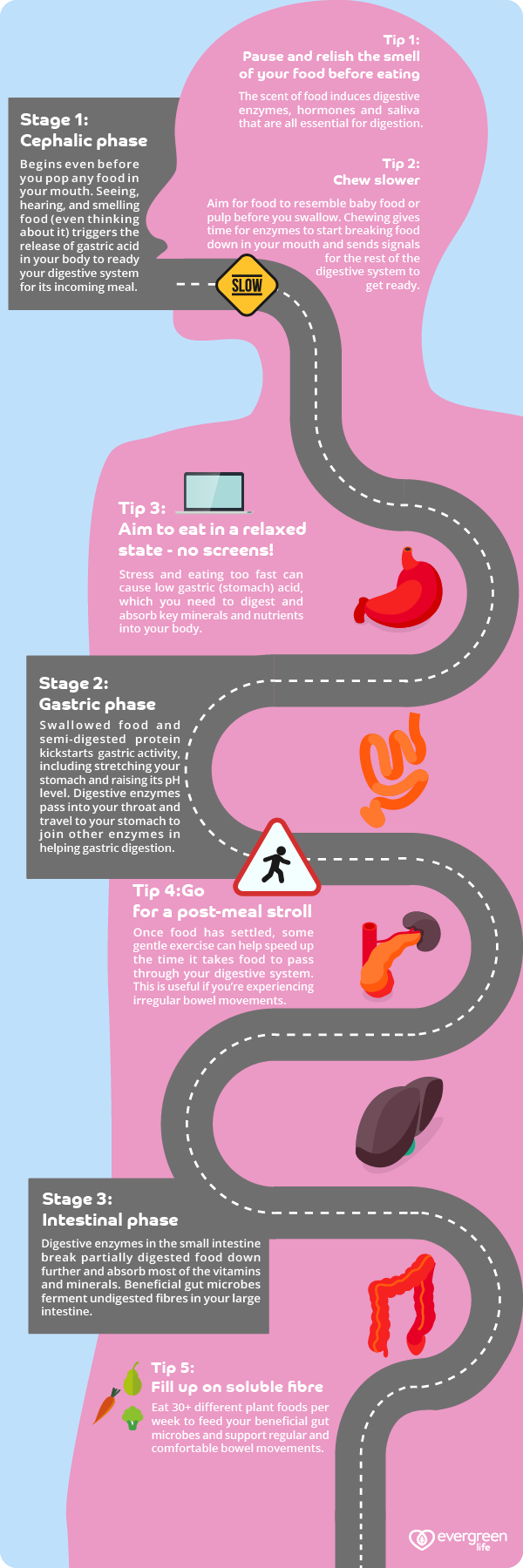
After that spoonful of puree disappears, digestion moves through four main stages. Each stage has a different job.
Recommended Products
GAS RELIEF FOR BABIES: Relieve your baby's tummy discomfort with Rugby Infants' Gas Relief Drops, a trusted solution for soothing gas-related issues. Our oral drops help provide fast relief from excess gas in newborns, infants, and kids caused by food or air.

Little Remedies Gas Drops for Newborns gently relieves tummy pain from excess gas from food or swallowing of air and have a great natural berry flavor

Mylicon, the #1 pediatrician recommended brand, has been providing safe, effective relief of infant gas for generations
Stage 1: The Mouth
Digestion begins before the baby even swallows. Saliva moistens food and starts breaking down starches. Gumming, chewing, and playing with safe textures are part of learning to eat.
Stage 2: The Stomach
The stomach acts like a small mixer. Acids and enzymes break food down into a thinner consistency. Because baby stomachs are small, large portions can lead to spit-up, discomfort, or fussiness. If your baby has reflux, this is the stage where food may come back up.
Stage 3: The Small Intestine
The small intestine absorbs many nutrients, including carbohydrates, fats, proteins, vitamins, and minerals. Iron-rich foods, healthy fats, fruits, vegetables, and grains all provide different building blocks for growth.
Stage 4: The Large Intestine
Leftover waste moves to the large intestine, where water is absorbed. This stage helps determine poop texture. If stool becomes very dry and hard, your baby may be constipated. If stool moves too fast, it may look watery.
How to Introduce Solids Without Upsetting Baby’s Tummy
Starting solids is a gradual process, not a sudden switch from milk to meals. Breast milk or formula remains the main nutrition source while your baby learns to swallow, taste, and digest new foods.
- Start around 6 months when ready: Look for good head control, interest in food, opening the mouth for a spoon, and the ability to move food toward the throat.
- Begin with small amounts: A half spoonful or one to two teaspoons is enough at first.
- Use single-ingredient foods: Try one new food at a time and watch for reactions before adding another new food.
- Wait 3 to 5 days between new foods: This makes it easier to connect a rash, vomiting, diarrhea, or unusual fussiness with a specific food.
- Keep textures safe: Begin with smooth purees or mashed foods, then gradually move to thicker textures and soft pieces as your baby’s skills improve.
- Introduce common allergens thoughtfully: Foods such as egg, peanut products thinned safely, wheat, fish, and yogurt can be introduced with other solids for many babies, but ask your pediatrician first if your baby has severe eczema, egg allergy, or another allergy risk.
Warning: Always supervise your baby while eating. Avoid choking hazards such as whole grapes, whole nuts, popcorn, chunks of hard raw fruit or vegetables, hot dog rounds, and thick globs of nut butter.
Recommended Products

THE TRADITIONAL WAY TO RELIEVE COLIC AND GAS FOR NEWBORNS - Hot compresses on the baby's tummy is proven effective in relieving colic, gas, upset stomachs and constipation. Heigoeost baby colic belly band provides gentle warmth and comfortable swaddling to calm your baby's colic and soothe your fussy baby. It is your gassy baby essentials.

GAS RELIEF: Belly massages help gas bubbles work their way out of baby's system.

INSTANT BABY GAS RELIEF: Say goodbye to gassy grimaces with our ingenious hollow tube that works like magic to instantly relieve trapped baby toots by creating a gentle passage for gas bubbles to escape while the specialized design triggers natural relaxation resulting in immediate relief for fussy babies
What Poop Changes Are Normal After Solids?
Once solids begin, poop often changes quickly. This can surprise parents, but many changes are normal.
- Color: Orange after carrots or sweet potatoes, green after spinach or peas, and dark stools after iron-rich foods can be normal.
- Smell: Solid-food poop usually smells stronger than milk-only poop.
- Texture: Stools may become thicker, pastier, or more formed.
- Visible food bits: Small pieces of vegetable skins, seeds, or fibrous foods may appear because babies are still learning to chew and digest textures.
- Frequency: Some babies poop more often at first. Others slow down. Soft, comfortable stools are more reassuring than a perfect daily schedule.
Hard pellets, painful straining, a swollen belly, or blood are not normal “adjustment” signs and should be discussed with your baby’s healthcare provider.
Signs Your Baby Is Struggling to Digest
Sometimes a new food does not sit right. Watch for these signs that your baby’s digestive system may need a break, a smaller portion, a different texture, or medical advice:
- Changes in Stool: Hard, pellet-like poop or repeated watery diarrhea can signal a problem.
- Excessive Fussiness: Crying immediately after eating may point to gas, reflux, constipation, overfeeding, or sensitivity to a food.
- Bloating: A hard, distended belly can be a sign of trapped gas or constipation.
- Vomiting: Small spit-ups are common; repeated forceful vomiting is not.
- Skin or breathing symptoms: Hives, swelling, wheezing, repeated vomiting, or sudden sleepiness after a new food can be signs of an allergic reaction and need urgent medical guidance.
If you notice persistent issues, pause the newest food and consult your pediatrician. According to the CDC, introducing one single-ingredient food at a time and waiting 3 to 5 days before another new food helps you pinpoint which food might be causing trouble.
When to Call the Pediatrician
Most digestion changes after starting solids are mild and temporary. Still, babies can become dehydrated or sick quickly, so it is better to call if you are unsure.
Call your pediatrician promptly if your baby has blood in the stool, repeated forceful vomiting, green vomit, signs of dehydration, fever, poor feeding, weight loss or poor growth, a swollen belly, severe pain, or constipation that does not improve.
Signs of dehydration can include fewer wet diapers than usual, very dark urine, dry mouth, no tears when crying, unusual sleepiness, or a sunken soft spot. For a baby under 3 months, vomiting, fever, or poor feeding should be handled with extra caution.
Tips for Supporting Healthy Digestion
You can help your baby process food more comfortably with simple, safe habits:
- Bicycle Legs: Lay your baby on their back and gently cycle their legs to help release trapped gas.
- Tummy Time: Gentle pressure on the belly during supervised tummy time may help gas move along.
- Hydration: Before 6 months, babies usually need only breast milk or formula unless a clinician says otherwise. Once solids are started around 6 months, small sips of water with meals can help your baby practice cup drinking and may support softer stools.
- Pacing: Do not rush mealtimes. Allow your baby to eat slowly to reduce swallowed air and gagging.
- Responsive Feeding: Stop when your baby turns away, closes their mouth, pushes food away, or loses interest.
- Food Choices: If stools become hard, ask your pediatrician about adding soft fruits such as pears, peaches, plums, or prunes. Avoid giving juice or constipation medicine unless your baby’s clinician recommends it.
Frequently Asked Questions
How long does it take for baby food to digest?
Milk may leave a baby’s stomach in about 2 to 4 hours, depending on whether it is breast milk or formula and on the baby’s age and portion size. Once solids begin, the full process from eating to a bowel movement often takes about 24 to 48 hours, but normal timing can vary.
How can I tell if my baby is digesting food properly?
Good signs include steady weight gain, plenty of wet diapers, soft stools, normal energy, and little or no repeated vomiting. Occasional gas, spit-up, and color changes in poop can be normal, especially when new foods are introduced.
Does breast milk digest faster than formula?
Often, yes, breast milk is easier for babies to digest and may empty from the stomach faster. Formula may keep some babies full longer. However, research shows overlap between babies, so feeding cues and growth are more important than a strict clock.
How long does it take for a baby to poop out what they ate?
For babies eating solids, food often appears in poop within 24 to 48 hours. Some healthy babies are faster or slower. If stools are soft and your baby is comfortable, timing alone is usually less concerning than pain, blood, dehydration, or poor feeding.
How can I help my baby digest food faster?
You usually do not need to speed digestion. Focus on comfort: offer small portions, introduce one new food at a time, keep textures age-appropriate, try bicycle legs or tummy time for gas, and offer small sips of water with meals after solids begin around 6 months.
Why is there undigested food in my baby’s poop?
Small bits of food can be normal when babies start solids because they are still learning to chew and their digestive system is adjusting. Pieces of vegetable skins, corn, berries, or fibrous foods may show up. Call your pediatrician if this comes with diarrhea, blood, poor growth, or ongoing pain.
Can starting solids cause constipation?
Yes, starting solids can temporarily make stools firmer. Offer small portions, continue breast milk or formula, and include soft fruits and vegetables as your baby tolerates them. Call your pediatrician if stools are hard pellets, painful, bloody, or constipation persists.
Sources
- CDC: When, What, and How to Introduce Solid Foods — supports single-ingredient foods, 3-to-5-day spacing, allergens, and safe food preparation.
- HealthyChildren.org/American Academy of Pediatrics: Starting Solid Foods — supports readiness signs, gradual feeding, and continued breast milk or formula.
- Cleveland Clinic: Feeding Your Baby in the First Year — supports feeding cues, first-year feeding patterns, and when to contact a pediatrician.
- Paediatric Anaesthesia, 2024: Gastric Emptying in Breast-Fed and Formula-Fed Infants — supports careful wording about breast milk and formula gastric-emptying overlap.
- Mayo Clinic: Constipation in Children — supports constipation warning signs such as blood in stool, fever, poor appetite, and abdominal swelling.
- Merck Manual: Constipation in Children — supports red-flag symptoms that need medical evaluation.