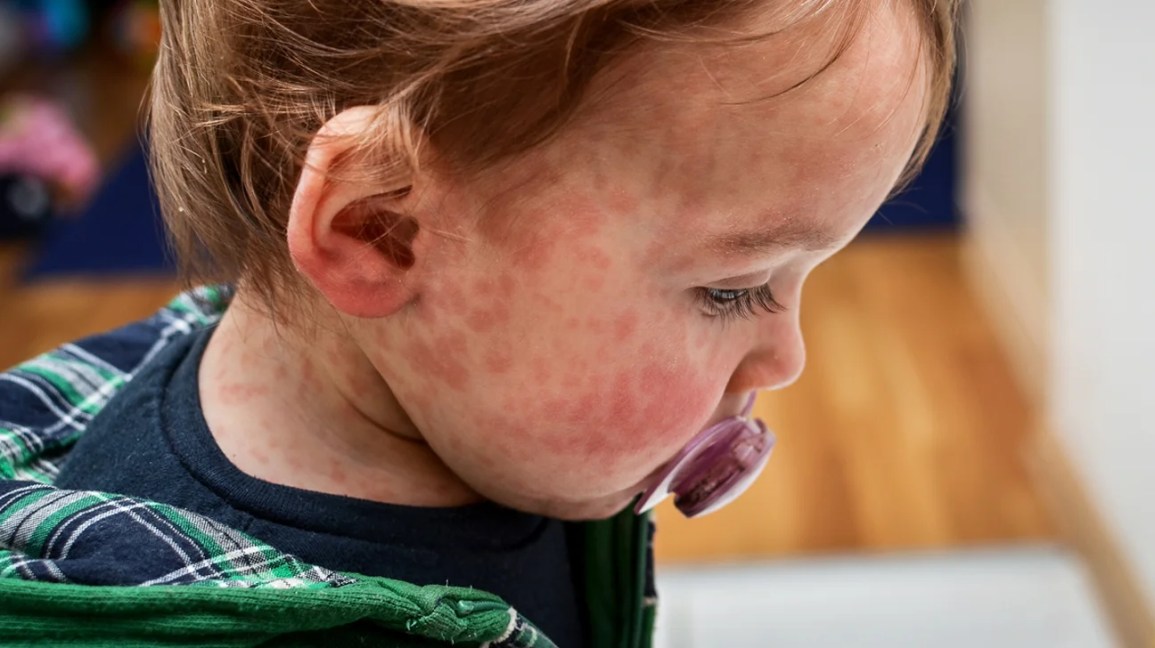
How do you know if your baby has a food allergy? The clearest clue is a pattern: symptoms such as hives, swelling, vomiting, diarrhea, coughing, wheezing, or unusual sleepiness that happen soon after your baby eats a certain food. Some reactions are mild, but breathing trouble, swelling of the lips or tongue, pale or blue skin, or a limp baby is an emergency.
You notice the fussiness, the rash, or the upset stomach, and your mind starts racing. Is it something they ate? Is it serious? You’re not alone—many parents feel this same worry when a baby cannot explain what feels wrong.
This guide explains the most common baby food allergy signs, which foods are more likely to cause reactions, what to do after a suspected reaction, and when to seek urgent medical help. It is educational only and does not replace advice from your baby’s pediatrician or allergist.
Quick Answer
A baby may have a food allergy if symptoms like hives, swelling, vomiting, diarrhea, coughing, wheezing, or trouble breathing appear within minutes to about two hours after eating a specific food. Stop that food and call your pediatrician. For breathing trouble, severe swelling, limpness, or blue/pale skin, seek emergency help right away.
Key Takeaways
- Food allergy symptoms often involve the skin, stomach, breathing, or circulation.
- The most common major allergens are milk, egg, peanut, tree nuts, wheat, soy, fish, crustacean shellfish, and sesame.
- Most immediate allergic reactions happen within minutes to about two hours after eating the trigger food.
- Call emergency services for trouble breathing, swelling of the mouth or throat, pale or blue skin, repeated vomiting with other symptoms, or unusual limpness.
- Do not diagnose a food allergy with at-home tests. A pediatrician or allergist can guide testing and next steps.
At a Glance
| Time Required | Watch closely for the first 2 hours after a new common allergen |
| Difficulty | Moderate; patterns matter more than one isolated symptom |
| Tools Needed | Food diary, photos of rashes, ingredient labels, pediatrician guidance |
| Cost | Observation is free; medical testing costs vary by provider and insurance |
Warning: Call emergency services immediately if your baby has trouble breathing, wheezing that is getting worse, swelling of the lips, tongue, face, or throat, repeated vomiting with other symptoms, pale or blue skin, sudden limpness, or becomes hard to wake. If your baby has been prescribed epinephrine, use it as directed and then seek emergency care.
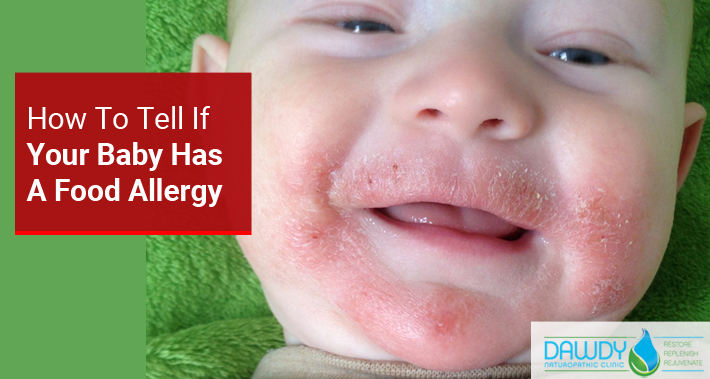
Credit: dawdynaturopathicclinic.com
Common Allergy Triggers
Food allergies in babies can be worrying for parents. Knowing the common triggers can help you spot patterns and talk with your child’s doctor sooner. In the United States, the major food allergens are milk, egg, peanut, tree nuts, wheat, soy, fish, crustacean shellfish, and sesame. Sesame became a major labeled allergen under U.S. rules beginning January 1, 2023, according to the U.S. Food and Drug Administration.
Recommended Products

IDENTIFY WHICH FOODS MAY BE CAUSING YOUR SYMPTOMS. Food intolerances happen when your gut microbiome and digestive enzymes can’t break down a food ingredient. Although gluten and lactose are the most common issues, intolerances can happen with any food item. When these intolerances go unchecked, symptoms like headaches, gas, diarrhea, acne, and bloating may develop.

AT-HOME KIT: One small hair sample. 1,000+ everyday items. A fast, non-invasive way to explore possible wellness signals related to foods, drinks, nutrients, household items, and general gut-wellness factors—right from home.

TEST YOUR PETS FOR 855+ COMMERCIAL PET FOOD INTOLERANCES & ENVIRONMENTAL SENSITIVITIES. Our 2-in-1 pet sensitivity and intolerance test reveals your dog or cat’s response to 575 commercial pet food & treat ingredients found in dry kibble, wet/canned food, freeze-dried formulas, air dried formulas and 282 environmental items, like fabrics, cleaning products, plants, and grasses. You’ll uncover what may be contributing to symptoms like diarrhea, paw biting & licking, skin irritations, and watery eyes.
Milk
Cow’s milk allergy is one of the more common food allergies in infants. Symptoms may include hives, vomiting, diarrhea, blood or mucus in stool, or worsening eczema. Some children outgrow milk allergy, but your pediatrician should guide any reintroduction.
Egg
Egg can trigger symptoms such as hives, swelling, vomiting, coughing, or stomach pain. Reactions may occur to egg white, yolk, or both. Fully cooked egg is often introduced as part of solids, but a baby with a previous reaction needs medical guidance first.
Peanut
Peanut can cause mild symptoms or severe allergic reactions. Watch for hives, facial swelling, vomiting, coughing, wheezing, or breathing trouble. Babies with severe eczema, egg allergy, or both may need a pediatrician’s advice before peanut introduction. The NIAID peanut prevention guidance explains risk-based introduction for infants.
Tree Nuts
Tree nuts include foods such as almond, cashew, walnut, pistachio, pecan, and hazelnut. Tree nut allergies can be persistent, but they are not automatically lifelong for every child. An allergist can help decide whether and when reassessment is safe.
Soy
Soy appears in soy formula, tofu, soy milk, soy sauce, and many packaged foods. Possible symptoms include hives, vomiting, diarrhea, fussiness after feeding, or eczema flares. Because soy is common in processed foods, label reading matters if a true allergy is diagnosed.
Wheat
Wheat allergy can cause hives, swelling, vomiting, diarrhea, coughing, or wheezing after wheat-containing foods. It is different from celiac disease, which is an autoimmune reaction to gluten and requires a different evaluation.
Fish
Fish allergy can cause skin, stomach, or breathing symptoms. Fish allergies may be more persistent than some early childhood allergies, but diagnosis should still be confirmed by a qualified clinician.
Crustacean Shellfish
Crustacean shellfish include shrimp, crab, and lobster. Shellfish allergy is more common in older children and adults than in young babies, but it can still occur. Any breathing symptoms after shellfish exposure need urgent care.
Sesame
Sesame can appear as sesame seeds, sesame oil, tahini, hummus, baked goods, sauces, and spice blends. Because it is now a major labeled allergen in the U.S., check ingredient lists and “Contains” statements carefully if your baby is diagnosed with sesame allergy.
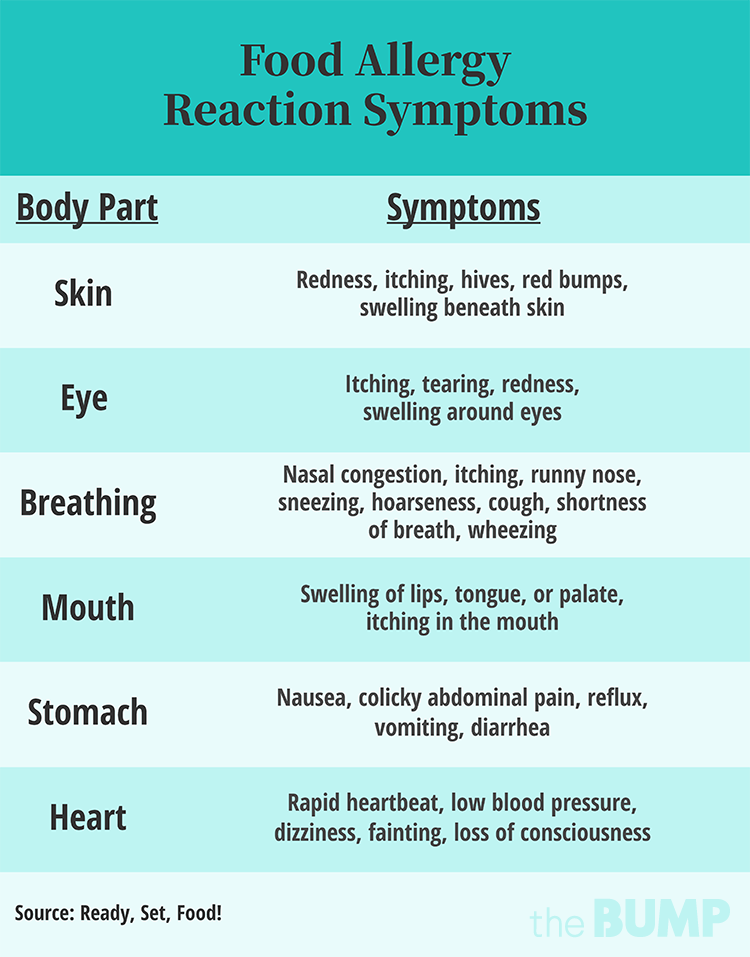
Credit: www.thebump.com
How Quickly Do Baby Food Allergy Symptoms Appear?
Many immediate food allergy symptoms appear within minutes to about two hours after eating the trigger food. The American Academy of Allergy, Asthma & Immunology notes that common symptoms can involve the skin, breathing, and digestive system.
Some digestive reactions can be delayed, especially with non-IgE-mediated conditions. That is one reason a food diary is helpful. Write down the food, amount, time eaten, symptoms, and when symptoms started.
Note: One fussy feeding or one loose stool does not always mean food allergy. Look for repeatable patterns, symptoms in more than one body system, or symptoms that happen soon after the same food.
Early Signs To Watch For
Food allergies in babies can sometimes be difficult to detect early. Parents often wonder what signs to look for during their baby’s first months. Recognizing symptoms early can help you act quickly and share useful details with your pediatrician.
| Body System | Possible Symptoms | What To Do |
|---|---|---|
| Skin | Hives, redness, itching, swelling, sudden rash, eczema flare | Take a photo, stop the suspected food, call your pediatrician if it recurs or spreads. |
| Digestive | Vomiting, diarrhea, belly pain, mucus or blood in stool, feeding refusal | Track timing and call the doctor, especially for blood, dehydration, repeated vomiting, or poor weight gain. |
| Breathing | Coughing, wheezing, hoarse cry, throat tightness, trouble breathing | Seek emergency help right away. |
| Circulation / behavior | Pale or blue skin, sudden sleepiness, limpness, unusual weakness | Treat as urgent and seek emergency care. |
Recommended Products
Aquaphor Baby Diaper Rash Paste, enriched with Shea Butter, provides immediate soothing relief in just one application

[ 1% COLLOIDAL OATMEAL ] This baby cream for eczema helps relieve itching due to eczema, ensuring baby's skin feels soothed and calmed. Suitable for babies 1 month and older.

5-in-1 Baby Paste: Helps treat, heal, protect, soothe and help prevent diaper rash; Desitin Zinc Oxide paste seals out wetness and soothes chafed skin for noticeable relief on contact
Skin Reactions
One of the earliest signs is a change in your baby’s skin. Redness, hives, or itchy rashes may appear shortly after eating. These reactions often occur on the face, arms, legs, chest, or belly. Persistent eczema does not always mean food allergy, but eczema plus immediate reactions after food should be discussed with a doctor.
Digestive Issues
Digestive discomfort is another common clue. Your baby may experience vomiting, diarrhea, belly pain, or excessive gas. If you notice mucus or blood in stool, repeated vomiting, signs of dehydration, or poor weight gain, call your pediatrician promptly.
Breathing Problems
Breathing symptoms are more concerning. Wheezing, coughing, a hoarse cry, noisy breathing, or trouble catching breath may signal a serious allergic reaction. Do not wait to see if breathing symptoms pass on their own.
Fussiness During Feeding
Babies may cry, arch their back, pull away, or refuse food for many reasons, including reflux, tiredness, illness, texture dislike, or allergy. Fussiness matters more when it appears with other symptoms such as hives, vomiting, swelling, coughing, or diarrhea after the same food.
Unusual Symptoms
Pale skin, low energy, limpness, or a baby who is difficult to wake can be red flags, especially when they happen with vomiting, swelling, hives, or breathing symptoms. Trust your instincts and seek medical help if your baby seems seriously unwell.
Skin Reactions And Rashes
Babies with food allergies often show signs through their skin. These signs can appear shortly after eating the trigger food. Parents may notice redness, raised welts, itching, swelling, or a rash that seems to come on suddenly.
Recommended Products

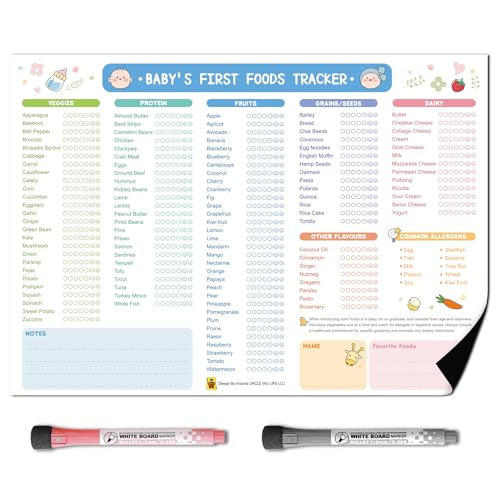
BABY’S FIRST FOOD CHECKLIST: Track your baby’s food journey easily with our large fridge magnet. Plan meals and introduce a variety of flavors to help reduce picky eating.
What Does A Food Allergy Rash Look Like?
A food allergy rash may look like red, raised bumps or hives. Hives often itch and can move around the body. In some cases, the skin may swell or feel warm. The rash may fade within hours, but it can return if the baby is exposed to the trigger again.
Common Areas For Rashes To Appear
Rashes from food allergies often show up on the face, especially around the cheeks, mouth, or chin. They can also appear on the stomach, arms, legs, or back. Swelling around the lips or eyes is more concerning and should be taken seriously.
Differences Between Rashes And Eczema
Food allergy rashes and eczema can look similar. Eczema often causes dry, rough, scaly patches that may come and go over time. A food allergy rash is usually more sudden and may appear with hives, swelling, vomiting, or breathing symptoms. If you are unsure, take photos and ask your baby’s doctor.
When To Consult A Doctor
Seek medical advice if a rash appears after eating a specific food, keeps returning, spreads quickly, or comes with swelling, vomiting, coughing, or wheezing. A doctor can help decide whether allergy testing or a referral to an allergist is needed.
Digestive System Clues
When your baby is showing signs of a food allergy, their digestive system may provide some of the earliest clues. These signs can range from mild discomfort to more serious symptoms. Digestive symptoms alone are not always allergy, but patterns after the same food are worth tracking.
Vomiting After Meals
Does your baby spit up more than usual or vomit shortly after eating? Occasional spit-up is common in infants, but repeated vomiting after a specific food may signal a reaction. If vomiting happens with hives, swelling, coughing, wheezing, or unusual sleepiness, treat it as more urgent.
Diarrhea Or Loose Stools
Diarrhea can be another sign of a food reaction. Look for unusually watery stools, especially if they occur multiple times after the same food. If you notice mucus or blood in the stool, call your doctor right away.
Excessive Gas And Bloating
Does your baby seem uncomfortable after feeding, pulling their legs up as though they are in pain? Gas and bloating can happen for many reasons, but repeated discomfort after the same food should be recorded and discussed with your pediatrician.
Refusal To Feed
Babies cannot tell you what is wrong, but they may refuse a bottle, breast, or spoon if feeding is uncomfortable. Refusal to feed is more concerning when it appears with vomiting, rash, coughing, poor weight gain, or signs of dehydration.
Constipation
Constipation has many causes and is not a classic immediate allergy symptom by itself. Still, some babies with cow’s milk protein problems may have stool changes. If your baby strains, cries with bowel movements, has hard stools, or has blood in stool, ask the pediatrician before removing major foods long term.
Pro Tip: Keep a simple food diary for two weeks. Write the food, brand, ingredients, amount, time eaten, symptoms, symptom timing, and any medicine given. Photos of rashes are especially helpful because many rashes fade before the appointment.
Respiratory Symptoms
Respiratory symptoms can be a strong warning sign of food allergy in babies. These symptoms affect breathing and may look similar to a cold at first. The difference is timing: symptoms that begin soon after eating a suspected food deserve attention.
Wheezing
Wheezing is a whistling sound during breathing. It can happen when airways become inflamed or narrowed. Wheezing after eating should be treated as urgent, especially if your baby is also coughing, vomiting, swelling, or struggling to breathe.
Coughing
Frequent coughing after a certain food can be a symptom of an allergic reaction. It may be dry or sound like choking or throat irritation. Coughing with swelling, wheezing, or vomiting needs immediate medical attention.
Shortness Of Breath
Shortness of breath may look like fast breathing, chest pulling in, flared nostrils, grunting, or a baby who cannot cry normally. This is an emergency symptom.
Runny Or Stuffy Nose
A runny or stuffy nose can happen with allergies, but it is also common with colds. If nasal symptoms appear soon after a food and happen repeatedly with that food, write it down and talk with your pediatrician.
Swelling Around The Mouth Or Nose
Swelling near the mouth, lips, tongue, face, or nose may accompany a food reaction. Swelling that affects breathing, swallowing, drooling, or voice quality is an emergency.
Rapid Breathing
Rapid breathing can happen during a serious allergic reaction. If your baby is breathing faster than usual, looks distressed, or has pale or blue skin, seek urgent care immediately.
Severe Reactions And When To Seek Help
Food allergies in babies can sometimes go unnoticed until a more serious reaction occurs. Recognizing the signs of anaphylaxis is crucial because quick action can make a significant difference. The American Academy of Pediatrics through HealthyChildren.org explains that epinephrine is the recommended emergency treatment for anaphylaxis when it is available, followed by emergency medical care.
What Are Severe Food Allergy Symptoms?
Severe allergic reactions can happen within minutes of eating a trigger food. Symptoms may include trouble breathing, wheezing, swelling of the lips or tongue, repeated vomiting, sudden widespread hives, pale or blue skin, a weak cry, unusual sleepiness, or limpness. A combination of symptoms in different body systems is especially concerning.
How Can You Tell If It’s An Emergency?
Ask yourself: Is my baby struggling to breathe? Is there swelling of the mouth, tongue, or throat? Is my baby pale, blue, floppy, or hard to wake? Is there repeated vomiting plus hives, swelling, coughing, or wheezing? If yes, call emergency services right away.
What Should You Do While Waiting For Help?
If your baby has been prescribed an epinephrine auto-injector, use it exactly as directed. Call emergency services after using it. Keep your baby lying safely unless breathing is easier in another position. If your baby is vomiting, turn them on their side to reduce choking risk. Stay calm, watch breathing and skin color, and do not offer more food or drink during the reaction.
How Can You Be Prepared For The Future?
If your baby has had a serious reaction, follow up with an allergist. Ask for a written allergy action plan, learn how to use any prescribed epinephrine device, and make sure caregivers know the plan. Keep ingredient labels and food packaging when a reaction happens so your doctor can review possible triggers.

Credit: kabrita.com
Food Allergy, Intolerance, Or Eczema Flare?
A true food allergy involves the immune system. It can cause symptoms in the skin, stomach, lungs, or circulation and can sometimes become life-threatening. A food intolerance usually affects digestion and does not cause anaphylaxis. For example, lactose intolerance can cause gas or diarrhea, but it is not the same as a milk protein allergy.
Eczema can also confuse the picture. Many babies have eczema without a food allergy. However, babies with moderate to severe eczema have a higher risk of food allergy, especially peanut or egg allergy. If your baby has eczema and reacts after food, ask your pediatrician whether allergy evaluation is appropriate.
What To Do After A Suspected Mild Reaction
- Stop the suspected food. Do not give it again until you have medical guidance.
- Check your baby’s breathing and alertness. If breathing, color, swelling, or responsiveness worries you, seek emergency care.
- Take photos. Photograph hives, swelling, or rashes from different angles.
- Save the label. Keep the package or write down all ingredients.
- Write down timing. Note when the food was eaten, when symptoms started, and how long they lasted.
- Call your pediatrician. Ask whether your baby needs an appointment, allergy referral, or testing.
How Doctors Test Babies For Food Allergies
Food allergy testing should be guided by a pediatrician or allergist. The National Institute of Allergy and Infectious Diseases explains that a medically supervised oral food challenge is the gold standard for diagnosing or ruling out a true food allergy. Doctors may also use a detailed history, skin prick testing, and blood testing for food-specific IgE.
Testing is not perfect. The AAAAI warns that false positives can happen with skin and blood tests, so results must be interpreted with your baby’s symptoms and history. Avoid at-home food allergy or IgG intolerance tests for diagnosing a baby. They can lead to unnecessary food restriction and confusion.
Introducing Common Allergens Safely
Many parents wonder whether they should delay common allergens. Current pediatric guidance no longer recommends delaying allergenic foods for most babies. Once your baby is developmentally ready for solids, common allergens can usually be introduced in safe, baby-appropriate forms. The American Academy of Pediatrics’ HealthyChildren.org offers parent guidance on introducing egg, peanut, and other common allergens.
Choose a day when your baby is healthy and you can watch them for at least two hours. Start with a small amount of one common allergen in a safe texture. Do not give whole nuts, thick globs of peanut butter, or any choking hazard. If your baby has severe eczema, a known egg allergy, or a previous reaction to a food, talk with the pediatrician before introducing peanut or other high-risk foods.
What Not To Do
- Do not try a food challenge at home after a suspected allergic reaction unless your doctor specifically tells you it is safe.
- Do not remove multiple major foods long term without medical guidance, because babies need balanced nutrition for growth.
- Do not rely on at-home allergy tests to diagnose your baby.
- Do not ignore breathing symptoms or assume they are only congestion.
- Do not give whole nuts, hard chunks, or thick nut butter because they are choking hazards.
Frequently Asked Questions
What are signs of food allergy in babies?
Signs may include hives, rash, swelling, vomiting, diarrhea, coughing, wheezing, trouble breathing, pale or blue skin, sudden sleepiness, or irritability after eating. Breathing trouble, mouth or throat swelling, limpness, or blue/pale skin needs emergency care.
How quickly will a food allergy show in a baby?
Many immediate food allergy symptoms appear within minutes to about two hours after eating the trigger food. Some digestive reactions can be delayed, so tracking food, timing, and symptoms is helpful.
At what age do babies show signs of allergies?
Babies can show signs once they are exposed to the trigger food. This may happen during formula feeding, after proteins are introduced through solids, or later as the diet expands. Always discuss suspected reactions with your pediatrician.
How can I test my baby for food allergies?
Start with your pediatrician or a board-certified allergist. They may review your baby’s history, use skin prick testing or food-specific IgE blood testing, and sometimes recommend a medically supervised oral food challenge. Do not use at-home tests to diagnose a baby.
Can a baby have a food allergy without a rash?
Yes. Some babies have vomiting, diarrhea, coughing, wheezing, swelling, or behavior changes without a visible rash. A rash is common, but it is not required for a food allergy reaction.
Should I avoid allergenic foods to prevent allergies?
For most babies, delaying common allergens is not recommended once they are ready for solids. Introduce allergens in safe textures, one at a time when practical, and keep them in the diet if tolerated. Babies with severe eczema, egg allergy, or a previous reaction need pediatric guidance first.
Conclusion
Recognizing food allergies in babies can feel overwhelming at first. Pay attention to symptoms like hives, swelling, vomiting, diarrhea, coughing, wheezing, or trouble breathing after a specific food. Mild symptoms deserve a call to your pediatrician; severe symptoms need emergency care.
Keeping a food diary, saving labels, taking photos, and getting professional guidance can make the next step much clearer. Trust your instincts as a parent, but do not try to diagnose or challenge a suspected allergen on your own. With the right support, managing a baby’s food allergy becomes safer and less confusing over time.
Sources
- American Academy of Pediatrics: Food Allergies — pediatric food allergy signs, symptoms, diagnosis, prevention, and treatment context.
- HealthyChildren.org: Anaphylaxis in Infants & Children — emergency symptoms and epinephrine guidance.
- U.S. Food and Drug Administration: Sesame Allergen Labeling — sesame as a major U.S. food allergen effective January 1, 2023.
- NIAID: Diagnosing Food Allergy — medical diagnosis and oral food challenge information.
- AAAAI: Food Allergy Testing — testing limits, false positives, and food challenge cautions.
- HealthyChildren.org: Introducing Egg, Peanut, and Other Allergens — parent guidance for allergen introduction during infancy.