How Do I Know If My Baby Has Food Sensitivity? You’ve probably noticed something doesn’t feel quite right after your baby eats.
Maybe it’s the unusual fussiness, frequent spit-ups, or a rash that seems to appear out of nowhere. You start to wonder: Could it be something in their food? As a parent, it’s natural to worry when your little one seems uncomfortable or unwell.
You’re not alone in this, and understanding food sensitivities can be simpler than it seems. In this post, we’ll help you spot the signs of food sensitivity in your baby so you can feel more confident about what might be causing their discomfort. Knowing what to look for can save you time, stress, and sleepless nights.
Quick Answer
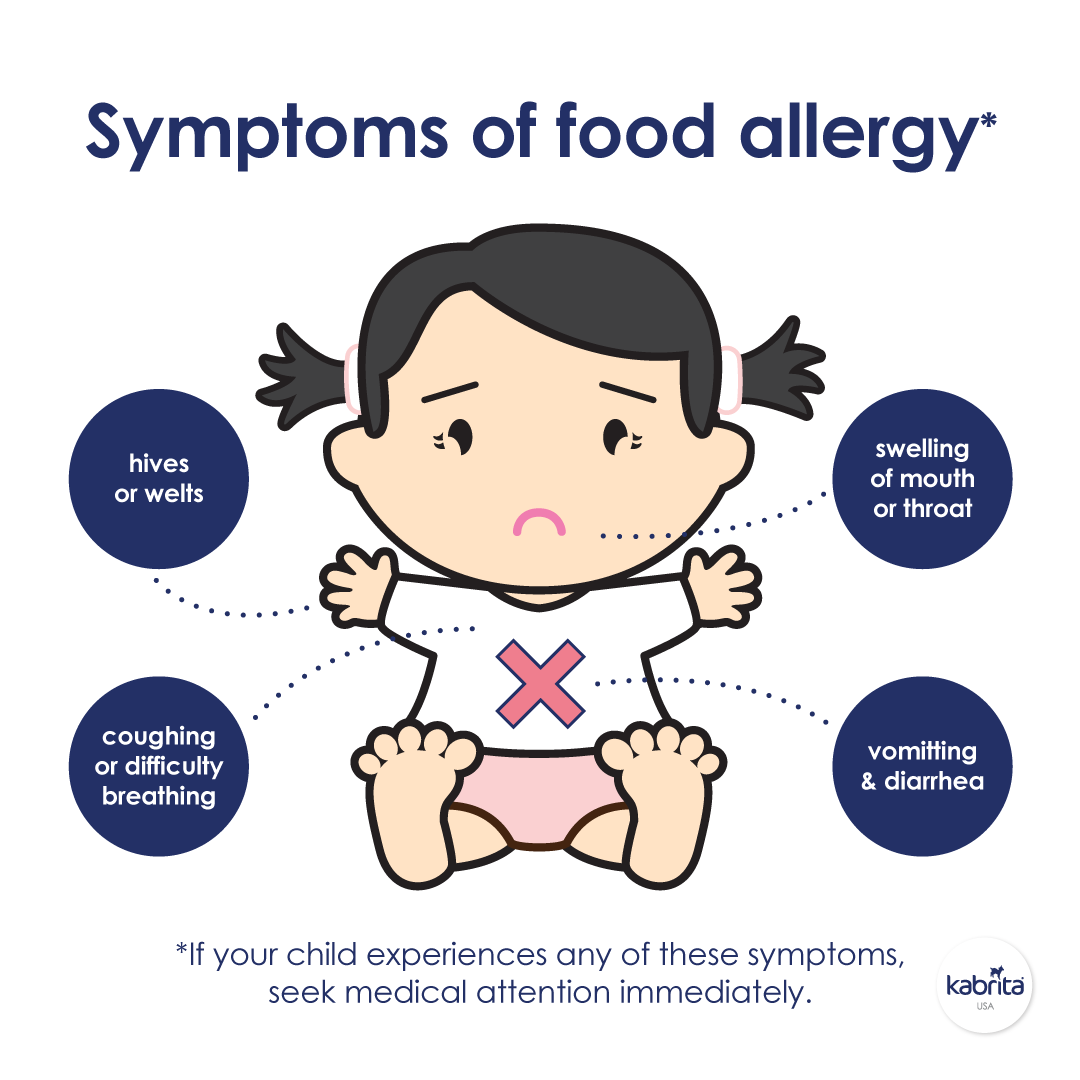
Babies with food sensitivity often show one or more of these signs after eating:
- Skin reactions like rashes, hives, or eczema flare-ups
- Digestive trouble such as diarrhea, vomiting, excessive gas, or mucus in stools
- Unexplained fussiness, crying, or sleep problems after meals
- Poor weight gain or reluctance to eat certain foods
A food diary is one of the most helpful tools for tracking patterns. If symptoms persist or worsen, talk to your pediatrician.
Credit: dawdynaturopathicclinic.com
Food Sensitivity vs. Food Allergy
Before going through the signs, it helps to understand the difference between a food sensitivity and a food allergy. They’re not the same thing.
A food allergy involves the immune system. The body treats a harmless food protein as a threat and launches an immune response, which can range from hives to life-threatening anaphylaxis. Reactions tend to happen quickly, often within minutes to two hours.
A food sensitivity (or intolerance) does not involve the immune system in the same way. It’s usually a digestive issue. Symptoms are milder but can still be uncomfortable, and they often show up hours or even days after eating. There are reliable tests for food allergies, but sensitivities can be harder to diagnose. A food allergy should always be confirmed by a doctor, since some reactions can be severe.
Common Symptoms To Watch For
Food sensitivities in babies can be tricky to identify. Symptoms often overlap with other conditions, making it harder to pinpoint the cause. Observing your baby’s reactions to certain foods is key. Below are common signs that may point to food sensitivity.
Skin Reactions
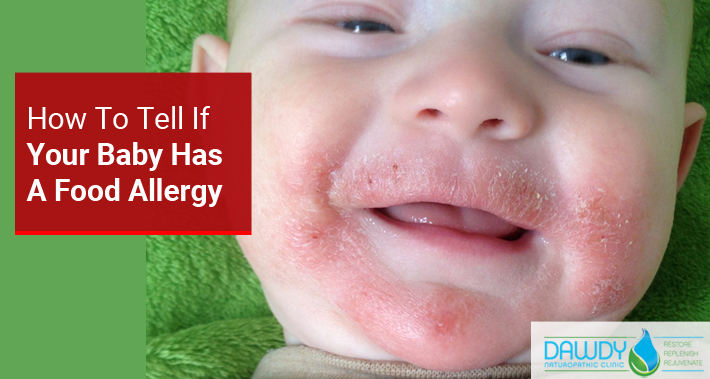
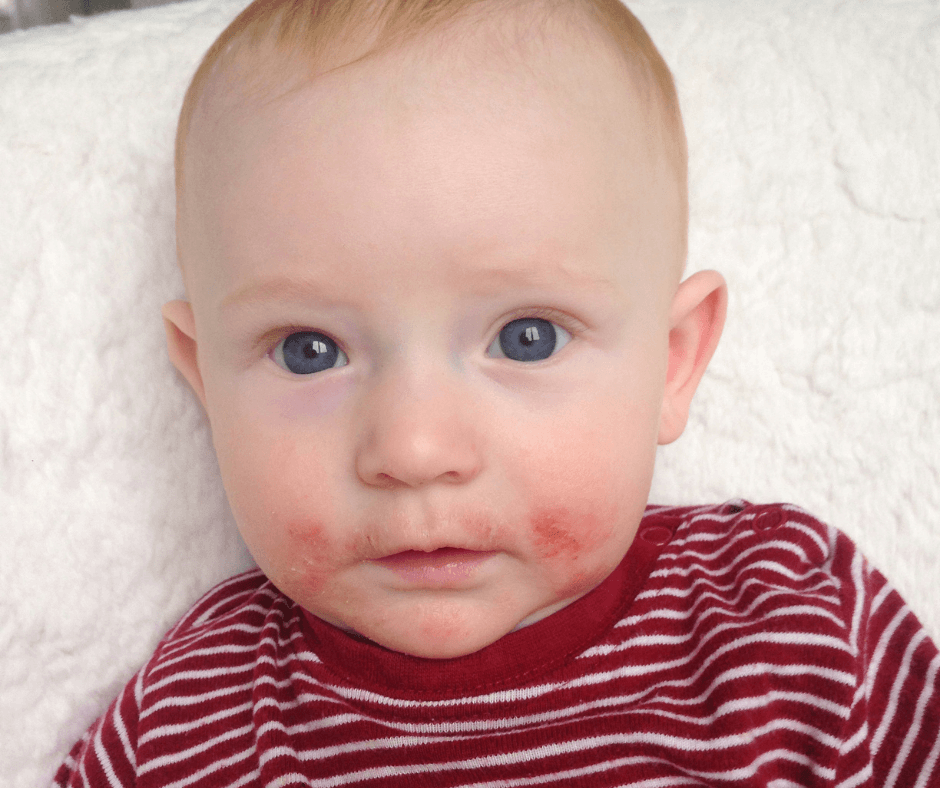
Skin changes are a frequent sign of food sensitivity. You might notice rashes, redness, or hives after feeding. Eczema flare-ups can also be linked to certain foods. Pay attention to where the rash appears. The face, arms, and legs are common areas.
Digestive Issues
Digestive discomfort is another clue. Watch for diarrhea, constipation, or excessive gas. Vomiting or frequent spitting up can also occur after meals. Bloating or a hard stomach might signal an issue too.
Fussiness Or Crying
Unexplained fussiness can be tied to food reactions. Your baby may seem irritable or uncomfortable after eating. Crying for long periods, especially after meals, may hint at sensitivity. This often shows up alongside gas or bloating.
Respiratory Symptoms
Some food sensitivities cause mild respiratory issues. You may notice sneezing, nasal congestion, or a runny nose. In rare cases, wheezing or coughing might appear after eating certain foods. These symptoms should not be ignored.
Changes In Stools
Abnormal stool patterns can indicate a food problem. Look for mucus or blood in your baby’s stool. Stools that are unusually watery or frothy may also be a red flag. Keeping a stool diary can help track these changes.
Poor Weight Gain
Food sensitivities might lead to poor weight gain over time. Babies may refuse certain foods because of discomfort. This can result in reduced calorie intake and slower growth. Regular weight checks can help catch this issue early.

Credit: www.healthline.com
Common Trigger Foods In Babies
Certain foods are more likely than others to cause problems. The most common trigger foods in babies and young children include cow’s milk, eggs, peanuts, tree nuts, soy, wheat, fish, and shellfish. Cow’s milk protein is the single biggest culprit, especially in formula-fed infants.
If you’re breastfeeding, your baby may also react to foods you eat that pass through your breast milk. Dairy in the mother’s diet is the most frequent trigger in breastfed babies with food sensitivity. When introducing solid foods, offer one new food at a time and wait a couple of days before adding another. This makes it much easier to identify which food might be causing a reaction.
Recommended Products

IDENTIFY WHICH FOODS MAY BE CAUSING YOUR SYMPTOMS. Food intolerances happen when your gut microbiome and digestive enzymes can’t break down a food ingredient. Although gluten and lactose are the most common issues, intolerances can happen with any food item. When these intolerances go unchecked, symptoms like headaches, gas, diarrhea, acne, and bloating may develop.

TEST YOUR PETS FOR 1100+ COMMERCIAL PET FOOD INTOLERANCES & ENVIRONMENTAL SENSITIVITIES. Our 2-in-1 pet sensitivity and intolerance test reveals your dog or cat’s response to 825+ commercial pet food & treat ingredients found in dry kibble, wet/canned food, freeze-dried formulas, air dried formulas and 280+ environmental items, like fabrics, cleaning products, plants, and grasses. You’ll uncover what may be contributing to symptoms like diarrhea, paw biting & licking, skin irritations, and watery eyes.

AT-HOME KIT: One small hair sample. 1,000+ everyday items. A fast, non-invasive way to explore possible wellness signals related to foods, drinks, nutrients, household items, and general gut-wellness factors—right from home.
Digestive Issues And Red Flags
Babies can experience food sensitivities that affect their digestive systems. Catching these early can improve their comfort and health. Some symptoms are obvious, while others require closer observation.
Recommended Products
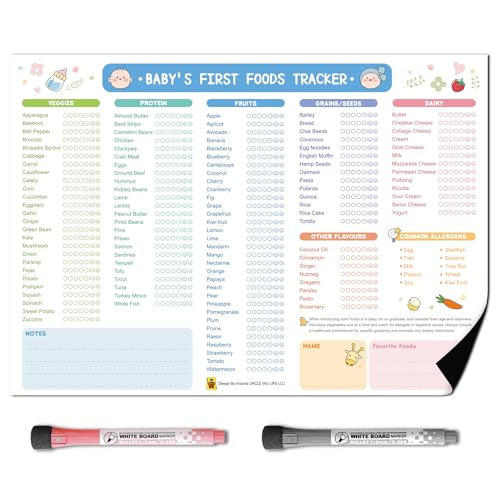
BABY’S FIRST FOOD CHECKLIST: Track your baby’s food journey easily with our large fridge magnet. Plan meals and introduce a variety of flavors to help reduce picky eating.

101 Before 1 Checklist Magnet: From fruits and vegetables to legumes and proteins, the chart offers 75 common foods to help your baby adjust smoothly to solid foods. Meanwhile, it’s easy to track your baby's food preferences to ensure healthy growth

101 Before 1 Checklist Magnet: From fruits and vegetables to legumes and proteins, the chart offers 75 common foods to help your baby adjust smoothly to solid foods. Meanwhile, it’s easy to track your baby's food preferences to ensure healthy growth
Frequent Diarrhea Or Loose Stools
Diarrhea that lasts several days could signal a food sensitivity. Watch for stools that are unusually watery or frequent. Persistent diarrhea may lead to dehydration, so monitor closely.
Constipation Or Hard Stools
Difficulty passing stools could also indicate a food issue. Hard, pellet-like stools might suggest that certain foods are not being digested well. This can cause discomfort or irritability.
Excessive Gas And Bloating
Gas and bloating can occur if a baby reacts poorly to a food. Signs include a swollen belly or frequent burping. Excessive gas may cause discomfort, leading to crying or fussiness.
Spitting Up Or Vomiting
Babies often spit up, but frequent vomiting might be a concern. Vomiting after eating could mean the body is rejecting certain foods. If vomiting becomes regular, bring it up with your healthcare provider.
Abnormal Stool Color
Unusual stool colors may point to food sensitivity. Green stools or mucus in the stool can be red flags. These changes could mean the digestive system is struggling with certain foods.
Persistent Crying After Meals
Frequent crying after eating could indicate stomach pain or discomfort. Babies may arch their backs or pull their legs toward their belly. These behaviors can be signs of digestive distress.
Skin Reactions To Look Out For
Babies with food sensitivities often show signs on their skin. These can appear shortly after eating certain foods. Identifying skin reactions early can help manage your baby’s discomfort.
Red, Itchy Rashes
Red, itchy rashes are a common sign of food sensitivity. These may develop around the mouth, cheeks, or other areas. The rash might look similar to diaper rash but appears after eating.
Hives Or Raised Bumps
Hives are raised, itchy bumps that appear suddenly. They can vary in size and may show up anywhere on the body. These bumps often fade within hours but can reappear if the food is eaten again.
Dry, Patchy Skin
Some babies develop dry, scaly patches of skin. These patches might resemble eczema and cause discomfort. They often appear on the face, arms, or legs.
Swelling Around The Face
Swelling around the eyes, lips, or face could indicate a food reaction. This symptom might occur alongside rashes or redness. Seek medical advice if swelling worsens or spreads.
Persistent Cradle Cap
Cradle cap is common but might worsen with food sensitivity. Look for greasy, yellowish scales on the scalp. If it persists despite treatment, food may be a factor.
Unexplained Blisters
Blisters are less common but can appear in sensitive babies. These might develop near the mouth or hands after eating. Always consult a doctor if blisters are severe or recurring.
Changes In Baby’s Behavior
Recognizing food sensitivities in your baby can feel like solving a puzzle. One of the most telling clues is a shift in your baby’s behavior. Babies can’t tell you what’s wrong, but their actions often speak louder than words.
Have you noticed your baby acting differently after meals? Maybe they seem fussier than usual or struggle to settle down for naps. Paying attention to these subtle changes can guide you toward identifying a possible food sensitivity.
Increased Fussiness Or Irritability
A baby who suddenly becomes cranky after eating might be trying to tell you something. If your usually calm baby cries inconsolably or shows discomfort after meals, it could be a sign of food sensitivity. Keep track of what they’ve eaten recently and look for a pattern.
For example, if your baby becomes fussy every time they have dairy-based formula, it might be worth considering a sensitivity to lactose or milk proteins. Trust your instincts and don’t brush off these changes as just a “bad day.”
Trouble Sleeping
Does your baby have a harder time falling asleep or wake up more often during the night? Food sensitivities can cause discomfort, making it difficult for your little one to stay relaxed. A bloated tummy, gas, or even mild stomach aches can keep them tossing and turning.
Track their sleep patterns alongside their meals. If poor sleep frequently follows a specific food, you may have found the culprit.
Unusual Crying Patterns
Not all crying is the same. A baby dealing with food sensitivity might cry in a way that sounds more distressed or urgent. This kind of crying often happens shortly after feeding or a couple of hours later.
Pay attention to when and how they cry. Is it a short whimper, or does it escalate into full-blown screaming? These details can help you narrow down the cause.
Less Interest In Feeding
Babies usually love their milk or solid food once they start. If yours begins to turn away from the bottle, breast, or spoon, eating may have become uncomfortable for them. They may associate certain foods with discomfort and refuse to eat them altogether.
Monitor their reaction to specific meals. Are they enthusiastic about one type of food but hesitant about another? This could be an important clue.
Clinginess Or Need For Extra Comfort
Babies with food sensitivities may seek more comfort from you. They might want to be held more often or cling to you after eating. This behavior can stem from physical discomfort they can’t express any other way.
If your baby shows this behavior consistently after specific meals, food sensitivity is worth considering. Your attention and care can help them feel better while you figure things out.
Every baby is different, and behavioral changes can have many causes. But staying observant and asking yourself, “Could this be related to what they’re eating?” is a step toward understanding your baby better. Sometimes, the answer is right there in their actions.
Tracking Patterns And Triggers
Understanding food sensitivity in babies requires careful observation. Babies can’t express their discomfort clearly, so parents must rely on patterns and subtle signs. Monitoring daily routines and responses to meals can provide key insights.
Keep a detailed record of meals, symptoms, and changes in behavior. This process helps pinpoint connections between specific foods and your baby’s reactions. It may take time, but consistency is key.
Recommended Products

COMPREHENSIVE BABY FOOD TRACKER: This Set of 2 Baby First Foods Tracker Fridge Magnets helps parents easily record and monitor their baby's journey through 101 foods before 1, ensuring a diverse diet for healthy growth.


BABY'S FIRST FOOD CHECKLIST: Our large fridge magnet is perfect for tracking your baby's food journey as they try new foods for the first time. You can easily plan each meal while introducing your baby to an assortment of flavors to help minimize picky eating
Why A Food Diary Is Essential
A food diary simplifies tracking what your baby eats. Write down every meal, snack, and drink your baby consumes. Note the time of eating and portion sizes so you capture all details for later review.
Include any symptoms your baby shows after eating. Common signs include gas, skin rashes, or upset stomach. Record the timing of symptoms too, since some reactions happen hours later.
Identifying Patterns Over Time
Patterns emerge as you review your food diary. For example, symptoms might appear after your baby eats certain foods. If reactions consistently follow specific meals, that food may be a trigger.
Look for changes in your baby’s mood, sleep, or digestion. Tracking these shifts helps connect them to specific foods or ingredients.
Paying Attention To Delayed Reactions
Food sensitivities often cause delayed symptoms. Keep monitoring for changes up to 48 hours after meals. Babies might show discomfort long after eating, making it harder to connect the dots.
This delay makes a food diary even more valuable. Logging meals and symptoms over several days helps you spot reactions that aren’t immediate.
Consulting Your Pediatrician
If patterns suggest food sensitivity, share your food diary with your pediatrician. This record helps them understand your observations. Doctors may recommend tests or elimination diets based on the evidence you provide.
Your food diary gives the doctor accurate information. This team approach supports your baby’s health and well-being.
When To Consult A Pediatrician
Recognizing food sensitivity in babies can feel overwhelming. While some reactions are mild, others may need professional care. Knowing when to reach out to a pediatrician is important. Early action can help manage symptoms and ease your concerns. The American Academy of Pediatrics recommends contacting your pediatrician whenever you notice ongoing symptoms tied to feeding.
Keep a close eye on your baby’s eating habits and behavior. Certain signs may point to the need for a medical evaluation.
Symptoms Persist After Stopping The Food
If symptoms continue after you’ve removed the suspected food, seek advice. This might indicate an underlying issue beyond food sensitivity. A pediatrician can help identify the root cause.
Severe Symptoms Appear
Watch for symptoms like hives, swelling, or breathing difficulties. These could signal a serious allergic reaction, such as anaphylaxis. Immediate medical attention is necessary.
Unusual Skin Reactions
Frequent rashes or eczema flare-ups could point to food sensitivity. A pediatrician can assess whether the diet is contributing to skin issues. They may recommend tests or dietary changes.
Digestive Issues Become Frequent
Persistent diarrhea, vomiting, or constipation should not be ignored. Ongoing digestive problems may need specialized care. A pediatrician can guide you on the best steps to take.
Poor Weight Gain Or Growth
Food sensitivity might interfere with your baby’s ability to gain weight. If your child is not growing as expected, consult a pediatrician. They can evaluate your baby’s diet and overall health.
Behavioral Changes After Eating
Some babies may show irritability, fussiness, or discomfort after meals. If this becomes a pattern, it could indicate a food-related issue. A pediatrician can help pinpoint the cause and suggest solutions.
Family History Of Allergies
If food allergies run in your family, monitor your baby closely. Early consultation can help prevent or manage potential issues. A pediatrician may recommend allergy testing or preventive measures.
Credit: www.motherhoodcenter.com
Frequently Asked Questions
How To Tell If An Infant Has Food Sensitivity?
Watch for symptoms like diarrhea, vomiting, rash, or excessive crying after eating. Monitor for difficulty breathing or hives. Keep a food diary to track reactions and consult a pediatrician for proper diagnosis. Early identification helps manage sensitivities and keeps your infant comfortable.
What Are Three Symptoms Of Food Intolerance?
Common symptoms of food intolerance include bloating, stomach pain, and diarrhea. These reactions occur when the body struggles to digest certain foods.
How Do I Know If Baby Food Upsets My Baby?
Watch for signs like excessive crying, diarrhea, vomiting, rash, or gas after feeding. Monitor your baby’s behavior closely after meals.
How Quickly Will A Food Allergy Show In A Baby?
Food allergy symptoms in babies can appear within minutes to a few hours after eating the triggering food. Common signs include hives, vomiting, diarrhea, or difficulty breathing. Always consult a pediatrician if you suspect an allergy. Early detection and management are key for your baby’s safety.
Conclusion
Spotting food sensitivity in babies takes patience and close observation. Watch for signs like rashes, upset stomach, or unusual behavior. Keep a food diary to track meals and reactions. Consult your pediatrician for guidance and testing if needed. Early action can help manage symptoms and ease your baby’s discomfort.
Trust your instincts and stay consistent. Understanding your baby’s needs leads to better health and happiness. Always prioritize their well-being through careful monitoring and informed decisions.